Dermatoscope and Magnifiers
 Diagnostic Kits
 Vital Signs Monitors
 Stethoscopes and Accessories
 Otoscopes, Ophthalmoscopes, and Retinoscopes
 Reflex Hammers and Neurological Tools
 Scales and Measuring Devices
 Spirometers and Pulmonary Function Tests
 Electrosurgical Units and Accessories
 Cutting Instruments
 Grasping and Holding Instruments
 Hemostatic Instruments
 Specialized Surgical Sets
 Single-Use Procedure Trays and Packs
 Surgical Drapes, Gowns, and Covers
 Tissue Unifying Instruments
 Radiation Protection
 X-Ray Machines and Accessories
 Ultrasound Systems and Probes
 MRI and CT Scanners
 Radiology Consumables
 Bone Densitometers
 Fluoroscopy Equipment
 Imaging Tables and Positioning Aids
 Microscopes and Accessories
 Centrifuges and Separators
 Analyzers
 Incubators and Ovens
 Pipettes, Dispensers, and Lab Glassware
 Refrigerators, Freezers, and Storage Units
 Lab Consumables
 Sterilizers and Autoclaves for Lab Use
 Multi-Parameter Monitors
 Ventilators and Respiratory Support Devices
 Defibrillators and AEDs
 Infusion Pumps and IV Systems
 Patient Warmers and Cooling Devices
 Central Monitoring Stations
 Accessories
 Anesthesia Machines and Workstations
 Oxygen Concentrators and Delivery Systems
 Nebulizers and Inhalers
 CPAP/BiPAP Machines
 Airway Management
 Anesthesia Masks, Circuits, and Bags
 Humidifiers and Heaters
 Respiratory Therapy Accessories
 First Aid Kits and Cabinets
 Emergency Resuscitation Equipment
 Trauma Supplies
 Emergency Carts and Crash Carts
 Burn Care Products
 Bleeding Control
 Automated External Defibrillators (AEDs)
 Transport and Evacuation
 Wheelchairs and Accessories
 Walkers, Crutches, and Canes
 Prosthetics and Orthotics
 Physical Therapy Equipment
 Transfer Devices
 Bathroom Safety
 Orthopedic Traction and Tables
 Hot/Cold Therapy Packs and Units
 Beds and Mattresses
 Chairs and Stools
 Tables
 Cabinets and Storage
 Privacy Screens & Curtains
 Stands and Racks
 Linens and Textiles
 Lighting
 Autoclaves and Sterilizers
 Ultrasonic Cleaners
 Disinfectant Solutions and Wipes
 Sterilization Pouches, Wraps, and Indicators
 Instrument Trays and Containers
 UV and Ozone Disinfection Devices
 Washer Disinfectors
 Wound Care
 Gloves
 Masks and Respirators
 Catheters and Tubing
 Swabs, Applicators, and Sponges
 Incontinence Products
 Personal Protective Equipment (PPE)
 Dental Chairs and Units
 Handpieces and Burs
 Instruments
 Consumables
 Sterilization for Dental Use
 Orthodontic Supplies
 Endodontic Tools
 Slit Lamps and Tonometers
 Lensometers and Phoropters
 Ophthalmic Surgical Instruments
 Eyewear Frames and Lenses
 Contact Lens Supplies
 Vision Testing Charts and Devices
 Eye Care Consumables
 Laser Systems for Eye Care
 ENT Exam Chairs and Tables
 Endoscopes
 Audiometers and Hearing Tests
 ENT Instruments
 Nasal and Throat Packs
 Hearing Aids and Accessories
 Otology Supplies
 Fetal Dopplers and Monitors
 Delivery Beds and Tables
 Gynecological Instruments
 Neonatal Incubators and Warmers
 Breast Pumps and Accessories
 Contraceptive Devices
 Maternity Supports and Pads
 Neonatal Consumables
 Cystoscopes and Urethroscopes
 Dialysis Machines and Supplies
 Urological Catheters and Bags
 Lithotripters
 Prostate Treatment Devices
 Urinary Incontinence Products
 Kidney Stone Management Tools
 Consumables & Disposables
 EEG and EMG Machines
 Neurosurgical Instruments
 Nerve Stimulators
 Headrests and Positioning Aids
 Lumbar Puncture Kits
 Seizure Monitoring Devices
 Consumables
 Rehabilitation for Neurological Conditions
 ECG Machines and Accessories
 Holter Monitors
 Stress Test Systems
 Pacemakers and Defibrillator Accessories
 Vascular Access Devices
 Cardiac Catheters and Guidewires
 Blood Flow Meters
 Consumables
 Orthopedic Instruments
 Casts, Splints, and Padding
 Joint Replacement Supplies
 Prosthetic Limbs and Components
 Bone Grafts and Substitutes
 Traction Devices
 Orthopedic Braces and Supports
 Rehabilitation Aids for Orthopedics
 Home Oxygen Therapy
 Hospital Beds for Home Use
 Mobility Aids
 Bathroom and Daily Living Aids
 Wound Care for Home
 Monitoring Devices
 Enteral Feeding Pumps and Tubes
 Hand Sanitizers and Dispensers
 Face Shields and Goggles
 Isolation Gowns and Suits
 Biohazard Waste Containers
 Air Purifiers and HEPA Filters
 Surface Disinfectants
 Sharps Containers
 Protective Barriers
 Cardiovascular & Endurance Training
 Strength Training & Weightlifting
 Functional Training & Core Conditioning
 Physical Therapy & Rehabilitation
 Sports & Outdoor Recreation
 Gym Flooring & Facility Equipment
 Fitness Monitoring & Accessories
 Kids & Novelties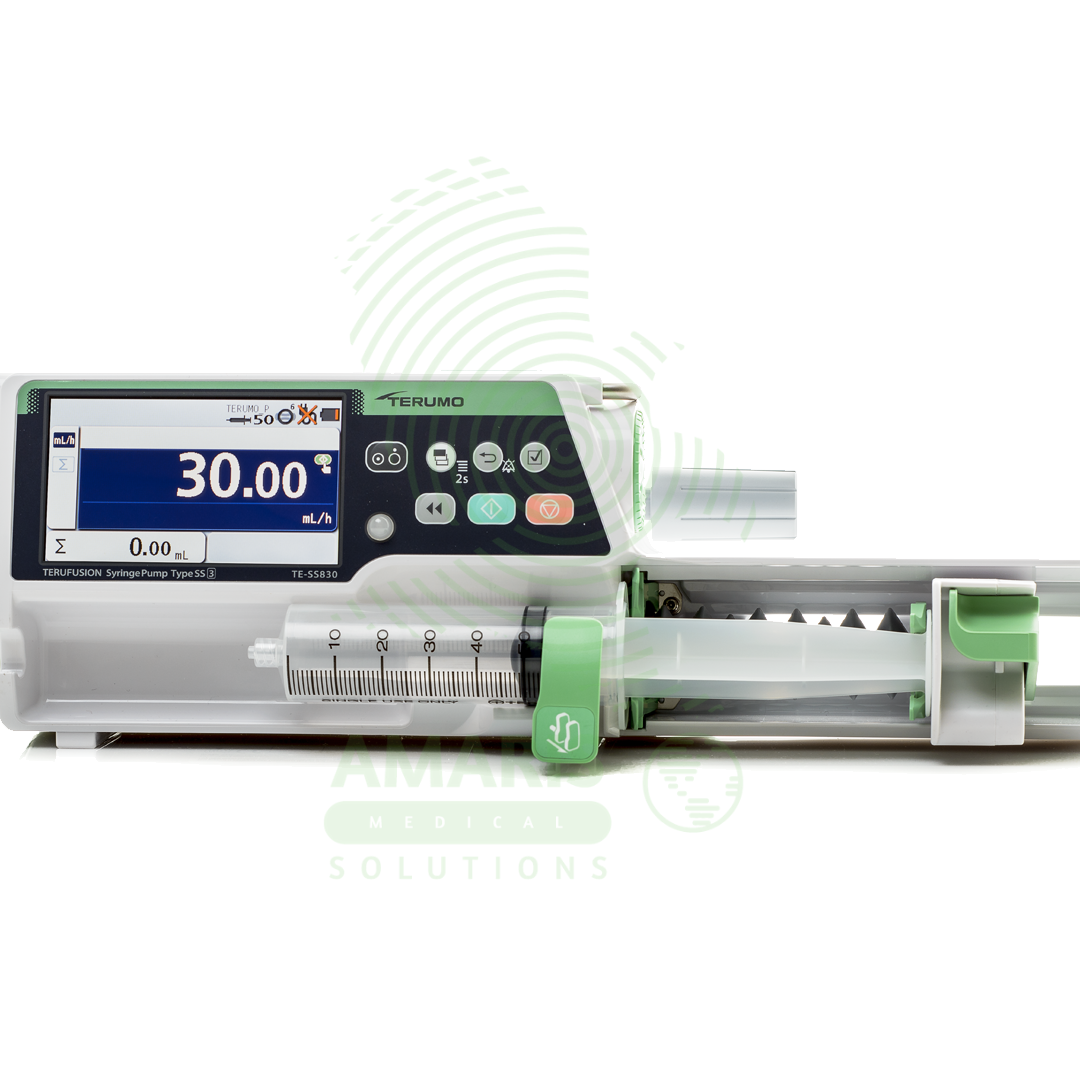
Syringe Pump
$1.00
WhatsApp Order
A Syringe Pump is a high-precision infusion device designed to advance the plunger of a standard medical syringe at a programmed rate, enabling the accurate delivery of small, critical medication volumes. It is the gold standard for administering potent, titratable drugs in intensive care, anesthesia, and neonatal/pediatric units, where flow rates as low as 0.1 mL/hour are required. With essential safety features like occlusion alarms, anti-free-flow mechanisms, and integrated drug libraries, it minimizes the risk of dosing errors. Its accuracy, compact design, and versatility for continuous or bolus dosing make it indispensable for managing high-risk intravenous therapies.
Description
Syringe Pump
PRIMARY CLINICAL & DIAGNOSTIC USES
1. Precision Micro-Infusion of Potent Medications
-
Primary Use: Provides extremely accurate, low-flow rate administration of high-risk, concentrated medications where even a small volumetric error could be life-threatening, including vasoactive drugs, inotropes, potent sedatives, and analgesics in critical care and anesthesia.
-
How it helps: For the intensivist, anesthesiologist, and critical care nurse, the syringe pump is the only safe way to deliver medications where micrograms per minute matter—drugs that support blood pressure, maintain sedation, or control heart rate. For the critically ill patient whose life depends on a continuous drip of norepinephrine to keep their blood pressure from collapsing, the syringe pump delivers this potent medication with precision that no other device can match, maintaining the delicate balance between life-sustaining support and dangerous overdose.
2. Neonatal & Pediatric Intensive Care
-
Primary Use: Essential for the safe delivery of fluids and medications to infants and children, where required infusion rates are as low as 0.1 mL/hour and total fluid volumes must be tightly controlled to avoid fluid overload.
-
How it helps: For the neonatologist and pediatric intensive care team, the syringe pump’s ability to deliver minute volumes with precision is non-negotiable—tiny patients have tiny margins for error. For the premature infant weighing 500 grams, receiving medications and fluids through a syringe pump means they get exactly what they need, precisely calculated for their size, without the risk of fluid overload that could strain their immature heart and lungs.
3. Chemotherapy & Oncology
-
Primary Use: Used for the continuous or intermittent infusion of certain chemotherapeutic agents, biologics, and supportive care drugs that require precise dosing over extended periods.
-
How it helps: For the oncologist and chemotherapy nurse, the syringe pump ensures that powerful cancer-fighting drugs are delivered at precisely controlled rates—fast enough to be effective against cancer cells, slow enough to protect healthy tissues from toxicity. For the patient undergoing cancer treatment, this precision means their chemotherapy is administered exactly as the protocol intends, optimizing therapeutic effect while minimizing side effects.
4. Research & Laboratory Applications
-
Primary Use: Employed in preclinical and clinical research for the controlled, continuous delivery of substances in experimental protocols.
-
How it helps: For the research scientist and clinical investigator, the syringe pump provides reproducible, accurate delivery of investigational drugs, ensuring that study results reflect the drug’s effect, not variability in administration. For future patients who will benefit from the treatments developed through this research, the syringe pump’s precision helps generate reliable data that advances medical knowledge and improves therapeutic options.
SECONDARY & SUPPORTIVE USES
1. Patient-Controlled Analgesia (PCA): For the pain management team, syringe pumps configured for PCA allow patients to self-administer small bolus doses of opioid within strict safety parameters. For the patient in acute post-operative pain, pressing a button to receive immediate relief—without waiting for a nurse—means better pain control, less anxiety, and faster recovery.
2. Epidural & Regional Anesthesia: For the anesthesiologist and pain specialist, syringe pumps enable continuous infusion of local anesthetics into the epidural or perineural space for post-operative pain management. For the patient after major surgery, a continuous epidural infusion through a syringe pump provides superior pain relief with fewer systemic side effects than intravenous opioids.
3. Ambulatory Infusion: For the home health provider and case manager, compact battery-operated syringe pumps enable mobile infusion therapy for antibiotics, pain management, or other treatments outside the hospital. For the patient who can go home with a portable syringe pump, it means receiving necessary IV therapy while sleeping in their own bed, moving freely, and maintaining their quality of life—freed from the hospital room.
KEY PRODUCT FEATURES
1. BASIC IDENTIFICATION ATTRIBUTES
-
Device Type: A subtype of infusion pump designed to drive a standard medical syringe.
-
Operating Principle: Uses a motor-driven piston or linear actuator that engages the syringe's plunger flange to advance the plunger at a precisely controlled rate.
-
Syringe Compatibility: Designed to accommodate specific sizes and brands of syringes (e.g., 10mL, 20mL, 50mL, 60mL). The pump must be correctly configured for the syringe brand and size in use to ensure accurate volume delivery.
2. TECHNICAL & PERFORMANCE PROPERTIES
-
Flow Rate Range & Precision: The defining characteristic. Capable of very low flow rates, typically from 0.1 mL/hour up to 99.9 mL/hour (or higher, depending on syringe size). Accuracy at low rates is critical, often within ±2-5%.
-
Dosing Modes:
-
Continuous Rate: Set in mL/hour.
-
Intermittent/Bolus: Delivers a programmed volume (mL) over a programmed time (minutes).
-
Dose Rate (mcg/kg/min): Advanced pumps allow direct programming in pharmacological units (e.g., mcg/kg/min) after entering patient weight and drug concentration, minimizing calculation errors.
-
-
Syringe Recognition: Many modern pumps have automatic syringe detection via barcode or mechanical sensing to auto-configure the pump settings, reducing setup errors.
-
Safety Features:
-
Plunger Position Sensing: Detects when the syringe is empty or improperly loaded.
-
Occlusion Alarm: Monitors pressure to detect blockages in the delivery line. High-pressure occlusions can be dangerous with small-bore syringes.
-
Anti-Free-Flow: Mechanism (often a clamp) prevents gravity flow when the syringe is loaded or the line is disconnected.
-
Drug Library with Dose Error Reduction System (DERS): Contains hard and soft limits for drug concentrations and doses to prevent programming errors.
-
3. PHYSICAL & OPERATIONAL PROPERTIES
-
Portability: Generally more compact and lightweight than large-volume pumps, facilitating use at the bedside, on IV poles, or in transport.
-
Power: Operates on AC power with an internal rechargeable battery for mobility and backup.
-
User Interface: Features a keypad or touchscreen for programming alarms and viewing infusion status.
4. SAFETY & COMPLIANCE ATTRIBUTES
-
Regulatory Status: Class IIb/III Medical Device (moderate to high risk). Requires FDA 510(k) Clearance and CE Marking.
-
Standards: Complies with IEC 60601-1 and the particular standard IEC 60601-2-24 for infusion pumps.
-
Quality Management: Manufactured under ISO 13485.
5. STORAGE & HANDLING ATTRIBUTES
-
Storage: Store in a clean, dry place. Protect from physical shock.
-
Cleaning & Disinfection: Wipe external surfaces with approved hospital disinfectant wipes. Do not immerse. Syringe clamps and holders should be cleaned regularly.
-
Preventive Maintenance: Requires periodic performance checks (flow rate accuracy, occlusion pressure alarm threshold) by clinical engineering.
6. LABORATORY & CLINICAL APPLICATIONS
-
Primary Application: The device of choice for the safe and accurate administration of potent, low-volume intravenous medications, especially in critical care, anesthesia, and pediatrics.
-
High-Risk Infusions: Its precision makes it mandatory for titratable drugs where the dose directly determines physiological stability (e.g., blood pressure control with vasopressors).
SAFETY HANDLING PRECAUTIONS
1. SAFETY PRECAUTIONS
-
Syringe & Drug Concentration: Critical. The pump's accuracy depends on correct syringe size and drug concentration entry. A 10x error in concentration leads to a 10x dosing error.
-
Line Management: Use low-compliance, pressure-resistant tubing designed for syringe pumps. Avoid long or highly compliant tubing which can affect delivery accuracy and occlusion detection.
-
Programming Vigilance: Always use the drug library. Double-check the Drug, Concentration, Rate, and Volume to be Infused (VTBI) against the physician's order at the pump and at the bedside.
-
Battery Management: Ensure adequate battery charge before transporting a patient.
2. FIRST AID MEASURES
-
Pump Malfunction or Over-Infusion: If a pump fails or is suspected of over-infusing, immediately stop the infusion by clamping the IV line close to the patient. Disconnect the syringe pump. Assess the patient and manage any drug overdose effects (e.g., hypotension from vasodilator overdose). Have emergency drugs and support available.
-
Under-Infusion/Occlusion: For critical medications (e.g., vasopressors), have a pre-prepared backup syringe and pump or switch to a manual infusion method while troubleshooting.
3. FIRE FIGHTING MEASURES
-
Flammability: Plastic and electronic components are combustible.
-
Extinguishing Media: For electrical fires, use a CO₂ or dry chemical extinguisher.
Related products
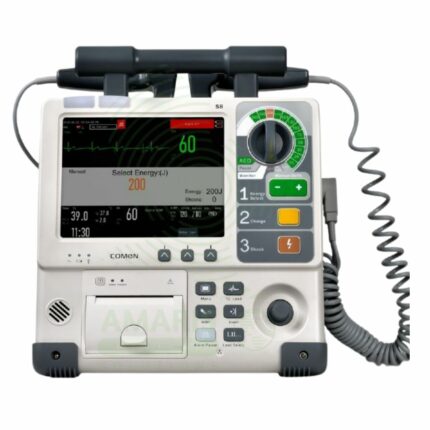
Defibrillator Monitor
The Defibrillator Monitor is a critical, portable life-support device that combines continuous patient monitoring with immediate defibrillation and pacing capabilities. It is the frontline tool for managing cardiac arrest (through defibrillation) and unstable arrhythmias (through synchronized cardioversion or pacing) in emergency departments, during patient transport, and for hospital code teams. Essential for safe operation are rigorous daily self-tests, correct pad placement, and the strict protocol of clearing all personnel before delivering a shock. Its integrated monitoring of ECG, SpO2, and NIBP allows for comprehensive patient assessment at the point of greatest need.
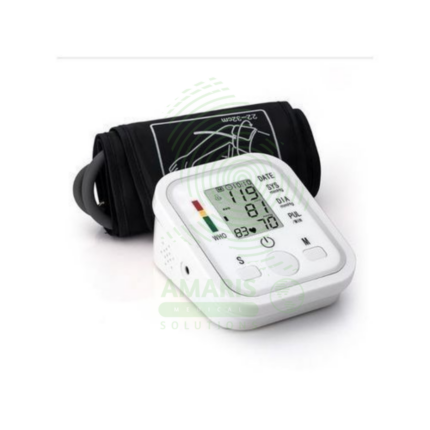
Digital Blood Pressure Monitor
A Digital Blood Pressure Monitor is an automatic electronic device that measures and displays systolic pressure, diastolic pressure, and pulse rate using the oscillometric method. Designed primarily for home and clinical use, it offers a user-friendly alternative to manual aneroid devices, requiring minimal training. Key features often include irregular heartbeat detection, multi-user memory, and connectivity for data tracking. Its accuracy, when clinically validated and used with correct technique, makes it an indispensable tool for the diagnosis and management of hypertension, empowering patients and supporting healthcare providers with reliable ambulatory data.
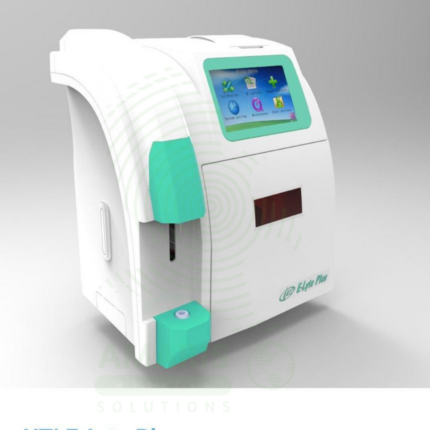
E-lyte Plus Advanced Electrolyte Analyzer
The E-lyte Plus Advanced Electrolyte Analyzer is a fully automated, microprocessor-controlled benchtop electrolyte analyzer that uses Ion Selective Electrode (ISE) technology for simultaneous measurement of potassium (K+), sodium (Na+), chloride (Cl-), ionized calcium (Ca++), pH, and lithium (Li+) in whole blood, serum, plasma, and urine samples . With up to six electrodes installed simultaneously, test times of 30-40 seconds, and an optional 21-position autosampler, the system delivers rapid, high-throughput electrolyte profiling in emergency, critical care, and routine laboratory settings .
The system features a 7-inch color LCD touchscreen with user-friendly interface, fast-access menus, and real-time result review . Quality control includes automatic ISE calibration, 3-level QC with Levey-Jennings charting, and automatic QC correction . The analyzer stores 8,000 test results, includes an integrated thermal printer, offers RS-232 connectivity for LIS integration, and supports optional barcode reader for sample ID entry .
For the emergency physician and critical care specialist, the E-lyte Plus provides rapid (30-40 second) sodium, potassium, chloride, and ionized calcium results essential for diagnosing life-threatening electrolyte disturbances—hyponatremia (seizures, coma), hyperkalemia (cardiac arrest), hypocalcemia (tetany, laryngospasm), and acid-base disorders via anion gap calculation. For the psychiatrist, lithium measurement enables therapeutic drug monitoring for bipolar disorder patients, preventing lithium toxicity (tremor, seizures, coma) while ensuring therapeutic efficacy. For the nephrologist and endocrinologist, comprehensive electrolyte panels support diagnosis of adrenal insufficiency (Addison's disease: hyponatremia, hyperkalemia), hyperaldosteronism (Conn's syndrome: hypokalemia), and primary hyperparathyroidism (hypercalcemia). For the patient, accurate, stat electrolyte results guide life-saving interventions—electrolyte replacement for dehydration, insulin and bicarbonate for diabetic ketoacidosis, dialysis for severe hyperkalemia, and calcium and calcitriol for post-thyroidectomy hypocalcemia—preventing fatal arrhythmias, seizures, coma, and respiratory failure.
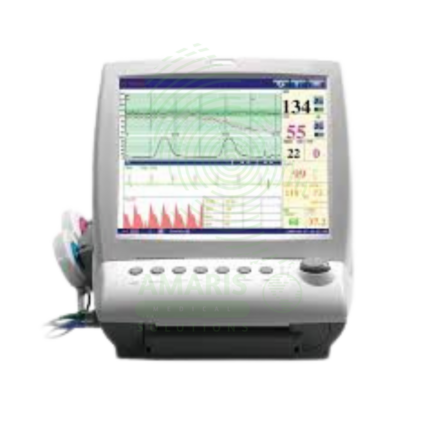
Fetal & Maternal Monitor
A Fetal & Maternal Monitor is an electronic monitoring system that simultaneously records fetal heart rate (via external ultrasound or internal scalp electrode), uterine contractions (via external tocodynamometer or intrauterine pressure catheter), and maternal vital signs (blood pressure, heart rate, oxygen saturation). Used for antepartum and intrapartum fetal assessment, non-stress tests, contraction stress tests, and monitoring of high-risk pregnancies including gestational diabetes, hypertensive disorders, and multiple gestations. Features high-resolution display, continuous paper recording, alarm systems for fetal distress, and data storage for medical records. External monitoring is non-invasive for routine use; internal monitoring provides more accurate data but requires ruptured membranes and cervical dilation. Class II medical device requiring FDA clearance and qualified interpretation of fetal heart rate patterns. Essential for assessing fetal well-being and guiding obstetric interventions.
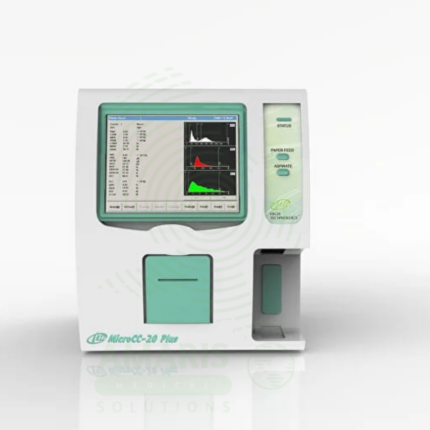
MicroCC-20 Plus VET Advanced Hematology Analyzer
The MicroCC-20 Plus VET Advanced Hematology Analyzer is a fully automated, 3-part differential (3-diff) benchtop veterinary hematology analyzer designed for companion animal, livestock, equine, and exotic species CBC testing . The instrument measures 20 parameters including complete blood count (CBC) with WBC, RBC, HGB, HCT, MCV, MCH, MCHC, RDW-SD, RDW-CV, PLT, MPV, PDW, PCT, P-LCR , and a 3-part white blood cell differential (LYM, MID, GRA) with both absolute counts and percentages .
Operating at 60 tests per hour with sample volumes of just 9.8 µL for whole blood or 20 µL for pre-diluted capillary samples , the analyzer uses electrical impedance technology (80 µm ruby aperture) for RBC and platelet counting, and colorimetric photometry (550 nm) for hemoglobin measurement . The 10.4 inch color LCD touchscreen with Windows-based operating system provides an intuitive graphical user interface with language options including English, Russian, Spanish, French, Ukrainian, and Chinese .
Pre-programmed species reference intervals are available for cat, dog, rabbit, pig, goat, horse, cow, buffalo, monkey, and 4 free programmable profiles for other mammals . The analyzer features comprehensive quality control with built-in L‑J, X‑R, and X‑B charting, 50,000 patient result memory with complete histograms and demographics , reagent level monitoring , and connectivity options including RS-232, USB x2, and RJ-45 Ethernet for LIS integration and external peripherals (keyboard, mouse, barcode reader, printer) .
For the veterinarian and veterinary laboratory scientist, the MicroCC‑20 Plus VET provides reliable, cost-effective hematology testing that supports accurate diagnosis of anemia, infection, inflammation, thrombocytopenia, and hematologic disorders across multiple species—including dogs, cats, horses, cattle, swine, goats, rabbits, and non-human primates . For the animal patient, rapid (60 tests/hour) and accurate CBC results enable timely diagnosis of anemia, early detection of infection, monitoring of chemotherapy effects, preoperative risk assessment, and appropriate treatment for bleeding disorders and hematologic diseases—improving veterinary patient outcomes across companion animal, livestock, equine, and wildlife medicine.
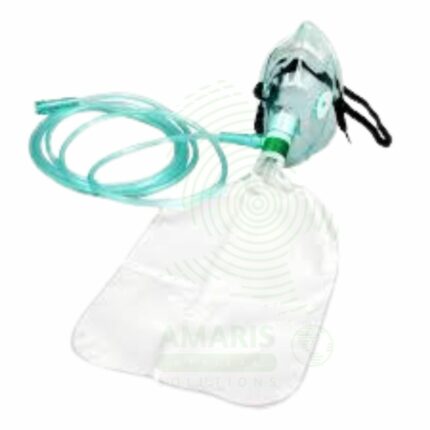
Non-Rebreathing Oxygen Mask
An Non-Rebreathing Oxygen Mask is a high-concentration oxygen delivery device designed for emergency use in critically hypoxic patients. It features a face mask with an attached reservoir bag and a system of one-way valves to prevent the rebreathing of exhaled carbon dioxide, allowing for the delivery of up to 95% FiO2. Its safe operation depends on a minimum oxygen flow of 10-15 L/min to keep the reservoir bag inflated. It is contraindicated where uncontrolled high-flow oxygen may be harmful (e.g., in some COPD patients) and carries a severe fire risk. It is a vital, immediate-intervention tool found in all emergency response settings.
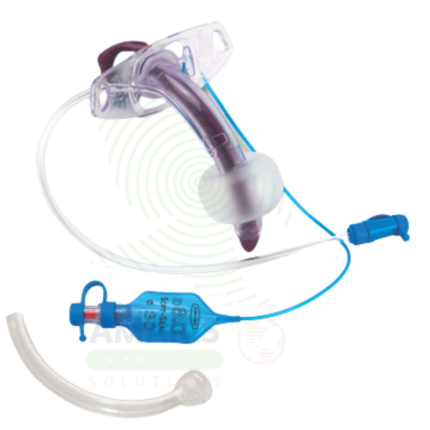
Tracheostomy Tube
A Tracheostomy Tube is a curved, sterile medical device inserted through a surgical opening in the trachea to establish and maintain a secure airway for patients requiring long-term mechanical ventilation, upper airway obstruction management, or effective secretion clearance. Constructed from medical-grade PVC, silicone, or polyurethane, these tubes feature an outer cannula, removable inner cannula for patency maintenance, and a high-volume, low-pressure cuff to prevent aspiration and enable positive pressure ventilation. Available in pediatric through adult sizes with fenestrated options for speech, tracheostomy tubes are essential devices in intensive care units, long-term care facilities, and home care settings. For the clinician, they provide stable airway access that facilitates mechanical ventilation, weaning, and rehabilitation. For the patient, a tracheostomy tube enables improved comfort, mobility, communication, and quality of life compared to prolonged endotracheal intubation.