Dermatoscope and Magnifiers
 Diagnostic Kits
 Vital Signs Monitors
 Stethoscopes and Accessories
 Otoscopes, Ophthalmoscopes, and Retinoscopes
 Reflex Hammers and Neurological Tools
 Scales and Measuring Devices
 Spirometers and Pulmonary Function Tests
 Electrosurgical Units and Accessories
 Cutting Instruments
 Grasping and Holding Instruments
 Hemostatic Instruments
 Specialized Surgical Sets
 Single-Use Procedure Trays and Packs
 Surgical Drapes, Gowns, and Covers
 Tissue Unifying Instruments
 Radiation Protection
 X-Ray Machines and Accessories
 Ultrasound Systems and Probes
 MRI and CT Scanners
 Radiology Consumables
 Bone Densitometers
 Fluoroscopy Equipment
 Imaging Tables and Positioning Aids
 Microscopes and Accessories
 Centrifuges and Separators
 Analyzers
 Incubators and Ovens
 Pipettes, Dispensers, and Lab Glassware
 Refrigerators, Freezers, and Storage Units
 Lab Consumables
 Sterilizers and Autoclaves for Lab Use
 Multi-Parameter Monitors
 Ventilators and Respiratory Support Devices
 Defibrillators and AEDs
 Infusion Pumps and IV Systems
 Patient Warmers and Cooling Devices
 Central Monitoring Stations
 Accessories
 Anesthesia Machines and Workstations
 Oxygen Concentrators and Delivery Systems
 Nebulizers and Inhalers
 CPAP/BiPAP Machines
 Airway Management
 Anesthesia Masks, Circuits, and Bags
 Humidifiers and Heaters
 Respiratory Therapy Accessories
 First Aid Kits and Cabinets
 Emergency Resuscitation Equipment
 Trauma Supplies
 Emergency Carts and Crash Carts
 Burn Care Products
 Bleeding Control
 Automated External Defibrillators (AEDs)
 Transport and Evacuation
 Wheelchairs and Accessories
 Walkers, Crutches, and Canes
 Prosthetics and Orthotics
 Physical Therapy Equipment
 Transfer Devices
 Bathroom Safety
 Orthopedic Traction and Tables
 Hot/Cold Therapy Packs and Units
 Beds and Mattresses
 Chairs and Stools
 Tables
 Cabinets and Storage
 Privacy Screens & Curtains
 Stands and Racks
 Linens and Textiles
 Lighting
 Autoclaves and Sterilizers
 Ultrasonic Cleaners
 Disinfectant Solutions and Wipes
 Sterilization Pouches, Wraps, and Indicators
 Instrument Trays and Containers
 UV and Ozone Disinfection Devices
 Washer Disinfectors
 Wound Care
 Gloves
 Masks and Respirators
 Catheters and Tubing
 Swabs, Applicators, and Sponges
 Incontinence Products
 Personal Protective Equipment (PPE)
 Dental Chairs and Units
 Handpieces and Burs
 Instruments
 Consumables
 Sterilization for Dental Use
 Orthodontic Supplies
 Endodontic Tools
 Slit Lamps and Tonometers
 Lensometers and Phoropters
 Ophthalmic Surgical Instruments
 Eyewear Frames and Lenses
 Contact Lens Supplies
 Vision Testing Charts and Devices
 Eye Care Consumables
 Laser Systems for Eye Care
 ENT Exam Chairs and Tables
 Endoscopes
 Audiometers and Hearing Tests
 ENT Instruments
 Nasal and Throat Packs
 Hearing Aids and Accessories
 Otology Supplies
 Fetal Dopplers and Monitors
 Delivery Beds and Tables
 Gynecological Instruments
 Neonatal Incubators and Warmers
 Breast Pumps and Accessories
 Contraceptive Devices
 Maternity Supports and Pads
 Neonatal Consumables
 Cystoscopes and Urethroscopes
 Dialysis Machines and Supplies
 Urological Catheters and Bags
 Lithotripters
 Prostate Treatment Devices
 Urinary Incontinence Products
 Kidney Stone Management Tools
 Consumables & Disposables
 EEG and EMG Machines
 Neurosurgical Instruments
 Nerve Stimulators
 Headrests and Positioning Aids
 Lumbar Puncture Kits
 Seizure Monitoring Devices
 Consumables
 Rehabilitation for Neurological Conditions
 ECG Machines and Accessories
 Holter Monitors
 Stress Test Systems
 Pacemakers and Defibrillator Accessories
 Vascular Access Devices
 Cardiac Catheters and Guidewires
 Blood Flow Meters
 Consumables
 Orthopedic Instruments
 Casts, Splints, and Padding
 Joint Replacement Supplies
 Prosthetic Limbs and Components
 Bone Grafts and Substitutes
 Traction Devices
 Orthopedic Braces and Supports
 Rehabilitation Aids for Orthopedics
 Home Oxygen Therapy
 Hospital Beds for Home Use
 Mobility Aids
 Bathroom and Daily Living Aids
 Wound Care for Home
 Monitoring Devices
 Enteral Feeding Pumps and Tubes
 Hand Sanitizers and Dispensers
 Face Shields and Goggles
 Isolation Gowns and Suits
 Biohazard Waste Containers
 Air Purifiers and HEPA Filters
 Surface Disinfectants
 Sharps Containers
 Protective Barriers
 Cardiovascular & Endurance Training
 Strength Training & Weightlifting
 Functional Training & Core Conditioning
 Physical Therapy & Rehabilitation
 Sports & Outdoor Recreation
 Gym Flooring & Facility Equipment
 Fitness Monitoring & Accessories
 Kids & Novelties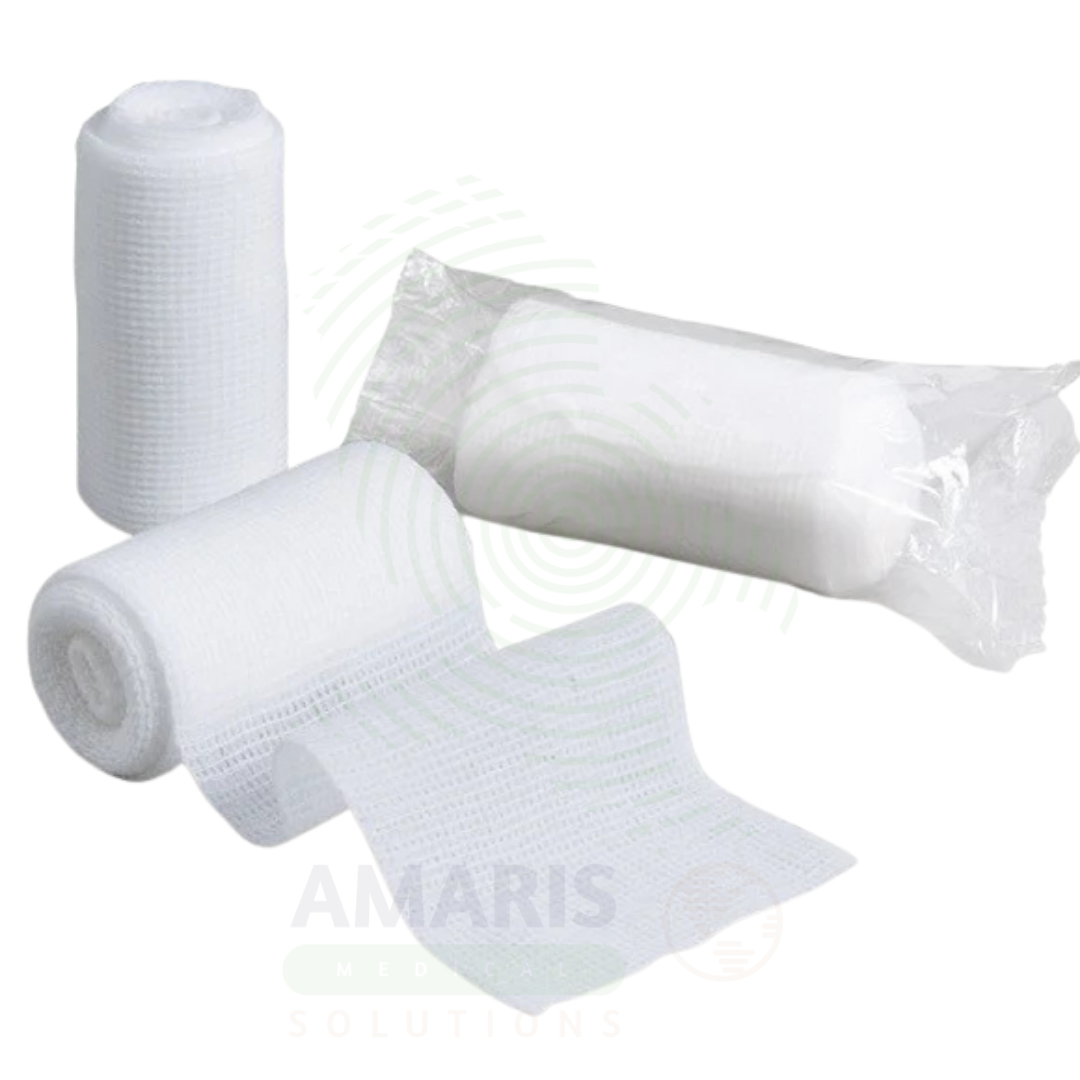
Non Sterile Gauze Roll
$1.00
WhatsApp Order
Non Sterile Gauze Roll is a continuous length of absorbent woven cotton gauze supplied in roll form for wrapping, securing dressings, providing compression, and protecting skin in clinical and home healthcare settings. Available in widths from 1 inch to 6 inches and lengths up to 10 yards, these rolls provide versatile application for limbs, digits, and body surfaces. Non-stretch versions offer secure dressing retention, while stretch (conforming) versions conform to irregular body contours for comfortable fit. For the clinician, gauze rolls enable quick, customizable application for wound care, compression therapy, and skin protection. For the patient, they provide secure dressing retention without adhesive-related skin irritation, effective fluid absorption, and comfortable compression for conditions such as venous insufficiency and edema.
Description
Non Sterile Gauze Roll
PRIMARY CLINICAL & DIAGNOSTIC USES
1. Wound Dressing Securement and Retention
-
Primary Use: Provides a continuous length of gauze material used to wrap around limbs, digits, and body surfaces to secure primary dressings in place without the need for adhesive tapes.
-
How it helps: For the nurse and wound care clinician, the gauze roll enables quick, secure wrapping of dressings around irregular body contours—holding wound covers in place while allowing for natural movement and flexibility. For the patient, this means dressings stay securely in place without skin irritation from adhesives, particularly beneficial for patients with fragile skin or adhesive allergies.
2. Absorption of Exudate and Drainage
-
Primary Use: Provides an absorbent layer that wicks away wound exudate, blood, and drainage from the wound site into secondary dressing layers.
-
How it helps: For the clinician managing wounds with moderate to heavy drainage, the gauze roll applied over primary dressings absorbs excess fluid—preventing maceration of surrounding skin and maintaining a clean wound environment. For the patient, effective absorption reduces the frequency of dressing changes and minimizes the risk of periwound skin breakdown.
3. Compression and Support Applications
-
Primary Use: Wrapped with varying tension to provide compression for venous insufficiency, edema management, and support for sprains and strains.
-
How it helps: For the clinician managing patients with venous leg ulcers or lymphedema, the gauze roll applied with controlled tension provides graduated compression that enhances venous return and reduces swelling. For the patient, this compression supports healing of chronic wounds, reduces pain and edema, and improves mobility.
4. Protection of Vulnerable Skin Areas
-
Primary Use: Wrapped around limbs, digits, and pressure points to provide cushioning and protection against friction, pressure, and moisture.
-
How it helps: For the nurse caring for patients at risk of pressure injuries, gauze rolls provide a protective layer that reduces friction and shear forces on vulnerable areas such as heels, elbows, and between digits. For the patient, this protection reduces the risk of pressure injuries and maintains skin integrity during prolonged bedrest or immobilization.
SECONDARY & SUPPORTIVE USES
1. Securing of Intravenous Lines and Catheters: Used to wrap around IV sites, central lines, and catheters to secure tubing and protect insertion sites.
2. Splinting and Cast Padding: Used as an underlayer beneath splints, casts, and orthopedic devices to provide cushioning and moisture absorption.
3. Digital and Extremity Wrapping: Used to wrap individual fingers, toes, and extremities for wound coverage, protection, and compression.
4. Trauma and Emergency Situations: Used in emergency settings for rapid wound coverage, bleeding control, and securing of temporary dressings.
5. Wound Packing for Deep Wounds: Rolled gauze used to pack deep wounds, tunnels, and undermining to promote healing from the base upward.
6. Burn Care: Used as a protective layer over burn dressings and for wrapping burned extremities.
7. Removal of Adhesive Residue: Used with adhesive removers to gently remove tape and adhesive residue from skin without causing trauma.
8. Cleansing and Exfoliation: Used with cleansing solutions for gentle skin cleansing and exfoliation in patients with fragile or compromised skin.
9. Padding for Medical Devices: Used to provide cushioning around braces, orthotics, and medical devices to prevent skin breakdown.
10. Veterinary Medical Applications: Used in veterinary practice for wound care, wrapping injuries, and securing dressings on animal patients.
KEY PRODUCT FEATURES
1. BASIC IDENTIFICATION ATTRIBUTES
-
Device Type: A continuous length of absorbent gauze material supplied in roll form for wrapping, securing dressings, providing compression, and protecting skin.
-
Designation: Gauze Roll, Non Sterile Gauze Roll, Cotton Gauze Roll, Conforming Gauze Roll, Kling Gauze, Stretch Gauze, Wrapping Gauze, Bandage Roll.
-
Key Components:
o Gauze Material: Woven cotton or cotton/polyester blend fabric.
o Width: Available in various widths including 1 inch, 2 inches, 3 inches, 4 inches, and 6 inches.
o Length: Common lengths include 4.1 yards (4 meters), 4.5 yards, and 10 yards.
o Packaging: Rolls packaged in boxes, bags, or bulk packaging.
o Stretch: Non-stretch (standard) or elasticized/stretch (conforming) options.
2. TECHNICAL & PERFORMANCE PROPERTIES
-
Material: 100% cotton, cotton/polyester blend, or rayon.
-
Weave: Plain weave, crinkle weave (stretch), or elasticized construction.
-
Widths: 1 inch, 2 inches, 3 inches, 4 inches, 6 inches, and 8 inches.
-
Lengths: 4.1 yards (4 meters), 4.5 yards, 10 yards, and 20 yards.
-
Absorbency: High absorbency capacity for fluid management.
-
Conforming: Stretch versions provide conforming fit around irregular body contours.
-
Sterility: Non-sterile; intended for clean, not sterile, applications.
-
Latex-Free: Manufactured without natural rubber latex.
3. PHYSICAL & OPERATIONAL PROPERTIES
-
Construction: Woven gauze with open weave for breathability and absorbency.
-
Roll Type: Continuous roll that unwinds for custom-length application.
-
Edge Finish: Cut edges may fray; some models feature sealed or hemmed edges.
-
Color: White or off-white.
-
Dispensing: Rolls packaged in cartons, boxes, or individual wrappers.
4. SAFETY & COMPLIANCE ATTRIBUTES
-
Regulatory Status: Class I medical device (exempt from premarket notification).
-
FDA Compliance: Compliant with FDA Quality System Regulations.
-
Non-Sterile: Not sterilized; intended for use on clean, intact skin or over primary sterile dressings.
-
Latex-Free: Standard in most gauze rolls.
-
Biocompatibility: Materials tested for skin contact safety.
5. STORAGE & HANDLING ATTRIBUTES
-
Storage: Store in a clean, dry location at room temperature; protect from moisture, dust, and direct sunlight.
-
Shelf Life: Typically 3-5 years from date of manufacture; check expiration date before use.
-
Inspection: Inspect for damage, discoloration, or contamination before use; discard if compromised.
-
Single-Use: Intended for single patient use; do not reuse to prevent cross-contamination.
6. LABORATORY & CLINICAL APPLICATIONS
-
Primary Application: Wrapping to secure dressings, provide compression, protect skin, and manage exudate in wound care, orthopedic, and general clinical settings.
-
Clinical Role: Essential product in hospitals, clinics, long-term care facilities, wound care centers, emergency departments, orthopedic practices, and home healthcare for dressing retention, compression therapy, and skin protection.
SAFETY HANDLING PRECAUTIONS
1. SAFETY PRECAUTIONS
-
Wrapping Tension: Apply with appropriate tension; excessive tightness may compromise circulation; excessive looseness may not provide adequate securement.
-
Circulation Check: After wrapping extremities, assess distal circulation, sensation, and movement; loosen if signs of compromised circulation appear.
-
Non-Sterile Use: Do not apply non-sterile gauze directly to open wounds, surgical incisions, or burns unless covered by sterile primary dressing.
-
Compression Application: When used for compression therapy, apply with graduated pressure (tightest at distal end, looser proximally).
-
Fraying: Monitor for fraying edges that may shed fibers into wounds; replace when frayed.
-
Single-Use Only: Discard after use; do not wash, resterilize, or reuse.
-
Allergies: Confirm the patient has no allergies to cotton or other materials before use.
2. FIRST AID MEASURES
-
Compromised Circulation: If signs of circulatory compromise occur (pallor, cyanosis, numbness, tingling, coldness), immediately remove gauze and assess the patient.
-
Skin Irritation: If skin irritation occurs, discontinue use; clean area; consider alternative wrapping material.
-
Adherence to Wound: If gauze adheres to wound, moisten with sterile saline before removal to prevent tissue trauma.
3. FIRE FIGHTING MEASURES
-
Flammability: Cotton gauze is combustible; may burn if exposed to flame or high heat.
-
Extinguishing Media: Use water, foam, dry chemical, or CO₂ for fire involving gauze.
-
Fire Response: In oxygen-enriched environments, gauze may ignite more readily; follow facility fire safety protocols.
Related products
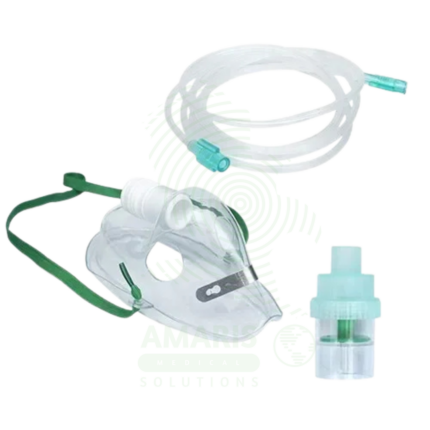
Adult & Pediatric Nebulizer Kit
An Adult & Pediatric Nebulizer Kit is a complete set of patient-contact components required for aerosol medication delivery, including a nebulizer cup, connecting tubing, and both an adult mouthpiece and a pediatric mask (or universal fit). Designed for use with a compressor, it provides the delivery circuit for treating asthma, COPD, and other respiratory conditions. Available in disposable (single-patient-use) formats for infection control in clinics or reusable formats for home care, its proper use, coupled with rigorous cleaning for reusable kits, is essential for effective therapy and preventing respiratory infections. The kit's universal connectors ensure compatibility with standard compressors.
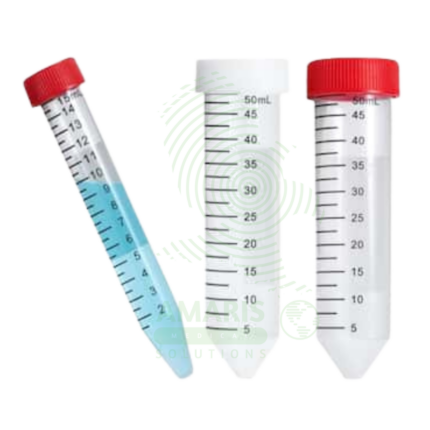
Centrifuge Tubes
Centrifuge Tubes are specialized disposable containers (polypropylene) designed to withstand high centrifugal forces (up to 30,000 x g) for separating biological fluids based on density. Available in microcentrifuge sizes (0.2-2.0 mL), conical tubes (15 mL, 50 mL), and larger volumes (100-500 mL). Features include leak-proof screw caps with O-rings (conical tubes), snap caps (microcentrifuge tubes), graduated volume markings, writing areas, and sterile/non-sterile options. Certified RNase/DNase-free, pyrogen-free, and autoclavable. Primary clinical applications include blood component separation (serum/plasma), urine sediment preparation, microbiology sample concentration, molecular biology (DNA/RNA extraction), cell culture processing, protein/enzyme analysis, and viral load testing. Critical safety precautions include never exceeding maximum RCF rating, proper balancing by weight, secure cap tightening, inspection for cracks, and disposal as biohazardous waste. Essential consumable in every clinical, research, and industrial laboratory.
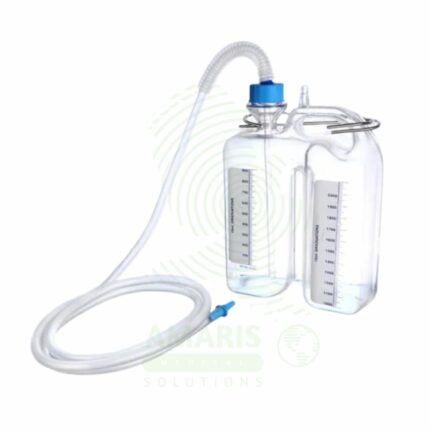
Chest Bottle
A Chest Bottle (Underwater Seal Drainage System) is a three-chamber disposable device used to drain air and fluid from the pleural space via a chest tube. Its critical component is a water seal chamber that acts as a one-way valve, preventing air from re-entering the chest while allowing drainage. It is used to treat pneumothorax, hemothorax, and pleural effusions, and is mandatory post-thoracic surgery. The system must always be kept upright and below the patient's chest level. It provides essential clinical information through tidaling in the water seal (indicating tube patency and lung expansion) and bubbling (indicating an air leak), making it both a therapeutic and diagnostic tool.
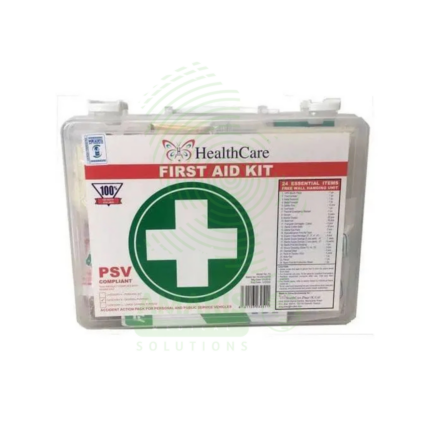
First Aid Kit
A First Aid Kit is an organized collection of medical supplies and equipment for providing initial care in emergency situations, available in various sizes and configurations for home, workplace, vehicle, travel, and specialized applications. Kits range from personal pouches (0.5-2 L) to comprehensive workplace cabinets (5-35 L) with soft-sided bags, hard cases, or wall-mounted containers. Contents are typically organized to meet regional standards (ANSI/ISEA Z308.1, CSA Z1220, BS 8599, DIN 13157/13169) and include wound care supplies (bandages, gauze, tape), antiseptics, burn care, eye care, emergency items (CPR mask, cold packs, foil blanket), instruments (scissors, tweezers), and PPE (gloves). Class A kits provide minimum supplies for low-hazard workplaces; Class B kits offer expanded quantities for high-hazard environments. Primary clinical applications include immediate treatment of minor injuries (cuts, abrasions, burns, sprains), bleeding control, wound care, fracture immobilization, and emergency assessment. Essential safety equipment for every home, workplace, vehicle, and public facility, providing critical medical supplies until professional care arrives.
Mission plus strips
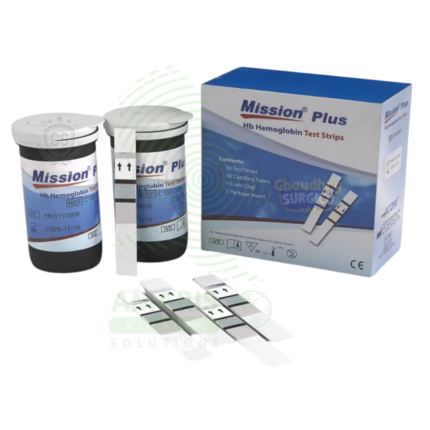
Mission Plus Strips are single-use, disposable electrochemical test strips (ISO 15197:2013 compliant) designed exclusively for use with Mission Plus glucose meters to measure capillary blood glucose from 0.5-1.0 µL samples in 5-7 seconds. Each strip contains glucose oxidase or glucose dehydrogenase reagents that generate electrical current proportional to glucose concentration (20-600 mg/dL range). Packaging options include multi-strip vials (25-100 strips) with desiccant for daily use or individually foil-wrapped strips for travel. Strips feature no-coding automatic calibration, hematocrit compensation (20-60%), and interference resistance. Primary clinical applications include daily blood glucose testing for Type 1, Type 2, and gestational diabetes management, hypoglycemia and hyperglycemia detection, pre- and post-meal glucose assessment, and hospital point-of-care testing. Critical safety precautions include single-use only, immediate vial closure after strip removal to prevent humidity damage, storage at 2-30°C away from bathrooms and temperature extremes, never using expired strips, proper hand hygiene before testing, and disposal in sharps containers. Essential consumable for diabetes self-management when used with Mission Plus meters.
Oxygen Mask (Adult/Infant/Paediatric)
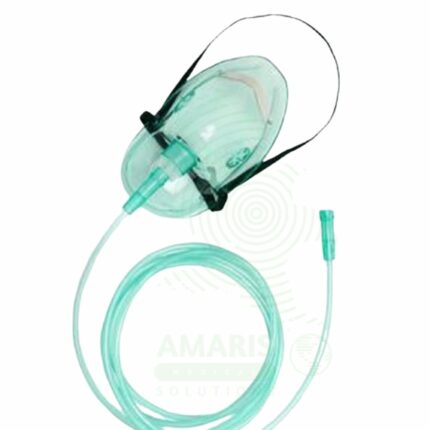
An Oxygen Mask is a disposable, single-use interface used to deliver supplemental oxygen from a medical gas supply to a patient's airways. Available in types for specific clinical needs—Simple Mask for low-flow therapy, Venturi Mask for precise FiO2 control (especially in COPD), and Non-Rebreather Mask for emergency high-flow delivery—and in sizes for adults, children, and infants. Correct selection and application, including ensuring the proper oxygen flow rate for the mask type, are essential for effective therapy and patient safety. Adherence to strict fire safety protocols is non-negotiable due to the combustion risk posed by enriched oxygen environments.
Rapid Test Kits (HIV, HBV, HCV, Malaria)
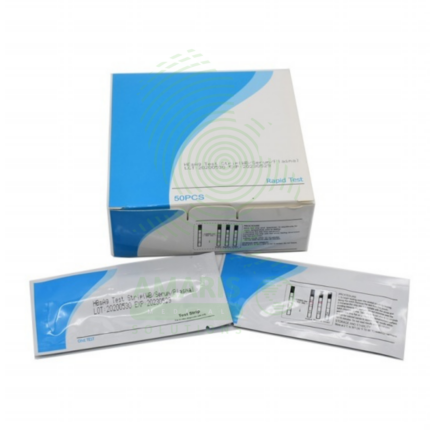
Rapid Test Kits for HIV, HBV, HCV, and Malaria are single-use, immunochromatographic devices designed for the quick, preliminary screening of these critical infectious diseases at the point of care. By detecting specific antibodies or antigens in a small blood sample (or oral fluid for some HIV tests), they provide a visual result within 15-30 minutes without the need for laboratory equipment. Their primary role is to expand access to testing in community and resource-limited settings, enabling immediate counseling, triage, and referral for confirmatory testing and treatment. As essential tools in public health, they are characterized by their simplicity, speed, and critical importance in early diagnosis and outbreak response.