Dermatoscope and Magnifiers
 Diagnostic Kits
 Vital Signs Monitors
 Stethoscopes and Accessories
 Otoscopes, Ophthalmoscopes, and Retinoscopes
 Reflex Hammers and Neurological Tools
 Scales and Measuring Devices
 Spirometers and Pulmonary Function Tests
 Electrosurgical Units and Accessories
 Cutting Instruments
 Grasping and Holding Instruments
 Hemostatic Instruments
 Specialized Surgical Sets
 Single-Use Procedure Trays and Packs
 Surgical Drapes, Gowns, and Covers
 Tissue Unifying Instruments
 Radiation Protection
 X-Ray Machines and Accessories
 Ultrasound Systems and Probes
 MRI and CT Scanners
 Radiology Consumables
 Bone Densitometers
 Fluoroscopy Equipment
 Imaging Tables and Positioning Aids
 Microscopes and Accessories
 Centrifuges and Separators
 Analyzers
 Incubators and Ovens
 Pipettes, Dispensers, and Lab Glassware
 Refrigerators, Freezers, and Storage Units
 Lab Consumables
 Sterilizers and Autoclaves for Lab Use
 Multi-Parameter Monitors
 Ventilators and Respiratory Support Devices
 Defibrillators and AEDs
 Infusion Pumps and IV Systems
 Patient Warmers and Cooling Devices
 Central Monitoring Stations
 Accessories
 Anesthesia Machines and Workstations
 Oxygen Concentrators and Delivery Systems
 Nebulizers and Inhalers
 CPAP/BiPAP Machines
 Airway Management
 Anesthesia Masks, Circuits, and Bags
 Humidifiers and Heaters
 Respiratory Therapy Accessories
 First Aid Kits and Cabinets
 Emergency Resuscitation Equipment
 Trauma Supplies
 Emergency Carts and Crash Carts
 Burn Care Products
 Bleeding Control
 Automated External Defibrillators (AEDs)
 Transport and Evacuation
 Wheelchairs and Accessories
 Walkers, Crutches, and Canes
 Prosthetics and Orthotics
 Physical Therapy Equipment
 Transfer Devices
 Bathroom Safety
 Orthopedic Traction and Tables
 Hot/Cold Therapy Packs and Units
 Beds and Mattresses
 Chairs and Stools
 Tables
 Cabinets and Storage
 Privacy Screens & Curtains
 Stands and Racks
 Linens and Textiles
 Lighting
 Autoclaves and Sterilizers
 Ultrasonic Cleaners
 Disinfectant Solutions and Wipes
 Sterilization Pouches, Wraps, and Indicators
 Instrument Trays and Containers
 UV and Ozone Disinfection Devices
 Washer Disinfectors
 Wound Care
 Gloves
 Masks and Respirators
 Catheters and Tubing
 Swabs, Applicators, and Sponges
 Incontinence Products
 Personal Protective Equipment (PPE)
 Dental Chairs and Units
 Handpieces and Burs
 Instruments
 Consumables
 Sterilization for Dental Use
 Orthodontic Supplies
 Endodontic Tools
 Slit Lamps and Tonometers
 Lensometers and Phoropters
 Ophthalmic Surgical Instruments
 Eyewear Frames and Lenses
 Contact Lens Supplies
 Vision Testing Charts and Devices
 Eye Care Consumables
 Laser Systems for Eye Care
 ENT Exam Chairs and Tables
 Endoscopes
 Audiometers and Hearing Tests
 ENT Instruments
 Nasal and Throat Packs
 Hearing Aids and Accessories
 Otology Supplies
 Fetal Dopplers and Monitors
 Delivery Beds and Tables
 Gynecological Instruments
 Neonatal Incubators and Warmers
 Breast Pumps and Accessories
 Contraceptive Devices
 Maternity Supports and Pads
 Neonatal Consumables
 Cystoscopes and Urethroscopes
 Dialysis Machines and Supplies
 Urological Catheters and Bags
 Lithotripters
 Prostate Treatment Devices
 Urinary Incontinence Products
 Kidney Stone Management Tools
 Consumables & Disposables
 EEG and EMG Machines
 Neurosurgical Instruments
 Nerve Stimulators
 Headrests and Positioning Aids
 Lumbar Puncture Kits
 Seizure Monitoring Devices
 Consumables
 Rehabilitation for Neurological Conditions
 ECG Machines and Accessories
 Holter Monitors
 Stress Test Systems
 Pacemakers and Defibrillator Accessories
 Vascular Access Devices
 Cardiac Catheters and Guidewires
 Blood Flow Meters
 Consumables
 Orthopedic Instruments
 Casts, Splints, and Padding
 Joint Replacement Supplies
 Prosthetic Limbs and Components
 Bone Grafts and Substitutes
 Traction Devices
 Orthopedic Braces and Supports
 Rehabilitation Aids for Orthopedics
 Home Oxygen Therapy
 Hospital Beds for Home Use
 Mobility Aids
 Bathroom and Daily Living Aids
 Wound Care for Home
 Monitoring Devices
 Enteral Feeding Pumps and Tubes
 Hand Sanitizers and Dispensers
 Face Shields and Goggles
 Isolation Gowns and Suits
 Biohazard Waste Containers
 Air Purifiers and HEPA Filters
 Surface Disinfectants
 Sharps Containers
 Protective Barriers
 Cardiovascular & Endurance Training
 Strength Training & Weightlifting
 Functional Training & Core Conditioning
 Physical Therapy & Rehabilitation
 Sports & Outdoor Recreation
 Gym Flooring & Facility Equipment
 Fitness Monitoring & Accessories
 Kids & Novelties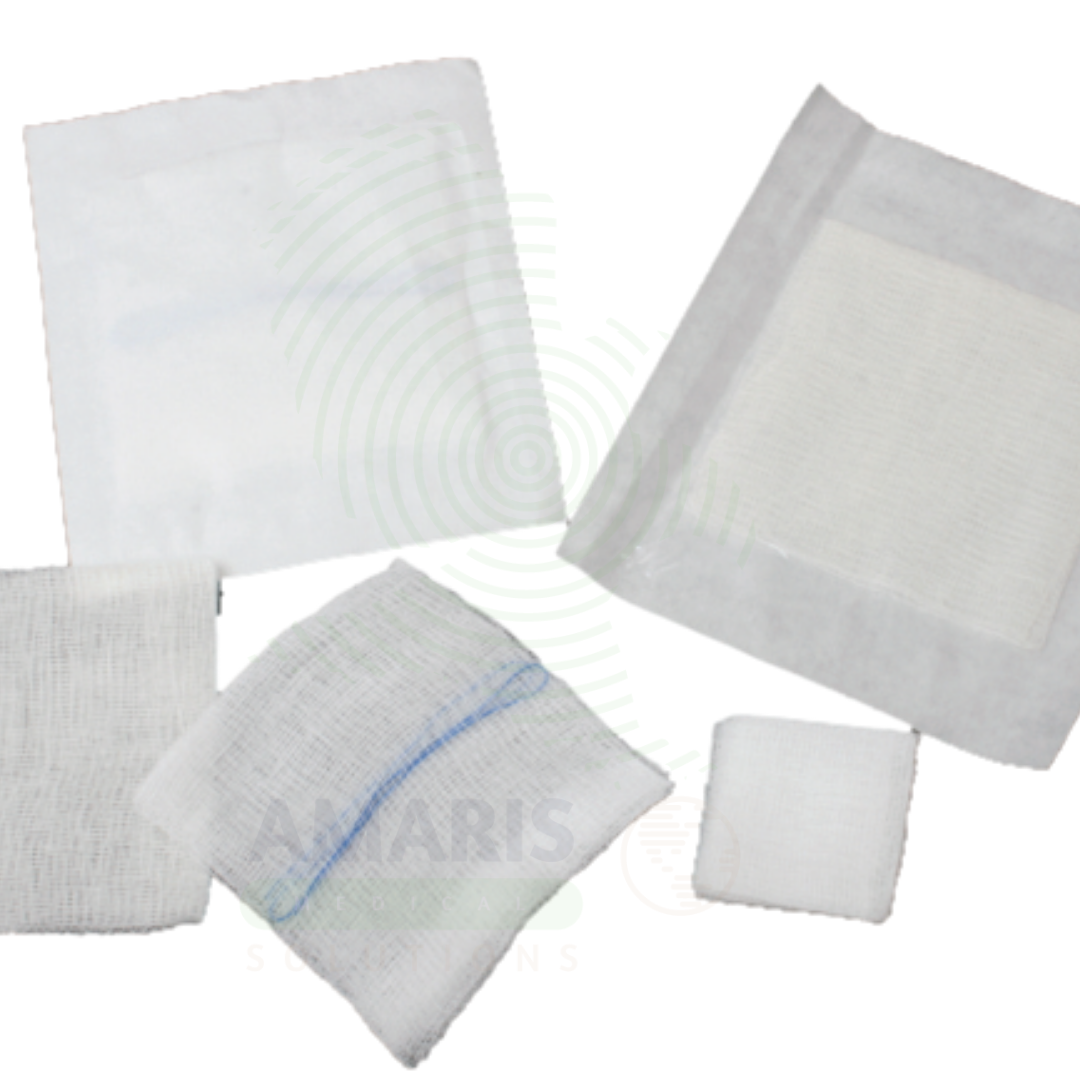
Sterile Gauze Sponges
$1.00
WhatsApp Order
Sterile Gauze Sponges are single-use, absorbent textile products used for wound cleansing, fluid absorption, wound packing, and barrier protection in medical and surgical settings. Available in woven 100% cotton or non-woven fabric, these sponges come in various sizes from 2×2 inches to 8×8 inches, with ply counts ranging from 2-ply to 16-ply depending on absorbency requirements. Sterilized by ethylene oxide or gamma irradiation, they are supplied in individually wrapped sterile packages to maintain sterility until point of use. X-ray detectable options with radiopaque thread are available for surgical applications to prevent retained sponge incidents. For the clinician, sterile gauze sponges provide reliable, consistent performance for wound management, surgical preparation, and post-operative care. For the patient, they support optimal wound healing by maintaining a clean environment, absorbing excess fluid, and protecting the wound from contamination.
Description
Sterile Gauze Sponges
PRIMARY CLINICAL & DIAGNOSTIC USES
1. Wound Cleansing and Irrigation
-
Primary Use: Provides a sterile, absorbent material for cleansing wounds, removing debris, and applying irrigating solutions to acute and chronic wounds during initial assessment and ongoing care.
-
How it helps: For the nurse, wound care specialist, and surgeon, sterile gauze sponges enable thorough wound cleansing without introducing microorganisms—removing bacteria, debris, and exudate that would otherwise delay healing. For the patient, proper wound cleansing reduces the risk of infection, promotes optimal healing conditions, and minimizes the need for additional interventions.
2. Absorption of Blood and Exudate
-
Primary Use: Provides high absorbency capacity to wick away blood, serous fluid, and purulent exudate from wounds and surgical sites, maintaining a clean wound environment.
-
How it helps: For the clinician managing post-operative wounds or draining injuries, sterile gauze sponges absorb fluids that could otherwise macerate surrounding tissue and provide a medium for bacterial growth. For the patient, effective fluid absorption keeps the wound clean and dry, reduces odor, and decreases the frequency of dressing changes.
3. Wound Packing for Dead Space Management
-
Primary Use: Used to pack deep wounds, tunnels, and cavities to eliminate dead space, promote granulation tissue formation, and facilitate healing from the base upward.
-
How it helps: For the wound care clinician and surgeon, sterile gauze sponges packed into deep wounds provide mechanical support, wick away exudate, and prevent premature surface closure that could lead to abscess formation. For the patient, proper wound packing supports healing from the inside out, reducing the risk of recurrent infection and promoting complete wound closure.
4. Protection of Surgical Incisions and Fresh Wounds
-
Primary Use: Provides a sterile barrier applied over surgical incisions, sutured wounds, and healing sites to protect against contamination, friction, and trauma.
-
How it helps: For the surgical team and post-operative nurse, sterile gauze sponges applied to fresh incisions create a protective barrier that shields the wound from external contaminants while absorbing minor drainage. For the patient, this protection reduces the risk of surgical site infection and provides comfort during the early healing phase.
SECONDARY & SUPPORTIVE USES
1. Surgical Sponging and Field Preparation: Used in operating rooms for sponging surgical sites, absorbing fluids during procedures, and maintaining a clean surgical field.
2. Hemostasis and Bleeding Control: Applied with direct pressure to control bleeding from wounds, incisions, and venipuncture sites.
3. Cleansing of Skin Prior to Procedures: Used to apply antiseptic solutions to skin before surgical incisions, injections, and invasive procedures.
4. Specimen Collection: Used to collect wound cultures, absorb specimens, and transport biological samples for laboratory analysis.
5. Application of Topical Medications: Used to apply antibiotic ointments, wound healing agents, and topical medications to wound surfaces.
6. Debridement Assistance: Used to gently remove non-viable tissue, dried exudate, and debris during mechanical debridement of wounds.
7. Skin Preparation for Dressings: Used to clean and dry skin surrounding wounds before application of adhesive dressings or tapes.
8. Mouth and Oral Care: Sterile gauze sponges used for oral care in intubated patients, dental procedures, and post-oral surgery.
9. Laboratory and Pathology Use: Used in laboratories for handling specimens, cleaning instruments, and absorbing spills.
10. Veterinary Medical Applications: Used in veterinary practice for wound care, surgical procedures, and animal patient care.
KEY PRODUCT FEATURES
1. BASIC IDENTIFICATION ATTRIBUTES
-
Device Type: A sterile, absorbent, single-use textile product used for wound cleansing, fluid absorption, packing, and protection in medical and surgical settings.
-
Designation: Sterile Gauze Sponges, Gauze Pads, Surgical Sponges, Non-Woven Sponges, Cotton Gauze, Wound Sponges, Sterile 2x2 Gauze, Sterile 4x4 Gauze.
-
Key Components:
o Material: 100% cotton, cotton/polyester blend, or non-woven fabric.
o Ply: Available in 2-ply, 4-ply, 8-ply, 12-ply, or 16-ply thickness.
o Size: Common sizes include 2x2 inches, 3x3 inches, 4x4 inches, 4x8 inches, and 8x8 inches.
o Packaging: Individually wrapped sterile packaging; available in peel-pouches or sterile packs.
o X-Ray Detectable: Some models feature radiopaque thread or strip for detection if retained in surgical sites.
2. TECHNICAL & PERFORMANCE PROPERTIES
-
Material Types: Woven cotton gauze, non-woven fabric, or cotton/polyester blend.
-
Ply Count: Higher ply counts provide greater absorbency and durability.
-
Absorbency: High absorbency capacity for blood, exudate, and irrigation fluids.
-
Sterility: Ethylene oxide (EtO) or gamma irradiation sterilized; sterile until package opened.
-
X-Ray Detectable: Available with blue radiopaque thread or strip for surgical use.
-
Lint-Free: Non-woven and high-quality woven options minimize lint residue in wounds.
-
Single-Use: Intended for single patient, single use only.
3. PHYSICAL & OPERATIONAL PROPERTIES
-
Construction: Woven (open weave) or non-woven (bonded fabric) construction.
-
Edges: Folded edges to minimize fraying and lint release.
-
Packaging: Individually wrapped sterile sponges; available in dispensing boxes or sterile procedure trays.
-
Color: White or off-white; x-ray detectable models feature blue thread.
-
Dispensing: Available in bulk sterile packs or individually wrapped units.
4. SAFETY & COMPLIANCE ATTRIBUTES
-
Regulatory Status: Class I medical device (exempt from premarket notification).
-
FDA Compliance: Compliant with FDA Quality System Regulations for medical devices.
-
Sterility: Sterile; sterility assurance level (SAL) of 10^-6.
-
X-Ray Detectable: For surgical sponges, radiopaque marker complies with AAMI standards for retained surgical item prevention.
-
Latex-Free: Manufactured without natural rubber latex.
-
Biocompatibility: Materials tested for cytotoxicity, skin irritation, and sensitization.
5. STORAGE & HANDLING ATTRIBUTES
-
Storage: Store in a clean, dry location at room temperature; protect from moisture, dust, and direct sunlight.
-
Shelf Life: Typically 2-5 years from date of manufacture; check expiration date before use.
-
Sterility Maintenance: Do not use it if the package is opened, torn, wet, or damaged.
-
Single-Use Only: Intended for single patient use only; do not resterilize or reuse.
-
Inspection: Inspect for damage or contamination before use; discard if compromised.
6. LABORATORY & CLINICAL APPLICATIONS
-
Primary Application: Wound cleansing, fluid absorption, wound packing, and barrier protection for acute and chronic wounds, surgical incisions, and procedural sites.
-
Clinical Role: Essential product in operating rooms, emergency departments, wound care centers, inpatient units, outpatient clinics, long-term care facilities, and home healthcare for wound management, surgical preparation, and post-operative care.
SAFETY HANDLING PRECAUTIONS
1. SAFETY PRECAUTIONS
-
Sterility: Verify package integrity and sterility before use; do not use if the package is compromised.
-
Single-Use Only: Discard after single use; do not wash, resterilize, or reuse gauze sponges.
-
Wound Packing: When packing deep wounds, use sponge count and document; ensure all packing material is removed at dressing change to prevent retained foreign body.
-
Surgical Sponge Count: For surgical procedures, use x-ray detectable sponges; perform sponge count before and after procedure to prevent retained surgical items.
-
Non-Adherent Selection: For wounds with granulating tissue, consider non-adherent dressings rather than dry gauze to prevent tissue trauma upon removal.
-
Moisture Balance: For wounds requiring moist healing, use gauze saturated with appropriate solution; avoid allowing gauze to dry into the wound bed.
-
Infection Control: Use sterile technique when applying to surgical sites, fresh wounds, or open wounds.
-
Allergies: Confirm the patient has no allergies to cotton or other materials before use.
2. FIRST AID MEASURES
-
Retained Sponge: If gauze sponge is inadvertently retained in wound or surgical site, remove immediately; document incident; assess for need for further intervention.
-
Adherence to Wound: If gauze adheres to wound bed, moisten with sterile saline or water before removal to prevent tissue trauma.
-
Allergic Reaction: If signs of skin irritation or allergic reaction occur, discontinue use; clean area; consider alternative dressing material.
3. FIRE FIGHTING MEASURES
-
Flammability: Gauze sponges are combustible; may burn if exposed to flame or high heat.
-
Extinguishing Media: Use water, foam, dry chemical, or CO₂ for fire involving gauze.
-
Fire Response: In oxygen-enriched environments, gauze may ignite more readily; follow facility fire safety protocols.
Related products
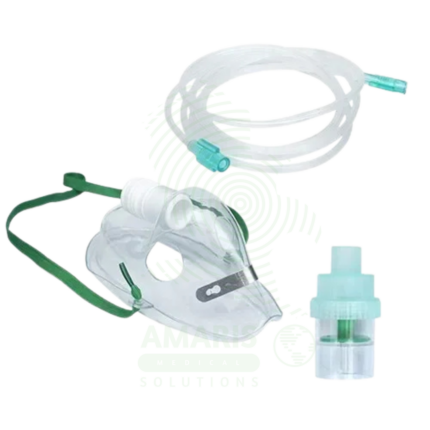
Adult & Pediatric Nebulizer Kit
An Adult & Pediatric Nebulizer Kit is a complete set of patient-contact components required for aerosol medication delivery, including a nebulizer cup, connecting tubing, and both an adult mouthpiece and a pediatric mask (or universal fit). Designed for use with a compressor, it provides the delivery circuit for treating asthma, COPD, and other respiratory conditions. Available in disposable (single-patient-use) formats for infection control in clinics or reusable formats for home care, its proper use, coupled with rigorous cleaning for reusable kits, is essential for effective therapy and preventing respiratory infections. The kit's universal connectors ensure compatibility with standard compressors.
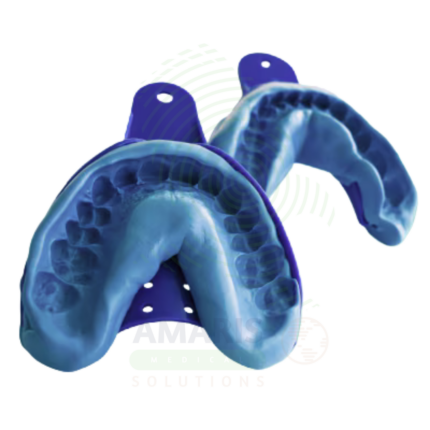
Alginate
Alginate is an irreversible hydrocolloid impression material derived from seaweed, used primarily for taking fast, accurate, and economical preliminary impressions in dentistry. Valued for its ease of mixing, patient comfort, and good surface detail reproduction, it is the standard for creating study models, diagnostic casts, and custom trays. Its critical limitation is poor dimensional stability due to its water-based nature, requiring the impression to be poured in stone immediately to avoid shrinkage. As a hydrophilic material, it is technique-sensitive but remains an indispensable workhorse for initial records in general practice, orthodontics, and prosthodontics.
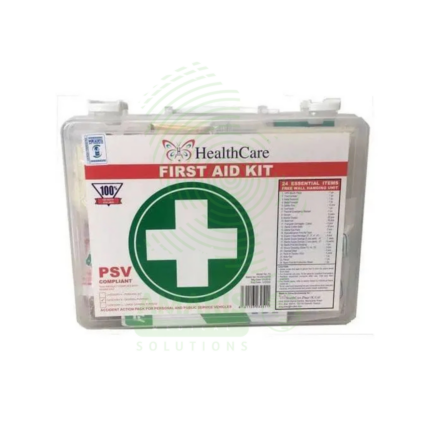
First Aid Kit
A First Aid Kit is an organized collection of medical supplies and equipment for providing initial care in emergency situations, available in various sizes and configurations for home, workplace, vehicle, travel, and specialized applications. Kits range from personal pouches (0.5-2 L) to comprehensive workplace cabinets (5-35 L) with soft-sided bags, hard cases, or wall-mounted containers. Contents are typically organized to meet regional standards (ANSI/ISEA Z308.1, CSA Z1220, BS 8599, DIN 13157/13169) and include wound care supplies (bandages, gauze, tape), antiseptics, burn care, eye care, emergency items (CPR mask, cold packs, foil blanket), instruments (scissors, tweezers), and PPE (gloves). Class A kits provide minimum supplies for low-hazard workplaces; Class B kits offer expanded quantities for high-hazard environments. Primary clinical applications include immediate treatment of minor injuries (cuts, abrasions, burns, sprains), bleeding control, wound care, fracture immobilization, and emergency assessment. Essential safety equipment for every home, workplace, vehicle, and public facility, providing critical medical supplies until professional care arrives.
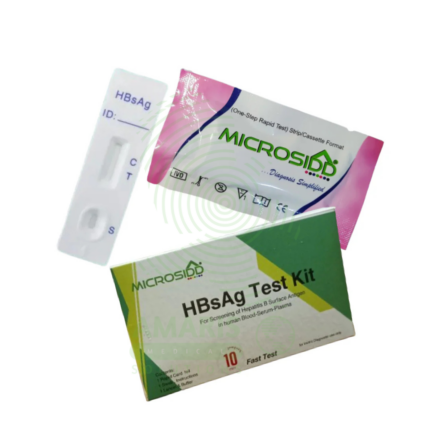
Hepatitis B Test Kit
The Hepatitis B Test Kit is an in vitro diagnostic device for the detection of Hepatitis B virus markers in human blood samples, available in rapid, ELISA, and molecular formats. It detects specific antigens (HBsAg) and antibodies (anti-HBc, anti-HBs) to diagnose acute and chronic infection, monitor treatment response, screen blood donations, and determine immunity status. With high sensitivity (>98%) and specificity (>99%), it provides results in 15 minutes to 4 hours depending on format. Essential applications include prenatal screening to prevent mother-to-child transmission, evaluation of acute hepatitis, pre-immunosuppression screening, and occupational health testing. All patient samples must be handled with universal precautions, and testing must include appropriate quality controls.
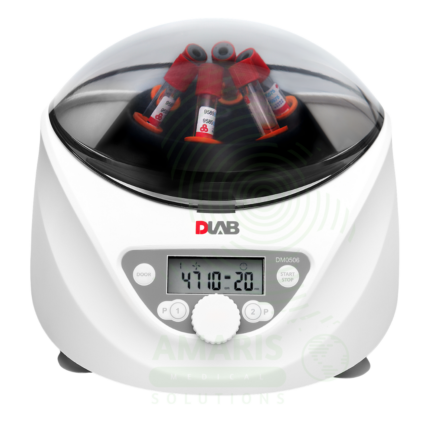
Low Speed Centrifuge (DM0506)
The Low Speed Centrifuge (DM0506) is a compact benchtop centrifuge designed for routine clinical diagnostic sample processing, including blood component separation (serum/plasma), urinalysis, and general laboratory applications . Operating at speeds from 300 to 5,000 rpm (up to 2,600 × g) with a maintenance-free brushless DC motor, this centrifuge provides gentle, low-speed operation that preserves cellular integrity .
The fixed-angle A6-15P rotor accommodates 6 × 15 mL, 10 mL, 7 mL, or 1.5–5 mL tubes, with program memory for two pre-set protocols (P1/P2) to streamline repetitive tasks . The LCD display allows easy switching between RPM and RCF values, ensuring precise 1-second timer logic and optimal separation consistency .
For the medical technologist, the DM0506 facilitates serum and plasma separation for blood chemistry testing, coagulation studies (PT/PTT), and lipid panels. It supports urinalysis sediment preparation for microscopic examination, nucleic acid extraction for molecular diagnostics, and PRP preparation for aesthetic medicine applications .
The centrifuge features comprehensive safety protections including door interlock, over-speed detection, and automatic internal diagnosis, holding CE and cTUVus safety certifications . With a compact footprint (300×240×180 mm) and weight of 5.2 kg, the DM0506 provides reliable, consistent performance for routine laboratory workflows supporting patient diagnosis and treatment monitoring .
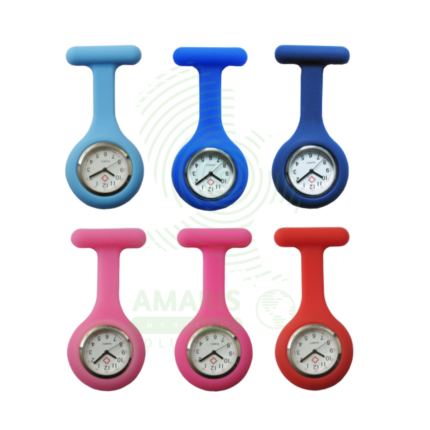
Nurse Watch
A Nurse Watch is a professional-grade analog wristwatch specifically designed for clinical use. Its hallmark is a built-in "pulsometer" scale that allows for rapid, on-the-spot calculation of a patient's heart rate by timing pulses over a short interval. Featuring a high-contrast dial with a clear sweep second hand, durable water-resistant construction, and a cleanable band, it is engineered for accuracy, legibility, and infection control in healthcare settings. It is an indispensable personal tool for nurses, enabling precise measurement of vital signs, timing of medications and procedures, and accurate clinical documentation throughout the shift.
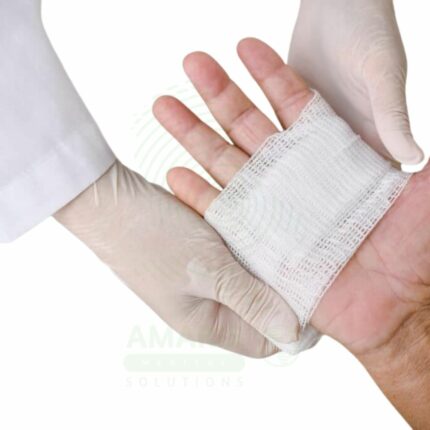
Wound Care Dressings
Wound Care Dressings are sterile or clean medical products applied directly to wounds to protect them, manage exudate, and promote an optimal moist healing environment. They are not a single product but a category encompassing various technologies—including films, hydrocolloids, foams, alginates, hydrogels, and antimicrobial versions—each designed for specific wound conditions (dry, wet, infected, necrotic). Correct selection based on a thorough wound assessment is the most critical factor for effective treatment. They are fundamental consumables used in every healthcare setting for managing acute injuries, surgical incisions, and chronic wounds like pressure injuries and leg ulcers.