Dermatoscope and Magnifiers
 Diagnostic Kits
 Vital Signs Monitors
 Stethoscopes and Accessories
 Otoscopes, Ophthalmoscopes, and Retinoscopes
 Reflex Hammers and Neurological Tools
 Scales and Measuring Devices
 Spirometers and Pulmonary Function Tests
 Electrosurgical Units and Accessories
 Cutting Instruments
 Grasping and Holding Instruments
 Hemostatic Instruments
 Specialized Surgical Sets
 Single-Use Procedure Trays and Packs
 Surgical Drapes, Gowns, and Covers
 Tissue Unifying Instruments
 Radiation Protection
 X-Ray Machines and Accessories
 Ultrasound Systems and Probes
 MRI and CT Scanners
 Radiology Consumables
 Bone Densitometers
 Fluoroscopy Equipment
 Imaging Tables and Positioning Aids
 Microscopes and Accessories
 Centrifuges and Separators
 Analyzers
 Incubators and Ovens
 Pipettes, Dispensers, and Lab Glassware
 Refrigerators, Freezers, and Storage Units
 Lab Consumables
 Sterilizers and Autoclaves for Lab Use
 Multi-Parameter Monitors
 Ventilators and Respiratory Support Devices
 Defibrillators and AEDs
 Infusion Pumps and IV Systems
 Patient Warmers and Cooling Devices
 Central Monitoring Stations
 Accessories
 Anesthesia Machines and Workstations
 Oxygen Concentrators and Delivery Systems
 Nebulizers and Inhalers
 CPAP/BiPAP Machines
 Airway Management
 Anesthesia Masks, Circuits, and Bags
 Humidifiers and Heaters
 Respiratory Therapy Accessories
 First Aid Kits and Cabinets
 Emergency Resuscitation Equipment
 Trauma Supplies
 Emergency Carts and Crash Carts
 Burn Care Products
 Bleeding Control
 Automated External Defibrillators (AEDs)
 Transport and Evacuation
 Wheelchairs and Accessories
 Walkers, Crutches, and Canes
 Prosthetics and Orthotics
 Physical Therapy Equipment
 Transfer Devices
 Bathroom Safety
 Orthopedic Traction and Tables
 Hot/Cold Therapy Packs and Units
 Beds and Mattresses
 Chairs and Stools
 Tables
 Cabinets and Storage
 Privacy Screens & Curtains
 Stands and Racks
 Linens and Textiles
 Lighting
 Autoclaves and Sterilizers
 Ultrasonic Cleaners
 Disinfectant Solutions and Wipes
 Sterilization Pouches, Wraps, and Indicators
 Instrument Trays and Containers
 UV and Ozone Disinfection Devices
 Washer Disinfectors
 Wound Care
 Gloves
 Masks and Respirators
 Catheters and Tubing
 Swabs, Applicators, and Sponges
 Incontinence Products
 Personal Protective Equipment (PPE)
 Dental Chairs and Units
 Handpieces and Burs
 Instruments
 Consumables
 Sterilization for Dental Use
 Orthodontic Supplies
 Endodontic Tools
 Slit Lamps and Tonometers
 Lensometers and Phoropters
 Ophthalmic Surgical Instruments
 Eyewear Frames and Lenses
 Contact Lens Supplies
 Vision Testing Charts and Devices
 Eye Care Consumables
 Laser Systems for Eye Care
 ENT Exam Chairs and Tables
 Endoscopes
 Audiometers and Hearing Tests
 ENT Instruments
 Nasal and Throat Packs
 Hearing Aids and Accessories
 Otology Supplies
 Fetal Dopplers and Monitors
 Delivery Beds and Tables
 Gynecological Instruments
 Neonatal Incubators and Warmers
 Breast Pumps and Accessories
 Contraceptive Devices
 Maternity Supports and Pads
 Neonatal Consumables
 Cystoscopes and Urethroscopes
 Dialysis Machines and Supplies
 Urological Catheters and Bags
 Lithotripters
 Prostate Treatment Devices
 Urinary Incontinence Products
 Kidney Stone Management Tools
 Consumables & Disposables
 EEG and EMG Machines
 Neurosurgical Instruments
 Nerve Stimulators
 Headrests and Positioning Aids
 Lumbar Puncture Kits
 Seizure Monitoring Devices
 Consumables
 Rehabilitation for Neurological Conditions
 ECG Machines and Accessories
 Holter Monitors
 Stress Test Systems
 Pacemakers and Defibrillator Accessories
 Vascular Access Devices
 Cardiac Catheters and Guidewires
 Blood Flow Meters
 Consumables
 Orthopedic Instruments
 Casts, Splints, and Padding
 Joint Replacement Supplies
 Prosthetic Limbs and Components
 Bone Grafts and Substitutes
 Traction Devices
 Orthopedic Braces and Supports
 Rehabilitation Aids for Orthopedics
 Home Oxygen Therapy
 Hospital Beds for Home Use
 Mobility Aids
 Bathroom and Daily Living Aids
 Wound Care for Home
 Monitoring Devices
 Enteral Feeding Pumps and Tubes
 Hand Sanitizers and Dispensers
 Face Shields and Goggles
 Isolation Gowns and Suits
 Biohazard Waste Containers
 Air Purifiers and HEPA Filters
 Surface Disinfectants
 Sharps Containers
 Protective Barriers
 Cardiovascular & Endurance Training
 Strength Training & Weightlifting
 Functional Training & Core Conditioning
 Physical Therapy & Rehabilitation
 Sports & Outdoor Recreation
 Gym Flooring & Facility Equipment
 Fitness Monitoring & Accessories
 Kids & Novelties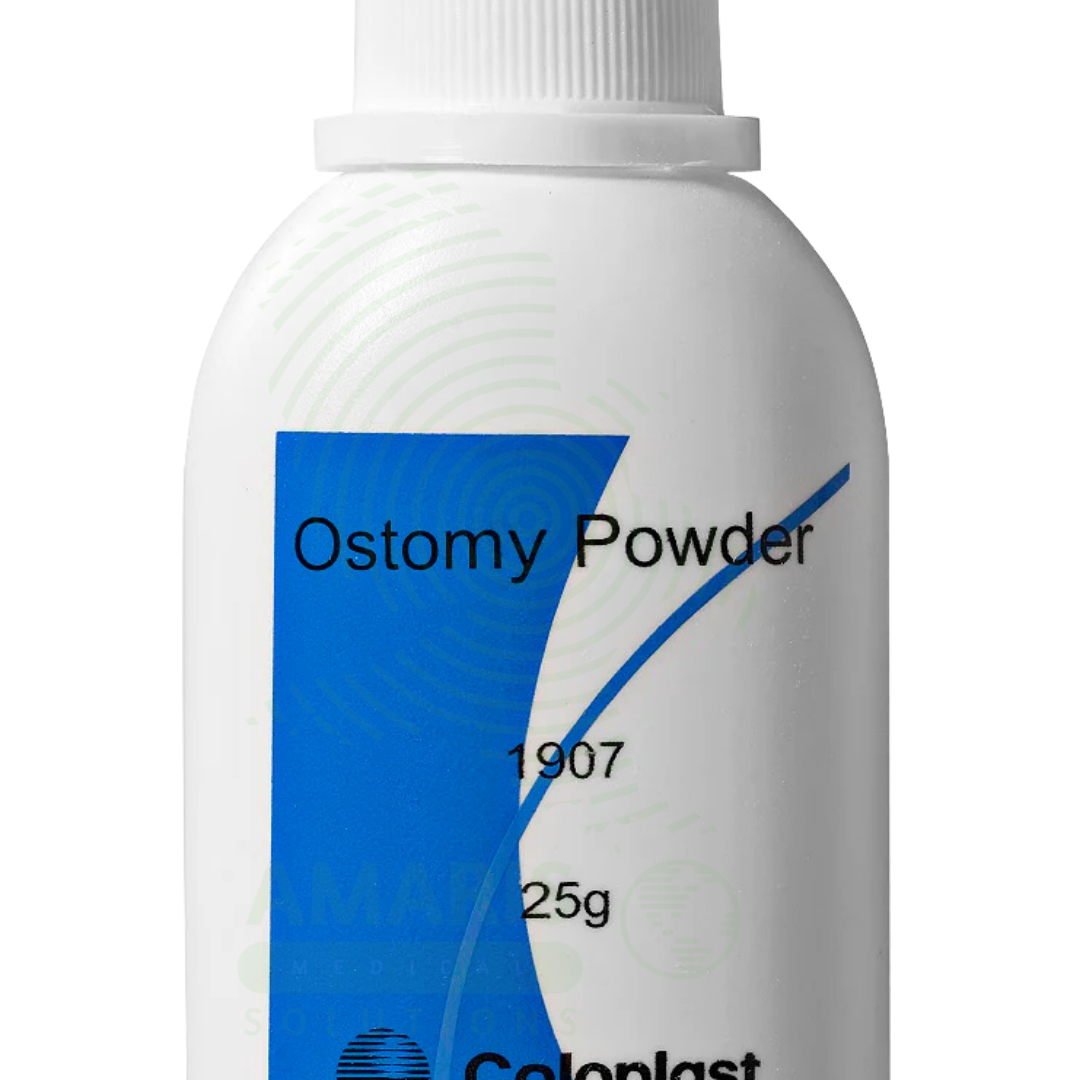
Ostomy powder
WhatsApp Order
Ostomy Powder is a non-sterile, absorbent hydrocolloid powder used in peristomal skin care. Its primary purpose is to absorb moisture from weepy, denuded, or excoriated skin surrounding the stoma, creating a clean, dry, and healthy surface for the ostomy pouch (wafer) to adhere to .
For the Wound, Ostomy, and Continence Nurse (WOCN), ostomy powder is a fundamental tool for managing peristomal Moisture-Associated Skin Damage (MASD). When combined with a skin barrier wipe or spray, it forms a “crust” (the crusting technique), which creates an artificial protective layer over raw, oozing skin, allowing the pouch to stick and the underlying skin to heal .
For the patient, ostomy powder is a fast-acting remedy for painful skin irritation, redness, and itching . The powder soothes the skin, reduces the risk of leakage, and extends the wear time of the pouching system. It comes in a convenient puffer bottle (e.g., 28g sizes) which allows for easy, mess-free dusting directly onto the affected area . It is a critical component of every ostomate’s supply kit, empowering them to manage their skin health and continue daily activities without fear of appliance failure.
Description
Ostomy Powder
PRIMARY CLINICAL & DIAGNOSTIC USES
1. Absorption of Moisture on Weeping or Excoriated Peristomal Skin
-
Primary Use: Provides a non-sterile, absorbent hydrocolloid powder designed to dry moist, weepy, or denuded peristomal skin, creating a clean, dry surface for ostomy appliance adhesion .
-
How it helps: For the wound, ostomy, and continence nurse (WOC nurse) and the patient, ostomy powder absorbs excess moisture from skin damaged by enzymatic stool or urine output . For the patient, this moisture control reduces itching, burning, and pain, and stops the cycle of leakage and skin breakdown that can lead to abandonment of the pouching system.
2. Protection of Peristomal Skin from Irritation and Breakdown
-
Primary Use: The powder acts as a protective barrier, isolating sensitive or broken peristomal skin from corrosive stoma effluent, thereby preventing chemical irritation, denudation, and infection .
-
How it helps: For the clinician, ostomy powder is a primary intervention for peristal skin complications. For the patient, it soothes red, raw, sore, or weeping skin , promotes healing of irritated tissue, and minimizes the risk of infection, allowing the patient to wear the pouch comfortably for the intended duration.
3. Crusting Technique for Severely Damaged Skin
-
Primary Use: Forms a protective “crust” or “gel-like film” over weeping, excoriated skin when combined with a skin barrier wipe or spray (crusting technique), creating a smooth, dry surface for pouch adhesion .
-
How it helps: For the WOC nurse, the crusting technique is an essential procedure for managing severe peristomal moisture-associated skin damage (MASD). For the patient, this technique creates a durable, artificial “skin” over denuded areas, allowing the pouching system to adhere securely and giving the damaged tissue time to heal underneath the protective crust.
4. Improvement of Ostomy Appliance Adhesion and Wear Time
-
Primary Use: By drying the skin and creating a protective layer, the powder enhances the tack and securement of the ostomy wafer (skin barrier), directly increasing the wear time of the pouching system .
-
How it helps: For the healthcare provider and the patient, a dry surface is essential for the adhesive to stick. For the patient, this translates to a longer wear time, fewer pouch changes, reduced supply costs, and greater confidence to engage in daily activities without fear of the appliance detaching.
5. Soothing and Healing of Minor Peristomal Skin Irritations
-
Primary Use: Used to treat and soothe common, minor skin irritations around the stoma, such as redness, itching, and rashes caused by leakage or friction .
-
How it helps: For the clinician, ostomy powder provides a simple, first-line treatment for mild irritant dermatitis. For the patient, it offers immediate relief from persistent itching and discomfort, preventing a minor issue from escalating into a serious wound that could require medical intervention.
SECONDARY & SUPPORTIVE USES
1. Filling Small Skin Folds and Creases: Used to lightly fill shallow skin folds or dips that are not deep enough to require paste but could compromise the seal.
2. Management of Peristomal Fungal Infections: After applying an antifungal powder, stoma powder can be used over it (crusting technique) to protect the skin and help the wafer adhere.
3. Use with Convex Ostomy Systems: Can be used to protect vulnerable skin at the “crease” line created by a convex barrier.
4. Protection During Radiation Therapy: Used to protect peristomal skin from the irritating effects of radiation treatments.
5. Pediatric Ostomy Care: Used for pediatric patients with sensitive skin or for those with a new ostomy to prevent early skin breakdown.
6. Older Adult Skin Protection: Used for geriatric patients with fragile, thin, or “crepey” skin where tape or adhesive alone might cause mechanical stripping.
7. Post-Operative Ostomy Management: Used in the immediate post-operative period to protect the fresh surgical incision site around the stoma as it heals.
8. Management of Skin Under a Hernia Belt: Used under a hernia support belt to reduce friction and moisture buildup against the skin.
9. Seasonal Skin Protection: Used as a preventative measure during hot, humid weather or for patients who sweat heavily to keep the peristomal skin dry.
10. Home Healthcare Kits: A standard item in home care kits for ostomy patients, supplied in single-patient-use bottles.
11. Travel and Work Kits: A small bottle is easily portable for use at work or while traveling to address minor skin issues immediately.
KEY PRODUCT FEATURES
1. BASIC IDENTIFICATION ATTRIBUTES
-
Device Type: A non-sterile, single-patient-use, absorbent, protective powder composed of hydrocolloid particles, designed for application to peristomal skin to absorb moisture, protect the skin, and improve the seal of a stoma appliance .
-
Designation: Ostomy Powder, Stomahesive® Protective Powder, Ostomy Skin Protective Powder, Brava Ostomy Powder, Barrier Powder, Peristomal Dressing Powder .
-
Key Components:
-
Active Ingredients: Hydrocolloids (such as pectin, gelatin, or cellulose derivatives) that absorb moisture and form a protective gel .
-
Container: Convenient puffer squeeze bottle (e.g., 25g, 28g, or 30g sizes) or a screw-top jar .
-
Applicator: The bottle's cap is designed to allow a fine dusting of powder to be applied.
-
2. TECHNICAL & PERFORMANCE PROPERTIES
-
Material: Absorbent, non-medicated, hydrocolloid-based powder .
-
Moisture Absorption: High absorbency to wick away and retain moisture from effluent or perspiration .
-
Latex-Free: Formulated without natural rubber latex.
-
Non-Sterile: Not sterilized; intended for use on intact or denuded peristomal skin, not for application into a deep, open cavity.
-
Particle Size: A fine, uniform dust that does not clump excessively when applied.
-
Solubility: Forms a "crust" or cohesive gel when moistened with a skin barrier spray or wipe .
3. PHYSICAL & OPERATIONAL PROPERTIES
-
Appearance: Fine, white or off-white powder.
-
Packaging: Plastic puffer bottle with a twist or flip-top cap designed for easy dusting .
-
Portability: Small, lightweight, and portable.
-
Shelf Life: Up to 2-3 years; check the expiration date printed on the bottle.
-
Single-Patient Use: Intended for use by a single patient. Do not share bottles between patients to prevent cross-contamination.
4. SAFETY & COMPLIANCE ATTRIBUTES
-
Regulatory Status: Class I medical device (non-sterile) .
-
FDA/CE Compliance: Complies with standard medical device regulations.
-
GMDN Term Code: 46207 - Peristomal/periwound dressing .
-
Product Code: EZR - Cement, Stomal Appliance, Ostomy .
5. STORAGE & HANDLING ATTRIBUTES
-
Storage: Store in a cool, dry place. Keep the cap tightly closed when not in use.
-
Temperature: Protect from extreme heat and humidity, which can cause the powder to clump in the bottle.
-
Do Not Get Wet: Do not allow water or steam to enter the bottle, as this will ruin the powder's consistency.
-
Inspection: Do not use if the powder appears discolored, clumped, or has an odor.
6. LABORATORY & CLINICAL APPLICATIONS
-
Primary Application: Absorption of moisture, protection of peristomal skin, and preparation of the skin surface for the secure adhesion of an ostomy appliance (pouch system) .
-
Clinical Role: An essential, first-line accessory for ostomy care in surgical wards, home healthcare, long-term care facilities, outpatient clinics, and wound/ostomy/continence (WOC) nursing.
SAFETY HANDLING PRECAUTIONS
1. SAFETY PRECAUTIONS
-
Not for Deep Wounds: Do not pour deep into an open, tunneling wound. It is intended for surface application to weeping peristomal skin.
-
Do Not Use Paste for Crusting: The "crusting technique" requires the use of a barrier spray or wipe over the powder, not barrier paste.
-
Remove Excess: Always brush away excess, loose powder before applying the skin barrier to ensure proper adhesion .
-
Check for Allergy: If the patient has a known allergy to colophony/rosin or adhesives, verify the powder's ingredients before use.
-
Skin Assessment: If the skin does not improve or worsens after a few days, the patient should be reassessed by a WOC nurse to rule out infection (e.g., candidiasis).
-
Clean Skin First: The powder should be applied to clean, dry skin that has been gently cleansed with water (no soaps, oils, or lotions that could leave a residue).
2. FIRST AID MEASURES
-
Inhalation: If a large amount of powder is accidentally inhaled, move to fresh air. Seek medical attention if coughing or respiratory distress occurs.
-
Eye Contact: If powder gets in the eyes, flush with copious amounts of cool water for 15 minutes.
-
Ingestion: If swallowed, drink water to clear the mouth/throat. It is generally non-toxic but seek medical advice if a large amount is ingested.
-
Skin Irritation: Discontinue use if a new rash or increased redness develops, as it could indicate an allergy to a component of the powder.
3. FIRE FIGHTING MEASURES
-
Flammability: As a fine dust, it can be combustible. Avoid creating large airborne dust clouds near open flames.
-
Extinguishing Media: Use water, foam, dry chemical, or CO₂ for fires involving the packaging.
-
Fire Response: Use standard firefighting procedures.
Related products
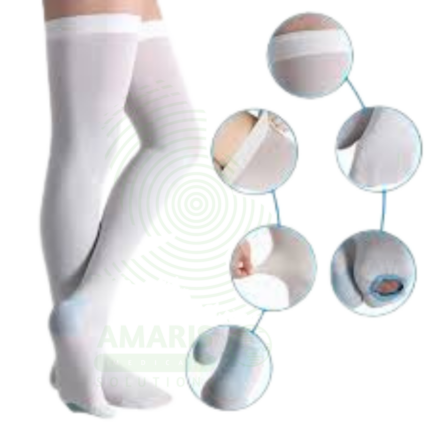
Anti-Embolic Compression Stockings
Anti-Embolic Compression Stockings are medical-grade elastic stockings designed to prevent Deep Vein Thrombosis (DVT) in non-ambulatory, surgical, or medically ill patients. By delivering graduated external pressure—tightest at the ankle and decreasing up the leg—they enhance venous blood flow and reduce stasis, a key factor in clot formation. They are a cornerstone of mechanical thromboprophylaxis in hospitals. Correct sizing based on precise leg measurements is critical for both efficacy and safety, as improper fit can lead to complications or failure of prophylaxis. Daily skin assessment and adherence to wearing guidelines are essential components of safe use.
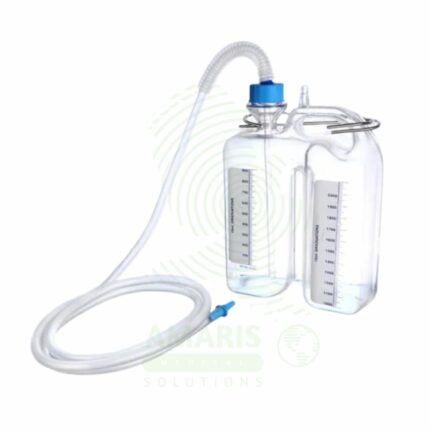
Chest Bottle
A Chest Bottle (Underwater Seal Drainage System) is a three-chamber disposable device used to drain air and fluid from the pleural space via a chest tube. Its critical component is a water seal chamber that acts as a one-way valve, preventing air from re-entering the chest while allowing drainage. It is used to treat pneumothorax, hemothorax, and pleural effusions, and is mandatory post-thoracic surgery. The system must always be kept upright and below the patient's chest level. It provides essential clinical information through tidaling in the water seal (indicating tube patency and lung expansion) and bubbling (indicating an air leak), making it both a therapeutic and diagnostic tool.
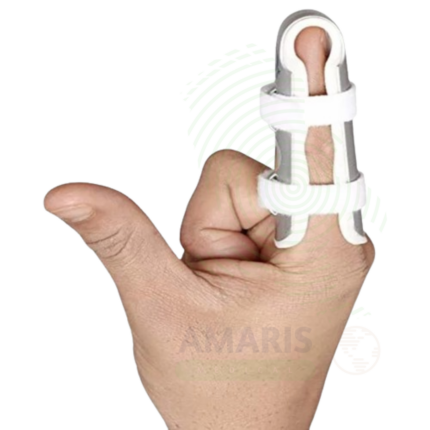
Finger Cot
A Finger Cot is a small, finger-shaped protective covering used to protect minor finger wounds, diabetic ulcers, surgical incisions, and amputation stumps, as well as to provide barrier protection for healthcare workers and laboratory personnel. Made from latex, nitrile, vinyl, or silicone, it provides a comfortable, secure fit while protecting the finger from contamination, moisture, friction, and irritants. Available in various sizes, materials, and sterile or non-sterile versions. Latex-free options are available for individuals with latex allergy.
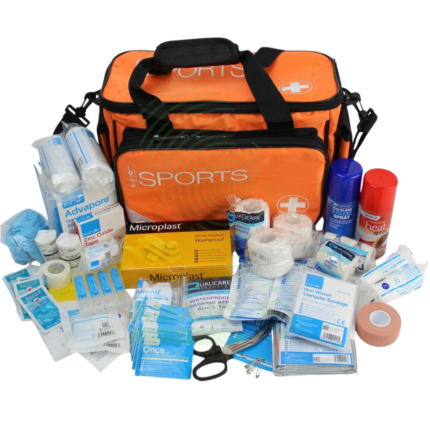
First Aid Kit For Sporting Places
A First Aid Kit for Sporting Places is a portable, organized medical kit specifically designed for the types and frequencies of injuries encountered in athletic and sporting environments. Available in various configurations including sideline kits for team use, personal sports pouches, team travel kits, and wall-mounted cabinets for gymnasiums. Constructed from ballistic nylon, polyester, ABS plastic, or aluminum with organized interior compartments, pouches, and elastic loops for rapid access to supplies. Contains sport-specific medical supplies including wound care materials, elastic bandages, instant cold packs, splinting materials, eye wash, blister care, concussion assessment tools, and personal protective equipment. Primary clinical applications include immediate treatment of common sports injuries (sprains, strains, contusions, abrasions, lacerations), concussion assessment, bleeding control, heat illness management, eye injury care, and emergency action plan implementation. Essential equipment for athletic teams, schools, fitness centers, recreational facilities, and sporting events, providing organized, accessible medical supplies for athlete safety and injury management.
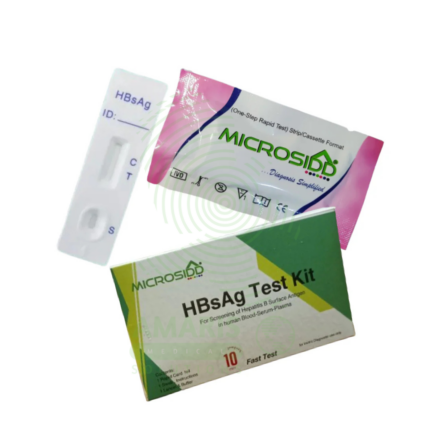
Hepatitis B Test Kit
The Hepatitis B Test Kit is an in vitro diagnostic device for the detection of Hepatitis B virus markers in human blood samples, available in rapid, ELISA, and molecular formats. It detects specific antigens (HBsAg) and antibodies (anti-HBc, anti-HBs) to diagnose acute and chronic infection, monitor treatment response, screen blood donations, and determine immunity status. With high sensitivity (>98%) and specificity (>99%), it provides results in 15 minutes to 4 hours depending on format. Essential applications include prenatal screening to prevent mother-to-child transmission, evaluation of acute hepatitis, pre-immunosuppression screening, and occupational health testing. All patient samples must be handled with universal precautions, and testing must include appropriate quality controls.
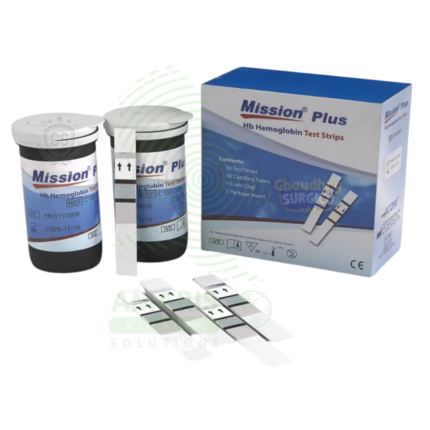
Mission plus strips
Mission Plus Strips are single-use, disposable electrochemical test strips (ISO 15197:2013 compliant) designed exclusively for use with Mission Plus glucose meters to measure capillary blood glucose from 0.5-1.0 µL samples in 5-7 seconds. Each strip contains glucose oxidase or glucose dehydrogenase reagents that generate electrical current proportional to glucose concentration (20-600 mg/dL range). Packaging options include multi-strip vials (25-100 strips) with desiccant for daily use or individually foil-wrapped strips for travel. Strips feature no-coding automatic calibration, hematocrit compensation (20-60%), and interference resistance. Primary clinical applications include daily blood glucose testing for Type 1, Type 2, and gestational diabetes management, hypoglycemia and hyperglycemia detection, pre- and post-meal glucose assessment, and hospital point-of-care testing. Critical safety precautions include single-use only, immediate vial closure after strip removal to prevent humidity damage, storage at 2-30°C away from bathrooms and temperature extremes, never using expired strips, proper hand hygiene before testing, and disposal in sharps containers. Essential consumable for diabetes self-management when used with Mission Plus meters.
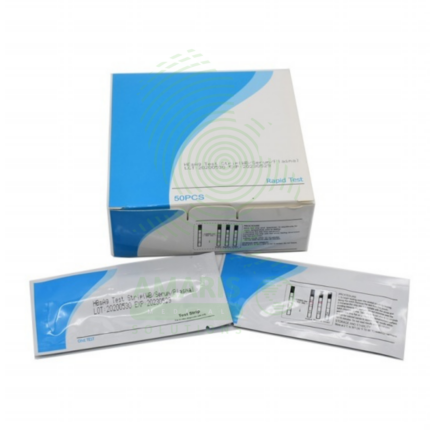
Rapid Test Kits (HIV, HBV, HCV, Malaria)
Rapid Test Kits for HIV, HBV, HCV, and Malaria are single-use, immunochromatographic devices designed for the quick, preliminary screening of these critical infectious diseases at the point of care. By detecting specific antibodies or antigens in a small blood sample (or oral fluid for some HIV tests), they provide a visual result within 15-30 minutes without the need for laboratory equipment. Their primary role is to expand access to testing in community and resource-limited settings, enabling immediate counseling, triage, and referral for confirmatory testing and treatment. As essential tools in public health, they are characterized by their simplicity, speed, and critical importance in early diagnosis and outbreak response.