Dermatoscope and Magnifiers
 Diagnostic Kits
 Vital Signs Monitors
 Stethoscopes and Accessories
 Otoscopes, Ophthalmoscopes, and Retinoscopes
 Reflex Hammers and Neurological Tools
 Scales and Measuring Devices
 Spirometers and Pulmonary Function Tests
 Electrosurgical Units and Accessories
 Cutting Instruments
 Grasping and Holding Instruments
 Hemostatic Instruments
 Specialized Surgical Sets
 Single-Use Procedure Trays and Packs
 Surgical Drapes, Gowns, and Covers
 Tissue Unifying Instruments
 Radiation Protection
 X-Ray Machines and Accessories
 Ultrasound Systems and Probes
 MRI and CT Scanners
 Radiology Consumables
 Bone Densitometers
 Fluoroscopy Equipment
 Imaging Tables and Positioning Aids
 Microscopes and Accessories
 Centrifuges and Separators
 Analyzers
 Incubators and Ovens
 Pipettes, Dispensers, and Lab Glassware
 Refrigerators, Freezers, and Storage Units
 Lab Consumables
 Sterilizers and Autoclaves for Lab Use
 Multi-Parameter Monitors
 Ventilators and Respiratory Support Devices
 Defibrillators and AEDs
 Infusion Pumps and IV Systems
 Patient Warmers and Cooling Devices
 Central Monitoring Stations
 Accessories
 Anesthesia Machines and Workstations
 Oxygen Concentrators and Delivery Systems
 Nebulizers and Inhalers
 CPAP/BiPAP Machines
 Airway Management
 Anesthesia Masks, Circuits, and Bags
 Humidifiers and Heaters
 Respiratory Therapy Accessories
 First Aid Kits and Cabinets
 Emergency Resuscitation Equipment
 Trauma Supplies
 Emergency Carts and Crash Carts
 Burn Care Products
 Bleeding Control
 Automated External Defibrillators (AEDs)
 Transport and Evacuation
 Wheelchairs and Accessories
 Walkers, Crutches, and Canes
 Prosthetics and Orthotics
 Physical Therapy Equipment
 Transfer Devices
 Bathroom Safety
 Orthopedic Traction and Tables
 Hot/Cold Therapy Packs and Units
 Beds and Mattresses
 Chairs and Stools
 Tables
 Cabinets and Storage
 Privacy Screens & Curtains
 Stands and Racks
 Linens and Textiles
 Lighting
 Autoclaves and Sterilizers
 Ultrasonic Cleaners
 Disinfectant Solutions and Wipes
 Sterilization Pouches, Wraps, and Indicators
 Instrument Trays and Containers
 UV and Ozone Disinfection Devices
 Washer Disinfectors
 Wound Care
 Gloves
 Masks and Respirators
 Catheters and Tubing
 Swabs, Applicators, and Sponges
 Incontinence Products
 Personal Protective Equipment (PPE)
 Dental Chairs and Units
 Handpieces and Burs
 Instruments
 Consumables
 Sterilization for Dental Use
 Orthodontic Supplies
 Endodontic Tools
 Slit Lamps and Tonometers
 Lensometers and Phoropters
 Ophthalmic Surgical Instruments
 Eyewear Frames and Lenses
 Contact Lens Supplies
 Vision Testing Charts and Devices
 Eye Care Consumables
 Laser Systems for Eye Care
 ENT Exam Chairs and Tables
 Endoscopes
 Audiometers and Hearing Tests
 ENT Instruments
 Nasal and Throat Packs
 Hearing Aids and Accessories
 Otology Supplies
 Fetal Dopplers and Monitors
 Delivery Beds and Tables
 Gynecological Instruments
 Neonatal Incubators and Warmers
 Breast Pumps and Accessories
 Contraceptive Devices
 Maternity Supports and Pads
 Neonatal Consumables
 Cystoscopes and Urethroscopes
 Dialysis Machines and Supplies
 Urological Catheters and Bags
 Lithotripters
 Prostate Treatment Devices
 Urinary Incontinence Products
 Kidney Stone Management Tools
 Consumables & Disposables
 EEG and EMG Machines
 Neurosurgical Instruments
 Nerve Stimulators
 Headrests and Positioning Aids
 Lumbar Puncture Kits
 Seizure Monitoring Devices
 Consumables
 Rehabilitation for Neurological Conditions
 ECG Machines and Accessories
 Holter Monitors
 Stress Test Systems
 Pacemakers and Defibrillator Accessories
 Vascular Access Devices
 Cardiac Catheters and Guidewires
 Blood Flow Meters
 Consumables
 Orthopedic Instruments
 Casts, Splints, and Padding
 Joint Replacement Supplies
 Prosthetic Limbs and Components
 Bone Grafts and Substitutes
 Traction Devices
 Orthopedic Braces and Supports
 Rehabilitation Aids for Orthopedics
 Home Oxygen Therapy
 Hospital Beds for Home Use
 Mobility Aids
 Bathroom and Daily Living Aids
 Wound Care for Home
 Monitoring Devices
 Enteral Feeding Pumps and Tubes
 Hand Sanitizers and Dispensers
 Face Shields and Goggles
 Isolation Gowns and Suits
 Biohazard Waste Containers
 Air Purifiers and HEPA Filters
 Surface Disinfectants
 Sharps Containers
 Protective Barriers
 Cardiovascular & Endurance Training
 Strength Training & Weightlifting
 Functional Training & Core Conditioning
 Physical Therapy & Rehabilitation
 Sports & Outdoor Recreation
 Gym Flooring & Facility Equipment
 Fitness Monitoring & Accessories
 Kids & Novelties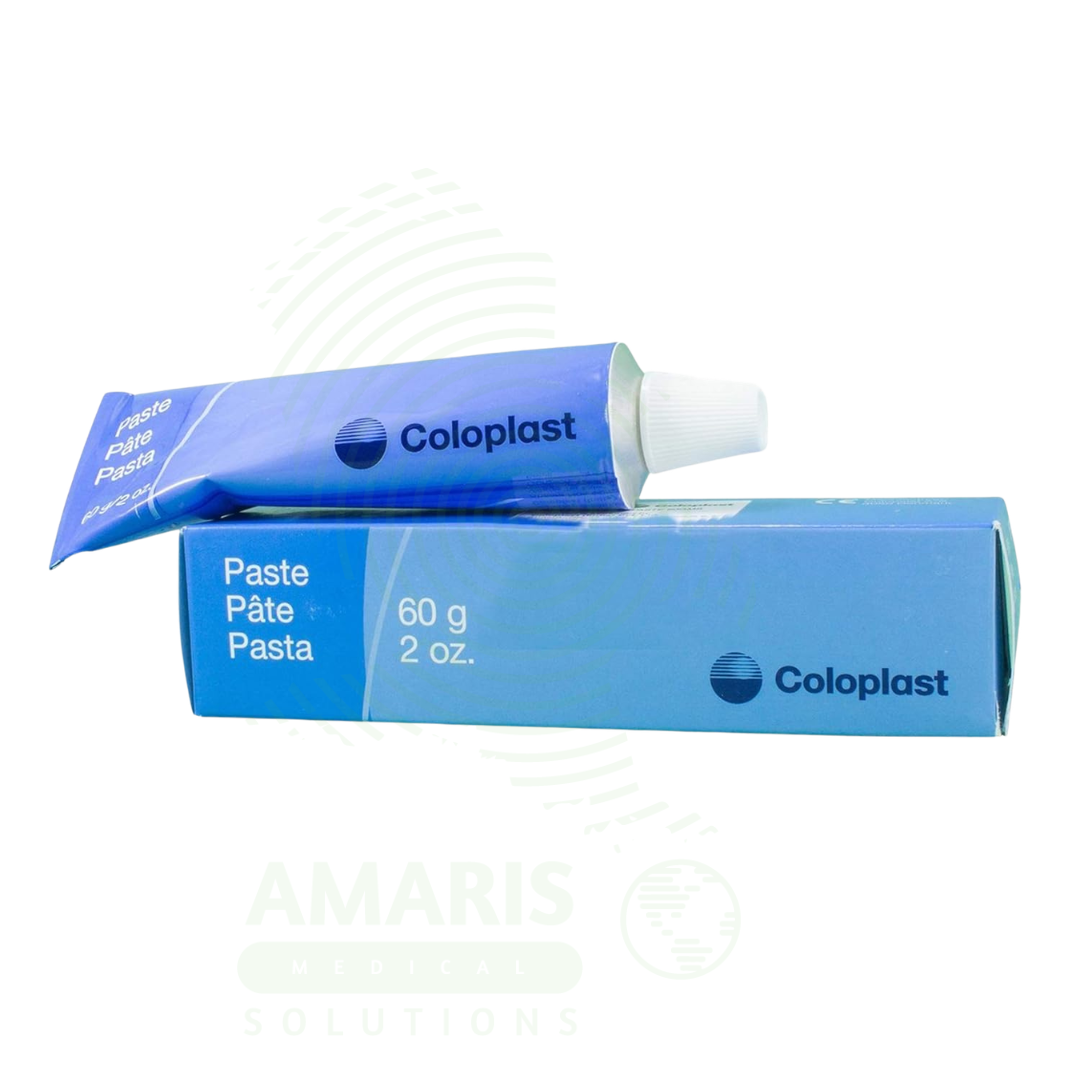
Ostomy paste
WhatsApp Order
Ostomy Paste is a non-sterile, hydrocolloid-based filler used in peristomal skin care to fill skin folds, scars, and creases, creating a flat surface for the ostomy flange to adhere to . Unlike adhesives, its primary purpose is to act as a “spackle,” preventing caustic stoma effluent from leaking under the barrier, which can cause painful peristomal skin breakdown, maceration, and infection .
For the Wound, Ostomy, and Continence Nurse (WOCN), ostomy paste is a critical tool in the ostomy fitting algorithm. When a patient presents with an irregular abdomen due to hernia, surgical scars, or weight loss, paste is the intervention of choice to fill the “valleys” so a standard flat or convex wafer can sit flush against the skin .
For the patient, ostomy paste is the difference between a secure, long-lasting seal and a skin-devastating leak. It is available in standard alcohol-based formulas or alcohol-free (low sting) options for those with sensitive or already denuded skin . Applied directly to the skin or the back of the barrier, it helps extend appliance wear time, reduce the frequency of painful changes, and gives the patient the confidence to live actively without fear of odor or leakage.
Description
Ostomy Paste
PRIMARY CLINICAL & DIAGNOSTIC USES
1. Filling of Irregular Skin Contours Around the Stoma
-
Primary Use: Provides a non-sterile, hydrocolloid-based paste applied to peristomal skin to fill in uneven skin surfaces, folds, creases, and cavities, creating a flat, smooth surface for the ostomy flange or baseplate to adhere to .
-
How it helps: For the wound, ostomy, and continence nurse (WOC nurse) and the patient living with an ostomy, the paste acts as a “spackle” or gap filler, smoothing out dips and scars that would otherwise create channels for leakage. For the patient, proper use of ostomy paste prevents output from seeping under the adhesive barrier, reducing the risk of painful peristomal skin irritation, breakdown, and infection.
2. Creation of a Tight Seal to Prevent Leakage
-
Primary Use: The paste forms a secure seal between the ostomy appliance (barrier/wafer) and the skin, effectively protecting against stoma output (effluent) and preventing maceration of the peristomal skin .
-
How it helps: For the clinician, ostomy paste provides a critical defense mechanism against fecal or urinary effluent which is caustic to the skin. For the patient, a reliable seal prevents the humiliation, discomfort, and skin damage associated with appliance leaks, allowing for extended wear time and improved quality of life.
3. Protection of Peristomal Skin from Effluent
-
Primary Use: As a hydrocolloid-based skin barrier, it isolates the peristomal skin from corrosive stoma output, preventing chemical irritation, denudation, and infectious complications .
-
How it helps: For the healthcare provider managing a patient with a new ostomy or sensitive skin, the paste acts as a sacrificial layer, protecting the epidermis from the digestive enzymes and bacteria present in stoma output. For the patient, this protection prevents the painful cycle of leakage, itching, and skin breakdown that can lead to hospital readmission.
4. Extension of Appliance Wear Time
-
Primary Use: By preventing edge lifting and leakage, the paste helps to increase the wear time of the ostomy appliance, reducing the frequency of changes .
-
How it helps: For the ostomy nurse and the patient, maximizing wear time is both a clinical goal and an economic necessity. The less frequently a patient has to change their appliance, the lower the risk of peristomal skin injury from adhesive removal, and the more cost-effective the supplies become. For the patient, this translates to fewer disruptions to daily life.
SECONDARY & SUPPORTIVE USES
1. Filling of Skin Folds and Creases: Used to plump up or fill in skin folds and creases on convex or flat surfaces to ensure the flange adheres flush to the skin.
2. Management of Skin Dips and Scars: Applied to fill in dips caused by old surgical scars or hernia bulges to create a smooth application surface .
3. Repair of Minor Leaks: Used as a spot filler to patch small leak points noticed immediately after pouch application.
4. Softening and Smoothing Irregularities: The paste dries to a soft, flexible consistency that conforms to body movement without cracking.
5. Adhesion for Prolonged Wear: Recommended for use during physical activity or swimming to provide extra security against seal failure from perspiration or water exposure.
6. Application to Barrier or Directly to Skin: Formulated to adhere effectively whether applied directly to the skin or pre-applied to the adhesive barrier .
7. Use with Convex Systems: Can be used in conjunction with convex flanges to manage more challenging abdominal contours.
8. Protection During Chemotherapy/Radiation: Used to protect peristomal skin from the irritating effects of certain medications or treatments on the surrounding skin.
9. Pediatric Ostomy Care: Used in pediatric patients to ensure a secure seal that accommodates the distention of the abdomen during growth or feeding.
10. Older Adult Skin Protection: Used for geriatric patients with fragile, thin, or “crepey” skin where a strong adhesive alone might cause mechanical trauma.
KEY PRODUCT FEATURES
1. BASIC IDENTIFICATION ATTRIBUTES
-
Device Type: A non-sterile, single-use, hydrocolloid-based paste designed for application to peristomal skin to fill irregularities, protect the skin, and secure the seal of a stoma appliance .
-
Designation: Ostomy Paste, Stomahesive Paste, Peristomal Dressing, Skin Barrier Paste, Colostomy Paste .
-
Key Components:
-
Active Base: Hydrocolloid (gel-forming polymers such as pectin, gelatin, or carboxymethylcellulose) .
-
Solvent: Often contains alcohol (which may cause stinging) or alcohol-free formulations (e.g., Ally® Paste) .
-
Container: Squeeze tube.
-
Application Aid: Rolling key/tube key for easy extrusion and complete emptying of contents (included with many brands) .
-
2. TECHNICAL & PERFORMANCE PROPERTIES
-
Material: Hydrocolloid-based substance; non-sterile .
-
Alcohol Content: Available in standard (alcohol-based) and low-alcohol or alcohol-free formulas to reduce stinging on denuded skin .
-
Latex-Free: Formulated without natural rubber latex .
-
Consistency: Thick, paste-like substance that dries to a flexible, remains shapeable, and conforms to body contours .
-
Finish: Dries to create a smooth, flat surface ready for flange adhesion.
-
Compatibility: Compatible with standard intestinal ostomy plates (flanges/barriers) across all major manufacturers (e.g., Coloplast, Convatec, Hollister) .
3. PHYSICAL & OPERATIONAL PROPERTIES
-
Construction: Smooth, non-gritty paste; designed to be extruded from a tube.
-
Packaging: Sealed tube with a screw cap.
-
Tube Rolling Key: Provided with many brands to assist patients with limited hand strength in dispensing the product and rolling up the tube to eliminate waste .
-
Shelf Life: Check expiration date printed on tube crimp.
-
Portability: Tubes are small (e.g., 2 oz / 60 g) and portable for travel.
4. SAFETY & COMPLIANCE ATTRIBUTES
-
Regulatory Status: Class I medical device (non-sterile) .
-
Sterility: Non-sterile; for external use only on intact skin or peri-stomal skin .
-
CE Marking: Meets EU standards for health, safety, and environmental protection .
-
Latex-Free: Standard in modern ostomy products .
-
Single-Patient Use: Intended for use by one patient on a single appliance; do not reuse the tube for another patient .
5. STORAGE & HANDLING ATTRIBUTES
-
Storage: Store in a cool, dry place.
-
Temperature: Keep below 30°C (86°F) .
-
Do Not Freeze: Freezing degrades the hydrocolloid properties .
-
Inspection: Do not use if the tube is punctured, damaged, or if the paste appears dried out or separated.
6. LABORATORY & CLINICAL APPLICATIONS
-
Primary Application: Filling skin irregularities, protecting peristomal skin, and securing the seal of ostomy pouches (colostomy, ileostomy, urostomy) to prevent leakage .
-
Clinical Role: Essential accessory for ostomy care in surgical wards, home healthcare, long-term care facilities, outpatient clinics, and wound/ostomy/continence (WOC) nursing.
SAFETY HANDLING PRECAUTIONS
1. SAFETY PRECAUTIONS
-
Open Skin: Avoid applying to open, denuded, or heavily bleeding skin, as alcohol content may cause intense stinging. Use alcohol-free formulations or skin barrier powder first .
-
Do Not Dilute: Use the paste directly as it comes from the tube; do not add water or other solvents.
-
Do Not Heat: Do not microwave or heat the tube to make it flow faster, as this can destroy the hydrocolloid properties and cause burns.
-
Allergy Screening: If the patient has a known allergy to adhesives or tape, verify the paste's ingredients before use.
-
Not a Glue: It is a filler, not an adhesive glue. It should be used in conjunction with a flat or convex skin barrier, not as a substitute for the barrier .
-
Skin Preparation: The peristomal skin should be clean and dry before application. Avoid using creams or lotions where the paste will contact the skin.
-
Wear Time: Using too much paste can degrade the wear time of the flange if the skin is too wet.
2. FIRST AID MEASURES
-
Skin Irritation: If irritation occurs, discontinue use of the paste. Clean the area with warm water and dry thoroughly. Assess if a fungal infection has developed under the paste (common in moist environments).
-
Allergic Contact Dermatitis: If rash, redness, or itching develops, the patient may be reacting to the adhesive or hydrocolloid. Stop use and consult a WOC nurse.
-
Tube Breakage: If the tube splits, transfer the remaining paste to a clean, dry container or discard it; do not use paste that has been exposed to air for long periods.
-
Eye Contact: If paste accidentally gets in the eyes, flush with copious amounts of water and seek medical attention.
3. FIRE FIGHTING MEASURES
-
Flammability: Hydrocolloid-based pastes are typically water-based and not highly flammable. The plastic tube is combustible.
-
Extinguishing Media: Use water, foam, dry chemical, or CO2 for fires involving the plastic tube.
Related products
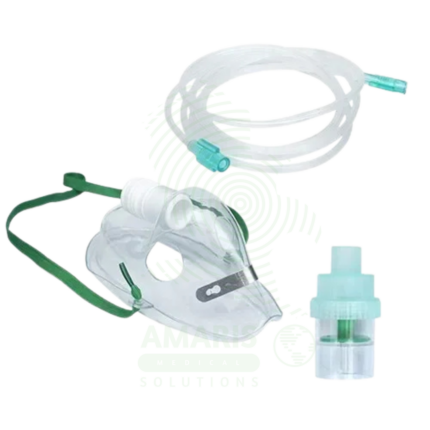
Adult & Pediatric Nebulizer Kit
An Adult & Pediatric Nebulizer Kit is a complete set of patient-contact components required for aerosol medication delivery, including a nebulizer cup, connecting tubing, and both an adult mouthpiece and a pediatric mask (or universal fit). Designed for use with a compressor, it provides the delivery circuit for treating asthma, COPD, and other respiratory conditions. Available in disposable (single-patient-use) formats for infection control in clinics or reusable formats for home care, its proper use, coupled with rigorous cleaning for reusable kits, is essential for effective therapy and preventing respiratory infections. The kit's universal connectors ensure compatibility with standard compressors.
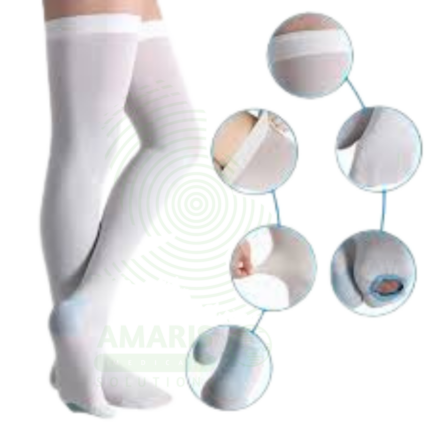
Anti-Embolic Compression Stockings
Anti-Embolic Compression Stockings are medical-grade elastic stockings designed to prevent Deep Vein Thrombosis (DVT) in non-ambulatory, surgical, or medically ill patients. By delivering graduated external pressure—tightest at the ankle and decreasing up the leg—they enhance venous blood flow and reduce stasis, a key factor in clot formation. They are a cornerstone of mechanical thromboprophylaxis in hospitals. Correct sizing based on precise leg measurements is critical for both efficacy and safety, as improper fit can lead to complications or failure of prophylaxis. Daily skin assessment and adherence to wearing guidelines are essential components of safe use.
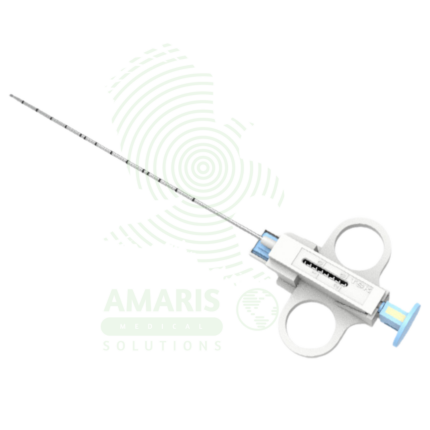
Biopsy Needles
Biopsy Needles are sterile, single-use precision medical devices designed to obtain tissue or cellular specimens from internal organs, masses, and lesions for histopathological or cytological diagnosis. Available in core biopsy (automatic spring-loaded, semi-automatic, vacuum-assisted, coaxial) and fine needle aspiration configurations, with gauges ranging from 14G-27G and lengths from 6-25 cm. Core biopsy needles obtain intact tissue cores preserving histological architecture; FNA needles aspirate cellular material for cytological evaluation. Specialized variants include bone marrow biopsy needles (Jamshidi, Illinois), echogenic-tip needles for ultrasound guidance, and MRI-compatible needles (nitinol, titanium). Critical safety requirements include strict image guidance for non-palpable lesions, verification of coagulation status, adherence to single-use protocols, and immediate post-procedure monitoring for complications (hemorrhage, pneumothorax, organ injury). An indispensable tool in interventional radiology, oncology, and minimally invasive diagnosis.
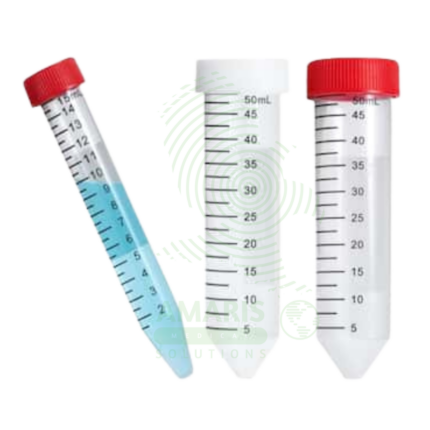
Centrifuge Tubes
Centrifuge Tubes are specialized disposable containers (polypropylene) designed to withstand high centrifugal forces (up to 30,000 x g) for separating biological fluids based on density. Available in microcentrifuge sizes (0.2-2.0 mL), conical tubes (15 mL, 50 mL), and larger volumes (100-500 mL). Features include leak-proof screw caps with O-rings (conical tubes), snap caps (microcentrifuge tubes), graduated volume markings, writing areas, and sterile/non-sterile options. Certified RNase/DNase-free, pyrogen-free, and autoclavable. Primary clinical applications include blood component separation (serum/plasma), urine sediment preparation, microbiology sample concentration, molecular biology (DNA/RNA extraction), cell culture processing, protein/enzyme analysis, and viral load testing. Critical safety precautions include never exceeding maximum RCF rating, proper balancing by weight, secure cap tightening, inspection for cracks, and disposal as biohazardous waste. Essential consumable in every clinical, research, and industrial laboratory.
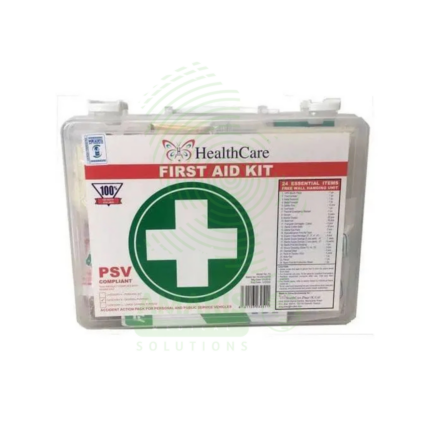
First Aid Kit
A First Aid Kit is an organized collection of medical supplies and equipment for providing initial care in emergency situations, available in various sizes and configurations for home, workplace, vehicle, travel, and specialized applications. Kits range from personal pouches (0.5-2 L) to comprehensive workplace cabinets (5-35 L) with soft-sided bags, hard cases, or wall-mounted containers. Contents are typically organized to meet regional standards (ANSI/ISEA Z308.1, CSA Z1220, BS 8599, DIN 13157/13169) and include wound care supplies (bandages, gauze, tape), antiseptics, burn care, eye care, emergency items (CPR mask, cold packs, foil blanket), instruments (scissors, tweezers), and PPE (gloves). Class A kits provide minimum supplies for low-hazard workplaces; Class B kits offer expanded quantities for high-hazard environments. Primary clinical applications include immediate treatment of minor injuries (cuts, abrasions, burns, sprains), bleeding control, wound care, fracture immobilization, and emergency assessment. Essential safety equipment for every home, workplace, vehicle, and public facility, providing critical medical supplies until professional care arrives.
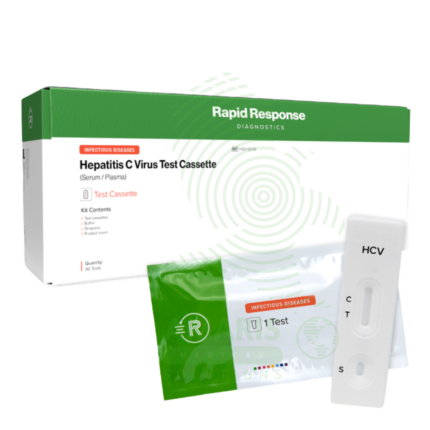
Hepatitis C Test Kit
The Hepatitis C Test Kit is an in vitro diagnostic device for the detection of Hepatitis C virus antibodies or RNA in human blood, serum, or plasma samples. Available in rapid, laboratory immunoassay, and molecular formats, it screens for HCV infection, confirms active infection with RNA testing, and monitors treatment response. With high sensitivity and specificity exceeding 99%, it is essential for identifying infected individuals, linking them to curative direct-acting antiviral therapy, and confirming cure. Essential applications include risk-based screening of high-risk populations, birth cohort screening of baby boomers, evaluation of acute hepatitis, management of occupational exposures, and monitoring of antiviral therapy that can cure over 95% of infections. All patient samples must be handled with universal precautions, and positive antibody results require confirmatory testing.
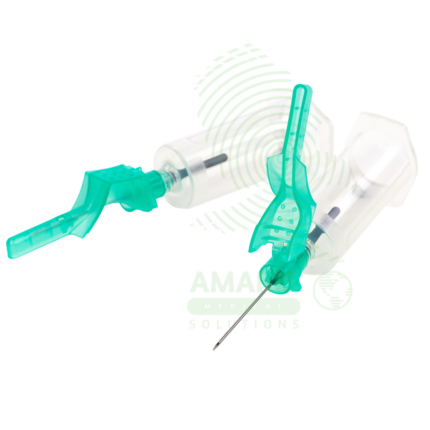
SAFE SERIES Blood Collection Needles
The SAFE SERIES (AM-SAFE) by Beijing Precil (Mindray subsidiary) is a comprehensive line of safety-engineered blood collection devices designed to prevent accidental needlestick injuries in healthcare workers. The series includes venous blood collection needles (AM-SAFE-V), standard safety needles (AM-SAFE1), winged infusion sets/butterfly needles (AM-SAFE2), high-gauge thin-wall needles for fragile veins (AM-SAFE3), premium coated needles for enhanced patient comfort (AM-GOLD), and nurse-friendly one-handed safety variants (AM-NURSE). All devices incorporate integral safety mechanisms that shield the contaminated needle immediately after withdrawal, complying with OSHA Needlestick Safety and Prevention Act requirements. Available in various gauges (18G-25G) and configurations for routine venipuncture, difficult vein access, pediatric/geriatric patients, and frequent blood draws. Sterile, single-use, latex-free, and color-coded for easy gauge identification. Essential safety devices for blood collection in hospitals, clinics, laboratories, and home healthcare settings.