Dermatoscope and Magnifiers
 Diagnostic Kits
 Vital Signs Monitors
 Stethoscopes and Accessories
 Otoscopes, Ophthalmoscopes, and Retinoscopes
 Reflex Hammers and Neurological Tools
 Scales and Measuring Devices
 Spirometers and Pulmonary Function Tests
 Electrosurgical Units and Accessories
 Cutting Instruments
 Grasping and Holding Instruments
 Hemostatic Instruments
 Specialized Surgical Sets
 Single-Use Procedure Trays and Packs
 Surgical Drapes, Gowns, and Covers
 Tissue Unifying Instruments
 Radiation Protection
 X-Ray Machines and Accessories
 Ultrasound Systems and Probes
 MRI and CT Scanners
 Radiology Consumables
 Bone Densitometers
 Fluoroscopy Equipment
 Imaging Tables and Positioning Aids
 Microscopes and Accessories
 Centrifuges and Separators
 Analyzers
 Incubators and Ovens
 Pipettes, Dispensers, and Lab Glassware
 Refrigerators, Freezers, and Storage Units
 Lab Consumables
 Sterilizers and Autoclaves for Lab Use
 Multi-Parameter Monitors
 Ventilators and Respiratory Support Devices
 Defibrillators and AEDs
 Infusion Pumps and IV Systems
 Patient Warmers and Cooling Devices
 Central Monitoring Stations
 Accessories
 Anesthesia Machines and Workstations
 Oxygen Concentrators and Delivery Systems
 Nebulizers and Inhalers
 CPAP/BiPAP Machines
 Airway Management
 Anesthesia Masks, Circuits, and Bags
 Humidifiers and Heaters
 Respiratory Therapy Accessories
 First Aid Kits and Cabinets
 Emergency Resuscitation Equipment
 Trauma Supplies
 Emergency Carts and Crash Carts
 Burn Care Products
 Bleeding Control
 Automated External Defibrillators (AEDs)
 Transport and Evacuation
 Wheelchairs and Accessories
 Walkers, Crutches, and Canes
 Prosthetics and Orthotics
 Physical Therapy Equipment
 Transfer Devices
 Bathroom Safety
 Orthopedic Traction and Tables
 Hot/Cold Therapy Packs and Units
 Beds and Mattresses
 Chairs and Stools
 Tables
 Cabinets and Storage
 Privacy Screens & Curtains
 Stands and Racks
 Linens and Textiles
 Lighting
 Autoclaves and Sterilizers
 Ultrasonic Cleaners
 Disinfectant Solutions and Wipes
 Sterilization Pouches, Wraps, and Indicators
 Instrument Trays and Containers
 UV and Ozone Disinfection Devices
 Washer Disinfectors
 Wound Care
 Gloves
 Masks and Respirators
 Catheters and Tubing
 Swabs, Applicators, and Sponges
 Incontinence Products
 Personal Protective Equipment (PPE)
 Dental Chairs and Units
 Handpieces and Burs
 Instruments
 Consumables
 Sterilization for Dental Use
 Orthodontic Supplies
 Endodontic Tools
 Slit Lamps and Tonometers
 Lensometers and Phoropters
 Ophthalmic Surgical Instruments
 Eyewear Frames and Lenses
 Contact Lens Supplies
 Vision Testing Charts and Devices
 Eye Care Consumables
 Laser Systems for Eye Care
 ENT Exam Chairs and Tables
 Endoscopes
 Audiometers and Hearing Tests
 ENT Instruments
 Nasal and Throat Packs
 Hearing Aids and Accessories
 Otology Supplies
 Fetal Dopplers and Monitors
 Delivery Beds and Tables
 Gynecological Instruments
 Neonatal Incubators and Warmers
 Breast Pumps and Accessories
 Contraceptive Devices
 Maternity Supports and Pads
 Neonatal Consumables
 Cystoscopes and Urethroscopes
 Dialysis Machines and Supplies
 Urological Catheters and Bags
 Lithotripters
 Prostate Treatment Devices
 Urinary Incontinence Products
 Kidney Stone Management Tools
 Consumables & Disposables
 EEG and EMG Machines
 Neurosurgical Instruments
 Nerve Stimulators
 Headrests and Positioning Aids
 Lumbar Puncture Kits
 Seizure Monitoring Devices
 Consumables
 Rehabilitation for Neurological Conditions
 ECG Machines and Accessories
 Holter Monitors
 Stress Test Systems
 Pacemakers and Defibrillator Accessories
 Vascular Access Devices
 Cardiac Catheters and Guidewires
 Blood Flow Meters
 Consumables
 Orthopedic Instruments
 Casts, Splints, and Padding
 Joint Replacement Supplies
 Prosthetic Limbs and Components
 Bone Grafts and Substitutes
 Traction Devices
 Orthopedic Braces and Supports
 Rehabilitation Aids for Orthopedics
 Home Oxygen Therapy
 Hospital Beds for Home Use
 Mobility Aids
 Bathroom and Daily Living Aids
 Wound Care for Home
 Monitoring Devices
 Enteral Feeding Pumps and Tubes
 Hand Sanitizers and Dispensers
 Face Shields and Goggles
 Isolation Gowns and Suits
 Biohazard Waste Containers
 Air Purifiers and HEPA Filters
 Surface Disinfectants
 Sharps Containers
 Protective Barriers
 Cardiovascular & Endurance Training
 Strength Training & Weightlifting
 Functional Training & Core Conditioning
 Physical Therapy & Rehabilitation
 Sports & Outdoor Recreation
 Gym Flooring & Facility Equipment
 Fitness Monitoring & Accessories
 Kids & Novelties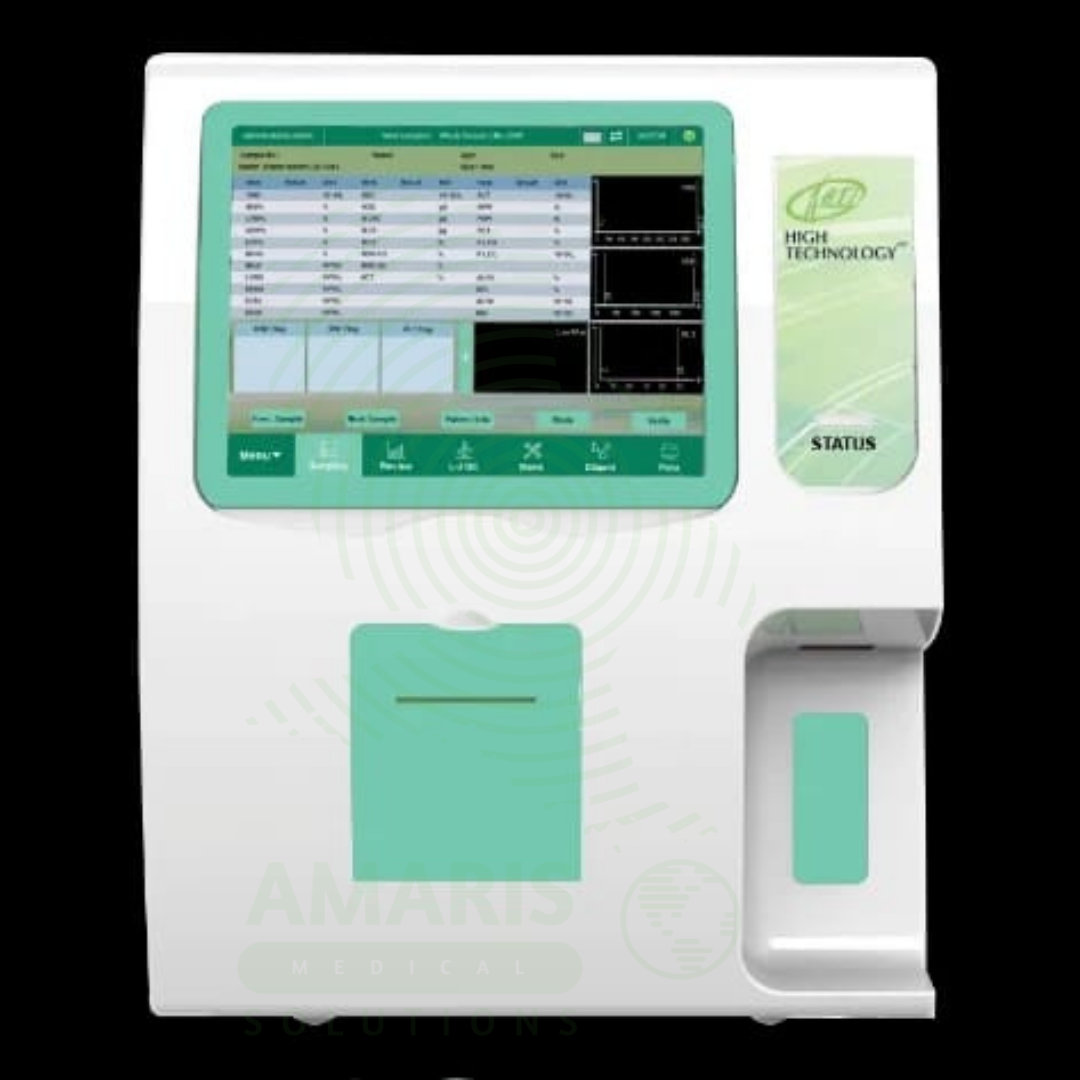

Plus Advanced Hematology Analyzer (MicroCC-20)
WhatsApp Order
The MicroCC-20 Plus Advanced Hematology Analyzer is a fully automated, 3-part differential (3-diff) benchtop hematology analyzer designed for small to medium-volume clinical laboratories, physician office labs (POLs), and hospital satellite laboratories . The instrument measures 20 parameters including complete blood count (CBC) with WBC, RBC, HGB, HCT, MCV, MCH, MCHC, RDW-SD, RDW-CV, PLT, MPV, PDW, PCT, P-LCR , and a three-part white blood cell differential (LYM, MID, GRA) with both absolute and percentage reporting .
Operating at 60 samples per hour with a sample volume of just 9.8 µL for whole blood or 20 µL for pre-diluted capillary samples , the analyzer uses electrical impedance technology (80 µm ruby aperture) for WBC, RBC, and platelet counting, and colorimetric photometry (550 nm) for hemoglobin measurement . The 10.4 inch color LCD touchscreen with Windows-based operating system provides intuitive graphical user interface with language options including English, Spanish, Russian, French, Ukrainian, and Chinese .
The analyzer features comprehensive quality control with built-in L‑J, X‑R, and X‑B charting, 20 QC files x 500 results storage, automatic calibration modes, 50,000 patient result memory with complete histograms and demographics, multiple connectivity options (RS‑232, dual USB, Ethernet, LPT, PS/2, external printer), and integrated thermal printer . For the clinical laboratory scientist and pathologist, the MicroCC‑20 Plus provides reliable, cost-effective hematology testing that supports accurate diagnosis of anemia, infection, inflammation, thrombocytopenia, and hematologic malignancies across all patient populations including pediatric and geriatric patients requiring low specimen volumes. For the patient, rapid (60 tests/hour) and accurate CBC results enable timely diagnosis of anemia, early detection of infection, monitoring of chemotherapy effects, preoperative risk assessment, and appropriate treatment for bleeding disorders and hematologic diseases.
Description
Plus Advanced Hematology Analyzer (MicroCC-20)
PRIMARY CLINICAL & DIAGNOSTIC USES
1. Complete Blood Count (CBC) for Anemia and Erythrocyte Disorders
-
Primary Use: Provides a fully automated 3-part differential hematology analyzer that measures 20 parameters including RBC count, hemoglobin (HGB), hematocrit (HCT), MCV, MCH, MCHC, RDW-SD, and RDW-CV for comprehensive erythrocyte analysis .
-
How it helps: For the hematologist and clinical laboratory scientist, the MicroCC-20 Plus delivers precise quantification of red blood cell indices using impedance aperture technology (80µm ruby aperture) with photometric hemoglobin measurement at 550nm wavelength . For the patient with suspected anemia, polycythemia, or post-hemorrhagic conditions, accurate RBC parameters guide diagnosis of iron deficiency, vitamin B12 deficiency, hemolytic disorders, and chronic disease anemia, enabling appropriate treatment intervention .
2. Three-Part Leukocyte Differential for Infection and Hematologic Malignancy Screening
-
Primary Use: Performs 3-part white blood cell differential classifying lymphocytes (LYM), mid-range cells (MID) including monocytes, eosinophils, and basophils, and granulocytes (GRA), providing percentages and absolute counts .
-
How it helps: For the hematologist and infectious disease specialist, the 3-part differential enables rapid screening for leukocytosis, leukopenia, lymphocytosis, and granulocytosis—critical for identifying bacterial infections, viral illnesses, inflammatory conditions, and hematologic malignancies . For the patient with fever, suspected infection, or undergoing chemotherapy, the differential count helps clinicians distinguish between viral and bacterial etiologies, monitor bone marrow function, and detect early signs of leukemia.
3. Platelet Analysis for Thrombocytopenia and Bleeding Disorders
-
Primary Use: Measures platelet count (PLT), mean platelet volume (MPV), platelet distribution width (PDW), plateletcrit (PCT), and platelet-large cell ratio (P-LCR) for comprehensive thrombocyte assessment .
-
How it helps: For the hematologist and oncologist, the MicroCC-20 Plus provides detailed platelet parameters essential for diagnosing thrombocytopenia (low platelets), thrombocytosis (high platelets), and platelet function disorders . For the patient with unexplained bruising, petechiae, or bleeding tendencies, accurate platelet assessment guides diagnosis of immune thrombocytopenia (ITP), chemotherapy-induced myelosuppression, bone marrow disorders, and disseminated intravascular coagulation (DIC), enabling timely treatment to prevent hemorrhagic complications .
4. Automated Erythrocyte Sedimentation Rate (ESR) Monitoring and Histogram Analysis
-
Primary Use: Generates three distinct histograms (WBC, RBC, PLT) for visual analysis of cell population distribution and abnormal cell detection, with integrated quality control using L-J, X-R, and X-B methods .
-
How it helps: For the clinical pathologist and laboratory supervisor, the histogram displays and automated QC charts enable real-time monitoring of cell population abnormalities, flagging of atypical results, and validation of internal quality control standards . For the patient with suspected myelodysplastic syndrome, leukemia, or atypical lymphoid proliferations, histogram abnormalities prompt further manual slide review, ensuring detection of abnormal cell populations that may indicate serious hematologic disease .
SECONDARY & SUPPORTIVE USES
1. Pediatric and Neonatal Hematology Testing: Requires only 9.8 µL of whole blood for complete analysis, enabling blood draw from neonates, infants, and small children with minimal phlebotomy volume and reduced patient discomfort .
2. Pre-Diluted Sample Mode for Capillary Blood: Accepts 20 µL pre-diluted samples, ideal for finger-stick capillary blood collection in outpatient clinics, pediatric wards, and geriatric patients with difficult venous access .
3. Pre-Operative Surgical Clearance: Provides rapid CBC results for pre-anesthesia risk assessment and surgical clearance, detecting occult anemia, thrombocytopenia, or leukocytosis before elective procedures .
4. Chemotherapy and Radiation Therapy Monitoring: Tracks serial blood counts in oncology patients undergoing myelosuppressive therapy, enabling dose adjustment and supportive care interventions (growth factors, transfusions) .
5. Infectious Disease Diagnosis and Monitoring: Supports diagnosis of bacterial sepsis (leukocytosis, left shift), viral infections (lymphocytosis or lymphopenia), parasitic infections (eosinophilia), and monitoring of treatment response .
6. Chronic Kidney Disease (CKD) Anemia Management: Monitors hemoglobin and RBC parameters in dialysis patients for erythropoiesis-stimulating agent (ESA) dosing and anemia management .
7. Inflammatory and Autoimmune Disease Assessment: Tracks white blood cell parameters and platelet counts in patients with rheumatoid arthritis, lupus, inflammatory bowel disease, and vasculitis to assess disease activity .
8. Pre-Employment and Occupational Health Screening: Performs baseline CBCs for workers in chemical, mining, and manufacturing industries to monitor for hematologic toxin exposure .
9. Sports Medicine and Athlete Monitoring: Assesses hemoglobin and hematocrit levels in athletes for anemia screening, endurance performance evaluation, and anti-doping compliance (detection of blood doping via hematocrit elevation) .
10. Clinical Research and Drug Trials: Provides standardized hematologic endpoint measurement for Phase I-IV clinical trials, including safety monitoring for drug-induced cytopenias .
11. Veterinary Diagnostic Applications: Used in veterinary reference laboratories for CBC analysis in companion animals (dogs, cats, horses), including research applications for animal disease models (e.g., chlamydiosis studies, chronic alcohol intoxication research) .
12. Mass Casualty and Disaster Response: Rapid 60-test-per-hour throughput enables efficient processing of large patient volumes during emergency department surges and mass casualty events .
13. Public Health Screening Programs: Supports community-based anemia screening, thalassemia carrier detection, and hematologic health surveillance in resource-limited settings .
14. Blood Donor Deferral Screening: Performs pre-donation hemoglobin screening for blood donor eligibility, ensuring donor safety and blood product quality .
15. HIV/AIDS Disease Progression Monitoring: Monitors lymphocyte counts and hemoglobin levels in HIV patients as indicators of immune status and antiretroviral therapy effectiveness .
KEY PRODUCT FEATURES
1. BASIC IDENTIFICATION ATTRIBUTES
-
Device Type: A fully automated, 3-part differential (3-diff) benchtop hematology analyzer that produces a 20-parameter complete blood count (CBC) with three histograms using impedance and colorimetric technology .
-
Designation: MicroCC-20 Plus Advanced Hematology Analyzer, 3-Diff Hematology Analyzer, Automated Blood Cell Counter, CBC Analyzer.
-
Key Components:
o Sample Aspiration System: 9.8µL whole blood or 20µL pre-diluted sample volume with automatic probe washing after each aspiration to eliminate carryover and operator blood contact .
o Flow Cell with Ruby Aperture: 80µm impedance aperture for white blood cell (WBC) counting with 1:269 dilution ratio; 80µm aperture for RBC and platelet (PLT) counting with 1:17906 dilution ratio .
o Hemoglobin Photometer: LED-based colorimeter operating at 550nm wavelength for cyanide-free hemoglobin determination .
o Fluidics System: Hydraulic and pneumatic system with automatic cleaning cycles and anti-clot monitoring via pressure detection .
o Operating System: 10.4 inch color LCD touchscreen display running Windows-based interface with multilingual support (English, Spanish, Russian, French, Ukrainian, Chinese) .
o Data Management: Internal memory storage for up to 50,000 patient records with histograms and complete demographic information (patient ID, name, gender, age, ward, department) .
o Connectivity: RS-232, USB ports (x2), RJ-45 Ethernet, LPT parallel, PS/2 (x2) for PC, external printer, barcode reader, mouse, and keyboard .
o Printer: Integrated 55mm thermal printer with manual or auto-print modes; optional external printer support .
o QC Software: Built-in quality control with Levey-Jennings (L-J), X-R, and X-B charts; 20 QC files x 500 results; 2000 QC data points for X-B .
2. TECHNICAL & PERFORMANCE PROPERTIES
-
Throughput: 60 samples per hour .
-
Sample Modes: Whole blood (9.8 µL) and pre-diluted capillary (20 µL) .
-
Measurement Time: 60 seconds from aspiration to printout .
-
Parameters Reported: 20 parameters: WBC, LYM#, LYM%, MID#, MID%, GRA#, GRA%, RBC, HGB, HCT, MCV, MCH, MCHC, RDW-SD, RDW-CV, PLT, MPV, PDW, PCT, P-LCR .
-
Histograms: WBC, RBC, and PLT histograms for visual cell population analysis .
-
WBC Counting Method: Impedance with specific lytic reagent; 2 or 3 x 5 second counting cycles; dilution ratio 1:269 .
-
RBC/PLT Counting Method: Impedance via 80µm ruby aperture; 2 or 3 x 5 second counting cycles; dilution ratio 1:17906 .
-
Hemoglobin Measurement: Colorimetric photometry at 550nm wavelength; 2 or 3 x 5 second cycles .
-
Calculated Parameters: HCT, MCH, MCHC, RDW (calculated from RBC and HGB data) .
-
Memory Storage: 50,000 patient records with full histograms and demographics .
-
Quality Control: L-J, X-R, and X-B QC methods; 20 QC files x 500 results; SD, CV% calculations; automatic QC charting .
-
Calibration: Automatic and manual calibration modes .
-
Reference Ranges: Factory programmable ranges for 10 different population types (general, adult male, male, female, age-specific pediatric ranges: 16-18 years, 6-15 years, 3 months-2 years, 8 days-2 months, 1 week), plus custom user-defined ranges .
-
Operating System: Windows-based with touchscreen interface (10.4 inch LCD, color) .
-
Power Supply: 110-240V, 50/60Hz ±10%; 96W to 96VA consumption .
-
Dimensions: 44.0 × 36.5 × 37.5 cm (approximately) ; 43.6 × 43.6 × 36.7 cm (alternate) .
-
Weight: 18 kg to 18.6 kg .
-
Operating Temperature: 15°C to 35°C .
-
Operating Humidity: 10% to 90% non-condensing .
-
Warm-Up Time: Not specified; typical for class (approximately 15-30 minutes).
-
Languages: English, Spanish, Russian, French, Ukrainian, Chinese .
3. PHYSICAL & OPERATIONAL PROPERTIES
-
Construction: Benchtop design with durable housing and reagent reservoirs; compact footprint suitable for medium-volume clinical laboratories (40-100 samples per day) .
-
Display: 10.4 inch color LCD touchscreen with intuitive Windows-based graphical user interface; virtual keyboard for data entry; large icons for menu navigation .
-
Sample Loading: Manual single-tube sample introduction; barcode reader optional for automated patient ID entry .
-
Operation Modes: Fully automated; touchscreen start or external barcode trigger.
-
Quality Control: Integrated L-J, X-R, X-B charting; real-time QC alerts; 20 QC file storage; mean, SD, CV% calculation per parameter .
-
Calibration Mode: Automatic calibration (with commercial calibrators) and manual calibration (user-defined factor adjustment) .
-
Data Management: 50,000 result memory; patient demographics entry (ID, name, gender, age, ward, department); results can be printed, stored, or exported via USB .
-
Connectivity: RS-232 for PC/LIS connection (uni-directional, output only) ; dual USB ports for data export and peripheral devices; RJ-45 Ethernet for network integration; LPT parallel for external printer; PS/2 for keyboard/mouse .
-
Safety Features: Automatic probe washing after each aspiration ensures operator safety; anti-clot monitoring via pressure sensors; automatic fluid line cleaning on a user-defined schedule; automatic rinse on shutdown .
-
Maintenance: Automated cleaning cycles; user-replaceable reagents; integrated maintenance alerts; 12-month warranty .
4. SAFETY & COMPLIANCE ATTRIBUTES
-
Regulatory Status: Class II medical device (in vitro diagnostic) requiring regulatory registration per country (CE marked for Europe, registered with national health authorities) .
-
Safety Features: Closed-tube aspiration reduces biohazard exposure; automatic probe cleaning eliminates manual wipe-down; anti-clot detection prevents pressure-related hazards; automatic shutdown cleaning ensures safe decontamination .
-
Electrical Safety: Wide voltage compatibility (110-240V, 50/60Hz); grounded power connection required; 96W maximum power consumption .
-
Infection Control: No direct operator contact with blood samples; fluorescent lighting for safe component access .
-
Environmental Compliance: Reagents compatible with local (CIS) supply chains; waste management per local biohazard regulations .
5. STORAGE & HANDLING ATTRIBUTES
-
Storage: Store in a clean, dry environment at 15-35°C; protect from dust, vibration, and direct sunlight; keep reagent reservoirs sealed when not in use .
-
Cleaning: Follow automated cleaning cycles; exterior wipe with disinfectant solution; probe cleaning automatic .
-
Maintenance: 12-month factory warranty; regular calibration (annual recommended); reagent replacement as required; QC runs per laboratory schedule .
-
Installation: Benchtop requires 44 x 36 cm footprint plus clear access to side and rear ports; 18kg ensures stable placement; requires nearby electrical outlet (110-240V, 50/60Hz); LIS connection via RS-232 or Ethernet recommended for result export .
-
Reagent Requirements: Requires diluent, lytic reagent, and cleaning solution; compatible with local (CIS) reagent supply chains for low operating costs .
6. LABORATORY & CLINICAL APPLICATIONS
-
Primary Application: Automated complete blood count (CBC) with 3-part differential for routine and urgent hematology testing in small to medium-volume clinical laboratories, hospital satellite labs, physician office labs, and research facilities .
-
Clinical Role: Essential diagnostic instrumentation for primary care, internal medicine, pediatrics, oncology, hematology, infectious disease, and emergency medicine .
SAFETY HANDLING PRECAUTIONS
1. SAFETY PRECAUTIONS
-
Biohazard Exposure: Treat all samples as potentially infectious; use standard precautions; automatic probe cleaning reduces but does not eliminate risk; dispose of waste per facility biohazard protocols .
-
Electrical Safety: Use properly grounded outlet; do not modify power cord; disconnect before maintenance; wide voltage tolerance (110-240V, 50/60Hz) safe for international use .
-
Reagent Handling: Use reagents as directed; avoid skin and eye contact; follow SDS for spill management .
-
Clot Detection: Monitor anti-clot pressure alerts; failure to clear may require manual probe cleaning (trained personnel only) .
-
Quality Control: Run QC materials per laboratory schedule; verify calibration before patient testing; document all QC results .
-
Instrument Operation: Only trained laboratory personnel operate; follow start-up, run, and shutdown procedures .
-
Interference: High bilirubin, lipemia, or cold agglutinins may affect results; flag abnormal results for manual slide review .
2. FIRST AID MEASURES
-
Blood Exposure: Wash exposed skin immediately with soap and water; flush eyes with water for 15 minutes; follow institutional exposure management protocol .
-
Reagent Spill: Ventilate area; use absorbent materials; dispose as chemical waste per SDS .
-
Electrical Malfunction: Disconnect power immediately; do not attempt repair; contact service provider .
-
Clogged Probe: Power off; allow trained service personnel to clear; do not attempt without training .
3.FIRE FIGHTING MEASURES
-
Flammability: Electrical hazard; reagents may be combustible .
-
Extinguishing Media: Use CO2 or dry chemical extinguisher for electrical fires .
-
Fire Response: Disconnect power; use appropriate extinguisher; do not use water on electrical fire .
Related products
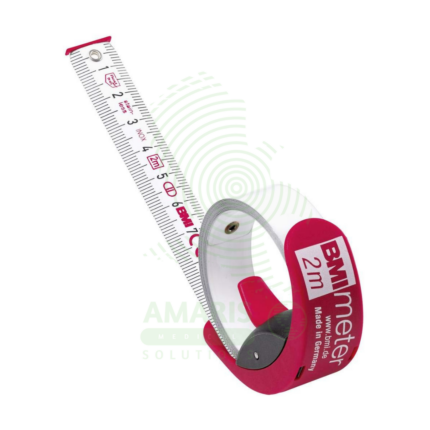
BMI Tape
A BMI Tape is a rapid screening tool that estimates an individual's Body Mass Index (BMI) category by measuring body circumference, most commonly the waist. It features a color-coded scale that directly displays BMI ranges (Underweight, Normal, Overweight, Obese), eliminating the need for separate height and weight measurements and manual calculation. While highly useful for community health screenings, wellness programs, and patient education due to its portability and simplicity, it is an approximate method. Its accuracy is limited compared to BMI calculated from precise clinical measurements, and it should be used as an initial screening indicator rather than a definitive diagnostic tool.
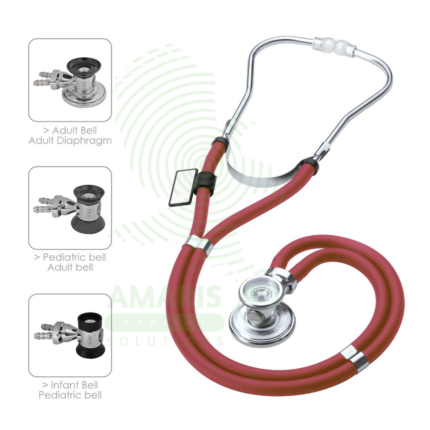
Dual Head Stethoscope
The Dual Head Stethoscope is the classic, essential acoustic diagnostic tool used by healthcare professionals worldwide. Its defining feature is a two-sided chestpiece, combining a diaphragm for high-frequency sounds (breath sounds, normal heart tones) and a bell for low-frequency sounds (heart murmurs, abnormal heart tones). Through mechanical sound conduction, it provides critical information for assessing cardiac, pulmonary, and vascular systems during physical examinations and manual blood pressure measurement. Its effectiveness relies on proper technique, a good acoustic seal, and consistent cleaning. As a fundamental symbol of medical practice, it balances functionality, durability, and affordability.
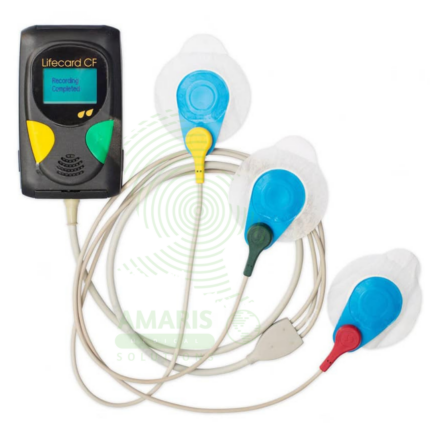
Holter ECG Monitor
A Holter ECG Monitor is a portable, wearable medical device used for continuous, long-term recording of a patient's heart's electrical activity over 24 to 48 hours or more. It is the cornerstone diagnostic tool for detecting intermittent cardiac arrhythmias, evaluating unexplained symptoms like syncope or palpitations, and monitoring the efficacy of antiarrhythmic treatments or implanted cardiac device function. Consisting of a small digital recorder connected to chest electrodes (or an all-in-one adhesive patch), it allows patients to maintain their normal daily routine while capturing a comprehensive electrocardiographic record.
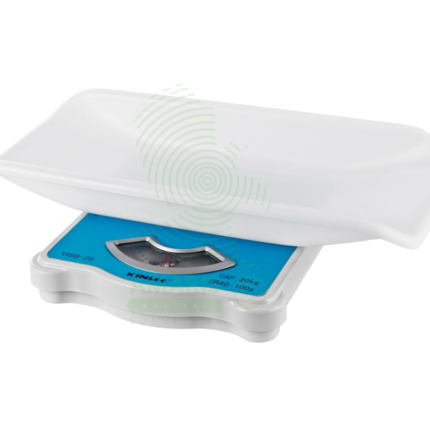
Manual Baby Weighing Scale
A Manual Baby Weighing Scale is a simple, mechanical device used to measure infant weight without the need for electricity or batteries. Operating on a spring or balance principle, it features a suspended sling or seat and a dial display. Its primary advantage is durability and portability for use in community health, outreach programs, and areas with unreliable power. While less precise than digital scales, it provides a reliable and accessible means to monitor growth trends and screen for undernutrition in resource-limited settings, making it a vital tool for basic pediatric care in the field.
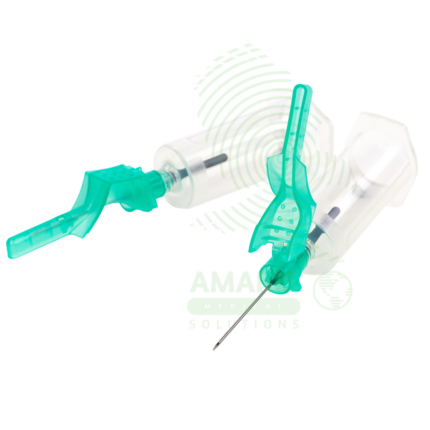
SAFE SERIES Blood Collection Needles
The SAFE SERIES (AM-SAFE) by Beijing Precil (Mindray subsidiary) is a comprehensive line of safety-engineered blood collection devices designed to prevent accidental needlestick injuries in healthcare workers. The series includes venous blood collection needles (AM-SAFE-V), standard safety needles (AM-SAFE1), winged infusion sets/butterfly needles (AM-SAFE2), high-gauge thin-wall needles for fragile veins (AM-SAFE3), premium coated needles for enhanced patient comfort (AM-GOLD), and nurse-friendly one-handed safety variants (AM-NURSE). All devices incorporate integral safety mechanisms that shield the contaminated needle immediately after withdrawal, complying with OSHA Needlestick Safety and Prevention Act requirements. Available in various gauges (18G-25G) and configurations for routine venipuncture, difficult vein access, pediatric/geriatric patients, and frequent blood draws. Sterile, single-use, latex-free, and color-coded for easy gauge identification. Essential safety devices for blood collection in hospitals, clinics, laboratories, and home healthcare settings.
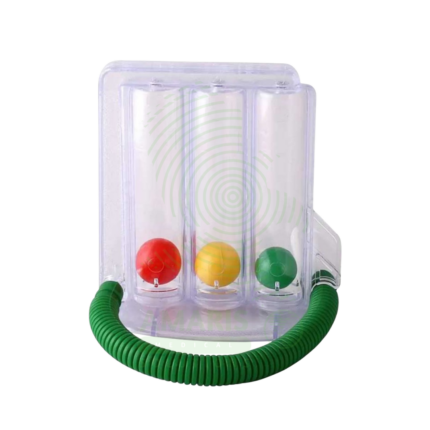
Spirometer
A Spirometer is an essential diagnostic medical device used to measure how much and how quickly air can be inhaled and exhaled by the lungs. By performing forced breathing maneuvers, it generates key parameters—primarily Forced Vital Capacity (FVC) and Forced Expiratory Volume in 1 second (FEV1)—that are fundamental for diagnosing and monitoring obstructive and restrictive lung diseases like Asthma and COPD. Requiring daily calibration and strict adherence to international standards (ATS/ERS), it provides the objective, reproducible data needed for clinical decision-making in pulmonology, primary care, occupational health, and pre-operative assessment.
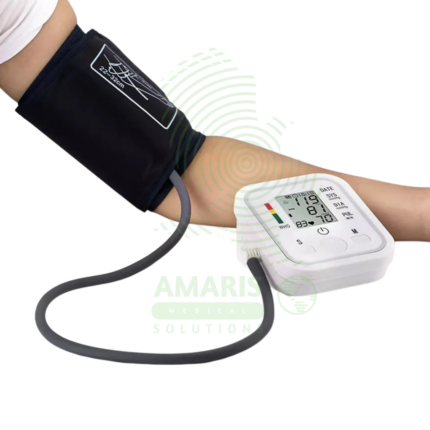
Upper Arm Blood Pressure Monitor
The Upper Arm Blood Pressure Monitor is a clinically validated, automatic digital device designed for accurate and comfortable blood pressure and pulse measurement at home or in professional settings. Known for its user-friendly features like Intellisense inflation technology, a large clear display, and comprehensive functions including irregular heartbeat detection, multi-user memory, and a WHO-based hypertension indicator, it provides reliable data for effective hypertension management. Its robust construction, adherence to international safety standards (CE, FDA), and focus on patient comfort make it a trusted choice for individuals and healthcare providers seeking a dependable tool for cardiovascular health monitoring.