Dermatoscope and Magnifiers
 Diagnostic Kits
 Vital Signs Monitors
 Stethoscopes and Accessories
 Otoscopes, Ophthalmoscopes, and Retinoscopes
 Reflex Hammers and Neurological Tools
 Scales and Measuring Devices
 Spirometers and Pulmonary Function Tests
 Electrosurgical Units and Accessories
 Cutting Instruments
 Grasping and Holding Instruments
 Hemostatic Instruments
 Specialized Surgical Sets
 Single-Use Procedure Trays and Packs
 Surgical Drapes, Gowns, and Covers
 Tissue Unifying Instruments
 Radiation Protection
 X-Ray Machines and Accessories
 Ultrasound Systems and Probes
 MRI and CT Scanners
 Radiology Consumables
 Bone Densitometers
 Fluoroscopy Equipment
 Imaging Tables and Positioning Aids
 Microscopes and Accessories
 Centrifuges and Separators
 Analyzers
 Incubators and Ovens
 Pipettes, Dispensers, and Lab Glassware
 Refrigerators, Freezers, and Storage Units
 Lab Consumables
 Sterilizers and Autoclaves for Lab Use
 Multi-Parameter Monitors
 Ventilators and Respiratory Support Devices
 Defibrillators and AEDs
 Infusion Pumps and IV Systems
 Patient Warmers and Cooling Devices
 Central Monitoring Stations
 Accessories
 Anesthesia Machines and Workstations
 Oxygen Concentrators and Delivery Systems
 Nebulizers and Inhalers
 CPAP/BiPAP Machines
 Airway Management
 Anesthesia Masks, Circuits, and Bags
 Humidifiers and Heaters
 Respiratory Therapy Accessories
 First Aid Kits and Cabinets
 Emergency Resuscitation Equipment
 Trauma Supplies
 Emergency Carts and Crash Carts
 Burn Care Products
 Bleeding Control
 Automated External Defibrillators (AEDs)
 Transport and Evacuation
 Wheelchairs and Accessories
 Walkers, Crutches, and Canes
 Prosthetics and Orthotics
 Physical Therapy Equipment
 Transfer Devices
 Bathroom Safety
 Orthopedic Traction and Tables
 Hot/Cold Therapy Packs and Units
 Beds and Mattresses
 Chairs and Stools
 Tables
 Cabinets and Storage
 Privacy Screens & Curtains
 Stands and Racks
 Linens and Textiles
 Lighting
 Autoclaves and Sterilizers
 Ultrasonic Cleaners
 Disinfectant Solutions and Wipes
 Sterilization Pouches, Wraps, and Indicators
 Instrument Trays and Containers
 UV and Ozone Disinfection Devices
 Washer Disinfectors
 Wound Care
 Gloves
 Masks and Respirators
 Catheters and Tubing
 Swabs, Applicators, and Sponges
 Incontinence Products
 Personal Protective Equipment (PPE)
 Dental Chairs and Units
 Handpieces and Burs
 Instruments
 Consumables
 Sterilization for Dental Use
 Orthodontic Supplies
 Endodontic Tools
 Slit Lamps and Tonometers
 Lensometers and Phoropters
 Ophthalmic Surgical Instruments
 Eyewear Frames and Lenses
 Contact Lens Supplies
 Vision Testing Charts and Devices
 Eye Care Consumables
 Laser Systems for Eye Care
 ENT Exam Chairs and Tables
 Endoscopes
 Audiometers and Hearing Tests
 ENT Instruments
 Nasal and Throat Packs
 Hearing Aids and Accessories
 Otology Supplies
 Fetal Dopplers and Monitors
 Delivery Beds and Tables
 Gynecological Instruments
 Neonatal Incubators and Warmers
 Breast Pumps and Accessories
 Contraceptive Devices
 Maternity Supports and Pads
 Neonatal Consumables
 Cystoscopes and Urethroscopes
 Dialysis Machines and Supplies
 Urological Catheters and Bags
 Lithotripters
 Prostate Treatment Devices
 Urinary Incontinence Products
 Kidney Stone Management Tools
 Consumables & Disposables
 EEG and EMG Machines
 Neurosurgical Instruments
 Nerve Stimulators
 Headrests and Positioning Aids
 Lumbar Puncture Kits
 Seizure Monitoring Devices
 Consumables
 Rehabilitation for Neurological Conditions
 ECG Machines and Accessories
 Holter Monitors
 Stress Test Systems
 Pacemakers and Defibrillator Accessories
 Vascular Access Devices
 Cardiac Catheters and Guidewires
 Blood Flow Meters
 Consumables
 Orthopedic Instruments
 Casts, Splints, and Padding
 Joint Replacement Supplies
 Prosthetic Limbs and Components
 Bone Grafts and Substitutes
 Traction Devices
 Orthopedic Braces and Supports
 Rehabilitation Aids for Orthopedics
 Home Oxygen Therapy
 Hospital Beds for Home Use
 Mobility Aids
 Bathroom and Daily Living Aids
 Wound Care for Home
 Monitoring Devices
 Enteral Feeding Pumps and Tubes
 Hand Sanitizers and Dispensers
 Face Shields and Goggles
 Isolation Gowns and Suits
 Biohazard Waste Containers
 Air Purifiers and HEPA Filters
 Surface Disinfectants
 Sharps Containers
 Protective Barriers
 Cardiovascular & Endurance Training
 Strength Training & Weightlifting
 Functional Training & Core Conditioning
 Physical Therapy & Rehabilitation
 Sports & Outdoor Recreation
 Gym Flooring & Facility Equipment
 Fitness Monitoring & Accessories
 Kids & Novelties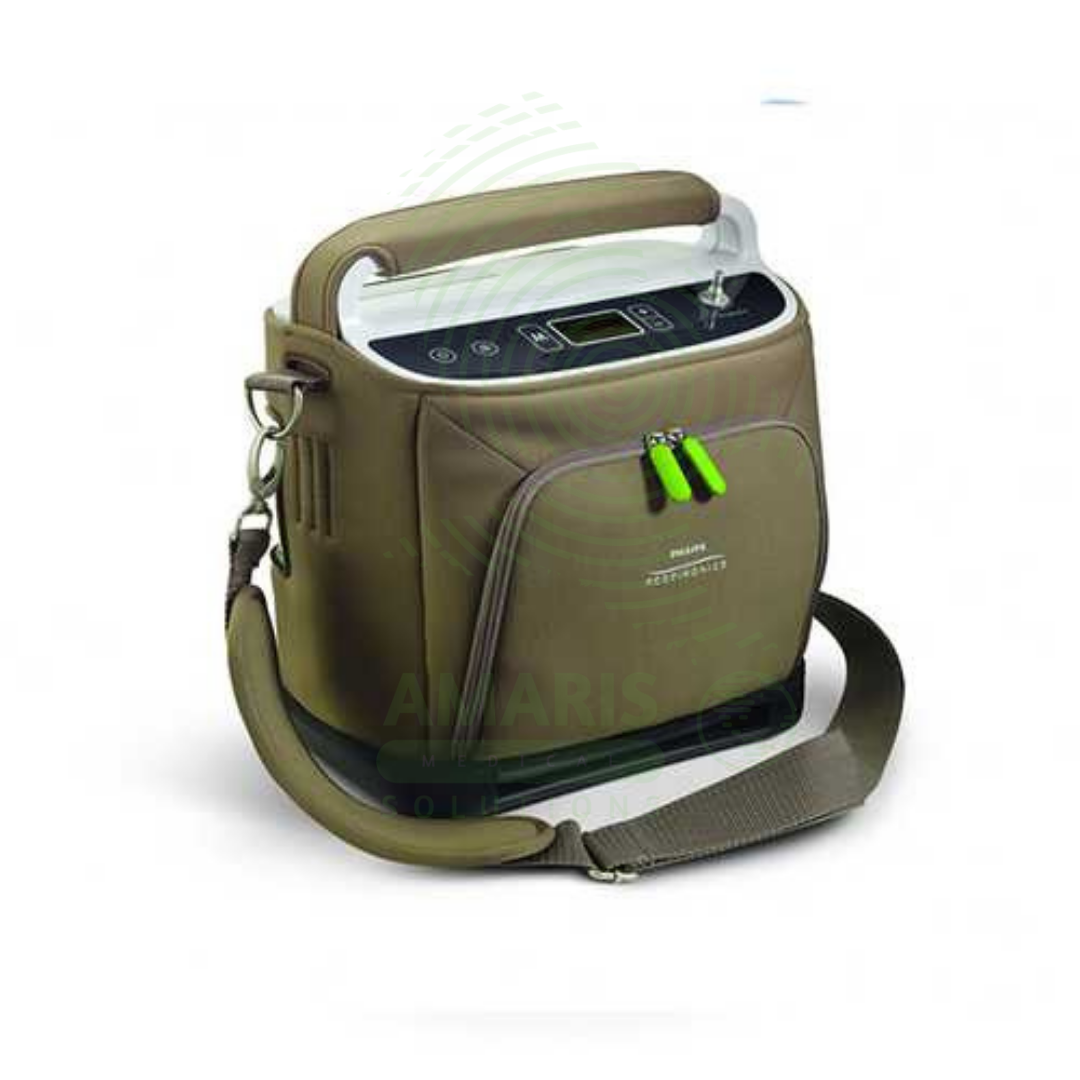
Portable Oxygen Concentrator
WhatsApp Order
A Portable Oxygen Concentrator (POC) is a lightweight, battery-powered device that delivers oxygen via pulse dose technology, enabling active, mobile lifestyles for patients with chronic lung disease. By providing oxygen on-demand with each breath, it maximizes battery efficiency and portability, allowing users to travel, exercise, and socialize freely. It is a prescription-only device that requires careful titration to match a patient’s needs during activity and is not a substitute for a stationary concentrator used at home and during sleep. Key considerations include FAA approval for air travel, battery life management, and understanding its specific use case as an ambulatory aid, not a primary oxygen source.
Description
Portable Oxygen Concentrator
PRIMARY CLINICAL & DIAGNOSTIC USES
1. Ambulatory Oxygen Therapy
-
Primary Use: Provides supplemental oxygen to mobile patients outside the home, enabling them to engage in activities of daily living, socialize, travel, and exercise.
-
How it helps: For the prescribing physician, it ensures patients maintain therapeutic oxygen levels during physical activity, preventing dangerous desaturation. For the patient, it is the key that unlocks the front door—it transforms them from someone homebound by a stationary machine into someone who can attend family gatherings, shop for groceries, or simply take a walk, directly combating the social isolation and disability caused by lung disease.
2. Pulmonary Rehabilitation & Exercise Enhancement
-
Primary Use: Used during prescribed exercise programs for patients with COPD or other lung diseases to support physical activity.
-
How it helps: For the respiratory therapist and rehabilitation team, it allows patients to exercise longer and at higher intensities, which is essential for building strength and breaking the deconditioning cycle. For the patient, it means they can push past the wall of breathlessness safely, experiencing genuine improvement in their stamina and feeling their body grow stronger rather than weaker.
3. Oxygen-Dependent Travel
-
Primary Use: Essential for patients who require oxygen during air travel (FAA-approved models), car trips, or vacations.
-
How it helps: For the travel medicine specialist and airline medical clearance team, it provides a safe, approved solution for in-flight oxygen that cylinders cannot offer. For the patient, it restores the ability to visit distant family, take that long-awaited vacation, or attend out-of-state medical appointments—experiences that would otherwise be impossible, returning a sense of normal adventure to their life.
4. Ergonomic Daily Mobility
-
Primary Use: Replaces the need to carry heavy oxygen cylinders, allowing for greater freedom and safety during daily errands and activities.
-
How it helps: For the occupational therapist and home care provider, it reduces the physical strain and fall risk associated with maneuvering heavy tanks. For the patient, the lightweight, wheeled design means they can move through their day with dignity and less effort—no longer struggling under the weight of their treatment, but simply bringing it along as they live their life.
SECONDARY & SUPPORTIVE USES
1. Backup Oxygen Source: For the durable medical equipment provider, it offers patients a contingency plan. For the patient and their family, a charged portable unit provides critical peace of mind during power outages, ensuring they are not left without oxygen when severe weather or grid failures occur.
2. Transitional Care: For the discharge planner, it supports patients leaving the hospital who are still building strength. For the recovering patient, recently home with a new diagnosis, it provides the confidence and support to move around the house and begin the slow process of returning to normal life.
3. Specific Activity Support: For the clinician, it allows for targeted oxygen delivery during high-exertion moments. For the patient, it means they can participate in meaningful but demanding activities—like attending a wedding, walking up a ramp onto a tour bus, or playing with a grandchild in the yard—without fear of running out of breath.
KEY PRODUCT FEATURES
1. BASIC IDENTIFICATION ATTRIBUTES
-
Device Type: Portable, Battery-Powered Oxygen Concentrator (POC).
-
Core Technology: Primarily uses Pulse Dose (or "on-demand") delivery technology, although some offer continuous flow at lower rates. Pulse dose delivers a bolus of oxygen at the start of inhalation, conserving battery and oxygen supply.
-
Form Factor: Designed for portability. Typically weighs between 2 kg (4.4 lbs) and 5 kg (11 lbs). Often includes a carrying case, shoulder strap, or wheeled cart.
2. TECHNICAL & PERFORMANCE PROPERTIES
-
Delivery Modes:
-
Pulse Dose (Settings 1-6): Delivers a variable volume of oxygen per breath (bolus size increases with setting number). The setting does not equal LPM. Must be clinically titrated to match the patient's stationary prescription.
-
Continuous Flow (on some models): Provides a constant flow like a stationary unit, but drastically reduces battery life (e.g., a POC may offer 2 LPM continuous flow but only for ~1 hour on battery).
-
-
Oxygen Output: Pulse dose settings are measured in milliliters per bolus (e.g., setting 2 = 21 mL/bolus). The effective equivalent in LPM depends on the user's breathing rate.
-
Battery Life: The critical specification. Rated in hours, it varies drastically by setting and use mode (e.g., "Up to 5 hours on setting 2"). Patients must carry extra batteries for all-day use.
-
Charging: Uses AC/DC adapters and often a car charger. Batteries are typically removable and rechargeable lithium-ion.
-
Oxygen Purity: Delivers ≥90% oxygen concentration in pulse dose mode. Purity in continuous flow mode may be specified separately.
3. PHYSICAL & OPERATIONAL PROPERTIES
-
Portability: The defining feature. Compact, lightweight, with handles or straps. FAA-approved models are permitted on commercial aircraft.
-
Noise Level: Generally quieter than stationary concentrators, but still produces an audible cycle and fan noise.
-
Power Options: Operates on internal battery, AC mains (when plugged in), and DC (car/vehicle) power.
4. SAFETY & COMPLIANCE ATTRIBUTES
-
Regulatory Approvals: Class IIb medical device. Requires FDA 510(k) clearance and CE Marking. For air travel, FAA approval is mandatory (not all POCs have this).
-
Intended Use: Prescription-only device. The pulse dose setting must be prescribed based on a walk test with oximetry to ensure it maintains adequate saturation during activity.
5. STORAGE & HANDLING ATTRIBUTES
-
Battery Management:
-
Charge batteries fully before first use and after each use.
-
Store in a cool, dry place.
-
Follow manufacturer guidelines to maximize battery lifespan (e.g., avoid full discharges).
-
-
Cleaning: Wipe exterior with a damp cloth. Clean or replace the intake filter regularly (often weekly). The patient tubing and cannula should be replaced monthly.
-
Travel Preparation: For air travel, contact the airline well in advance. Ensure you have enough charged batteries to last 150% of the total journey time (gate-to-gate), as required by airlines.
6. LABORATORY & CLINICAL APPLICATIONS
-
Primary Application: A mobility device that liberates oxygen-dependent patients, improving psychological well-being and physical health by enabling an active lifestyle.
-
Limitation: Not a primary oxygen source for resting patients. It is intended for use in addition to a stationary concentrator, which provides oxygen at home and during sleep. It is not typically suitable for 24/7 use or for patients requiring high continuous flow rates (>3 LPM equivalent).
SAFETY HANDLING PRECAUTIONS
1. SAFETY PRECAUTIONS
-
Prescription & Titration: Never arbitrarily set the pulse dose level. It must be prescribed by a physician after an ambulatory oximetry test to determine the lowest setting that maintains SpO₂ >90% during walking.
-
Battery Awareness: Monitor battery levels closely. Running out of battery while active and hypoxemic is dangerous. Always carry spare, charged batteries.
-
Not for Nocturnal Use: Most POCs are not approved for use during sleep because the pulse dose technology may not trigger reliably with shallow sleeping breaths. A stationary concentrator must be used for sleep.
-
Aircraft Use: Use only FAA-approved models. Never use the POC during takeoff or landing unless explicitly permitted by the crew. Use only approved batteries.
2. FIRST AID MEASURES
-
Battery Depletion: If the POC battery dies during activity, stop and rest immediately. If symptoms of severe hypoxemia occur (confusion, cyanosis), use a backup oxygen cylinder if available and seek help.
-
Device Failure: Carry a small emergency oxygen cylinder ("E-cylinder") as a backup for critical travel or long outings.
3. FIRE FIGHTING MEASURES
-
Flammability: Contains a lithium-ion battery (fire/explosion risk if damaged) and produces oxygen. Combustible plastics.
-
Extinguishing Media: For an electrical/battery fire, use a Class D fire extinguisher if available, or large quantities of water to cool the battery. A CO₂ extinguisher may be used on surrounding fires.
-
Special Procedures: A burning lithium battery is very difficult to extinguish. Evacuate and call emergency services.
Related products
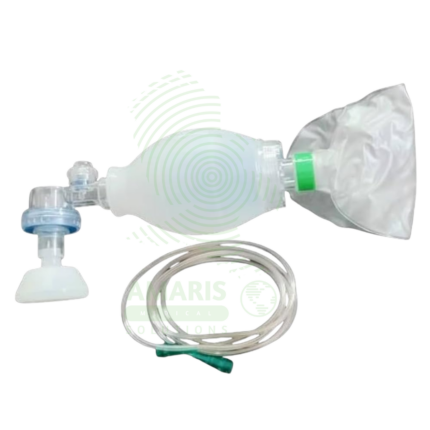
Breath Resuscitation Bag
A Breath Resuscitation Bag (manual resuscitator, bag-valve-mask) is a Class II medical device used to deliver positive-pressure ventilation to patients in respiratory arrest, cardiac arrest, or respiratory failure. Available in adult (1,500-2,000 mL), pediatric (450-750 mL), and infant/neonatal (200-350 mL) sizes with self-inflating silicone or PVC bags, one-way non-rebreathing valves, transparent cushioned masks, and oxygen reservoirs for high FiO2 delivery (90-100% with reservoir). Oxygen inlet allows connection to flow meter (10-15 L/min recommended). Pediatric/neonatal models include pressure-limiting valves (35-45 cmH2O) to prevent barotrauma. Essential for CPR (AHA guidelines: adult 10-12 breaths/min, child 12-20, infant 20-30), preoxygenation before intubation, transport ventilation, and recovery from anesthesia. Critical safety considerations include avoiding excessive ventilation pressure (prevents gastric insufflation), maintaining proper mask seal, monitoring chest rise, and having backup equipment readily available. Indispensable emergency airway equipment in hospitals, ambulances, crash carts, and emergency response kits worldwide.
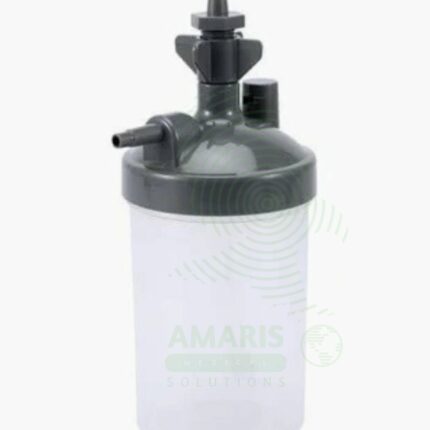
Humidifier Bottle
A Humidifier Bottle is a water reservoir device that adds moisture to dry medical oxygen before delivery to the patient. It attaches between the oxygen flow meter and the patient's oxygen delivery device, bubbling oxygen through sterile water to achieve relative humidity levels of 80-95%. Essential for patients receiving oxygen at flow rates above 4-6 liters per minute, it prevents drying of the nasal mucosa, pharynx, and lower airways, reducing discomfort and maintaining normal mucociliary clearance. Available in disposable sterile and reusable configurations, the bottle requires daily water changes with sterile water and proper positioning below the patient to prevent water carryover. Pressure relief valves protect against over-pressurization.
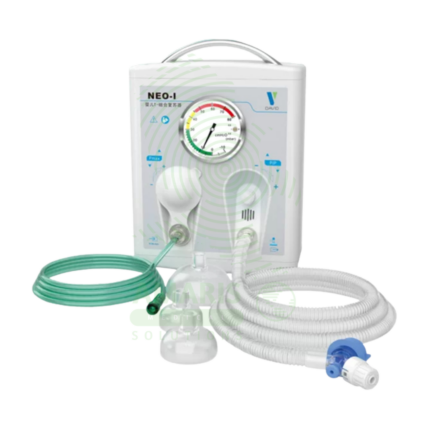
Infant T-Piece Resuscitator
An Infant T-piece Resuscitator is a Class II medical device designed for neonatal resuscitation and controlled positive pressure ventilation, delivering precise, consistent peak inspiratory pressures (PIP) and positive end-expiratory pressure (PEEP) as recommended by Neonatal Resuscitation Program (NRP) guidelines. The T-piece assembly connects to compressed air/oxygen source (5-15 L/min) with adjustable PIP (10-40 cmH₂O) and PEEP (0-10 cmH₂O) controls, built-in pressure manometer, and pressure relief valve (30-40 cmH₂O). Operator occludes port to deliver breaths (typically 40-60/min), with consistent pressures maintained regardless of technique. Essential advantages over bag-valve-mask devices include operator-independent pressure delivery, ability to provide PEEP (critical for preterm lung protection), reduced risk of barotrauma, and hands-free PEEP allowing two-handed mask seal. Primary clinical applications include delivery room resuscitation, stabilization of extremely preterm infants (<1,000 g), CPAP/PEEP delivery, meconium aspiration management, and neonatal transport ventilation. Critical safety considerations include verifying gas supply (5-15 L/min), monitoring manometer pressures, ensuring proper mask seal, observing chest rise, and titrating FiO2 to SpO2 targets. Indispensable resuscitation equipment in every delivery room, NICU, and neonatal transport setting worldwide.
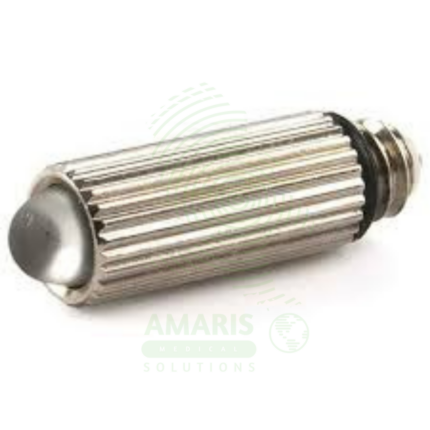
Macintosh Bulb Laryngoscope
A Macintosh Bulb Laryngoscope is a rigid laryngoscope with curved Macintosh blade (sizes 0-4, 70-160 mm) featuring a distal incandescent (xenon, krypton, halogen) or LED bulb at the blade tip for direct illumination during tracheal intubation. The curved blade design allows indirect epiglottis elevation by placing the tip in the vallecula, requiring less force and neck extension than straight blades. Features stainless steel reusable blades (or disposable plastic), ergonomic handles with knurled grip, ISO standard hook-on fittings, and autoclavable options. Light output 500-3,000 Lux depending on bulb type and battery condition. Primary clinical applications include routine and emergency tracheal intubation during general anesthesia, difficult airway management, cervical spine precautions (minimal neck movement), rapid sequence intubation, neonatal and pediatric intubation (sizes 0-2), teaching and training, and use in resource-limited settings. Class II medical device requiring FDA clearance. Critical safety considerations include pre-use light check (brightness, bulb security), appropriate blade size selection, proper lifting technique (not levering on teeth), battery verification, bulb obstruction risk from secretions, backup device availability, and infection control (sterilization or disposable blades).
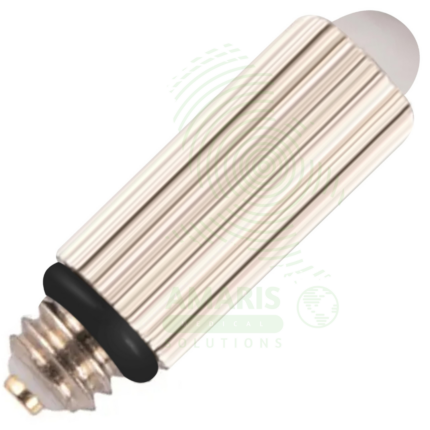
Miller Bulb Laryngoscope
A Miller Bulb Laryngoscope is a rigid laryngoscope with straight Miller blade (sizes 0-4, 70-160 mm) featuring a distal incandescent (xenon, krypton, halogen) or LED bulb at the blade tip for direct illumination during tracheal intubation. The straight blade design allows direct elevation of the epiglottis rather than the indirect vallecula technique, making it the preferred choice for pediatric and neonatal intubation, patients with floppy or prominent epiglottis, and anterior airways requiring direct epiglottic control. Features stainless steel reusable blades (or disposable plastic), ergonomic handles with knurled grip, ISO standard hook-on fittings, and autoclavable options. Light output 500-3,000 Lux depending on bulb type and battery condition. Primary clinical applications include direct epiglottis elevation for tracheal intubation (especially pediatric and neonatal), patients with prominent or floppy epiglottis, anterior airway management, teaching and training (straight blade technique), neonatal resuscitation, and use in resource-limited settings. Class II medical device requiring FDA clearance. Critical safety considerations include pre-use light check (brightness, bulb security), appropriate blade size selection (especially critical in pediatrics), proper lifting technique (direct epiglottic lift, not levering on teeth), pediatric fragility awareness, bulb obstruction risk from secretions, battery verification, and backup device availability.
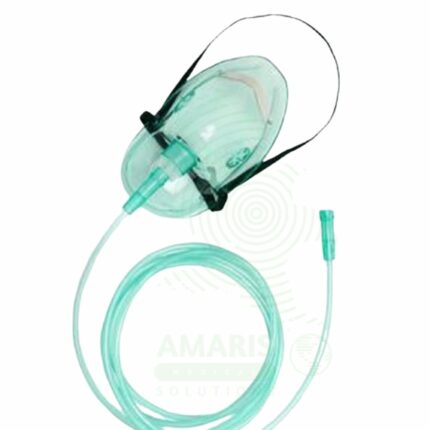
Oxygen Mask (Adult/Infant/Paediatric)
An Oxygen Mask is a disposable, single-use interface used to deliver supplemental oxygen from a medical gas supply to a patient's airways. Available in types for specific clinical needs—Simple Mask for low-flow therapy, Venturi Mask for precise FiO2 control (especially in COPD), and Non-Rebreather Mask for emergency high-flow delivery—and in sizes for adults, children, and infants. Correct selection and application, including ensuring the proper oxygen flow rate for the mask type, are essential for effective therapy and patient safety. Adherence to strict fire safety protocols is non-negotiable due to the combustion risk posed by enriched oxygen environments.
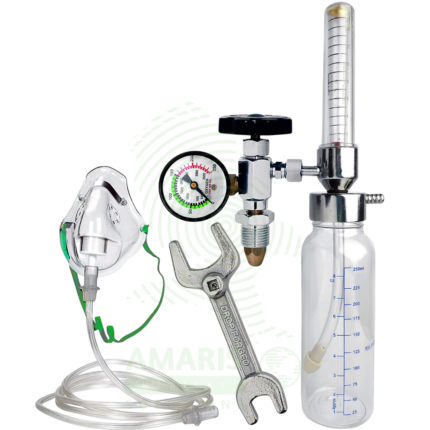
Oxygen set (gauge, humidifier, flow meter)
An Oxygen Set consists of a pressure gauge, flow meter, and humidifier that together regulate, monitor, and humidify oxygen delivered to a patient. The pressure gauge indicates cylinder contents, the flow meter controls delivery rate in liters per minute, and the humidifier adds moisture to dry medical oxygen to prevent airway irritation. Used with wall outlets or portable cylinders, this equipment is essential for all oxygen therapy delivery. Safe operation requires strict adherence to no-oil, no-smoking policies, regular monitoring of water levels and cylinder pressure, and proper orientation of the flow meter for accurate delivery.