Dermatoscope and Magnifiers
 Diagnostic Kits
 Vital Signs Monitors
 Stethoscopes and Accessories
 Otoscopes, Ophthalmoscopes, and Retinoscopes
 Reflex Hammers and Neurological Tools
 Scales and Measuring Devices
 Spirometers and Pulmonary Function Tests
 Electrosurgical Units and Accessories
 Cutting Instruments
 Grasping and Holding Instruments
 Hemostatic Instruments
 Specialized Surgical Sets
 Single-Use Procedure Trays and Packs
 Surgical Drapes, Gowns, and Covers
 Tissue Unifying Instruments
 Radiation Protection
 X-Ray Machines and Accessories
 Ultrasound Systems and Probes
 MRI and CT Scanners
 Radiology Consumables
 Bone Densitometers
 Fluoroscopy Equipment
 Imaging Tables and Positioning Aids
 Microscopes and Accessories
 Centrifuges and Separators
 Analyzers
 Incubators and Ovens
 Pipettes, Dispensers, and Lab Glassware
 Refrigerators, Freezers, and Storage Units
 Lab Consumables
 Sterilizers and Autoclaves for Lab Use
 Multi-Parameter Monitors
 Ventilators and Respiratory Support Devices
 Defibrillators and AEDs
 Infusion Pumps and IV Systems
 Patient Warmers and Cooling Devices
 Central Monitoring Stations
 Accessories
 Anesthesia Machines and Workstations
 Oxygen Concentrators and Delivery Systems
 Nebulizers and Inhalers
 CPAP/BiPAP Machines
 Airway Management
 Anesthesia Masks, Circuits, and Bags
 Humidifiers and Heaters
 Respiratory Therapy Accessories
 First Aid Kits and Cabinets
 Emergency Resuscitation Equipment
 Trauma Supplies
 Emergency Carts and Crash Carts
 Burn Care Products
 Bleeding Control
 Automated External Defibrillators (AEDs)
 Transport and Evacuation
 Wheelchairs and Accessories
 Walkers, Crutches, and Canes
 Prosthetics and Orthotics
 Physical Therapy Equipment
 Transfer Devices
 Bathroom Safety
 Orthopedic Traction and Tables
 Hot/Cold Therapy Packs and Units
 Beds and Mattresses
 Chairs and Stools
 Tables
 Cabinets and Storage
 Privacy Screens & Curtains
 Stands and Racks
 Linens and Textiles
 Lighting
 Autoclaves and Sterilizers
 Ultrasonic Cleaners
 Disinfectant Solutions and Wipes
 Sterilization Pouches, Wraps, and Indicators
 Instrument Trays and Containers
 UV and Ozone Disinfection Devices
 Washer Disinfectors
 Wound Care
 Gloves
 Masks and Respirators
 Catheters and Tubing
 Swabs, Applicators, and Sponges
 Incontinence Products
 Personal Protective Equipment (PPE)
 Dental Chairs and Units
 Handpieces and Burs
 Instruments
 Consumables
 Sterilization for Dental Use
 Orthodontic Supplies
 Endodontic Tools
 Slit Lamps and Tonometers
 Lensometers and Phoropters
 Ophthalmic Surgical Instruments
 Eyewear Frames and Lenses
 Contact Lens Supplies
 Vision Testing Charts and Devices
 Eye Care Consumables
 Laser Systems for Eye Care
 ENT Exam Chairs and Tables
 Endoscopes
 Audiometers and Hearing Tests
 ENT Instruments
 Nasal and Throat Packs
 Hearing Aids and Accessories
 Otology Supplies
 Fetal Dopplers and Monitors
 Delivery Beds and Tables
 Gynecological Instruments
 Neonatal Incubators and Warmers
 Breast Pumps and Accessories
 Contraceptive Devices
 Maternity Supports and Pads
 Neonatal Consumables
 Cystoscopes and Urethroscopes
 Dialysis Machines and Supplies
 Urological Catheters and Bags
 Lithotripters
 Prostate Treatment Devices
 Urinary Incontinence Products
 Kidney Stone Management Tools
 Consumables & Disposables
 EEG and EMG Machines
 Neurosurgical Instruments
 Nerve Stimulators
 Headrests and Positioning Aids
 Lumbar Puncture Kits
 Seizure Monitoring Devices
 Consumables
 Rehabilitation for Neurological Conditions
 ECG Machines and Accessories
 Holter Monitors
 Stress Test Systems
 Pacemakers and Defibrillator Accessories
 Vascular Access Devices
 Cardiac Catheters and Guidewires
 Blood Flow Meters
 Consumables
 Orthopedic Instruments
 Casts, Splints, and Padding
 Joint Replacement Supplies
 Prosthetic Limbs and Components
 Bone Grafts and Substitutes
 Traction Devices
 Orthopedic Braces and Supports
 Rehabilitation Aids for Orthopedics
 Home Oxygen Therapy
 Hospital Beds for Home Use
 Mobility Aids
 Bathroom and Daily Living Aids
 Wound Care for Home
 Monitoring Devices
 Enteral Feeding Pumps and Tubes
 Hand Sanitizers and Dispensers
 Face Shields and Goggles
 Isolation Gowns and Suits
 Biohazard Waste Containers
 Air Purifiers and HEPA Filters
 Surface Disinfectants
 Sharps Containers
 Protective Barriers
 Cardiovascular & Endurance Training
 Strength Training & Weightlifting
 Functional Training & Core Conditioning
 Physical Therapy & Rehabilitation
 Sports & Outdoor Recreation
 Gym Flooring & Facility Equipment
 Fitness Monitoring & Accessories
 Kids & Novelties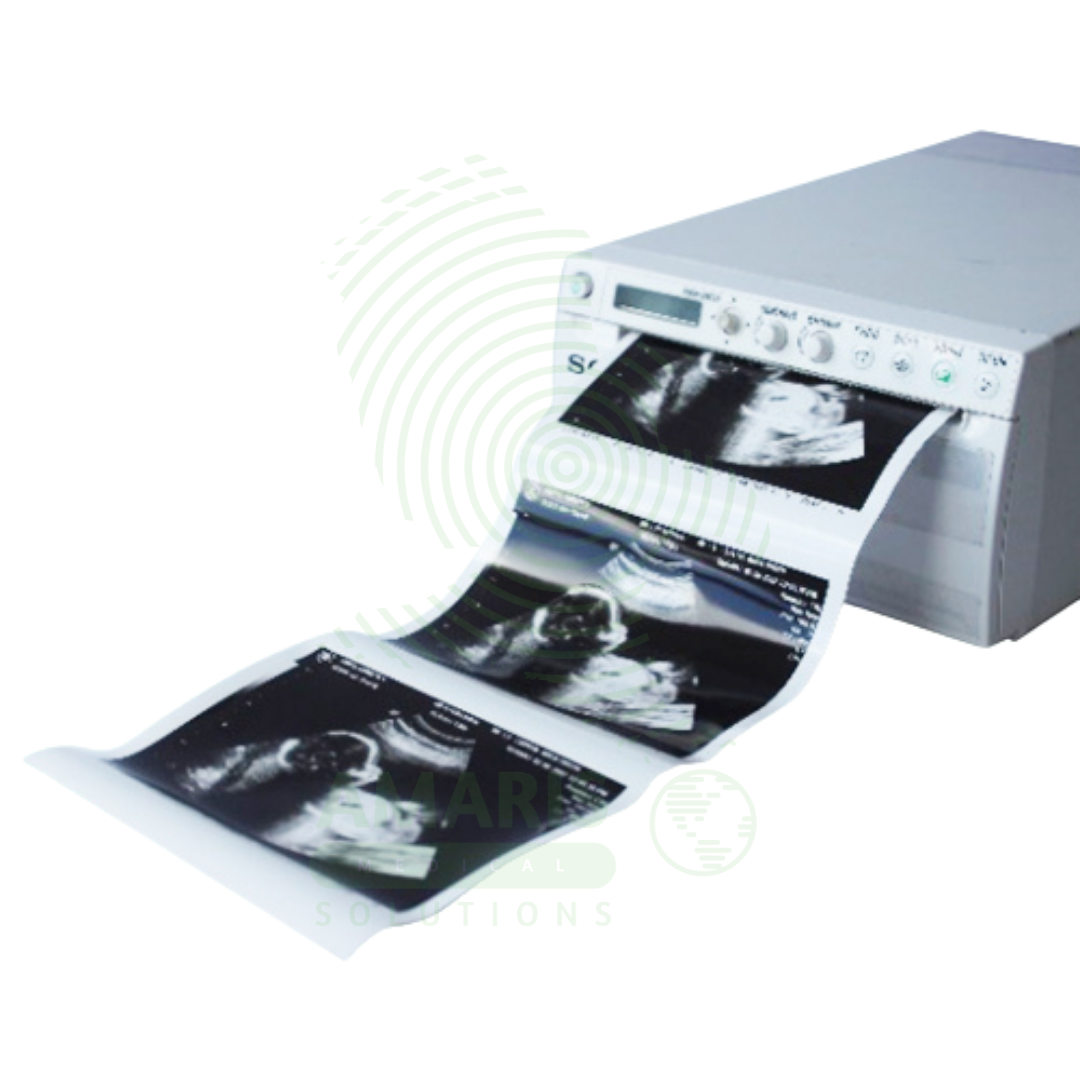
Tele Video Printer Paper
WhatsApp Order
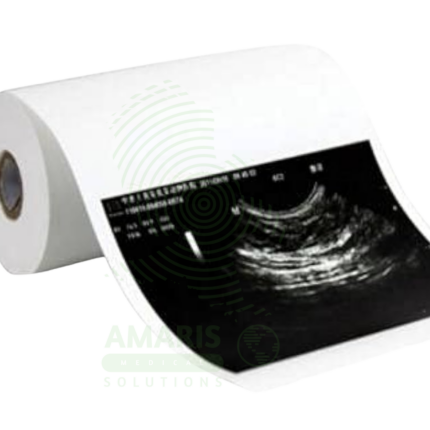
Tele Video Printer Paper is a specialized thermal paper roll used in medical monitoring devices (like telemetry and ECG printers) to produce hard-copy, real-time strip chart recordings of physiological waveforms such as heart rhythms (ECG). Utilizing direct thermal technology that requires no ink, it provides immediate, tangible documentation for patient records, clinical review, and legal archives. Its performance relies on uniform sensitivity to produce high-contrast traces, and its longevity depends on proper storage away from heat and light. As a critical consumable in patient monitoring systems, using the correct specification paper is essential to maintain printer function and ensure reliable record-keeping.
Description
Tele Video Printer Paper
PRIMARY CLINICAL & DIAGNOSTIC USES
1. Hard Copy Output for Physiological Waveforms
-
Primary Use: Serves as the physical recording medium in telemetry monitoring systems and video graphic printers, producing continuous, real-time strip chart recordings of physiological signals such as ECG from cardiac monitors, EEG from brain function monitors, and other vital sign trends.
-
How it helps: For the nurse monitoring patients on telemetry and the cardiologist interpreting rhythm strips, tele video printer paper transforms transient electrical signals into permanent, visible records—capturing arrhythmias the moment they occur, documenting ST-segment changes that indicate ischemia, and creating a tangible record of a patient’s cardiac status. For the patient, this printed record means their heart rhythm abnormalities are documented for accurate diagnosis, and their clinicians have a physical strip to review, compare, and include in their permanent medical record.
2. Documentation of Cardiac Events
-
Primary Use: Critical for printing ECG strips during telemetry monitoring in hospital wards or during stress tests to document arrhythmias, ischemic changes, or patient symptoms for physician review and the patient’s permanent medical record.
-
How it helps: For the physician interpreting a patient’s telemetry data, the printed strip provides a snapshot of exactly what happened at a specific moment—showing the precise rhythm when the patient felt palpitations, documenting the ST-segment depression that occurred during chest pain, and capturing transient events that might be missed on intermittent review. For the patient undergoing cardiac monitoring, having a printed record of significant events ensures that fleeting abnormalities are captured, documented, and available for specialist review.
3. Legal and Medical Record Archiving
-
Primary Use: Provides a tangible, long-lasting paper record of a patient’s physiological status over a specific period, essential for legal documentation, clinical audits, and retrospective analysis.
-
How it helps: For the medical records department and legal professionals, printed telemetry strips create an indelible record that cannot be altered or deleted—documenting exactly what occurred at critical moments, providing evidence in malpractice cases, and supporting quality improvement audits. For the patient involved in litigation or disability determination, having printed records of their cardiac events provides objective evidence of their condition.
4. Immediate Clinical Review
-
Primary Use: Allows nurses and clinicians to immediately review a printed waveform at the bedside or nursing station without needing to access a digital workstation, facilitating rapid clinical decision-making.
-
How it helps: For the bedside nurse who sees an alarm on the monitor, having a printed strip emerge immediately allows for instant assessment—determining whether the alarm represents a true arrhythmia or artifact, deciding whether to call the physician now or wait, and documenting the event in real time. For the patient, this immediate review means that significant events are recognized and acted upon without delay.
5. Communication Between Departments
-
Primary Use: A printed strip can be physically carried or faxed to another department for urgent consultation.
-
How it helps: For the ward nurse seeking cardiology consultation, a printed rhythm strip can be hand-carried to the cardiologist’s office or faxed to the reading room, providing the specialist with the actual tracing for immediate interpretation. For the patient, this means their abnormal rhythm can be reviewed by a specialist without the delays of digital system access or formal consultation requests.
SECONDARY & SUPPORTIVE USES
1. Printing from Other Medical Devices: Can be used in printers attached to other devices that output analog chart recordings, such as older spirometers or laboratory analyzers. For departments using legacy equipment, tele video printer paper ensures continued operation and documentation.
2. Teaching and Training: Used to print example waveforms for educational purposes in medical and nursing schools. For students learning to interpret ECGs and other physiological signals, having printed strips to study and annotate provides a tactile learning experience.
3. Quality Control: Used to print test signals to verify the proper functioning of the monitoring equipment and printer. For biomedical engineering and nursing staff, regular test prints ensure that monitoring systems are capturing and recording data accurately.
KEY PRODUCT FEATURES
1. BASIC IDENTIFICATION ATTRIBUTES
-
Type: A specialized, sensitized paper roll used in thermal array printers.
-
Designation: Thermal ECG Paper, Telemetry Paper, Chart Paper, Graph Paper, or Z-Fold Paper.
-
Common Variants:
-
Rolls: Standard format, used in most bedside and central station printers.
-
Z-Fold (Fan-Fold) Packs: Paper folded in a zig-zag pattern, often used in portable/holter monitor printers or for neater storage of printed output.
-
Grid Type: Papers are available with or without a pre-printed background grid (typically in light blue or green) to aid in measuring waveform intervals and amplitudes.
-
Width: Sized to fit specific printer models (common widths: 50mm, 80mm, 110mm, 210mm).
-
2. TECHNICAL & PERFORMANCE PROPERTIES
-
Printing Technology: Designed for direct thermal printing. The printer uses a linear array of heated elements (thermal head) that selectively heat the paper as it passes. The heat activates a chemical layer in the paper, turning it black to create the image. No ink, toner, or ribbon is used.
-
Sensitivity and Contrast: Must have uniform sensitivity to produce consistent, high-contrast black traces on a white or gridded background. The darkness of the line is controlled by the heat intensity and duration.
-
Paper Base: Typically a smooth, high-quality paper base coated with heat-sensitive chemicals (leuco dyes and developers).
-
Archival Quality: Medical-grade thermal paper should be designed for long-term stability, resisting fading caused by heat, light, and humidity to preserve records.
3. PHYSICAL & OPERATIONAL PROPERTIES
-
Packaging: Rolls are individually wrapped in light- and moisture-resistant packaging (often foil) to prevent premature exposure and degradation.
-
Core Size: Has a standard plastic or cardboard core that fits the printer's spindle.
-
Shelf Life: Has an expiration date. Old paper may produce faint, poor-contrast prints or cause increased wear on the printer's thermal head.
4. SAFETY & COMPLIANCE ATTRIBUTES
-
Regulatory Status: Considered an accessory/supply for a medical monitoring device.
-
Biocompatibility: Not applicable for patient contact.
-
Material Safety: Standard thermal paper coatings are generally safe for handling.
5. STORAGE & HANDLING ATTRIBUTES
-
Storage: Store in a cool, dry, dark place. Ideal conditions are typically below 25°C (77°F) and 60% relative humidity. Avoid storage near heat sources, radiators, or in direct sunlight.
-
Handling: Avoid touching the printable (coated) surface with bare hands, as oils can cause spots or streaks. Handle by the edges or the core.
-
Expired Paper: Do not use expired paper, as it will not produce reliable records.
6. LABORATORY & CLINICAL APPLICATIONS
-
Primary Application: A consumable supply for patient monitoring systems in hospital cardiac telemetry units, intensive care units (ICUs), emergency departments, operating rooms, stress test labs, and for Holter/ambulatory ECG monitors.
-
Workflow: An essential component for creating physical documentation from continuous physiological monitoring.
SAFETY HANDLING PRECAUTIONS
1. SAFETY PRECAUTIONS
-
Correct Paper Specification: Using paper not specified for the printer model can cause jams, poor print quality, or damage the thermal print head.
-
Avoid Environmental Contaminants: Keep paper away from chemicals, solvents, and adhesive materials which can damage the coating.
-
Print Head Care: Using poor-quality or dirty paper can contaminate or scratch the printer's delicate thermal head, leading to permanent streaks on all future printouts. Clean the print head regularly as per manufacturer instructions.
-
Fading: Inform staff that thermal prints can fade if exposed to excessive heat (e.g., left on a dashboard) or direct sunlight for prolonged periods. For long-term archiving, consider photocopying or digital scanning.
2. FIRST AID MEASURES
-
Not applicable for patient care. Issues are related to equipment (paper jams, poor print quality).
3. FIRE FIGHTING MEASURES
-
Flammability: Paper is combustible.
-
Extinguishing Media: Use water, foam, or CO₂ as appropriate for the surrounding fire.
Related products
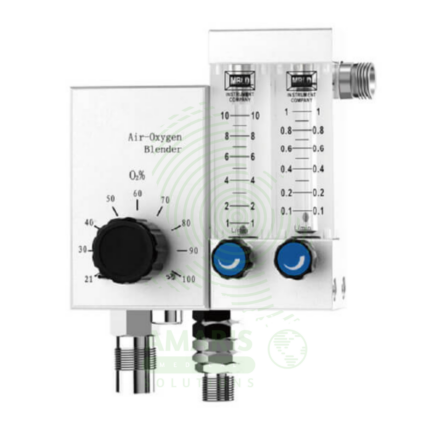
Air & Oxygen Blender
An Air & Oxygen Blender is a Class II medical device that precisely mixes compressed medical air and oxygen to deliver controlled fractions of inspired oxygen (FiO2 21-100%) to patients requiring respiratory support. Essential in neonatal, pediatric, and adult critical care, these devices ensure accurate oxygen delivery via ventilators, CPAP systems, oxygen hoods, incubators, and transport systems. Operating at 40-60 psi inlet pressure, they maintain set FiO2 within ±2-5% accuracy across varying flow demands (0-120 L/min). Gas-specific DISS or NIST fittings prevent dangerous cross-connection between oxygen and air supplies. Available in wall-mounted, rail-mounted, portable, and ventilator-integrated configurations. Primary clinical applications include neonatal intensive care (oxygen hoods, incubators, nasal CPAP), pediatric and adult mechanical ventilation, non-invasive ventilation, and critical care transport. Critical safety requirements include verification of correct gas connections, regular calibration, leak testing, and immediate response to gas supply failure alarms. Indispensable for preventing both hypoxemia and oxygen toxicity (particularly retinopathy of prematurity in neonates) in patients requiring precise oxygen therapy.
ECG Machine
An ECG Machine is a Class II medical device that records and displays the electrical activity of the heart through surface electrodes, producing an electrocardiogram for diagnosis of cardiac conditions. Standard diagnostic machines record 12 simultaneous leads (3 limb, 6 precordial, 1 ground) with frequency response 0.05-150 Hz, sampling rate 500-1,000 Hz, and high-resolution (5-10 µV) signal acquisition. Features include color touchscreen display, thermal array printer, computerized interpretation algorithms, internal memory (50-500+ ECGs), and network connectivity for EMR integration. Lead wires (AHA or IEC color coding) connect to disposable adhesive electrodes. Portable models (5-15 kg) with rechargeable batteries enable bedside and mobile use; cart-mounted units provide full diagnostic capability. Primary clinical applications include diagnosis of arrhythmias (AF, VT, bradycardia), detection of myocardial ischemia/infarction (STEMI, NSTEMI), evaluation of chest pain, preoperative cardiac risk assessment, monitoring electrolyte imbalances, assessment of chamber enlargement, and drug effect/toxicity monitoring. Essential diagnostic equipment in emergency departments, cardiology clinics, ICUs, operating rooms, and primary care settings worldwide.
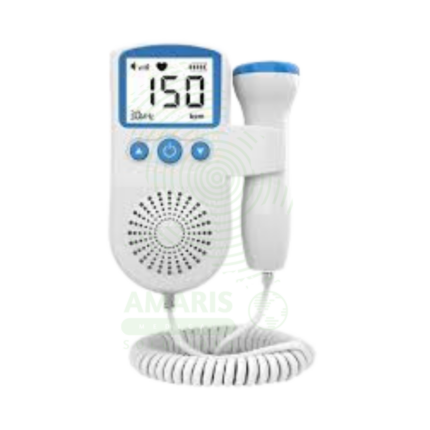
Fetoheart Sonic Aid Doppler (clinic/hospital use)
A Fetoheart Sonic Aid Doppler (Fetal Doppler) is a Class II medical ultrasound device (2-3 MHz probe) for real-time detection and audible/visual display of fetal heart rate in clinical obstetric settings from 10-12 weeks gestation. Features include handheld or tabletop console, waterproof probe, digital heart rate display (30-240 bpm), amplified speaker, headphone jack, and rechargeable battery or AC power operation. Continuous wave or pulsed wave Doppler technology with auto-correlation signal processing rejects maternal artifact. Primary clinical applications include fetal heart rate detection and monitoring during routine prenatal visits, confirmation of fetal viability in first trimester, intermittent fetal monitoring during labor, non-stress test administration, multiple gestation assessment, fetal presentation determination, and post-procedure confirmation (amniocentesis, CVS, ECV). Critical safety considerations include following ALARA principle (minimum necessary exposure), appropriate ultrasound gel use, probe pressure avoidance, infection control (probe cleaning between patients), differentiation of fetal from maternal signals, and interpretation by qualified providers. Essential equipment in outpatient obstetric clinics, hospital labor and delivery units, and prenatal care settings.
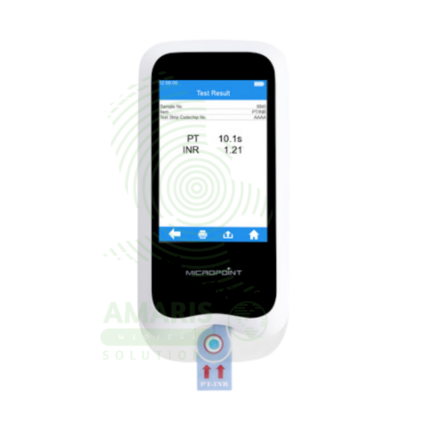
mLabs and qLabs Platforms
The mLabs and qLabs Platforms are integrated point-of-care testing systems manufactured by Micropoint Bioscience for rapid quantitative measurement of coagulation parameters (PT/INR, ACT), cardiac markers (troponin I, CK-MB, NT-proBNP), hemoglobin/hematocrit, electrolytes (Na+, K+, iCa), blood gases (pH, pCO2, pO2), glucose, ketones, and infectious disease markers. The qLabs platform specializes in coagulation and electrolyte testing using electrochemical technology, while the mLabs platform focuses on immunoassay and photometric testing for cardiac, hematology, and infectious disease applications. Features include portable design, touchscreen interface, rechargeable battery, USB/Bluetooth connectivity, and compatibility with single-use disposable test cards. Test times range from 1-15 minutes with sample volumes of 2-100 µL. Primary clinical applications include anticoagulation management (warfarin monitoring), cardiac surgery and intervention support (ACT monitoring), emergency cardiac diagnosis (troponin), anemia screening, diabetes management, critical care electrolyte and blood gas analysis, and infectious disease testing in endemic regions. Critical safety precautions include proper test card storage (temperature-sensitive), regular quality control, operator training, single-use lancets, and infection control protocols. Essential point-of-care testing solution for hospitals, clinics, emergency departments, surgical suites, and anticoagulation clinics.
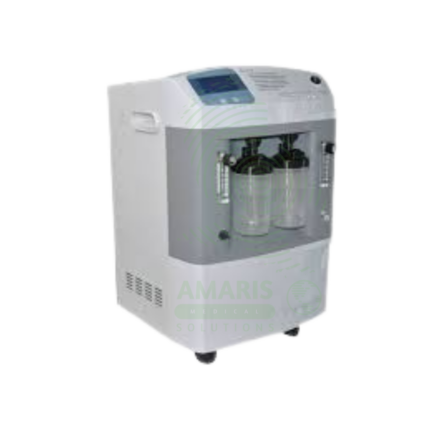
Oxygen Concentrator
An Oxygen Concentrator is a Class II medical device that delivers 90-95% pure supplemental oxygen to patients with chronic hypoxemia using pressure swing adsorption (PSA) technology to concentrate oxygen from room air. Available as stationary/home units (10-30 kg, 0.5-10 L/min continuous flow) for long-term oxygen therapy (LTOT) and portable/ambulatory units (1-10 kg, 0.5-3 L/min pulse-dose or continuous flow) for active patients requiring mobility. Features include oxygen purity monitoring with alarms, digital flow control, hour meters, washable filters, and (for portable units) rechargeable batteries, FAA approval for travel, and pulse-dose delivery to conserve oxygen. Primary clinical indications include COPD, pulmonary fibrosis, cystic fibrosis, and other chronic respiratory conditions with resting, exertional, or nocturnal hypoxemia (PaO2 ≤55 mmHg or SpO2 ≤88%). Essential for home-based oxygen therapy, enabling patients to maintain independence, reduce hospitalizations, and improve quality of life. Critical safety precautions include NO SMOKING in the oxygen environment, keeping away from heat sources and open flames, proper electrical safety, regular filter cleaning, and having backup oxygen for power outages.
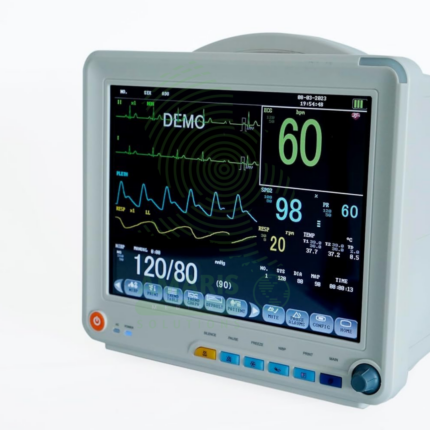
Patient Monitor
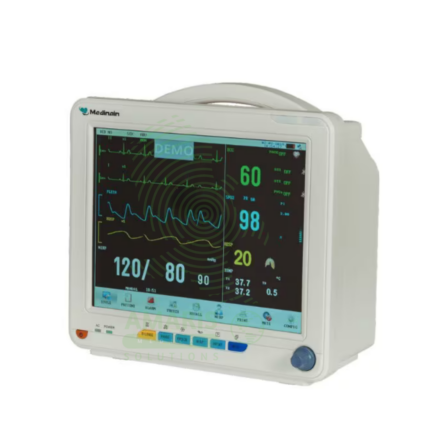
The Patient Monitor (6 Parameters BCCMS8000) is a versatile multi-parameter monitor designed for continuous surveillance of core vital signs in various clinical settings. It tracks six essential parameters—ECG, SpO2, Non-Invasive Blood Pressure (NIBP), Respiration, Temperature, and Pulse Rate—providing clinicians with real-time waveforms and numerical data on a clear color display. With its robust alarm system, battery backup for transport, and reliable performance, it is a fundamental tool for ensuring patient safety on general hospital wards, during procedures, and in emergency departments. Its design balances comprehensive monitoring capability with user-friendly operation.
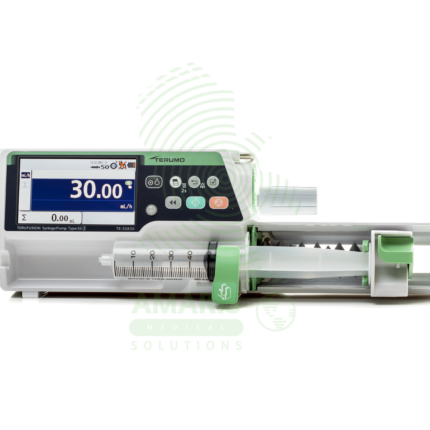
Syringe Pump
A Syringe Pump is a high-precision infusion device designed to advance the plunger of a standard medical syringe at a programmed rate, enabling the accurate delivery of small, critical medication volumes. It is the gold standard for administering potent, titratable drugs in intensive care, anesthesia, and neonatal/pediatric units, where flow rates as low as 0.1 mL/hour are required. With essential safety features like occlusion alarms, anti-free-flow mechanisms, and integrated drug libraries, it minimizes the risk of dosing errors. Its accuracy, compact design, and versatility for continuous or bolus dosing make it indispensable for managing high-risk intravenous therapies.