Dermatoscope and Magnifiers
 Diagnostic Kits
 Vital Signs Monitors
 Stethoscopes and Accessories
 Otoscopes, Ophthalmoscopes, and Retinoscopes
 Reflex Hammers and Neurological Tools
 Scales and Measuring Devices
 Spirometers and Pulmonary Function Tests
 Electrosurgical Units and Accessories
 Cutting Instruments
 Grasping and Holding Instruments
 Hemostatic Instruments
 Specialized Surgical Sets
 Single-Use Procedure Trays and Packs
 Surgical Drapes, Gowns, and Covers
 Tissue Unifying Instruments
 Radiation Protection
 X-Ray Machines and Accessories
 Ultrasound Systems and Probes
 MRI and CT Scanners
 Radiology Consumables
 Bone Densitometers
 Fluoroscopy Equipment
 Imaging Tables and Positioning Aids
 Microscopes and Accessories
 Centrifuges and Separators
 Analyzers
 Incubators and Ovens
 Pipettes, Dispensers, and Lab Glassware
 Refrigerators, Freezers, and Storage Units
 Lab Consumables
 Sterilizers and Autoclaves for Lab Use
 Multi-Parameter Monitors
 Ventilators and Respiratory Support Devices
 Defibrillators and AEDs
 Infusion Pumps and IV Systems
 Patient Warmers and Cooling Devices
 Central Monitoring Stations
 Accessories
 Anesthesia Machines and Workstations
 Oxygen Concentrators and Delivery Systems
 Nebulizers and Inhalers
 CPAP/BiPAP Machines
 Airway Management
 Anesthesia Masks, Circuits, and Bags
 Humidifiers and Heaters
 Respiratory Therapy Accessories
 First Aid Kits and Cabinets
 Emergency Resuscitation Equipment
 Trauma Supplies
 Emergency Carts and Crash Carts
 Burn Care Products
 Bleeding Control
 Automated External Defibrillators (AEDs)
 Transport and Evacuation
 Wheelchairs and Accessories
 Walkers, Crutches, and Canes
 Prosthetics and Orthotics
 Physical Therapy Equipment
 Transfer Devices
 Bathroom Safety
 Orthopedic Traction and Tables
 Hot/Cold Therapy Packs and Units
 Beds and Mattresses
 Chairs and Stools
 Tables
 Cabinets and Storage
 Privacy Screens & Curtains
 Stands and Racks
 Linens and Textiles
 Lighting
 Autoclaves and Sterilizers
 Ultrasonic Cleaners
 Disinfectant Solutions and Wipes
 Sterilization Pouches, Wraps, and Indicators
 Instrument Trays and Containers
 UV and Ozone Disinfection Devices
 Washer Disinfectors
 Wound Care
 Gloves
 Masks and Respirators
 Catheters and Tubing
 Swabs, Applicators, and Sponges
 Incontinence Products
 Personal Protective Equipment (PPE)
 Dental Chairs and Units
 Handpieces and Burs
 Instruments
 Consumables
 Sterilization for Dental Use
 Orthodontic Supplies
 Endodontic Tools
 Slit Lamps and Tonometers
 Lensometers and Phoropters
 Ophthalmic Surgical Instruments
 Eyewear Frames and Lenses
 Contact Lens Supplies
 Vision Testing Charts and Devices
 Eye Care Consumables
 Laser Systems for Eye Care
 ENT Exam Chairs and Tables
 Endoscopes
 Audiometers and Hearing Tests
 ENT Instruments
 Nasal and Throat Packs
 Hearing Aids and Accessories
 Otology Supplies
 Fetal Dopplers and Monitors
 Delivery Beds and Tables
 Gynecological Instruments
 Neonatal Incubators and Warmers
 Breast Pumps and Accessories
 Contraceptive Devices
 Maternity Supports and Pads
 Neonatal Consumables
 Cystoscopes and Urethroscopes
 Dialysis Machines and Supplies
 Urological Catheters and Bags
 Lithotripters
 Prostate Treatment Devices
 Urinary Incontinence Products
 Kidney Stone Management Tools
 Consumables & Disposables
 EEG and EMG Machines
 Neurosurgical Instruments
 Nerve Stimulators
 Headrests and Positioning Aids
 Lumbar Puncture Kits
 Seizure Monitoring Devices
 Consumables
 Rehabilitation for Neurological Conditions
 ECG Machines and Accessories
 Holter Monitors
 Stress Test Systems
 Pacemakers and Defibrillator Accessories
 Vascular Access Devices
 Cardiac Catheters and Guidewires
 Blood Flow Meters
 Consumables
 Orthopedic Instruments
 Casts, Splints, and Padding
 Joint Replacement Supplies
 Prosthetic Limbs and Components
 Bone Grafts and Substitutes
 Traction Devices
 Orthopedic Braces and Supports
 Rehabilitation Aids for Orthopedics
 Home Oxygen Therapy
 Hospital Beds for Home Use
 Mobility Aids
 Bathroom and Daily Living Aids
 Wound Care for Home
 Monitoring Devices
 Enteral Feeding Pumps and Tubes
 Hand Sanitizers and Dispensers
 Face Shields and Goggles
 Isolation Gowns and Suits
 Biohazard Waste Containers
 Air Purifiers and HEPA Filters
 Surface Disinfectants
 Sharps Containers
 Protective Barriers
 Cardiovascular & Endurance Training
 Strength Training & Weightlifting
 Functional Training & Core Conditioning
 Physical Therapy & Rehabilitation
 Sports & Outdoor Recreation
 Gym Flooring & Facility Equipment
 Fitness Monitoring & Accessories
 Kids & Novelties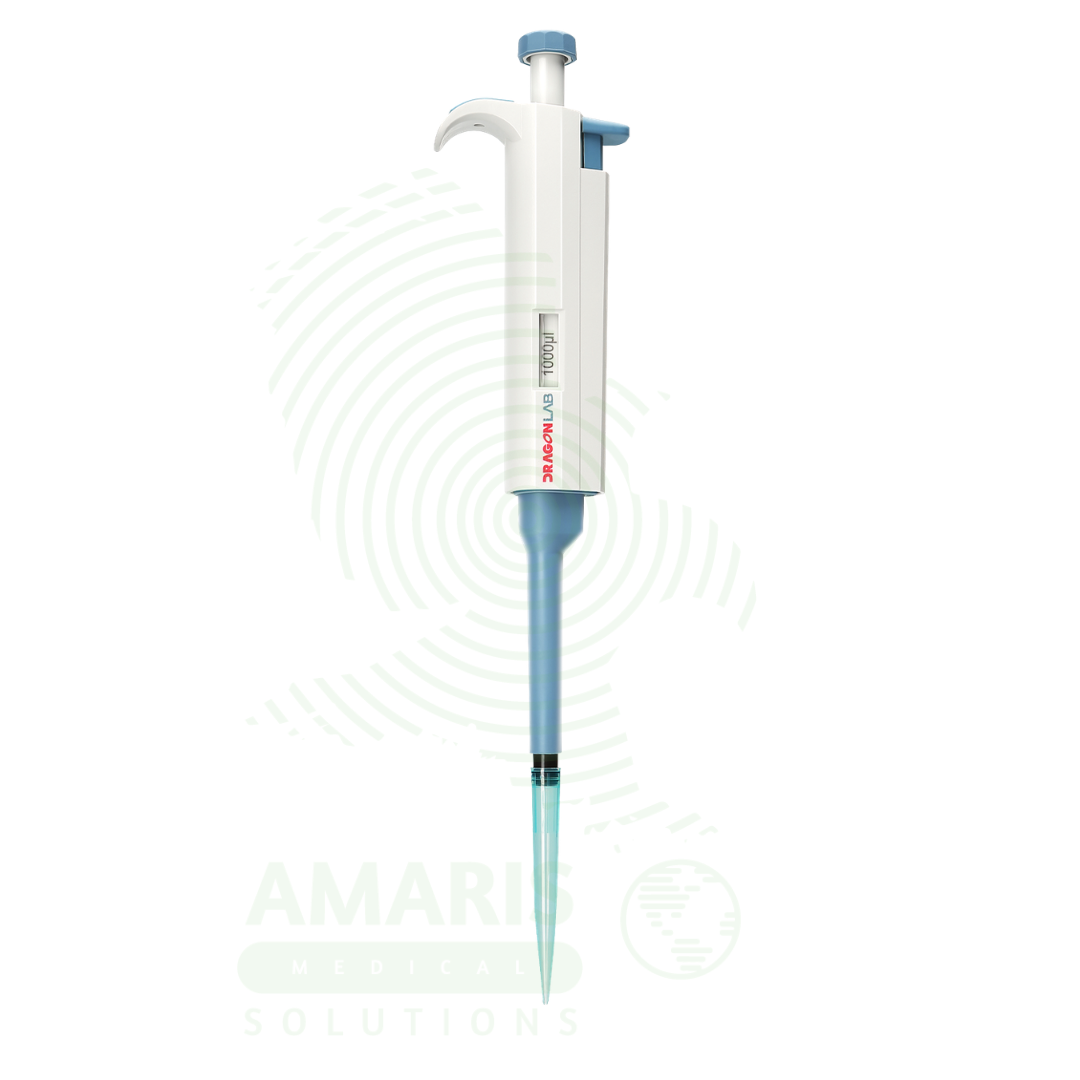

TopPette Single-Channel Fixed Volume Pipette
WhatsApp Order
The TopPette Single‑Channel Fixed Volume Pipette is a high‑performance manual mechanical pipette engineered for accuracy, reproducibility, and operator comfort in clinical diagnostics, molecular biology, and pharmaceutical research where the same volume is repeatedly transferred. Available in a wide range of fixed volumes from 1 µL to 10 mL, this pipette eliminates the risk of accidental volume adjustment, making it ideal for high‑throughput repetitive tasks, blood bank procedures, and quality control workflows.
Every TopPette fixed volume pipette is calibrated according to ISO 8655 and supplied with an individual calibration certificate, delivering exceptional accuracy (e.g., systematic error as low as ±0.5% at mid‑range volumes) and precision (CV as low as ±0.2% at higher volumes). The fixed volume design has fewer moving parts than adjustable pipettes, resulting in greater long‑term reliability and calibration stability. The lower assembly on select models is fully autoclavable at 121 °C for 20 minutes, ensuring sterility for aseptic applications in cell culture and microbiology.
Key ergonomic features include a lightweight body, a low‑force plunger, a relaxed finger hook, and a permanently visible volume marking for immediate identification. The universal tip cone works with most standard pipette tips, and the smooth plunger action allows fast, fatigue‑free operation.
For the clinical laboratory scientist and medical technologist performing repetitive pipetting tasks such as adding the same reagent to hundreds of samples, preparing standard curves, or aliquoting patient specimens, the TopPette fixed volume pipette delivers the accuracy, consistency, and simplicity required for reliable diagnostic results. For the patient, the elimination of volume adjustment errors ensures that every sample receives the exact same treatment, supporting reproducible, reliable diagnostics with fewer repeat tests and faster turnaround times.
Description
TopPette Single-Channel Fixed Volume Pipette
PRIMARY CLINICAL & DIAGNOSTIC USES
1. Consistent, Error‑Free Fixed Volume Transfer for Routine Clinical Assays
Primary Use: Provides a manual, single‑channel fixed volume pipette with a lightweight ergonomic body and a permanently set volume mechanism, used for the accurate and reproducible transfer of identical volumes of patient samples, reagents, calibrators, and controls in routine clinical assays where the same volume is used repeatedly. Available fixed volumes include 1 µL, 2 µL, 5 µL, 10 µL, 20 µL, 25 µL, 50 µL, 100 µL, 200 µL, 250 µL, 500 µL, 1000 µL, 2000 µL, 5000 µL, and 10000 µL.
How it helps: For the clinical laboratory scientist and medical technologist, the fixed volume design eliminates the risk of accidental volume adjustment between samples, reducing user error by removing the volume setting step entirely. The precision piston mechanism delivers systematic error as low as ±0.5% and random error as low as ±0.2% at mid‑range volumes. For the patient, this consistent, error‑free delivery ensures that every sample receives exactly the same volume of reagent or diluent, directly supporting reliable results for critical diagnostic tests such as blood typing, coagulation studies, and infectious disease screening.
2. Fully Autoclavable Lower Assembly for Aseptic Workflows
Primary Use: The lower portion of the pipette (tip cone and piston assembly) is constructed from autoclavable materials and can be steam‑sterilized at 121 °C for 20 minutes without disassembly on select models, and the entire pipette body is UV‑resistant for routine disinfection in sterile workflows.
How it helps: For the cell culture specialist, microbiology technologist, and molecular diagnostics scientist, the ability to autoclave the tip cone assembly eliminates cross‑contamination between sensitive cell lines, sterile reagents, or PCR reactions. The fixed volume design has fewer moving parts, making it more robust and easier to sterilize repeatedly. For the patient, rigorous sterilization of pipetting equipment ensures that specimens, cell‑based products, and diagnostic tests are not adulterated by contaminants, maintaining the safety and integrity of results and therapies.
3. High‑Throughput Repetitive Pipetting Without Adjustment Risk
Primary Use: Used for repetitive pipetting tasks where the same volume is dispensed hundreds or thousands of times per day, such as loading patient samples into multi‑well plates, adding a single reagent to multiple tubes, or performing serial aliquoting of controls and calibrators.
How it helps: For the high‑throughput laboratory technician, the fixed volume pipette eliminates the need to check and reset the volume between batches, saving time and reducing cognitive load during long shifts. The simplified workflow allows faster pipetting with fewer interruptions. For the patient, reduced handling steps and elimination of volume setting errors mean fewer repeat tests and faster turnaround times for results such as cardiac biomarkers, therapeutic drug levels, or prenatal screening markers.
4. Ergonomic Lightweight Design for Repetitive Strain Prevention
Primary Use: Features a lightweight, chemically resistant polymer body, a low‑force plunger, a relaxed finger rest, and a contoured handle designed for both right‑handed and left‑handed users, with a permanently marked or digitally displayed volume for immediate identification.
How it helps: For the laboratory staff member performing thousands of identical pipetting steps daily, the fixed volume pipette’s ergonomic design reduces the risk of repetitive strain injury (RSI) and hand fatigue. The smooth plunger action and low ejection force allow comfortable operation over extended shifts. The absence of a volume adjustment knob simplifies grip and reduces hand motion. For the patient, this fatigue‑reducing design contributes to consistent, error‑free sample handling throughout the day, supporting day‑to‑day reproducibility of diagnostic test results.
SECONDARY & SUPPORTIVE USES
1. ELISA plate loading with single reagent: Delivers the same volume of coating antibody, blocking buffer, enzyme conjugate, or substrate solution to every well of a 96‑well plate with exceptional consistency, ensuring uniform assay development across all wells, with the autoclavable lower assembly allowing for decontamination between runs.
2. qPCR master mix addition to tubes or plates: Adds a fixed volume of PCR master mix to each reaction tube or plate well, eliminating volume variability between reactions and ensuring reliable amplification efficiency across all samples, with the autoclavable tip cone critical for maintaining PCR‑grade sterility.
3. Blood bank pipetting for ABO/Rh typing: Dispenses consistent volumes of red blood cell suspensions, antisera, or reagent red cells for slide or tube agglutination tests, where precise volume ratios are critical for accurate blood group determination, with the fixed volume design eliminating operator setting errors.
4. Clinical chemistry reagent addition to analyzer cups: Transfers fixed volumes of patient serum, plasma, or urine from primary tubes to analyzer cups or microcuvettes for routine chemistry, electrolyte, and enzyme testing, supporting high‑throughput automated workflows with batch‑to‑batch consistency.
5. Serial dilution preparation for standards and controls: Accurately transfers the same volume of standard solution or control material from one tube to the next during serial dilution preparation for calibration curves in immunoassays and chemistry analyzers, with the fixed volume pipette providing unmatched reproducibility for each transfer step.
6. Cell culture media supplementation in multi‑well plates: Adds the same volume of serum, antibiotics, or growth factors to each well of a 24‑well or 96‑well plate under aseptic conditions, maintaining consistent culture conditions across all experimental conditions while the autoclavable design ensures sterility.
7. Protein quantification standard curve preparation: Delivers identical volumes of bovine serum albumin (BSA) standards from a stock solution into cuvettes or microplate wells for Bradford or BCA protein assays, with the fixed volume pipette providing the precision required for accurate standard curves.
8. DNA extraction binding buffer addition: Adds the same volume of lysis buffer, binding buffer, or wash solution to each spin column or well during manual nucleic acid extraction from clinical specimens, with the autoclavable piston and tip cone preventing cross‑contamination between patient samples.
9. Pharmaceutical quality control sample loading: Transfers fixed volumes of dissolution samples, QC standards, or purified fractions into HPLC vials or cuvettes where consistent injection volumes are critical for accurate quantification, supporting regulatory compliance in GMP environments.
10. Food safety pathogen detection: Dispenses identical volumes of food homogenate, enrichment broth, or PCR reagent into detection tubes or plates for Salmonella, Listeria, or E. coli testing, with the autoclavable pipette allowing for thorough decontamination between sample types.
11. Veterinary diagnostic sample aliquoting: Distributes fixed volumes of animal serum or plasma from large collection tubes into smaller aliquots for storage, shipping, or multiple assays, with the fixed volume design ensuring consistent aliquoting across all samples.
12. Academic teaching of fundamental pipetting techniques: Serves as an ideal training tool for students learning proper pipetting technique without the complexity of volume adjustment, allowing focus on plunger control and tip handling, with the durable, autoclavable construction standing up to repeated student use.
KEY PRODUCT FEATURES
1. BASIC IDENTIFICATION ATTRIBUTES
-
Device Type: A manual, mechanical air‑displacement pipette with a fixed (non‑adjustable) volume mechanism, available in single‑channel configuration across multiple fixed volume sizes.
-
Designation: TopPette Single‑Channel Fixed Volume Pipette, DLAB TopPette Fixed Volume Pipette, Fixed Volume Manual Pipette.
-
Key Components:
-
Lightweight, chemically resistant polymer body
-
Permanently marked volume reading (engraved or printed) or digital display
-
Low‑force plunger with clearly defined first and second stops
-
Ergonomic finger hook and contoured handle
-
Tip ejector lever for one‑handed tip removal
-
Universal tip cone compatible with standard pipette tips
-
Autoclavable lower assembly (select models)
-
No volume adjustment mechanism (eliminates adjustment errors)
-
2. TECHNICAL & PERFORMANCE PROPERTIES
-
Available fixed volumes: Common sizes include 1 µL, 2 µL, 5 µL, 10 µL, 20 µL, 25 µL, 50 µL, 100 µL, 200 µL, 250 µL, 500 µL, 1000 µL, 2000 µL, 5000 µL, 10000 µL.
-
Example accuracy (10 µL fixed model): Systematic error ±0.8% (±0.08 µL); random error (CV) ±0.5% (±0.05 µL).
-
Example accuracy (100 µL fixed model): Systematic error ±0.6% (±0.6 µL); random error (CV) ±0.3% (±0.3 µL).
-
Example accuracy (1000 µL fixed model): Systematic error ±0.5% (±5 µL); random error (CV) ±0.2% (±2 µL).
-
Example accuracy (5000 µL fixed model): Systematic error ±0.5% (±25 µL); random error (CV) ±0.2% (±10 µL).
-
Sterilization: Lower assembly (tip cone and piston) autoclavable at 121 °C, 1 bar for 20 minutes on select models; upper body UV‑resistant for disinfection.
-
Volume identification: Permanent laser engraving or printing on the pipette body; digital display on select models; color‑coded models available for rapid size identification.
-
Tip compatibility: Universal tip cone works with most standard pipette tips from major manufacturers.
-
Quality compliance: Calibrated according to ISO 8655; each pipette supplied with individual calibration certificate; CE marked.
3. PHYSICAL & OPERATIONAL PROPERTIES
-
Construction: Lightweight, chemical‑resistant polymer body with smooth, easy‑to‑clean surface.
-
Operation: Manual, thumb‑actuated plunger with clearly defined first and second stops.
-
Weight: Approximately 0.08–0.12 kg depending on volume range (very lightweight).
-
Volume display: Fixed volume permanently marked on the pipette body; no digital window or adjustment knob.
-
Volume locking: Not applicable (no adjustment mechanism).
-
Tip ejection: Quick‑release, spring‑assisted ejector for safe, one‑handed tip removal.
-
Finger rest: Relaxed, ergonomic finger hook for comfortable extended operation.
-
Maintenance: User‑calibratable using standard tools (less frequently needed than adjustable pipettes); online calibration service available; replacement O‑rings and seals available.
-
Portability: Compact design for easy storage in pipette stands, carousels, or drawers.
4. SAFETY & COMPLIANCE ATTRIBUTES
-
Regulatory Status: General laboratory equipment for in vitro diagnostic (IVD) use; manufactured under ISO 9001 and ISO 13485 quality systems.
-
Chemical Resistance: Constructed from advanced polymers that resist a wide range of laboratory chemicals, acids, bases, alcohols, and common buffers.
-
Autoclaving Safety: Lower assembly can be autoclaved at 121 °C for 20 minutes; after autoclaving, allow to dry for at least 12 hours and lubricate piston if necessary.
-
Tip Seal Verification: Clear tip cone design allows visual verification of tip seating, reducing leakage and inaccurate volume delivery.
-
Quality Compliance: Each pipette individually tested and supplied with an ISO 8655‑compliant calibration certificate; can be recertified online.
-
Ergonomic Safety: Low‑force plunger and lightweight design reduce risk of repetitive strain injury (RSI); fixed volume design eliminates hand fatigue from volume adjustment.
-
User Error Prevention: No volume adjustment mechanism means no risk of accidentally changing the volume setting during use.
5. STORAGE & HANDLING ATTRIBUTES
-
Storage: Store upright in a pipette stand to protect the tip cone; both linear and carousel stands are available separately. Fixed volume pipettes are often stored in dedicated racks with labeled positions for each volume.
-
Cleaning: Wipe exterior surfaces with 70% isopropyl alcohol or a mild detergent solution; do not immerse the pipette in liquid.
-
Autoclaving: Remove the lower assembly (if autoclavable model) and autoclave at 121 °C, 1 bar for 20 minutes; allow to cool and dry for at least 12 hours before reassembly. Lubricate piston after every 10 autoclave cycles.
-
Tip loading: Press the pipette vertically into a tip to seat it; avoid rocking or excessive tapping to prevent tip cone damage.
-
Aspiration technique: Depress plunger to the first stop, immerse the tip below the liquid surface, release the plunger slowly and smoothly.
-
Dispensing technique: Place the tip against the receiving vessel wall, depress plunger to the first stop, wait one second, then press to the second stop to expel any residual liquid.
-
Pre‑use inspection: Inspect the tip cone, O‑rings, and piston for wear or damage; check for smooth plunger operation; verify the fixed volume marking is legible.
-
Calibration verification: Perform periodic calibration checks using a balance and distilled water according to ISO 8655 guidelines; fixed volume pipettes typically hold calibration longer than adjustable models.
-
Lubrication: Apply silicone grease to the piston and seals as recommended by the manufacturer, especially after autoclaving or if plunger action becomes stiff.
6. LABORATORY & CLINICAL APPLICATIONS
-
Primary Application: Precision fixed‑volume liquid handling for clinical diagnostics (clinical chemistry, immunoassays, blood banking), pharmaceutical quality control, cell culture, molecular biology, and general research, where the same volume is repeatedly transferred and volume adjustment is neither needed nor desired.
-
Clinical Role: An essential instrument for clinical diagnostic laboratories, molecular diagnostics labs, immunology laboratories, blood banks, pathology departments, pharmaceutical QC facilities, and research institutions. Critical for high‑volume repetitive tasks such as adding the same reagent to many samples, aliquoting patient specimens, and preparing standard curves, where consistent, error‑free fixed volume transfer is mandatory.
SAFETY HANDLING PRECAUTIONS
1. SAFETY PRECAUTIONS
-
Chemical Compatibility: Verify that the pipette materials are compatible with the specific reagents used. Although designed for broad chemical resistance, some aggressive organic solvents may still affect seals.
-
Autoclaving Preparation: Only the lower assembly of autoclavable models should be sterilized. Do not autoclave the upper body. After autoclaving, allow the instrument to cool and dry for at least 12 hours.
-
Tip Fit: Ensure the pipette tip is securely attached before aspirating; a loose tip may cause inaccurate volume delivery or sample loss.
-
Aspiration Technique: Release the plunger slowly and smoothly to prevent aspiration of air bubbles or splashing, which can lead to volume errors.
-
Avoid Dropping: Dropping the pipette may damage the internal piston mechanism and affect calibration; recalibrate if dropped.
-
Cleaning: Do not immerse the entire pipette in liquid; wipe exterior surfaces only.
-
Volume Verification: Although the pipette is fixed volume, periodically verify that the volume marking matches the actual delivered volume, especially after autoclaving or extended use.
-
Personal Protective Equipment: Always wear appropriate PPE including gloves and lab coat when handling biological or chemical samples.
-
Training Requirement: Only trained laboratory personnel should operate the TopPette fixed volume pipette for clinical diagnostic applications.
2. FIRST AID MEASURES
-
Sample Splash to Eyes: If a biological or chemical sample splashes into the eyes, flush immediately with water for 15 minutes and seek medical attention.
-
Skin Contact: Wash contaminated skin with soap and water thoroughly; if irritation or signs of infection develop, seek medical evaluation.
-
Sharps Injury: If a pipette tip punctures the skin (sharps injury), wash the wound thoroughly and follow the facility's exposure management protocol for bloodborne pathogens.
-
Chemical Exposure: If the pipette is contaminated with a hazardous chemical, refer to the specific Safety Data Sheet (SDS) for detailed first‑aid instructions.
-
Inhalation: If chemical vapors are inhaled during reagent preparation, move to fresh air immediately; seek medical attention if symptoms persist.
-
Autoclave Burn: If handling the lower assembly immediately after autoclaving, use heat‑resistant gloves; if a burn occurs, cool the area with cool running water for 15 minutes and seek medical attention.
3. FIRE FIGHTING MEASURES
-
Flammability: The plastic components of the pipette body and tip cone are combustible; they may melt or burn if exposed to flame or high heat.
-
Extinguishing Media: Use carbon dioxide (CO₂) or a dry chemical extinguisher for fires involving plastic materials.
-
Fire Response: The primary fire hazard is the flammable laboratory reagents being handled; follow the laboratory's fire safety protocols.
Related products
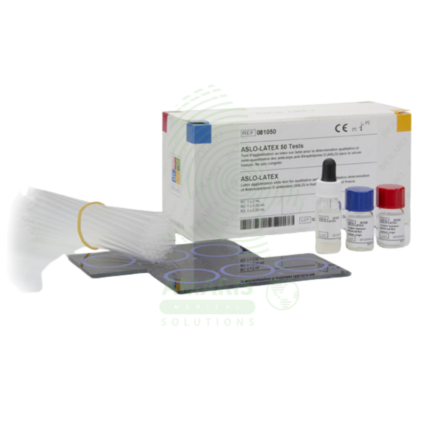
Anti-Streptol Olysin O Titer (ASOT)
Anti-Streptol Olysin O Titer (ASOT) is a quantitative or semi-quantitative serological test (latex agglutination, turbidimetry, nephelometry, or ELISA) for detecting antibodies against streptolysin O, an exotoxin produced by Group A Streptococcus. Elevated or rising titers indicate recent streptococcal infection and are essential for diagnosing post-streptococcal sequelae including acute rheumatic fever (Jones criteria) and post-streptococcal glomerulonephritis. The test requires serum samples; acute and convalescent (2-4 weeks apart) with fourfold rise confirms recent infection. Reference range typically <200-250 Todd units/mL (adults), varies by age and population. Primary clinical applications include diagnosis of Group A streptococcal infections, acute rheumatic fever evaluation, post-streptococcal glomerulonephritis diagnosis, differentiation of acute vs. past infection, evaluation of unexplained arthritis or carditis, pediatric inflammatory conditions (PANDAS), and monitoring disease activity in rheumatic fever. Critical safety precautions include proper timing of acute and convalescent samples, awareness of false negatives/positives, clinical correlation for diagnosis, and standard biohazard precautions. Essential test for rheumatology, nephrology, cardiology, and infectious disease practice.
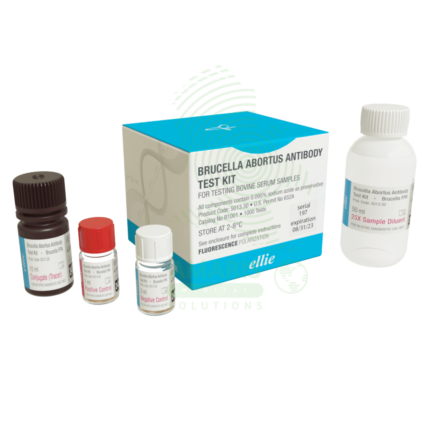
Brucella Set
A Brucella Set is a comprehensive serological test system (Class II medical device, CE-marked/FDA-cleared) for qualitative and quantitative detection of antibodies against Brucella species (B. abortus, B. melitensis, B. suis, B. canis) using multiple methodologies including tube agglutination, slide agglutination, and 2-mercaptoethanol (2-ME) testing. The set includes killed, stained Brucella antigens, positive and negative controls, dilution tubes, reaction cards, and 2-ME reagent for IgM/IgG differentiation. Diagnostic titer ≥1:160 or fourfold rise confirms brucellosis. Primary clinical applications include diagnosis of brucellosis in endemic regions (undulant fever, night sweats, arthralgia), fever of unknown origin investigation, occupational health screening in high-risk workers (veterinarians, farmers, slaughterhouse workers), diagnosis of focal complications (sacroiliitis, spondylitis, meningitis, endocarditis), treatment monitoring (fourfold decline indicates response), outbreak investigation, and public health surveillance. Critical safety precautions include handling all samples in biosafety cabinet (Brucella is highly infectious via aerosol), 2-ME reagent toxicity (use fume hood), awareness of prozone phenomenon (serial dilutions essential), cross-reactions with other Gram-negative bacteria, and mandatory reporting to public health authorities. Essential test for brucellosis diagnosis in endemic regions and occupational health settings.
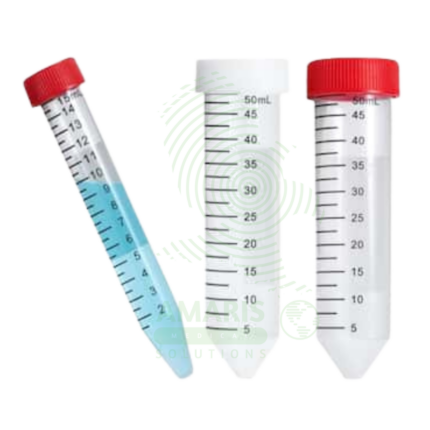
Centrifuge Tubes
Centrifuge Tubes are specialized disposable containers (polypropylene) designed to withstand high centrifugal forces (up to 30,000 x g) for separating biological fluids based on density. Available in microcentrifuge sizes (0.2-2.0 mL), conical tubes (15 mL, 50 mL), and larger volumes (100-500 mL). Features include leak-proof screw caps with O-rings (conical tubes), snap caps (microcentrifuge tubes), graduated volume markings, writing areas, and sterile/non-sterile options. Certified RNase/DNase-free, pyrogen-free, and autoclavable. Primary clinical applications include blood component separation (serum/plasma), urine sediment preparation, microbiology sample concentration, molecular biology (DNA/RNA extraction), cell culture processing, protein/enzyme analysis, and viral load testing. Critical safety precautions include never exceeding maximum RCF rating, proper balancing by weight, secure cap tightening, inspection for cracks, and disposal as biohazardous waste. Essential consumable in every clinical, research, and industrial laboratory.
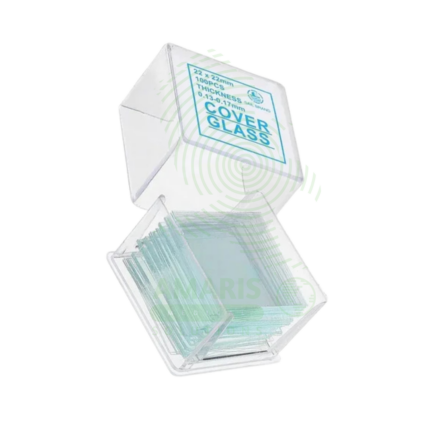
Cover Glass
Cover Glass (coverslips) are thin, transparent glass or plastic squares (e.g., 18×18 mm, 22×22 mm) or rectangles (22×30 mm, 24×50 mm) used to cover specimens on microscope slides for microscopic examination. Available in thickness No. 1 (0.13-0.16 mm) and No. 1.5 (0.16-0.19 mm) for optimal microscopy. Made from optical glass with high light transmission (>90%), refractive index 1.52 matching immersion oil. Packaged in boxes of 100-1000, interleaved with paper to prevent scratching. Primary clinical applications include covering blood films for manual differential counts and malaria diagnosis, wet mount preparations of urine sediment and vaginal secretions, histopathology and cytology slides, Gram-stained bacterial smears, semen analysis, KOH preparations for fungal elements, and India ink preparations for Cryptococcus. Critical safety precautions include handling with forceps (sharp edges), disposing of broken coverslips in sharps containers, avoiding fingerprints on optical surface, and proper disposal of biohazard-contaminated coverslips. Essential consumable in every clinical laboratory performing microscopy.
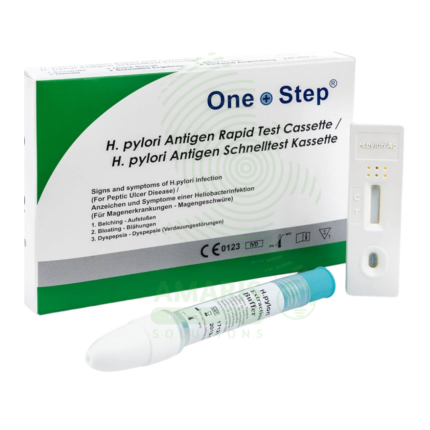
H.pylori test kits (Antigen)
H.pylori test kits (Antigen) are Class II medical devices (FDA-cleared/CE-marked) for rapid immunochromatographic or enzyme immunoassay detection of Helicobacter pylori antigens in stool specimens, enabling non-invasive diagnosis of active infection and post-treatment eradication confirmation. Test principles use monoclonal or polyclonal antibodies specific to H. pylori antigens, producing visible results in 10-20 minutes (rapid tests) or 1-2 hours (EIA). Sensitivity 90-98%, specificity 92-99% compared to gold standard methods. Primary clinical applications include rapid diagnosis of H. pylori infection in patients with dyspepsia, initial screening in uncomplicated dyspepsia (test-and-treat strategy), confirmation of active infection before therapy, post-treatment eradication confirmation (4-6 weeks after therapy), pediatric testing (preferred non-invasive method), screening in high-risk populations (family history of gastric cancer), and monitoring in patients with peptic ulcer disease or MALT lymphoma. Critical safety precautions include mandatory washout period (4 weeks off antibiotics, 2 weeks off PPIs) to avoid false negatives, proper specimen handling (universal precautions), refrigerated storage of kits (2-30°C), quality control verification, and disposal as biohazardous waste. Essential non-invasive tool for H. pylori management in gastroenterology and primary care.
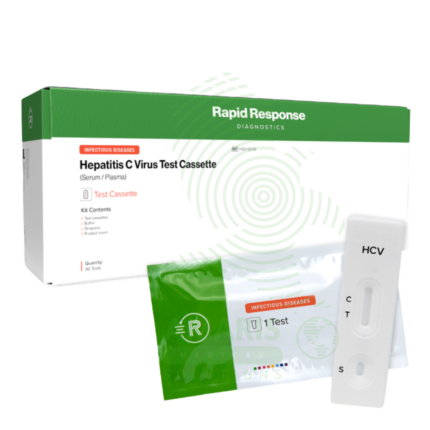
Hepatitis C Test Kit
The Hepatitis C Test Kit is an in vitro diagnostic device for the detection of Hepatitis C virus antibodies or RNA in human blood, serum, or plasma samples. Available in rapid, laboratory immunoassay, and molecular formats, it screens for HCV infection, confirms active infection with RNA testing, and monitors treatment response. With high sensitivity and specificity exceeding 99%, it is essential for identifying infected individuals, linking them to curative direct-acting antiviral therapy, and confirming cure. Essential applications include risk-based screening of high-risk populations, birth cohort screening of baby boomers, evaluation of acute hepatitis, management of occupational exposures, and monitoring of antiviral therapy that can cure over 95% of infections. All patient samples must be handled with universal precautions, and positive antibody results require confirmatory testing.
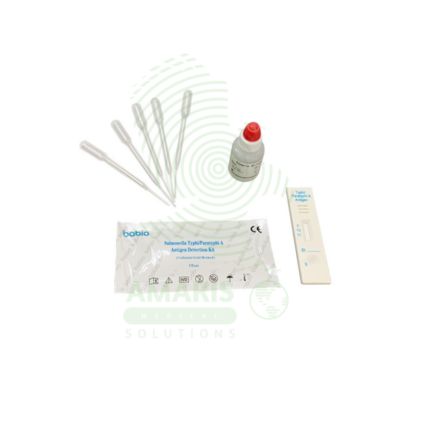
Salmonella Typhi Test Peratop
The Salmonella typhi test peratop is a CE-marked rapid immunochromatographic assay for qualitative detection of IgG and IgM antibodies to Salmonella enterica serotype Typhi in human serum, plasma, or whole blood, providing results in 15-20 minutes. The test uses recombinant S. typhi antigens immobilized on a membrane to capture specific antibodies, with separate lines for IgG and IgM interpretation. The kit includes individually foil-wrapped test cassettes, sample diluent, disposable pipettes, and package insert. Primary clinical applications include rapid diagnosis of typhoid fever in endemic regions (Indian subcontinent, Southeast Asia, Africa, South America), differentiation of acute (IgM positive) from past infection (IgG only), outbreak investigation and control, screening in febrile patients, travel medicine assessment, antibiotic stewardship, and maternal/child health in endemic areas. Critical safety precautions include proper specimen handling (universal precautions), quality control verification, awareness of window period (repeat testing if early infection suspected), and clinical correlation of results. Essential rapid test for typhoid fever diagnosis in resource-limited and endemic settings.