Dermatoscope and Magnifiers
 Diagnostic Kits
 Vital Signs Monitors
 Stethoscopes and Accessories
 Otoscopes, Ophthalmoscopes, and Retinoscopes
 Reflex Hammers and Neurological Tools
 Scales and Measuring Devices
 Spirometers and Pulmonary Function Tests
 Electrosurgical Units and Accessories
 Cutting Instruments
 Grasping and Holding Instruments
 Hemostatic Instruments
 Specialized Surgical Sets
 Single-Use Procedure Trays and Packs
 Surgical Drapes, Gowns, and Covers
 Tissue Unifying Instruments
 Radiation Protection
 X-Ray Machines and Accessories
 Ultrasound Systems and Probes
 MRI and CT Scanners
 Radiology Consumables
 Bone Densitometers
 Fluoroscopy Equipment
 Imaging Tables and Positioning Aids
 Microscopes and Accessories
 Centrifuges and Separators
 Analyzers
 Incubators and Ovens
 Pipettes, Dispensers, and Lab Glassware
 Refrigerators, Freezers, and Storage Units
 Lab Consumables
 Sterilizers and Autoclaves for Lab Use
 Multi-Parameter Monitors
 Ventilators and Respiratory Support Devices
 Defibrillators and AEDs
 Infusion Pumps and IV Systems
 Patient Warmers and Cooling Devices
 Central Monitoring Stations
 Accessories
 Anesthesia Machines and Workstations
 Oxygen Concentrators and Delivery Systems
 Nebulizers and Inhalers
 CPAP/BiPAP Machines
 Airway Management
 Anesthesia Masks, Circuits, and Bags
 Humidifiers and Heaters
 Respiratory Therapy Accessories
 First Aid Kits and Cabinets
 Emergency Resuscitation Equipment
 Trauma Supplies
 Emergency Carts and Crash Carts
 Burn Care Products
 Bleeding Control
 Automated External Defibrillators (AEDs)
 Transport and Evacuation
 Wheelchairs and Accessories
 Walkers, Crutches, and Canes
 Prosthetics and Orthotics
 Physical Therapy Equipment
 Transfer Devices
 Bathroom Safety
 Orthopedic Traction and Tables
 Hot/Cold Therapy Packs and Units
 Beds and Mattresses
 Chairs and Stools
 Tables
 Cabinets and Storage
 Privacy Screens & Curtains
 Stands and Racks
 Linens and Textiles
 Lighting
 Autoclaves and Sterilizers
 Ultrasonic Cleaners
 Disinfectant Solutions and Wipes
 Sterilization Pouches, Wraps, and Indicators
 Instrument Trays and Containers
 UV and Ozone Disinfection Devices
 Washer Disinfectors
 Wound Care
 Gloves
 Masks and Respirators
 Catheters and Tubing
 Swabs, Applicators, and Sponges
 Incontinence Products
 Personal Protective Equipment (PPE)
 Dental Chairs and Units
 Handpieces and Burs
 Instruments
 Consumables
 Sterilization for Dental Use
 Orthodontic Supplies
 Endodontic Tools
 Slit Lamps and Tonometers
 Lensometers and Phoropters
 Ophthalmic Surgical Instruments
 Eyewear Frames and Lenses
 Contact Lens Supplies
 Vision Testing Charts and Devices
 Eye Care Consumables
 Laser Systems for Eye Care
 ENT Exam Chairs and Tables
 Endoscopes
 Audiometers and Hearing Tests
 ENT Instruments
 Nasal and Throat Packs
 Hearing Aids and Accessories
 Otology Supplies
 Fetal Dopplers and Monitors
 Delivery Beds and Tables
 Gynecological Instruments
 Neonatal Incubators and Warmers
 Breast Pumps and Accessories
 Contraceptive Devices
 Maternity Supports and Pads
 Neonatal Consumables
 Cystoscopes and Urethroscopes
 Dialysis Machines and Supplies
 Urological Catheters and Bags
 Lithotripters
 Prostate Treatment Devices
 Urinary Incontinence Products
 Kidney Stone Management Tools
 Consumables & Disposables
 EEG and EMG Machines
 Neurosurgical Instruments
 Nerve Stimulators
 Headrests and Positioning Aids
 Lumbar Puncture Kits
 Seizure Monitoring Devices
 Consumables
 Rehabilitation for Neurological Conditions
 ECG Machines and Accessories
 Holter Monitors
 Stress Test Systems
 Pacemakers and Defibrillator Accessories
 Vascular Access Devices
 Cardiac Catheters and Guidewires
 Blood Flow Meters
 Consumables
 Orthopedic Instruments
 Casts, Splints, and Padding
 Joint Replacement Supplies
 Prosthetic Limbs and Components
 Bone Grafts and Substitutes
 Traction Devices
 Orthopedic Braces and Supports
 Rehabilitation Aids for Orthopedics
 Home Oxygen Therapy
 Hospital Beds for Home Use
 Mobility Aids
 Bathroom and Daily Living Aids
 Wound Care for Home
 Monitoring Devices
 Enteral Feeding Pumps and Tubes
 Hand Sanitizers and Dispensers
 Face Shields and Goggles
 Isolation Gowns and Suits
 Biohazard Waste Containers
 Air Purifiers and HEPA Filters
 Surface Disinfectants
 Sharps Containers
 Protective Barriers
 Cardiovascular & Endurance Training
 Strength Training & Weightlifting
 Functional Training & Core Conditioning
 Physical Therapy & Rehabilitation
 Sports & Outdoor Recreation
 Gym Flooring & Facility Equipment
 Fitness Monitoring & Accessories
 Kids & Novelties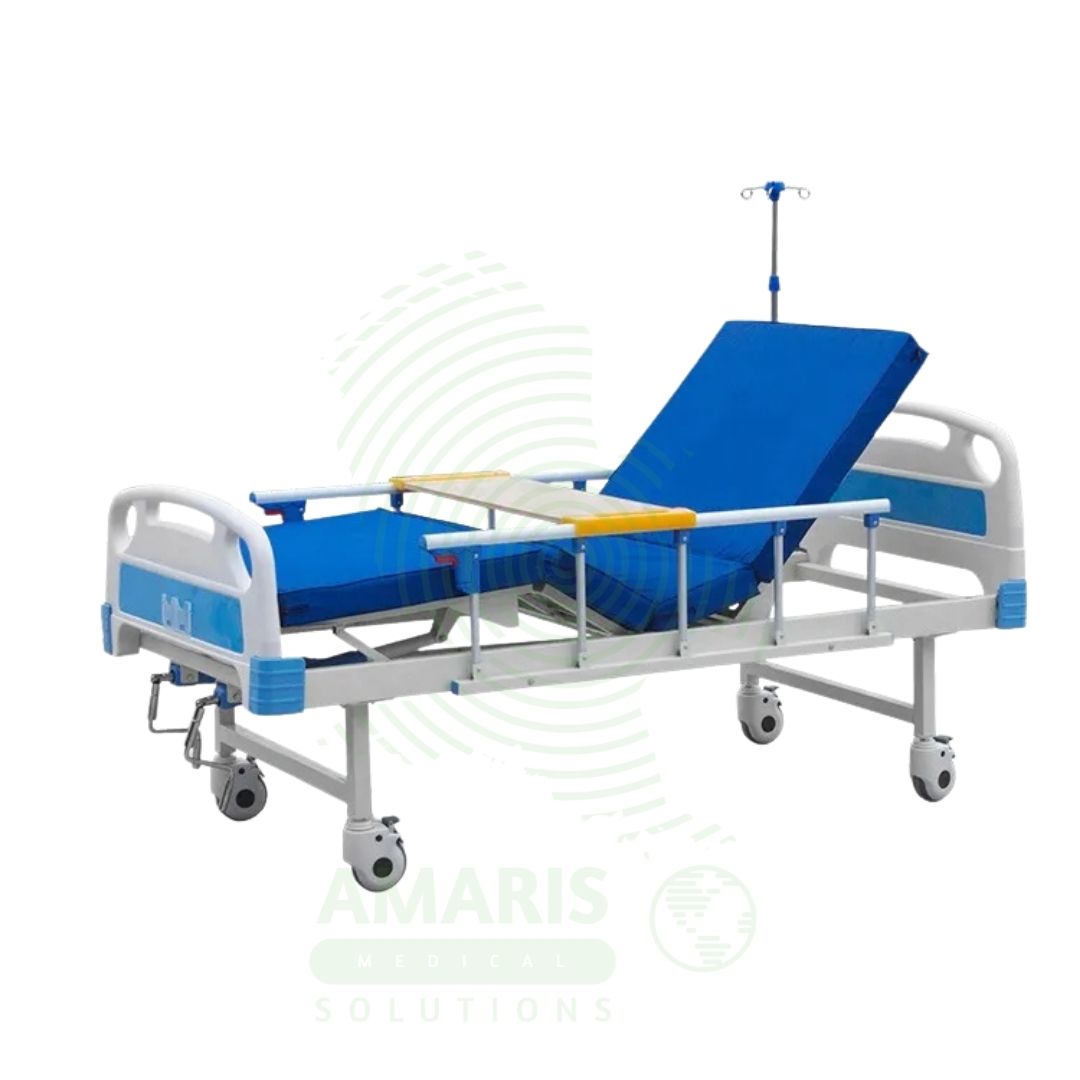
Two-Crank ABS Hospital Bed
WhatsApp Order
A Two-Crank ABS Hospital Bed is a manually operated, adjustable bed that uses separate hand cranks to raise the head and knee sections. Constructed with a steel frame and durable ABS plastic components, it provides essential patient positioning (Fowler’s, etc.) without the need for electricity, making it ideal for long-term care, home use, and low-resource settings. Its primary limitation is a fixed height, which poses ergonomic risks to caregivers during manual adjustments and patient transfers. Safety hinges on proper crank handling, secure side rail use, and awareness of pinch points. It represents a reliable, cost-effective solution for basic inpatient care
Description
Two-Crank ABS Hospital Bed
PRIMARY CLINICAL & DIAGNOSTIC USES
1. Basic Patient Accommodation and Support
-
Definitive Use: Provides a fundamental, adjustable sleeping and resting surface for patients in low-acuity settings, long-term care facilities, or resource-constrained environments, offering essential hospital bed functions without electric power dependency.
-
How it helps: For the facility manager and nursing director operating in settings where electricity is unreliable or budgets are constrained, the two-crank ABS bed delivers reliable, adjustable patient positioning without the need for electrical infrastructure, motors, or complex maintenance. For the patient in a rural clinic, a long-term care facility, or a home care setting, this bed provides the essential functions of a hospital bed—adjustability, safety, and comfort—without dependence on power that may fail or simply not exist.
2. Manual Patient Positioning
-
Primary Use: Two hand cranks allow caregivers to mechanically adjust the bed’s configuration, with the head section crank raising and lowering the backrest for patient comfort, feeding, breathing ease, and aspiration prevention, while the foot section crank raises and lowers the knee section to improve circulation, prevent sliding, and increase comfort.
-
How it helps: For the nursing assistant and caregiver, the two-crank system provides independent control of head and foot positioning—raising the head to help a patient breathe or eat comfortably, elevating the knees to prevent them from sliding down in bed and to reduce pressure on the lower back. For the patient, this dual adjustability means they can be positioned not just partially upright, but in a comfortable, ergonomic configuration that supports the whole body, reducing pressure points and improving overall comfort during prolonged bed rest.
3. Cost-Effective Care Delivery
-
Primary Use: Provides a reliable and durable bed solution where electrical beds are not feasible due to cost, maintenance concerns, or lack of stable power, such as in rural clinics, field hospitals, or basic healthcare wards.
-
How it helps: For the healthcare administrator managing limited resources, the two-crank ABS bed represents an intelligent allocation of funds—delivering the most critical adjustability features at a fraction of the cost of electric beds, with mechanical simplicity that eliminates expensive repairs and replacement of motors and electronics. For the community served by a rural clinic or field hospital, this cost-effective solution means more beds can be purchased, more patients can be accommodated, and essential care can be delivered despite resource limitations.
SECONDARY & SUPPORTIVE USES
1. Fall Prevention and Safety: Typically includes static side rails to prevent patient falls during sleep or rest, providing a passive safety feature that requires no electricity or complex mechanisms. For the elderly or confused patient at risk of rolling out of bed, these rails provide essential protection while maintaining the simplicity and reliability of the manual bed design.
2. Home Healthcare: A common choice for home care due to simplicity, reliability, and lack of need for electricity, making it suitable for long-term home patient management. For the family caring for a loved one at home, a two-crank bed that doesn’t require special electrical outlets or generate complex maintenance concerns allows them to focus on caregiving rather than equipment management.
3. Patient Transport: While less mobile than some electric beds, it can be moved when necessary with manual effort, providing basic transport capability within a home or facility. For the patient who needs to be moved from one room to another, or repositioned within a care space, the bed’s mobility, though manual, still provides that capability when needed.
KEY PRODUCT FEATURES
1. BASIC IDENTIFICATION ATTRIBUTES
-
Device Type: A manually operated, crank-adjustable hospital bed.
-
Designation: "Two Crank" specifies two manual adjustment points (head and foot). "ABS" likely refers to Acrylonitrile Butadiene Styrene, a durable plastic used for components like crank handles, side rail covers, or panels, offering lightness and resistance to corrosion.
-
Core Components:
-
Bed Frame: Steel frame on casters (often non-locking or simple wheel locks).
-
Manual Crank Mechanisms: Two separate hand-crank systems with fold-away handles: one for the head section, one for the knee/foot section. These operate a worm-gear system to raise and lower the sections.
-
Spring Deck (Mattress Platform): A segmented metal platform that articulates with the cranks.
-
Side Rails: Manual, swing-down or removable safety rails.
-
Headboard and Footboard: Often removable.
-
Mattress: A standard hospital mattress.
-
-
Key Limitation: Does not have a height adjustment (high-low function). The bed remains at a fixed height from the floor, which can pose ergonomic challenges for caregivers.
2. TECHNICAL & PERFORMANCE PROPERTIES
-
Adjustment Ranges: Manual effort determines the final position. Typical ranges are similar to electric beds but require physical effort to achieve (e.g., backrest 0-70°, knee break 0-30°).
-
Weight Capacity: Varies but is generally robust (e.g., 300-400 lbs / 135-180 kg).
-
Material: Steel frame with ABS plastic components for specific parts.
3. PHYSICAL & OPERATIONAL PROPERTIES
-
Durability: Highly durable with minimal components that can fail. Easy to repair.
-
Portability: Heavier and less maneuverable than electric beds due to lack of central braking and powered movement.
4. SAFETY & COMPLIANCE ATTRIBUTES
-
Regulatory Status: Classified as a Class I medical device (low risk).
-
Mechanical Safety: Cranks must fold away securely to prevent tripping or injury. Gears should be enclosed.
-
Stability: Must be stable in all adjusted positions without risk of collapse.
5. STORAGE & HANDLING ATTRIBUTES
-
Storage: As permanent furniture. Can be stored folded in a utility area if designed for it.
-
Cleaning: Wipe-down steel and ABS surfaces with disinfectant. The crank mechanisms can accumulate dust but are generally not sealed; careful cleaning is required to avoid grit in gears.
-
Maintenance: Periodic inspection of crank gears for wear, lubrication of moving parts, and checking of side rail locks.
6. LABORATORY & CLINICAL APPLICATIONS
-
Primary Application: Found in long-term care facilities (nursing homes), rural or community hospitals, hospice care, psychiatric units, and home care settings. It is the workhorse bed where simplicity and reliability are prioritized over advanced features.
-
Clinical Role: Provides essential, non-powered patient positioning to maintain basic standards of care, comfort, and safety in environments where technology or infrastructure is limited.
SAFETY HANDLING PRECAUTIONS
1. SAFETY PRECAUTIONS
-
Caregiver Ergonomics: The fixed bed height and manual cranking pose a significant ergonomic risk to caregivers, potentially leading to back strain. Proper lifting and body mechanics are essential.
-
Crank Handle Safety: Always ensure crank handles are fully folded into their storage position after use to prevent tripping or impact injuries to the shins.
-
Pinch Points: Be aware of pinch points at the hinges of the moving deck sections during adjustment.
-
Side Rail Security: Ensure side rails are properly engaged in the "up" position when required for patient safety.
-
Stability on Casters: Ensure wheels are locked or the bed is stabilized before patient transfer or cranking, as manual beds often have simpler caster locks.
2. FIRST AID MEASURES
-
Caregiver Strain Injury: If a caregiver is injured while cranking the bed, stop immediately. Provide first aid for musculoskeletal strain and report the incident.
-
Patient Pinch Injury: If a patient is pinched during adjustment, reverse the crank movement immediately to free the patient and assess the injury.
-
Mechanical Failure: If a crank mechanism jams or fails, do not force it. Secure the patient and remove the bed from service for repair.
3. FIRE FIGHTING MEASURES
-
Flammability: Mattress, bedding, and ABS plastic components are combustible.
-
Extinguishing Media: Use appropriate extinguishing media (water, foam, CO2) for the surrounding fire.
Related products

Cellular Blankets
Cellular Blankets are lightweight, breathable blankets with a distinctive honeycomb knit structure. Primarily used in healthcare for patient warmth and thermal regulation, they work by trapping insulating air within their cells while allowing moisture to escape, preventing overheating and sweating. Available in reusable (cotton/polyester) or disposable forms, they are essential for maintaining patient comfort, dignity, and temperature stability in wards, recovery areas, and during transport. Their safety depends on strict adherence to single-patient use and proper high-temperature laundering for reusable versions.
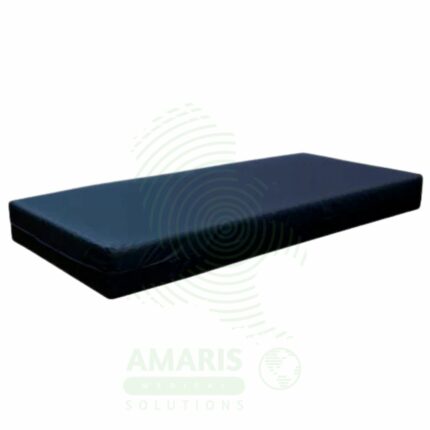
Hospital Mattress with Rexine
A Hospital Mattress with Rexine is a medical-grade mattress designed for use on hospital beds in clinical and home care settings. Featuring a high-density foam core for pressure redistribution and support, and a waterproof, fluid-resistant Rexine cover for infection control, it provides a comfortable, hygienic surface for patients requiring bed rest. The durable construction withstands repeated cleaning and disinfection, making it suitable for high-use environments. Essential for pressure injury prevention and patient comfort during hospitalization or long-term care.
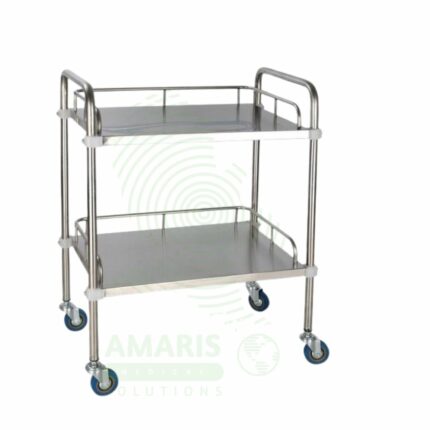
Instrument & Medicine Trolley
An Instrument & Medicine Trolley is a versatile, secure, mobile cart designed to transport, organize, and administer both medical instruments and medications. It functions as a mobile workstation for procedures, medication rounds, or emergency response, depending on its configuration. Key features include lockable, compartmentalized drawers for secure storage, a flat work surface, and smooth-rolling casters for mobility. Its adaptability makes it essential across hospital settings, from wards to treatment rooms, ensuring that organized, secure, and complete sets of tools and drugs are delivered efficiently to the point of patient care.
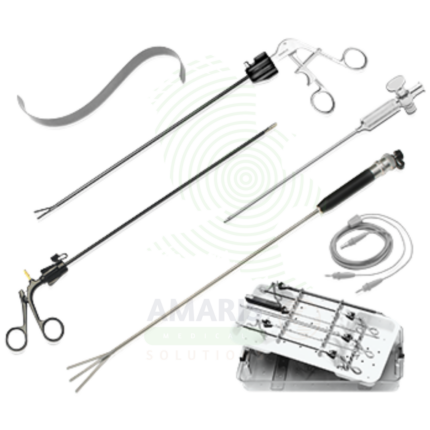
Laparoscopic Accessories
Laparoscopic accessories encompass a range of ancillary equipment and supplies essential for minimally invasive surgery, including cleaning brushes, sterilization containers, insufflation tubing, instrument storage systems, and single-use protective covers. These accessories support instrument care, procedural efficiency, and infection control, ensuring that laparoscopic instruments remain in optimal condition and that procedures run smoothly. Essential for operating rooms, sterile processing departments, and surgical suites.
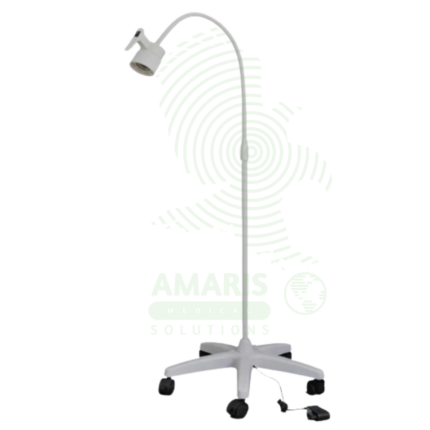
Portable Flexible LED Examination Lamp
A Portable Flexible LED Examination Lamp is a clinical lighting device featuring a high-intensity LED light source mounted on a flexible gooseneck arm. The LED provides bright, cool illumination with high color rendering index (CRI) for accurate tissue color discrimination during physical examinations, minor procedures, and wound assessment. The flexible gooseneck allows precise positioning to eliminate shadows and direct light into body cavities. Available in corded and battery-powered configurations, it is used in examination rooms, procedure rooms, emergency departments, and home healthcare settings. LED technology offers long bulb life, minimal heat output, and energy efficiency.
Revolving Stool
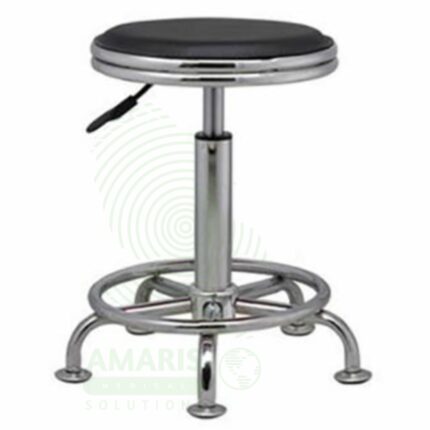
A Revolving Stool is a height-adjustable, rotating seat on a stable multi-leg base, designed for dynamic clinical and laboratory work environments. It provides healthcare professionals with stable, ergonomic seating that allows for effortless 360-degree rotation and small positional adjustments without standing. This is essential for procedures requiring precision and frequent changes in reach, such as dentistry, minor surgery, microscopy, and laboratory analysis. Its key features include smooth rotation, easy height adjustment, and a stable, often mobile, base to support prolonged, task-focused work while promoting proper posture and reducing fatigue.
Ripple Mattress
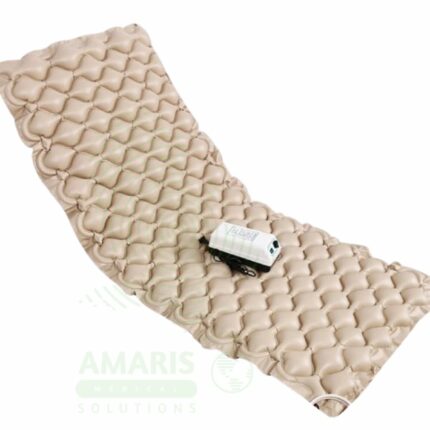
A Ripple Mattress is an active alternating pressure mattress system designed to prevent and treat pressure injuries. It consists of a series of air cells connected to an electric pump that cyclically inflates and deflates, creating a "rippling" effect that constantly shifts pressure away from bony prominences. This promotes blood flow and relieves tissue ischemia in immobile, high-risk patients. Essential in ICUs, wards, and long-term care, it is a key component of pressure injury prevention protocols and includes critical safety features like low-pressure alarms and battery backup to ensure continuous therapy.