Dermatoscope and Magnifiers
 Diagnostic Kits
 Vital Signs Monitors
 Stethoscopes and Accessories
 Otoscopes, Ophthalmoscopes, and Retinoscopes
 Reflex Hammers and Neurological Tools
 Scales and Measuring Devices
 Spirometers and Pulmonary Function Tests
 Electrosurgical Units and Accessories
 Cutting Instruments
 Grasping and Holding Instruments
 Hemostatic Instruments
 Specialized Surgical Sets
 Single-Use Procedure Trays and Packs
 Surgical Drapes, Gowns, and Covers
 Tissue Unifying Instruments
 Radiation Protection
 X-Ray Machines and Accessories
 Ultrasound Systems and Probes
 MRI and CT Scanners
 Radiology Consumables
 Bone Densitometers
 Fluoroscopy Equipment
 Imaging Tables and Positioning Aids
 Microscopes and Accessories
 Centrifuges and Separators
 Analyzers
 Incubators and Ovens
 Pipettes, Dispensers, and Lab Glassware
 Refrigerators, Freezers, and Storage Units
 Lab Consumables
 Sterilizers and Autoclaves for Lab Use
 Multi-Parameter Monitors
 Ventilators and Respiratory Support Devices
 Defibrillators and AEDs
 Infusion Pumps and IV Systems
 Patient Warmers and Cooling Devices
 Central Monitoring Stations
 Accessories
 Anesthesia Machines and Workstations
 Oxygen Concentrators and Delivery Systems
 Nebulizers and Inhalers
 CPAP/BiPAP Machines
 Airway Management
 Anesthesia Masks, Circuits, and Bags
 Humidifiers and Heaters
 Respiratory Therapy Accessories
 First Aid Kits and Cabinets
 Emergency Resuscitation Equipment
 Trauma Supplies
 Emergency Carts and Crash Carts
 Burn Care Products
 Bleeding Control
 Automated External Defibrillators (AEDs)
 Transport and Evacuation
 Wheelchairs and Accessories
 Walkers, Crutches, and Canes
 Prosthetics and Orthotics
 Physical Therapy Equipment
 Transfer Devices
 Bathroom Safety
 Orthopedic Traction and Tables
 Hot/Cold Therapy Packs and Units
 Beds and Mattresses
 Chairs and Stools
 Tables
 Cabinets and Storage
 Privacy Screens & Curtains
 Stands and Racks
 Linens and Textiles
 Lighting
 Autoclaves and Sterilizers
 Ultrasonic Cleaners
 Disinfectant Solutions and Wipes
 Sterilization Pouches, Wraps, and Indicators
 Instrument Trays and Containers
 UV and Ozone Disinfection Devices
 Washer Disinfectors
 Wound Care
 Gloves
 Masks and Respirators
 Catheters and Tubing
 Swabs, Applicators, and Sponges
 Incontinence Products
 Personal Protective Equipment (PPE)
 Dental Chairs and Units
 Handpieces and Burs
 Instruments
 Consumables
 Sterilization for Dental Use
 Orthodontic Supplies
 Endodontic Tools
 Slit Lamps and Tonometers
 Lensometers and Phoropters
 Ophthalmic Surgical Instruments
 Eyewear Frames and Lenses
 Contact Lens Supplies
 Vision Testing Charts and Devices
 Eye Care Consumables
 Laser Systems for Eye Care
 ENT Exam Chairs and Tables
 Endoscopes
 Audiometers and Hearing Tests
 ENT Instruments
 Nasal and Throat Packs
 Hearing Aids and Accessories
 Otology Supplies
 Fetal Dopplers and Monitors
 Delivery Beds and Tables
 Gynecological Instruments
 Neonatal Incubators and Warmers
 Breast Pumps and Accessories
 Contraceptive Devices
 Maternity Supports and Pads
 Neonatal Consumables
 Cystoscopes and Urethroscopes
 Dialysis Machines and Supplies
 Urological Catheters and Bags
 Lithotripters
 Prostate Treatment Devices
 Urinary Incontinence Products
 Kidney Stone Management Tools
 Consumables & Disposables
 EEG and EMG Machines
 Neurosurgical Instruments
 Nerve Stimulators
 Headrests and Positioning Aids
 Lumbar Puncture Kits
 Seizure Monitoring Devices
 Consumables
 Rehabilitation for Neurological Conditions
 ECG Machines and Accessories
 Holter Monitors
 Stress Test Systems
 Pacemakers and Defibrillator Accessories
 Vascular Access Devices
 Cardiac Catheters and Guidewires
 Blood Flow Meters
 Consumables
 Orthopedic Instruments
 Casts, Splints, and Padding
 Joint Replacement Supplies
 Prosthetic Limbs and Components
 Bone Grafts and Substitutes
 Traction Devices
 Orthopedic Braces and Supports
 Rehabilitation Aids for Orthopedics
 Home Oxygen Therapy
 Hospital Beds for Home Use
 Mobility Aids
 Bathroom and Daily Living Aids
 Wound Care for Home
 Monitoring Devices
 Enteral Feeding Pumps and Tubes
 Hand Sanitizers and Dispensers
 Face Shields and Goggles
 Isolation Gowns and Suits
 Biohazard Waste Containers
 Air Purifiers and HEPA Filters
 Surface Disinfectants
 Sharps Containers
 Protective Barriers
 Cardiovascular & Endurance Training
 Strength Training & Weightlifting
 Functional Training & Core Conditioning
 Physical Therapy & Rehabilitation
 Sports & Outdoor Recreation
 Gym Flooring & Facility Equipment
 Fitness Monitoring & Accessories
 Kids & Novelties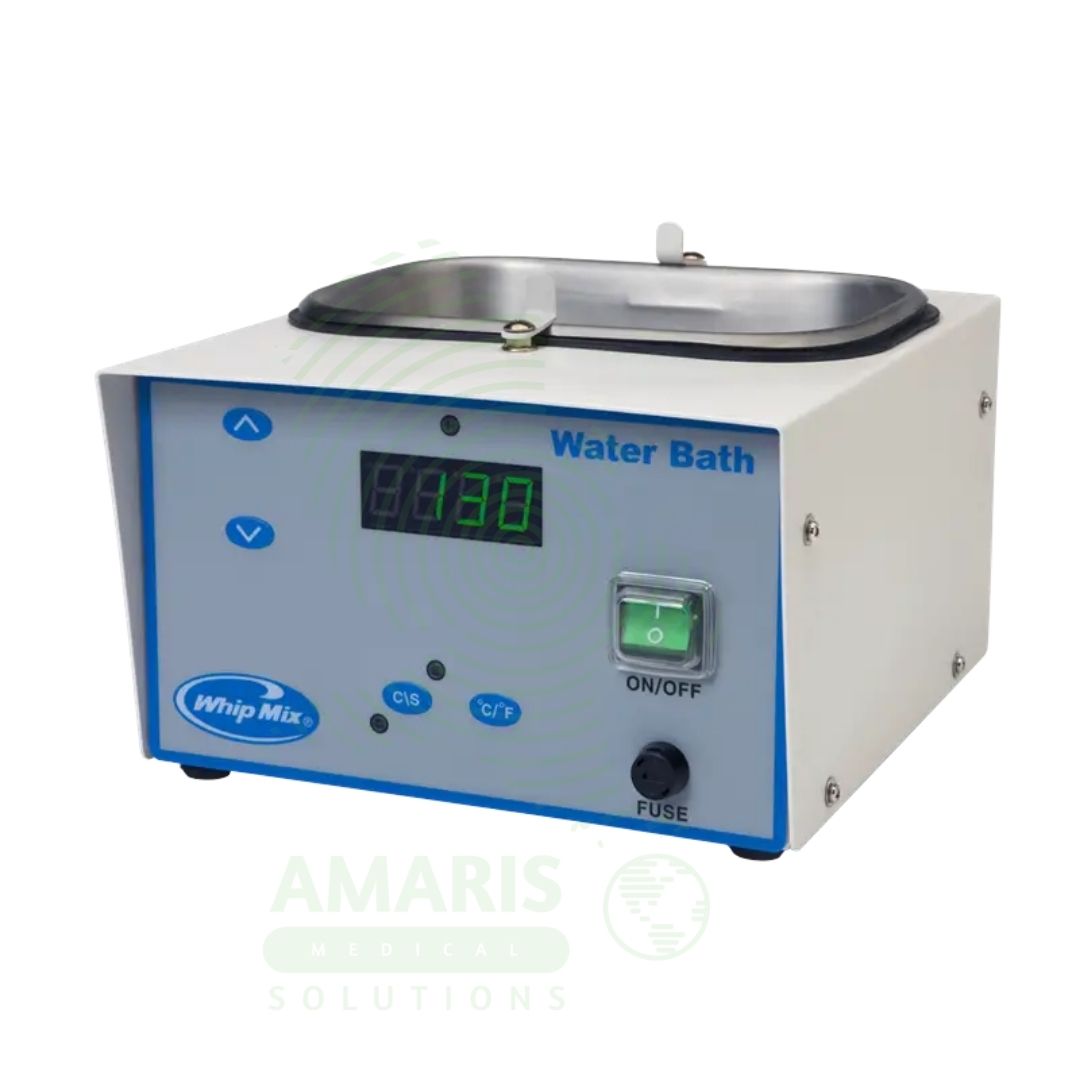
Water Bath
WhatsApp Order
A Water Bath is a laboratory instrument that uses a heated water tank to provide precise, uniform temperature control for immersed samples. It is essential for incubating cultures, inactivating serum, warming reagents, and performing temperature-sensitive serological assays. Circulating models ensure exceptional temperature uniformity for critical work. Safe operation requires using distilled water to prevent scaling, vigilant monitoring of water level to prevent heater damage, and strict precautions against electrical shock and thermal burns. Regular cleaning and decontamination are necessary when used with biological materials. It is a versatile and fundamental tool in clinical and research laboratories.
Description
Water Bath
PRIMARY CLINICAL & DIAGNOSTIC USES
1. Incubation of Microbiological Cultures
-
Primary Use: Provides a stable, warm water environment for incubating liquid microbial cultures in test tubes or bottles, especially for procedures like the multiple-tube fermentation technique used in water quality testing for coliforms.
-
How it helps: For the microbiologist and environmental health scientist, the water bath creates a perfectly controlled environment where bacteria can thrive—maintaining exactly 37°C for pathogens, or other precise temperatures for specific organisms, ensuring consistent growth and reliable test results. For the community whose drinking water is tested for fecal contamination, and for the public health decisions based on these tests, the water bath’s precise temperature control ensures that if coliforms are present, they will grow and be detected.
2. Serological and Immunological Testing
-
Primary Use: Critical for maintaining precise temperatures during incubation steps of diagnostic tests, such as complement fixation tests, agglutination tests, and some rapid immunoassays where consistent heat is required for antigen-antibody reactions.
-
How it helps: For the serology laboratory scientist, the water bath provides the thermal consistency that antigen-antibody reactions demand—antibodies bind optimally at specific temperatures, and precise control ensures that positive reactions occur and negative reactions remain negative. For the patient whose infectious disease diagnosis, autoimmune disease monitoring, or febrile illness evaluation depends on serological testing, proper incubation ensures that results reflect true immunological status, not temperature variation.
3. Warming of Reagents and Media
-
Primary Use: Used to bring refrigerated or frozen reagents, culture media, or blood products to a desired working temperature prior to use in assays or patient administration.
-
How it helps: For the laboratory technician preparing for testing, the water bath transforms cold reagents into ready-to-use materials—warming culture media to the temperature that supports bacterial growth, thawing frozen controls to the consistency needed for accurate pipetting. For the accuracy of diagnostic testing and the safety of blood product administration, proper warming ensures that reagents perform as expected and that patients receive blood components at appropriate temperatures.
4. Inactivation of Serum
-
Primary Use: Standard procedure at 56°C for 30 minutes to inactivate complement in serum samples for various serological tests, preventing non-specific reactions that would interfere with accurate results.
-
How it helps: For the serology laboratory scientist, complement inactivation is a critical pre-analytical step—removing heat-labile proteins that would otherwise bind antibodies non-specifically and cause false positive or false negative results. For the patient whose diagnosis depends on serological testing, proper complement inactivation ensures that the results reflect true antibody status, not interference from complement proteins.
5. Coagulation Testing
-
Primary Use: Some manual coagulation procedures require precise incubation at 37°C to ensure that clotting reactions proceed at physiological rates.
-
How it helps: For the coagulation laboratory scientist performing manual PT, aPTT, or factor assays, the water bath provides the 37°C environment essential for accurate clotting time measurements. For the patient on anticoagulation therapy or being evaluated for bleeding disorders, properly incubated coagulation tests ensure that results reflect true clotting function, guiding safe and effective treatment.
SECONDARY & SUPPORTIVE USES
1. Digestion and Hydrolysis: For chemical digestion or hydrolysis of samples at elevated temperatures, the water bath provides controlled heating without the risk of overheating or boiling. For the analytical chemist preparing samples for analysis, controlled digestion ensures complete breakdown of complex matrices without loss of volatile analytes.
2. Melting of Agar and Media: For liquefying solidified agar or gelatinous media prior to pouring plates, the water bath provides gentle, uniform heating that melts media without scorching or creating air bubbles. For the microbiologist preparing culture plates, properly melted agar ensures smooth, consistent plates that support optimal bacterial growth.
3. General Laboratory Heating: For any process requiring gentle, uniform heat below the boiling point of water, the water bath provides a reliable, controlled heat source. For the laboratory scientist performing a wide range of procedures—from warming slides to accelerating chemical reactions—the water bath’s versatility makes it an indispensable tool across the laboratory.
KEY PRODUCT FEATURES
1. BASIC IDENTIFICATION ATTRIBUTES
-
Device Type: An electrically heated tank that holds water, using it as a heat transfer medium to provide uniform, constant temperature for objects immersed in it.
-
Designation: Often specified by its control precision and additional features (e.g., shaking, circulating).
-
Core Types:
-
Circulating Water Bath: Incorporates a pump to actively circulate water, ensuring excellent temperature uniformity (±0.1°C to ±0.5°C) throughout the bath. The standard for critical applications.
-
Non-Circulating (Static) Water Bath: Relies on natural convection; less expensive but has significant temperature gradients. Suitable for non-critical warming.
-
Shaking Water Bath: Combines temperature control with an orbital shaking platform to agitate flasks or tubes immersed in the water, providing aeration and mixing for cultures or reactions.
-
-
Core Components:
-
Stainless Steel Tank: Holds the water. Often has a lid to reduce evaporation and heat loss.
-
Heating Element: Immersion-style electric heater.
-
Circulation Pump: For circulating models.
-
Temperature Controller: Digital PID controller for precise setpoint and stability.
-
Temperature Sensor: PT100 or similar precision sensor.
-
Over-Temperature Protection: Independent safety thermostat.
-
2. TECHNICAL & PERFORMANCE PROPERTIES
-
Temperature Range: Typically from ambient +5°C to 99.9°C. Some chilled models can go below ambient.
-
Temperature Stability/Uniformity: Circulating baths can maintain within ±0.1°C to ±0.5°C of setpoint throughout the tank.
-
Tank Capacity: Ranges from 2 liters (small benchtop) to over 50 liters.
-
Material: Tank and lid are stainless steel for corrosion resistance.
3. PHYSICAL & OPERATIONAL PROPERTIES
-
Lid: Often includes a multi-part, removable lid with holes or cutouts to hold tubes and reduce evaporation.
-
Drain Valve: For easy emptying and cleaning.
4. SAFETY & COMPLIANCE ATTRIBUTES
-
Regulatory Status: Generally Class I laboratory equipment.
-
Electrical Safety: Must be safe for use in wet environments (grounded, proper insulation).
-
Over-Temperature Protection: Mandatory to prevent boiling dry or excessive heating.
5. STORAGE & HANDLING ATTRIBUTES
-
Storage: When not in use, it is typically left on the benchtop. Should be emptied if not used for extended periods to prevent algae or scale growth.
-
Water Quality: Use distilled or deionized water to prevent mineral scale buildup on the heater and tank, which impairs efficiency and can damage the unit.
-
Cleaning: Empty and clean the tank regularly with a mild detergent to prevent biofilm formation. Descale with a mild acid (e.g., citric acid solution) if scale appears.
-
Calibration: Temperature should be verified periodically using a calibrated, NIST-traceable thermometer placed in the working area of the bath.
6. LABORATORY & CLINICAL APPLICATIONS
-
Primary Application: Foundational equipment in clinical microbiology, serology, immunology, and chemistry laboratories. Also common in research and quality control labs.
-
Clinical Role: Provides a simple, reliable method for precise temperature control, which is vital for the accuracy of many time- and temperature-sensitive diagnostic procedures.
SAFETY HANDLING PRECAUTIONS
1. SAFETY PRECAUTIONS
-
Burn Hazard: The water and all immersed metal parts (racks, tubes) can cause scalds. Always use tongs or thermal gloves when removing items.
-
Electrical Shock Hazard: The device uses electricity to heat water. Never operate with wet hands, never immerse the unit, and ensure the power cord and outlet are dry.
-
Prevent Evaporation: Keep the lid on as much as possible to maintain temperature and reduce the need to add water. Check water level frequently; never allow the heater to operate exposed to air ("run dry"), as this will burn out the element rapidly and is a fire risk.
-
Biohazard Contamination: If used to incubate biohazardous materials, ensure all containers are securely sealed to prevent release of pathogens into the water bath. Decontaminate the bath water regularly (e.g., with bleach) and the tank itself.
-
Chemical Contamination: Do not use to heat flammable or volatile chemicals. Fumes can accumulate or the chemical can leak into the bath water.
2. FIRST AID MEASURES
-
Scald/Burn: Immediately cool the affected area with cool running water for at least 20 minutes. Seek medical attention for significant burns.
-
Electrical Shock: Do not touch the victim or the water bath. Turn off power at the circuit breaker. Call for emergency help and begin CPR if trained and necessary.
-
Biohazard Spill into Bath: Stop using the bath. Add an appropriate disinfectant (e.g., bleach) to the water to achieve a disinfecting concentration. After sufficient contact time, drain and clean the tank thoroughly.
3. FIRE FIGHTING MEASURES
-
Flammability: The unit itself has combustible electrical components. The primary fire risk is from the heater operating in air if the bath runs dry.
-
Extinguishing Media: For an electrical fire, disconnect power and use a CO2 extinguisher.
Related products
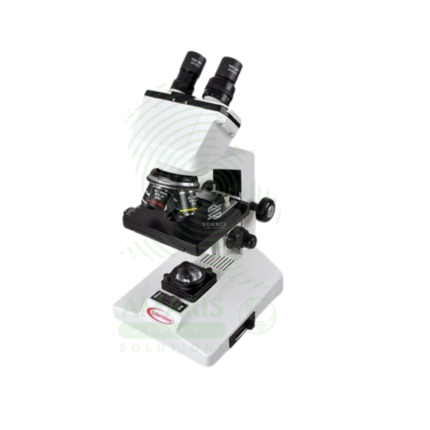
Binocular Microscope
A Binocular Microscope is a high-precision, compound optical instrument fundamental to clinical diagnostics. Featuring dual eyepieces for comfortable viewing and a suite of parfocal objective lenses (4x, 10x, 40x, 100x oil), it provides magnifications from 40x to 1000x. Its integrated LED illumination, mechanical stage, and Abbe condenser enable the detailed examination of stained blood films, tissue sections, microbiological specimens, and cytological preparations. As the primary tool for pathologists and laboratory scientists, it is indispensable for definitive diagnoses in hematology, histopathology, microbiology, and urinalysis, demanding skilled operation and meticulous maintenance for optimal performance.
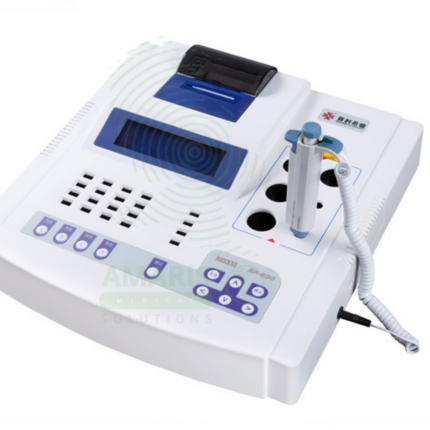
Coagulation Analyzer
A Coagulation Analyzer is a compact, automated instrument designed for performing essential tests that evaluate the blood's clotting ability. It accurately measures key parameters such as Prothrombin Time (PT/INR), Activated Partial Thromboplastin Time (aPTT), Thrombin Time, and Fibrinogen, which are critical for monitoring anticoagulant therapy (warfarin, heparin), diagnosing bleeding disorders, and assessing surgical risk. With its photometric detection and user-friendly operation, it delivers reliable results for small to medium-volume laboratories, clinics, and hospital wards. Its role in ensuring safe and effective patient management in thrombosis and hemostasis makes it a vital tool in clinical diagnostics.
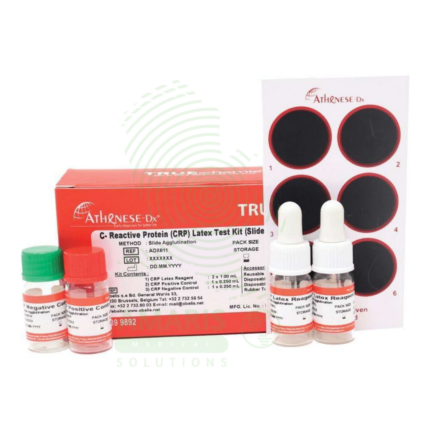
CRP Test Kit
CRP Test Kit (C-Reactive Protein) is a quantitative or semi-quantitative immunoassay (latex agglutination, turbidimetry, nephelometry, ELISA, or rapid immunochromatographic) for detecting C-reactive protein in blood, an acute-phase reactant produced in response to inflammation. Rapid rise within 6-12 hours, peaks at 24-48 hours, half-life 19 hours. Normal <5-10 mg/L; mild elevation 10-100 mg/L (viral infections, autoimmune flares); moderate 100-200 mg/L (bacterial infections); marked >200 mg/L (sepsis, major trauma). High-sensitivity CRP (hs-CRP) detects 0.1-10 mg/L for cardiovascular risk stratification (<1 mg/L low risk, 1-3 mg/L moderate, >3 mg/L high). Primary clinical applications include detection and monitoring of inflammation, diagnosis and management of infections (differentiating bacterial from viral), assessment of autoimmune disease activity, post-surgical monitoring for complications, cardiovascular risk screening (hs-CRP), monitoring rheumatic fever and inflammatory conditions, and neonatal sepsis evaluation. Critical safety precautions include proper sample handling (universal precautions), quality control verification, awareness of non-specific elevation, prozone phenomenon in very high concentrations, and clinical correlation for interpretation. Essential test for evaluating inflammation across all medical specialties.
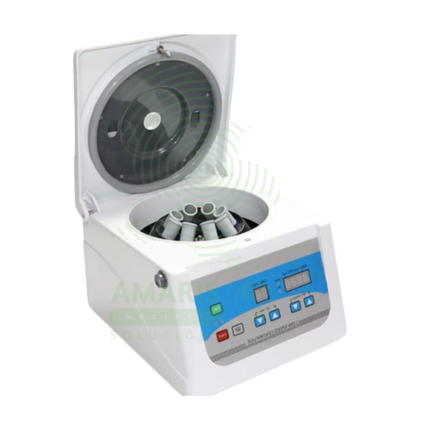
Electric Centrifuge
An Electric Centrifuge is a Class I medical device that uses rapid rotation to separate fluids of different densities, essential in clinical laboratories for processing blood, urine, and other biological specimens. Available in benchtop, refrigerated, microcentrifuge, hematocrit, and high-speed models with fixed-angle, swinging-bucket, or vertical rotors. Speed range 1,000-30,000+ RPM with RCF up to 65,000+ x g. Features include brushless induction motor, digital controls, imbalance detection, lid lock safety, and programmable protocols. Primary clinical applications include separation of serum/plasma for chemistry and hematology testing, urine sediment analysis for microscopy, platelet-rich plasma (PRP) preparation for regenerative medicine, concentration of bacteria for microbiology, cytology fluid analysis, blood banking, and molecular biology sample processing. Critical safety precautions include proper balancing of loads (weight matching), use of sealed rotors for biohazardous samples, regular rotor inspection for corrosion or cracks, never exceeding maximum rated speed, and never opening lid during operation. Essential equipment in clinical, research, and teaching laboratories.
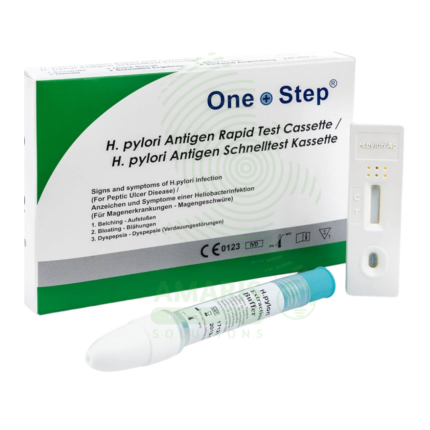
H.pylori test kits (Antigen)
H.pylori test kits (Antigen) are Class II medical devices (FDA-cleared/CE-marked) for rapid immunochromatographic or enzyme immunoassay detection of Helicobacter pylori antigens in stool specimens, enabling non-invasive diagnosis of active infection and post-treatment eradication confirmation. Test principles use monoclonal or polyclonal antibodies specific to H. pylori antigens, producing visible results in 10-20 minutes (rapid tests) or 1-2 hours (EIA). Sensitivity 90-98%, specificity 92-99% compared to gold standard methods. Primary clinical applications include rapid diagnosis of H. pylori infection in patients with dyspepsia, initial screening in uncomplicated dyspepsia (test-and-treat strategy), confirmation of active infection before therapy, post-treatment eradication confirmation (4-6 weeks after therapy), pediatric testing (preferred non-invasive method), screening in high-risk populations (family history of gastric cancer), and monitoring in patients with peptic ulcer disease or MALT lymphoma. Critical safety precautions include mandatory washout period (4 weeks off antibiotics, 2 weeks off PPIs) to avoid false negatives, proper specimen handling (universal precautions), refrigerated storage of kits (2-30°C), quality control verification, and disposal as biohazardous waste. Essential non-invasive tool for H. pylori management in gastroenterology and primary care.
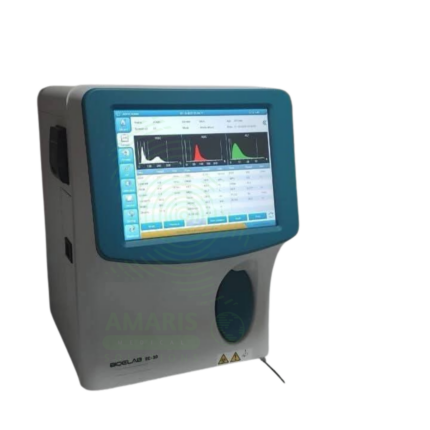
Hematology Analyzer
A Hematology Analyzer is a compact, automated benchtop analyzer designed to perform Complete Blood Counts (CBC) with a 3-part white blood cell differential. Utilizing impedance and photometric methods, it delivers rapid, precise results for red blood cells, white blood cells, platelets, and key indices from a small blood sample. Ideal for physician offices, small clinics, and satellite laboratories, it enables in-house hematology testing with walk-away operation. Its automated flagging system highlights abnormal results that require further manual smear review. As a core instrument for initial hematological screening, it combines efficiency with essential diagnostic capability for routine patient management.
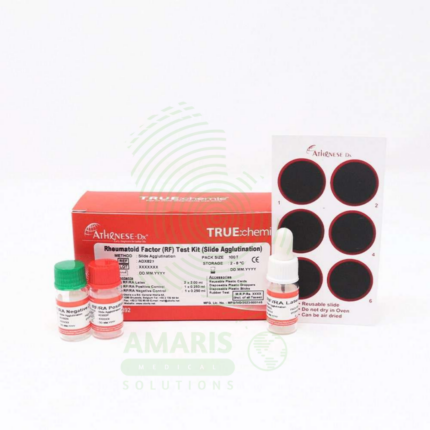
Rheumatoid factor
Rheumatoid Factor (RF) testing is a quantitative or semi-quantitative serological assay (nephelometry, turbidimetry, latex agglutination, or ELISA) for detecting autoantibodies against the Fc portion of immunoglobulin G, primarily of the IgM isotype. RF is a key marker in the ACR/EULAR classification criteria for rheumatoid arthritis, with sensitivity 60-80% and specificity 70-90%. Test requires serum samples; results reported in IU/mL (reference <15-20 IU/mL) or titer. Primary clinical applications include diagnosis and classification of rheumatoid arthritis, prognostic assessment (high-titer RF correlates with severe, erosive disease), differential diagnosis of inflammatory arthritis, monitoring disease activity, diagnosis of Sjögren's syndrome, evaluation of mixed cryoglobulinemia (hepatitis C-associated), and assessment of other autoimmune and chronic inflammatory conditions. Critical safety precautions include awareness of false positives (other autoimmune diseases, chronic infections, healthy elderly), false negatives (seronegative RA 20-30%), need for clinical correlation, and anti-CCP antibody testing to improve diagnostic accuracy. Essential test for rheumatology practice, autoimmune disease evaluation, and differential diagnosis of inflammatory arthritis.