Dermatoscope and Magnifiers
 Diagnostic Kits
 Vital Signs Monitors
 Stethoscopes and Accessories
 Otoscopes, Ophthalmoscopes, and Retinoscopes
 Reflex Hammers and Neurological Tools
 Scales and Measuring Devices
 Spirometers and Pulmonary Function Tests
 Electrosurgical Units and Accessories
 Cutting Instruments
 Grasping and Holding Instruments
 Hemostatic Instruments
 Specialized Surgical Sets
 Single-Use Procedure Trays and Packs
 Surgical Drapes, Gowns, and Covers
 Tissue Unifying Instruments
 Radiation Protection
 X-Ray Machines and Accessories
 Ultrasound Systems and Probes
 MRI and CT Scanners
 Radiology Consumables
 Bone Densitometers
 Fluoroscopy Equipment
 Imaging Tables and Positioning Aids
 Microscopes and Accessories
 Centrifuges and Separators
 Analyzers
 Incubators and Ovens
 Pipettes, Dispensers, and Lab Glassware
 Refrigerators, Freezers, and Storage Units
 Lab Consumables
 Sterilizers and Autoclaves for Lab Use
 Multi-Parameter Monitors
 Ventilators and Respiratory Support Devices
 Defibrillators and AEDs
 Infusion Pumps and IV Systems
 Patient Warmers and Cooling Devices
 Central Monitoring Stations
 Accessories
 Anesthesia Machines and Workstations
 Oxygen Concentrators and Delivery Systems
 Nebulizers and Inhalers
 CPAP/BiPAP Machines
 Airway Management
 Anesthesia Masks, Circuits, and Bags
 Humidifiers and Heaters
 Respiratory Therapy Accessories
 First Aid Kits and Cabinets
 Emergency Resuscitation Equipment
 Trauma Supplies
 Emergency Carts and Crash Carts
 Burn Care Products
 Bleeding Control
 Automated External Defibrillators (AEDs)
 Transport and Evacuation
 Wheelchairs and Accessories
 Walkers, Crutches, and Canes
 Prosthetics and Orthotics
 Physical Therapy Equipment
 Transfer Devices
 Bathroom Safety
 Orthopedic Traction and Tables
 Hot/Cold Therapy Packs and Units
 Beds and Mattresses
 Chairs and Stools
 Tables
 Cabinets and Storage
 Privacy Screens & Curtains
 Stands and Racks
 Linens and Textiles
 Lighting
 Autoclaves and Sterilizers
 Ultrasonic Cleaners
 Disinfectant Solutions and Wipes
 Sterilization Pouches, Wraps, and Indicators
 Instrument Trays and Containers
 UV and Ozone Disinfection Devices
 Washer Disinfectors
 Wound Care
 Gloves
 Masks and Respirators
 Catheters and Tubing
 Swabs, Applicators, and Sponges
 Incontinence Products
 Personal Protective Equipment (PPE)
 Dental Chairs and Units
 Handpieces and Burs
 Instruments
 Consumables
 Sterilization for Dental Use
 Orthodontic Supplies
 Endodontic Tools
 Slit Lamps and Tonometers
 Lensometers and Phoropters
 Ophthalmic Surgical Instruments
 Eyewear Frames and Lenses
 Contact Lens Supplies
 Vision Testing Charts and Devices
 Eye Care Consumables
 Laser Systems for Eye Care
 ENT Exam Chairs and Tables
 Endoscopes
 Audiometers and Hearing Tests
 ENT Instruments
 Nasal and Throat Packs
 Hearing Aids and Accessories
 Otology Supplies
 Fetal Dopplers and Monitors
 Delivery Beds and Tables
 Gynecological Instruments
 Neonatal Incubators and Warmers
 Breast Pumps and Accessories
 Contraceptive Devices
 Maternity Supports and Pads
 Neonatal Consumables
 Cystoscopes and Urethroscopes
 Dialysis Machines and Supplies
 Urological Catheters and Bags
 Lithotripters
 Prostate Treatment Devices
 Urinary Incontinence Products
 Kidney Stone Management Tools
 Consumables & Disposables
 EEG and EMG Machines
 Neurosurgical Instruments
 Nerve Stimulators
 Headrests and Positioning Aids
 Lumbar Puncture Kits
 Seizure Monitoring Devices
 Consumables
 Rehabilitation for Neurological Conditions
 ECG Machines and Accessories
 Holter Monitors
 Stress Test Systems
 Pacemakers and Defibrillator Accessories
 Vascular Access Devices
 Cardiac Catheters and Guidewires
 Blood Flow Meters
 Consumables
 Orthopedic Instruments
 Casts, Splints, and Padding
 Joint Replacement Supplies
 Prosthetic Limbs and Components
 Bone Grafts and Substitutes
 Traction Devices
 Orthopedic Braces and Supports
 Rehabilitation Aids for Orthopedics
 Home Oxygen Therapy
 Hospital Beds for Home Use
 Mobility Aids
 Bathroom and Daily Living Aids
 Wound Care for Home
 Monitoring Devices
 Enteral Feeding Pumps and Tubes
 Hand Sanitizers and Dispensers
 Face Shields and Goggles
 Isolation Gowns and Suits
 Biohazard Waste Containers
 Air Purifiers and HEPA Filters
 Surface Disinfectants
 Sharps Containers
 Protective Barriers
 Cardiovascular & Endurance Training
 Strength Training & Weightlifting
 Functional Training & Core Conditioning
 Physical Therapy & Rehabilitation
 Sports & Outdoor Recreation
 Gym Flooring & Facility Equipment
 Fitness Monitoring & Accessories
 Kids & Novelties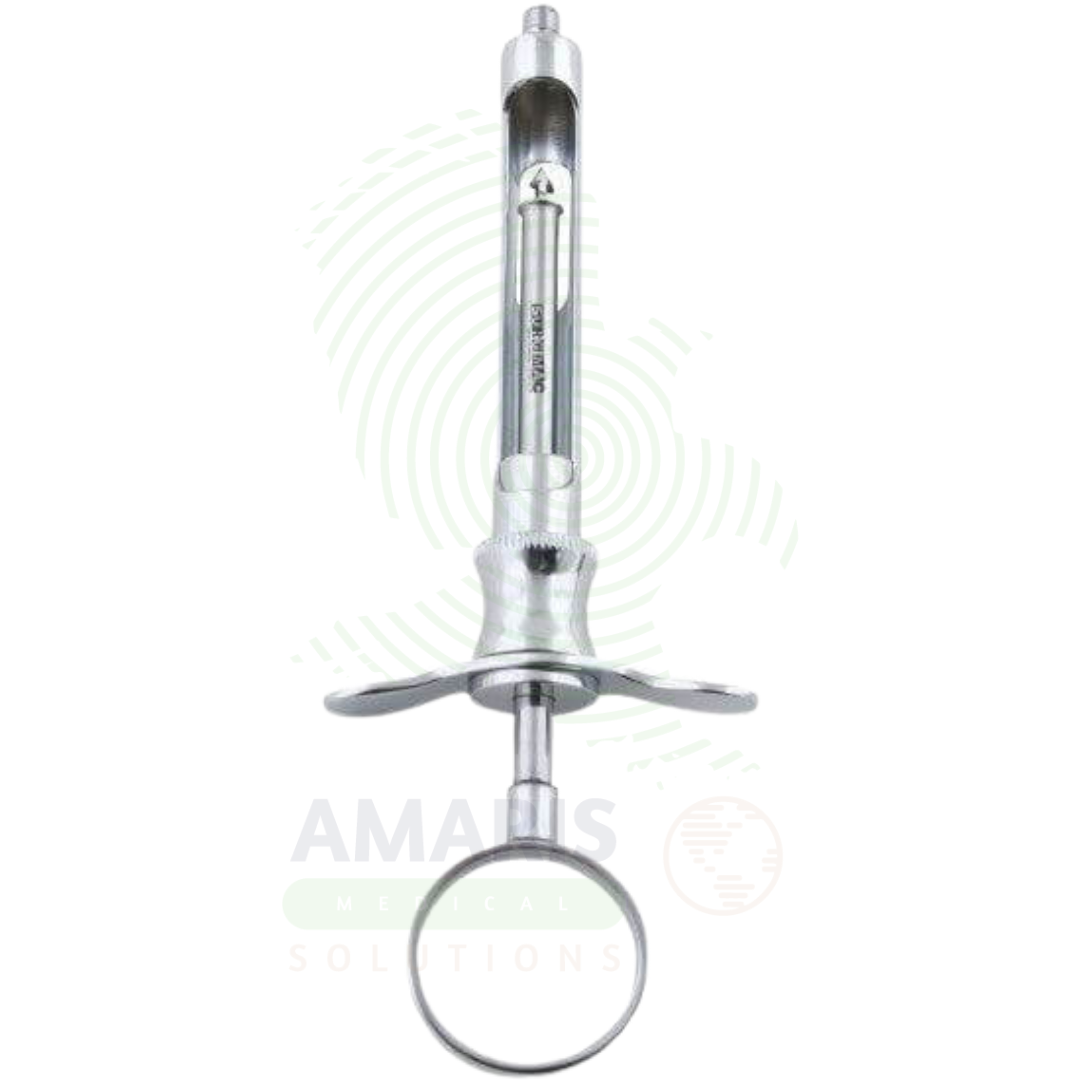
Local Anesthetic Cartridges
$1.00
WhatsApp Order
Local Anesthetic Cartridges are single-use, sterile glass cylinders containing a pre-measured dose of local anesthetic solution, primarily used in dentistry to induce painless numbness for procedures. Combining an anesthetic agent (e.g., Lidocaine, Articaine) with a vasoconstrictor (typically epinephrine) to prolong effect and enhance safety, they are loaded into a dental syringe for precise administration. Their safe use is paramount, requiring careful patient medical screening, mandatory aspiration before injection to avoid intravascular placement, and adherence to maximum dosage limits based on patient weight. They are the cornerstone of pain control in modern dental practice.
Description
Local Anesthetic Cartridges
PRIMARY CLINICAL & DIAGNOSTIC USES
1. Inducing Local Anesthesia for Dental Procedures
-
Primary Use: Delivers a pre-measured dose of local anesthetic solution for nerve block or infiltration injections in dentistry, inducing numbness and pain control in a specific area of the oral cavity, enabling painless performance of restorative work (fillings, crowns), extractions, periodontal therapy, and oral surgery.
-
How it helps: For the dentist and oral surgeon, the local anesthetic cartridge provides a sterile, pre-measured, consistent dose of anesthetic—eliminating the need to draw up medication from vials, reducing preparation time, and ensuring accurate dosing. For the patient, this means dental procedures can be performed without pain, transforming what was once a feared experience into a comfortable, tolerable one.
2. Pain Control in Oral and Maxillofacial Surgery
-
Primary Use: Essential for performing minor and major surgical procedures, including tooth extractions (simple and surgical), implant placement, biopsies, and treatment of jaw fractures by providing profound, localized analgesia.
-
How it helps: For the oral surgeon, reliable local anesthesia ensures that surgical procedures can be completed without patient movement or discomfort—critical for precision, safety, and optimal outcomes. For the patient undergoing oral surgery, profound anesthesia means they remain comfortable throughout the procedure, with minimal anxiety and a positive surgical experience.
3. Providing Patient Comfort During Treatment
-
Primary Use: Allows dental procedures to be carried out without patient pain or discomfort, critical for patient cooperation, reducing anxiety, and enabling the dentist to work efficiently and precisely.
-
How it helps: For the dental practitioner, a properly anesthetized patient is a cooperative patient—allowing for efficient, uninterrupted work without the need to pause for patient discomfort. For the patient, effective local anesthesia means they can undergo necessary dental treatment without fear of pain, reducing dental anxiety and encouraging regular care.
4. Facilitating Endodontic (Root Canal) Therapy
-
Primary Use: Used to anesthetize the tooth and surrounding tissues to allow for painless access, cleaning, shaping, and filling of the root canal system.
-
How it helps: For the endodontist, achieving profound anesthesia is essential for accessing and treating the pulp chamber and root canals—ensuring that the patient remains comfortable during this intricate, time-consuming procedure. For the patient undergoing root canal therapy, effective anesthesia means relief from the pain of an infected tooth and a comfortable treatment experience.
5. Use in Periodontal Therapy
-
Primary Use: Enables deep scaling, root planing, and surgical periodontal procedures to be performed comfortably by anesthetizing the gingival tissues and underlying structures.
-
How it helps: For the periodontist and dental hygienist, local anesthesia allows thorough debridement of deep periodontal pockets and surgical procedures without patient discomfort—ensuring complete removal of calculus and diseased tissue. For the patient with periodontal disease, anesthesia makes deep cleaning and surgical interventions tolerable, supporting better compliance with treatment.
SECONDARY & SUPPORTIVE USES
1. Temporary Pain Relief: In some emergency situations, anesthetic may be administered to provide temporary relief from acute dental pain (e.g., irreversible pulpitis) until definitive treatment can be performed. For the dentist, this offers an immediate intervention; for the patient, it provides critical relief from severe pain while awaiting definitive care.
2. Diagnostic Aid: Differential anesthesia (using different types or volumes) can sometimes aid in diagnosing the source of dental or facial pain. For the clinician, this helps pinpoint the origin of pain; for the patient, it leads to more accurate diagnosis and targeted treatment.
3. Veterinary Dentistry: Used identically in veterinary practices for dental procedures on animals. For the veterinarian, cartridges provide convenient, sterile anesthetic delivery; for the animal patient, it enables pain-free dental care.
KEY PRODUCT FEATURES
1. BASIC IDENTIFICATION ATTRIBUTES
-
Type: A single-use, sterile, glass or plastic cartridge containing a pre-measured dose of local anesthetic solution.
-
Designation: Dental Anesthetic Carpule or Local Anesthetic Carpule.
-
Common Variants (by anesthetic agent):
-
Lidocaine (Lignocaine) 2%: The most common, standard-acting anesthetic. Often combined with epinephrine (adrenaline).
-
Articaine 4%: Popular for its good diffusion, especially effective for mandibular blocks. Also combined with epinephrine.
-
Mepivacaine 3%: Often used without a vasoconstrictor (plain) for patients where epinephrine is contraindicated.
-
Bupivacaine 0.5%: Long-acting anesthetic, used for procedures expected to have significant post-operative pain.
-
Prilocaine 4%: Used with or without a vasoconstrictor (Citanest Plain or with Octapressin).
-
2. TECHNICAL & PERFORMANCE PROPERTIES
-
Composition: Contains:
-
Local Anesthetic Agent: The active drug (e.g., Lidocaine HCL).
-
Vasoconstrictor: Usually Epinephrine (Adrenaline) at low concentrations (e.g., 1:100,000, 1:200,000). It constricts blood vessels, slowing systemic absorption to prolong anesthesia, reduce bleeding, and lower the peak blood level of the anesthetic (improving safety).
-
Vehicle: Sterile water for injection, preservatives (e.g., sodium metabisulfite to prevent oxidation of epinephrine), and sometimes sodium hydroxide to adjust pH.
-
-
Cartridge Construction:
-
Glass Cylinder: Chemically inert, maintains sterility. Has a rubber plunger at one end and a rubber diaphragm (stopper) at the other.
-
Label: Clearly states drug name, concentration, amount of vasoconstrictor, volume, lot number, and expiry date.
-
Standard Volume: Typically 1.8 mL (may also be 1.7 mL or 2.2 mL in some regions).
3. PHYSICAL & OPERATIONAL PROPERTIES
-
Compatibility: Designed to fit a standard dental aspirating syringe. The harpoon of the syringe engages the rubber plunger, allowing the dentist to aspirate (check for intravascular placement) and inject.
-
Sterility: Each cartridge is individually packaged and sterilized, typically by gamma radiation.
-
Expulsion: The rubber diaphragm is punctured by the needle of the syringe, allowing the solution to be expelled through the needle.
4. SAFETY & COMPLIANCE ATTRIBUTES
-
Regulatory Status: Class II or III medical device/prescription drug (varies by region).
-
Prescription Only: Requires a dentist's or doctor's prescription.
-
Sterility Assurance: Must be sterile and non-pyrogenic.
-
Labeling: Must comply with strict pharmaceutical labeling regulations.
5. STORAGE & HANDLING ATTRIBUTES
-
Storage: Store at controlled room temperature (typically 15-30°C / 59-86°F). Protect from light and freezing. Do not store in disinfectant solutions.
-
Shelf Life: Has a clear expiration date. Do not use expired cartridges.
-
Inspection: Visually inspect cartridges before use. Do not use if cracked, chipped, the rubber plunger is dislodged, or if the solution is discolored or contains particles.
6. LABORATORY & CLINICAL APPLICATIONS
-
Primary Application: A mandatory consumable in every dental operatory for any procedure requiring local anesthesia.
-
Workflow: Loaded into a dental syringe immediately before administration.
SAFETY HANDLING PRECAUTIONS
1. SAFETY PRECAUTIONS
-
Medical History Review (CRITICAL): Always review the patient's medical history for contraindications, especially allergies to local anesthetics (rare) or bisulfites, and conditions affecting the use of vasoconstrictors (e.g., uncontrolled hyperthyroidism, severe hypertension, unstable angina).
-
Aspiration: Always aspirate before injection to ensure the needle tip is not in a blood vessel, which could lead to rapid systemic absorption and potential toxicity (tachycardia, CNS effects) from the vasoconstrictor or anesthetic.
-
Dosage Calculation: Calculate the maximum safe dose based on the patient's weight (mg/kg) for both the anesthetic agent and the vasoconstrictor (epinephrine). Do not exceed recommended limits.
-
Slow Injection: Inject slowly (approximately 1 mL per minute) to minimize discomfort and systemic spread.
-
Needlestick Prevention: Follow safe handling procedures to prevent accidental needlestick injuries after use.
2. FIRST AID MEASURES
-
Local Anesthetic Toxicity (Overdose): Early signs: metallic taste, tinnitus, perioral numbness, dizziness. Severe signs: seizures, cardiovascular collapse. Management: Stop injection immediately. Call for emergency medical help. Manage airway and be prepared for seizures (benzodiazepines) and CPR.
-
Allergic Reaction: Ranges from mild skin rash to anaphylaxis. Management: Stop administration. For anaphylaxis, administer intramuscular epinephrine (EpiPen), call emergency services.
-
Vasovagal Syncope (Fainting): Most common reaction. Place the patient in a supine position with legs elevated. Monitor vital signs.
3. FIRE FIGHTING MEASURES
-
Flammability: The cartridge components (plastic, rubber, glass) are combustible. The solution is primarily water-based.
-
Extinguishing Media: Use water, foam, or CO₂ as appropriate for the surrounding fire.
Related products
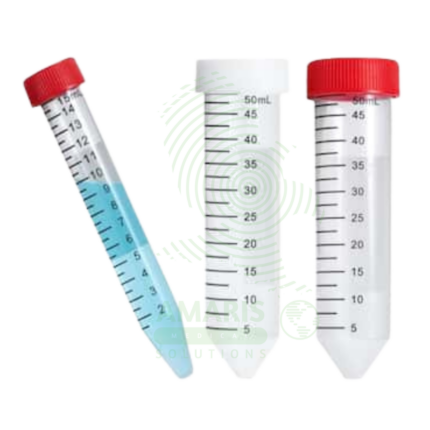
Centrifuge Tubes
Centrifuge Tubes are specialized disposable containers (polypropylene) designed to withstand high centrifugal forces (up to 30,000 x g) for separating biological fluids based on density. Available in microcentrifuge sizes (0.2-2.0 mL), conical tubes (15 mL, 50 mL), and larger volumes (100-500 mL). Features include leak-proof screw caps with O-rings (conical tubes), snap caps (microcentrifuge tubes), graduated volume markings, writing areas, and sterile/non-sterile options. Certified RNase/DNase-free, pyrogen-free, and autoclavable. Primary clinical applications include blood component separation (serum/plasma), urine sediment preparation, microbiology sample concentration, molecular biology (DNA/RNA extraction), cell culture processing, protein/enzyme analysis, and viral load testing. Critical safety precautions include never exceeding maximum RCF rating, proper balancing by weight, secure cap tightening, inspection for cracks, and disposal as biohazardous waste. Essential consumable in every clinical, research, and industrial laboratory.
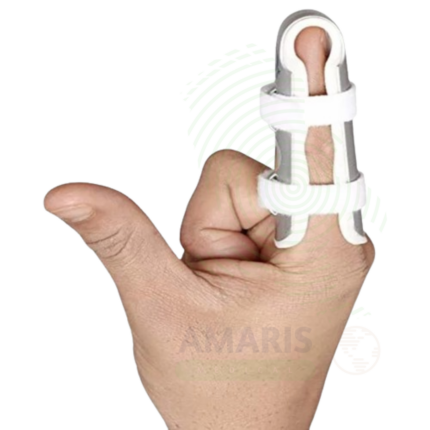
Finger Cot
A Finger Cot is a small, finger-shaped protective covering used to protect minor finger wounds, diabetic ulcers, surgical incisions, and amputation stumps, as well as to provide barrier protection for healthcare workers and laboratory personnel. Made from latex, nitrile, vinyl, or silicone, it provides a comfortable, secure fit while protecting the finger from contamination, moisture, friction, and irritants. Available in various sizes, materials, and sterile or non-sterile versions. Latex-free options are available for individuals with latex allergy.
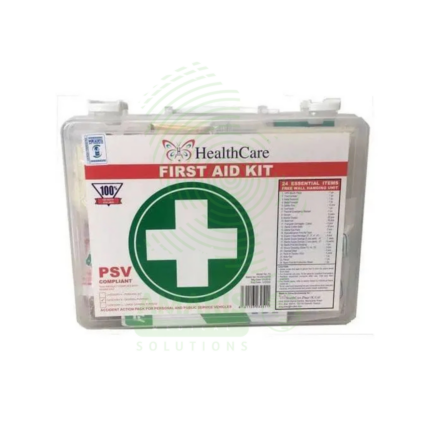
First Aid Kit
A First Aid Kit is an organized collection of medical supplies and equipment for providing initial care in emergency situations, available in various sizes and configurations for home, workplace, vehicle, travel, and specialized applications. Kits range from personal pouches (0.5-2 L) to comprehensive workplace cabinets (5-35 L) with soft-sided bags, hard cases, or wall-mounted containers. Contents are typically organized to meet regional standards (ANSI/ISEA Z308.1, CSA Z1220, BS 8599, DIN 13157/13169) and include wound care supplies (bandages, gauze, tape), antiseptics, burn care, eye care, emergency items (CPR mask, cold packs, foil blanket), instruments (scissors, tweezers), and PPE (gloves). Class A kits provide minimum supplies for low-hazard workplaces; Class B kits offer expanded quantities for high-hazard environments. Primary clinical applications include immediate treatment of minor injuries (cuts, abrasions, burns, sprains), bleeding control, wound care, fracture immobilization, and emergency assessment. Essential safety equipment for every home, workplace, vehicle, and public facility, providing critical medical supplies until professional care arrives.
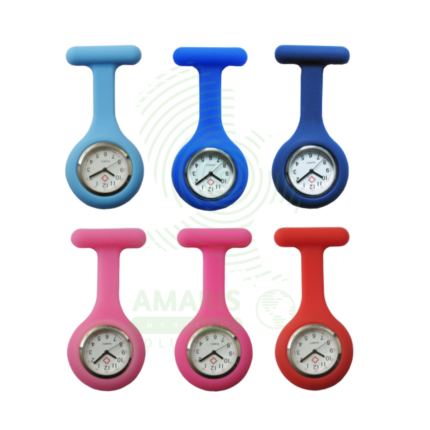
Nurse Watch
A Nurse Watch is a professional-grade analog wristwatch specifically designed for clinical use. Its hallmark is a built-in "pulsometer" scale that allows for rapid, on-the-spot calculation of a patient's heart rate by timing pulses over a short interval. Featuring a high-contrast dial with a clear sweep second hand, durable water-resistant construction, and a cleanable band, it is engineered for accuracy, legibility, and infection control in healthcare settings. It is an indispensable personal tool for nurses, enabling precise measurement of vital signs, timing of medications and procedures, and accurate clinical documentation throughout the shift.
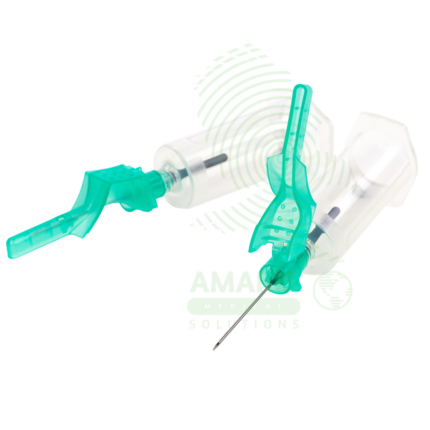
SAFE SERIES Blood Collection Needles
The SAFE SERIES (AM-SAFE) by Beijing Precil (Mindray subsidiary) is a comprehensive line of safety-engineered blood collection devices designed to prevent accidental needlestick injuries in healthcare workers. The series includes venous blood collection needles (AM-SAFE-V), standard safety needles (AM-SAFE1), winged infusion sets/butterfly needles (AM-SAFE2), high-gauge thin-wall needles for fragile veins (AM-SAFE3), premium coated needles for enhanced patient comfort (AM-GOLD), and nurse-friendly one-handed safety variants (AM-NURSE). All devices incorporate integral safety mechanisms that shield the contaminated needle immediately after withdrawal, complying with OSHA Needlestick Safety and Prevention Act requirements. Available in various gauges (18G-25G) and configurations for routine venipuncture, difficult vein access, pediatric/geriatric patients, and frequent blood draws. Sterile, single-use, latex-free, and color-coded for easy gauge identification. Essential safety devices for blood collection in hospitals, clinics, laboratories, and home healthcare settings.
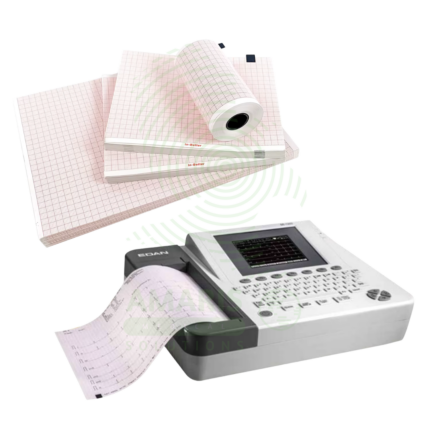
Thermal Printing Paper Roll
Thermal Printing Paper Roll is a heat-sensitive recording medium used with medical monitoring and diagnostic equipment including ECG machines, fetal monitors, ultrasound printers, and telemetry systems. The paper produces high-contrast, permanent images of physiological waveforms and data when passed over the printer's thermal head. Available in various widths, lengths, and grid patterns to match specific device requirements, it is an essential consumable for creating hard copy records for patient charts, consultation, and legal documentation. Proper storage away from light, heat, and moisture is essential to preserve image quality. BPA-free and archival-grade options are available for specific applications.
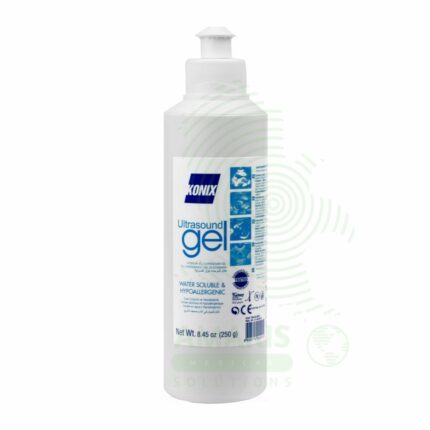
Ultrasound Gel
Ultrasound Gel is a water-based, hypoallergenic, acoustically conductive coupling medium essential for diagnostic and therapeutic ultrasound procedures. It eliminates air pockets between the transducer and skin, creating an efficient acoustic pathway for sound wave transmission and reception. Formulated to match the acoustic impedance of human tissue, it ensures high-quality imaging while providing lubrication for smooth probe movement and patient comfort. Available in standard, sterile, and hypoallergenic formulations, it is a single-use consumable critical for all ultrasound examinations. Proper storage, handling, and selection of appropriate sterile versus non-sterile formulations are essential for patient safety and image quality.