Dermatoscope and Magnifiers
 Diagnostic Kits
 Vital Signs Monitors
 Stethoscopes and Accessories
 Otoscopes, Ophthalmoscopes, and Retinoscopes
 Reflex Hammers and Neurological Tools
 Scales and Measuring Devices
 Spirometers and Pulmonary Function Tests
 Electrosurgical Units and Accessories
 Cutting Instruments
 Grasping and Holding Instruments
 Hemostatic Instruments
 Specialized Surgical Sets
 Single-Use Procedure Trays and Packs
 Surgical Drapes, Gowns, and Covers
 Tissue Unifying Instruments
 Radiation Protection
 X-Ray Machines and Accessories
 Ultrasound Systems and Probes
 MRI and CT Scanners
 Radiology Consumables
 Bone Densitometers
 Fluoroscopy Equipment
 Imaging Tables and Positioning Aids
 Microscopes and Accessories
 Centrifuges and Separators
 Analyzers
 Incubators and Ovens
 Pipettes, Dispensers, and Lab Glassware
 Refrigerators, Freezers, and Storage Units
 Lab Consumables
 Sterilizers and Autoclaves for Lab Use
 Multi-Parameter Monitors
 Ventilators and Respiratory Support Devices
 Defibrillators and AEDs
 Infusion Pumps and IV Systems
 Patient Warmers and Cooling Devices
 Central Monitoring Stations
 Accessories
 Anesthesia Machines and Workstations
 Oxygen Concentrators and Delivery Systems
 Nebulizers and Inhalers
 CPAP/BiPAP Machines
 Airway Management
 Anesthesia Masks, Circuits, and Bags
 Humidifiers and Heaters
 Respiratory Therapy Accessories
 First Aid Kits and Cabinets
 Emergency Resuscitation Equipment
 Trauma Supplies
 Emergency Carts and Crash Carts
 Burn Care Products
 Bleeding Control
 Automated External Defibrillators (AEDs)
 Transport and Evacuation
 Wheelchairs and Accessories
 Walkers, Crutches, and Canes
 Prosthetics and Orthotics
 Physical Therapy Equipment
 Transfer Devices
 Bathroom Safety
 Orthopedic Traction and Tables
 Hot/Cold Therapy Packs and Units
 Beds and Mattresses
 Chairs and Stools
 Tables
 Cabinets and Storage
 Privacy Screens & Curtains
 Stands and Racks
 Linens and Textiles
 Lighting
 Autoclaves and Sterilizers
 Ultrasonic Cleaners
 Disinfectant Solutions and Wipes
 Sterilization Pouches, Wraps, and Indicators
 Instrument Trays and Containers
 UV and Ozone Disinfection Devices
 Washer Disinfectors
 Wound Care
 Gloves
 Masks and Respirators
 Catheters and Tubing
 Swabs, Applicators, and Sponges
 Incontinence Products
 Personal Protective Equipment (PPE)
 Dental Chairs and Units
 Handpieces and Burs
 Instruments
 Consumables
 Sterilization for Dental Use
 Orthodontic Supplies
 Endodontic Tools
 Slit Lamps and Tonometers
 Lensometers and Phoropters
 Ophthalmic Surgical Instruments
 Eyewear Frames and Lenses
 Contact Lens Supplies
 Vision Testing Charts and Devices
 Eye Care Consumables
 Laser Systems for Eye Care
 ENT Exam Chairs and Tables
 Endoscopes
 Audiometers and Hearing Tests
 ENT Instruments
 Nasal and Throat Packs
 Hearing Aids and Accessories
 Otology Supplies
 Fetal Dopplers and Monitors
 Delivery Beds and Tables
 Gynecological Instruments
 Neonatal Incubators and Warmers
 Breast Pumps and Accessories
 Contraceptive Devices
 Maternity Supports and Pads
 Neonatal Consumables
 Cystoscopes and Urethroscopes
 Dialysis Machines and Supplies
 Urological Catheters and Bags
 Lithotripters
 Prostate Treatment Devices
 Urinary Incontinence Products
 Kidney Stone Management Tools
 Consumables & Disposables
 EEG and EMG Machines
 Neurosurgical Instruments
 Nerve Stimulators
 Headrests and Positioning Aids
 Lumbar Puncture Kits
 Seizure Monitoring Devices
 Consumables
 Rehabilitation for Neurological Conditions
 ECG Machines and Accessories
 Holter Monitors
 Stress Test Systems
 Pacemakers and Defibrillator Accessories
 Vascular Access Devices
 Cardiac Catheters and Guidewires
 Blood Flow Meters
 Consumables
 Orthopedic Instruments
 Casts, Splints, and Padding
 Joint Replacement Supplies
 Prosthetic Limbs and Components
 Bone Grafts and Substitutes
 Traction Devices
 Orthopedic Braces and Supports
 Rehabilitation Aids for Orthopedics
 Home Oxygen Therapy
 Hospital Beds for Home Use
 Mobility Aids
 Bathroom and Daily Living Aids
 Wound Care for Home
 Monitoring Devices
 Enteral Feeding Pumps and Tubes
 Hand Sanitizers and Dispensers
 Face Shields and Goggles
 Isolation Gowns and Suits
 Biohazard Waste Containers
 Air Purifiers and HEPA Filters
 Surface Disinfectants
 Sharps Containers
 Protective Barriers
 Cardiovascular & Endurance Training
 Strength Training & Weightlifting
 Functional Training & Core Conditioning
 Physical Therapy & Rehabilitation
 Sports & Outdoor Recreation
 Gym Flooring & Facility Equipment
 Fitness Monitoring & Accessories
 Kids & Novelties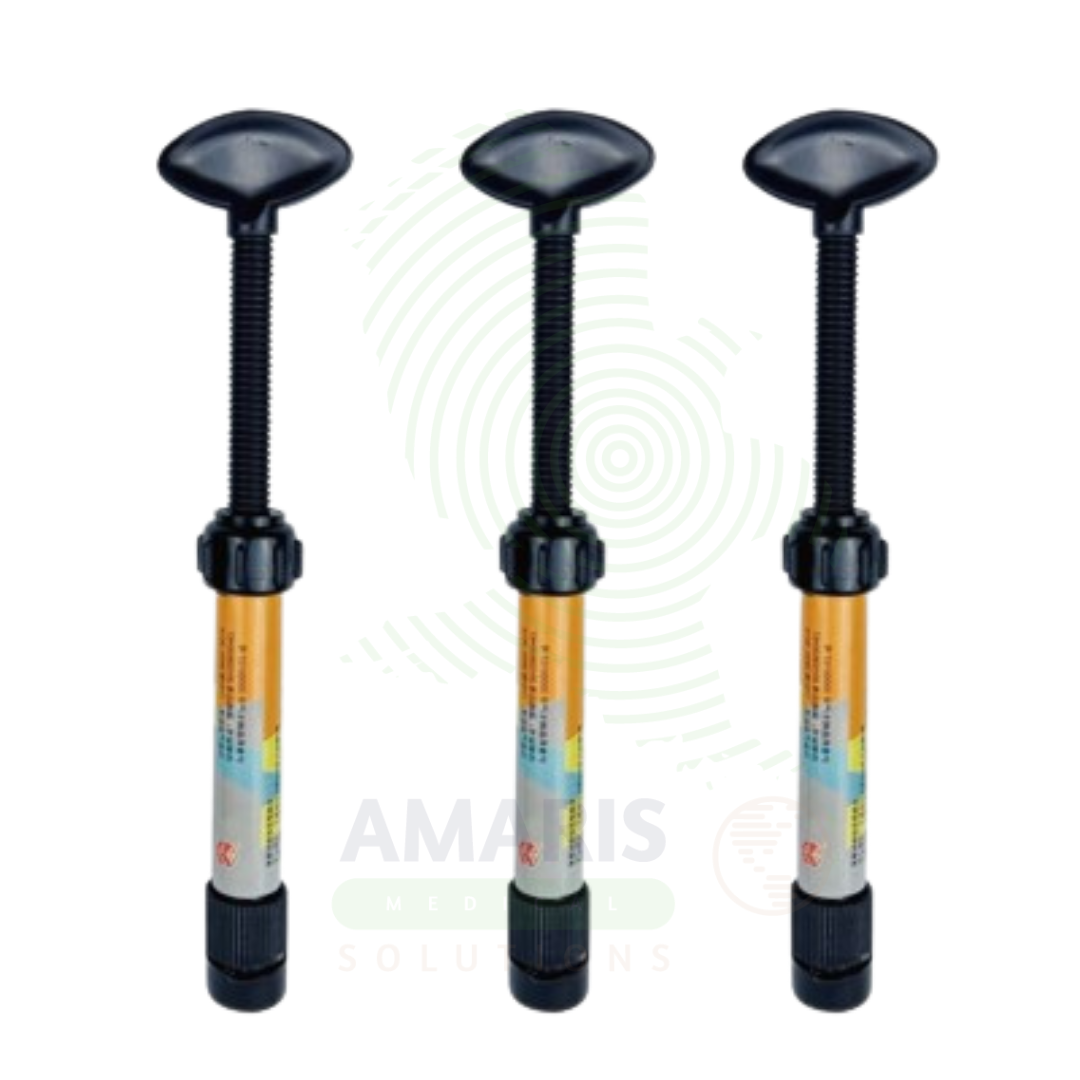
Composite Filling Materials
$1.00
WhatsApp Order
Composite Filling Materials are tooth-colored, light-cured resin-based materials used for direct dental restorations. They are the standard of care for treating cavities, repairing fractures, and performing cosmetic enhancements due to their excellent aesthetics, adhesive properties, and durability. Available in various viscosities and formulations (hybrid, nano, bulk-fill), their successful use is highly technique-sensitive, requiring impeccable moisture control, strict adherence to adhesive bonding protocols, and proper incremental placement and curing. They have largely replaced dental amalgam for most applications, offering a strong, durable, and esthetic solution that conserves tooth structure.
Description
Composite Filling Materials
PRIMARY CLINICAL & DIAGNOSTIC USES
1. Direct Restoration of Carious Lesions (Cavities)
-
Primary Use: Restores teeth damaged by decay by placing the composite directly into the prepared cavity, shaping, and curing it to replace lost tooth structure, restoring function and morphology.
-
How it helps: For the dentist, composite materials provide a versatile, adhesive restorative that bonds directly to tooth structure—allowing for conservative cavity preparations and predictable results. For the patient, composite restorations offer a natural-looking, tooth-colored alternative that blends seamlessly with their natural teeth.
2. Repair of Fractured Teeth
-
Primary Use: Used to rebuild the corners of broken teeth or repair cracks, restoring aesthetics and strength to damaged anterior and posterior teeth.
-
How it helps: For the clinician, composite provides an immediate, conservative solution for fractured teeth—restoring form and function in a single appointment without the need for crowns. For the patient, this means a fractured tooth can be repaired quickly and aesthetically, often in a single visit.
3. Esthetic Cosmetic Dentistry
-
Primary Use: Used for procedures such as direct composite veneers to improve the shape, color, and alignment of anterior teeth, closing diastemas (gaps), and masking discoloration without extensive tooth reduction.
-
How it helps: For the cosmetic dentist, composite materials offer a minimally invasive option for enhancing anterior aesthetics—achieving dramatic results with little to no tooth reduction. For the patient, this means improved smile aesthetics with a conservative, cost-effective approach compared to porcelain veneers or crowns.
4. Replacement of Failed or Defective Restorations
-
Primary Use: Used to replace old, leaking, or discolored amalgam (silver) fillings with tooth-colored, adhesive restorations that bond to tooth structure.
-
How it helps: For the dentist, replacing amalgam with composite allows for preservation of more healthy tooth structure through adhesive bonding, while eliminating the aesthetic and mercury concerns associated with silver fillings. For the patient, this means a more natural appearance and confidence that their restoration is both functional and aesthetically pleasing.
5. Minimally Invasive Dentistry
-
Primary Use: Due to their adhesive properties, composites allow for more conservative cavity preparations, preserving healthy tooth structure compared to traditional materials that require mechanical retention.
-
How it helps: For the clinician, adhesive composites enable tooth-preserving preparations that maintain the structural integrity of the remaining tooth. For the patient, this means more of their natural tooth structure is preserved, leading to stronger, longer-lasting restorations.
6. Layered Shade Matching for Natural Aesthetics
-
Primary Use: Multiple shades of composite allow for layered placement that mimics the natural translucency, opacity, and color gradients of natural teeth, achieving lifelike restorations.
-
How it helps: For the dentist, layered composite techniques enable precise shade matching and natural esthetics—creating restorations that are virtually indistinguishable from natural teeth. For the patient, this results in a restoration that blends seamlessly with their smile.
7. Direct Composite Veneers for Smile Enhancement
-
Primary Use: Composite materials are applied directly to the facial surface of anterior teeth to improve shape, color, and alignment, often without the need for tooth reduction.
-
How it helps: For the cosmetic dentist, direct composite veneers offer a same-day, minimally invasive option for smile enhancement. For the patient, this means an improved smile in a single appointment with no laboratory fabrication time.
8. Closing Diastemas and Correcting Tooth Shape
-
Primary Use: Used to close gaps between teeth (diastemas) and reshape misshapen teeth using additive techniques that preserve natural tooth structure.
-
How it helps: For the clinician, composite provides a predictable, reversible option for correcting spacing and contour irregularities. For the patient, this means a more balanced smile without the need for orthodontics or extensive tooth reduction.
9. Masking Discoloration and Intrinsic Stains
-
Primary Use: Opaque and high-value composite shades can mask intrinsic discoloration from tetracycline staining, fluorosis, or trauma without the need for full-coverage crowns.
-
How it helps: For the dentist, composite offers a conservative solution for masking deep stains that would otherwise require veneers or crowns. For the patient, this means improved tooth color with minimal tooth reduction.
10. Adhesive Bonding for Enhanced Retention
-
Primary Use: Composite materials bond directly to enamel and dentin through adhesive systems, providing micromechanical retention that distributes stress and seals the restoration interface.
-
How it helps: For the clinician, adhesive bonding eliminates the need for traditional mechanical undercuts—preserving healthy tooth structure and providing a sealed margin that prevents microleakage. For the patient, this means a restoration that is less likely to fail at the margins and more resistant to recurrent decay.
11. Repair of Amalgam and Other Restorations
-
Primary Use: Used to repair defective margins, chips, or fractures in existing amalgam, composite, or porcelain restorations without full replacement.
-
How it helps: For the dentist, composite repair extends the life of existing restorations—preserving healthy tooth structure and reducing treatment time. For the patient, this means a less invasive, more cost-effective solution for maintaining existing restorations.
12. Surface Texture and Anatomical Contouring
-
Primary Use: Allows precise carving and contouring to replicate natural anatomical features including cusps, ridges, and fissures, ensuring proper occlusion and aesthetics.
-
How it helps: For the clinician, the sculptable nature of composite allows creation of anatomically accurate restorations that fit seamlessly into the occlusion. For the patient, this means a restoration that feels natural and functions properly.
13. Immediate Light Curing
-
Primary Use: Light-cured composites harden instantly upon exposure to a curing light, allowing for immediate finishing and polishing without patient waiting time.
-
How it helps: For the dentist, immediate curing enables efficient, single-appointment restorations with predictable outcomes. For the patient, this means their restoration is completed in a single visit with no waiting for material to set.
14. Polishing for Long-Term Aesthetics
-
Primary Use: Composite restorations can be finished and polished to a high luster that resists staining and maintains surface smoothness, preserving aesthetics over time.
-
How it helps: For the clinician, proper finishing and polishing techniques produce restorations that resist plaque accumulation and maintain their appearance. For the patient, this means a restoration that stays smooth, stain-resistant, and aesthetically pleasing for years.
SECONDARY & SUPPORTIVE USES
1. Core Build-Up: Used to build up a broken-down tooth structure to provide a foundation for a crown (cap). For the dentist, composite core build-ups provide a strong, adhesive foundation; for the patient, this means the tooth can be restored with a crown rather than being extracted.
2. Pit and Fissure Sealants: Flowable composite materials are used as sealants to prevent decay in the deep grooves of posterior teeth, especially in children. For the clinician, sealants provide a preventive measure against occlusal caries; for the patient, this means reduced risk of cavities in high-risk areas.
3. Temporary Restorations: Can be used as a temporary restoration material while permanent restorations are being fabricated. For the dentist, composite provides an esthetic, durable temporary option; for the patient, this means a more natural appearance during the waiting period.
4. Repair of Porcelain or Composite Restorations: Used to repair small chips or defects in existing crowns, bridges, or veneers. For the clinician, this extends the life of existing restorations; for the patient, it avoids the cost and time of complete replacement.
5. Gingival Masking: In cases of gingival recession, composite can be applied to the root surface to mask exposed, discolored root structure. For the dentist, this provides an esthetic solution for root exposure; for the patient, it improves smile aesthetics and reduces root sensitivity.
6. Implant Abutment Masking: Used to mask the dark color of metal implant abutments in the esthetic zone, improving the appearance of implant-supported crowns. For the clinician, this enhances the esthetic outcome; for the patient, it ensures a natural-looking implant restoration.
KEY PRODUCT FEATURES
1. BASIC IDENTIFICATION ATTRIBUTES
-
Type: A tooth-colored, photo-polymerizable resin-based material used for direct dental restorations.
-
Designation: Dental Composite Resin, Composite Resin, or simply Composite.
-
Common Classifications:
-
By Filler Size/Load:
-
Microfilled Composite: Contains very small silica particles (0.04μm). Highly polishable, excellent for anterior esthetics, but lower strength.
-
Hybrid Composite: Contains a mixture of glass filler particles of different sizes (e.g., 0.04μm to 1μm). Good balance of strength, wear resistance, and polishability. The most versatile and commonly used type.
-
Nanofilled/Nanohybrid Composite: Incorporates nano-sized filler particles. Offers superior polishability and shine retention, along with excellent strength. A modern standard for both anterior and posterior use.
-
Bulk-Fill Composite: Formulated to be placed and cured in increments of 4-5mm, rather than the traditional 2mm, to save time. Available in flowable and sculptable viscosities.
-
-
By Viscosity:
-
Packable (Posterior Sculptable): Thick, putty-like consistency for building occlusal surfaces.
-
Universal (Flowable Sculptable): Medium viscosity, versatile for most situations.
-
Flowable: Low viscosity, flows into small cavities and areas, used for lining, sealing, and small Class V restorations.
-
-
2. TECHNICAL & PERFORMANCE PROPERTIES
-
Composition:
-
Resin Matrix: Usually Bis-GMA, UDMA, or similar dimethacrylate monomers.
-
Filler: Inorganic particles (e.g., silica, zirconia, barium glass) that provide strength, wear resistance, and reduce polymerization shrinkage.
-
Coupling Agent: A silane coating on the filler particles that bonds them to the resin matrix.
-
Photoinitiator: Typically Camphorquinone (CQ), which absorbs blue light (~470 nm) to start the polymerization (hardening) reaction.
-
-
Key Properties:
-
Polymerization Shrinkage: The material shrinks slightly as it cures, which can stress the tooth and lead to marginal leakage or sensitivity. Modern formulations aim to minimize this.
-
Depth of Cure: The maximum thickness that can be effectively polymerized by the curing light (typically 2mm for conventional composites, 4-5mm for bulk-fill).
-
Wear Resistance: Critical for restorations in load-bearing posterior teeth.
-
Polishedbility & Esthetics: Ability to achieve a smooth, enamel-like surface and match tooth color/shade.
-
3. PHYSICAL & OPERATIONAL PROPERTIES
-
Presentation: Supplied in syringes, compules (single-dose capsules), or pots/jars.
-
Shade System: Matched to standard dental shade guides (e.g., Vita Classical, Vita 3D-Master).
-
Opaquers/Dentin Shades: For body of the restoration.
-
Enamel/Incical Shades: For final translucent layer to mimic natural enamel.
-
-
Curing Requirement: Must be polymerized with a dental curing light (LED or halogen) for a specified time (typically 10-40 seconds per increment).
4. SAFETY & COMPLIANCE ATTRIBUTES
-
Regulatory Status: Class II medical device.
-
Biocompatibility: Must be non-toxic, non-irritating, and safe for permanent placement in the oral environment.
-
BPA Concerns: Most modern composites are formulated to be BPA-free.
-
-
Handling Precautions: Unpolymerized resin monomers can be skin irritants. Dentists and assistants should wear gloves. Adequate ventilation is recommended when handling in bulk.
5. STORAGE & HANDLING ATTRIBUTES
-
Storage: Store in a cool, dark place as recommended by the manufacturer. Light exposure can cause premature setting.
-
Shelf Life: Has an expiration date. Old material may not polymerize properly.
-
Dispenser Care: Keep syringe tips and compule nozzles clean to prevent clogging.
6. LABORATORY & CLINICAL APPLICATIONS
-
Primary Application: The material of choice for direct tooth-colored restorations in virtually every general dental practice, pediatric dentistry, and cosmetic dental clinic.
-
Technique-Sensitive: Success requires strict adherence to adhesive bonding protocols, moisture control, proper layering, and adequate curing.
SAFETY HANDLING PRECAUTIONS
1. SAFETY PRECAUTIONS
-
Adhesive Protocol (CRITICAL): Composite does not stick to tooth structure by itself. It requires a separate dental adhesive (bonding agent) system (etch, prime, bond) to form a micromechanical and sometimes chemical bond to the tooth. Failure to follow the adhesive protocol meticulously will lead to restoration failure, leakage, and recurrent decay.
-
Moisture Control: The operating field must be kept completely dry (using a rubber dam or effective isolation) during placement and curing, as saliva or blood contamination will compromise the bond.
-
Incremental Layering and Curing: To ensure complete polymerization and minimize shrinkage stress, material must be placed and cured in layers not exceeding the recommended depth (usually 2mm, or per bulk-fill instructions).
-
Eye Protection: The intense blue light from the curing lamp can be harmful to the eyes. Patients and staff must wear protective orange-tinted glasses.
2. FIRST AID MEASURES
-
Skin Contact with Unpolymerized Material: Wash thoroughly with soap and water.
-
Eye Contact: Rinse immediately with plenty of water for several minutes. Seek medical advice if irritation persists.
-
Ingestion (Uncured): Unlikely but if swallowed, rinse mouth. Do not induce vomiting. Seek medical attention.
3. FIRE FIGHTING MEASURES
-
Flammability: Resin components are combustible.
-
Extinguishing Media: Use water, foam, or CO₂ as appropriate for the surrounding fire.
Related products

Cotton Rolls
Cotton Rolls are sterile or non-sterile, single-use cylinders of 100% purified, highly absorbent cotton, most commonly used in dentistry for moisture control and oral isolation. Placed in the buccal vestibule or sublingually, they absorb saliva and blood, creating a dry operative field essential for adhesive restorations, impressions, and minor surgical procedures. Standard dimensions are 1.5 inches in length and 0.5 inches in diameter, with jumbo, pediatric, tapered, and banded variants available. Critical performance properties include high absorbency (20-25x fluid weight), wet strength, and low-linting. Sterile rolls are required for surgical procedures contacting open wounds. Strict single-use protocol and careful count/retrieval are mandatory to prevent aspiration hazards. An indispensable, high-volume consumable in dental practice.
Dental Napkins
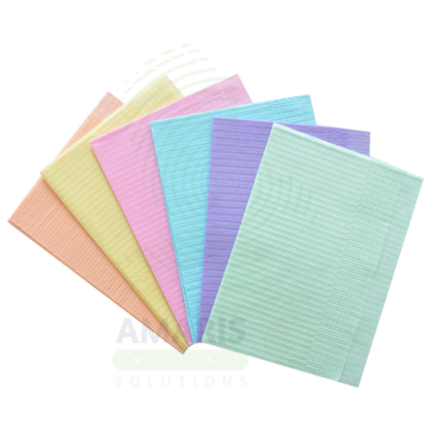
Dental Napkins are sterile or non-sterile, disposable absorbent pads (typically 2"x2") made of non-woven cellulose or gauze. They are a fundamental consumable in dentistry used primarily for intraoral isolation and moisture control. By absorbing saliva, water, and blood, they keep the operative field dry, enhance visibility, protect soft tissues, and significantly improve patient comfort during procedures. Their secure placement and strict single-use protocol are critical for safety and infection prevention.
Dental Needles
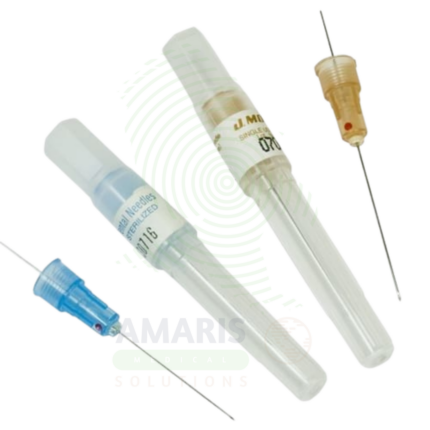
Dental Needles are sterile, single-use hypodermic needles specifically designed for the administration of local anesthesia in dentistry. Characterized by their gauge (diameter) and length, they are selected to target specific nerves (e.g., long 27G for mandibular blocks, short 30G for infiltrations). Their primary functions are to penetrate oral tissue precisely, allow for aspiration to ensure safe extravascular placement, and deliver anesthetic solution. As sharps, their safe handling and immediate disposal in a designated container are paramount to prevent needlestick injuries and cross-contamination, making them a critical safety-focused consumable in dental practice.
Dental X-ray Machine
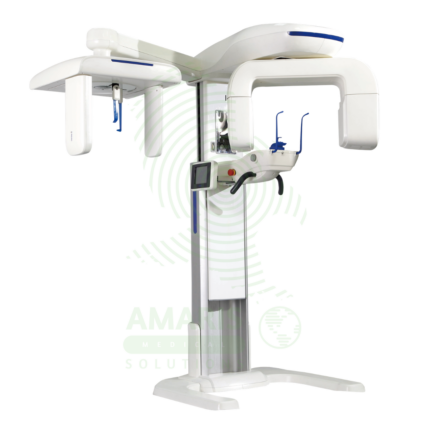
A Dental X-ray Machine is a specialized radiographic system designed for imaging teeth, jaws, and facial structures. It encompasses intraoral units for detailed tooth-specific views, panoramic machines for wide screening shots, and advanced Cone Beam CT (CBCT) scanners for 3D surgical planning. Utilizing low-dose radiation and digital imaging technology, it is indispensable for diagnosing cavities, gum disease, infections, and planning treatments like implants, orthodontics, and oral surgery. Its safe operation requires strict adherence to radiation protection protocols, including the use of lead aprons, proper collimation, and operator training to ensure patient and staff safety while obtaining critical diagnostic information.
Endodontic Files, Broaches, & Points
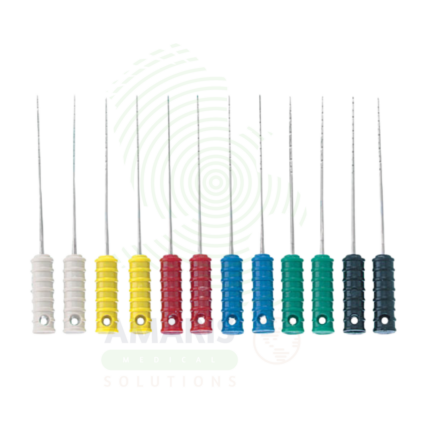
Endodontic Files, Broaches, & Points are the essential single-use instruments and materials for root canal therapy. Files (hand and rotary) clean and shape the intricate root canal system, while broaches remove pulp tissue. Gutta-percha points are then used with sealer to permanently obturate (fill) the canal, sealing it against infection. Made from stainless steel or flexible Nickel-Titanium, their use demands precision to avoid complications like instrument separation or canal perforation. Mandatory single-use and disposal, along with strict adherence to aseptic technique under rubber dam isolation, are fundamental to safe and effective endodontic treatment.
Panoramic X-ray Dental Machine
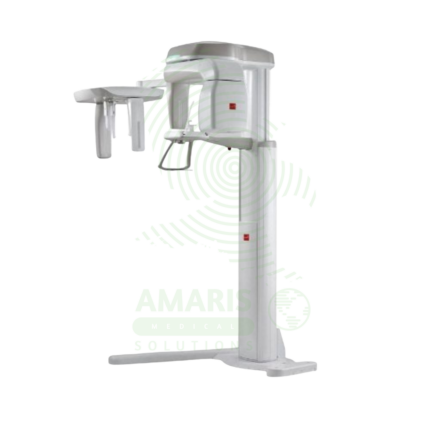
A Panoramic X-ray Dental Machine is a rotating extraoral radiographic system that produces a single, broad 2D image of the entire jaws, teeth, TMJs, and sinuses. By focusing on a curved "focal trough," it provides an efficient screening tool for wisdom teeth evaluation, orthodontic planning, and detecting large jaw pathologies. While offering a valuable overview with a relatively low radiation dose, its diagnostic utility is entirely dependent on precise patient positioning to avoid blurring and distortion. It is a cornerstone of modern dental diagnostic imaging, serving as a crucial first step in comprehensive oral assessment and treatment planning.

Prophylaxis Paste, Brushes, & Cups
Prophylaxis Paste, Brushes & Cups constitute a complete system for professional tooth polishing during a dental prophylaxis. The paste, available in various abrasiveness levels and often fluoridated, works with a slow-speed handpiece fitted with a rubber cup (for smooth surfaces) or brush (for grooves) to remove plaque, biofilm, and extrinsic stains, leaving teeth clean and smooth. This final polishing step is crucial for oral health, aesthetics, and caries prevention. The procedure requires skill to avoid enamel damage and soft tissue injury, and strict infection control is maintained through the use of single-patient disposable components or sterilizable attachments.