Dermatoscope and Magnifiers
 Diagnostic Kits
 Vital Signs Monitors
 Stethoscopes and Accessories
 Otoscopes, Ophthalmoscopes, and Retinoscopes
 Reflex Hammers and Neurological Tools
 Scales and Measuring Devices
 Spirometers and Pulmonary Function Tests
 Electrosurgical Units and Accessories
 Cutting Instruments
 Grasping and Holding Instruments
 Hemostatic Instruments
 Specialized Surgical Sets
 Single-Use Procedure Trays and Packs
 Surgical Drapes, Gowns, and Covers
 Tissue Unifying Instruments
 Radiation Protection
 X-Ray Machines and Accessories
 Ultrasound Systems and Probes
 MRI and CT Scanners
 Radiology Consumables
 Bone Densitometers
 Fluoroscopy Equipment
 Imaging Tables and Positioning Aids
 Microscopes and Accessories
 Centrifuges and Separators
 Analyzers
 Incubators and Ovens
 Pipettes, Dispensers, and Lab Glassware
 Refrigerators, Freezers, and Storage Units
 Lab Consumables
 Sterilizers and Autoclaves for Lab Use
 Multi-Parameter Monitors
 Ventilators and Respiratory Support Devices
 Defibrillators and AEDs
 Infusion Pumps and IV Systems
 Patient Warmers and Cooling Devices
 Central Monitoring Stations
 Accessories
 Anesthesia Machines and Workstations
 Oxygen Concentrators and Delivery Systems
 Nebulizers and Inhalers
 CPAP/BiPAP Machines
 Airway Management
 Anesthesia Masks, Circuits, and Bags
 Humidifiers and Heaters
 Respiratory Therapy Accessories
 First Aid Kits and Cabinets
 Emergency Resuscitation Equipment
 Trauma Supplies
 Emergency Carts and Crash Carts
 Burn Care Products
 Bleeding Control
 Automated External Defibrillators (AEDs)
 Transport and Evacuation
 Wheelchairs and Accessories
 Walkers, Crutches, and Canes
 Prosthetics and Orthotics
 Physical Therapy Equipment
 Transfer Devices
 Bathroom Safety
 Orthopedic Traction and Tables
 Hot/Cold Therapy Packs and Units
 Beds and Mattresses
 Chairs and Stools
 Tables
 Cabinets and Storage
 Privacy Screens & Curtains
 Stands and Racks
 Linens and Textiles
 Lighting
 Autoclaves and Sterilizers
 Ultrasonic Cleaners
 Disinfectant Solutions and Wipes
 Sterilization Pouches, Wraps, and Indicators
 Instrument Trays and Containers
 UV and Ozone Disinfection Devices
 Washer Disinfectors
 Wound Care
 Gloves
 Masks and Respirators
 Catheters and Tubing
 Swabs, Applicators, and Sponges
 Incontinence Products
 Personal Protective Equipment (PPE)
 Dental Chairs and Units
 Handpieces and Burs
 Instruments
 Consumables
 Sterilization for Dental Use
 Orthodontic Supplies
 Endodontic Tools
 Slit Lamps and Tonometers
 Lensometers and Phoropters
 Ophthalmic Surgical Instruments
 Eyewear Frames and Lenses
 Contact Lens Supplies
 Vision Testing Charts and Devices
 Eye Care Consumables
 Laser Systems for Eye Care
 ENT Exam Chairs and Tables
 Endoscopes
 Audiometers and Hearing Tests
 ENT Instruments
 Nasal and Throat Packs
 Hearing Aids and Accessories
 Otology Supplies
 Fetal Dopplers and Monitors
 Delivery Beds and Tables
 Gynecological Instruments
 Neonatal Incubators and Warmers
 Breast Pumps and Accessories
 Contraceptive Devices
 Maternity Supports and Pads
 Neonatal Consumables
 Cystoscopes and Urethroscopes
 Dialysis Machines and Supplies
 Urological Catheters and Bags
 Lithotripters
 Prostate Treatment Devices
 Urinary Incontinence Products
 Kidney Stone Management Tools
 Consumables & Disposables
 EEG and EMG Machines
 Neurosurgical Instruments
 Nerve Stimulators
 Headrests and Positioning Aids
 Lumbar Puncture Kits
 Seizure Monitoring Devices
 Consumables
 Rehabilitation for Neurological Conditions
 ECG Machines and Accessories
 Holter Monitors
 Stress Test Systems
 Pacemakers and Defibrillator Accessories
 Vascular Access Devices
 Cardiac Catheters and Guidewires
 Blood Flow Meters
 Consumables
 Orthopedic Instruments
 Casts, Splints, and Padding
 Joint Replacement Supplies
 Prosthetic Limbs and Components
 Bone Grafts and Substitutes
 Traction Devices
 Orthopedic Braces and Supports
 Rehabilitation Aids for Orthopedics
 Home Oxygen Therapy
 Hospital Beds for Home Use
 Mobility Aids
 Bathroom and Daily Living Aids
 Wound Care for Home
 Monitoring Devices
 Enteral Feeding Pumps and Tubes
 Hand Sanitizers and Dispensers
 Face Shields and Goggles
 Isolation Gowns and Suits
 Biohazard Waste Containers
 Air Purifiers and HEPA Filters
 Surface Disinfectants
 Sharps Containers
 Protective Barriers
 Cardiovascular & Endurance Training
 Strength Training & Weightlifting
 Functional Training & Core Conditioning
 Physical Therapy & Rehabilitation
 Sports & Outdoor Recreation
 Gym Flooring & Facility Equipment
 Fitness Monitoring & Accessories
 Kids & Novelties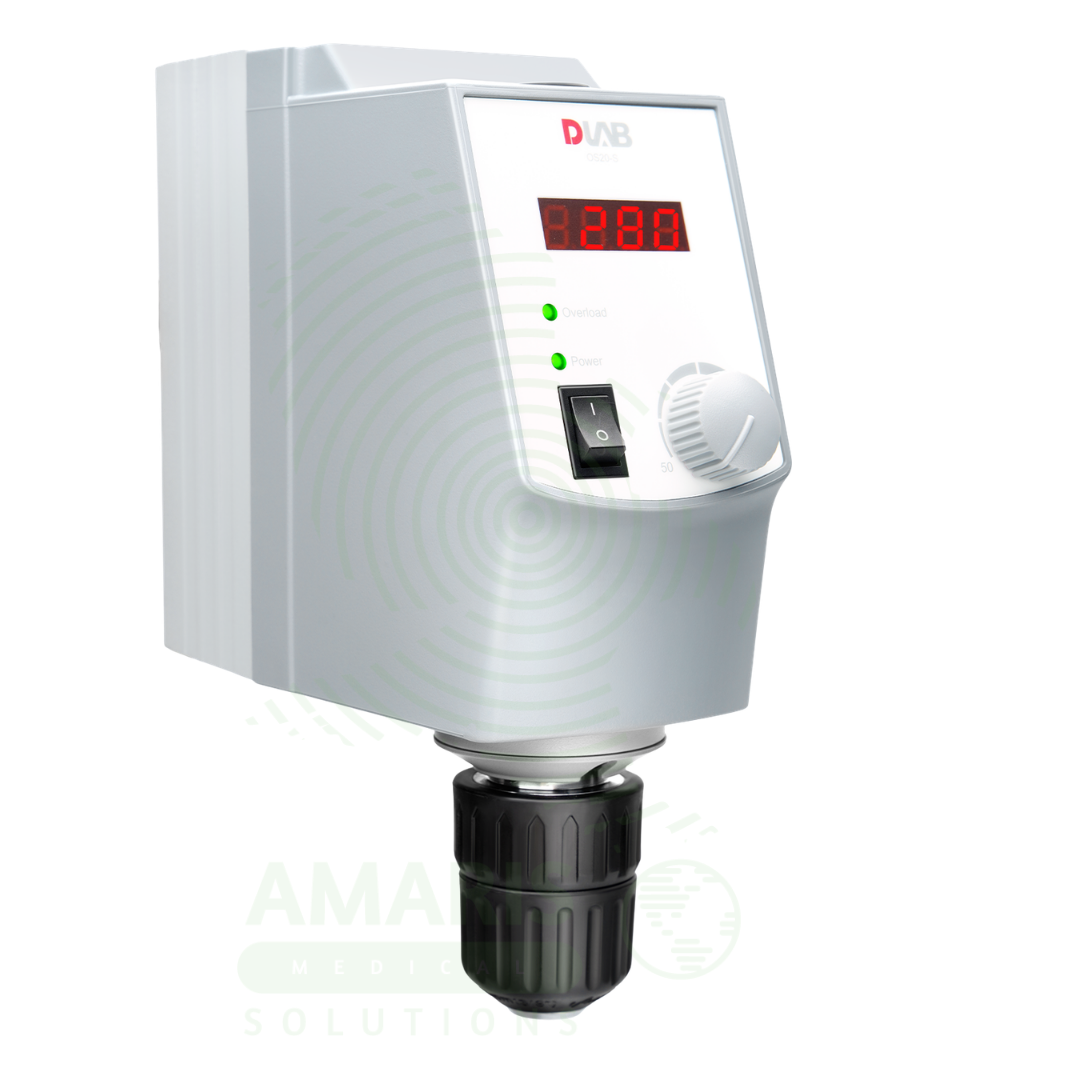
LED Overhead Stirrer (OS20-S)
WhatsApp Order
The LED Overhead Stirrer is an LED digital overhead mechanical stirrer featuring a brushless DC motor (60W input / 50W output), microprocessor-controlled speed regulation (50-2200 rpm), LED display for real-time speed monitoring, and overload protection with automatic motor stop, designed for high-viscosity (up to 10,000 mPa·s) and large-volume (up to 20 liters) mixing, homogenizing, and suspending applications in clinical diagnostic, pharmaceutical, and research laboratories .
Key features include a maintenance-free, explosion-proof brushless DC motor for quiet, long-lasting operation and safe use in volatile environments; through-shaft design for easy impeller height adjustment; anti-spill slow-start mechanism to prevent sample splashing; overload protection (LED indicator, automatic motor stop/standby) for equipment and sample safety; and compatibility with a wide range of stirrer shafts (0.5-10 mm chuck diameter) .
For the pharmaceutical formulation scientist and quality control chemist, the LED Overhead Stirrer supports mixing of creams, ointments, gels, and suspensions, API dissolution testing, and large-volume buffer and media preparation . For the clinical laboratory scientist, it facilitates bulk reagent preparation for immunoassays and clinical chemistry analyzers . For the analytical chemist, it enables precise mixing for chemical synthesis, polymerization, and organic synthesis workflows .
Universal voltage (100-240V, 50/60Hz) enables use in laboratories worldwide without voltage conversion, while the compact (83 × 220 × 186 mm) and lightweight (2.6 kg) design allows easy benchtop placement . The IP21/IP42-rated splash-resistant housing ensures safe operation in biosafety cabinets and fume hoods, including handling of biohazardous materials .
For the patient undergoing pharmaceutical therapy, the LED Overhead Stirrer precise speed control and overload protection ensure consistent formulation quality, batch-to-batch uniformity, and accurate API release testing—supporting the manufacturing of safe, effective medications . For patients requiring diagnostic testing, consistent reagent preparation across large batches reduces inter-run variability and improves the reliability of diagnostic test results across clinical chemistry, pharmaceutical QC, and analytical testing applications .
Description
LED Overhead Stirrer
PRIMARY CLINICAL & DIAGNOSTIC USES
1. High-Viscosity Sample Preparation for Pharmaceutical Formulations
-
Primary Use: Provides an LED digital overhead stirrer with brushless DC motor (60W input / 50W output), speed range 50-2200 rpm, and maximum viscosity handling of 10,000 mPa·s, designed for mixing, homogenizing, and suspending high-viscosity pharmaceutical formulations and active ingredients .
-
How it helps: For the pharmaceutical formulation scientist and quality control chemist, the LED Overhead Stirrer microprocessor-controlled speed regulation (accuracy ±1-3 rpm) and automatic torque adjustment (maximum 40 N·cm) ensure consistent mixing of creams, ointments, gels, and suspensions—critical for batch-to-batch uniformity and drug product quality. The LED display provides real-time speed monitoring for precise control . For the patient, consistent pharmaceutical formulation ensures that medications deliver the correct dosage and therapeutic effect with each use.
2. Large-Volume Clinical Sample Homogenization
-
Primary Use: Capable of stirring volumes up to 20 liters (water) with maximum torque of 40 N·cm, enabling large-batch preparation of reagents, buffers, and clinical samples for diagnostic testing workflows .
-
How it helps: For the clinical laboratory scientist and laboratory manager, the OS20-S’s large capacity (20L) and anti-spill slow-start feature allow efficient preparation of bulk reagents for immunoassays, clinical chemistry analyzers, and molecular diagnostics—reducing hands-on time and ensuring batch consistency. The universal voltage (100-240V, 50/60Hz) enables worldwide use . For the patient, consistent reagent preparation across large batches reduces inter-run variability and improves the reliability of diagnostic test results.
3. Overload Protection for Sample and Equipment Safety
-
Primary Use: Features overload protection with LED indicator and automatic motor stop, preventing damage to both the stirrer and the sample during high-viscosity or high-load stirring applications .
-
How it helps: For the clinical laboratory scientist and biosafety officer, the LED Overhead Stirrer overload protection (LED light indicator with automatic motor stop/standby) ensures that the stirrer automatically shuts down in case of excessive load or rotor blockage—preventing motor burnout and sample loss . For the patient, reliable equipment operation ensures uninterrupted sample processing, reducing delays in diagnostic result reporting.
4. Anti-Spill Slow-Start Mechanism for Safe Sample Handling
-
Primary Use: Features anti-spill slow-start mechanism (PC control system start-up with smooth acceleration) that prevents sample splashing and overflow during the initial stirring phase .
-
How it helps: For the clinical laboratory scientist handling valuable or hazardous biological samples, the LED Overhead Stirrer anti-spill slow-start mechanism gradually increases speed from zero to set point—preventing sample splashing, cross-contamination, and loss of valuable reagents or biohazardous materials . For the patient, slow-start operation protects sample integrity and reduces the risk of laboratory-acquired infections from aerosolized biohazardous materials.
5. Safe Handling of Biohazardous Materials
-
Primary Use: Features IP42 protection rating (splash-resistant), brushless DC motor (explosion-proof, maintenance-free), and safety circuit with automatic stop function, enabling safe handling of biohazardous materials in biosafety cabinets and fume hoods .
-
How it helps: For the clinical laboratory scientist and biosafety officer, the LED Overhead Stirrer IP42-rated, splash-resistant housing protects against accidental spills of infectious materials, while the brushless DC motor (maintenance-free, low noise, explosion-proof) ensures safe operation in volatile environments . For the patient, safe handling of biohazardous materials in clinical and research laboratories reduces the risk of laboratory-acquired infections and ensures sample integrity.
SECONDARY & SUPPORTIVE USES
1. Chemical Synthesis and Reaction Mixing: Used for stirring chemical reactions in organic synthesis, polymerization, and drug discovery workflows .
2. API Dissolution Testing: Supports stirring of dissolution media for active pharmaceutical ingredient (API) release testing in pharmaceutical quality control laboratories .
3. Cosmetic and Personal Care Product Formulation: Used for mixing creams, lotions, gels, and emulsions in cosmetic product development and quality control .
4. Food and Beverage Product Testing: Supports sample homogenization and ingredient mixing for food safety testing and nutritional analysis .
5. Paints, Coatings, and Inks Quality Control: Used for mixing and dispersion of pigments, resins, and additives in paint, coating, and ink manufacturing .
6. Petroleum and Petrochemical Sample Preparation: Supports mixing of oil, fuel, and lubricant samples for viscosity testing and quality analysis .
7. Biopharmaceutical Buffer and Media Preparation: Used for large-volume preparation of cell culture media, buffers, and purification solutions in biopharmaceutical manufacturing .
8. Environmental Sample Processing: Supports mixing of water, soil, and wastewater samples for pollutant analysis and environmental monitoring .
9. Polymer and Plastics Testing: Used for mixing polymer solutions, resins, and plastic additives for materials testing and quality control .
10. Adhesives and Sealants Formulation: Supports mixing of adhesives, epoxies, and sealants for product development and quality testing .
11. Pilot-Scale Production and Scale-Up: Used for small-batch production and scale-up studies in pharmaceutical, chemical, and food manufacturing pilot plants .
12. Debubbling and Degassing of Viscous Liquids: Supports gentle stirring to remove air bubbles from viscous solutions and gels .
13. Quality Control Testing of Raw Materials: Used for mixing of incoming raw material samples for identity, purity, and quality testing .
14. Research and Academic Laboratories: Provides reliable overhead stirring for diverse research applications in chemistry, biology, and materials science .
15. Veterinary Pharmaceutical Formulation: Supports mixing of veterinary drug formulations and medicated feeds for animal health testing .
16. Infection Control Disinfectant Production: Used for mixing bulk disinfectant solutions for healthcare facility infection control programs .
17. Healthcare Product Development: Supports stirring in R&D of new pharmaceutical treatments, vaccines, and healthcare products .
18. High-Volume Buffer Preparation for Clinical Analyzers: Used for preparing large volumes of wash buffers, reagent solutions, and calibrators for automated clinical chemistry and immunoassay analyzers .
19. Solubility Testing for Drug Development: Supports dissolution and mixing in drug solubility studies for new pharmaceutical compounds .
20. Formulation Stability Testing: Used for mixing stability samples in pharmaceutical QC laboratories for shelf-life determination .
KEY PRODUCT FEATURES
1. BASIC IDENTIFICATION ATTRIBUTES
-
Device Type: An LED digital overhead stirrer (overhead mechanical stirrer) with brushless DC motor, microprocessor control, and LED display, designed for high-viscosity and large-volume mixing, homogenizing, and suspending applications in clinical diagnostic, pharmaceutical, and research laboratories .
-
Designation: LED Overhead Stirrer, LED Digital Overhead Stirrer, Overhead Mechanical Stirrer, Laboratory Stirrer, DLAB LED Overhead Stirrer , LED Digital Electric Overhead Stirrer .
-
Key Components:
o Motor: Brushless DC motor (maintenance-free, explosion-proof, low noise) .
o Motor Power: 60W input / 50W output .
o Speed Control: Microprocessor-controlled, 50-2200 rpm .
o Display: LED digital display (actual speed monitoring) .
o Chuck: 0.5-10 mm chuck diameter for various stirrer shafts .
o Through-Shaft Design: Allows easy adjustment of impeller position .
o Safety Features: Overload protection (LED indicator, automatic motor stop), anti-spill slow-start mechanism, IP42 protection rating .
2. TECHNICAL & PERFORMANCE PROPERTIES
-
Maximum Stirring Capacity: 20 liters (H₂O) .
-
Maximum Viscosity: 10,000 mPa·s .
-
Maximum Torque: 40 N·cm .
-
Speed Range: 50 – 2,200 rpm .
-
Speed Display: LED digital display .
-
Speed Display Resolution: ±1 rpm .
-
Speed Control Accuracy: ±3 rpm .
-
Motor Type: Brushless DC motor (maintenance-free, low noise, explosion-proof) .
-
Motor Input Power: 60W .
-
Motor Output Power: 50W .
-
Total Power Consumption: 70W .
-
Chuck Diameter Range: 0.5 – 10 mm .
-
Voltage/Frequency: 100-240V, 50/60Hz (universal voltage) .
-
Dimensions (W × D × H): 83 × 220 × 186 mm .
-
Weight: 2.6 kg .
-
Protection Class: IP21 or IP42 (splash-resistant) .
-
Operating Temperature: 5-40°C .
-
Permissible Ambient Humidity: ≤80% RH .
-
Overload Protection: LED indicator lights, motor automatically stops .
-
Motor Protection: LED indicator lights, motor automatically stops .
-
Stirrer Shaft Compatibility: Through-shaft design accepts various stirrer shafts .
-
Accessories (Sold Separately): Universal plate stand (base + rod + clamp), various stirrer impellers (propeller, anchor, flat blade, PTFE-coated) .
3. PHYSICAL & OPERATIONAL PROPERTIES
-
Construction: Compact benchtop design with durable housing and through-shaft chuck for easy impeller height adjustment .
-
Display: LED digital display shows actual speed in real-time; overload protection LED indicator .
-
Control: Microprocessor-controlled with smooth acceleration; anti-spill slow-start mechanism prevents sample splashing; start/stop push-button; speed adjustment via rotary knob .
-
Operation Modes: Continuous operation (manual control) .
-
Motor Type: Brushless DC motor provides low noise (maintenance-free), explosion-proof operation, long life, and high reliability .
-
Chuck: High-capacity chuck (0.5-10 mm) accepts various stirrer shaft diameters; through-shaft design allows vertical positioning adjustment; self-locking chuck for quick shaft attachment .
-
Portability: Compact footprint (83 × 220 × 186 mm) and lightweight (2.6 kg) for easy benchtop placement .
-
Maintenance: Brushless DC motor requires no routine maintenance; chuck and shaft should be cleaned after each use; platform cleaning with detergent water or isopropyl alcohol .
4. SAFETY & COMPLIANCE ATTRIBUTES
-
Regulatory Status: General laboratory equipment for in vitro diagnostic use; meets applicable laboratory safety standards .
-
Safety Features: Overload protection (LED indicator and automatic motor stop/standby), anti-spill slow-start mechanism (PC control system start-up), IP21 or IP42 splash-resistant housing, automatic motor stop in case of anti-stall or overload condition .
-
Electrical Safety: Universal voltage (100-240V, 50/60Hz) for international use; 70W power consumption; earthed power connection recommended .
-
Motor Type: Brushless DC motor provides maintenance-free, quiet, stable operation with long service life and explosion-proof design .
-
Compliance: Suitable for use in chemical synthesis, pharmaceutical, physical and chemical analysis, petrochemical, cosmetics, health care, food, biotechnology, and research laboratories .
-
Operating Conditions: 5-40°C ambient temperature; ≤80% relative humidity; IP21/IP42-rated for splash protection .
5. STORAGE & HANDLING ATTRIBUTES
-
Storage: Store on clean, dry benchtop; protect from dust and moisture; store stirrer shafts separately when not in use .
-
Cleaning: Wipe drive unit housing with soft, damp cloth using neutral detergent; 70% ethanol solution may be used for surface disinfection; clean chuck and shaft after each use; do not immerse drive unit in liquid; disconnect power before cleaning; never spray cleaning solution inside the device .
-
Inspection: Inspect power cord for damage before each use; check chuck for wear or debris; verify shaft is securely tightened before operation; inspect stand stability before mounting .
-
Operation: Mount drive unit on appropriate stand (sold separately); select appropriate stirrer shaft for sample viscosity and volume; attach shaft to chuck and tighten securely (check chuck tightening before each use); immerse impeller into sample (ensure proper depth); set speed using rotary knob; start motor via push-button; monitor LED display for actual speed and overload indicator .
-
Speed Selection: Use lower speeds (50-500 rpm) for gentle mixing, delicate samples, and viscous materials; use medium speeds (500-1200 rpm) for general mixing and suspensions; use higher speeds (1200-2200 rpm) for high shear and emulsification .
-
Shaft Selection: Use propeller-style impellers for general mixing and fluid circulation; use anchor-style impellers for high-viscosity samples; use flat-blade impellers for shear-sensitive applications; use PTFE-coated impellers for corrosive samples; straight propeller, cross blades, paddle, centrifuge style, stainless steel, and PTFE options available .
-
Stand Use: Ensure stand is properly assembled on stable benchtop; verify clamp is securely tightened; ensure drive unit is level and stable before operation; anti-drop system for secure installation .
-
Spill Management: If liquid spills onto drive unit, disconnect power immediately, clean thoroughly with appropriate disinfectant, allow to dry before reuse; IP21/IP42 rating provides splash protection but unit should not be submerged .
6. LABORATORY & CLINICAL APPLICATIONS
-
Primary Application: High-viscosity and large-volume mixing, homogenizing, suspending, and emulsifying of pharmaceutical formulations, clinical samples, chemical reactions, and quality control samples in clinical diagnostic, pharmaceutical, and research laboratories .
-
Clinical Role: Essential mixing equipment in pharmaceutical QC laboratories, clinical chemistry laboratories, biopharmaceutical manufacturing, analytical chemistry labs, and research facilities requiring high-viscosity or large-volume sample preparation .
SAFETY HANDLING PRECAUTIONS
1. SAFETY PRECAUTIONS
-
Electrical Safety: Disconnect power before cleaning or changing shafts; do not immerse drive unit in liquid; keep power cord away from heat sources and sharp edges; use only properly grounded electrical outlets .
-
Stand Stability: Ensure stand is placed on stable, level surface; verify that clamp is securely tightened; ensure drive unit is properly mounted before operation; anti-drop system for secure installation .
-
Shaft Security: Ensure stirrer shaft is fully inserted and securely tightened in chuck before starting motor; loose shafts may detach during operation and cause injury or sample loss; self-locking chuck for quick, secure attachment .
-
Sample Container: Use appropriate container (beaker, vessel) with sufficient diameter and depth for impeller; clamp container to stand to prevent spinning or tipping .
-
Operating Precautions: Never operate stirrer with impeller out of liquid; this may damage the motor and sample. Ensure impeller is fully immersed (but not touching container bottom) before starting motor. Do not operate above rated viscosity (10,000 mPa·s) or above rated torque (40 N·cm) .
-
Personal Protective Equipment: Wear appropriate PPE—laboratory coat, safety glasses/face shield, gloves—when operating stirrer; use chemical-resistant gloves when handling corrosive or hazardous materials .
-
Noise Exposure: At ≤70 dB, noise level is below occupational exposure limits; no hearing protection required .
-
Cleaning: Clean spills immediately; disinfect chuck and shaft if biological materials are involved; allow to dry before storage; unplug and clean the platform and shaft with detergent water or isopropyl alcohol (never spray cleaning solution inside the device) .
-
Overload Response: If overload protection activates (LED indicator lights, motor automatically stops), disconnect power, reduce sample viscosity or volume, or use larger impeller; allow unit to cool before restarting; contact service if issue persists .
-
Training: Only trained laboratory personnel should operate the LED Overhead Stirrer for clinical diagnostic applications .
2. FIRST AID MEASURES
-
Sample Splash: If biological or chemical sample splashes into eyes, flush with water for 15 minutes, seek medical attention; if on skin, wash with soap and water .
-
Electrical Malfunction: If unit shows signs of electrical malfunction (smoke, burning smell), disconnect power immediately; do not attempt to operate; contact service personnel .
-
Mechanical Failure: If unit fails to operate, makes abnormal noise, or vibrates excessively, disconnect power, check shaft for balance or damage, contact service if issue persists .
-
Overload Shutdown: If unit stops due to overload, reduce sample viscosity or volume, or use larger impeller; restart after motor cools; contact service if issue persists .
-
Chemical Spill: If corrosive chemicals spill on unit, disconnect power immediately, wipe with appropriate neutralizer, dry thoroughly before reconnecting power .
3. FIRE FIGHTING MEASURES
-
Flammability: Plastic housing and electrical components may burn; brushless DC motor does not produce sparks like carbon brush motors .
-
Extinguishing Media: Use carbon dioxide (CO₂) or dry chemical extinguisher for electrical fires .
-
Fire Response: Unplug unit immediately; do not use water on electrical fire .
Related products
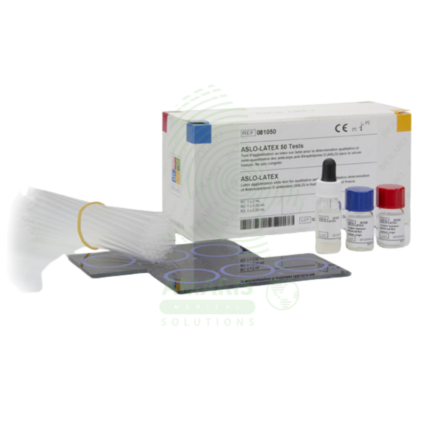
Anti-Streptol Olysin O Titer (ASOT)
Anti-Streptol Olysin O Titer (ASOT) is a quantitative or semi-quantitative serological test (latex agglutination, turbidimetry, nephelometry, or ELISA) for detecting antibodies against streptolysin O, an exotoxin produced by Group A Streptococcus. Elevated or rising titers indicate recent streptococcal infection and are essential for diagnosing post-streptococcal sequelae including acute rheumatic fever (Jones criteria) and post-streptococcal glomerulonephritis. The test requires serum samples; acute and convalescent (2-4 weeks apart) with fourfold rise confirms recent infection. Reference range typically <200-250 Todd units/mL (adults), varies by age and population. Primary clinical applications include diagnosis of Group A streptococcal infections, acute rheumatic fever evaluation, post-streptococcal glomerulonephritis diagnosis, differentiation of acute vs. past infection, evaluation of unexplained arthritis or carditis, pediatric inflammatory conditions (PANDAS), and monitoring disease activity in rheumatic fever. Critical safety precautions include proper timing of acute and convalescent samples, awareness of false negatives/positives, clinical correlation for diagnosis, and standard biohazard precautions. Essential test for rheumatology, nephrology, cardiology, and infectious disease practice.
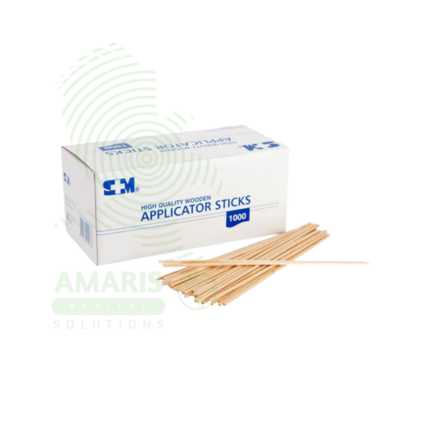
Applicator Sticks
Applicator Sticks are single-use medical devices with absorbent tips (cotton, rayon, flocked polyester) on wood, plastic, or paper shafts for collecting clinical specimens (throat, nasal, wound, cervical, urethral, rectal) for microbiological culture, rapid testing, and molecular diagnostics. Sterile individually wrapped or non-sterile bulk formats. Flocked swabs provide >90% specimen release for PCR testing. Primary applications include specimen collection for infection diagnosis, wound care and antiseptic application, gynecological sampling (Pap smears, STI testing), eye/ear specimen collection, laboratory slide preparation, and forensic evidence collection. Critical precautions include single-use only, sterile technique, proper collection method, and biohazard disposal. Essential consumable in all clinical settings.
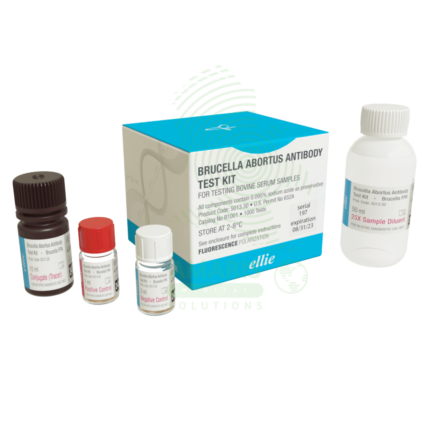
Brucella Set
A Brucella Set is a comprehensive serological test system (Class II medical device, CE-marked/FDA-cleared) for qualitative and quantitative detection of antibodies against Brucella species (B. abortus, B. melitensis, B. suis, B. canis) using multiple methodologies including tube agglutination, slide agglutination, and 2-mercaptoethanol (2-ME) testing. The set includes killed, stained Brucella antigens, positive and negative controls, dilution tubes, reaction cards, and 2-ME reagent for IgM/IgG differentiation. Diagnostic titer ≥1:160 or fourfold rise confirms brucellosis. Primary clinical applications include diagnosis of brucellosis in endemic regions (undulant fever, night sweats, arthralgia), fever of unknown origin investigation, occupational health screening in high-risk workers (veterinarians, farmers, slaughterhouse workers), diagnosis of focal complications (sacroiliitis, spondylitis, meningitis, endocarditis), treatment monitoring (fourfold decline indicates response), outbreak investigation, and public health surveillance. Critical safety precautions include handling all samples in biosafety cabinet (Brucella is highly infectious via aerosol), 2-ME reagent toxicity (use fume hood), awareness of prozone phenomenon (serial dilutions essential), cross-reactions with other Gram-negative bacteria, and mandatory reporting to public health authorities. Essential test for brucellosis diagnosis in endemic regions and occupational health settings.
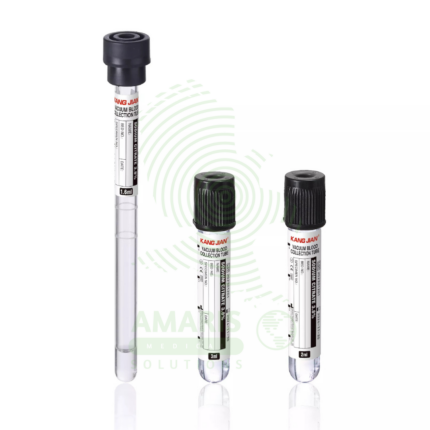
ESR Tubes Glass
ESR Tubes Glass are specialized glass tubes (300 mm length, 2.55 mm bore diameter, graduated 0-200 mm in 1 mm intervals) meeting ICSH and CLSI Westergren specifications for measuring erythrocyte sedimentation rate, a non-specific marker of inflammation. Used with citrated or diluted EDTA blood, filled to exactly 200 mm, placed vertically in Westergren stand, and read at 60 minutes. Primary clinical applications include determination of ESR for diagnosing and monitoring inflammatory conditions (infections, autoimmune disorders, malignancies), monitoring disease activity in rheumatoid arthritis, assessment of temporal arteritis and polymyalgia rheumatica, evaluation of infection and inflammatory response, screening for occult inflammatory conditions, and monitoring chronic inflammatory diseases (SLE, IBD, vasculitis). Critical safety precautions include handling glass tubes carefully to avoid breakage (sharps hazard), proper disposal in sharps containers as biohazardous waste, ensuring vertical alignment and constant temperature (18-25°C), reading at exactly 60 minutes, and avoiding air bubbles and vibration. Essential consumable for reference Westergren ESR testing in clinical laboratories.
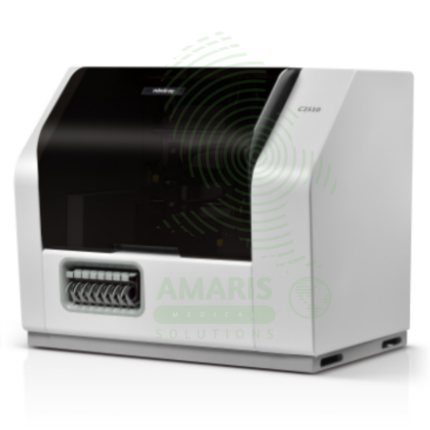
PRECIL Series
The PRECIL Series, originally developed by Beijing Precil and now associated with Mindray, comprises specialized coagulation analyzers and hemorheology analyzers for clinical laboratory testing. Coagulation analyzers measure PT, APTT, fibrinogen, TT, D-dimer, factor assays, and thrombophilia markers for diagnosing bleeding disorders, monitoring anticoagulant therapy, and assessing liver function. Hemorheology analyzers measure whole blood viscosity, plasma viscosity, erythrocyte aggregation, and deformability for evaluating hyperviscosity syndromes, sickle cell disease, diabetes, and cardiovascular disorders. The series includes specialized cleaning solutions and reagents (such as PLS cleaner) for maintaining analyzer performance and ensuring accurate results. Features include automated sample processing, color touchscreen interface, LIS connectivity, and comprehensive quality control programs. Primary clinical applications include coagulation testing for preoperative assessment, anticoagulant monitoring, DIC diagnosis, thrombophilia workup, and hemorheology assessment for conditions affecting blood flow. Essential laboratory instrumentation for hematology, coagulation, and specialized testing in hospital laboratories, reference laboratories, and research facilities.
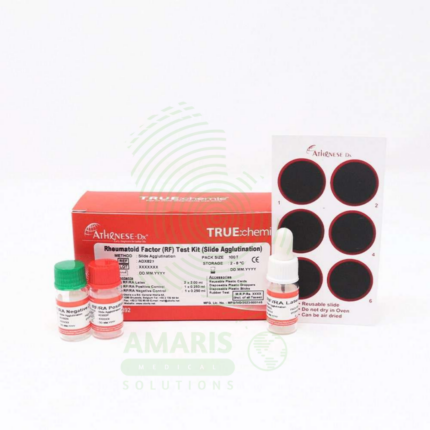
Rheumatoid factor
Rheumatoid Factor (RF) testing is a quantitative or semi-quantitative serological assay (nephelometry, turbidimetry, latex agglutination, or ELISA) for detecting autoantibodies against the Fc portion of immunoglobulin G, primarily of the IgM isotype. RF is a key marker in the ACR/EULAR classification criteria for rheumatoid arthritis, with sensitivity 60-80% and specificity 70-90%. Test requires serum samples; results reported in IU/mL (reference <15-20 IU/mL) or titer. Primary clinical applications include diagnosis and classification of rheumatoid arthritis, prognostic assessment (high-titer RF correlates with severe, erosive disease), differential diagnosis of inflammatory arthritis, monitoring disease activity, diagnosis of Sjögren's syndrome, evaluation of mixed cryoglobulinemia (hepatitis C-associated), and assessment of other autoimmune and chronic inflammatory conditions. Critical safety precautions include awareness of false positives (other autoimmune diseases, chronic infections, healthy elderly), false negatives (seronegative RA 20-30%), need for clinical correlation, and anti-CCP antibody testing to improve diagnostic accuracy. Essential test for rheumatology practice, autoimmune disease evaluation, and differential diagnosis of inflammatory arthritis.
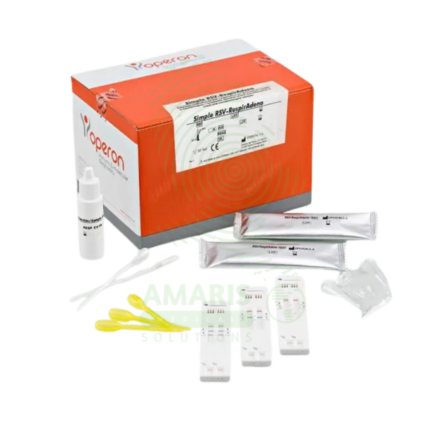
Rota virus
Rota virus rapid tests are immunochromatographic assays (CE-marked, FDA-cleared for some brands) for qualitative detection of rotavirus group A antigens in stool specimens, providing results in 10-20 minutes. The test principle uses monoclonal or polyclonal antibodies against rotavirus antigens (typically VP6 protein) immobilized on membranes, capturing antigens that form a visible line. Sensitivity 90-98%, specificity 95-99% compared to ELISA or PCR. The kit includes individually foil-wrapped test devices, sample diluent, and collection applicators. Primary clinical applications include rapid diagnosis of acute gastroenteritis in children (rotavirus is the leading cause of severe diarrhea in under-5 children), outbreak investigation in daycare centers and schools, hospital infection control and isolation precautions, differential diagnosis of acute diarrhea (viral vs. bacterial vs. parasitic), vaccine effectiveness monitoring and surveillance, assessment of dehydration risk, and evaluation of immunocompromised patients. Critical safety precautions include proper specimen collection (clean container, avoid contamination), biological hazard precautions (all stool potentially infectious), quality control verification, and awareness that a negative test does not rule out other causes of gastroenteritis. Essential tool for pediatric gastroenteritis management, infection control, and public health surveillance.