Dermatoscope and Magnifiers
 Diagnostic Kits
 Vital Signs Monitors
 Stethoscopes and Accessories
 Otoscopes, Ophthalmoscopes, and Retinoscopes
 Reflex Hammers and Neurological Tools
 Scales and Measuring Devices
 Spirometers and Pulmonary Function Tests
 Electrosurgical Units and Accessories
 Cutting Instruments
 Grasping and Holding Instruments
 Hemostatic Instruments
 Specialized Surgical Sets
 Single-Use Procedure Trays and Packs
 Surgical Drapes, Gowns, and Covers
 Tissue Unifying Instruments
 Radiation Protection
 X-Ray Machines and Accessories
 Ultrasound Systems and Probes
 MRI and CT Scanners
 Radiology Consumables
 Bone Densitometers
 Fluoroscopy Equipment
 Imaging Tables and Positioning Aids
 Microscopes and Accessories
 Centrifuges and Separators
 Analyzers
 Incubators and Ovens
 Pipettes, Dispensers, and Lab Glassware
 Refrigerators, Freezers, and Storage Units
 Lab Consumables
 Sterilizers and Autoclaves for Lab Use
 Multi-Parameter Monitors
 Ventilators and Respiratory Support Devices
 Defibrillators and AEDs
 Infusion Pumps and IV Systems
 Patient Warmers and Cooling Devices
 Central Monitoring Stations
 Accessories
 Anesthesia Machines and Workstations
 Oxygen Concentrators and Delivery Systems
 Nebulizers and Inhalers
 CPAP/BiPAP Machines
 Airway Management
 Anesthesia Masks, Circuits, and Bags
 Humidifiers and Heaters
 Respiratory Therapy Accessories
 First Aid Kits and Cabinets
 Emergency Resuscitation Equipment
 Trauma Supplies
 Emergency Carts and Crash Carts
 Burn Care Products
 Bleeding Control
 Automated External Defibrillators (AEDs)
 Transport and Evacuation
 Wheelchairs and Accessories
 Walkers, Crutches, and Canes
 Prosthetics and Orthotics
 Physical Therapy Equipment
 Transfer Devices
 Bathroom Safety
 Orthopedic Traction and Tables
 Hot/Cold Therapy Packs and Units
 Beds and Mattresses
 Chairs and Stools
 Tables
 Cabinets and Storage
 Privacy Screens & Curtains
 Stands and Racks
 Linens and Textiles
 Lighting
 Autoclaves and Sterilizers
 Ultrasonic Cleaners
 Disinfectant Solutions and Wipes
 Sterilization Pouches, Wraps, and Indicators
 Instrument Trays and Containers
 UV and Ozone Disinfection Devices
 Washer Disinfectors
 Wound Care
 Gloves
 Masks and Respirators
 Catheters and Tubing
 Swabs, Applicators, and Sponges
 Incontinence Products
 Personal Protective Equipment (PPE)
 Dental Chairs and Units
 Handpieces and Burs
 Instruments
 Consumables
 Sterilization for Dental Use
 Orthodontic Supplies
 Endodontic Tools
 Slit Lamps and Tonometers
 Lensometers and Phoropters
 Ophthalmic Surgical Instruments
 Eyewear Frames and Lenses
 Contact Lens Supplies
 Vision Testing Charts and Devices
 Eye Care Consumables
 Laser Systems for Eye Care
 ENT Exam Chairs and Tables
 Endoscopes
 Audiometers and Hearing Tests
 ENT Instruments
 Nasal and Throat Packs
 Hearing Aids and Accessories
 Otology Supplies
 Fetal Dopplers and Monitors
 Delivery Beds and Tables
 Gynecological Instruments
 Neonatal Incubators and Warmers
 Breast Pumps and Accessories
 Contraceptive Devices
 Maternity Supports and Pads
 Neonatal Consumables
 Cystoscopes and Urethroscopes
 Dialysis Machines and Supplies
 Urological Catheters and Bags
 Lithotripters
 Prostate Treatment Devices
 Urinary Incontinence Products
 Kidney Stone Management Tools
 Consumables & Disposables
 EEG and EMG Machines
 Neurosurgical Instruments
 Nerve Stimulators
 Headrests and Positioning Aids
 Lumbar Puncture Kits
 Seizure Monitoring Devices
 Consumables
 Rehabilitation for Neurological Conditions
 ECG Machines and Accessories
 Holter Monitors
 Stress Test Systems
 Pacemakers and Defibrillator Accessories
 Vascular Access Devices
 Cardiac Catheters and Guidewires
 Blood Flow Meters
 Consumables
 Orthopedic Instruments
 Casts, Splints, and Padding
 Joint Replacement Supplies
 Prosthetic Limbs and Components
 Bone Grafts and Substitutes
 Traction Devices
 Orthopedic Braces and Supports
 Rehabilitation Aids for Orthopedics
 Home Oxygen Therapy
 Hospital Beds for Home Use
 Mobility Aids
 Bathroom and Daily Living Aids
 Wound Care for Home
 Monitoring Devices
 Enteral Feeding Pumps and Tubes
 Hand Sanitizers and Dispensers
 Face Shields and Goggles
 Isolation Gowns and Suits
 Biohazard Waste Containers
 Air Purifiers and HEPA Filters
 Surface Disinfectants
 Sharps Containers
 Protective Barriers
 Cardiovascular & Endurance Training
 Strength Training & Weightlifting
 Functional Training & Core Conditioning
 Physical Therapy & Rehabilitation
 Sports & Outdoor Recreation
 Gym Flooring & Facility Equipment
 Fitness Monitoring & Accessories
 Kids & Novelties










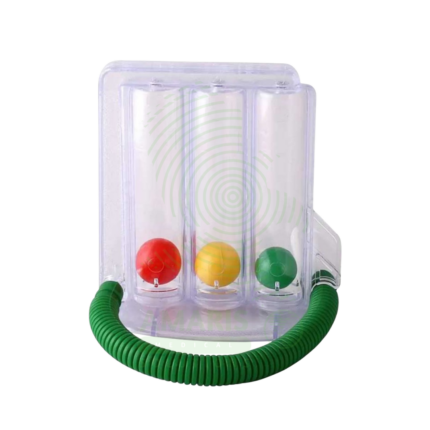
Spirometer
A Spirometer is an essential diagnostic medical device used to measure how much and how quickly air can be inhaled and exhaled by the lungs. By performing forced breathing maneuvers, it generates key parameters—primarily Forced Vital Capacity (FVC) and Forced Expiratory Volume in 1 second (FEV1)—that are fundamental for diagnosing and monitoring obstructive and restrictive lung diseases like Asthma and COPD. Requiring daily calibration and strict adherence to international standards (ATS/ERS), it provides the objective, reproducible data needed for clinical decision-making in pulmonology, primary care, occupational health, and pre-operative assessment.
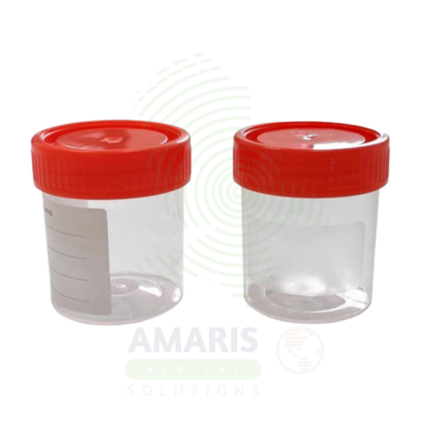
Sputum Container
Sputum Containers are sterile, single-use, leak-proof medical devices manufactured from medical-grade polypropylene or polyethylene for the collection, containment, and transport of expectorated lower respiratory tract specimens for diagnostic testing. Essential features include wide-mouth design (50-70 mm) to facilitate direct expectoration without specimen loss or exterior contamination, screw-cap closure with tamper-evident seal, graduated volume markings (30-120 mL), and translucent material permitting visual assessment of specimen quality. Indicated for microbiological culture (bacterial, AFB/tuberculosis, fungal), nucleic acid amplification testing, and cytological examination. Sterility is mandatory to prevent false-positive culture results. Critical safety principles include strict universal precautions due to highly infectious potential (particularly M. tuberculosis), appropriate respiratory protection for collectors, immediate specimen transport with refrigeration for bacterial cultures (≤2 hours), and absolute single-use protocol. An indispensable device in pulmonary medicine, infectious disease, and infection control.
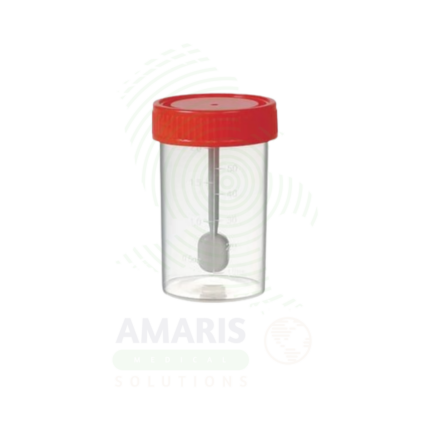
Stool Container
Stool container are sterile or non-sterile, single-use medical devices manufactured from medical-grade polypropylene or polyethylene for the collection, containment, preservation, and transport of fecal specimens for diagnostic testing. Available in standard non-preserved formats (30-120 mL) for routine culture, C. difficile toxin, and calprotectin; preserved systems containing formalin, PVA, SAF, or Cary-Blair transport medium for ova and parasite examination and enteric bacterial culture with delayed transport; specialized FOBT/FIT cards for colorectal cancer screening; and large-volume containers (1-3 L) for 72-hour quantitative fat analysis. Critical performance attributes include leak-proof sealing, chemical inertness, preservative efficacy at specified fill volumes, and integrated collection spoons for standardized aliquoting. Strict single-use protocol, adherence to preservative fill line requirements, handling under universal precautions, and appropriate transport conditions are essential for specimen integrity and accurate laboratory results.
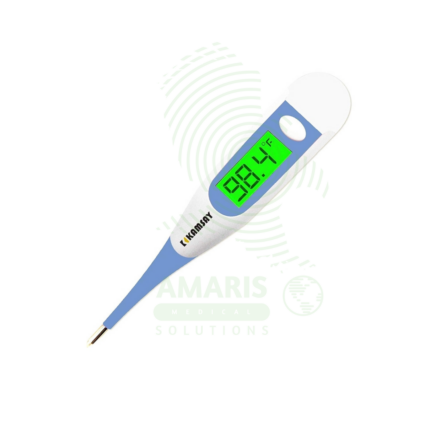
Thermometer For Children
A Thermometer For Children is a pediatric-specific temperature measurement device available in rectal, tympanic (ear), temporal artery, non-contact infrared, axillary, and pacifier form factors, designed for accurate, rapid, and minimally invasive fever detection in neonates, infants, toddlers, and children. Features include flexible safety tips (rectal/oral), 1-60 second measurement times, accuracy ±0.1-0.3°C depending on type, backlit displays with large numerals, fever alerts (color-coded and audible), memory storage (10-50 readings), and auto-shutoff. Age-specific recommendations guide selection: rectal (gold standard for neonates <3 months), temporal (ideal for infants and sleeping children), tympanic (cooperative toddlers), and oral/axillary (older children). Primary clinical applications include fever detection in febrile children, differentiation of fever patterns, neonatal and infant temperature monitoring, antipyretic medication guidance, febrile seizure risk assessment, post-vaccination monitoring, and school/daycare health screening. Class II medical device requiring FDA clearance. Critical safety considerations include proper technique for each measurement site, age-appropriate thermometer selection, hygiene (cleaning and probe covers), rectal thermometer safety (lubrication, gentle insertion, dedicated use), and recognition of fever thresholds requiring medical attention.
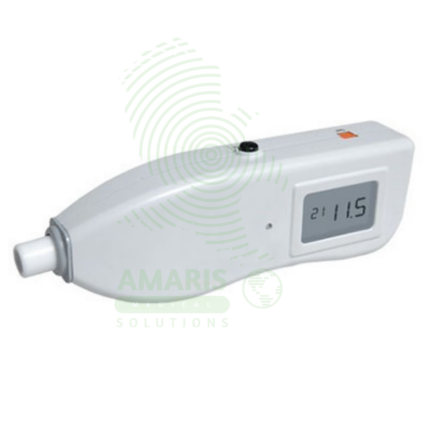
Transcutaneous Jaundice Detector
A Transcutaneous Jaundice Detector (TcB meter) is a Class II medical device that non-invasively estimates serum bilirubin levels in newborns using reflectance spectrophotometry or multi-wavelength optical analysis, providing rapid (1-5 seconds), painless screening for neonatal hyperbilirubinemia. Handheld, battery-operated device measures yellow coloration of subcutaneous tissue at the forehead or sternum, displaying results in mg/dL or µmol/L. Features include digital display, data storage (100-1,000 readings), USB/Bluetooth connectivity, and disposable probe covers for infection control. Correlation with serum bilirubin typically R² >0.9. Primary clinical applications include universal newborn screening before hospital discharge (AAP guidelines), monitoring bilirubin trends in at-risk infants, assessing phototherapy efficacy, and post-discharge follow-up in community settings. Critical safety considerations include mandatory confirmatory serum testing for abnormal values, daily calibration verification, use of disposable probe covers to prevent cross-contamination, avoidance of measurement on phototherapy-exposed skin, and proper technique (site selection, gentle pressure, averaging multiple readings). Essential screening tool in newborn nurseries, NICUs, and community healthcare settings for preventing kernicterus through early detection and management of neonatal jaundice.
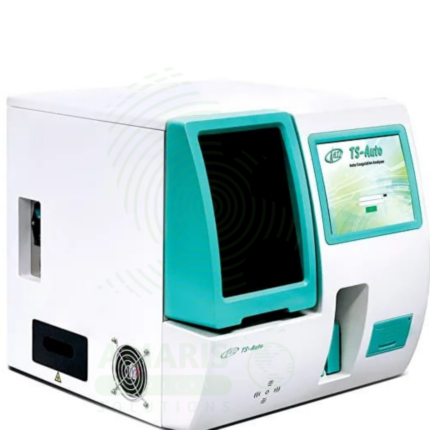
TS-Auto Automated Coagulation Analyzer
The TS-Auto Automated Coagulation Analyzer is a fully automated, multi-channel benchtop coagulation analyzer using dual magnetic bead electromechanical clot detection technology to measure PT (prothrombin time), APTT (activated partial thromboplastin time), TT (thrombin time), and FIB (fibrinogen) in citrated plasma and serum samples . With a test range of 3-999 seconds, repeatability of <3% CV, and multiple independent channels for simultaneous testing, the analyzer delivers rapid, reliable coagulation profiles for preoperative risk assessment, anticoagulant therapy monitoring, and bleeding disorder diagnosis .
The TS-Auto features a large LCD display, built-in thermal printer, reagent and sample pre-warming positions maintained at 37°C ±1°C, open reagent system compatible with any manufacturer's reagents, and electronic linked pipette with auto-start trigger for hands-free operation . Calibration curve storage for multiple parameters, 12-month QC data storage for PT, APTT, TT, FIB with dot chart display, RS-232 connectivity for LIS integration, and multi-unit result reporting (sec, %, g/L, mg/dL, IU/mL, %-INR, Ratio, Ratio-INR) ensure laboratory standards compliance .
For the anesthesiologist and hematologist, the TS-Auto delivers preoperative coagulation screening to identify high-risk surgical bleeding, INR monitoring for warfarin dose titration in atrial fibrillation and mechanical heart valve patients, APTT monitoring for heparin therapy, fibrinogen quantification for DIC diagnosis, and factor assays for inherited bleeding disorders (hemophilia A/B, factor deficiencies) . For the patient, accurate coagulation testing enables early detection of bleeding disorders before surgery, safe anticoagulation to prevent stroke and hemorrhage, diagnosis of DIC in critical illness, and appropriate factor replacement for hemophilia—preventing catastrophic bleeding, thrombotic complications, and improving survival across surgical, cardiac, and emergency care settings .
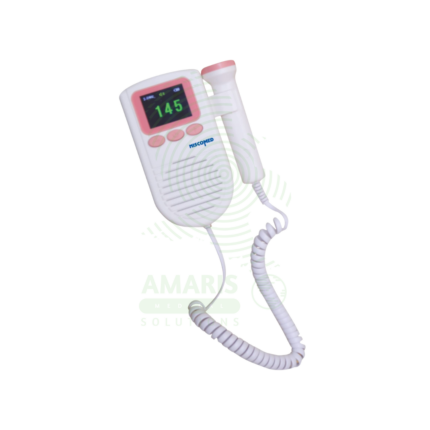
Ultrasonic Doppler
An Ultrasonic Doppler is a handheld or tabletop medical device that uses continuous wave Doppler ultrasound (2-10 MHz probes) to detect and amplify blood flow sounds for fetal heart rate monitoring and peripheral vascular assessment. Available with obstetric probes (2-3 MHz for deep fetal detection) and vascular probes (4-5 MHz for deep vessels, 8-10 MHz for superficial vessels). Features audio output through speaker or headphones, digital heart rate display (30-300 bpm), and directional flow capability on select models. Primary clinical applications include fetal heart rate detection and monitoring (as early as 10-12 weeks gestation), peripheral arterial disease assessment (ankle-brachial index calculation), deep vein thrombosis evaluation, blood pressure measurement in difficult populations, intraoperative and postoperative vascular monitoring, wound healing assessment, and penile blood flow evaluation for erectile dysfunction. Class II medical device requiring FDA clearance. Critical safety considerations include following ALARA principle for ultrasound exposure, appropriate gel use, probe pressure avoidance, infection control (probe cleaning and sterile covers), and qualified interpretation of Doppler sounds.
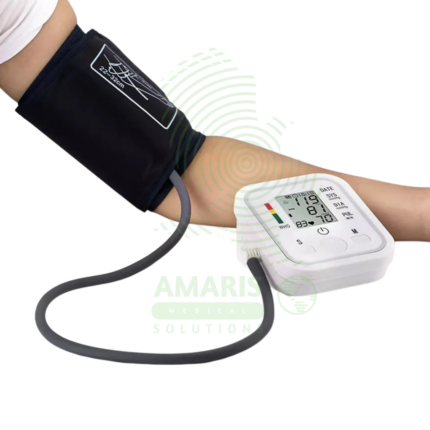
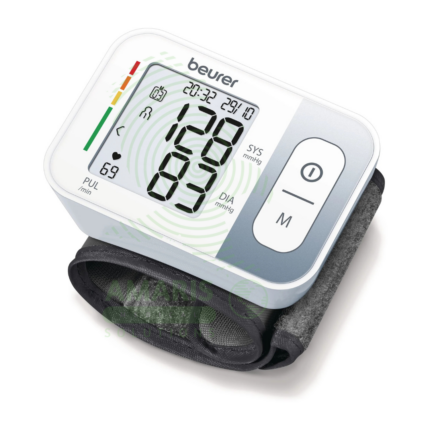
Upper Arm Blood Pressure Monitor
The Upper Arm Blood Pressure Monitor is a clinically validated, automatic digital device designed for accurate and comfortable blood pressure and pulse measurement at home or in professional settings. Known for its user-friendly features like Intellisense inflation technology, a large clear display, and comprehensive functions including irregular heartbeat detection, multi-user memory, and a WHO-based hypertension indicator, it provides reliable data for effective hypertension management. Its robust construction, adherence to international safety standards (CE, FDA), and focus on patient comfort make it a trusted choice for individuals and healthcare providers seeking a dependable tool for cardiovascular health monitoring.
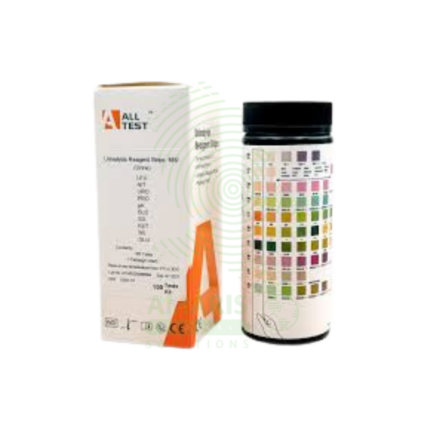
Urinalysis strips
Urinalysis Strips are Class II medical devices (FDA-cleared) consisting of plastic strips with multiple reagent-impregnated pads for simultaneous semi-quantitative detection of urine analytes including leukocytes, nitrites, urobilinogen, protein, pH, blood, specific gravity, ketones, bilirubin, and glucose. Results read by visual comparison to color chart at specified times (30-120 seconds). Primary clinical applications include routine health screening, urinary tract infection diagnosis, diabetes screening and monitoring, kidney disease assessment (proteinuria), hematuria detection, liver function evaluation, and pregnancy monitoring (preeclampsia screening). Critical safety precautions include proper specimen collection (fresh urine), storage at 15-30°C in original container with desiccant, protection from humidity, reading at exact specified times, awareness of interfering substances (ascorbic acid), and confirmation of abnormal results with quantitative tests. Essential screening tool in primary care, emergency medicine, nephrology, urology, and obstetrics.
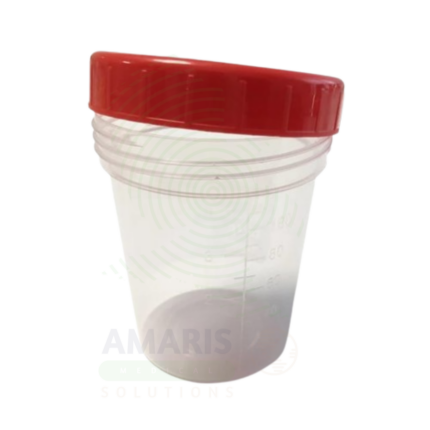
Urine Containers
Urine Containers are sterile or non-sterile, single-use medical devices manufactured from medical-grade polypropylene or polyethylene for the collection, containment, preservation, and transport of urine specimens for diagnostic testing. Available in capacities ranging from 30 mL to 3 liters, they include standard universal containers (plain), preserved containers with boric acid for urine culture, large-volume containers for 24-hour collections, pediatric adhesive collection bags, and DOT-specification drug testing kits with integrated temperature strips and tamper-evident features. Critical performance attributes include leak-proof sealing, chemical inertness, clear volume graduations, and preservative efficacy at specified fill volumes. Strict single-use protocol, adherence to fill line requirements, and handling under universal precautions are essential for specimen integrity and healthcare worker safety. An indispensable consumable in clinical diagnostics, occupational health, and forensic toxicology.
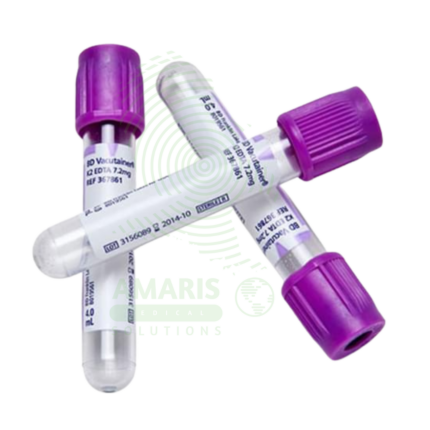
Vacutainer (EDTA/PLAIN)
Vacutainer (EDTA/PLAIN) is a sterile, evacuated blood collection tube (lavender/purple top) containing EDTA anticoagulant (K2EDTA or K3EDTA, 1.5-2.0 mg/mL blood) for hematology, blood banking, flow cytometry, and molecular diagnostics. Available in draw volumes 2-10 mL, glass or PET plastic, with color-coded stopper and sterile interior. EDTA chelates calcium, preventing coagulation while preserving cellular morphology. Primary clinical applications include complete blood count (CBC) and differential, blood typing and antibody screening (ABO/Rh, Coombs), hemoglobin A1c (HbA1c) testing, flow cytometry and immunophenotyping (CD4 counts), molecular diagnostics and PCR testing, sickle cell screening and hemoglobin electrophoresis, and parasitology (malaria smears). Critical safety precautions include filling to completion (correct blood-to-additive ratio), gentle inversion 8-10 times immediately after collection, never using for chemistry or coagulation testing, and proper disposal as biohazardous waste. Essential collection tube for hematology and immunohematology.
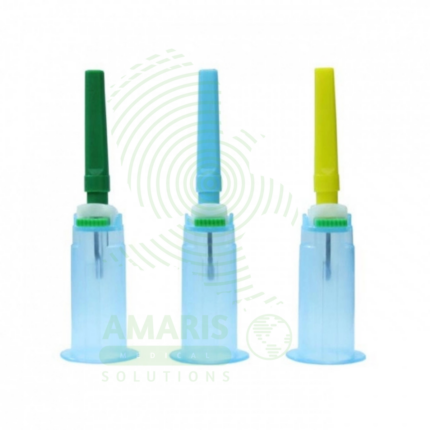
Vacutainer Needle Holder
A Vacutainer Needle Holder is a disposable plastic device (Class I/II medical device) used to securely hold double-ended blood collection needles and evacuated tubes during venipuncture, enabling safe and efficient collection of multiple blood specimens from a single venipuncture. Made from medical-grade ABS plastic or polypropylene, latex-free, approximately 12 cm length, with threaded end for needle attachment and flanged opening with flexible fingers to securely hold standard evacuated tubes (13 × 75 mm, 16 × 100 mm). Compatible with all standard double-ended needles and safety-engineered needles. Primary clinical applications include blood collection for laboratory testing (hematology, chemistry, coagulation, blood banking), multiple tube collection from single venipuncture, standardized venipuncture procedures, infection control (works with safety needles), and phlebotomy training. Critical safety precautions include single-use only (never reuse), secure needle attachment, immediate disposal of an entire unit with a needle in a sharps container, never recapping needles, and inspection for damage before use. Essential components of blood collection systems in hospitals, clinics, and laboratories.
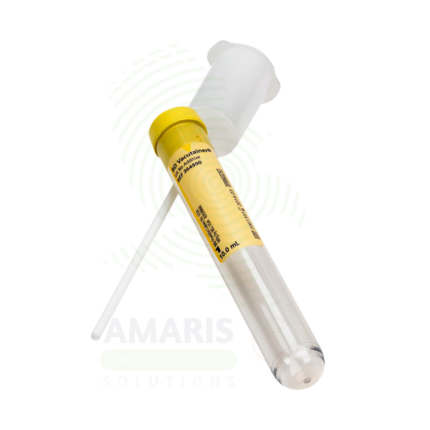
Vacutainers
Vacutainers are sterile, single-use, evacuated blood collection tubes used for the collection, transport, and processing of venous blood specimens for laboratory diagnostics. Each tube contains a pre-measured vacuum that draws a precise volume of blood and, in most tubes, a specific additive (anticoagulant, clot activator, preservative, separation gel, or culture media) that preserves specimen integrity for the required analysis. International color-coding of tube closures (e.g., lavender-EDTA, light blue-citrate, gold-serum separator) enables immediate identification of additive and intended use. Available in glass or shatter-resistant PET plastic, with draw volumes ranging from 2 mL to 10 mL. Strict adherence to the CLSI-recommended order of draw, complete fill volume, gentle mixing, and immediate centrifugation are essential for specimen quality and accurate test results. An indispensable device in modern laboratory medicine, clinical practice, and blood banking.
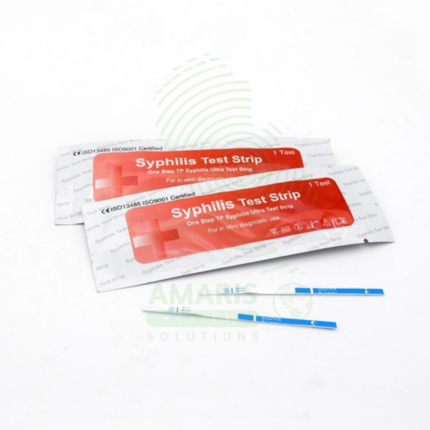
VDRL Test For Syphilis
The VDRL Test For Syphilis (Venereal Disease Research Laboratory) is a Class II medical device (FDA-cleared) non-treponemal flocculation test for qualitative and quantitative detection of reaginic antibodies in serum or cerebrospinal fluid, used for syphilis screening, diagnosis, and treatment monitoring. The test uses an antigen mixture (cardiolipin, cholesterol, lecithin) that reacts with antibodies, forming visible clumping (flocculation) in positive samples. Results are reported as reactive/non-reactive with quantitative titers (e.g., 1:2 to 1:256). Primary clinical applications include initial screening for syphilis infection, confirmation of active syphilis (with treponemal tests), monitoring treatment response (fourfold titer decrease indicates cure), diagnosis of neurosyphilis (CSF testing), prenatal screening for congenital syphilis prevention, screening in high-risk populations (MSM, HIV-positive, multiple partners), and blood donor screening. Critical safety precautions include confirmation of all reactive results with treponemal tests (TPPA, FTA-ABS), awareness of false positives (pregnancy, autoimmune disease, viral infections), proper specimen handling (universal precautions), refrigerated storage of reagents (2-8°C), and mandatory reporting of reactive results to public health authorities. Essential test for syphilis control and congenital syphilis prevention worldwide.
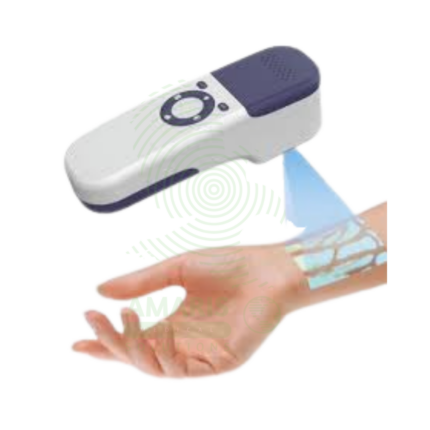
Vein Finder
A Vein Finder is a non-invasive medical imaging device that uses near-infrared light to visualize subcutaneous veins in real time and project a map of the vascular network directly onto the patient's skin. Primarily used to facilitate difficult venipuncture and IV access in challenging patient populations (pediatric, obese, elderly, dark-skinned), it enhances first-stick success rates, improves patient comfort, and reduces procedure time. As a handheld, portable aid, it complements the clinician's skill by providing clear visual guidance, making it a valuable tool in emergency rooms, operating theaters, infusion centers, and phlebotomy services.
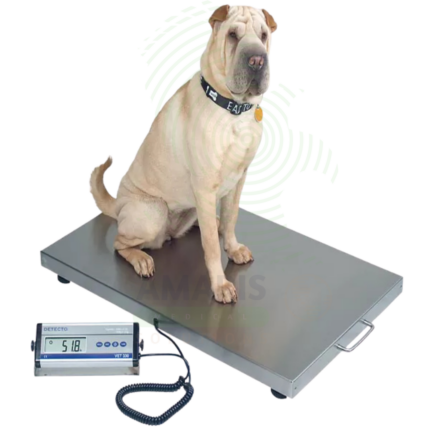
Veterinary Scale
A Veterinary Scale is a weighing device designed for accurate weight measurement of animals in veterinary practice. Essential for calculating medication dosages, monitoring growth, and assessing nutritional status, it ensures safe and effective treatment for animal patients. Available in various configurations including platform scales for small animals, floor scales for large dogs, and heavy-duty scales for livestock, it supports the full range of veterinary care.
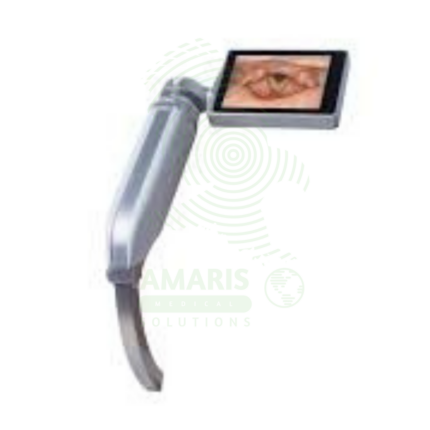
Video Laryngoscope
A Video Laryngoscope is an intubation device combining a laryngoscope blade with an integrated video camera and display, providing indirect visualization of the glottis for difficult airway management, emergency intubation, cervical spine precautions, and teaching applications. Available with reusable or disposable blades (Macintosh, Miller, hyperangulated) in sizes 0 (neonatal) to 4 (large adult). Features high-resolution camera (640×480 to 1920×1080), LED illumination, anti-fog system, and 2–7-inch display with recording capability. Primary clinical applications include difficult airway management (anatomical variations, obesity, cervical spine injury), emergency intubation in trauma and critical care, intubation with cervical spine precautions (minimal neck movement), teaching and training (real-time instructor view), documentation of airway anatomy, bariatric patient intubation, and neonatal/pediatric intubation. Class II medical device requiring FDA clearance. Critical safety considerations include anti-fog preparation, clearance of oral secretions, appropriate blade selection, maintaining direct laryngoscopy skills as backup, gentle tissue handling, infection control (disposable blades or sterilization), and battery verification before use.