Dermatoscope and Magnifiers
 Diagnostic Kits
 Vital Signs Monitors
 Stethoscopes and Accessories
 Otoscopes, Ophthalmoscopes, and Retinoscopes
 Reflex Hammers and Neurological Tools
 Scales and Measuring Devices
 Spirometers and Pulmonary Function Tests
 Electrosurgical Units and Accessories
 Cutting Instruments
 Grasping and Holding Instruments
 Hemostatic Instruments
 Specialized Surgical Sets
 Single-Use Procedure Trays and Packs
 Surgical Drapes, Gowns, and Covers
 Tissue Unifying Instruments
 Radiation Protection
 X-Ray Machines and Accessories
 Ultrasound Systems and Probes
 MRI and CT Scanners
 Radiology Consumables
 Bone Densitometers
 Fluoroscopy Equipment
 Imaging Tables and Positioning Aids
 Microscopes and Accessories
 Centrifuges and Separators
 Analyzers
 Incubators and Ovens
 Pipettes, Dispensers, and Lab Glassware
 Refrigerators, Freezers, and Storage Units
 Lab Consumables
 Sterilizers and Autoclaves for Lab Use
 Multi-Parameter Monitors
 Ventilators and Respiratory Support Devices
 Defibrillators and AEDs
 Infusion Pumps and IV Systems
 Patient Warmers and Cooling Devices
 Central Monitoring Stations
 Accessories
 Anesthesia Machines and Workstations
 Oxygen Concentrators and Delivery Systems
 Nebulizers and Inhalers
 CPAP/BiPAP Machines
 Airway Management
 Anesthesia Masks, Circuits, and Bags
 Humidifiers and Heaters
 Respiratory Therapy Accessories
 First Aid Kits and Cabinets
 Emergency Resuscitation Equipment
 Trauma Supplies
 Emergency Carts and Crash Carts
 Burn Care Products
 Bleeding Control
 Automated External Defibrillators (AEDs)
 Transport and Evacuation
 Wheelchairs and Accessories
 Walkers, Crutches, and Canes
 Prosthetics and Orthotics
 Physical Therapy Equipment
 Transfer Devices
 Bathroom Safety
 Orthopedic Traction and Tables
 Hot/Cold Therapy Packs and Units
 Beds and Mattresses
 Chairs and Stools
 Tables
 Cabinets and Storage
 Privacy Screens & Curtains
 Stands and Racks
 Linens and Textiles
 Lighting
 Autoclaves and Sterilizers
 Ultrasonic Cleaners
 Disinfectant Solutions and Wipes
 Sterilization Pouches, Wraps, and Indicators
 Instrument Trays and Containers
 UV and Ozone Disinfection Devices
 Washer Disinfectors
 Wound Care
 Gloves
 Masks and Respirators
 Catheters and Tubing
 Swabs, Applicators, and Sponges
 Incontinence Products
 Personal Protective Equipment (PPE)
 Dental Chairs and Units
 Handpieces and Burs
 Instruments
 Consumables
 Sterilization for Dental Use
 Orthodontic Supplies
 Endodontic Tools
 Slit Lamps and Tonometers
 Lensometers and Phoropters
 Ophthalmic Surgical Instruments
 Eyewear Frames and Lenses
 Contact Lens Supplies
 Vision Testing Charts and Devices
 Eye Care Consumables
 Laser Systems for Eye Care
 ENT Exam Chairs and Tables
 Endoscopes
 Audiometers and Hearing Tests
 ENT Instruments
 Nasal and Throat Packs
 Hearing Aids and Accessories
 Otology Supplies
 Fetal Dopplers and Monitors
 Delivery Beds and Tables
 Gynecological Instruments
 Neonatal Incubators and Warmers
 Breast Pumps and Accessories
 Contraceptive Devices
 Maternity Supports and Pads
 Neonatal Consumables
 Cystoscopes and Urethroscopes
 Dialysis Machines and Supplies
 Urological Catheters and Bags
 Lithotripters
 Prostate Treatment Devices
 Urinary Incontinence Products
 Kidney Stone Management Tools
 Consumables & Disposables
 EEG and EMG Machines
 Neurosurgical Instruments
 Nerve Stimulators
 Headrests and Positioning Aids
 Lumbar Puncture Kits
 Seizure Monitoring Devices
 Consumables
 Rehabilitation for Neurological Conditions
 ECG Machines and Accessories
 Holter Monitors
 Stress Test Systems
 Pacemakers and Defibrillator Accessories
 Vascular Access Devices
 Cardiac Catheters and Guidewires
 Blood Flow Meters
 Consumables
 Orthopedic Instruments
 Casts, Splints, and Padding
 Joint Replacement Supplies
 Prosthetic Limbs and Components
 Bone Grafts and Substitutes
 Traction Devices
 Orthopedic Braces and Supports
 Rehabilitation Aids for Orthopedics
 Home Oxygen Therapy
 Hospital Beds for Home Use
 Mobility Aids
 Bathroom and Daily Living Aids
 Wound Care for Home
 Monitoring Devices
 Enteral Feeding Pumps and Tubes
 Hand Sanitizers and Dispensers
 Face Shields and Goggles
 Isolation Gowns and Suits
 Biohazard Waste Containers
 Air Purifiers and HEPA Filters
 Surface Disinfectants
 Sharps Containers
 Protective Barriers
 Cardiovascular & Endurance Training
 Strength Training & Weightlifting
 Functional Training & Core Conditioning
 Physical Therapy & Rehabilitation
 Sports & Outdoor Recreation
 Gym Flooring & Facility Equipment
 Fitness Monitoring & Accessories
 Kids & Novelties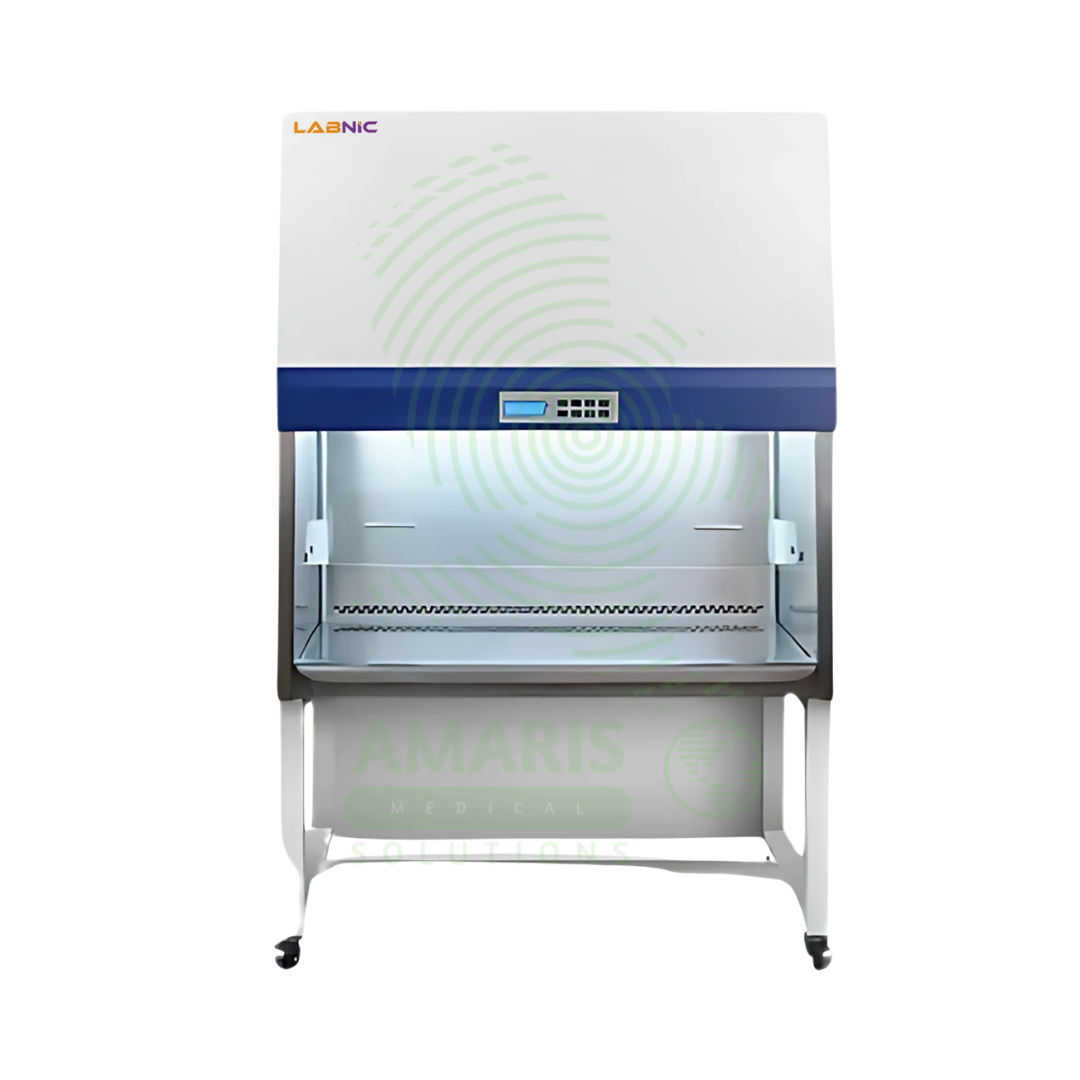
Biological Safety Carbinets
WhatsApp Order
A Biological Safety Carbinets (BSC) is a primary containment device providing personnel, product, and environmental protection when handling infectious microorganisms and biological materials. Class II, Type A2 cabinets (most common in clinical laboratories) feature HEPA-filtered laminar downflow air (70% recirculated, 30% exhausted) maintaining ISO 5 (Class 100) air quality within the work zone, with inflow velocities of 100-120 fpm at the sash opening. Constructed of stainless steel with tempered glass sash, HEPA filters (99.99% efficient at 0.3 microns), motor/blower system, and UV decontamination option. Available in 3-6 foot widths for various laboratory applications. Certified to NSF/ANSI 49 standards with annual recertification required. Primary clinical applications include microbiological specimen processing (culture inoculation, Gram stains), mycobacteriology work (AFB smears, TB culture), viral culture and isolation, fungal mycology procedures, cell culture maintenance, molecular biology PCR setup, and antimicrobial susceptibility testing. Essential containment equipment for BSL-2 and BSL-3 laboratories handling pathogens including Mycobacterium tuberculosis, SARS-CoV-2, influenza viruses, pathogenic fungi, and other infectious agents, protecting laboratory personnel from aerosol-borne infections while maintaining specimen integrity.
Description
Biological Safety Carbinets
PRIMARY CLINICAL & DIAGNOSTIC USES
1. Microbiological Specimen Processing:
-
Primary Use: Biological safety cabinets (BSCs) provide a sterile, contained environment for processing infectious clinical specimens including sputum, blood, urine, stool, and tissue samples for culture, staining, and molecular testing, protecting laboratory personnel from exposure to pathogens.
-
How it helps: Creates an invisible shield between laboratory workers and dangerous microorganisms, allowing them to safely handle samples that could contain deadly bacteria and viruses while protecting themselves and the environment.
2. Mycobacterium tuberculosis (TB) Laboratory Work:
-
Primary Use: Class II BSCs are essential for all manipulations of specimens potentially containing M. tuberculosis, including AFB smear preparation, culture inoculation, and molecular testing, preventing laboratory-acquired infections in clinical mycobacteriology laboratories.
-
How it helps: Protects laboratory workers from one of the world’s deadliest infectious diseases, allowing them to safely process samples from patients with suspected TB without risking their own health.
3. Viral Culture and Isolation:
-
Primary Use: Used for handling viral cultures, viral transport media, and specimens from patients with suspected viral hemorrhagic fevers, influenza, COVID-19, and other highly infectious viral diseases, protecting personnel while maintaining culture integrity.
-
How it helps: Enables scientists to study dangerous viruses safely, working with live cultures of influenza, Ebola, and other pathogens while ensuring that these organisms never escape into the laboratory environment.
4. Fungal Mycology Procedures:
-
Primary Use: Essential for processing fungal cultures, slide preparations, and identification procedures for pathogenic fungi (Histoplasma, Coccidioides, Blastomyces) that pose significant inhalation risks to laboratory workers.
-
How it helps: Protects laboratory workers from fungal spores that can cause life-threatening lung infections when inhaled, allowing safe handling of specimens from patients with serious fungal diseases.
5. Cell Culture and Tissue Engineering:
-
Primary Use: Provides a sterile environment for maintaining cell lines, primary cell cultures, and tissue engineering procedures, preventing contamination while protecting personnel from potential adventitious agents.
-
How it helps: Creates a pristine environment where delicate cells can grow without contamination from airborne microorganisms, supporting research that leads to new treatments and therapies.
6. Molecular Biology and PCR Setup:
-
Primary Use: Used for preparing PCR master mixes and handling amplification products, preventing cross-contamination and protecting personnel from potential biohazards in clinical molecular diagnostics.
-
How it helps: Ensures that the highly sensitive techniques used to detect genetic material from viruses and bacteria produce accurate results, free from contamination that could lead to false-positive or false-negative tests.
7. Antimicrobial Susceptibility Testing:
-
Primary Use: Provides a contained environment for setting up and reading antimicrobial susceptibility tests (disk diffusion, broth microdilution, Etest) for bacterial and fungal isolates, preventing aerosol generation during manipulation.
-
How it helps: Allows laboratory workers to safely test bacteria against various antibiotics without risking exposure to these potentially drug-resistant organisms, helping doctors choose the most effective treatment.
SECONDARY & SUPPORTIVE USES
1. Pharmacy Compounding of Hazardous Drugs: Some BSCs (Class II, Type B2) are used for compounding hazardous drugs including chemotherapy agents, protecting pharmacy personnel from exposure to toxic medications.
2. Vaccine Production and Research: Used in vaccine development and production facilities for handling live viruses and bacteria, supporting efforts to prevent infectious diseases.
3. Environmental Microbiology: Processing of environmental samples potentially containing pathogenic microorganisms, helping monitor and protect public health.
4. Food Microbiology and Safety Testing: Handling of food samples for pathogen detection and enumeration, helping prevent foodborne illness outbreaks.
5. Toxicology and Drug Metabolism Studies: Used for handling biological samples containing hazardous compounds, protecting researchers studying drug safety and metabolism.
6. Animal Research and Necropsy: Some BSCs are used for necropsy of infected animals and processing animal tissues, supporting research while protecting personnel.
7. Teaching and Training: Essential for training laboratory personnel in safe handling of infectious materials, building the skills of future laboratory professionals.
KEY PRODUCT FEATURES
1. BASIC IDENTIFICATION ATTRIBUTES
-
Product Type: Ventilated enclosure designed to provide personnel, product, and environmental protection when working with biological hazards.
-
Common Names: Biological Safety Cabinet, BSC, Tissue Culture Hood, Microbiology Safety Cabinet, Laminar Flow Cabinet (incorrect - Laminar flow cabinets do not provide personnel protection).
-
NSF/ANSI 49 Classifications:
-
Class I: Personnel and environmental protection only (no product protection); open front with inward airflow.
-
Class II, Type A1: 70% recirculated, 30% exhausted; for work with low-to-moderate risk agents (BSL-2, BSL-3).
-
Class II, Type A2: 70% recirculated, 30% exhausted; for work with low-to-moderate risk agents; most common clinical laboratory BSC.
-
Class II, Type B1: 30% recirculated, 70% exhausted; for work with low-to-moderate risk agents and trace chemicals.
-
Class II, Type B2: 100% exhausted (hard-ducted); for work with hazardous chemicals and radionuclides.
-
Class III: Totally enclosed, gas-tight, with rubber gloves; maximum containment (BSL-4).
-
-
Construction: Stainless steel work surface and interior; tempered glass sash; HEPA filtration.
-
Airflow: Laminar (unidirectional) airflow with HEPA-filtered supply and exhaust air.
-
HEPA Filters: High-Efficiency Particulate Air filters (99.99% efficient at 0.3 microns).
-
Sash: Sliding or hinged transparent glass panel for access and protection.
-
Work Area: Stainless steel work surface with raised edges for spill containment.
-
UV Light: Optional ultraviolet light for surface decontamination between uses.
-
Lighting: Fluorescent or LED lighting within the work area.
-
Blower: Motor/blower system for maintaining proper airflow.
-
Controls: Digital or analog controls for blower, lighting, UV, and alarms.
2. TECHNICAL & PERFORMANCE PROPERTIES
-
HEPA Filter Efficiency: 99.99% efficient at 0.3 microns (most penetrating particle size); retains bacteria, viruses, spores.
-
Airflow Velocity (Inflow): Typically 100-120 linear feet per minute (lfpm) at sash opening.
-
Airflow Velocity (Downflow): Typically 50-60 lfpm within the work area.
-
Air Changes: Work area air replaced every 5-10 seconds.
-
Containment Testing: Must pass aerosol challenge tests (KI-Discus or equivalent) for certification.
-
Noise Level: <60-70 dB depending on model and blower speed.
-
Vibration: Low vibration design for microscopy and micromanipulation work.
-
Electrical Requirements: 115V or 230V, 50/60 Hz, dedicated circuit recommended.
-
Heat Load: Varies by model; affects room HVAC requirements.
-
Light Intensity: 800-1200 lux (75-110 foot-candles) at work surface.
-
UV Intensity: Sufficient for surface decontamination (typically 254 nm).
3. PHYSICAL & OPERATIONAL PROPERTIES
-
Widths: 3-foot (0.9 m), 4-foot (1.2 m), 5-foot (1.5 m), 6-foot (1.8 m) standard.
-
Depth: 25-35 inches (65-90 cm) depending on model.
-
Height: 60-90 inches (150-230 cm) including exhaust plenum.
-
Work Area Height: 20-30 inches (50-75 cm) sash opening.
-
Weight: 300-1000+ lbs (150-500 kg) depending on size and configuration.
-
Construction: Heavy-gauge steel with corrosion-resistant finish; stainless steel work surface.
-
Sash: Tempered safety glass with counterbalance mechanism; some models with motorized sash.
-
Work Surface: Removable stainless steel trays for cleaning and decontamination.
-
Drain Valves: Some models include valves for connecting to decontamination systems.
-
Service Fixtures: Optional gas, vacuum, and electrical outlets within the work area.
-
Casters: Heavy-duty casters for positioning; leveling feet for stability.
-
Exhaust Connection: Thimble connection or hard-duct to building exhaust system (Type B2).
4. SAFETY & COMPLIANCE ATTRIBUTES
-
Regulatory Standards: NSF/ANSI 49 (US), EN 12469 (Europe), AS 2252 (Australia) certified.
-
Certification: Must be certified at installation and annually thereafter by a qualified technician.
-
Personnel Protection: HEPA-filtered exhaust protects the operator from airborne pathogens.
-
Product Protection: HEPA-filtered downflow protects samples from contamination.
-
Environmental Protection: HEPA-filtered exhaust protects the environment from release of pathogens.
-
Alarms: Audible and visual alarms for low airflow, sash misposition, and filter loading.
-
Pressure Gauges: Magnehelic gauges or digital sensors to monitor filter loading and airflow.
-
Electrical Safety: Compliant with UL 61010A or IEC 61010-1.
-
UV Safety: Interlocks prevent UV operation with sash open; warning labels.
-
Decontamination: Designed for gas decontamination (formaldehyde or hydrogen peroxide) before filter changes or relocation.
-
Splash Protection: Raised edges on the work surface contain spills.
-
Ergonomics: Angled sash and ergonomic design for comfortable working posture.
5. STORAGE & HANDLING ATTRIBUTES
-
Installation: Professional installation required; must be positioned away from traffic, doors, and air vents to maintain airflow integrity.
-
Certification: Annual certification by qualified technician required for continued safe operation; includes airflow testing, HEPA filter integrity testing, and containment testing.
-
Decontamination: Must be decontaminated before filter changes, relocation, or disposal; typically performed by certified professionals using formaldehyde or hydrogen peroxide vapor.
-
Cleaning: Clean work surfaces daily with appropriate disinfectant (70% ethanol, 10% bleach, or quaternary ammonium compounds). Never use chlorine bleach on stainless steel without thorough rinsing.
-
UV Lamp Care: Clean UV lamp regularly; replace annually or per manufacturer recommendation (UV output degrades over time).
-
HEPA Filter Replacement: Performed by certified technicians during annual certification or when filters are loaded.
-
Pre-Filters: Some models have pre-filters that can be changed by laboratory staff; follow manufacturer guidelines.
-
Alarm Testing: Test alarms periodically; ensure all users know alarm meanings and responses.
-
Record Keeping: Maintain certification records, decontamination logs, and maintenance records.
6. LABORATORY & CLINICAL APPLICATIONS
-
Primary Application: Safe handling of infectious materials in clinical microbiology, mycobacteriology, virology, and molecular diagnostics laboratories.
-
Clinical Microbiology Applications (BSL-2):
-
Specimen Processing: Inoculation of culture media from patient specimens (urine, stool, sputum, wound swabs).
-
Gram Stains: Preparation of smears from bacterial cultures and clinical specimens.
-
Subculturing: Transferring bacterial and fungal isolates for identification and susceptibility testing.
-
Antimicrobial Susceptibility Testing: Setup and reading of disk diffusion, broth microdilution, and gradient diffusion tests.
-
Rapid Identification Tests: Setup of biochemical and immunological identification tests.
-
-
Mycobacteriology Applications (BSL-3):
-
AFB Smear Preparation: Processing of concentrated specimens for auramine-rhodamine or Ziehl-Neelsen staining.
-
Culture Inoculation: Inoculation of liquid and solid media for M. tuberculosis culture.
-
Molecular Testing: DNA extraction and PCR setup for TB detection and resistance testing.
-
Culture Manipulation: Handling of positive cultures for identification and susceptibility testing.
-
-
Virology Applications:
-
Viral Culture: Inoculation of cell cultures with clinical specimens.
-
Viral Transport Media: Preparation and aliquoting of viral transport media.
-
Rapid Antigen Testing: Setup of DFA and other rapid viral tests.
-
Molecular Testing: RNA/DNA extraction for viral load testing (HIV, HCV, HBV, CMV).
-
-
Mycology Applications:
-
Fungal Culture: Processing specimens for fungal culture (skin, hair, nails, respiratory specimens).
-
Slide Preparations: KOH and calcofluor white preparations for fungal elements.
-
Fungal Identification: Slide culture preparations for identification of filamentous fungi.
-
-
Molecular Diagnostics:
-
PCR Setup: Preparation of master mixes and addition of template DNA/RNA (pre- and post-amplification areas require separate cabinets).
-
Nucleic Acid Extraction: Processing of clinical specimens for extraction of DNA and RNA.
-
Gel Electrophoresis: Loading and running of gels (separate area recommended).
-
-
Cell Culture Applications:
-
Cell Line Maintenance: Passage and feeding of continuous cell lines.
-
Primary Cell Culture: Isolation and culture of primary cells from tissues.
-
Virus Isolation: Inoculation and harvesting of viral cultures.
-
SAFETY HANDLING PRECAUTIONS
1. SAFETY PRECAUTIONS
-
Proper Placement: Position away from doors, traffic, air vents, and room air currents. Allow 12-18 inches clearance on sides for air flow.
-
Pre-Use Checks: Verify airflow (magnehelic gauge), check sash height, ensure no obstructions in grilles.
-
Aseptic Technique: Use aseptic technique within the cabinet; minimize rapid movements that disrupt airflow.
-
Work Organization: Work from clean to dirty; place contaminated materials toward rear; avoid blocking front or rear grilles.
-
Spill Management: Have spill kits available; clean spills immediately with appropriate disinfectant.
-
UV Light: Use UV only when the cabinet is not in use; ensure sash closed; never expose skin or eyes to UV.
-
Personal Protective Equipment: Always wear appropriate PPE (lab coat, gloves, eye protection) when using BSC.
-
Alcohol Flaming: Never use open flame in BSC; disrupts airflow and damages HEPA filters. Use microincinerators or disposable loops.
-
Centrifuges: Never open centrifuge lids inside BSC; aerosols may be released.
-
Annual Certification: Ensure cabinet is certified annually by qualified technician; maintain records.
-
Training: All users must be trained on proper BSC use, limitations, and emergency procedures.
2. FIRST AID MEASURES
-
Spill Inside Cabinet: Close sash; leave cabinet running; contact biosafety officer. Decontaminate per institutional protocol (typically 30-minute contact time with appropriate disinfectant vapor).
-
Spill Outside Cabinet: Evacuate area; restrict access; contact biosafety officer for cleanup; exposed personnel should report for medical evaluation.
-
Needlestick/Sharps Injury: Wash area vigorously with soap and water; report immediately; follow institutional exposure protocol.
-
UV Exposure (Eye/Skin): If exposed to UV, monitor for symptoms (eye pain, redness, skin erythema); seek medical attention if needed.
-
Chemical Spill: Follow chemical spill protocol; use appropriate PPE; clean affected areas.
3. FIRE FIGHTING MEASURES
-
Flammability: Cabinet contains flammable materials (plastic components, HEPA filters).
-
Extinguishing Media: For electrical fire, use CO₂ or dry chemical (Class C) extinguisher. Do not use water on electrical components.
-
Power Off: Disconnect power if safe to do so.
-
Fire Response: In case of fire within the cabinet, close sash; activate fire suppression if available; evacuate the area.
-
HEPA Filter Fire: HEPA filters are combustible; may produce toxic smoke; use SCBA in enclosed spaces.
Related products
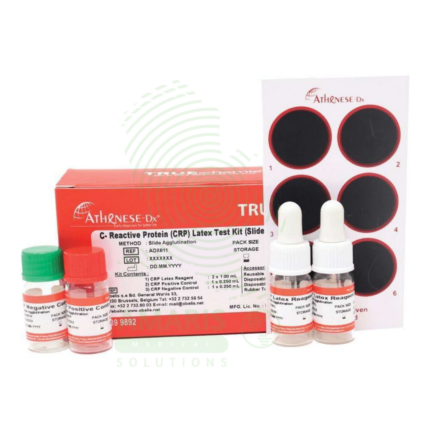
CRP Test Kit
CRP Test Kit (C-Reactive Protein) is a quantitative or semi-quantitative immunoassay (latex agglutination, turbidimetry, nephelometry, ELISA, or rapid immunochromatographic) for detecting C-reactive protein in blood, an acute-phase reactant produced in response to inflammation. Rapid rise within 6-12 hours, peaks at 24-48 hours, half-life 19 hours. Normal <5-10 mg/L; mild elevation 10-100 mg/L (viral infections, autoimmune flares); moderate 100-200 mg/L (bacterial infections); marked >200 mg/L (sepsis, major trauma). High-sensitivity CRP (hs-CRP) detects 0.1-10 mg/L for cardiovascular risk stratification (<1 mg/L low risk, 1-3 mg/L moderate, >3 mg/L high). Primary clinical applications include detection and monitoring of inflammation, diagnosis and management of infections (differentiating bacterial from viral), assessment of autoimmune disease activity, post-surgical monitoring for complications, cardiovascular risk screening (hs-CRP), monitoring rheumatic fever and inflammatory conditions, and neonatal sepsis evaluation. Critical safety precautions include proper sample handling (universal precautions), quality control verification, awareness of non-specific elevation, prozone phenomenon in very high concentrations, and clinical correlation for interpretation. Essential test for evaluating inflammation across all medical specialties.
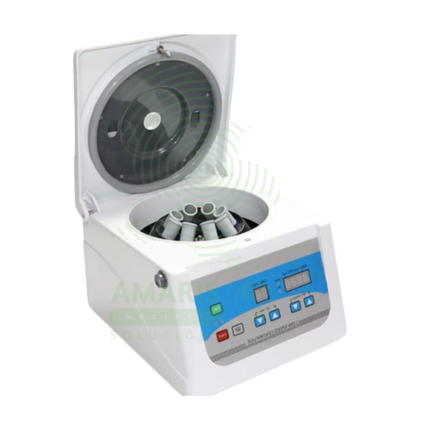
Electric Centrifuge
An Electric Centrifuge is a Class I medical device that uses rapid rotation to separate fluids of different densities, essential in clinical laboratories for processing blood, urine, and other biological specimens. Available in benchtop, refrigerated, microcentrifuge, hematocrit, and high-speed models with fixed-angle, swinging-bucket, or vertical rotors. Speed range 1,000-30,000+ RPM with RCF up to 65,000+ x g. Features include brushless induction motor, digital controls, imbalance detection, lid lock safety, and programmable protocols. Primary clinical applications include separation of serum/plasma for chemistry and hematology testing, urine sediment analysis for microscopy, platelet-rich plasma (PRP) preparation for regenerative medicine, concentration of bacteria for microbiology, cytology fluid analysis, blood banking, and molecular biology sample processing. Critical safety precautions include proper balancing of loads (weight matching), use of sealed rotors for biohazardous samples, regular rotor inspection for corrosion or cracks, never exceeding maximum rated speed, and never opening lid during operation. Essential equipment in clinical, research, and teaching laboratories.
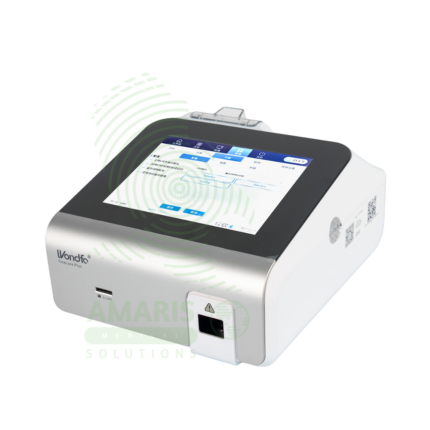
Finecare Analyzer
The Finecare Analyzer is a Class II medical device (FDA-cleared, CE-marked) fluorescence immunoassay system manufactured by Wondfo Biotech for quantitative detection of cardiac markers (troponin I, CK-MB, myoglobin), inflammatory markers (CRP, procalcitonin), thyroid hormones (TSH, FT3, FT4), diabetes markers (HbA1c), reproductive hormones (LH, FSH, prolactin), tumor markers (AFP, CEA, PSA), and infectious disease markers. Features include time-resolved fluorescence technology, color touchscreen interface, built-in printer (select models), USB/Ethernet connectivity, and internal rechargeable battery for portable use. Test time 3-15 minutes, sample volume 50-100 µL (whole blood, serum, plasma). Primary clinical applications include rapid diagnosis of acute myocardial infarction in chest pain patients, early detection of sepsis and bacterial infections, thyroid disorder diagnosis and monitoring, long-term glycemic control assessment in diabetes, fertility and reproductive health evaluation, cancer screening and surveillance, and infectious disease testing in endemic and clinical settings. Critical safety precautions include proper test cartridge storage (2-8°C), regular quality control, biohazard safety protocols, and operator training. Essential point-of-care testing system for hospitals, clinics, and remote healthcare facilities requiring rapid, quantitative results.
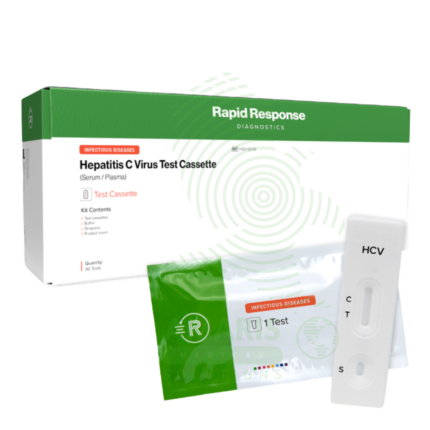
Hepatitis C Test Kit
The Hepatitis C Test Kit is an in vitro diagnostic device for the detection of Hepatitis C virus antibodies or RNA in human blood, serum, or plasma samples. Available in rapid, laboratory immunoassay, and molecular formats, it screens for HCV infection, confirms active infection with RNA testing, and monitors treatment response. With high sensitivity and specificity exceeding 99%, it is essential for identifying infected individuals, linking them to curative direct-acting antiviral therapy, and confirming cure. Essential applications include risk-based screening of high-risk populations, birth cohort screening of baby boomers, evaluation of acute hepatitis, management of occupational exposures, and monitoring of antiviral therapy that can cure over 95% of infections. All patient samples must be handled with universal precautions, and positive antibody results require confirmatory testing.
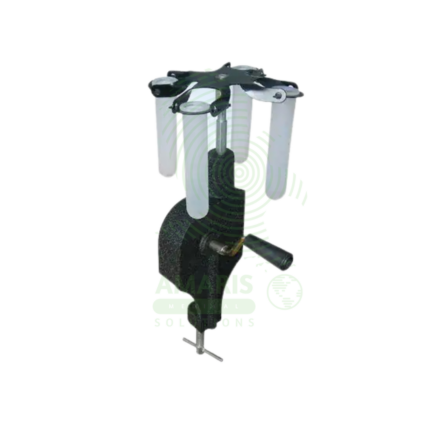
Manual Centrifuge
A Manual Centrifuge (hand-powered) is a non-electric mechanical device for separating fluids based on density, designed for use in field clinics, remote health posts, and developing world settings where electricity is unavailable or unreliable. Operated by hand crank, pull-cord, or foot pedal, achieving speeds of 1,000-4,000 RPM and RCF up to 1,500 x g. Accepts standard blood collection tubes (2-5 mL), microhematocrit tubes, and small centrifuge tubes. Primary clinical applications include separation of serum/plasma for basic diagnostic testing, urine sediment concentration for microscopy, microhematocrit determination for anemia screening, concentration of parasites for malaria and other vector-borne disease diagnosis, field epidemiology and outbreak investigation, veterinary medicine in rural settings, and teaching in resource-limited institutions. Critical safety precautions include meticulous balancing of tubes by weight (absolutely essential), never exceeding maximum rated speed, using appropriate PPE (no aerosol containment), regular inspection of gears and rotor for wear, and proper training of operators. Essential equipment for basic laboratory capabilities in low-resource and field settings.
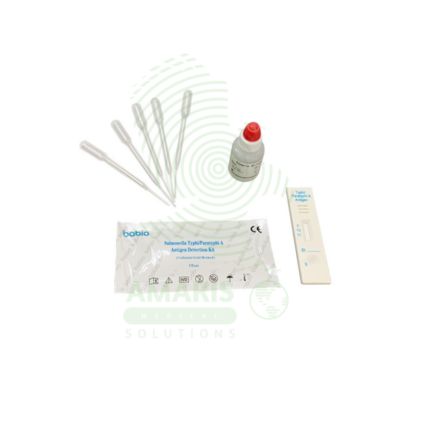
Salmonella Typhi Test Peratop
The Salmonella typhi test peratop is a CE-marked rapid immunochromatographic assay for qualitative detection of IgG and IgM antibodies to Salmonella enterica serotype Typhi in human serum, plasma, or whole blood, providing results in 15-20 minutes. The test uses recombinant S. typhi antigens immobilized on a membrane to capture specific antibodies, with separate lines for IgG and IgM interpretation. The kit includes individually foil-wrapped test cassettes, sample diluent, disposable pipettes, and package insert. Primary clinical applications include rapid diagnosis of typhoid fever in endemic regions (Indian subcontinent, Southeast Asia, Africa, South America), differentiation of acute (IgM positive) from past infection (IgG only), outbreak investigation and control, screening in febrile patients, travel medicine assessment, antibiotic stewardship, and maternal/child health in endemic areas. Critical safety precautions include proper specimen handling (universal precautions), quality control verification, awareness of window period (repeat testing if early infection suspected), and clinical correlation of results. Essential rapid test for typhoid fever diagnosis in resource-limited and endemic settings.
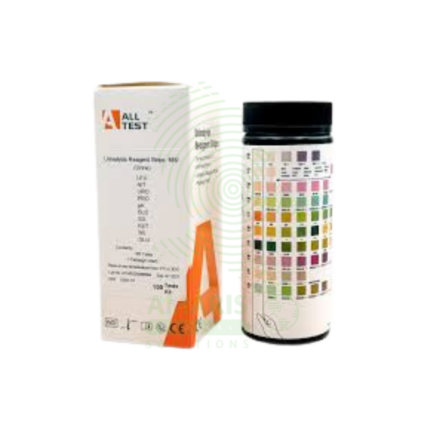
Urinalysis strips
Urinalysis Strips are Class II medical devices (FDA-cleared) consisting of plastic strips with multiple reagent-impregnated pads for simultaneous semi-quantitative detection of urine analytes including leukocytes, nitrites, urobilinogen, protein, pH, blood, specific gravity, ketones, bilirubin, and glucose. Results read by visual comparison to color chart at specified times (30-120 seconds). Primary clinical applications include routine health screening, urinary tract infection diagnosis, diabetes screening and monitoring, kidney disease assessment (proteinuria), hematuria detection, liver function evaluation, and pregnancy monitoring (preeclampsia screening). Critical safety precautions include proper specimen collection (fresh urine), storage at 15-30°C in original container with desiccant, protection from humidity, reading at exact specified times, awareness of interfering substances (ascorbic acid), and confirmation of abnormal results with quantitative tests. Essential screening tool in primary care, emergency medicine, nephrology, urology, and obstetrics.