Dermatoscope and Magnifiers
 Diagnostic Kits
 Vital Signs Monitors
 Stethoscopes and Accessories
 Otoscopes, Ophthalmoscopes, and Retinoscopes
 Reflex Hammers and Neurological Tools
 Scales and Measuring Devices
 Spirometers and Pulmonary Function Tests
 Electrosurgical Units and Accessories
 Cutting Instruments
 Grasping and Holding Instruments
 Hemostatic Instruments
 Specialized Surgical Sets
 Single-Use Procedure Trays and Packs
 Surgical Drapes, Gowns, and Covers
 Tissue Unifying Instruments
 Radiation Protection
 X-Ray Machines and Accessories
 Ultrasound Systems and Probes
 MRI and CT Scanners
 Radiology Consumables
 Bone Densitometers
 Fluoroscopy Equipment
 Imaging Tables and Positioning Aids
 Microscopes and Accessories
 Centrifuges and Separators
 Analyzers
 Incubators and Ovens
 Pipettes, Dispensers, and Lab Glassware
 Refrigerators, Freezers, and Storage Units
 Lab Consumables
 Sterilizers and Autoclaves for Lab Use
 Multi-Parameter Monitors
 Ventilators and Respiratory Support Devices
 Defibrillators and AEDs
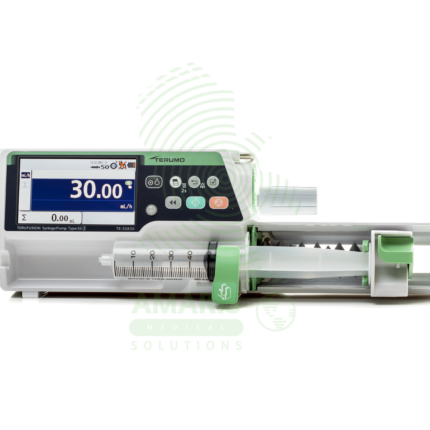
 Infusion Pumps and IV Systems
 Patient Warmers and Cooling Devices
 Central Monitoring Stations
 Accessories
 Anesthesia Machines and Workstations
 Oxygen Concentrators and Delivery Systems
 Nebulizers and Inhalers
 CPAP/BiPAP Machines
 Airway Management
 Anesthesia Masks, Circuits, and Bags
 Humidifiers and Heaters
 Respiratory Therapy Accessories
 First Aid Kits and Cabinets
 Emergency Resuscitation Equipment
 Trauma Supplies
 Emergency Carts and Crash Carts
 Burn Care Products
 Bleeding Control
 Automated External Defibrillators (AEDs)
 Transport and Evacuation
 Wheelchairs and Accessories
 Walkers, Crutches, and Canes
 Prosthetics and Orthotics
 Physical Therapy Equipment
 Transfer Devices
 Bathroom Safety
 Orthopedic Traction and Tables
 Hot/Cold Therapy Packs and Units
 Beds and Mattresses
 Chairs and Stools
 Tables
 Cabinets and Storage
 Privacy Screens & Curtains
 Stands and Racks
 Linens and Textiles
 Lighting
 Autoclaves and Sterilizers
 Ultrasonic Cleaners
 Disinfectant Solutions and Wipes
 Sterilization Pouches, Wraps, and Indicators
 Instrument Trays and Containers
 UV and Ozone Disinfection Devices
 Washer Disinfectors
 Wound Care
 Gloves
 Masks and Respirators
 Catheters and Tubing
 Swabs, Applicators, and Sponges
 Incontinence Products
 Personal Protective Equipment (PPE)
 Dental Chairs and Units
 Handpieces and Burs
 Instruments
 Consumables
 Sterilization for Dental Use
 Orthodontic Supplies
 Endodontic Tools
 Slit Lamps and Tonometers
 Lensometers and Phoropters
 Ophthalmic Surgical Instruments
 Eyewear Frames and Lenses
 Contact Lens Supplies
 Vision Testing Charts and Devices
 Eye Care Consumables
 Laser Systems for Eye Care
 ENT Exam Chairs and Tables
 Endoscopes
 Audiometers and Hearing Tests
 ENT Instruments
 Nasal and Throat Packs
 Hearing Aids and Accessories
 Otology Supplies
 Fetal Dopplers and Monitors
 Delivery Beds and Tables
 Gynecological Instruments
 Neonatal Incubators and Warmers
 Breast Pumps and Accessories
 Contraceptive Devices
 Maternity Supports and Pads
 Neonatal Consumables
 Cystoscopes and Urethroscopes
 Dialysis Machines and Supplies
 Urological Catheters and Bags
 Lithotripters
 Prostate Treatment Devices
 Urinary Incontinence Products
 Kidney Stone Management Tools
 Consumables & Disposables
 EEG and EMG Machines
 Neurosurgical Instruments
 Nerve Stimulators
 Headrests and Positioning Aids
 Lumbar Puncture Kits
 Seizure Monitoring Devices
 Consumables
 Rehabilitation for Neurological Conditions
 ECG Machines and Accessories
 Holter Monitors
 Stress Test Systems
 Pacemakers and Defibrillator Accessories
 Vascular Access Devices
 Cardiac Catheters and Guidewires
 Blood Flow Meters
 Consumables
 Orthopedic Instruments
 Casts, Splints, and Padding
 Joint Replacement Supplies
 Prosthetic Limbs and Components
 Bone Grafts and Substitutes
 Traction Devices
 Orthopedic Braces and Supports
 Rehabilitation Aids for Orthopedics
 Home Oxygen Therapy
 Hospital Beds for Home Use
 Mobility Aids
 Bathroom and Daily Living Aids
 Wound Care for Home
 Monitoring Devices
 Enteral Feeding Pumps and Tubes
 Hand Sanitizers and Dispensers
 Face Shields and Goggles
 Isolation Gowns and Suits
 Biohazard Waste Containers
 Air Purifiers and HEPA Filters
 Surface Disinfectants
 Sharps Containers
 Protective Barriers
 Cardiovascular & Endurance Training
 Strength Training & Weightlifting
 Functional Training & Core Conditioning
 Physical Therapy & Rehabilitation
 Sports & Outdoor Recreation
 Gym Flooring & Facility Equipment
 Fitness Monitoring & Accessories
 Kids & Novelties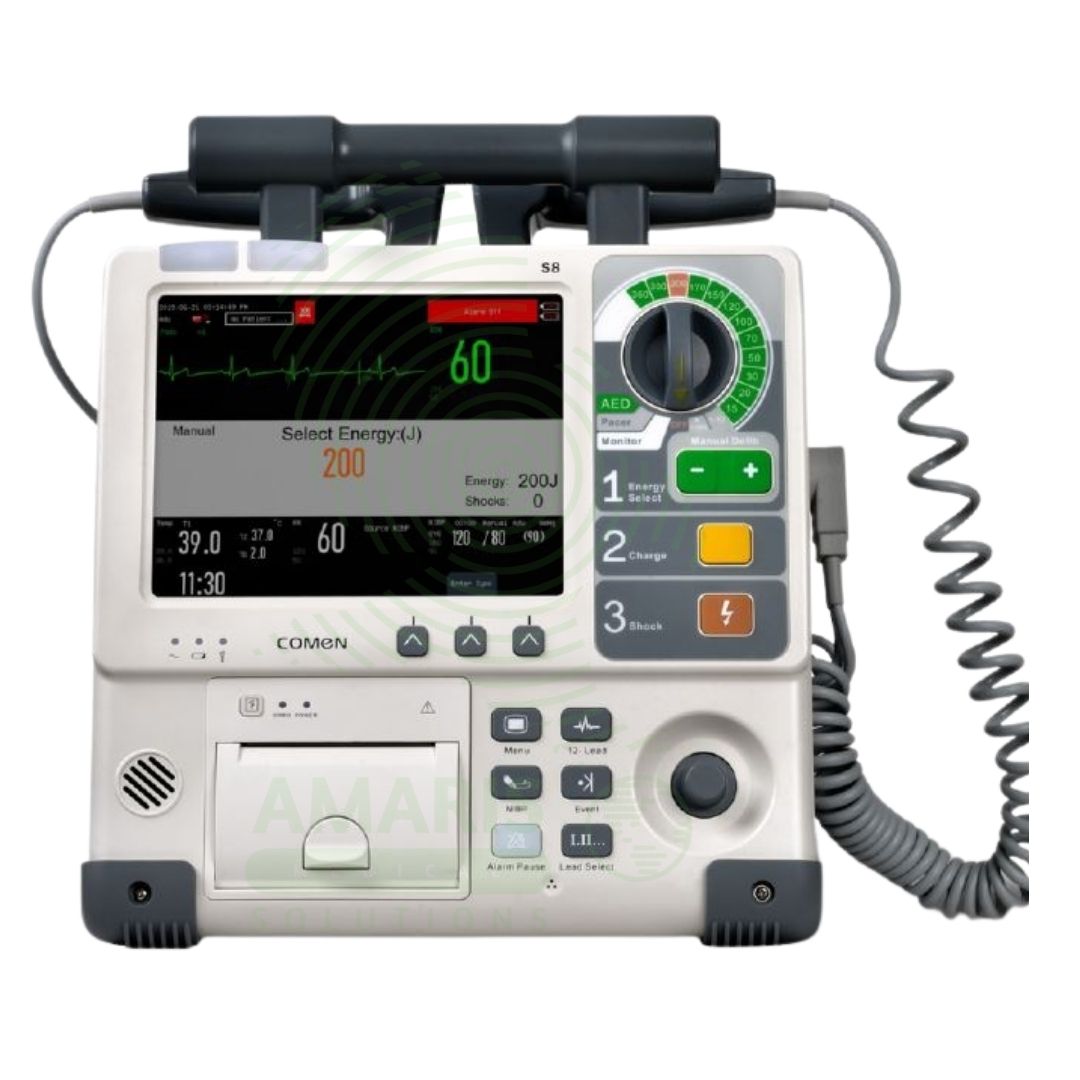
Defibrillator Monitor
WhatsApp Order
The Defibrillator Monitor is a critical, portable life-support device that combines continuous patient monitoring with immediate defibrillation and pacing capabilities. It is the frontline tool for managing cardiac arrest (through defibrillation) and unstable arrhythmias (through synchronized cardioversion or pacing) in emergency departments, during patient transport, and for hospital code teams. Essential for safe operation are rigorous daily self-tests, correct pad placement, and the strict protocol of clearing all personnel before delivering a shock. Its integrated monitoring of ECG, SpO2, and NIBP allows for comprehensive patient assessment at the point of greatest need.
Description
Defibrillator Monitor
PRIMARY CLINICAL & DIAGNOSTIC USES
1. Treatment of Life-Threatening Cardiac Arrhythmias
-
Primary Use: Delivers a therapeutic dose of electrical energy (defibrillation or synchronized cardioversion) to terminate ventricular fibrillation (VF), pulseless ventricular tachycardia (VT), and other unstable tachyarrhythmias, restoring an effective perfusing rhythm.
-
How it helps: For the code team, emergency physician, or paramedic, this device is the only intervention that can stop the chaotic, lethal quivering of a heart in arrest and give it a chance to beat normally again. For the patient in cardiac arrest, those joules delivered through the pads represent hope—the best chance to walk out of the hospital alive when their heart has forgotten how to beat.
2. Continuous Patient Monitoring
-
Primary Use: Provides real-time display and recording of essential vital signs, primarily electrocardiogram (ECG), but also non-invasive blood pressure (NIBP), pulse oximetry (SpO₂), and sometimes invasive pressures or temperature.
-
How it helps: For the critical care nurse and physician, it serves as the ever-watchful guardian at the bedside—tracking every heartbeat, every oxygen fluctuation, every blood pressure change while they attend to other tasks. For the unstable patient, this continuous surveillance means the moment a rhythm deteriorates or oxygen drops, help is immediately at the bedside, often before symptoms are even felt.
3. Pacing
-
Primary Use: Offers transcutaneous pacing (TCP) for patients with symptomatic bradycardia or asystole by delivering electrical impulses through external pads to stimulate cardiac contraction.
-
How it helps: For the clinician facing a patient with a heart rate so slow it cannot sustain life, the pacer function provides a temporary but life-saving bridge—externally commanding the heart to beat until a permanent pacemaker can be placed or the underlying cause reversed. For the patient in profound bradycardia, those electrical impulses mean blood continues to flow to the brain, consciousness is maintained, and vital organs remain perfused.
4. 12-Lead ECG Acquisition
-
Primary Use: Acquires, displays, and transmits a diagnostic-quality 12-lead electrocardiogram at the point of care, aiding in rapid diagnosis of conditions like acute myocardial infarction.
-
How it helps: For the emergency physician and cardiologist, a 12-lead ECG at the bedside or in the field provides the critical information needed to diagnose a heart attack in progress and activate the catheterization lab before the patient even arrives. For the patient with chest pain, this capability means faster diagnosis, faster treatment, and preserved heart muscle—directly translating to better outcomes and quality of life after a heart attack.
SECONDARY & SUPPORTIVE USES
1. Patient Transport: For the transport team moving a critically ill patient, the defibrillator monitor provides continuous surveillance and immediate intervention capability during the most vulnerable transitions. For the unstable patient being moved between units or facilities, this device ensures that monitoring and life support travel with them every step of the way.
2. Code Blue/Resuscitation Management: For the code team leader, the defibrillator monitor is the command center during a cardiac arrest—guiding rhythm interpretation, timing of shocks, and assessment of pulse with its integrated functions. For the patient in cardiac arrest, it provides the structured, protocol-driven care that gives the best chance of successful resuscitation.
3. Pre-Operative and Post-Operative Monitoring: For the anesthesiologist and PACU nurse, it monitors high-risk patients during the vulnerable periods before and after surgery when cardiac events are most likely to occur. For the surgical patient with known heart disease or risk factors, this vigilance provides an extra layer of safety during the stress of anesthesia and recovery.
KEY PRODUCT FEATURES
1. BASIC IDENTIFICATION ATTRIBUTES
-
Device Type: A portable, battery-powered, combined device integrating a cardiac monitor, defibrillator, and often a non-invasive pacemaker.
-
Core Functions: Monitor-Defibrillator-Pacer (often called an "MDP").
-
Core Components:
-
Main Console/Display: High-resolution color screen for waveform and parameter display.
-
Defibrillation Module: High-voltage capacitor and delivery system.
-
Battery Pack: Rechargeable, high-capacity lithium-ion battery for portability.
-
Patient Interface: Includes ECG cable and electrodes, defibrillation pads (adhesive, pre-connected), SpO2 sensor, NIBP cuff.
-
Controls: Dedicated knobs/buttons for energy selection, charge, and shock delivery, often with an integrated ECG recorder.
-
2. TECHNICAL & PERFORMANCE PROPERTIES
-
Defibrillation Energy: Maximum deliverable energy (e.g., 200J, 360J biphasic). Modern units use biphasic waveforms, which are more effective at lower energies than older monophasic waveforms.
-
Pacing Output: Current output for transcutaneous pacing (e.g., 0-200 mA).
-
Monitoring Parameters: Typically includes ECG (3/5/12-lead), SpO2, NIBP. May include etCO2 (capnography) and IBP modules.
-
Screen & Display: Size, resolution, and ability to display multiple parameters simultaneously.
-
Battery Life: Critical for portability, measured in hours of monitoring or number of shocks.
3. PHYSICAL & OPERATIONAL PROPERTIES
-
Portability: Designed as a rugged, portable unit on a wheeled cart or with carrying handles for rapid response.
-
Durability: Built to withstand the physical demands of emergency transport and use.
-
Data Management: Capabilities for data storage, review, and transmission to hospital networks or electronic medical records (EMR).
4. SAFETY & COMPLIANCE ATTRIBUTES
-
Regulatory Status: Classified as a Class II or III medical device (moderate to high risk) depending on features.
-
Electrical Safety: Must comply with IEC 60601-1 and the particular standard for defibrillators (IEC 60601-2-4).
-
Sync Mode for Cardioversion: Must have a synchronized mode that delivers the shock on the R-wave of the ECG to avoid inducing VF when cardioverting unstable atrial arrhythmias.
-
Impedance Compensation: Adjusts delivered energy based on patient transthoracic impedance to ensure the intended dose reaches the heart.
-
Safety Interlocks: Prevents accidental discharge and ensures shock is only delivered when intended (e.g., two-button press sequence, voice prompts).
5. STORAGE & HANDLING ATTRIBUTES
-
Storage: Store on its designated cart or charger in an accessible, ready-to-use location. The battery should be maintained on charge.
-
Daily/Pre-Use Check: Mandatory. Includes visual inspection, battery status check, and performing an operational self-test (which typically tests the defibrillation circuit using a built-in test load).
-
Cleaning & Disinfection: Wipe down the exterior, screen, and cables after each patient use with manufacturer-approved disinfectants. Avoid liquid ingress.
-
Accessory Inspection: Regularly check defibrillation pads and ECG electrodes for expiration dates and package integrity.
6. LABORATORY & CLINICAL APPLICATIONS
-
Primary Application: The essential life-support monitor for high-acuity and unpredictable environments: Emergency Departments, Intensive Care Units, Cardiac Care Units, and for hospital rapid response/code teams.
-
Clinical Role: Provides the critical link between monitoring for deterioration and having the immediate intervention tool (defibrillation/pacing) to treat it.
SAFETY HANDLING PRECAUTIONS
1. SAFETY PRECAUTIONS
-
Clear Before Shock (CRITICAL): Loudly announce "CLEAR!" and visually verify that no one is touching the patient or the bed before delivering a shock.
-
Pad Placement: For defibrillation, use antero-apical placement (sternum-apex). For pacing, use antero-posterior placement. Ensure pads make full skin contact; shave hair if necessary but do not delay.
-
Oxygen Safety: Do not deliver a shock in a oxygen-enriched atmosphere (e.g., directly under an oxygen mask or nasal cannula). Briefly move the source away or turn it off.
-
Pacing Discomfort: Transcutaneous pacing is painful for conscious patients. Sedation should be administered as soon as clinically feasible.
-
Water/Metal: Do not use the device if the patient or immediate environment is wet (risk of current arcing). Remove nitroglycerin patches from the chest wall (risk of arcing/burns).
2. FIRST AID MEASURES
-
Accidental Shock to Operator/Staff: If a rescuer is shocked, remove them from contact, assess for injury (cardiac monitoring if symptomatic), and provide standard first aid/burn care. The device must be inspected for fault.
-
Device Failure During Code: If the device fails to charge or deliver a shock, immediately switch to a backup unit or use manual CPR. Remove the faulty unit from service.
-
Skin Burns from Pads: If significant skin burns occur from pad placement, provide standard burn care after the acute event is stabilized.
3. FIRE FIGHTING MEASURES
-
Flammability: Plastic and electrical components are combustible. The high-voltage capacitor presents a significant energy source.
-
Extinguishing Media: In case of fire, disconnect from AC power if safe to do so. Use a CO2 or dry chemical (Class C) fire extinguisher. Do not use water.
Related products
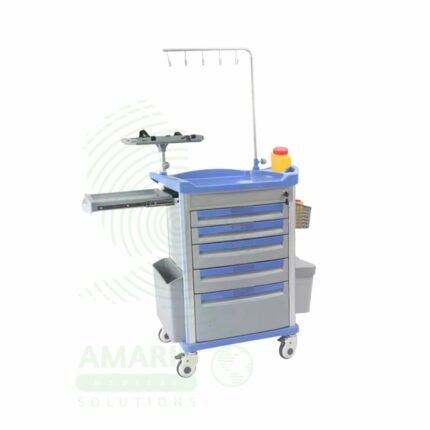
ABS Trolley (Crash Cart)
An ABS Trolley Crash Cart is a mobile, durable resuscitation station constructed from impact-resistant ABS plastic, designed for the immediate management of cardiac arrest and medical emergencies. It consolidates and organizes all essential equipment—including a defibrillator, emergency medications, airway management tools, and IV supplies—into a standardized, rapidly deployable unit following ACLS/PALS protocols. Its primary function is to eliminate treatment delays by delivering a complete set of resources directly to the patient's bedside. Rigorous daily checks and strict restocking protocols ensure it is always in a state of immediate readiness, making it a critical component of hospital safety infrastructure.
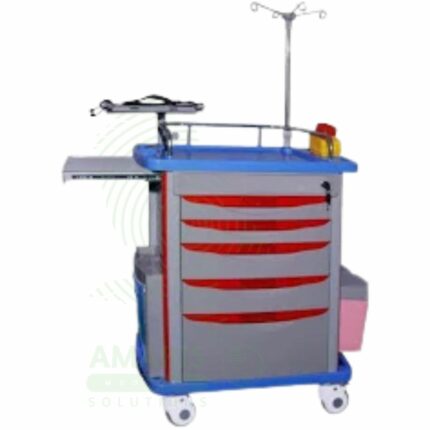
Crash Cart Medicine Trolley
A Crash Cart Medicine Trolley, or Emergency Resuscitation Trolley, is a specially designed, mobile cabinet that serves as a completely stocked and organized response station for hospital medical emergencies, primarily cardiac and respiratory arrests. It consolidates all essential equipment—including a defibrillator/monitor, emergency medications, airway management tools, and IV supplies—into a standardized, rapidly deployable unit. Its core function is to eliminate delays in life-saving treatment by bringing a comprehensive set of resources directly to the patient's bedside. Rigorous daily checks and strict restocking protocols ensure it is always in a state of immediate readiness, making it a critical component of hospital safety and emergency response infrastructure.
ECG Machine
An ECG Machine is a Class II medical device that records and displays the electrical activity of the heart through surface electrodes, producing an electrocardiogram for diagnosis of cardiac conditions. Standard diagnostic machines record 12 simultaneous leads (3 limb, 6 precordial, 1 ground) with frequency response 0.05-150 Hz, sampling rate 500-1,000 Hz, and high-resolution (5-10 µV) signal acquisition. Features include color touchscreen display, thermal array printer, computerized interpretation algorithms, internal memory (50-500+ ECGs), and network connectivity for EMR integration. Lead wires (AHA or IEC color coding) connect to disposable adhesive electrodes. Portable models (5-15 kg) with rechargeable batteries enable bedside and mobile use; cart-mounted units provide full diagnostic capability. Primary clinical applications include diagnosis of arrhythmias (AF, VT, bradycardia), detection of myocardial ischemia/infarction (STEMI, NSTEMI), evaluation of chest pain, preoperative cardiac risk assessment, monitoring electrolyte imbalances, assessment of chamber enlargement, and drug effect/toxicity monitoring. Essential diagnostic equipment in emergency departments, cardiology clinics, ICUs, operating rooms, and primary care settings worldwide.
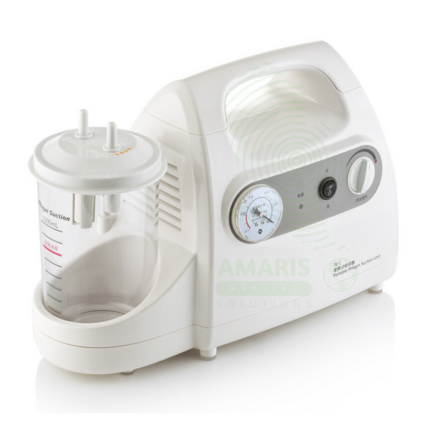
Electric Suction Machine
An Electric Suction Machine is a portable, electrically-powered medical device that generates vacuum pressure to remove fluids and secretions from a patient's airway, surgical site, or wound. It is a critical tool for maintaining a patent airway in emergency, surgical, post-operative, and chronic home care settings. The unit consists of a vacuum pump, a disposable collection canister with overflow protection, connecting tubing, and patient-end accessories. Key performance features include adjustable suction pressure, adequate airflow, and often battery backup for reliability. Strict adherence to pressure settings, suction duration, and single-use disposable components is essential for patient safety and infection control.
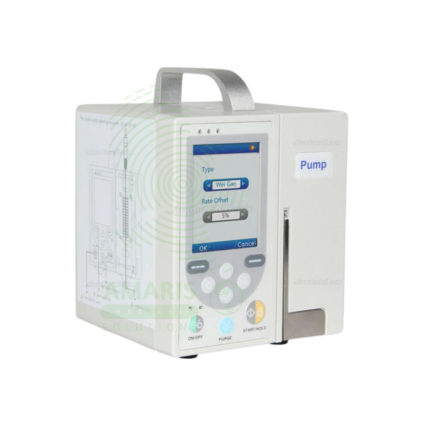
Infusion Pump
An Infusion Pump is a microprocessor-controlled device that delivers fluids, medications, or nutrients into a patient's circulatory system at precisely programmed rates. Replacing error-prone gravity drips, it is indispensable for the safe administration of critical IV therapies, including vasoactive drugs, chemotherapy, analgesics (via PCA), and nutrition. Engineered with multiple safety features—such as anti-free-flow mechanisms, air-in-line detectors, occlusion alarms, and dose error reduction software—it ensures accurate delivery and minimizes the risk of adverse events. Its use spans hospitals, clinics, and home care, making it a cornerstone of modern intravenous therapy.
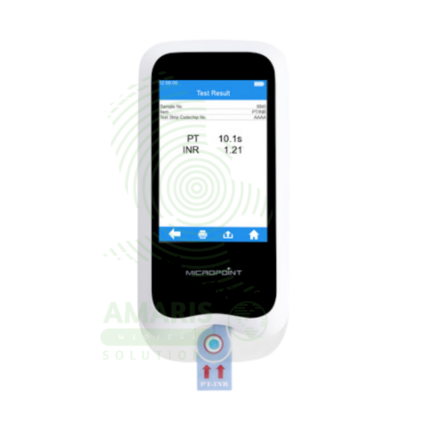
mLabs and qLabs Platforms
The mLabs and qLabs Platforms are integrated point-of-care testing systems manufactured by Micropoint Bioscience for rapid quantitative measurement of coagulation parameters (PT/INR, ACT), cardiac markers (troponin I, CK-MB, NT-proBNP), hemoglobin/hematocrit, electrolytes (Na+, K+, iCa), blood gases (pH, pCO2, pO2), glucose, ketones, and infectious disease markers. The qLabs platform specializes in coagulation and electrolyte testing using electrochemical technology, while the mLabs platform focuses on immunoassay and photometric testing for cardiac, hematology, and infectious disease applications. Features include portable design, touchscreen interface, rechargeable battery, USB/Bluetooth connectivity, and compatibility with single-use disposable test cards. Test times range from 1-15 minutes with sample volumes of 2-100 µL. Primary clinical applications include anticoagulation management (warfarin monitoring), cardiac surgery and intervention support (ACT monitoring), emergency cardiac diagnosis (troponin), anemia screening, diabetes management, critical care electrolyte and blood gas analysis, and infectious disease testing in endemic regions. Critical safety precautions include proper test card storage (temperature-sensitive), regular quality control, operator training, single-use lancets, and infection control protocols. Essential point-of-care testing solution for hospitals, clinics, emergency departments, surgical suites, and anticoagulation clinics.
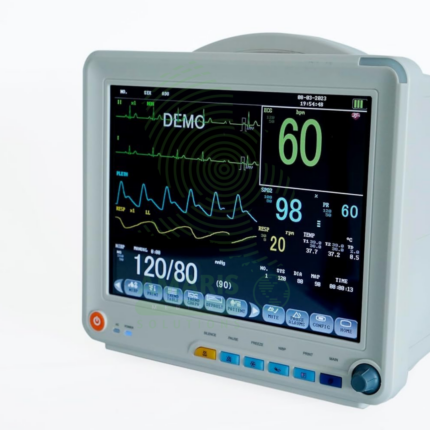
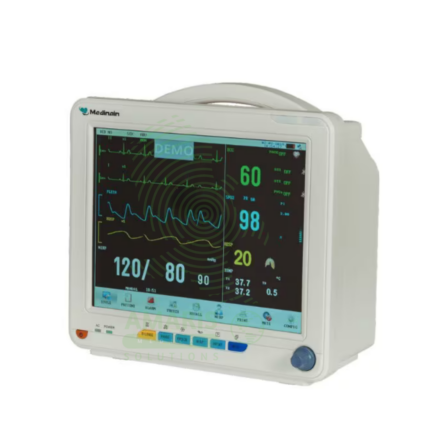
Patient Monitor
The Patient Monitor (6 Parameters BCCMS8000) is a versatile multi-parameter monitor designed for continuous surveillance of core vital signs in various clinical settings. It tracks six essential parameters—ECG, SpO2, Non-Invasive Blood Pressure (NIBP), Respiration, Temperature, and Pulse Rate—providing clinicians with real-time waveforms and numerical data on a clear color display. With its robust alarm system, battery backup for transport, and reliable performance, it is a fundamental tool for ensuring patient safety on general hospital wards, during procedures, and in emergency departments. Its design balances comprehensive monitoring capability with user-friendly operation.