Dermatoscope and Magnifiers
 Diagnostic Kits
 Vital Signs Monitors
 Stethoscopes and Accessories
 Otoscopes, Ophthalmoscopes, and Retinoscopes
 Reflex Hammers and Neurological Tools
 Scales and Measuring Devices
 Spirometers and Pulmonary Function Tests
 Electrosurgical Units and Accessories
 Cutting Instruments
 Grasping and Holding Instruments
 Hemostatic Instruments
 Specialized Surgical Sets
 Single-Use Procedure Trays and Packs
 Surgical Drapes, Gowns, and Covers
 Tissue Unifying Instruments
 Radiation Protection
 X-Ray Machines and Accessories
 Ultrasound Systems and Probes
 MRI and CT Scanners
 Radiology Consumables
 Bone Densitometers
 Fluoroscopy Equipment
 Imaging Tables and Positioning Aids
 Microscopes and Accessories
 Centrifuges and Separators
 Analyzers
 Incubators and Ovens
 Pipettes, Dispensers, and Lab Glassware
 Refrigerators, Freezers, and Storage Units
 Lab Consumables
 Sterilizers and Autoclaves for Lab Use
 Multi-Parameter Monitors
 Ventilators and Respiratory Support Devices
 Defibrillators and AEDs
 Infusion Pumps and IV Systems
 Patient Warmers and Cooling Devices
 Central Monitoring Stations
 Accessories
 Anesthesia Machines and Workstations
 Oxygen Concentrators and Delivery Systems
 Nebulizers and Inhalers
 CPAP/BiPAP Machines
 Airway Management
 Anesthesia Masks, Circuits, and Bags
 Humidifiers and Heaters
 Respiratory Therapy Accessories
 First Aid Kits and Cabinets
 Emergency Resuscitation Equipment
 Trauma Supplies
 Emergency Carts and Crash Carts
 Burn Care Products
 Bleeding Control
 Automated External Defibrillators (AEDs)
 Transport and Evacuation
 Wheelchairs and Accessories
 Walkers, Crutches, and Canes
 Prosthetics and Orthotics
 Physical Therapy Equipment
 Transfer Devices
 Bathroom Safety
 Orthopedic Traction and Tables
 Hot/Cold Therapy Packs and Units
 Beds and Mattresses
 Chairs and Stools
 Tables
 Cabinets and Storage
 Privacy Screens & Curtains
 Stands and Racks
 Linens and Textiles
 Lighting
 Autoclaves and Sterilizers
 Ultrasonic Cleaners
 Disinfectant Solutions and Wipes
 Sterilization Pouches, Wraps, and Indicators
 Instrument Trays and Containers
 UV and Ozone Disinfection Devices
 Washer Disinfectors
 Wound Care
 Gloves
 Masks and Respirators
 Catheters and Tubing
 Swabs, Applicators, and Sponges
 Incontinence Products
 Personal Protective Equipment (PPE)
 Dental Chairs and Units
 Handpieces and Burs
 Instruments
 Consumables
 Sterilization for Dental Use
 Orthodontic Supplies
 Endodontic Tools
 Slit Lamps and Tonometers
 Lensometers and Phoropters
 Ophthalmic Surgical Instruments
 Eyewear Frames and Lenses
 Contact Lens Supplies
 Vision Testing Charts and Devices
 Eye Care Consumables
 Laser Systems for Eye Care
 ENT Exam Chairs and Tables
 Endoscopes
 Audiometers and Hearing Tests
 ENT Instruments
 Nasal and Throat Packs
 Hearing Aids and Accessories
 Otology Supplies
 Fetal Dopplers and Monitors
 Delivery Beds and Tables
 Gynecological Instruments
 Neonatal Incubators and Warmers
 Breast Pumps and Accessories
 Contraceptive Devices
 Maternity Supports and Pads
 Neonatal Consumables
 Cystoscopes and Urethroscopes
 Dialysis Machines and Supplies
 Urological Catheters and Bags
 Lithotripters
 Prostate Treatment Devices
 Urinary Incontinence Products
 Kidney Stone Management Tools
 Consumables & Disposables
 EEG and EMG Machines
 Neurosurgical Instruments
 Nerve Stimulators
 Headrests and Positioning Aids
 Lumbar Puncture Kits
 Seizure Monitoring Devices
 Consumables
 Rehabilitation for Neurological Conditions
 ECG Machines and Accessories
 Holter Monitors
 Stress Test Systems
 Pacemakers and Defibrillator Accessories
 Vascular Access Devices
 Cardiac Catheters and Guidewires
 Blood Flow Meters
 Consumables
 Orthopedic Instruments
 Casts, Splints, and Padding
 Joint Replacement Supplies
 Prosthetic Limbs and Components
 Bone Grafts and Substitutes
 Traction Devices
 Orthopedic Braces and Supports
 Rehabilitation Aids for Orthopedics
 Home Oxygen Therapy
 Hospital Beds for Home Use
 Mobility Aids
 Bathroom and Daily Living Aids
 Wound Care for Home
 Monitoring Devices
 Enteral Feeding Pumps and Tubes
 Hand Sanitizers and Dispensers
 Face Shields and Goggles
 Isolation Gowns and Suits
 Biohazard Waste Containers
 Air Purifiers and HEPA Filters
 Surface Disinfectants
 Sharps Containers
 Protective Barriers
 Cardiovascular & Endurance Training
 Strength Training & Weightlifting
 Functional Training & Core Conditioning
 Physical Therapy & Rehabilitation
 Sports & Outdoor Recreation
 Gym Flooring & Facility Equipment
 Fitness Monitoring & Accessories
 Kids & Novelties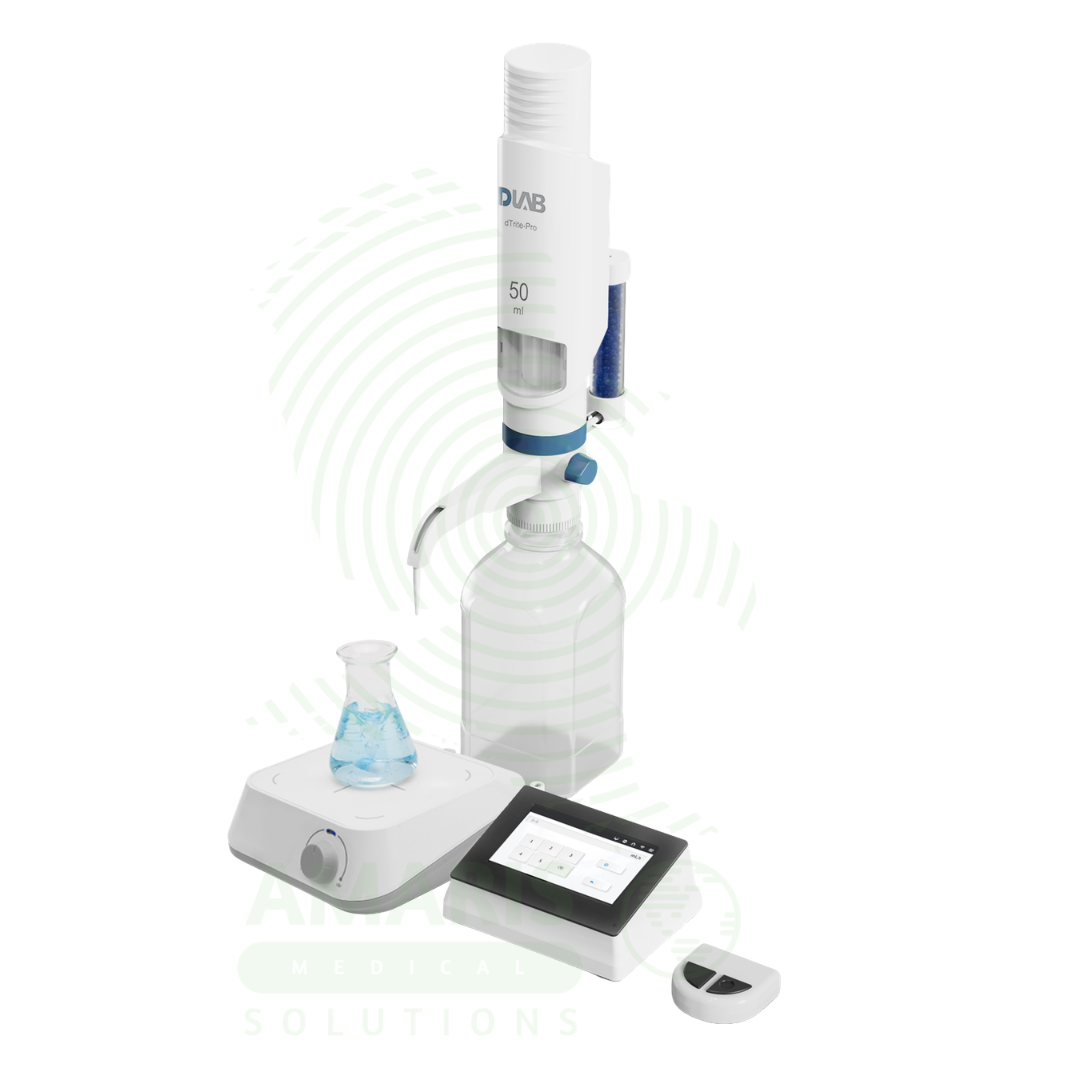

Electronic Titrator (dTrite-Pro)
WhatsApp Order
The Electronic Titrator (dTrite-Pro) is a fully electronic, digitally controlled bottle-top titration system engineered to completely replace traditional manual glass burettes. Leveraging a precision electronic drive system and a high-accuracy metering pump, it automates the titration workflow, eliminating the inherent subjectivity and variability of manual methods related to drop control, color perception, and human error. The instrument achieves exceptional volumetric precision, with a minimum single-drop volume of 10 μL (10mL model) or 20 μL (25mL and 50mL models), and is fully compliant with ISO 8655 standards. It supports all major titration types: acid-base, redox, precipitation, and complexometric.
For the pharmaceutical QC, environmental, and food safety analyst, the dTrite-Pro provides a significant leap in accuracy, efficiency, and data integrity. Available in three cylinder sizes (10mL, 25mL, 50mL), it features a 4.3-inch TFT color touchscreen for intuitive method control, a detachable remote panel for safe distance operation, and a built-in 3500mAh rechargeable battery for hours of cord-free use. It also features Bluetooth and WiFi connectivity for seamless integration with PCs and LIMS, enabling paperless data management and GLP/GMP compliance.
For the patient and the public, the use of the dTrite-Pro in QC and testing laboratories directly translates to safer, higher-quality pharmaceuticals, a more rigorously monitored and protected public water supply, and safer food products. By providing accurate, traceable data, it helps ensure that the products that reach consumers are safe, effective, and of consistent, high quality.
Description
Electronic Titrator (dTrite-Pro)
PRIMARY CLINICAL & DIAGNOSTIC USES
1. Pharmaceutical Quality Control and Drug Content Determination
-
Primary Use: Provides a fully electronic, digitally controlled bottle-top titration system for precise quantitative analysis of active pharmaceutical ingredients (APIs), excipients, and finished drug products, performing acid-base, redox, precipitation, and complexometric titrations with high accuracy.
-
How it helps: For the pharmaceutical QC chemist and analyst, the dTrite-Pro eliminates subjective errors and manual inconsistencies inherent in traditional glass burettes. Its precision electronic drive and high-accuracy metering pump deliver titrant volumes with exceptional repeatability (minimum single-drop volume of 10-20 µL), ensuring that API content determinations meet stringent regulatory and pharmacopoeial requirements (USP, Ph.Eur., ChP). For the patient, this ensures that every batch of medication has the correct potency and composition, free from over-dosage or under-dosage that could compromise therapeutic efficacy or cause toxicity.
2. Environmental Water Quality Analysis
-
Primary Use: Employed for determination of water hardness (total calcium and magnesium), chloride content, chemical oxygen demand (COD), and other key water quality indicators in drinking water, surface water, groundwater, and industrial wastewater.
-
How it helps: For the environmental analyst and public health laboratory technician, the dTrite-Pro’s ability to perform complexometric and precipitation titrations provides a rapid, precise, and standardized method for monitoring water quality. Its high-precision motorized control ensures that measurements for critical parameters like chloride (Mohr method) and water hardness are free from operator bias, producing traceable, defensible data. For the patient and community, this rigorous monitoring helps safeguard public drinking water supplies and ensures that industrial wastewater discharge complies with environmental regulations, protecting public health and ecosystems.
3. Food Safety and Nutritional Analysis
-
Primary Use: Utilized for quantitative determination of key quality and safety parameters in food products, including acid value and peroxide value of edible oils, salt content in processed foods, total acidity in beverages, and reducing sugars.
-
How it helps: For the food safety analyst and QA manager, the dTrite-Pro provides a portable, high-precision solution for ensuring compliance with food safety standards. Its automated visual endpoint recognition and controlled titration rate dramatically improve the accuracy and reproducibility of essential quality indices like acid value and peroxide value, aligning results with national food safety standards. For the patient (consumer), this ensures that food products are safe, fresh, and meet regulatory standards for quality, reducing the risk of consuming adulterated or rancid products.
4. Clinical Research and Biochemical Analysis
-
Primary Use: Supports clinical research and biochemical analysis in hospital and research laboratories, including quantification of calcium in biological samples, analysis of chloride in physiological solutions, and other specialized assays supporting clinical studies.
-
How it helps: For the research scientist and clinical laboratory technologist, the dTrite-Pro’s ability to handle trace volumes (as low as 10 µL for the 10mL model) with high precision is invaluable for developing and validating new analytical methods. Its full electronic control and data logging capabilities (up to 1000 records) ensure the creation of highly reproducible methods and a complete analytical audit trail. For the patient, this rigor generates reliable, traceable data used in clinical research to draw valid conclusions about patient health, disease mechanisms, or the efficacy of potential new therapies.
SECONDARY & SUPPORTIVE USES
1. Pharmaceutical Raw Material and Excipient Testing: Used for compendial analysis of incoming raw materials, including nitrogen content determination (Kjeldahl) and non-aqueous titrations for weak acids and bases as per pharmacopeial monographs.
2. Veterinary Drug Quality Control: Supports quality control of veterinary pharmaceuticals, including potency testing of antibiotics and quantitative analysis of active ingredients in animal health products.
3. Fertilizer and Agricultural Analysis: Used to determine nutrient content of fertilizers, such as total nitrogen and potassium levels, ensuring product quality for agricultural applications.
4. Petrochemical Industry Quality Control: Employed for analysis of acid number, base number, and mercaptan sulfur in petroleum products to determine product quality and corrosion potential.
5. Wine and Beverage Analysis: Controls quality of wine and beverages by measuring total acidity, pH, and free/total sulfur dioxide (SO₂), ensuring product consistency.
6. Cosmetic and Personal Care Product Testing: Performs quality control checks on cosmetic ingredients and finished products, such as measuring acid value of oils used in creams and lotions.
7. Electroplating and Metal Finishing QC: Used to analyze concentration of metal ions (e.g., nickel, copper, zinc) in electroplating baths, ensuring consistent plating quality.
8. Forensic and Toxicology Sample Preparation: Precisely prepares standards, calibrators, and QC samples for toxicological analysis by LC-MS/MS or GC-MS.
9. Academic and Educational Laboratory Training: Serves as a state-of-the-art teaching tool for students to learn titration principles while being introduced to modern automated analytical instrumentation.
10. Custom Method Development: Free, downloadable PC control software allows research laboratories to develop, optimize, and save custom titration methods for novel applications.
KEY PRODUCT FEATURES
1. BASIC IDENTIFICATION ATTRIBUTES
-
Device Type: A fully electronic, digitally controlled bottle-top titration system that replaces traditional manual and semi-automatic burettes for a wide range of analytical titration techniques.
-
Designation: dTrite-Pro Electronic Titrator, Electronic Digital Burette, dTrite-Pro Titration System.
-
Key Components:
o Electronic Drive Unit: Houses the motor, control electronics, and user interface with precision electronic drive.
o 4.3″ TFT Color Touchscreen: High-resolution (800×480) screen for intuitive operation, method selection, and data visualization.
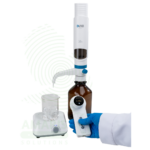
o Detachable Remote Control Panel: Allows for remote titration, promoting user safety by operating away from chemical fumes and splashes.
o High-Precision Metering Pump: Electronic stepper motor driving a precision piston for exceptional volumetric accuracy.
o Interchangeable Burette Units: Available in 10mL, 25mL, and 50mL sizes for different titration volume requirements.
o Wetted Materials: Fluid path constructed from PTFE, FEP, and borosilicate glass for broad chemical compatibility.
o Removable Bottle Adapters: Set of 5 adapters for secure attachment to various reagent bottle threads.
o 0-90° Rotatable Built-in Valve: Enables rapid air exhaust and safe reagent return to storage bottle.
o Built-in Magnetic Stirrer: Optional stirring function for homogeneous sample mixing during titrations.
o Transparent and Brown (Amber) Windows: Brown window for light-sensitive titrants (iodine, potassium permanganate, silver nitrate) to prevent photodegradation.
o Drying Tube: Standard accessory for protecting moisture and CO₂-sensitive reagents from atmospheric contamination.
o PC Software (Free): Provided for computer control, method programming, data export, and LIMS connectivity.
2. TECHNICAL & PERFORMANCE PROPERTIES
-
Available Burette Volume Capacities: 10 mL, 25 mL, and 50 mL models.
-
Operating Volume Range: From 10 µL up to 50.00 mL (depending on model).
-
Minimum Single-Drop Volume: 10 µL (10 mL burette); 20 µL (25 mL and 50 mL burettes).
-
Delivery Speed: Adjustable over 10 levels, ranging from 0.5 mL/s up to 10 mL/s.
-
Performance Standards: ISO 8655 compliant; meets A-grade accuracy requirements for volumetric apparatus.
-
Display: 4.3-inch TFT color touchscreen with 800×480 resolution.
-
Data Storage Capacity: Memory for up to 1,000 complete titration records.
-
Power Supply: AC power via external adapter; built-in 3,500mAh rechargeable battery for extended field use.
-
Wireless Connectivity: Integrated Bluetooth and WiFi for remote control, PC linkage, and data management.
-
Operational Modes: Liquid dispensing (single drop, fixed volume, manual discharge); liquid aspiration (manual suction, fixed-volume aspiration).
3. PHYSICAL & OPERATIONAL PROPERTIES
-
Construction: Impact-resistant, chemically resistant polymer housing for benchtop use.
-
Liquid End Path: High chemical compatibility with PTFE, FEP, and borosilicate glass.
-
Window System: Supplied with both transparent and brown (amber) liquid windows for light-sensitive reagents.
-
User Interface: High-resolution 4.3″ color touchscreen plus detachable remote control panel.
-
Wireless Connectivity: Bluetooth and Wi-Fi built-in for connecting to PC software and LIMS.
-
PC Software: Free, downloadable software to control the unit, design methods, and manage/export data records.
-
Data Management: Stores up to 1,000 individual titration records including date, time, volume, and method parameters.
-
LIMS Compatibility: PC software allows seamless integration of titration data into Laboratory Information Management Systems.
-
Drying Tube: Standard accessory to protect reagents from moisture and CO₂.
-
Portability: Lightweight construction and 3500mAh battery allow untethered operation for field and mobile workflows.
4. SAFETY & COMPLIANCE ATTRIBUTES
-
Regulatory Status: Class I general laboratory equipment.
-
Safety Features: Remote operation via detachable panel and wireless control; 0-90° rotatable valve for safe reagent return; brown window prevents photodegradation of light-sensitive titrants.
-
Quality Compliance: Designed, manufactured, and tested to meet ISO 8655 standards and GLP/GMP guidelines for data management and traceability.
-
Chemical Compatibility: Liquid contact parts made of PTFE, FEP, and borosilicate glass; not suitable for hydrofluoric acid (HF).
5. STORAGE & HANDLING ATTRIBUTES
-
Storage: Store main unit in a clean, dry, chemical-free area when not in use.
-
Cleaning: Clean external housing and touchscreen with a soft, damp cloth and mild, non-abrasive detergent; disconnect power before cleaning.
-
Inspection: Inspect PTFE piston, glass cylinder, and seals for wear, cracking, or damage before first use and periodically thereafter.
-
Operation and Setup: Ensure PP and PTFE seals are of good quality; when changing reagents, flush system thoroughly with compatible solvent to avoid cross-contamination.
-
Temperature Sensitivity: Equilibrate all reagents to room temperature (10-30°C) before use for volumetric accuracy.
-
Battery Management: For battery-operated use, ensure unit is fully charged; store with partial battery charge for extended periods.
-
Calibration: Regular calibration verification of piston recommended to maintain ISO 8655 compliance and long-term accuracy.
6. LABORATORY & CLINICAL APPLICATIONS
-
Primary Application: High-precision electronic titration for quantitative chemical analysis in pharmaceutical quality control, environmental monitoring, food safety testing, and chemical quality control laboratories.
-
Clinical Role: Supports diagnostic and clinical processes indirectly by providing accurate, traceable analytical data for pharmaceutical QC, environmental safety monitoring, and preparation of high-accuracy standards for calibrators used in clinical chemistry analyzers and immunoassays.
SAFETY HANDLING PRECAUTIONS
1. SAFETY PRECAUTIONS
-
Electrical Safety: Operate only with supplied AC power adapter; do not immerse control unit or touchscreen in liquid.
-
Chemical Hazards: Titration may involve corrosive, toxic, or flammable reagents; handle in chemical fume hood with appropriate PPE (gloves, eye protection, lab coat); use remote control feature to maintain safe distance.
-
Spill Containment: Work with instrument in spill tray large enough to contain entire reagent bottle contents.
-
Chemical Compatibility: Consult manufacturer's chemical compatibility guide before using new reagents; hydrofluoric acid (HF) is incompatible and will damage glass fluid path and PTFE seals.
-
Pressure: Never exceed maximum operating pressure of internal pump.
-
Autoclaving: Main electronic unit and PTFE piston are not autoclavable.
2. FIRST AID MEASURES
-
Chemical Splash: Remove contaminated clothing immediately; rinse affected skin with copious water for at least 15 minutes; for eye contact, rinse with water or saline for 15 minutes and seek immediate medical attention; refer to chemical's Safety Data Sheet (SDS).
-
Inhalation: Move person to fresh air immediately; seek medical attention if coughing, shortness of breath, or dizziness persist.
-
Ingestion: Do NOT induce vomiting unless directed by medical professional; rinse mouth with water and immediately seek medical attention, taking chemical's SDS.
3. FIRE FIGHTING MEASURES
-
Flammability: Plastic housing is combustible but not primary fuel source; primary fire risk comes from flammable reagents being used.
-
Extinguishing Media: Use multi-purpose ABC dry chemical fire extinguisher, alcohol-resistant foam, or CO₂ for fires involving electrical components or flammable reagents.
-
Fire Response: Disconnect power supply immediately if safe to do so; do not use water on electrical fire.
Related products
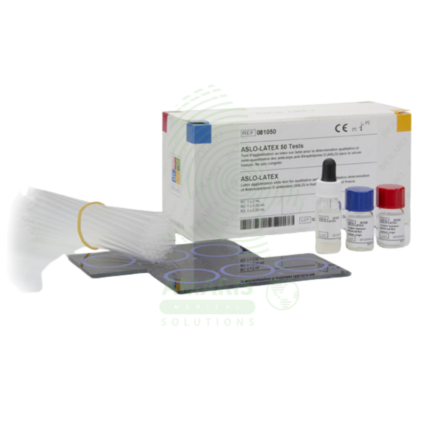
Anti-Streptol Olysin O Titer (ASOT)
Anti-Streptol Olysin O Titer (ASOT) is a quantitative or semi-quantitative serological test (latex agglutination, turbidimetry, nephelometry, or ELISA) for detecting antibodies against streptolysin O, an exotoxin produced by Group A Streptococcus. Elevated or rising titers indicate recent streptococcal infection and are essential for diagnosing post-streptococcal sequelae including acute rheumatic fever (Jones criteria) and post-streptococcal glomerulonephritis. The test requires serum samples; acute and convalescent (2-4 weeks apart) with fourfold rise confirms recent infection. Reference range typically <200-250 Todd units/mL (adults), varies by age and population. Primary clinical applications include diagnosis of Group A streptococcal infections, acute rheumatic fever evaluation, post-streptococcal glomerulonephritis diagnosis, differentiation of acute vs. past infection, evaluation of unexplained arthritis or carditis, pediatric inflammatory conditions (PANDAS), and monitoring disease activity in rheumatic fever. Critical safety precautions include proper timing of acute and convalescent samples, awareness of false negatives/positives, clinical correlation for diagnosis, and standard biohazard precautions. Essential test for rheumatology, nephrology, cardiology, and infectious disease practice.
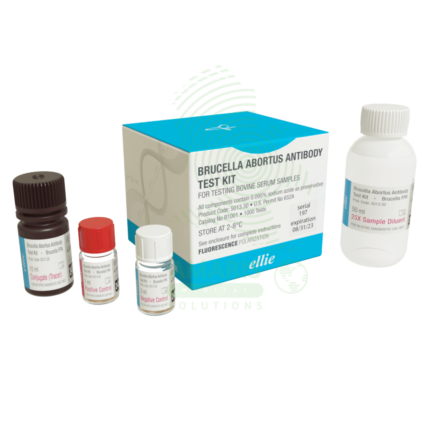
Brucella Set
A Brucella Set is a comprehensive serological test system (Class II medical device, CE-marked/FDA-cleared) for qualitative and quantitative detection of antibodies against Brucella species (B. abortus, B. melitensis, B. suis, B. canis) using multiple methodologies including tube agglutination, slide agglutination, and 2-mercaptoethanol (2-ME) testing. The set includes killed, stained Brucella antigens, positive and negative controls, dilution tubes, reaction cards, and 2-ME reagent for IgM/IgG differentiation. Diagnostic titer ≥1:160 or fourfold rise confirms brucellosis. Primary clinical applications include diagnosis of brucellosis in endemic regions (undulant fever, night sweats, arthralgia), fever of unknown origin investigation, occupational health screening in high-risk workers (veterinarians, farmers, slaughterhouse workers), diagnosis of focal complications (sacroiliitis, spondylitis, meningitis, endocarditis), treatment monitoring (fourfold decline indicates response), outbreak investigation, and public health surveillance. Critical safety precautions include handling all samples in biosafety cabinet (Brucella is highly infectious via aerosol), 2-ME reagent toxicity (use fume hood), awareness of prozone phenomenon (serial dilutions essential), cross-reactions with other Gram-negative bacteria, and mandatory reporting to public health authorities. Essential test for brucellosis diagnosis in endemic regions and occupational health settings.
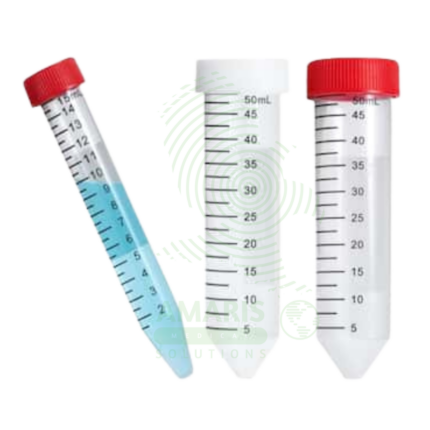
Centrifuge Tubes
Centrifuge Tubes are specialized disposable containers (polypropylene) designed to withstand high centrifugal forces (up to 30,000 x g) for separating biological fluids based on density. Available in microcentrifuge sizes (0.2-2.0 mL), conical tubes (15 mL, 50 mL), and larger volumes (100-500 mL). Features include leak-proof screw caps with O-rings (conical tubes), snap caps (microcentrifuge tubes), graduated volume markings, writing areas, and sterile/non-sterile options. Certified RNase/DNase-free, pyrogen-free, and autoclavable. Primary clinical applications include blood component separation (serum/plasma), urine sediment preparation, microbiology sample concentration, molecular biology (DNA/RNA extraction), cell culture processing, protein/enzyme analysis, and viral load testing. Critical safety precautions include never exceeding maximum RCF rating, proper balancing by weight, secure cap tightening, inspection for cracks, and disposal as biohazardous waste. Essential consumable in every clinical, research, and industrial laboratory.
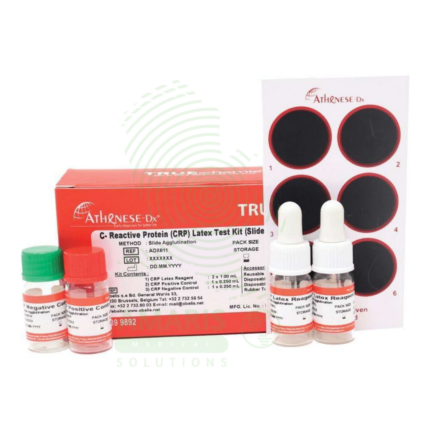
CRP Test Kit
CRP Test Kit (C-Reactive Protein) is a quantitative or semi-quantitative immunoassay (latex agglutination, turbidimetry, nephelometry, ELISA, or rapid immunochromatographic) for detecting C-reactive protein in blood, an acute-phase reactant produced in response to inflammation. Rapid rise within 6-12 hours, peaks at 24-48 hours, half-life 19 hours. Normal <5-10 mg/L; mild elevation 10-100 mg/L (viral infections, autoimmune flares); moderate 100-200 mg/L (bacterial infections); marked >200 mg/L (sepsis, major trauma). High-sensitivity CRP (hs-CRP) detects 0.1-10 mg/L for cardiovascular risk stratification (<1 mg/L low risk, 1-3 mg/L moderate, >3 mg/L high). Primary clinical applications include detection and monitoring of inflammation, diagnosis and management of infections (differentiating bacterial from viral), assessment of autoimmune disease activity, post-surgical monitoring for complications, cardiovascular risk screening (hs-CRP), monitoring rheumatic fever and inflammatory conditions, and neonatal sepsis evaluation. Critical safety precautions include proper sample handling (universal precautions), quality control verification, awareness of non-specific elevation, prozone phenomenon in very high concentrations, and clinical correlation for interpretation. Essential test for evaluating inflammation across all medical specialties.
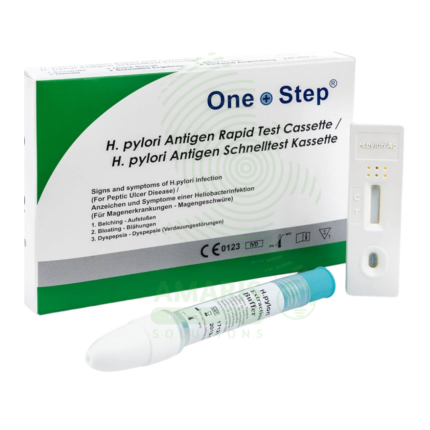
H.pylori test kits (Antigen)
H.pylori test kits (Antigen) are Class II medical devices (FDA-cleared/CE-marked) for rapid immunochromatographic or enzyme immunoassay detection of Helicobacter pylori antigens in stool specimens, enabling non-invasive diagnosis of active infection and post-treatment eradication confirmation. Test principles use monoclonal or polyclonal antibodies specific to H. pylori antigens, producing visible results in 10-20 minutes (rapid tests) or 1-2 hours (EIA). Sensitivity 90-98%, specificity 92-99% compared to gold standard methods. Primary clinical applications include rapid diagnosis of H. pylori infection in patients with dyspepsia, initial screening in uncomplicated dyspepsia (test-and-treat strategy), confirmation of active infection before therapy, post-treatment eradication confirmation (4-6 weeks after therapy), pediatric testing (preferred non-invasive method), screening in high-risk populations (family history of gastric cancer), and monitoring in patients with peptic ulcer disease or MALT lymphoma. Critical safety precautions include mandatory washout period (4 weeks off antibiotics, 2 weeks off PPIs) to avoid false negatives, proper specimen handling (universal precautions), refrigerated storage of kits (2-30°C), quality control verification, and disposal as biohazardous waste. Essential non-invasive tool for H. pylori management in gastroenterology and primary care.
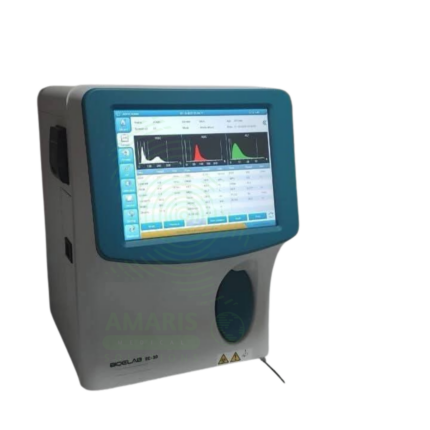
Hematology Analyzer
A Hematology Analyzer is a compact, automated benchtop analyzer designed to perform Complete Blood Counts (CBC) with a 3-part white blood cell differential. Utilizing impedance and photometric methods, it delivers rapid, precise results for red blood cells, white blood cells, platelets, and key indices from a small blood sample. Ideal for physician offices, small clinics, and satellite laboratories, it enables in-house hematology testing with walk-away operation. Its automated flagging system highlights abnormal results that require further manual smear review. As a core instrument for initial hematological screening, it combines efficiency with essential diagnostic capability for routine patient management.
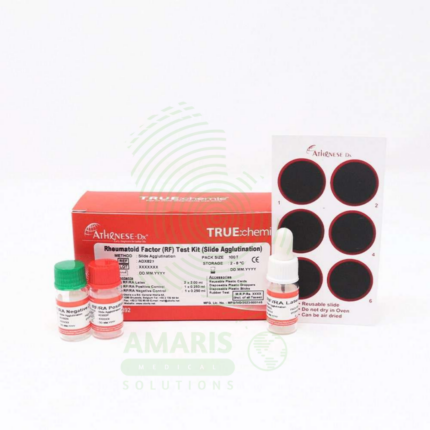
Rheumatoid factor
Rheumatoid Factor (RF) testing is a quantitative or semi-quantitative serological assay (nephelometry, turbidimetry, latex agglutination, or ELISA) for detecting autoantibodies against the Fc portion of immunoglobulin G, primarily of the IgM isotype. RF is a key marker in the ACR/EULAR classification criteria for rheumatoid arthritis, with sensitivity 60-80% and specificity 70-90%. Test requires serum samples; results reported in IU/mL (reference <15-20 IU/mL) or titer. Primary clinical applications include diagnosis and classification of rheumatoid arthritis, prognostic assessment (high-titer RF correlates with severe, erosive disease), differential diagnosis of inflammatory arthritis, monitoring disease activity, diagnosis of Sjögren's syndrome, evaluation of mixed cryoglobulinemia (hepatitis C-associated), and assessment of other autoimmune and chronic inflammatory conditions. Critical safety precautions include awareness of false positives (other autoimmune diseases, chronic infections, healthy elderly), false negatives (seronegative RA 20-30%), need for clinical correlation, and anti-CCP antibody testing to improve diagnostic accuracy. Essential test for rheumatology practice, autoimmune disease evaluation, and differential diagnosis of inflammatory arthritis.