Dermatoscope and Magnifiers
 Diagnostic Kits
 Vital Signs Monitors
 Stethoscopes and Accessories
 Otoscopes, Ophthalmoscopes, and Retinoscopes
 Reflex Hammers and Neurological Tools
 Scales and Measuring Devices
 Spirometers and Pulmonary Function Tests
 Electrosurgical Units and Accessories
 Cutting Instruments
 Grasping and Holding Instruments
 Hemostatic Instruments
 Specialized Surgical Sets
 Single-Use Procedure Trays and Packs
 Surgical Drapes, Gowns, and Covers
 Tissue Unifying Instruments
 Radiation Protection
 X-Ray Machines and Accessories
 Ultrasound Systems and Probes
 MRI and CT Scanners
 Radiology Consumables
 Bone Densitometers
 Fluoroscopy Equipment
 Imaging Tables and Positioning Aids
 Microscopes and Accessories
 Centrifuges and Separators
 Analyzers
 Incubators and Ovens
 Pipettes, Dispensers, and Lab Glassware
 Refrigerators, Freezers, and Storage Units
 Lab Consumables
 Sterilizers and Autoclaves for Lab Use
 Multi-Parameter Monitors
 Ventilators and Respiratory Support Devices
 Defibrillators and AEDs
 Infusion Pumps and IV Systems
 Patient Warmers and Cooling Devices
 Central Monitoring Stations
 Accessories
 Anesthesia Machines and Workstations
 Oxygen Concentrators and Delivery Systems
 Nebulizers and Inhalers
 CPAP/BiPAP Machines
 Airway Management
 Anesthesia Masks, Circuits, and Bags
 Humidifiers and Heaters
 Respiratory Therapy Accessories
 First Aid Kits and Cabinets
 Emergency Resuscitation Equipment
 Trauma Supplies
 Emergency Carts and Crash Carts
 Burn Care Products
 Bleeding Control
 Automated External Defibrillators (AEDs)
 Transport and Evacuation
 Wheelchairs and Accessories
 Walkers, Crutches, and Canes
 Prosthetics and Orthotics
 Physical Therapy Equipment
 Transfer Devices
 Bathroom Safety
 Orthopedic Traction and Tables
 Hot/Cold Therapy Packs and Units
 Beds and Mattresses
 Chairs and Stools
 Tables
 Cabinets and Storage
 Privacy Screens & Curtains
 Stands and Racks
 Linens and Textiles
 Lighting
 Autoclaves and Sterilizers
 Ultrasonic Cleaners
 Disinfectant Solutions and Wipes
 Sterilization Pouches, Wraps, and Indicators
 Instrument Trays and Containers
 UV and Ozone Disinfection Devices
 Washer Disinfectors
 Wound Care
 Gloves
 Masks and Respirators
 Catheters and Tubing
 Swabs, Applicators, and Sponges
 Incontinence Products
 Personal Protective Equipment (PPE)
 Dental Chairs and Units
 Handpieces and Burs
 Instruments
 Consumables
 Sterilization for Dental Use
 Orthodontic Supplies
 Endodontic Tools
 Slit Lamps and Tonometers
 Lensometers and Phoropters
 Ophthalmic Surgical Instruments
 Eyewear Frames and Lenses
 Contact Lens Supplies
 Vision Testing Charts and Devices
 Eye Care Consumables
 Laser Systems for Eye Care
 ENT Exam Chairs and Tables
 Endoscopes
 Audiometers and Hearing Tests
 ENT Instruments
 Nasal and Throat Packs
 Hearing Aids and Accessories
 Otology Supplies
 Fetal Dopplers and Monitors
 Delivery Beds and Tables
 Gynecological Instruments
 Neonatal Incubators and Warmers
 Breast Pumps and Accessories
 Contraceptive Devices
 Maternity Supports and Pads
 Neonatal Consumables
 Cystoscopes and Urethroscopes
 Dialysis Machines and Supplies
 Urological Catheters and Bags
 Lithotripters
 Prostate Treatment Devices
 Urinary Incontinence Products
 Kidney Stone Management Tools
 Consumables & Disposables
 EEG and EMG Machines
 Neurosurgical Instruments
 Nerve Stimulators
 Headrests and Positioning Aids
 Lumbar Puncture Kits
 Seizure Monitoring Devices
 Consumables
 Rehabilitation for Neurological Conditions
 ECG Machines and Accessories
 Holter Monitors
 Stress Test Systems
 Pacemakers and Defibrillator Accessories
 Vascular Access Devices
 Cardiac Catheters and Guidewires
 Blood Flow Meters
 Consumables
 Orthopedic Instruments
 Casts, Splints, and Padding
 Joint Replacement Supplies
 Prosthetic Limbs and Components
 Bone Grafts and Substitutes
 Traction Devices
 Orthopedic Braces and Supports
 Rehabilitation Aids for Orthopedics
 Home Oxygen Therapy
 Hospital Beds for Home Use
 Mobility Aids
 Bathroom and Daily Living Aids
 Wound Care for Home
 Monitoring Devices
 Enteral Feeding Pumps and Tubes
 Hand Sanitizers and Dispensers
 Face Shields and Goggles
 Isolation Gowns and Suits
 Biohazard Waste Containers
 Air Purifiers and HEPA Filters
 Surface Disinfectants
 Sharps Containers
 Protective Barriers
 Cardiovascular & Endurance Training
 Strength Training & Weightlifting
 Functional Training & Core Conditioning
 Physical Therapy & Rehabilitation
 Sports & Outdoor Recreation
 Gym Flooring & Facility Equipment
 Fitness Monitoring & Accessories
 Kids & Novelties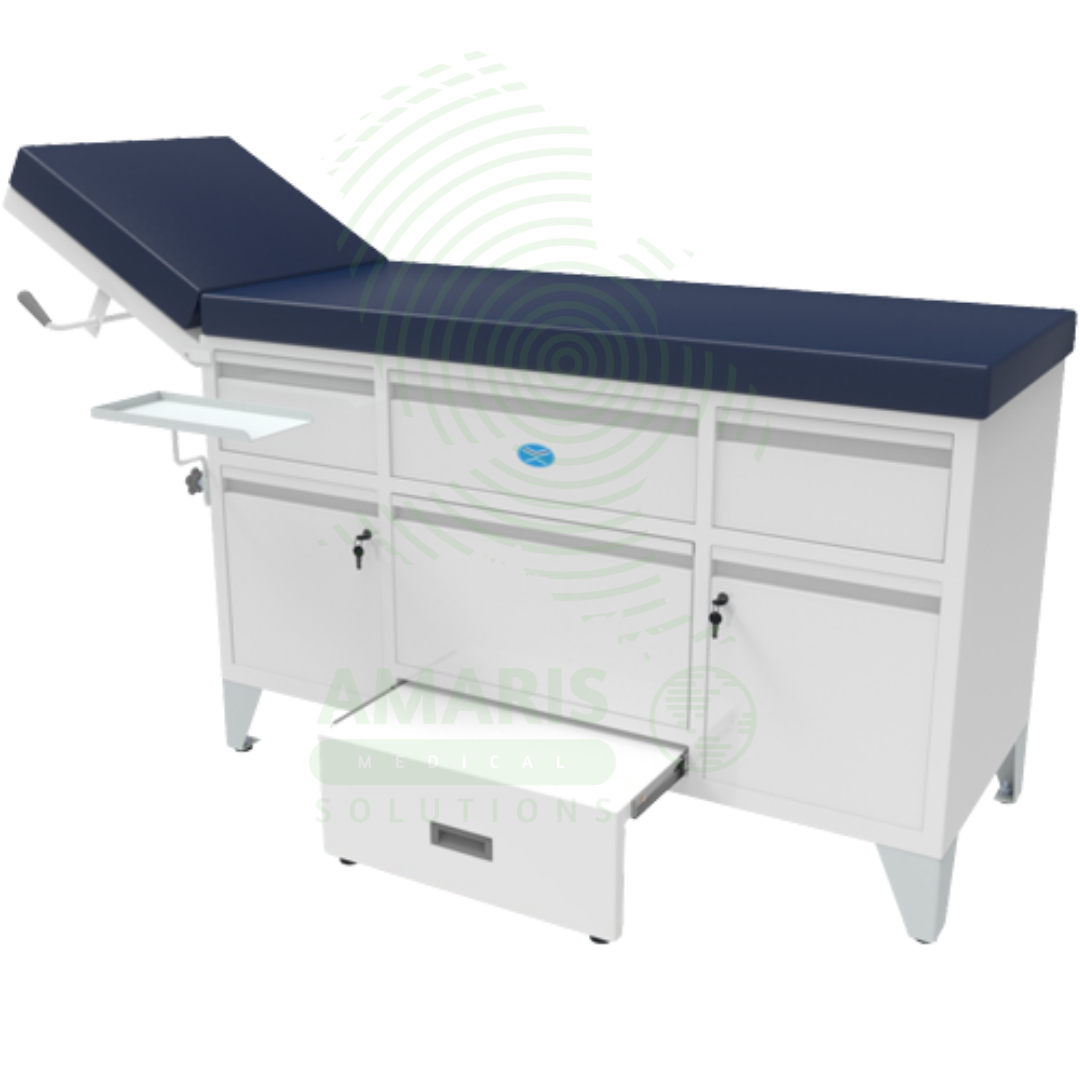
Examination Couch
WhatsApp Order
An Examination Couch is a versatile, height-adjustable table designed as the central fixture in medical exam rooms. It provides a clean, comfortable, and adaptable surface for patient examinations, minor outpatient procedures, and diagnostic testing. Key features often include an adjustable backrest, extendable stirrups for gynecological/urological exams, and easy-clean upholstery. Its primary function is to facilitate efficient and ergonomic patient care while ensuring comfort and safety for both the patient and the clinician in general practice, specialty clinics, and urgent care settings.
Description
Examination Couch
PRIMARY CLINICAL & DIAGNOSTIC USES
1. Routine Physical Examinations and Patient Assessments
-
Primary Use: Provides a stable, comfortable, and adjustable platform for patients during general physical exams by physicians, nurse practitioners, and physician assistants, facilitating examinations of the cardiovascular, respiratory, abdominal, and musculoskeletal systems.
-
How it helps: For the clinician performing dozens of examinations each day, the examination couch provides the essential platform that brings the patient to a comfortable working height—allowing for thorough palpation, auscultation, and assessment without straining their own back. For the patient, lying on a properly positioned couch means their body is relaxed, their muscles are accessible for examination, and they can focus on the clinical interaction rather than on maintaining an awkward position.
2. Minor Outpatient Procedures and Wound Care
-
Primary Use: Serves as the primary surface for performing minor surgical procedures such as suturing lacerations, incision and drainage of abscesses, wound debridement and dressing changes, mole or skin tag removal, and joint injections.
-
How it helps: For the physician performing minor procedures in the office setting, the examination couch provides a stable, adjustable surface that brings the procedure site to optimal working height—allowing for precise technique, good lighting, and patient comfort throughout the intervention. For the patient undergoing a minor procedure, a properly positioned couch means the procedure is performed efficiently, with less discomfort and better outcomes.
3. Gynecological and Urological Examinations
-
Primary Use: When equipped with stirrups, the couch is essential for conducting pelvic exams, Pap smears, colposcopies, IUD insertions and removals, and urological assessments like digital rectal exams and prostate checks, with the lithotomy position critical for access and visualization.
-
How it helps: For the gynecologist and urologist, an examination couch with adjustable stirrups allows for proper positioning of the patient, providing the access needed for thorough examination and safe procedure performance. For the patient undergoing a sensitive pelvic or urological exam, a properly designed couch with comfortable positioning helps reduce anxiety and discomfort during an inherently vulnerable experience.
4. Vaccination Administration and Phlebotomy
-
Primary Use: Provides a safe and appropriate space for patients to sit or lie down during immunization injections or blood draws, especially for pediatric patients, anxious individuals, or those with a history of vasovagal syncope.
-
How it helps: For the nurse administering vaccines or drawing blood, having an examination couch available means patients who become dizzy or faint can be immediately laid flat, preventing falls and injuries while maintaining IV access if needed. For the anxious patient or needle-phobic child, knowing that a couch is nearby where they can lie down if needed provides reassurance and makes the experience less frightening.
SECONDARY & SUPPORTIVE USES
1. Patient Counseling and Consultation: Functions as a seating and reclining area for longer patient consultations, health education sessions, or discussions where the patient may need to be in a relaxed, semi-recumbent position. For the patient receiving difficult news or extensive education, a comfortable position supports retention and engagement.
2. Diagnostic Testing Support: Used during various diagnostic activities such as taking resting ECGs, applying Holter monitors, performing spirometry, or conducting non-stress tests in an antenatal setting, with its flat, firm surface ideal for proper sensor placement. For the patient undergoing diagnostic testing, a stable surface ensures accurate results.
3. Therapeutic Interventions: Supports treatments like casting or splinting for minor fractures, applying compression bandages, providing nebulizer treatments, or administering intravenous fluids in an outpatient clinic setting. For the patient receiving treatment, a comfortable, accessible surface improves the experience.
4. Triage and Acute Assessment: In urgent care centers or emergency department fast-track areas, it is used for the initial assessment of patients with acute but non-critical complaints like sprains, minor infections, or rashes. For the acutely ill or injured patient, rapid assessment on a proper examination surface expedites care.
5. Teaching and Clinical Training: An essential tool in medical and nursing schools for teaching students examination techniques, procedural skills, and patient communication in a simulated clinical environment. For the future clinician, practicing on professional-grade equipment builds skills that will benefit their patients.
KEY PRODUCT FEATURES
1. BASIC IDENTIFICATION ATTRIBUTES
-
Product Type: A padded, height-adjustable table or couch specifically designed for patient examination and minor procedures in a clinical setting.
-
Core Design: Typically features a flat, upholstered top that may have sections (head, foot) that can be adjusted. Many models include integrated or attachable stirrups for lithotomy positioning.
-
Key Components:
-
Table Top: A firm, vinyl-upholstered cushion on a rigid base.
-
Stirrups: Often adjustable and retractable or stowable, with padded boots.
-
Mechanism: Manual hydraulic pump, electric actuator, or mechanical crank for height adjustment.
-
Side Rails/Steps: For patient assistance and safety.
-
Storage: Often includes drawers or cabinets underneath for supplies.
-
2. TECHNICAL & PERFORMANCE PROPERTIES
-
Height Adjustment Range: Crucial for ergonomics, typically ranging from a low height of ~24" (61 cm) for easy patient access to a high of ~40" (102 cm) for practitioner comfort during procedures.
-
Weight Capacity: Standard capacities range from 300 to 500 lbs (136 to 227 kg), with bariatric models available for higher weights.
-
Backrest Articulation: Many models feature an adjustable backrest that can raise the patient to a semi-Fowler's or seated position.
-
Stirrup Positioning: Stirrups should offer a wide range of adjustment for height, width, and rotation to accommodate different patient anatomies and exam types.
3. PHYSICAL & OPERATIONAL PROPERTIES
-
Construction: Steel frame with high-density foam padding, covered in medical-grade, fluid-resistant vinyl that is easy to clean and disinfect.
-
Mobility: Often equipped with lockable casters for repositioning within an exam room.
-
Accessories: May include integrated or attachable paper roll holders, pillow, and utility arms for instruments or lighting.
4. SAFETY & COMPLIANCE ATTRIBUTES
-
Regulatory Status: Generally considered a Class I medical device.
-
Stability: Must have a low center of gravity and a robust base to prevent tipping, especially when in the high position with stirrups extended.
-
Safety Features: Include locking casters, secure stirrup locks, and smooth, pinch-free mechanisms.
-
Biocompatibility: Upholstery materials must be non-toxic and non-irritating.
5. STORAGE & HANDLING ATTRIBUTES
-
Storage: Kept in a clean, dry exam room. Stirrups should be retracted and locked when not in use.
-
Cleaning & Disinfection: The vinyl surface must be wiped down with an EPA-registered hospital-grade disinfectant after each patient use, following the manufacturer's contact time guidelines. Check regularly for tears or punctures in the upholstery.
-
Maintenance: Periodic inspection and lubrication of moving parts (hydraulic pump, hinges, stirrup slides) according to the manufacturer's schedule.
6. LABORATORY & CLINICAL APPLICATIONS
-
Primary Application: The central piece of furniture in outpatient examination rooms across general practice, family medicine, internal medicine, pediatrics, women's health, and specialty clinics (dermatology, proctology).
-
Versatility: Its design bridges the gap between a comfortable patient chair and a minor procedure table, maximizing utility in space-constrained clinical environments.
SAFETY HANDLING PRECAUTIONS
1. SAFETY PRECAUTIONS
-
Locking (CRITICAL): Always engage the wheel locks and ensure the height mechanism is locked before the patient mounts or during any examination/procedure.
-
Patient Assistance: Provide steps or assist patients, especially the elderly or mobility-impaired, when getting on or off the couch. Ensure stirrups are securely locked and properly padded.
-
Weight Limit: Strictly adhere to the manufacturer's maximum weight capacity. Overloading can cause catastrophic mechanical failure.
-
Infection Control: Use a clean sheet of exam table paper or disposable drape for each patient. Never place used instruments or contaminated dressings directly on the upholstered surface.
-
Ergonomics: Adjust the couch to a height that prevents the clinician from bending excessively during exams or procedures.
2. FIRST AID MEASURES
-
Pinch or Crush Injury: If a patient or staff member is pinched in the mechanism, use the manual release (if present) to free the limb. Seek clinical assessment for the injury.
-
Mechanical Collapse: If the couch fails and a patient falls, do not attempt to move a patient who may have sustained a spinal or head injury. Call for emergency assistance and stabilize the patient until help arrives. Remove the faulty equipment from service immediately.
-
Tear in Upholstery: If the vinyl covering is torn, the couch must be taken out of service immediately. The porous foam underneath cannot be properly disinfected and poses a serious infection control risk.
3. FIRE FIGHTING MEASURES
-
Flammability: Upholstery foam and vinyl covering are combustible.
-
Extinguishing Media: Use water, foam, or CO₂. For electrical fires involving powered models, use CO₂ or dry chemical extinguishers.
Related products
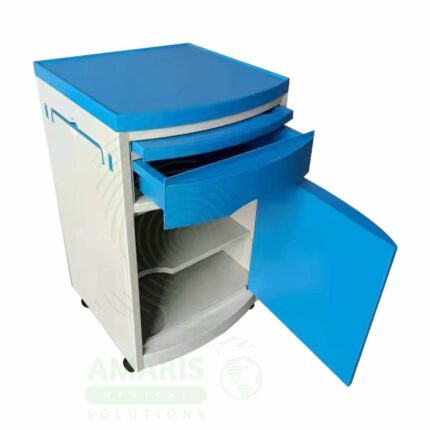
Bedside Cabinet
A Bedside Cabinet is a lockable storage unit designed for placement next to a hospital bed. It provides patients with secure storage for personal belongings and offers organized space for their clinical supplies. Typically featuring a laminate top surface, drawers, and a lockable cupboard, it serves to personalize the patient's space, enhance security, and maintain tidiness in the clinical environment. Its easy-to-clean surfaces are crucial for infection control, requiring thorough disinfection between patient uses. It is a standard and essential furnishing in inpatient hospital rooms.
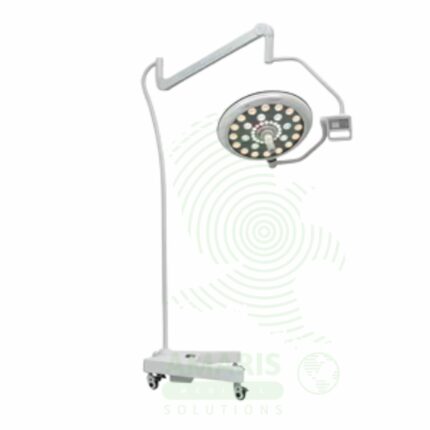
Ceiling & Stand Operating Light
An Ceiling & Stand Operating Light is a high-intensity, shadow-reducing illumination system designed to provide brilliant, color-accurate, and cool light directly onto the surgical field. Ceiling-mounted lights offer maximum flexibility in the OR, while stand-mounted lights provide portability. Key features include extremely high illuminance (>40,000 lux), a high Color Rendering Index (CRI >90) for true tissue color, and advanced optics for deep-cavity illumination with minimal shadows. Safe operation requires proper positioning, use of sterile handle covers, and awareness of the minimal but present thermal risk. It is a fundamental capital asset critical for enabling precise and safe surgical intervention.
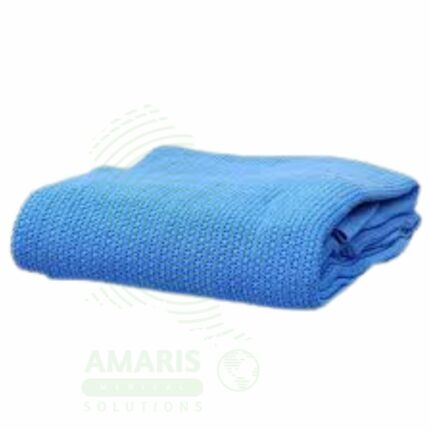
Cellular Blankets
Cellular Blankets are lightweight, breathable blankets with a distinctive honeycomb knit structure. Primarily used in healthcare for patient warmth and thermal regulation, they work by trapping insulating air within their cells while allowing moisture to escape, preventing overheating and sweating. Available in reusable (cotton/polyester) or disposable forms, they are essential for maintaining patient comfort, dignity, and temperature stability in wards, recovery areas, and during transport. Their safety depends on strict adherence to single-patient use and proper high-temperature laundering for reusable versions.
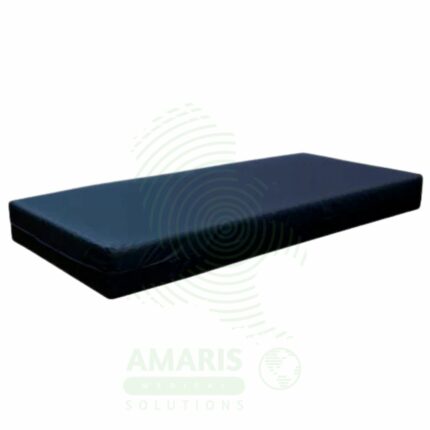
Hospital Mattress with Rexine
A Hospital Mattress with Rexine is a medical-grade mattress designed for use on hospital beds in clinical and home care settings. Featuring a high-density foam core for pressure redistribution and support, and a waterproof, fluid-resistant Rexine cover for infection control, it provides a comfortable, hygienic surface for patients requiring bed rest. The durable construction withstands repeated cleaning and disinfection, making it suitable for high-use environments. Essential for pressure injury prevention and patient comfort during hospitalization or long-term care.
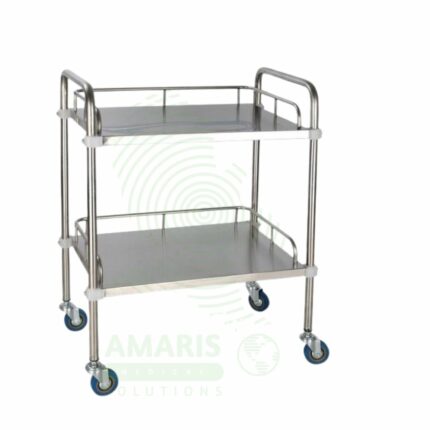
Instrument & Medicine Trolley
An Instrument & Medicine Trolley is a versatile, secure, mobile cart designed to transport, organize, and administer both medical instruments and medications. It functions as a mobile workstation for procedures, medication rounds, or emergency response, depending on its configuration. Key features include lockable, compartmentalized drawers for secure storage, a flat work surface, and smooth-rolling casters for mobility. Its adaptability makes it essential across hospital settings, from wards to treatment rooms, ensuring that organized, secure, and complete sets of tools and drugs are delivered efficiently to the point of patient care.
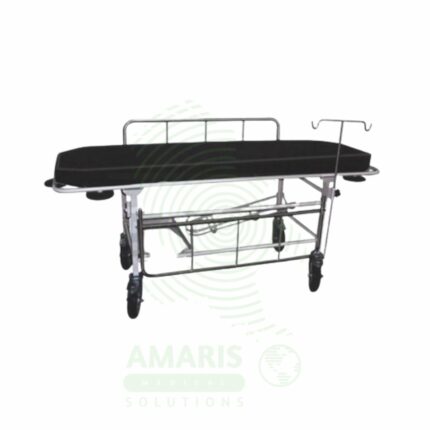
Patient Trolley
A Patient Trolley (also known as a hospital stretcher or gurney) is a mobile, height-adjustable wheeled bed essential for the safe transport and temporary holding of patients within a healthcare facility. Its core function is to serve as the primary link between clinical departments (e.g., Ward to Radiology, ED to OR), enabling efficient patient flow. Key features include locking casters, safety side rails, an IV pole, and a thin, cleanable mattress. Designed for maneuverability in corridors and elevators, it is the fundamental piece of equipment for patient logistics, emergency response, and serving as a mobile treatment platform in hospitals and large clinics.
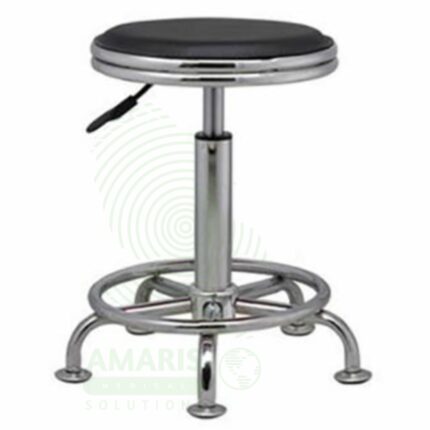
Revolving Stool
A Revolving Stool is a height-adjustable, rotating seat on a stable multi-leg base, designed for dynamic clinical and laboratory work environments. It provides healthcare professionals with stable, ergonomic seating that allows for effortless 360-degree rotation and small positional adjustments without standing. This is essential for procedures requiring precision and frequent changes in reach, such as dentistry, minor surgery, microscopy, and laboratory analysis. Its key features include smooth rotation, easy height adjustment, and a stable, often mobile, base to support prolonged, task-focused work while promoting proper posture and reducing fatigue.