Dermatoscope and Magnifiers
 Diagnostic Kits
 Vital Signs Monitors
 Stethoscopes and Accessories
 Otoscopes, Ophthalmoscopes, and Retinoscopes
 Reflex Hammers and Neurological Tools
 Scales and Measuring Devices
 Spirometers and Pulmonary Function Tests
 Electrosurgical Units and Accessories
 Cutting Instruments
 Grasping and Holding Instruments
 Hemostatic Instruments
 Specialized Surgical Sets
 Single-Use Procedure Trays and Packs
 Surgical Drapes, Gowns, and Covers
 Tissue Unifying Instruments
 Radiation Protection
 X-Ray Machines and Accessories
 Ultrasound Systems and Probes
 MRI and CT Scanners
 Radiology Consumables
 Bone Densitometers
 Fluoroscopy Equipment
 Imaging Tables and Positioning Aids
 Microscopes and Accessories
 Centrifuges and Separators
 Analyzers
 Incubators and Ovens
 Pipettes, Dispensers, and Lab Glassware
 Refrigerators, Freezers, and Storage Units
 Lab Consumables
 Sterilizers and Autoclaves for Lab Use
 Multi-Parameter Monitors
 Ventilators and Respiratory Support Devices
 Defibrillators and AEDs
 Infusion Pumps and IV Systems
 Patient Warmers and Cooling Devices
 Central Monitoring Stations
 Accessories
 Anesthesia Machines and Workstations
 Oxygen Concentrators and Delivery Systems
 Nebulizers and Inhalers
 CPAP/BiPAP Machines
 Airway Management
 Anesthesia Masks, Circuits, and Bags
 Humidifiers and Heaters
 Respiratory Therapy Accessories
 First Aid Kits and Cabinets
 Emergency Resuscitation Equipment
 Trauma Supplies
 Emergency Carts and Crash Carts
 Burn Care Products
 Bleeding Control
 Automated External Defibrillators (AEDs)
 Transport and Evacuation
 Wheelchairs and Accessories
 Walkers, Crutches, and Canes
 Prosthetics and Orthotics
 Physical Therapy Equipment
 Transfer Devices
 Bathroom Safety
 Orthopedic Traction and Tables
 Hot/Cold Therapy Packs and Units
 Beds and Mattresses
 Chairs and Stools
 Tables
 Cabinets and Storage
 Privacy Screens & Curtains
 Stands and Racks
 Linens and Textiles
 Lighting
 Autoclaves and Sterilizers
 Ultrasonic Cleaners
 Disinfectant Solutions and Wipes
 Sterilization Pouches, Wraps, and Indicators
 Instrument Trays and Containers
 UV and Ozone Disinfection Devices
 Washer Disinfectors
 Wound Care
 Gloves
 Masks and Respirators
 Catheters and Tubing
 Swabs, Applicators, and Sponges
 Incontinence Products
 Personal Protective Equipment (PPE)
 Dental Chairs and Units
 Handpieces and Burs
 Instruments
 Consumables
 Sterilization for Dental Use
 Orthodontic Supplies
 Endodontic Tools
 Slit Lamps and Tonometers
 Lensometers and Phoropters
 Ophthalmic Surgical Instruments
 Eyewear Frames and Lenses
 Contact Lens Supplies
 Vision Testing Charts and Devices
 Eye Care Consumables
 Laser Systems for Eye Care
 ENT Exam Chairs and Tables
 Endoscopes
 Audiometers and Hearing Tests
 ENT Instruments
 Nasal and Throat Packs
 Hearing Aids and Accessories
 Otology Supplies
 Fetal Dopplers and Monitors
 Delivery Beds and Tables
 Gynecological Instruments
 Neonatal Incubators and Warmers
 Breast Pumps and Accessories
 Contraceptive Devices
 Maternity Supports and Pads
 Neonatal Consumables
 Cystoscopes and Urethroscopes
 Dialysis Machines and Supplies
 Urological Catheters and Bags
 Lithotripters
 Prostate Treatment Devices
 Urinary Incontinence Products
 Kidney Stone Management Tools
 Consumables & Disposables
 EEG and EMG Machines
 Neurosurgical Instruments
 Nerve Stimulators
 Headrests and Positioning Aids
 Lumbar Puncture Kits
 Seizure Monitoring Devices
 Consumables
 Rehabilitation for Neurological Conditions
 ECG Machines and Accessories
 Holter Monitors
 Stress Test Systems
 Pacemakers and Defibrillator Accessories
 Vascular Access Devices
 Cardiac Catheters and Guidewires
 Blood Flow Meters
 Consumables
 Orthopedic Instruments
 Casts, Splints, and Padding
 Joint Replacement Supplies
 Prosthetic Limbs and Components
 Bone Grafts and Substitutes
 Traction Devices
 Orthopedic Braces and Supports
 Rehabilitation Aids for Orthopedics
 Home Oxygen Therapy
 Hospital Beds for Home Use
 Mobility Aids
 Bathroom and Daily Living Aids
 Wound Care for Home
 Monitoring Devices
 Enteral Feeding Pumps and Tubes
 Hand Sanitizers and Dispensers
 Face Shields and Goggles
 Isolation Gowns and Suits
 Biohazard Waste Containers
 Air Purifiers and HEPA Filters
 Surface Disinfectants
 Sharps Containers
 Protective Barriers
 Cardiovascular & Endurance Training
 Strength Training & Weightlifting
 Functional Training & Core Conditioning
 Physical Therapy & Rehabilitation
 Sports & Outdoor Recreation
 Gym Flooring & Facility Equipment
 Fitness Monitoring & Accessories
 Kids & Novelties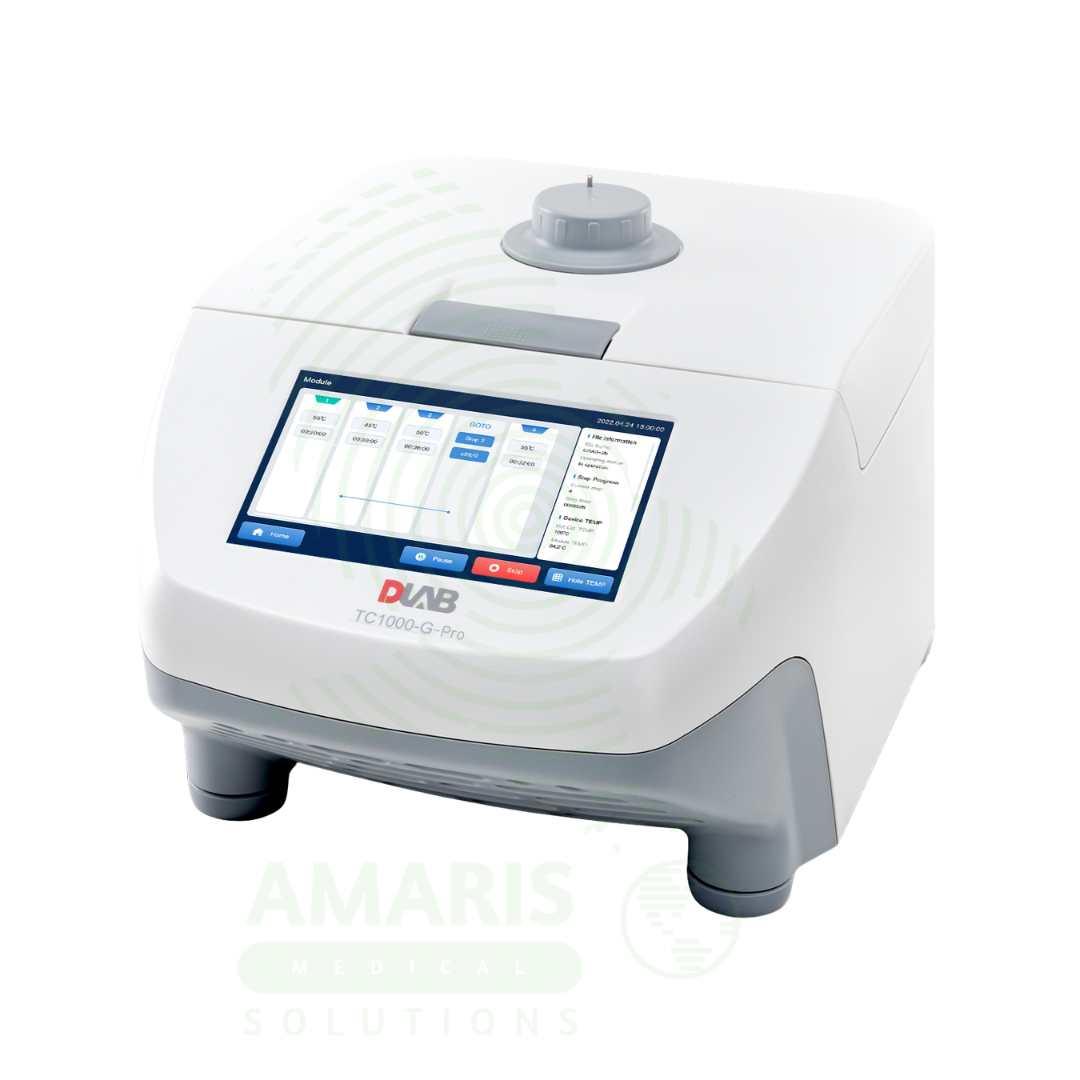


Pro Gradient gene amplification instrument (TC1000-G-)
WhatsApp Order
The Pro Gradient Gene Amplification Instrument is a 96-well gradient thermal cycler featuring advanced Peltier heating/cooling technology (5°C/sec ramp rate), precise temperature control (±0.1°C), excellent temperature uniformity (±0.2°C), gradient capability (1-42°C span), 7-inch LCD color touchscreen, built-in Wi-Fi, USB connectivity, power failure protection, and Touchdown/Long PCR support, designed for DNA amplification in clinical diagnostic, molecular biology, and research laboratories .
Key features include a 96-well aluminum block compatible with PCR tubes, 8-strips, and 96-well plates, heated lid with automatic temperature control (30-115°C), edge temperature compensation technology eliminating “edge effect”, real-time display of program progress, user password protection, one-click fast incubation for denaturation/enzyme digestion/ELISA applications, and 20,000+ program storage capacity via USB flash drive .
The TC1000-G-Pro supports standard PCR, Touchdown PCR (-9.9°C to +9.9°C range) for enhanced specificity, and Long PCR (-9min 59s to +9min 59s range) for large fragment amplification . Gradient temperature control (30-105°C range, 1-42°C span) enables rapid optimization of annealing temperatures for new primer sets in a single run—significantly accelerating assay development . The built-in Wi-Fi module allows simultaneous control of multiple PCR instruments from one computer via LAN connection .
For the clinical laboratory scientist and molecular biologist, the TC1000-G-Pro supports infectious disease detection (COVID-19, HIV, hepatitis, tuberculosis, HPV, influenza), genetic mutation screening (BRCA, KRAS, NRAS, EGFR), viral load monitoring (HIV, hepatitis B/C, CMV), molecular cloning, DNA sequencing preparation, forensic DNA analysis (STR amplification), and food safety pathogen detection .
Universal voltage (100-240V, 50/60Hz) enables use in laboratories worldwide without voltage conversion, while the compact footprint (280 × 370 × 250 mm) and moderate weight (9.5 kg) allow easy benchtop placement . Power failure protection ensures sample safety and automatic program recovery upon power restoration . The 2-year manufacturer warranty provides long-term reliability for routine diagnostic use .
For the patient undergoing infectious disease testing, genetic screening for hereditary cancer syndromes, or viral load monitoring for chronic infections, the Pro Gradient Gene Amplification Instrument precise temperature control, gradient optimization capability, and rapid ramp rate ensure accurate, reproducible PCR results that guide appropriate treatment decisions across clinical infectious disease, oncology, genetics, and molecular diagnostics applications .
Description
Pro Gradient gene amplification instrument
PRIMARY CLINICAL & DIAGNOSTIC USES
1. Infectious Disease Detection via PCR Amplification
-
Primary Use: Provides a high-performance gradient thermal cycler that performs polymerase chain reaction (PCR) to amplify specific DNA sequences from pathogens, enabling sensitive and specific detection of infectious diseases such as COVID-19, HIV, hepatitis B/C, tuberculosis, HPV, and influenza .
-
How it helps: For the clinical laboratory scientist and molecular biologist, the Pro Gradient gene amplification instrument precise temperature control (±0.1°C accuracy) and rapid ramp rate (5°C/sec) ensure efficient, reproducible DNA amplification from patient specimens—critical for accurate diagnosis of viral, bacterial, and fungal infections . For the patient, reliable PCR results enable early detection of infectious diseases, guiding appropriate antiviral or antibiotic therapy and reducing the risk of disease transmission.
2. Gradient Optimization for Assay Development
-
Primary Use: Features advanced gradient temperature control (30-105°C range, 1-42°C gradient span) allowing simultaneous testing of multiple annealing temperatures in a single run to rapidly optimize PCR protocols for new diagnostic assays .
-
How it helps: For the molecular diagnostics developer and research scientist, the Pro Gradient gene amplification instrument gradient function accelerates assay validation by identifying optimal annealing temperatures for primer sets without multiple runs—reducing reagent consumption and shortening development time. For the patient, faster assay development means quicker availability of new diagnostic tests for emerging infectious diseases and genetic conditions.
3. Genetic Mutation Screening and Oncology Testing
-
Primary Use: Used for amplification of DNA fragments from patient samples to detect genetic mutations associated with hereditary disorders, cancer biomarkers, and pharmacogenetic variants .
-
How it helps: For the clinical geneticist and oncologist, the Pro Gradient gene amplification instrument enables detection of BRCA mutations for breast cancer risk assessment, KRAS/NRAS mutations for colorectal cancer therapy guidance, and EGFR mutations for lung cancer treatment selection. For the patient, genetic screening results inform preventative measures, guide targeted therapy selection, and enable personalized treatment plans based on individual genetic profiles.
4. Viral Load Monitoring and Disease Management
-
Primary Use: Supports quantitative PCR (qPCR) workflows for monitoring viral load in patients with chronic infections such as HIV, hepatitis B/C, and cytomegalovirus (CMV) .
-
How it helps: For the infectious disease specialist and clinical virologist, the TC1000-G-Pro’s consistent thermal performance ensures reliable quantification of viral nucleic acids—enabling assessment of disease progression, evaluation of treatment response, and detection of antiviral resistance. For the patient, regular viral load monitoring guides antiretroviral therapy adjustments, predicts prognosis, and helps prevent disease progression to AIDS or cirrhosis.
SECONDARY & SUPPORTIVE USES
1. Reverse Transcription PCR (RT-PCR): Used with reverse transcriptase enzymes to amplify RNA targets for detection of RNA viruses (influenza, RSV, Ebola, Zika) and gene expression analysis.
2. Touchdown PCR for Enhanced Specificity: Supports Touchdown PCR program (-9.9°C to +9.9°C range) for applications requiring high specificity, such as rare mutation detection and allele-specific genotyping .
3. Long PCR for Large Fragment Amplification: Supports Long PCR programs (-9min 59s to +9min 59s range) for amplification of DNA fragments up to several kilobases for cloning and sequencing applications .
4. Molecular Cloning and Gene Expression: Used for preparation of DNA inserts for plasmid construction, bacterial transformation, and recombinant protein expression workflows.
5. DNA Sequencing Preparation: Amplifies target DNA regions for Sanger sequencing, next-generation sequencing (NGS) library preparation, and amplicon sequencing applications.
6. Forensic DNA Analysis: Supports STR (short tandem repeat) amplification for human identification in forensic casework and paternity testing .
7. Food Safety and Pathogen Detection: Used for detection of foodborne pathogens (Salmonella, Listeria, E. coli O157:H7) in food safety testing laboratories.
8. Agricultural and Plant Research: Supports detection of plant pathogens, genetically modified organism (GMO) screening, and marker-assisted breeding applications .
9. Veterinary Diagnostic Testing: Used for detection of animal pathogens (canine parvovirus, feline leukemia, avian influenza) in veterinary diagnostic laboratories.
10. Environmental Microbiology: Supports detection of waterborne pathogens and microbial source tracking in environmental water quality testing.
11. Epigenetic Analysis: Used for methylation-specific PCR (MSP) and bisulfite sequencing PCR for DNA methylation studies in cancer research.
12. Mutagenesis and Site-Directed Mutagenesis: Supports PCR-based mutagenesis for protein engineering and functional genomics research.
KEY PRODUCT FEATURES
1. BASIC IDENTIFICATION ATTRIBUTES
-
Device Type: A 96-well gradient thermal cycler (PCR instrument) with advanced Peltier heating/cooling technology, 5°C/sec ramp rate, and 7-inch color touchscreen interface, designed for DNA amplification in clinical diagnostics, molecular biology, and research laboratories .
-
Designation: Pro Gradient Gene Amplification Instrument, Gradient PCR Thermal Cycler, Touchscreen PCR Machine, DLAB Pro Gradient gene amplification instrument, Real-Time PCR (end-point) Instrument .
-
Key Components:
o Sample Block: 96-well aluminum block (0.2mL) compatible with PCR tubes, 8-strips, and 96-well PCR plates .
o Heating/Cooling System: High-performance Peltier elements with edge temperature compensation technology .
o Heated Lid: Adjustable temperature range 30-115°C; automatically turns off when block temperature <30°C .
o Display: 7-inch LCD color touchscreen (1024×600 resolution) .
o Communication Interfaces: USB 2.0 port, built-in Wi-Fi module for LAN connection .
o Power Supply: Universal voltage (100-240V, 50/60Hz) with power failure protection and automatic program recovery .
2. TECHNICAL & PERFORMANCE PROPERTIES
-
Sample Capacity: 96 × 0.2mL PCR tubes; 12 × 0.2mL PCR 8-strips; 96-well PCR plates (no skirt, half-skirt, full-skirt) .
-
Temperature Range: 0-105°C (heating block); 30-115°C (heated lid) .
-
Temperature Control Accuracy: ±0.1°C .
-
Temperature Uniformity: ±0.2°C at 35-72°C; edge temperature compensation technology minimizes "edge effect" .
-
Temperature Display Accuracy: 0.1°C .
-
Maximum Heating/Cooling Rate: 5°C per second .
-
Gradient Setting Range: 30-105°C .
-
Gradient Span Range: 1-42°C (enter 0 to turn off gradient) .
-
Touchdown PCR Range: -9.9°C to +9.9°C .
-
Long PCR Time Adjustment: -9min 59s to +9min 59s .
-
Program Storage Capacity: 20,000+ programs (via USB flash drive) .
-
Program Structure: Maximum 30 steps per program, 99 cycles .
-
Display: 7-inch LCD touchscreen (1024×600 resolution) .
-
Communication: USB 2.0, Wi-Fi (built-in), LAN connectivity .
-
Power Failure Protection: Yes; automatically resumes unfinished cycles upon power restoration .
-
4°C Hold: Unlimited time .
-
Voltage/Frequency: 100-120V/200-240V, 50/60Hz; 600W power consumption .
-
Dimensions (W × D × H): 280 × 370 × 250 mm .
-
Weight: 9.5 kg .
-
Operating Conditions: 5-40°C ambient temperature; ≤80% relative humidity .
-
Warranty: 2 years (manufacturer warranty) .
3. PHYSICAL & OPERATIONAL PROPERTIES
-
Construction: Sturdy benchtop housing with durable aluminum sample block; built-in Wi-Fi module and USB interface .
-
Display: 7-inch LCD color touchscreen (1024×600) with graphical user interface; intuitive menu navigation; real-time display of program progress and remaining time .
-
User Interface: New UI graphical menu system; supports user security accounts and password protection .
-
Operation Modes: Standard PCR, Touchdown PCR, Long PCR, one-click fast incubation (denaturation, enzyme digestion/ligation, ELISA) .
-
Program Storage: 20,000+ program capacity (USB flash drive); customizable file system; supports program suspension .
-
Temperature Control Methods: Block control or tube control mode .
-
Connectivity: Built-in Wi-Fi module allows simultaneous control of multiple PCR instruments from one computer via LAN; USB for data transfer and software updates .
-
Hot Lid Function: Adjustable temperature (30-115°C); working mode configurable; automatically turns off when module temperature drops below 30°C .
-
One-Click Fast Incubation: Quick access to denaturation, enzyme digestion/ligation, ELISA, and other common incubation protocols .
-
Power Failure Protection: Automatic program recovery; completes unfinished cycles after power restoration; ensures sample safety .
-
Portability: Compact benchtop design (280 × 370 × 250 mm) and moderate weight (9.5 kg) .
-
Maintenance: Peltier elements designed for long-term durability; periodic calibration recommended.
4. SAFETY & COMPLIANCE ATTRIBUTES
-
Regulatory Status: Medical device for in vitro diagnostic use; complies with international laboratory safety standards .
-
Safety Features: Power failure protection with automatic program recovery; over-temperature protection; hot lid automatic shutoff (when block <30°C) .
-
Electrical Safety: Universal voltage (100-240V, 50/60Hz) for international use; earthed power connection recommended; 600W power consumption .
-
User Security: Password-protected user accounts; customizable access levels for different users .
-
GLP Compliance: Program storage and user authentication support GLP documentation; real-time run monitoring.
-
Data Integrity: USB storage for program and data backup; network connectivity for centralized data management.
-
Warranty: 2-year manufacturer warranty .
5. STORAGE & HANDLING ATTRIBUTES
-
Storage: Store on clean, dry, level benchtop; protect from dust and moisture; ambient temperature 5-40°C, ≤80% RH .
-
Cleaning: Wipe exterior with soft, damp cloth using neutral detergent; 70% ethanol solution may be used for surface disinfection; do not immerse in liquid; disconnect power before cleaning.
-
Inspection: Inspect power cord for damage before each use; check sample block for debris or residue; verify heated lid seal integrity.
-
Operation: Place on stable, level surface; ensure adequate ventilation; connect to appropriate power supply; power ON; select or create program; load samples into 96-well block; close lid securely; start run; monitor progress on touchscreen .
-
Program Creation: Use touchscreen interface to create new programs; set denaturation, annealing, and extension temperatures and times; configure cycle numbers; save to USB or internal memory.
-
Gradient Programming: Set gradient range (1-42°C) and temperature range (30-105°C); system automatically creates temperature gradient across block for annealing optimization .
-
Touchdown PCR Programming: Configure touchdown range (-9.9°C to +9.9°C) to gradually decrease annealing temperature for enhanced specificity .
-
Long PCR Programming: Adjust extension time (-9min 59s to +9min 59s) for amplification of long DNA fragments .
-
Communication Setup: Connect to LAN via built-in Wi-Fi for multi-instrument control; use USB for data transfer and software updates .
-
Power Failure Recovery: If power fails during run, instrument automatically resumes unfinished cycles upon power restoration .
-
4°C Hold: After program completion, samples are held at 4°C indefinitely to preserve amplified products .
-
Spill Management: If liquid spills onto unit, disconnect power immediately, clean thoroughly with appropriate disinfectant, allow to dry before reuse.
6. LABORATORY & CLINICAL APPLICATIONS
-
Primary Application: DNA amplification via polymerase chain reaction (PCR) for infectious disease detection, genetic mutation screening, viral load monitoring, molecular cloning, and forensic DNA analysis in clinical diagnostic, molecular biology, and research laboratories .
-
Clinical Role: Essential molecular diagnostics equipment in clinical diagnostic laboratories, hospital molecular pathology departments, infectious disease reference laboratories, genetics laboratories, blood banks, forensic laboratories, and research institutions performing PCR-based patient testing .
SAFETY HANDLING PRECAUTIONS
1. SAFETY PRECAUTIONS
-
Electrical Safety: Disconnect power before cleaning; do not immerse unit in liquid; keep power cord away from heat sources and sharp edges; use only properly grounded electrical outlets.
-
Sample Containment: Use appropriate biosafety practices when handling infectious samples; prepare samples in biosafety cabinet when indicated; seal tubes and plates to prevent aerosol generation.
-
Hot Surface Warning: Heated lid reaches temperatures up to 115°C; allow to cool before opening or handling; use caution when opening lid immediately after run completion.
-
UV/Cross-Contamination Prevention: Use filter pipette tips; perform setup in designated pre-PCR and post-PCR areas; use UNG (uracil-N-glycosylase) for carryover prevention when indicated.
-
Ventilation: Ensure adequate ventilation; unit generates heat during operation; do not block ventilation openings; place in well-ventilated area.
-
Sample Tube Compatibility: Use only PCR-grade tubes, strips, or plates rated for thermal cycling; ensure proper sealing to prevent evaporation and sample loss.
-
Load Limits: Do not exceed 96-sample capacity; load tubes or plates symmetrically for optimal thermal performance.
-
Firmware/Software Updates: Use official manufacturer updates only via USB or LAN; verify compatibility before updating .
-
Training: Only trained laboratory personnel should operate the TC1000-G-Pro for clinical diagnostic applications.
2. FIRST AID MEASURES
-
Sample Splash: If biological sample splashes into eyes, flush with water for 15 minutes, seek medical attention; if on skin, wash with soap and water.
-
Burn: If hot lid or sample block contacts skin, cool affected area with cool running water for 15 minutes; seek medical attention for severe burns.
-
Electrical Malfunction: If unit shows signs of electrical malfunction (smoke, burning smell), disconnect power immediately; do not attempt to operate; contact service personnel.
-
Power Failure: If power fails during critical run, samples will be held; upon restoration, program automatically resumes; assess sample integrity before proceeding with downstream analysis.
-
Chemical Spill: If corrosive chemicals spill on unit, disconnect power immediately, wipe with appropriate neutralizer, dry thoroughly before reconnecting power.
3. FIRE FIGHTING MEASURES
-
Flammability: Plastic housing and electrical components may burn; Peltier elements are solid-state and non-flammable.
-
Extinguishing Media: Use carbon dioxide (CO₂) or dry chemical extinguisher for electrical fires.
-
Fire Response: Unplug unit immediately; do not use water on electrical fire; evacuate area if fire cannot be quickly contained.
Related products
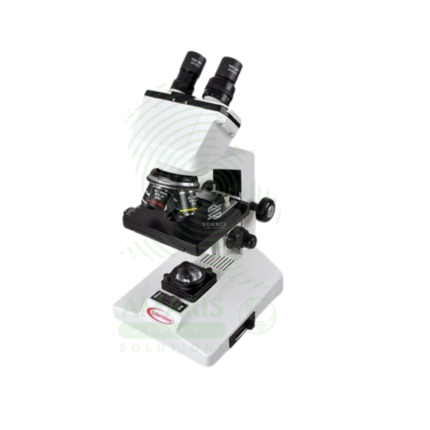
Binocular Microscope
A Binocular Microscope is a high-precision, compound optical instrument fundamental to clinical diagnostics. Featuring dual eyepieces for comfortable viewing and a suite of parfocal objective lenses (4x, 10x, 40x, 100x oil), it provides magnifications from 40x to 1000x. Its integrated LED illumination, mechanical stage, and Abbe condenser enable the detailed examination of stained blood films, tissue sections, microbiological specimens, and cytological preparations. As the primary tool for pathologists and laboratory scientists, it is indispensable for definitive diagnoses in hematology, histopathology, microbiology, and urinalysis, demanding skilled operation and meticulous maintenance for optimal performance.
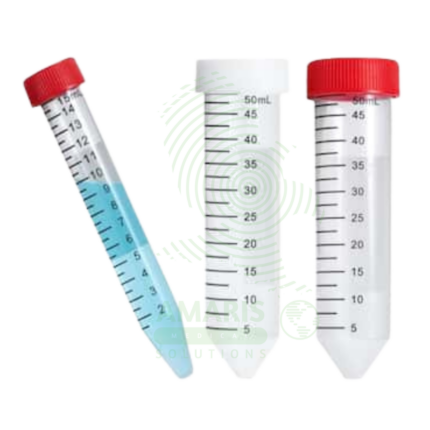
Centrifuge Tubes
Centrifuge Tubes are specialized disposable containers (polypropylene) designed to withstand high centrifugal forces (up to 30,000 x g) for separating biological fluids based on density. Available in microcentrifuge sizes (0.2-2.0 mL), conical tubes (15 mL, 50 mL), and larger volumes (100-500 mL). Features include leak-proof screw caps with O-rings (conical tubes), snap caps (microcentrifuge tubes), graduated volume markings, writing areas, and sterile/non-sterile options. Certified RNase/DNase-free, pyrogen-free, and autoclavable. Primary clinical applications include blood component separation (serum/plasma), urine sediment preparation, microbiology sample concentration, molecular biology (DNA/RNA extraction), cell culture processing, protein/enzyme analysis, and viral load testing. Critical safety precautions include never exceeding maximum RCF rating, proper balancing by weight, secure cap tightening, inspection for cracks, and disposal as biohazardous waste. Essential consumable in every clinical, research, and industrial laboratory.
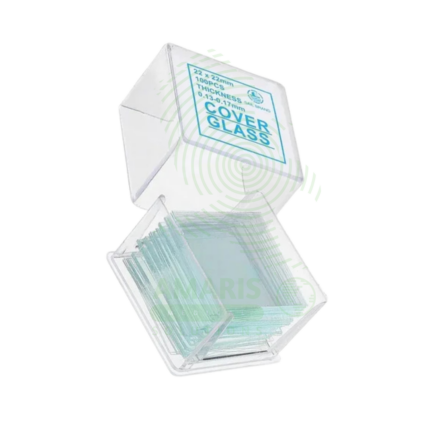
Cover Glass
Cover Glass (coverslips) are thin, transparent glass or plastic squares (e.g., 18×18 mm, 22×22 mm) or rectangles (22×30 mm, 24×50 mm) used to cover specimens on microscope slides for microscopic examination. Available in thickness No. 1 (0.13-0.16 mm) and No. 1.5 (0.16-0.19 mm) for optimal microscopy. Made from optical glass with high light transmission (>90%), refractive index 1.52 matching immersion oil. Packaged in boxes of 100-1000, interleaved with paper to prevent scratching. Primary clinical applications include covering blood films for manual differential counts and malaria diagnosis, wet mount preparations of urine sediment and vaginal secretions, histopathology and cytology slides, Gram-stained bacterial smears, semen analysis, KOH preparations for fungal elements, and India ink preparations for Cryptococcus. Critical safety precautions include handling with forceps (sharp edges), disposing of broken coverslips in sharps containers, avoiding fingerprints on optical surface, and proper disposal of biohazard-contaminated coverslips. Essential consumable in every clinical laboratory performing microscopy.
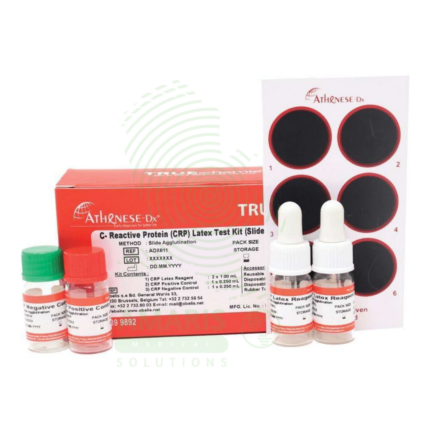
CRP Test Kit
CRP Test Kit (C-Reactive Protein) is a quantitative or semi-quantitative immunoassay (latex agglutination, turbidimetry, nephelometry, ELISA, or rapid immunochromatographic) for detecting C-reactive protein in blood, an acute-phase reactant produced in response to inflammation. Rapid rise within 6-12 hours, peaks at 24-48 hours, half-life 19 hours. Normal <5-10 mg/L; mild elevation 10-100 mg/L (viral infections, autoimmune flares); moderate 100-200 mg/L (bacterial infections); marked >200 mg/L (sepsis, major trauma). High-sensitivity CRP (hs-CRP) detects 0.1-10 mg/L for cardiovascular risk stratification (<1 mg/L low risk, 1-3 mg/L moderate, >3 mg/L high). Primary clinical applications include detection and monitoring of inflammation, diagnosis and management of infections (differentiating bacterial from viral), assessment of autoimmune disease activity, post-surgical monitoring for complications, cardiovascular risk screening (hs-CRP), monitoring rheumatic fever and inflammatory conditions, and neonatal sepsis evaluation. Critical safety precautions include proper sample handling (universal precautions), quality control verification, awareness of non-specific elevation, prozone phenomenon in very high concentrations, and clinical correlation for interpretation. Essential test for evaluating inflammation across all medical specialties.
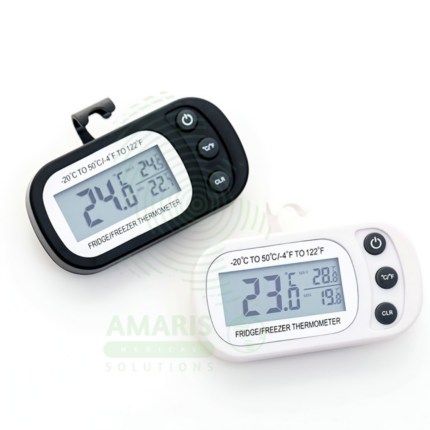
Fridge Thermometer
A Fridge Thermometer is a precision temperature monitoring device designed for continuous use inside medical and laboratory refrigerators and freezers. Its primary role is to safeguard the potency of vaccines, medications, and biological samples by ensuring storage temperatures remain within a critical specified range (e.g., +2°C to +8°C). Available in analog or digital formats, accurate models with memory functions are essential for compliance with cold chain protocols, requiring daily monitoring, logging, and regular calibration. It is a fundamental quality control tool in pharmacies, clinics, immunization centers, and laboratories.
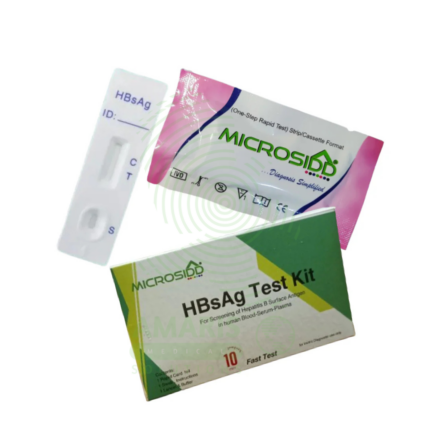
Hepatitis B Test Kit
The Hepatitis B Test Kit is an in vitro diagnostic device for the detection of Hepatitis B virus markers in human blood samples, available in rapid, ELISA, and molecular formats. It detects specific antigens (HBsAg) and antibodies (anti-HBc, anti-HBs) to diagnose acute and chronic infection, monitor treatment response, screen blood donations, and determine immunity status. With high sensitivity (>98%) and specificity (>99%), it provides results in 15 minutes to 4 hours depending on format. Essential applications include prenatal screening to prevent mother-to-child transmission, evaluation of acute hepatitis, pre-immunosuppression screening, and occupational health testing. All patient samples must be handled with universal precautions, and testing must include appropriate quality controls.
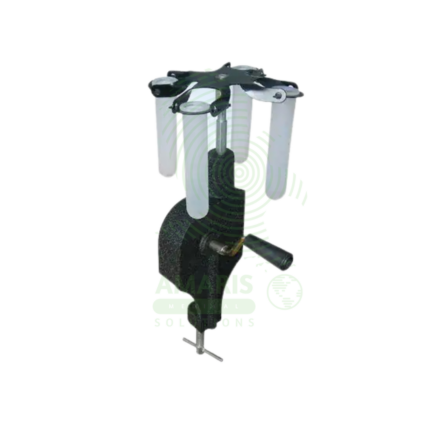
Manual Centrifuge
A Manual Centrifuge (hand-powered) is a non-electric mechanical device for separating fluids based on density, designed for use in field clinics, remote health posts, and developing world settings where electricity is unavailable or unreliable. Operated by hand crank, pull-cord, or foot pedal, achieving speeds of 1,000-4,000 RPM and RCF up to 1,500 x g. Accepts standard blood collection tubes (2-5 mL), microhematocrit tubes, and small centrifuge tubes. Primary clinical applications include separation of serum/plasma for basic diagnostic testing, urine sediment concentration for microscopy, microhematocrit determination for anemia screening, concentration of parasites for malaria and other vector-borne disease diagnosis, field epidemiology and outbreak investigation, veterinary medicine in rural settings, and teaching in resource-limited institutions. Critical safety precautions include meticulous balancing of tubes by weight (absolutely essential), never exceeding maximum rated speed, using appropriate PPE (no aerosol containment), regular inspection of gears and rotor for wear, and proper training of operators. Essential equipment for basic laboratory capabilities in low-resource and field settings.