Dermatoscope and Magnifiers
 Diagnostic Kits
 Vital Signs Monitors
 Stethoscopes and Accessories
 Otoscopes, Ophthalmoscopes, and Retinoscopes
 Reflex Hammers and Neurological Tools
 Scales and Measuring Devices
 Spirometers and Pulmonary Function Tests
 Electrosurgical Units and Accessories
 Cutting Instruments
 Grasping and Holding Instruments
 Hemostatic Instruments
 Specialized Surgical Sets
 Single-Use Procedure Trays and Packs
 Surgical Drapes, Gowns, and Covers
 Tissue Unifying Instruments
 Radiation Protection
 X-Ray Machines and Accessories
 Ultrasound Systems and Probes
 MRI and CT Scanners
 Radiology Consumables
 Bone Densitometers
 Fluoroscopy Equipment
 Imaging Tables and Positioning Aids
 Microscopes and Accessories
 Centrifuges and Separators
 Analyzers
 Incubators and Ovens
 Pipettes, Dispensers, and Lab Glassware
 Refrigerators, Freezers, and Storage Units
 Lab Consumables
 Sterilizers and Autoclaves for Lab Use
 Multi-Parameter Monitors
 Ventilators and Respiratory Support Devices
 Defibrillators and AEDs
 Infusion Pumps and IV Systems
 Patient Warmers and Cooling Devices
 Central Monitoring Stations
 Accessories
 Anesthesia Machines and Workstations
 Oxygen Concentrators and Delivery Systems
 Nebulizers and Inhalers
 CPAP/BiPAP Machines
 Airway Management
 Anesthesia Masks, Circuits, and Bags
 Humidifiers and Heaters
 Respiratory Therapy Accessories
 First Aid Kits and Cabinets
 Emergency Resuscitation Equipment
 Trauma Supplies
 Emergency Carts and Crash Carts
 Burn Care Products
 Bleeding Control
 Automated External Defibrillators (AEDs)
 Transport and Evacuation
 Wheelchairs and Accessories
 Walkers, Crutches, and Canes
 Prosthetics and Orthotics
 Physical Therapy Equipment
 Transfer Devices
 Bathroom Safety
 Orthopedic Traction and Tables
 Hot/Cold Therapy Packs and Units
 Beds and Mattresses
 Chairs and Stools
 Tables
 Cabinets and Storage
 Privacy Screens & Curtains
 Stands and Racks
 Linens and Textiles
 Lighting
 Autoclaves and Sterilizers
 Ultrasonic Cleaners
 Disinfectant Solutions and Wipes
 Sterilization Pouches, Wraps, and Indicators
 Instrument Trays and Containers
 UV and Ozone Disinfection Devices
 Washer Disinfectors
 Wound Care
 Gloves
 Masks and Respirators
 Catheters and Tubing
 Swabs, Applicators, and Sponges
 Incontinence Products
 Personal Protective Equipment (PPE)
 Dental Chairs and Units
 Handpieces and Burs
 Instruments
 Consumables
 Sterilization for Dental Use
 Orthodontic Supplies
 Endodontic Tools
 Slit Lamps and Tonometers
 Lensometers and Phoropters
 Ophthalmic Surgical Instruments
 Eyewear Frames and Lenses
 Contact Lens Supplies
 Vision Testing Charts and Devices
 Eye Care Consumables
 Laser Systems for Eye Care
 ENT Exam Chairs and Tables
 Endoscopes
 Audiometers and Hearing Tests
 ENT Instruments
 Nasal and Throat Packs
 Hearing Aids and Accessories
 Otology Supplies
 Fetal Dopplers and Monitors
 Delivery Beds and Tables
 Gynecological Instruments
 Neonatal Incubators and Warmers
 Breast Pumps and Accessories
 Contraceptive Devices
 Maternity Supports and Pads
 Neonatal Consumables
 Cystoscopes and Urethroscopes
 Dialysis Machines and Supplies
 Urological Catheters and Bags
 Lithotripters
 Prostate Treatment Devices
 Urinary Incontinence Products
 Kidney Stone Management Tools
 Consumables & Disposables
 EEG and EMG Machines
 Neurosurgical Instruments
 Nerve Stimulators
 Headrests and Positioning Aids
 Lumbar Puncture Kits
 Seizure Monitoring Devices
 Consumables
 Rehabilitation for Neurological Conditions
 ECG Machines and Accessories
 Holter Monitors
 Stress Test Systems
 Pacemakers and Defibrillator Accessories
 Vascular Access Devices
 Cardiac Catheters and Guidewires
 Blood Flow Meters
 Consumables
 Orthopedic Instruments
 Casts, Splints, and Padding
 Joint Replacement Supplies
 Prosthetic Limbs and Components
 Bone Grafts and Substitutes
 Traction Devices
 Orthopedic Braces and Supports
 Rehabilitation Aids for Orthopedics
 Home Oxygen Therapy
 Hospital Beds for Home Use
 Mobility Aids
 Bathroom and Daily Living Aids
 Wound Care for Home
 Monitoring Devices
 Enteral Feeding Pumps and Tubes
 Hand Sanitizers and Dispensers
 Face Shields and Goggles
 Isolation Gowns and Suits
 Biohazard Waste Containers
 Air Purifiers and HEPA Filters
 Surface Disinfectants
 Sharps Containers
 Protective Barriers
 Cardiovascular & Endurance Training
 Strength Training & Weightlifting
 Functional Training & Core Conditioning
 Physical Therapy & Rehabilitation
 Sports & Outdoor Recreation
 Gym Flooring & Facility Equipment
 Fitness Monitoring & Accessories
 Kids & Novelties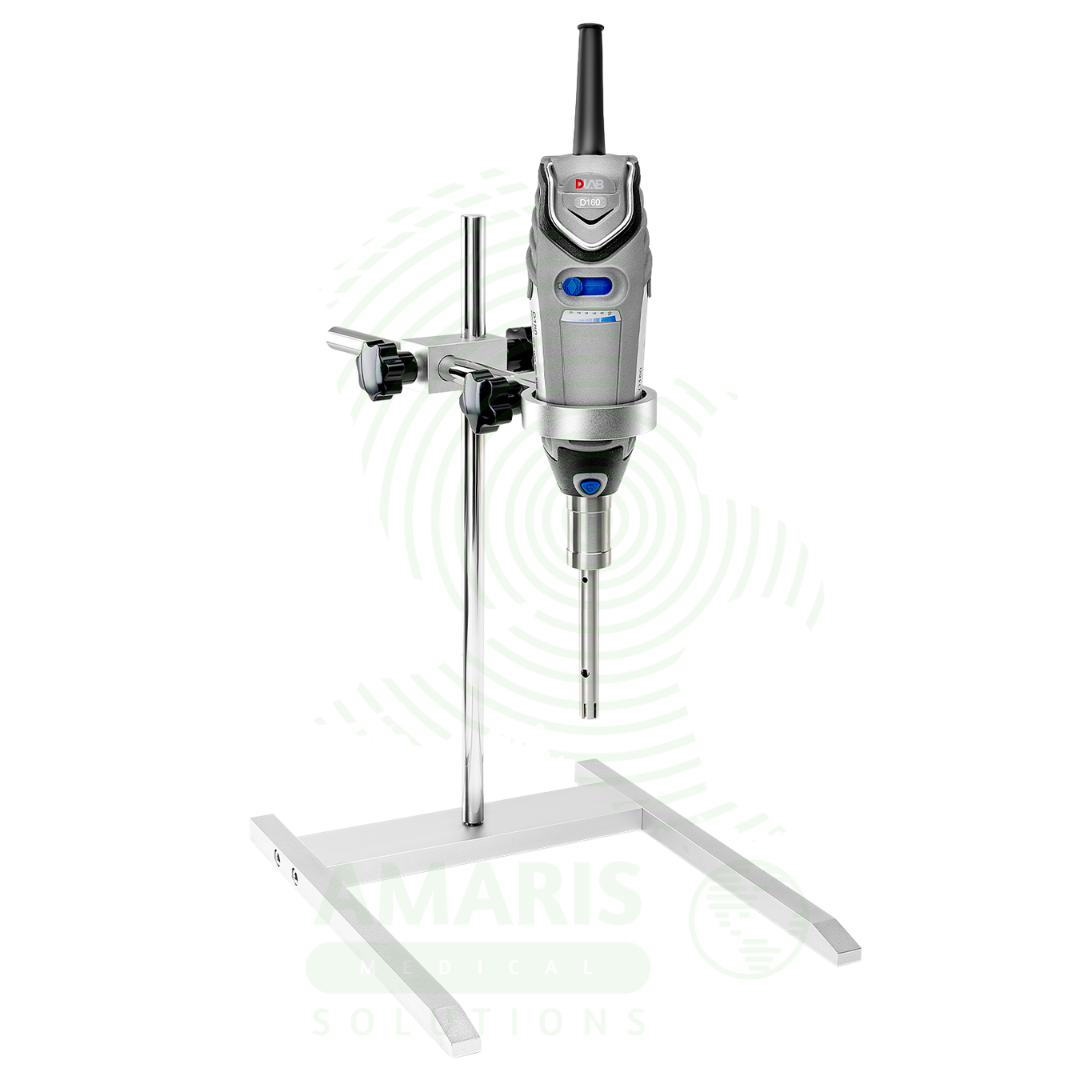

Handheld Homogenizer (D-160)
WhatsApp Order
The Handheld Homogenizer is a portable, lightweight rotor-stator homogenizer featuring variable speed control (8,000-32,000 rpm with 10 speed settings), interchangeable autoclavable 316L stainless steel dispersing shafts, and an ergonomic handheld design, engineered for rapid homogenization, dispersion, and emulsification of biological tissues, cells, and clinical specimens in diagnostic and research laboratories .
Key features include a 160W AC carbon brush motor, 10-stage adjustable speed dial for precise control of homogenization intensity , interchangeable dispersing shafts (DS-160/5: 5mm diameter, 0.1-50 mL working volume; DS-160/10: 10mm diameter, 1-250 mL working volume) , and fully autoclavable 316L stainless steel construction with PTFE seals for chemical resistance and contamination prevention . The compact (45 × 55 × 190 mm) and lightweight (0.54 kg) design allows single-handed operation and easy transport between workstations . An optional H370 stand enables hands-free, stationary operation .
For the histotechnologist and pathologist, the D-160 processes tissue samples such as muscle, liver, breast, and other organs in 10-30 seconds —enabling rapid preparation of homogenized specimens for histological examination, immunohistochemistry, and diagnostic pathology . For the molecular biologist, it supports cell disruption and nucleic acid extraction for PCR-based infectious disease testing, genetic screening, and oncology biomarker detection . For the clinical microbiologist, it processes bacterial and fungal specimens for pathogen identification and antimicrobial susceptibility testing .
For the patient undergoing biopsy for suspected cancer, inflammatory disease, or infectious condition, the Handheld Homogenizer rapid tissue homogenization reduces turnaround time for diagnostic results, enabling earlier diagnosis and treatment initiation . For patients requiring molecular diagnostic testing, efficient cell lysis and nucleic acid extraction ensure accurate PCR and sequencing results that guide appropriate treatment decisions across clinical pathology, molecular diagnostics, and infectious disease testing applications .
Description
Handheld Homogenizer
PRIMARY CLINICAL & DIAGNOSTIC USES
1. Tissue Homogenization for Histopathology and Cytology
-
Primary Use: Provides a portable, lightweight handheld homogenizer with a rotor-stator mechanism operating at 8,000-32,000 rpm (10 speed settings) for rapid homogenization, dispersion, and emulsification of biological tissues, cells, and organ samples for pathological analysis .
-
How it helps: For the histotechnologist and pathologist, the Handheld Homogenizer processes tissue samples such as muscle, liver, breast, and other organs in 10-30 seconds —enabling rapid preparation of homogenized specimens for histological examination, immunohistochemistry, and diagnostic pathology. For the patient, faster tissue processing reduces turnaround time for biopsy results, enabling earlier diagnosis of cancers, inflammatory conditions, and infectious diseases.
2. Sample Preparation for Molecular Diagnostics and PCR
-
Primary Use: Used for cell disruption and homogenization of biological samples before nucleic acid extraction (DNA/RNA) and protein purification for molecular diagnostic workflows .
-
How it helps: For the molecular biologist and clinical laboratory scientist, the Handheld Homogenizer efficiently lyses cells and releases intracellular contents—enabling high-yield extraction of nucleic acids and proteins from small tissue samples, biopsy specimens, and cultured cells. The fully autoclavable 316L stainless steel dispersing shafts prevent sample cross-contamination . For the patient undergoing genetic testing for hereditary disorders, infectious diseases, or oncology biomarkers, efficient cell lysis ensures accurate PCR and sequencing results that guide treatment decisions.
3. Microbiological Sample Processing for Clinical Microbiology
-
Primary Use: Supports homogenization of microbial cultures, bacterial biofilms, and fungal specimens for downstream microbiological analysis and antimicrobial susceptibility testing .
-
How it helps: For the clinical microbiologist, the Handheld Homogenizer provides rapid disruption of bacterial and fungal cell walls—enabling efficient release of intracellular contents for biochemical identification, PCR-based pathogen detection, and antimicrobial resistance testing. For the patient with suspected bloodstream infection or sepsis, rapid microbiological sample processing accelerates pathogen identification and appropriate antibiotic selection, improving clinical outcomes.
4. Pathological Analysis of Biopsy Specimens
-
Primary Use: Facilitates homogenization of small-volume biopsy specimens (0.1-50 mL using DS-160/5 dispersing shaft) for pathological analysis, enzyme activity assays, and biomarker quantification .
-
How it helps: For the pathologist and clinical researcher, the Handheld Homogenizer small processing volume capability (down to 0.1 mL) allows homogenization of needle biopsies and fine-needle aspiration specimens—enabling analysis of limited diagnostic material. The 10-speed adjustment provides precise control of homogenization intensity for different tissue types . For the patient, the ability to process small biopsy specimens reduces the need for repeat invasive procedures when diagnostic material is limited.
5. Emulsification and Dispersion for Clinical Chemistry
-
Primary Use: Used for emulsification of lipid-containing samples, dispersion of nanoparticles, and homogenization of viscous biological fluids (up to 5,000 mPas viscosity) for clinical chemistry and biochemical analysis .
-
How it helps: For the clinical chemist, the Handheld Homogenizer high-speed rotor-stator mechanism (up to 32,000 rpm) creates stable emulsions and dispersions of lipid-rich samples, lipoproteins, and other complex biological fluids—enabling accurate measurement of lipid profiles, cholesterol fractions, and other biochemical parameters. For the patient, consistent sample emulsification ensures reliable clinical chemistry results that guide management of metabolic and cardiovascular conditions.
SECONDARY & SUPPORTIVE USES
1. Biopharmaceutical Research and Development: Used for cell disruption and protein extraction in biopharmaceutical discovery workflows.
2. Gene Research and Genetic Analysis: Supports tissue homogenization for DNA/RNA extraction in genetic research and clinical genetics laboratories .
3. Cytoplasmization and Cell Fractionation: Used for cell disruption and subcellular fractionation for proteomics and cell biology research .
4. Oil-Water Emulsification for Cosmetic and Pharmaceutical Testing: Supports preparation of emulsions for quality control testing of cosmetic and pharmaceutical products .
5.Nanomaterial Dispersion for Diagnostic Assays: Used to disperse nanoparticles and microparticles for diagnostic assay development and quality control .
6.Dairy and Food Homogenization: Supports homogenization of dairy products and food samples for quality control and safety testing .
7. Polymerization and Chemical Reaction Preparation: Used for mixing and homogenization in chemical reaction preparation and polymer synthesis .
8. Paint, Ink, and Coating Homogenization: Supports dispersion of pigments and additives in paint, ink, and coating manufacturing quality control .
9. Fine Chemicals and Pesticide Testing: Used for homogenization of chemical samples in fine chemical and pesticide quality control laboratories .
10. Environmental Sample Processing: Supports homogenization of soil, water, and environmental samples for pollutant analysis and environmental monitoring .
11. Energy and Petroleum Sample Testing: Used for homogenization of petroleum and energy-related samples for quality control and research applications .
12. Prospecting and Mining Sample Preparation: Supports homogenization of geological and mineral samples for element analysis .
13. Veterinary Diagnostic Laboratory: Processes tissue and fluid samples for animal health testing and infectious disease diagnosis.
14. Research and Academic Laboratories: Provides portable homogenization for diverse research applications in cell biology, biochemistry, and biotechnology.
15. Educational Laboratory Training: Supports teaching of tissue homogenization techniques in undergraduate and graduate science courses.
KEY PRODUCT FEATURES
1. BASIC IDENTIFICATION ATTRIBUTES
-
Device Type: A handheld, portable rotor-stator homogenizer with variable speed control (8,000-32,000 rpm) and interchangeable dispersing shafts, designed for rapid homogenization, dispersion, and emulsification of biological and chemical samples in clinical diagnostic and research laboratories .
-
Designation: D-160 Handheld Homogenizer, Handheld Homogenizer, Tissue Homogenizer, Disperser, Rotor-Stator Homogenizer, Portable Homogenizer, DLAB D-160 .
-
Key Components:
-
Drive Motor: AC carbon brush motor, 160W input power .
-
Dispersing Shafts: Interchangeable SS 316L stainless steel shafts with PTFE seals (DS-160/5 for 0.1-50 mL, DS-160/10 for 1-250 mL) .
-
Control: Rotary speed dial with 10-stage speed settings .
-
Housing: Lightweight, ergonomic handheld design (45 × 55 × 190 mm) .
-
Stand: Optional H370 stand for hands-free operation .
-
2. TECHNICAL & PERFORMANCE PROPERTIES
-
Speed Range: 8,000 – 32,000 rpm (10-stage adjustable) .
-
Maximum Rotor Linear Velocity: 6.3 m/sec (DS-160/5); 14 m/sec (DS-160/10) .
-
Working Volume: 0.1-50 mL (DS-160/5 dispersing shaft); 1-250 mL (DS-160/10 dispersing shaft) .
-
Maximum Viscosity: 5,000 mPas .
-
Motor Type: AC carbon brush motor .
-
Motor Power: 160W input .
-
Speed Control: 10-stage adjustable dial .
-
Dispersing Shaft Material: SS 316L stainless steel with PTFE seal ring .
-
Sterilization: Fully autoclavable (316L stainless steel shafts) .
-
Dimensions (W × D × H): 45 × 55 × 190 mm .
-
Weight: 0.54 kg .
-
Noise Level: ≤72 dB(A) .
-
Power Supply: 110-120V/60Hz or 220-240V/50-60Hz (universal voltage) .
-
Operating Temperature: 0-40°C .
-
Permissible Ambient Humidity: ≤85% RH .
-
Protection Class: IP20 .
-
Shaft Diameters: DS-160/5: 5mm stator diameter, 3mm rotor diameter; DS-160/10: 10mm stator diameter, 6mm rotor diameter .
-
Recommended Immersion Depth: DS-160/5: 7/50mm; DS-160/10: 10/120mm .
3. PHYSICAL & OPERATIONAL PROPERTIES
-
Construction: Lightweight, ergonomic handheld design with pistol-grip configuration for single-handed operation .
-
Control: Rotary speed dial with 10 distinct speed settings for precise adjustment of homogenization intensity .
-
Dispersing Shafts: Interchangeable shafts with tool-free attachment; fully autoclavable 316L stainless steel construction; PTFE seal rings for chemical resistance .
-
Operation Modes: Handheld mode for manual operation; optional H370 stand for hands-free, stationary use .
-
Principle: Rotor-stator mechanism where samples are drawn into the core of the homogenizer by a rotor turning at high speed, then forced through narrow slits in the stator where rapid shear and mechanical disruption occur .
-
Portability: Compact (45 × 55 × 190 mm) and lightweight (0.54 kg) for easy transport between workstations .
-
Maintenance: Dispersing shafts are easily removed for cleaning and sterilization; AC carbon brush motor requires periodic brush replacement.
4. SAFETY & COMPLIANCE ATTRIBUTES
-
Regulatory Status: General laboratory equipment for research and in vitro diagnostic use.
-
Safety Features: IP20 protection rating provides protection against solid objects >12mm ; ergonomic design for secure grip during operation .
-
Electrical Safety: Universal voltage (100-240V, 50/60Hz) for international use; 160W low-to-moderate power consumption; AC carbon brush motor with grounding .
-
Noise Control: ≤72 dB(A) operation level comparable to normal conversation .
-
Material Safety: SS 316L stainless steel (corrosion-resistant, biocompatible); PTFE seals (chemically inert, biocompatible) .
-
Sterilization Compatibility: Dispersing shafts are autoclavable at 121°C for aseptic applications .
5. STORAGE & HANDLING ATTRIBUTES
-
Storage: Store drive unit on clean, dry benchtop or in designated storage area; dispersing shafts should be cleaned and dried before storage; optional stand provides convenient storage for drive unit .
-
Cleaning: Dispersing shafts: disassemble, rinse with distilled water, clean with mild detergent, rinse thoroughly; autoclavable at 121°C for sterilization . Drive unit: wipe exterior with soft, damp cloth using neutral detergent; 70% ethanol solution may be used for surface disinfection; do not immerse drive unit in liquid; disconnect power before cleaning .
-
Inspection: Inspect dispersing shafts for damage (bent shafts, worn PTFE seals, corrosion) before each use; verify shaft is securely attached to drive unit; inspect power cord for damage before each use .
-
Operation: Secure sample container in stand or holder; select appropriate dispersing shaft for sample volume; attach shaft to drive unit; immerse shaft 3-5 mm above bottom of container; select speed setting (1-10); start motor; process sample for 10-30 seconds (or until homogenized) .
-
Shaft Selection: Use DS-160/5 (5mm diameter) for volumes 0.1-50 mL; use DS-160/10 (10mm diameter) for volumes 1-250 mL .
-
Speed Selection: Use lower speeds (1-3) for soft tissues and cell suspensions; use medium speeds (4-7) for muscle, liver, and organ tissues; use higher speeds (8-10) for tough tissues, fibrous materials, and emulsion preparation .
-
Aseptic Technique: For sterile applications, use autoclaved dispersing shafts and perform homogenization in biosafety cabinet; avoid aerosol generation .
-
Spill Management: If sample spills onto drive unit, disconnect power immediately, clean thoroughly with appropriate disinfectant, allow to dry before reuse.
6. LABORATORY & CLINICAL APPLICATIONS
-
Primary Application: Rapid homogenization, dispersion, and emulsification of biological tissues (muscle, liver, breast, organs), cells, and clinical specimens for histopathology, molecular diagnostics, cytology, and clinical chemistry laboratories .
-
Clinical Role: Essential sample preparation equipment in histopathology laboratories, molecular diagnostics labs, clinical chemistry laboratories, microbiology labs, cytology labs, and research facilities requiring rapid tissue homogenization for patient sample processing .
SAFETY HANDLING PRECAUTIONS
1. SAFETY PRECAUTIONS
-
Electrical Safety: Disconnect power before cleaning or changing dispersing shafts; do not immerse drive unit in liquid; keep power cord away from heat sources and sharp edges; use only properly grounded electrical outlets .
-
Aerosol Generation: High-speed homogenization may generate aerosols; use appropriate containment (biosafety cabinet, fume hood) when processing infectious materials, hazardous chemicals, or volatile solvents .
-
Personal Protective Equipment: Wear appropriate PPE—laboratory coat, safety glasses/face shield, gloves—when operating homogenizer; use cut-resistant gloves when handling and cleaning dispersing shafts .
-
Shaft Selection: Select appropriate dispersing shaft for sample volume; using smaller shaft in larger volume may reduce efficiency; using larger shaft in smaller volume may cause splashing and sample loss .
-
Sample Container: Use appropriate container (beaker, tube, vessel) with sufficient diameter and depth for dispersing shaft; avoid using flimsy or uncapped tubes .
-
Operation Precautions: Never operate homogenizer with shaft out of liquid; this may damage PTFE seals and cause overheating. Ensure shaft is fully immersed before starting motor. Do not process samples containing hard particles (glass, metal, hard plastics) that may damage rotor-stator assembly .
-
Noise Exposure: While ≤72 dB(A) is below occupational exposure limits, extended operation may cause fatigue; use hearing protection if operating for prolonged periods .
-
Sharp Edges: Dispersing shafts contain sharp rotor-stator edges; handle with care to avoid cuts .
-
Cleaning: Clean dispersing shafts immediately after use to prevent dried sample residue; do not use abrasive cleaners on shafts .
-
Training: Only trained laboratory personnel should operate the D-160 Handheld Homogenizer for clinical diagnostic applications .
2. FIRST AID MEASURES
-
Sample Splash: If biological sample splashes into eyes, flush with water for 15 minutes, seek medical attention; if on skin, wash with soap and water .
-
Electrical Malfunction: If unit shows signs of electrical malfunction (smoke, burning smell, sparking), disconnect power immediately; do not attempt to operate; contact service personnel .
-
Mechanical Failure: If unit fails to operate, makes abnormal noise, or vibrates excessively, disconnect power, inspect shaft for damage or debris, contact service if issue persists .
-
Sharp Edge Injury: If cut by dispersing shaft, clean wound thoroughly with soap and water, apply appropriate dressing, seek medical attention if bleeding persists or wound is deep .
-
Chemical Spill: If corrosive chemicals spill on unit, disconnect power immediately, wipe with appropriate neutralizer, dry thoroughly before reconnecting power .
3. FIRE FIGHTING MEASURES
-
Flammability: Plastic housing and electrical components may burn; AC carbon brush motor may produce sparks during normal operation .
-
Extinguishing Media: Use carbon dioxide (CO₂) or dry chemical extinguisher for electrical fires .
-
Fire Response: Unplug unit immediately; do not use water on electrical fire; if sparks or smoke are observed during normal operation, discontinue use and service unit .
Related products
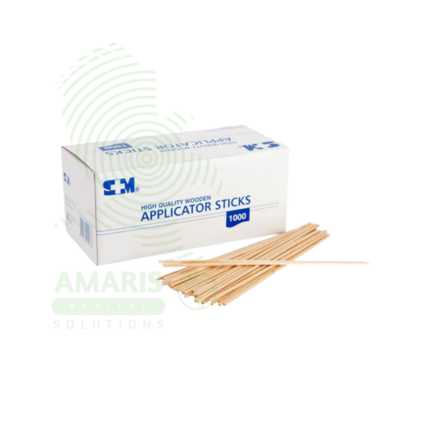
Applicator Sticks
Applicator Sticks are single-use medical devices with absorbent tips (cotton, rayon, flocked polyester) on wood, plastic, or paper shafts for collecting clinical specimens (throat, nasal, wound, cervical, urethral, rectal) for microbiological culture, rapid testing, and molecular diagnostics. Sterile individually wrapped or non-sterile bulk formats. Flocked swabs provide >90% specimen release for PCR testing. Primary applications include specimen collection for infection diagnosis, wound care and antiseptic application, gynecological sampling (Pap smears, STI testing), eye/ear specimen collection, laboratory slide preparation, and forensic evidence collection. Critical precautions include single-use only, sterile technique, proper collection method, and biohazard disposal. Essential consumable in all clinical settings.
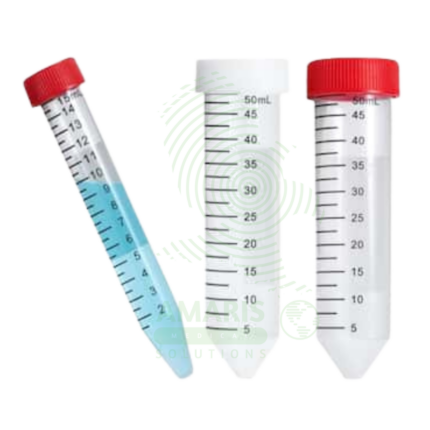
Centrifuge Tubes
Centrifuge Tubes are specialized disposable containers (polypropylene) designed to withstand high centrifugal forces (up to 30,000 x g) for separating biological fluids based on density. Available in microcentrifuge sizes (0.2-2.0 mL), conical tubes (15 mL, 50 mL), and larger volumes (100-500 mL). Features include leak-proof screw caps with O-rings (conical tubes), snap caps (microcentrifuge tubes), graduated volume markings, writing areas, and sterile/non-sterile options. Certified RNase/DNase-free, pyrogen-free, and autoclavable. Primary clinical applications include blood component separation (serum/plasma), urine sediment preparation, microbiology sample concentration, molecular biology (DNA/RNA extraction), cell culture processing, protein/enzyme analysis, and viral load testing. Critical safety precautions include never exceeding maximum RCF rating, proper balancing by weight, secure cap tightening, inspection for cracks, and disposal as biohazardous waste. Essential consumable in every clinical, research, and industrial laboratory.
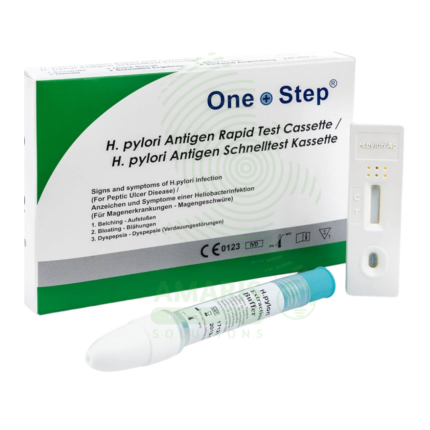
H.pylori test kits (Antigen)
H.pylori test kits (Antigen) are Class II medical devices (FDA-cleared/CE-marked) for rapid immunochromatographic or enzyme immunoassay detection of Helicobacter pylori antigens in stool specimens, enabling non-invasive diagnosis of active infection and post-treatment eradication confirmation. Test principles use monoclonal or polyclonal antibodies specific to H. pylori antigens, producing visible results in 10-20 minutes (rapid tests) or 1-2 hours (EIA). Sensitivity 90-98%, specificity 92-99% compared to gold standard methods. Primary clinical applications include rapid diagnosis of H. pylori infection in patients with dyspepsia, initial screening in uncomplicated dyspepsia (test-and-treat strategy), confirmation of active infection before therapy, post-treatment eradication confirmation (4-6 weeks after therapy), pediatric testing (preferred non-invasive method), screening in high-risk populations (family history of gastric cancer), and monitoring in patients with peptic ulcer disease or MALT lymphoma. Critical safety precautions include mandatory washout period (4 weeks off antibiotics, 2 weeks off PPIs) to avoid false negatives, proper specimen handling (universal precautions), refrigerated storage of kits (2-30°C), quality control verification, and disposal as biohazardous waste. Essential non-invasive tool for H. pylori management in gastroenterology and primary care.
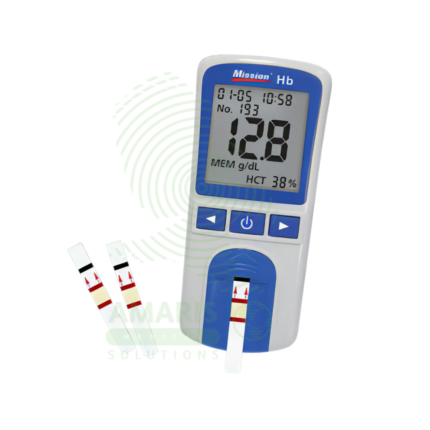
Hemoglobin Meter
A Hemoglobin Meter is a Class II medical device (FDA-cleared, CE-marked) for quantitative point-of-care measurement of hemoglobin concentration in capillary or venous blood, providing results in 5-60 seconds from a 5-20 µL sample. The meter uses photometric, electrochemical, or conductivity technology to measure hemoglobin, with accuracy ±0.3-0.5 g/dL compared to reference methods. Features include backlit LCD display, memory storage for 100-1000 results, USB/Bluetooth connectivity for data transfer, and compatibility with single-use disposable cuvettes or test strips. Primary clinical applications include anemia screening and diagnosis (WHO criteria), preoperative assessment and surgical planning, antenatal care and maternal health monitoring, malaria-endemic region screening, chronic disease management (CKD, IBD, cancer), nutritional assessment and intervention programs, and blood donor screening. Critical safety precautions include single-use lancets, proper hand hygiene, correct sample application, quality control with control solutions, proper cuvette storage (protect from heat, light, humidity), and never using expired cuvettes. Essential point-of-care device for hemoglobin testing in hospitals, clinics, community health programs, and blood donation centers.
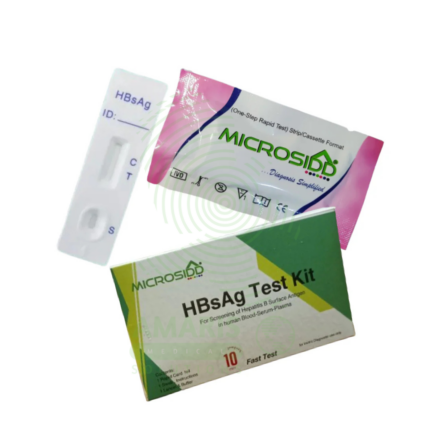
Hepatitis B Test Kit
The Hepatitis B Test Kit is an in vitro diagnostic device for the detection of Hepatitis B virus markers in human blood samples, available in rapid, ELISA, and molecular formats. It detects specific antigens (HBsAg) and antibodies (anti-HBc, anti-HBs) to diagnose acute and chronic infection, monitor treatment response, screen blood donations, and determine immunity status. With high sensitivity (>98%) and specificity (>99%), it provides results in 15 minutes to 4 hours depending on format. Essential applications include prenatal screening to prevent mother-to-child transmission, evaluation of acute hepatitis, pre-immunosuppression screening, and occupational health testing. All patient samples must be handled with universal precautions, and testing must include appropriate quality controls.
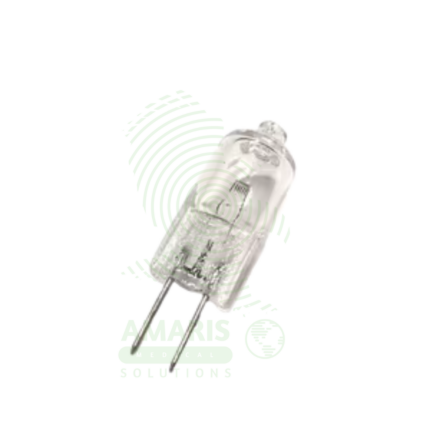
Microscope Bulb
A Microscope Bulb is a specialized halogen or LED lamp that serves as the essential illumination source for clinical and laboratory microscopes. Providing the bright, stable, and color-corrected light required for diagnostic visualization of specimens, it is a critical consumable component. Its technical specifications—voltage, wattage, base type, and filament alignment—must precisely match the microscope model. Proper handling (using gloves to avoid oil contamination) and adherence to safety protocols (allowing cooling, disconnecting power) are crucial for safe replacement and optimal bulb lifespan. Maintaining spares is vital to prevent operational downtime in diagnostic laboratories.
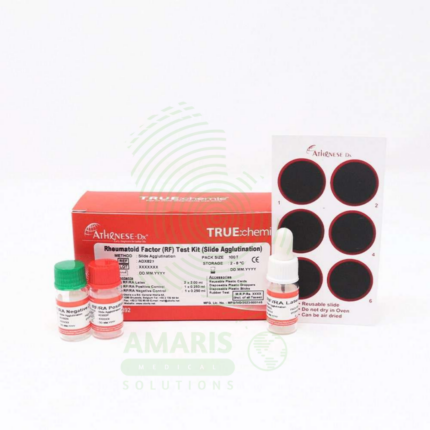
Rheumatoid factor
Rheumatoid Factor (RF) testing is a quantitative or semi-quantitative serological assay (nephelometry, turbidimetry, latex agglutination, or ELISA) for detecting autoantibodies against the Fc portion of immunoglobulin G, primarily of the IgM isotype. RF is a key marker in the ACR/EULAR classification criteria for rheumatoid arthritis, with sensitivity 60-80% and specificity 70-90%. Test requires serum samples; results reported in IU/mL (reference <15-20 IU/mL) or titer. Primary clinical applications include diagnosis and classification of rheumatoid arthritis, prognostic assessment (high-titer RF correlates with severe, erosive disease), differential diagnosis of inflammatory arthritis, monitoring disease activity, diagnosis of Sjögren's syndrome, evaluation of mixed cryoglobulinemia (hepatitis C-associated), and assessment of other autoimmune and chronic inflammatory conditions. Critical safety precautions include awareness of false positives (other autoimmune diseases, chronic infections, healthy elderly), false negatives (seronegative RA 20-30%), need for clinical correlation, and anti-CCP antibody testing to improve diagnostic accuracy. Essential test for rheumatology practice, autoimmune disease evaluation, and differential diagnosis of inflammatory arthritis.