Dermatoscope and Magnifiers
 Diagnostic Kits
 Vital Signs Monitors
 Stethoscopes and Accessories
 Otoscopes, Ophthalmoscopes, and Retinoscopes
 Reflex Hammers and Neurological Tools
 Scales and Measuring Devices
 Spirometers and Pulmonary Function Tests
 Electrosurgical Units and Accessories
 Cutting Instruments
 Grasping and Holding Instruments
 Hemostatic Instruments
 Specialized Surgical Sets
 Single-Use Procedure Trays and Packs
 Surgical Drapes, Gowns, and Covers
 Tissue Unifying Instruments
 Radiation Protection
 X-Ray Machines and Accessories
 Ultrasound Systems and Probes
 MRI and CT Scanners
 Radiology Consumables
 Bone Densitometers
 Fluoroscopy Equipment
 Imaging Tables and Positioning Aids
 Microscopes and Accessories
 Centrifuges and Separators
 Analyzers
 Incubators and Ovens
 Pipettes, Dispensers, and Lab Glassware
 Refrigerators, Freezers, and Storage Units
 Lab Consumables
 Sterilizers and Autoclaves for Lab Use
 Multi-Parameter Monitors
 Ventilators and Respiratory Support Devices
 Defibrillators and AEDs
 Infusion Pumps and IV Systems
 Patient Warmers and Cooling Devices
 Central Monitoring Stations
 Accessories
 Anesthesia Machines and Workstations
 Oxygen Concentrators and Delivery Systems
 Nebulizers and Inhalers
 CPAP/BiPAP Machines
 Airway Management
 Anesthesia Masks, Circuits, and Bags
 Humidifiers and Heaters
 Respiratory Therapy Accessories
 First Aid Kits and Cabinets
 Emergency Resuscitation Equipment
 Trauma Supplies
 Emergency Carts and Crash Carts
 Burn Care Products
 Bleeding Control
 Automated External Defibrillators (AEDs)
 Transport and Evacuation
 Wheelchairs and Accessories
 Walkers, Crutches, and Canes
 Prosthetics and Orthotics
 Physical Therapy Equipment
 Transfer Devices
 Bathroom Safety
 Orthopedic Traction and Tables
 Hot/Cold Therapy Packs and Units
 Beds and Mattresses
 Chairs and Stools
 Tables
 Cabinets and Storage
 Privacy Screens & Curtains
 Stands and Racks
 Linens and Textiles
 Lighting
 Autoclaves and Sterilizers
 Ultrasonic Cleaners
 Disinfectant Solutions and Wipes
 Sterilization Pouches, Wraps, and Indicators
 Instrument Trays and Containers
 UV and Ozone Disinfection Devices
 Washer Disinfectors
 Wound Care
 Gloves
 Masks and Respirators
 Catheters and Tubing
 Swabs, Applicators, and Sponges
 Incontinence Products
 Personal Protective Equipment (PPE)
 Dental Chairs and Units
 Handpieces and Burs
 Instruments
 Consumables
 Sterilization for Dental Use
 Orthodontic Supplies
 Endodontic Tools
 Slit Lamps and Tonometers
 Lensometers and Phoropters
 Ophthalmic Surgical Instruments
 Eyewear Frames and Lenses
 Contact Lens Supplies
 Vision Testing Charts and Devices
 Eye Care Consumables
 Laser Systems for Eye Care
 ENT Exam Chairs and Tables
 Endoscopes
 Audiometers and Hearing Tests
 ENT Instruments
 Nasal and Throat Packs
 Hearing Aids and Accessories
 Otology Supplies
 Fetal Dopplers and Monitors
 Delivery Beds and Tables
 Gynecological Instruments
 Neonatal Incubators and Warmers
 Breast Pumps and Accessories
 Contraceptive Devices
 Maternity Supports and Pads
 Neonatal Consumables
 Cystoscopes and Urethroscopes
 Dialysis Machines and Supplies
 Urological Catheters and Bags
 Lithotripters
 Prostate Treatment Devices
 Urinary Incontinence Products
 Kidney Stone Management Tools
 Consumables & Disposables
 EEG and EMG Machines
 Neurosurgical Instruments
 Nerve Stimulators
 Headrests and Positioning Aids
 Lumbar Puncture Kits
 Seizure Monitoring Devices
 Consumables
 Rehabilitation for Neurological Conditions
 ECG Machines and Accessories
 Holter Monitors
 Stress Test Systems
 Pacemakers and Defibrillator Accessories
 Vascular Access Devices
 Cardiac Catheters and Guidewires
 Blood Flow Meters
 Consumables
 Orthopedic Instruments
 Casts, Splints, and Padding
 Joint Replacement Supplies
 Prosthetic Limbs and Components
 Bone Grafts and Substitutes
 Traction Devices
 Orthopedic Braces and Supports
 Rehabilitation Aids for Orthopedics
 Home Oxygen Therapy
 Hospital Beds for Home Use
 Mobility Aids
 Bathroom and Daily Living Aids
 Wound Care for Home
 Monitoring Devices
 Enteral Feeding Pumps and Tubes
 Hand Sanitizers and Dispensers
 Face Shields and Goggles
 Isolation Gowns and Suits
 Biohazard Waste Containers
 Air Purifiers and HEPA Filters
 Surface Disinfectants
 Sharps Containers
 Protective Barriers
 Cardiovascular & Endurance Training
 Strength Training & Weightlifting
 Functional Training & Core Conditioning
 Physical Therapy & Rehabilitation
 Sports & Outdoor Recreation
 Gym Flooring & Facility Equipment
 Fitness Monitoring & Accessories
 Kids & Novelties










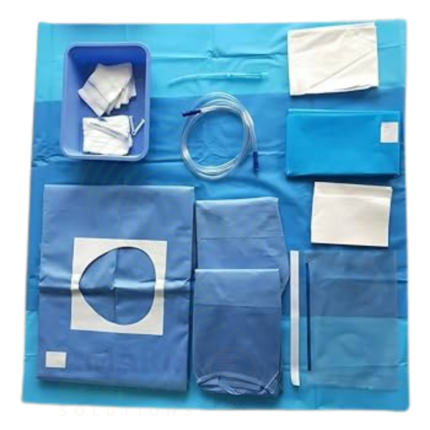
Disposable Cesarean Kit
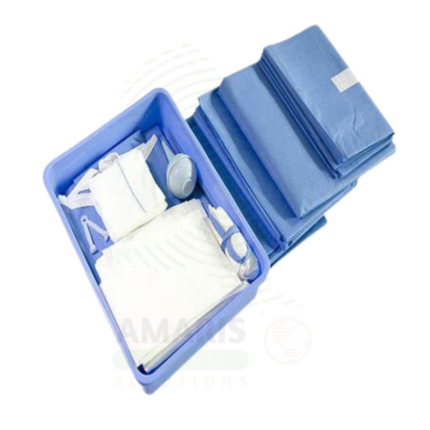
A Disposable Cesarean Kit is a sterile, single-use convenience kit containing all components necessary for performing a Cesarean section. Including sterile drapes, towels, absorbent pads, suction supplies, and wound dressings, it ensures a safe, sterile surgical environment. Essential for operating rooms and labor and delivery units.
Disposable Delivery Drape
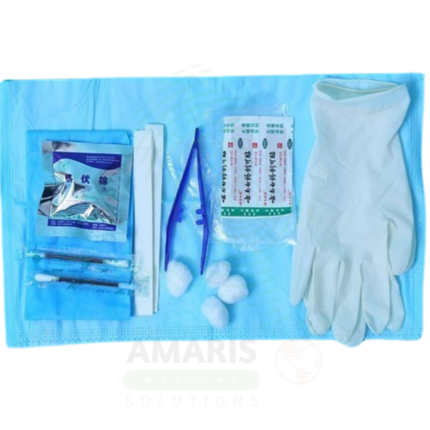
A Disposable Delivery Drape is a sterile, single-use fenestrated drape designed for vaginal delivery. Providing a fluid-resistant barrier that establishes a sterile field around the perineum, it protects both mother and delivery team from contamination. Essential for labor and delivery units, birthing centers, and obstetric settings.
Disposable Delivery Kit
A Disposable Delivery Kit is a sterile, single-use convenience kit containing all components necessary for attending a vaginal delivery. Including sterile drapes, cord clamps, scissors, suction bulb, and absorbent supplies, it ensures a safe, hygienic birth environment. Essential for labor and delivery units, birthing centers, home births, and emergency settings.
Disposable Dressing Set
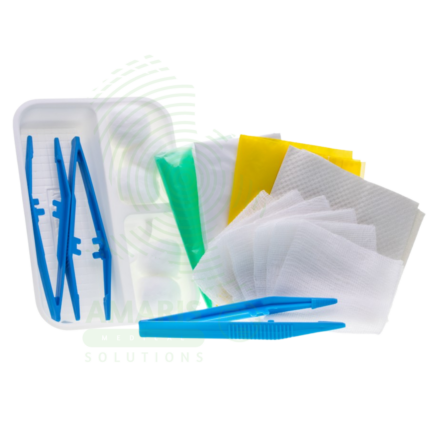
A Disposable Dressing Set is a sterile, single-use convenience kit containing all components necessary for sterile wound dressing changes and minor wound care procedures. The set typically includes sterile drapes, gauze sponges, sterile gloves, antiseptic solution, cotton applicators, tape, and disposal bag. Used in hospitals, clinics, emergency departments, and home healthcare settings, it ensures consistent aseptic technique for post-operative wound care, central line dressing changes, and management of chronic wounds. Proper sterile technique and disposal are essential for safe and effective use.
Disposable Non-Sterile Gloves
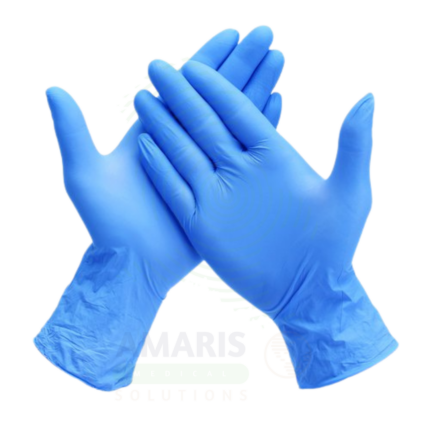
Disposable Non-Sterile Gloves are single-use barrier protection gloves used for routine patient care, examinations, and non-sterile procedures in healthcare settings. Available in nitrile, vinyl, and latex materials, they provide protection against bloodborne pathogens and cross-contamination while allowing tactile sensitivity. Essential for infection control in hospitals, clinics, dental offices, and laboratories, they are designed for single use with disposal after each patient encounter. Proper sizing, hand hygiene, and selection of appropriate material (latex-free nitrile or vinyl for those with latex allergies) are critical for effective protection.
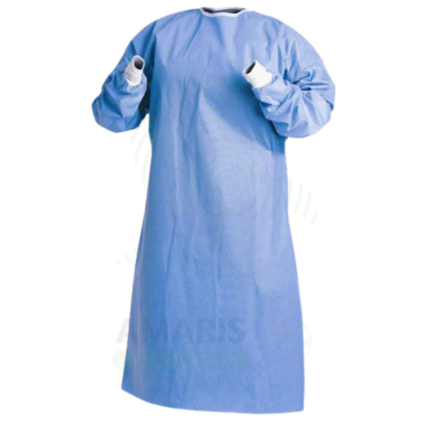
Disposable Sterile Surgical Gown
A Disposable Sterile Surgical Gown is a sterile, single-use barrier garment designed for the surgical team during invasive procedures. Providing fluid resistance and microbial barrier protection meeting AAMI Level standards, it protects both the patient and the surgical team from contamination. Essential for operating rooms and sterile procedures.
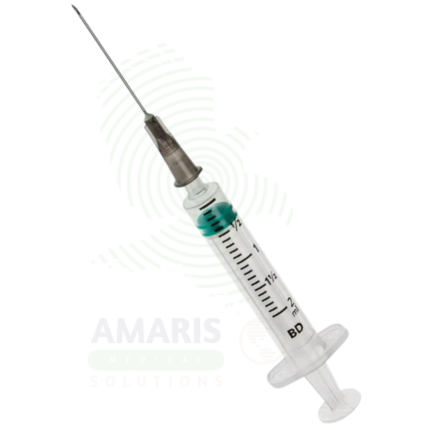
Disposable Syringes with needles
Disposable Syringes with Needles are sterile, single-use devices for parenteral medication administration, vaccination, and blood collection. Available in various sizes and needle gauges for different applications, they provide accurate dosing and safe delivery. Essential for hospitals, clinics, pharmacies, and home healthcare.
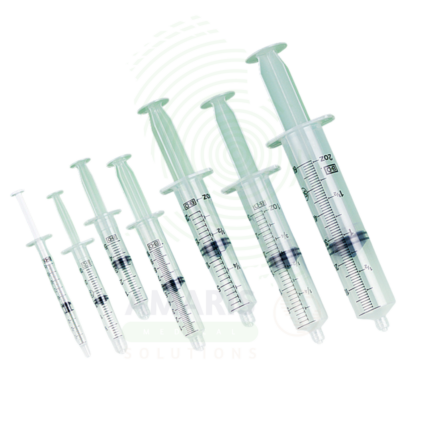
Disposable Syringes without needles
Disposable Syringes without Needles are sterile, single-use syringes for accurate measurement and administration of liquid medications, enteral feedings, and irrigation solutions. Available in various tip configurations including Luer-lok, slip tip, oral, and enteral, they are essential for safe medication delivery in hospitals, clinics, and home healthcare.
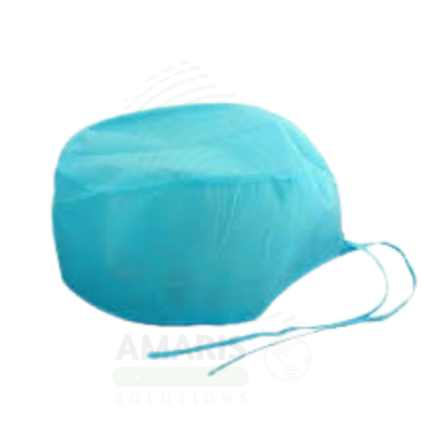
Doctors Caps
Doctors' caps are head coverings worn by physicians and clinical staff in healthcare settings for hair containment and professional identification. Available in disposable non-woven or reusable fabric styles, they support infection control protocols while contributing to a standardized professional appearance. Essential for clinics, hospitals, and outpatient settings.
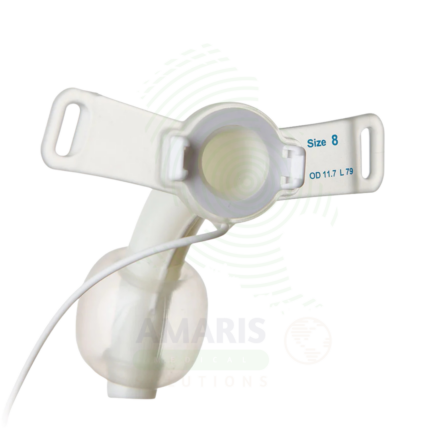
Double Barrel Tracheostomy Tubes Cuffed
Double Barrel Tracheostomy Tubes Cuffed are dual-lumen tracheostomy tubes designed for complex airway management, allowing simultaneous ventilation and airway access through separate channels. The dual cuffs provide independent sealing for each lumen, enabling continuous ventilation during suctioning, bronchoscopy, or medication delivery. Essential for intensive care, thoracic surgery, and patients requiring frequent airway interventions, they provide uninterrupted respiratory support while maintaining airway access.
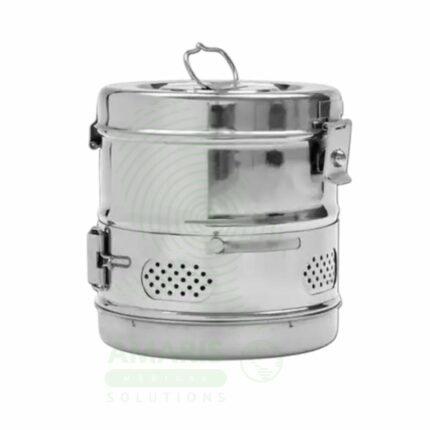
Dressing Drum
A Dressing Drum is a cylindrical, perforated metal container used for sterilizing and storing bulk quantities of dressings, gauze, and wound care supplies. The perforated design allows steam penetration during autoclave sterilization, while the hinged lid with locking mechanism maintains sterility during storage and allows aseptic dispensing. Made from stainless steel or anodized aluminum, it provides a durable, reusable solution for managing sterile supplies in operating rooms, procedure areas, and wound care clinics. Proper loading, drying, and labeling are essential for maintaining sterility and ensuring safe use.

Dressing Pad & Underpad
Dressing Pad & Underpad are absorbent disposable products used for wound care, incontinence management, and surface protection. Dressing pads manage wound exudate and promote healing, while underpads protect bedding and skin from moisture. Essential for hospitals, long-term care facilities, and home healthcare.
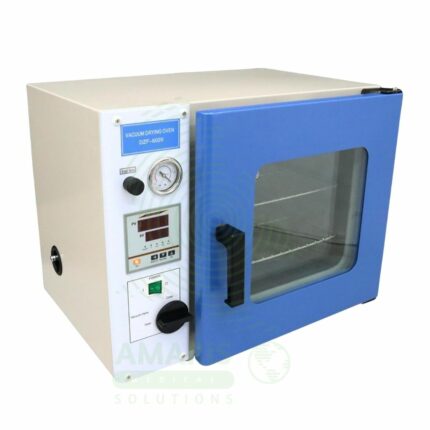
Drying Oven
A Drying Oven is a forced-air heated cabinet used for dry heat sterilization of moisture-sensitive items and for thoroughly drying laboratory glassware and samples. Operating at high temperatures (up to 250°C), it is the method of choice for sterilizing powders, oils, and glass. Its key feature is uniform temperature distribution via a mechanical fan, which is essential for effective sterilization. Critical safety protocols include using extreme caution for thermal burns, never loading flammable materials, and allowing proper cooling. It is a vital piece of equipment in sterile processing and analytical laboratories where the complete absence of moisture is required.
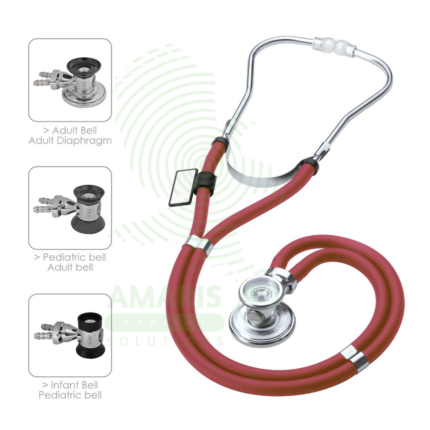
Dual Head Stethoscope
The Dual Head Stethoscope is the classic, essential acoustic diagnostic tool used by healthcare professionals worldwide. Its defining feature is a two-sided chestpiece, combining a diaphragm for high-frequency sounds (breath sounds, normal heart tones) and a bell for low-frequency sounds (heart murmurs, abnormal heart tones). Through mechanical sound conduction, it provides critical information for assessing cardiac, pulmonary, and vascular systems during physical examinations and manual blood pressure measurement. Its effectiveness relies on proper technique, a good acoustic seal, and consistent cleaning. As a fundamental symbol of medical practice, it balances functionality, durability, and affordability.
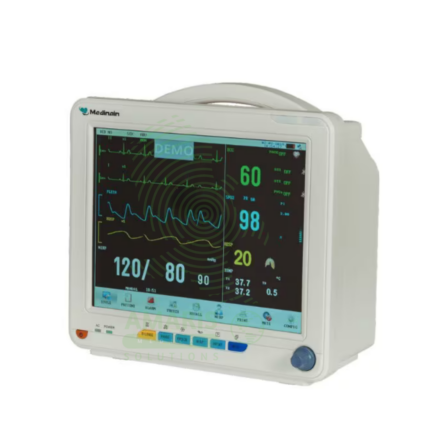
ECG Machine
An ECG Machine is a Class II medical device that records and displays the electrical activity of the heart through surface electrodes, producing an electrocardiogram for diagnosis of cardiac conditions. Standard diagnostic machines record 12 simultaneous leads (3 limb, 6 precordial, 1 ground) with frequency response 0.05-150 Hz, sampling rate 500-1,000 Hz, and high-resolution (5-10 µV) signal acquisition. Features include color touchscreen display, thermal array printer, computerized interpretation algorithms, internal memory (50-500+ ECGs), and network connectivity for EMR integration. Lead wires (AHA or IEC color coding) connect to disposable adhesive electrodes. Portable models (5-15 kg) with rechargeable batteries enable bedside and mobile use; cart-mounted units provide full diagnostic capability. Primary clinical applications include diagnosis of arrhythmias (AF, VT, bradycardia), detection of myocardial ischemia/infarction (STEMI, NSTEMI), evaluation of chest pain, preoperative cardiac risk assessment, monitoring electrolyte imbalances, assessment of chamber enlargement, and drug effect/toxicity monitoring. Essential diagnostic equipment in emergency departments, cardiology clinics, ICUs, operating rooms, and primary care settings worldwide.
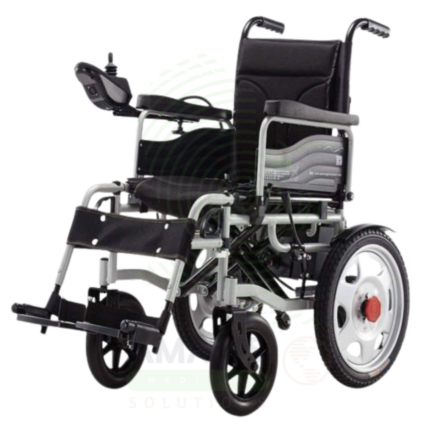
Economic Electric Wheelchair
An Economic Electric Wheelchair is a basic powered mobility device designed to provide essential electric mobility at a lower cost point, making power chair access available to individuals with limited financial resources or those new to powered mobility. It offers fundamental mobility functions without advanced positioning features, enabling independent movement within home and community settings. Used in home healthcare, rehabilitation, and long-term care, it provides a cost-effective entry point to powered mobility.
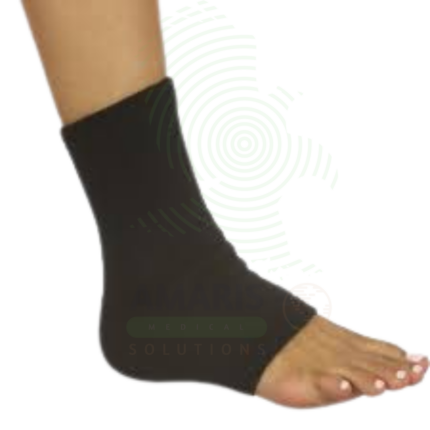
Elastic Ankle Support
An Elastic Ankle Support is a compression sleeve providing gentle, adjustable support for ankle sprains, chronic instability, tendonitis, and post-exercise recovery. Made from breathable, stretchable fabric, it provides compression that helps control swelling, retains body heat to promote circulation, and offers proprioceptive feedback for joint awareness. Used in sports medicine, orthopedics, and physical therapy, it provides symptomatic relief and supports function during daily activities and rehabilitation. Proper fit and skin integrity monitoring are essential for safe use.
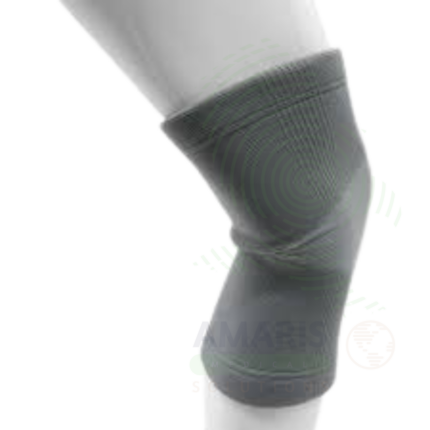
Elastic Knee Support
An Elastic Knee Support is a compression sleeve providing gentle, adjustable support for mild knee injuries, osteoarthritis, patellofemoral pain, and post-exercise recovery. Made from breathable, stretchable fabric, it provides compression that helps control swelling, retains body heat to promote circulation, and offers proprioceptive feedback for joint awareness. Used in sports medicine, orthopedics, and physical therapy, it provides symptomatic relief and supports function during daily activities and rehabilitation. Proper fit and skin integrity monitoring are essential for safe use.
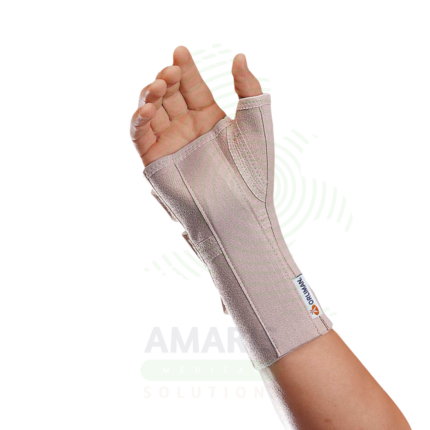
Elastic Palm With Wrist Support
An Elastic Palm With Wrist Support is a compression orthosis providing gentle, adjustable support to the wrist and palm for carpal tunnel syndrome, wrist tendonitis, sprains, instability, and palmar conditions. Made from breathable elastic fabric with adjustable straps, it provides compression that reduces symptoms while allowing functional movement for daily activities. Used in hand therapy, orthopedics, and sports medicine, it provides symptomatic relief and supports healing during rehabilitation. Proper fit and skin integrity monitoring are essential for safe use.
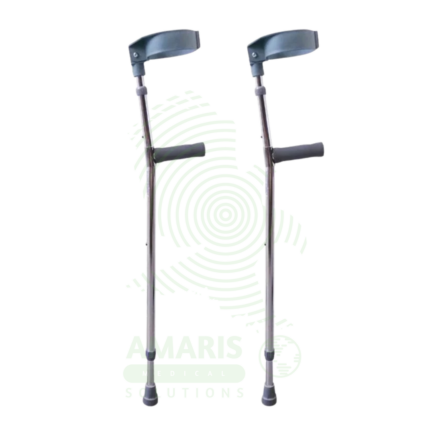
Elbow & Axiliary Crutches
An Elbow & Axiliary Crutches feature a forearm cuff and are designed for long-term mobility, offering a natural gait for unilateral or bilateral conditions. Auxiliary (Underarm) Crutches have an axillary pad and are for short-term, non-weight-bearing use after injury or surgery. Both require precise fitting—forearm crutch cuffs must be below the elbow, and underarm crutch weight must be borne through the hands to avoid nerve damage. Proper gait training from a therapist is essential for safe use of either type.
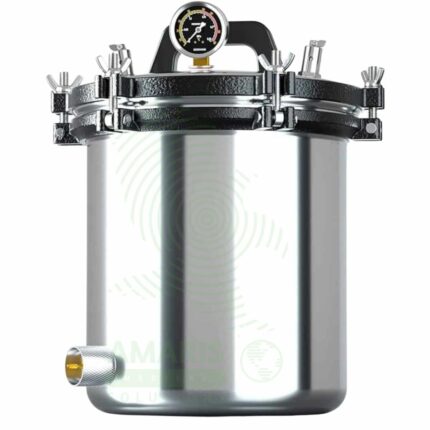
Electric Autoclave
An Electric Autoclave is a sterilization device that uses saturated steam under pressure to destroy all microbial life, including bacterial spores, on surgical instruments, laboratory glassware, textiles, and other heat- and moisture-stable items. Available in tabletop, vertical, and horizontal configurations, it operates at temperatures of 121-134°C with cycles designed for unwrapped items, wrapped packs, liquids, and porous loads. Essential for sterile processing departments, operating rooms, laboratories, and dental clinics, the autoclave ensures that reusable instruments are safe for patient use. Proper cycle selection, load configuration, and regular biological monitoring are critical for effective sterilization.
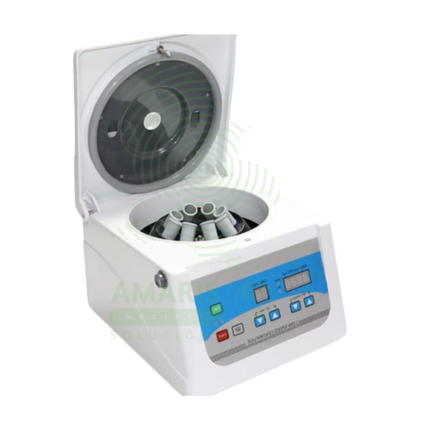
Electric Centrifuge
An Electric Centrifuge is a Class I medical device that uses rapid rotation to separate fluids of different densities, essential in clinical laboratories for processing blood, urine, and other biological specimens. Available in benchtop, refrigerated, microcentrifuge, hematocrit, and high-speed models with fixed-angle, swinging-bucket, or vertical rotors. Speed range 1,000-30,000+ RPM with RCF up to 65,000+ x g. Features include brushless induction motor, digital controls, imbalance detection, lid lock safety, and programmable protocols. Primary clinical applications include separation of serum/plasma for chemistry and hematology testing, urine sediment analysis for microscopy, platelet-rich plasma (PRP) preparation for regenerative medicine, concentration of bacteria for microbiology, cytology fluid analysis, blood banking, and molecular biology sample processing. Critical safety precautions include proper balancing of loads (weight matching), use of sealed rotors for biohazardous samples, regular rotor inspection for corrosion or cracks, never exceeding maximum rated speed, and never opening lid during operation. Essential equipment in clinical, research, and teaching laboratories.
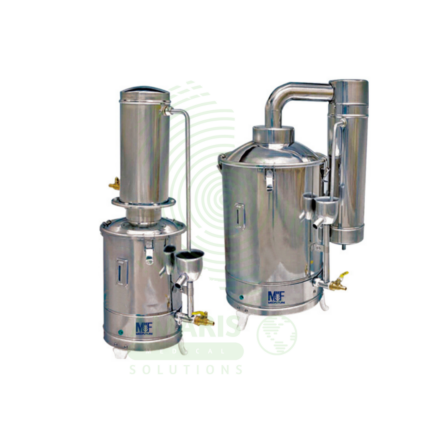
Electric Heating Water Distiller
An Electric Heating Water Distiller is a laboratory device that produces high-purity distilled water by boiling water and condensing the steam, removing >99% of dissolved minerals, heavy metals, and organic contaminants. Available in countertop (4-20 L/day) and floor-standing (20-100+ L/day) models with borosilicate glass or stainless steel boiling chambers and condensers. Features include electric immersion heating (1,000-3,000 watts), automatic shut-off, low-water protection, and removable collection vessels. Produces ASTM Type III or Type IV water with <5 ppm TDS and conductivity <5 µS/cm. Primary clinical applications include laboratory reagent preparation, glassware rinsing, autoclave feed water, pharmacy compounding (USP <795>), hematology/chemistry analyzer maintenance, and battery maintenance for medical equipment. Critical safety precautions include burn/scald hazards from hot surfaces and steam, regular descaling to prevent mineral buildup, careful handling of glass components, and understanding that distilled water is not sterile and cannot be used for irrigation, injection, or open wounds without additional sterilization. Essential equipment for clinical laboratories, hospital pharmacies, and healthcare facilities requiring on-site production of purified water.
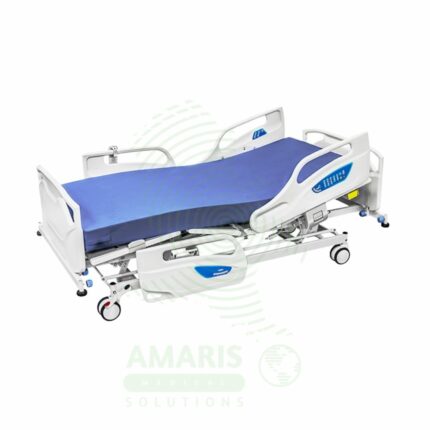
Electric Hospital Bed
An Electric Hospital Bed is a motorized, adjustable bed system designed for inpatient medical care. It provides critical functions such as height adjustment for safe patient transfer, head and knee elevation for comfort and clinical indications, and integrated safety features like side rails and nurse call. Its electric operation allows for precise positioning by both patient and caregiver, enhancing safety, treatment efficacy, and ergonomics. Proper use requires adherence to weight limits, fall prevention protocols, and regular disinfection between patients. It is a fundamental capital asset in any inpatient healthcare facility.
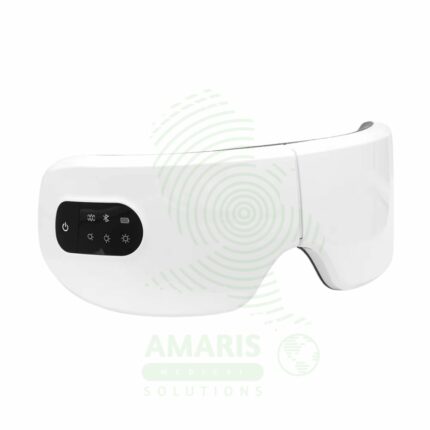
Electric Ophthalmic Massager
An Electric Ophthalmic Massager is a therapeutic device that provides pneumatic compression, vibration, and heat therapy to the periorbital region for relief of digital eye strain, tension headaches, and visual fatigue. The ergonomic design targets acupressure points around the eyes while multiple massage modes and adjustable intensity levels allow for customized treatment. Used as a non-pharmacological adjunct for managing eye strain from prolonged screen use, the device also promotes relaxation and may support circulation. Patients with glaucoma, retinal detachment, recent eye surgery, or other eye conditions should consult an ophthalmologist before use. Proper duration and intensity settings are essential for safe and effective use.
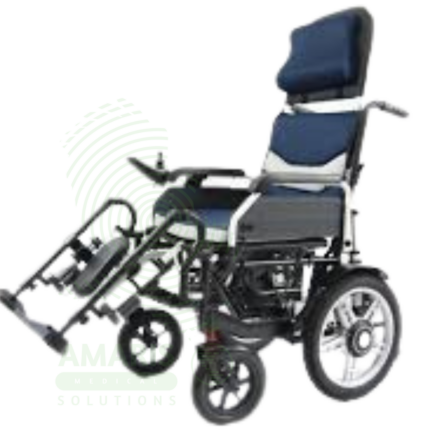
Electric Reclining Wheelchair
An Electric Reclining Wheelchair is a sophisticated powered mobility device that provides both independent locomotion and powered positioning. It features a motorized backrest that reclines to near-horizontal and synchronized elevating leg rests, allowing users to independently manage pressure relief, circulation, breathing, and comfort without leaving the chair. Prescribed for individuals with complex needs such as spinal cord injuries, severe fatigue, or circulatory disorders, it enhances independence and medical stability. Its use requires thorough training due to the significant change in stability and footprint when reclined, and it demands more rigorous maintenance than standard power chairs.
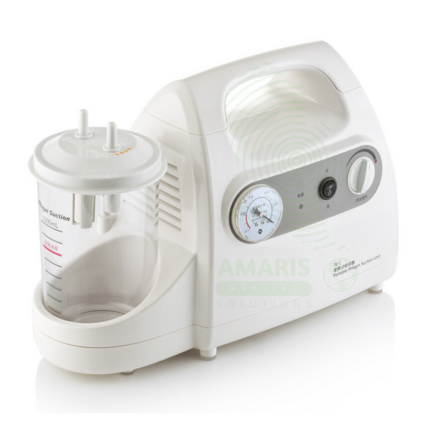
Electric Suction Machine
An Electric Suction Machine is a portable, electrically-powered medical device that generates vacuum pressure to remove fluids and secretions from a patient's airway, surgical site, or wound. It is a critical tool for maintaining a patent airway in emergency, surgical, post-operative, and chronic home care settings. The unit consists of a vacuum pump, a disposable collection canister with overflow protection, connecting tubing, and patient-end accessories. Key performance features include adjustable suction pressure, adequate airflow, and often battery backup for reliability. Strict adherence to pressure settings, suction duration, and single-use disposable components is essential for patient safety and infection control.
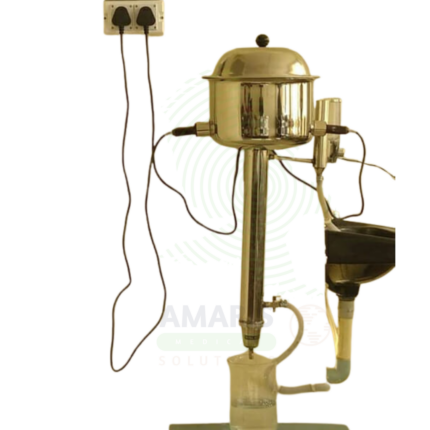
Electric Wall Mounted Water Distillation
An Electric Wall Mounted Water Distillation unit produces high-purity distilled water by boiling water and condensing the steam, leaving behind dissolved minerals and contaminants. Used in clinical laboratories, sterile processing departments, and pharmacies, it provides a continuous supply of purified water for reagent preparation, glassware rinsing, instrument sterilization, and diagnostic testing. The wall-mounted design conserves counter space while ensuring a reliable source of water critical for accurate laboratory results and equipment maintenance.
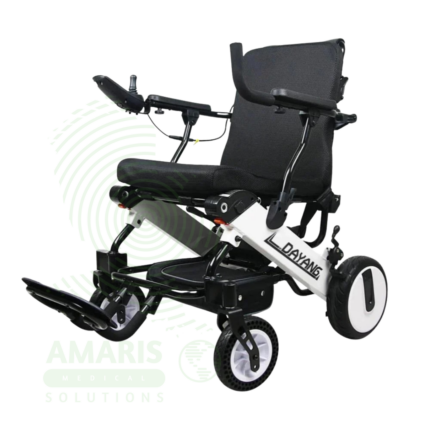
Electric Wheelchair
An Electric Wheelchair is a battery-powered mobility device prescribed for individuals with significant mobility impairments who cannot self-propel a manual chair. It provides independent indoor and outdoor mobility through a joystick or alternative control system. Key features often include power seating functions (tilt, recline) for pressure relief and postural support, and are available in various drive configurations (rear, mid, front-wheel) for different environments. As complex rehabilitation technology, it requires professional evaluation, user training, and regular maintenance to ensure safe operation, enhance independence, and improve the user's quality of life.
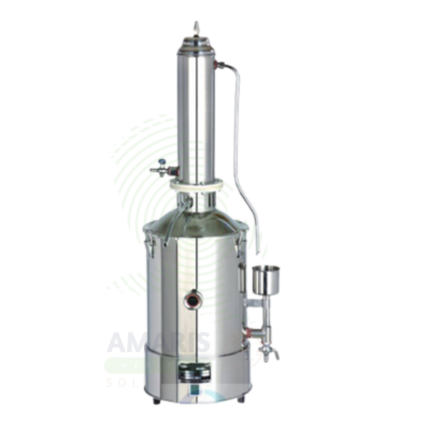
Electrically Heated Tower-Type Water Distillation Apparatus
An Electrically Heated Tower-Type Water Distillation Apparatus produces high-purity distilled water by boiling water and condensing the steam, leaving behind dissolved minerals and contaminants. The tower-type design allows for continuous, high-volume output suitable for busy clinical and research laboratories. Used for reagent preparation, glassware rinsing, instrument sterilization, and diagnostic testing, it provides the purified water essential for accurate laboratory results and reliable equipment performance.
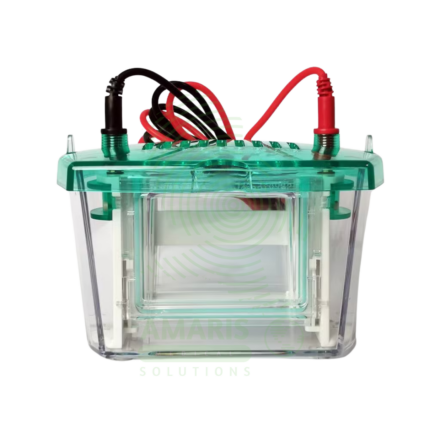
Electrophoresis Bath
An Electrophoresis Bath is a laboratory instrument used to separate charged molecules (proteins, nucleic acids) through a gel medium using an electric current, based on size and charge differences. Available in horizontal (submarine) formats for agarose gel electrophoresis of DNA/RNA and some proteins, and vertical formats for polyacrylamide gel electrophoresis (PAGE) of proteins. Constructed of polycarbonate or acrylic tanks with platinum or carbon electrodes, safety-interlocked lids, and buffer reservoirs (200-2,000 mL). Designed for use with external power supplies (100-500 V). Primary clinical applications include serum protein electrophoresis (SPEP) for diagnosis of multiple myeloma and monoclonal gammopathies, hemoglobin electrophoresis for sickle cell disease and thalassemias, urine protein electrophoresis for Bence Jones proteins, immunofixation electrophoresis (IFE) for monoclonal protein characterization, isoenzyme analysis (CK-MB, LDH) for myocardial infarction and liver disease, and DNA/RNA electrophoresis for molecular diagnostics. Essential equipment in clinical pathology, hematology, molecular diagnostics, and research laboratories requiring separation and analysis of proteins and nucleic acids for diagnostic and research purposes.
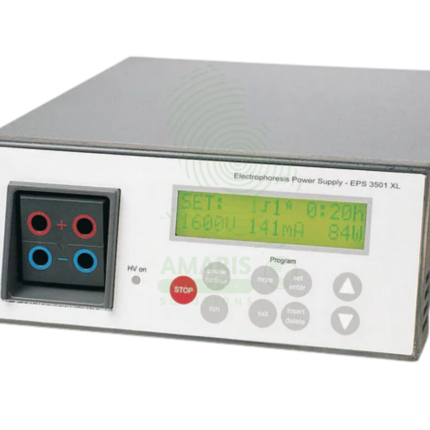
Electrophoresis Power Supply
An Electrophoresis Power Supply is a regulated DC power source specifically designed for electrophoresis and blotting applications in clinical and research laboratories, providing constant voltage, constant current, or constant power output with high stability (±0.1-1%) and precision. Available in voltage ranges from 0-300 V (low voltage) for routine agarose and protein gels, 0-600 V (medium voltage) for higher resolution separations, and 0-3,000 V (high voltage) for isoelectric focusing and capillary electrophoresis. Features include digital displays, programmable timers, multiple output channels, automatic crossover, overload/short circuit protection, and safety interlocks. Primary clinical applications include serum protein electrophoresis (SPEP), hemoglobin electrophoresis, immunofixation electrophoresis (IFE), SDS-PAGE, Western blotting, isoelectric focusing, and nucleic acid electrophoresis for molecular diagnostics. Essential equipment in clinical pathology, hematology, molecular diagnostics, and research laboratories requiring precise, regulated power for reproducible electrophoretic separations. Critical safety precautions include never touching output terminals or buffers during operation, using only safety-interlocked electrophoresis cells, inspecting cables before use, and ensuring proper grounding.
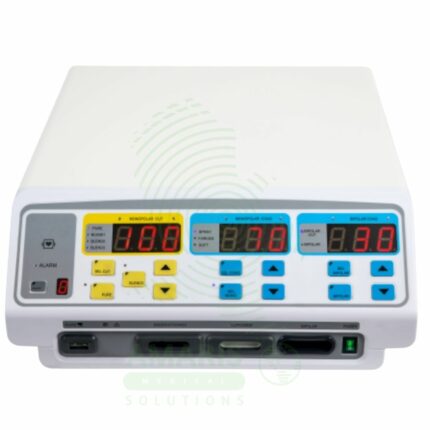
Electrosurgical Unit
An Electrosurgical Unit (ESU) is a radiofrequency generator that provides electrical energy for surgical cutting and coagulation. The ESU is a professional-grade system featuring monopolar and bipolar outputs, with safety-critical Return Electrode Monitoring (REM) for monopolar procedures. It is the universal surgical tool for precise tissue dissection with simultaneous hemostasis, used in open, laparoscopic, and endoscopic procedures across all specialties. Safe operation hinges on correct patient return pad placement, awareness of fire risks (especially with oxygen and flammable prep solutions), and adherence to protocols for patients with implanted electronic devices.
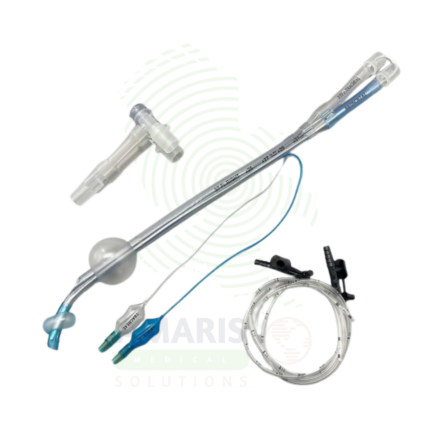
Endobronchial Tubes
Endobronchial Tubes are specialized double-lumen endotracheal tubes designed for selective lung ventilation and isolation during thoracic surgery, management of massive hemoptysis, and bronchopleural fistulas. The dual-lumen design allows independent ventilation of each lung, enabling surgical access, infection control, and airway protection. Essential for thoracic surgery, anesthesiology, and critical care, they provide safe, effective single-lung ventilation with proper placement confirmed by fiberoptic bronchoscopy.
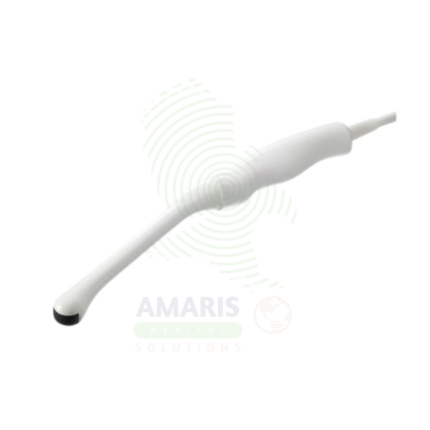
Endocavity Probes
Endocavity Probes are specialized ultrasound transducers designed for insertion into the vagina or rectum to provide high-resolution imaging of pelvic structures, the uterus, ovaries, and prostate gland. Transvaginal probes are essential for early pregnancy assessment, gynecologic evaluation, and infertility treatment, while transrectal probes are critical for prostate evaluation and biopsy guidance. Used with sterile probe covers and high-level disinfection between patients, they provide superior image quality for accurate diagnosis and procedure guidance.
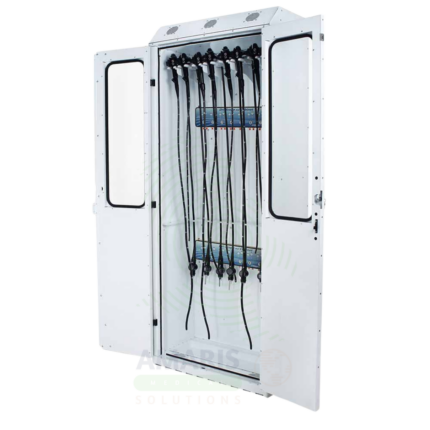
Endoscope Storage Cabinet
An Endoscope Storage Cabinet is a specialized storage system designed to maintain the sterility of flexible endoscopes after high-level disinfection. Featuring vertical hanging racks to prevent damage, HEPA-filtered air circulation to prevent recontamination, and drying systems to inhibit microbial growth, it protects expensive endoscopes while ensuring they are ready for patient use. Essential for gastroenterology, pulmonology, and urology departments, it supports infection prevention, equipment longevity, and efficient workflow.
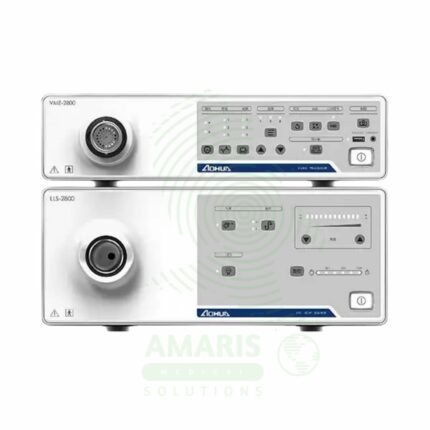
Endoscopy System
The Endoscopy System is a complete video processor and light source stack that forms the core of a modern digital endoscopy suite. It provides high-definition imaging for compatible Fujinon flexible video endoscopes, enabling diagnostic and therapeutic procedures in gastroenterology, pulmonology, and urology. Key features include advanced image processing and enhancement technologies like Narrow Band Imaging (NBI) for improved diagnostic accuracy. As a critical piece of capital equipment, it requires careful handling, the use of compatible accessories, and regular professional maintenance to ensure optimal performance and safety.
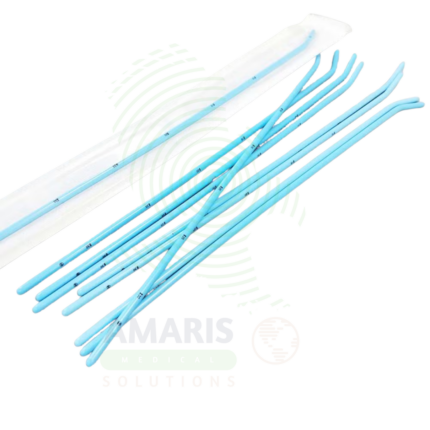
Endotracheal Tube Introducer ( Bougie)
An Endotracheal Tube Introducer (Bougie) is a semi-rigid, flexible guide used to facilitate endotracheal intubation in difficult airway scenarios. Providing tactile feedback through characteristic clicks as it passes over tracheal rings, it serves as a rescue device when direct laryngoscopy fails. Essential for anesthesia, emergency medicine, and critical care, it is a standard component of difficult airway management algorithms.
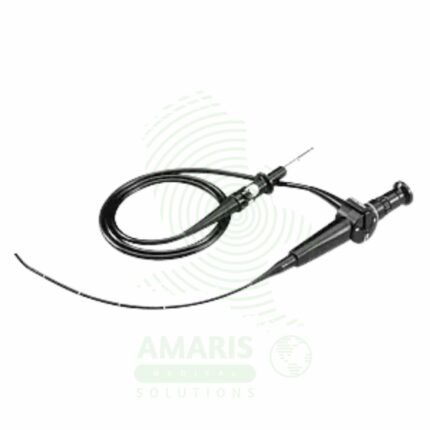
ENT Endoscopes
ENT Endoscopes are specialized optical instruments, either flexible or rigid, used to diagnose and treat conditions of the ear, nose, throat, and upper airway. Flexible nasopharyngolaryngoscopes enable in-office visualization of the nasal passages and larynx, while rigid telescopes (with various angles like 0°, 30°, 70°) are used for surgical procedures such as sinus surgery and microlaryngoscopy. Their safe use requires meticulous reprocessing—especially high-level disinfection for flexible scopes—gentle technique to avoid mucosal injury or epistaxis, and proper patient preparation. They are indispensable tools in both the otolaryngology clinic and operating room.
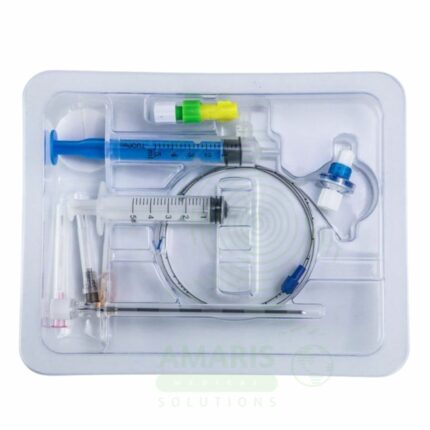
Epidural Kit
An Epidural Kit is a sterile, single-use convenience tray containing all components required for placement of an epidural catheter for regional anesthesia and analgesia. The kit includes a Tuohy-tip epidural needle, a flexible kink-resistant radiopaque catheter, loss-of-resistance syringe, and sterile drapes, preparing the procedural site for aseptic technique. Used in operating rooms, labor and delivery suites, and pain management settings, the epidural kit enables continuous administration of local anesthetics and opioids for surgical anesthesia, labor analgesia, and post-operative pain control. The loss-of-resistance technique provides tactile confirmation of correct catheter placement. Strict aseptic technique and continuous patient monitoring are essential to prevent complications including post-dural puncture headache, infection, and local anesthetic systemic toxicity.
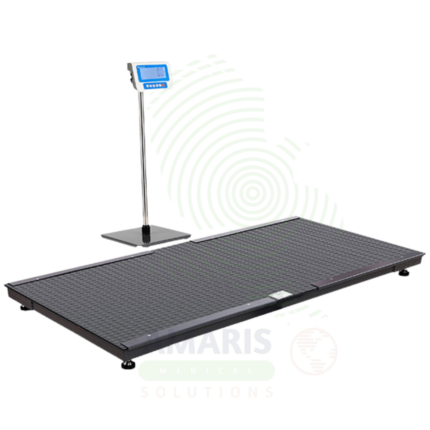
Equine Floor Digital Scale
An Equine Floor Digital Scale is a heavy-duty weighing platform designed for accurate weight measurement of horses and other large animals. Essential for calculating medication dosages, anesthetics, dewormers, and nutritional supplements, it ensures safe, effective treatment for equine patients. The large platform with entrance and exit ramps allows stress-free weighing, while high capacity and accuracy support comprehensive equine health management.
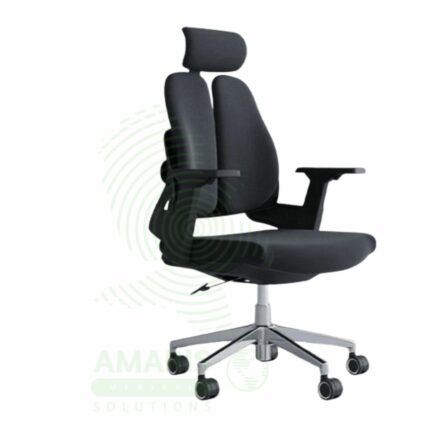
Ergonomic & Orthopedic Chair
An Ergonomic & Orthopedic Chair is an adjustable seating system designed to provide proper postural support, spinal alignment, and pressure distribution for individuals with musculoskeletal conditions, chronic pain, and mobility limitations. Features include adjustable seat height, backrest with lumbar support, contoured seat with pressure-reducing cushion, and adjustable armrests. Used in home, office, and clinical settings, it supports patients with arthritis, back pain, joint replacements, and edema, promoting comfort, proper alignment, and safe transfers during prolonged sitting.
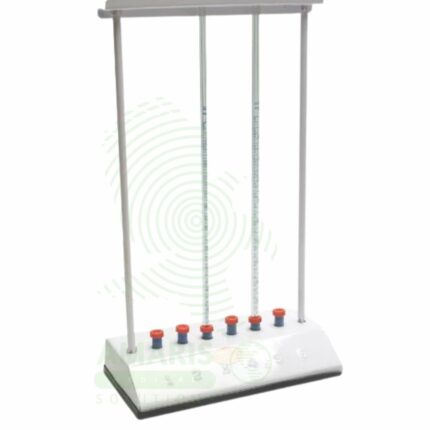
ESR Stand
An ESR Stand is a simple but critical laboratory accessory designed to hold Westergren pipettes perfectly vertical and vibration-free for the manual measurement of the Erythrocyte Sedimentation Rate (ESR). Its sole function is to ensure standardized conditions for this one-hour test, where even minor tilting can cause significant result errors. Key to its correct use is meticulous leveling on a stable surface and placement away from vibrations. While automated analyzers have largely replaced manual ESR, the stand remains essential for reference methods, backup testing, and in low-resource laboratory settings.
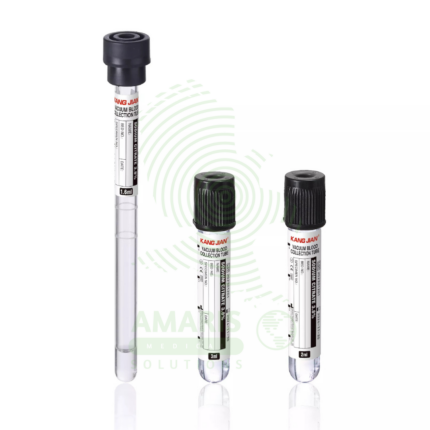
ESR Tubes Glass
ESR Tubes Glass are specialized glass tubes (300 mm length, 2.55 mm bore diameter, graduated 0-200 mm in 1 mm intervals) meeting ICSH and CLSI Westergren specifications for measuring erythrocyte sedimentation rate, a non-specific marker of inflammation. Used with citrated or diluted EDTA blood, filled to exactly 200 mm, placed vertically in Westergren stand, and read at 60 minutes. Primary clinical applications include determination of ESR for diagnosing and monitoring inflammatory conditions (infections, autoimmune disorders, malignancies), monitoring disease activity in rheumatoid arthritis, assessment of temporal arteritis and polymyalgia rheumatica, evaluation of infection and inflammatory response, screening for occult inflammatory conditions, and monitoring chronic inflammatory diseases (SLE, IBD, vasculitis). Critical safety precautions include handling glass tubes carefully to avoid breakage (sharps hazard), proper disposal in sharps containers as biohazardous waste, ensuring vertical alignment and constant temperature (18-25°C), reading at exactly 60 minutes, and avoiding air bubbles and vibration. Essential consumable for reference Westergren ESR testing in clinical laboratories.
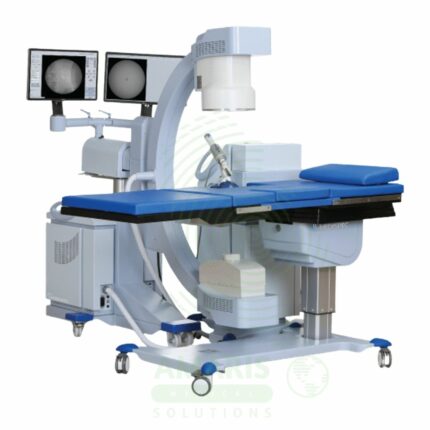
ESWL Lithotripter Systems
A ESWL Lithotripter Systems is a non-invasive surgical device that uses focused, high-energy acoustic shock waves generated outside the body to fragment kidney and upper ureteral stones. The patient lies on a table while integrated imaging (fluoroscopy/ultrasound) is used to target the stone precisely at the shock wave focal point. Treatment success depends on stone size, location, and composition. While avoiding surgical incisions, the procedure requires meticulous safety protocols to manage risks such as renal injury, bleeding, and radiation exposure. It is a capital-intensive, fixed equipment system that defines the modern, non-invasive approach to urolithiasis.

Evacuation Set
An Evacuation Set is a sterile instrument tray containing the instruments necessary for uterine evacuation procedures, including dilation and curettage, suction aspiration, and management of incomplete miscarriage. The set includes cervical dilators, curettes, suction cannulas, ovum forceps, and supporting instruments. Used in obstetrics and gynecology for therapeutic abortion, management of pregnancy loss, retained products of conception, and diagnostic curettage, it ensures that all required instruments are sterile, organized, and immediately available for safe and effective uterine evacuation procedures.
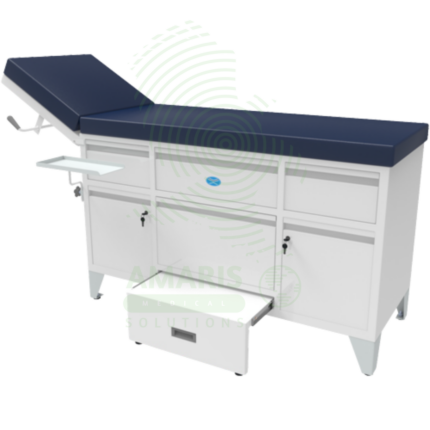
Examination Couch
An Examination Couch is a versatile, height-adjustable table designed as the central fixture in medical exam rooms. It provides a clean, comfortable, and adaptable surface for patient examinations, minor outpatient procedures, and diagnostic testing. Key features often include an adjustable backrest, extendable stirrups for gynecological/urological exams, and easy-clean upholstery. Its primary function is to facilitate efficient and ergonomic patient care while ensuring comfort and safety for both the patient and the clinician in general practice, specialty clinics, and urgent care settings.
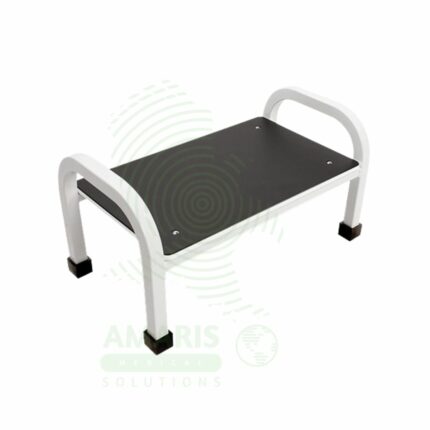
Examination Couch Step
An Examination Couch Step is a portable, non-slip step designed to assist patients in safely accessing elevated examination couches, treatment tables, and imaging surfaces. Used in clinics, hospitals, emergency departments, and home healthcare settings, it reduces fall risk during transfers and minimizes the need for lifting assistance. With a wide, non-slip surface and stable base, it supports patients with mobility limitations, arthritis, balance disorders, and post-operative weakness. Essential for fall prevention and safe patient handling, it promotes patient independence and reduces physical strain on healthcare workers.
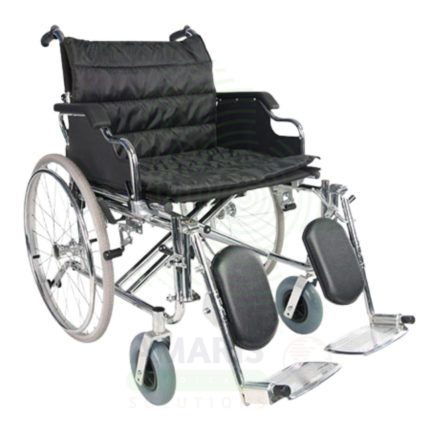
Extra Wide Bariatric Wheelchair
An Extra Wide Bariatric Wheelchair is a heavy-duty manual wheelchair designed to safely accommodate patients of size with reinforced frame construction, extra-wide seating, and higher weight capacity. Essential for hospitals, long-term care facilities, and home healthcare, it provides safe, dignified mobility for bariatric patients, enabling independent propulsion or caregiver-assisted transport without the risk of equipment failure or discomfort. Proper fit, regular inspection, and adherence to weight capacity are essential for safe use.