Dermatoscope and Magnifiers
 Diagnostic Kits
 Vital Signs Monitors
 Stethoscopes and Accessories
 Otoscopes, Ophthalmoscopes, and Retinoscopes
 Reflex Hammers and Neurological Tools
 Scales and Measuring Devices
 Spirometers and Pulmonary Function Tests
 Electrosurgical Units and Accessories
 Cutting Instruments
 Grasping and Holding Instruments
 Hemostatic Instruments
 Specialized Surgical Sets
 Single-Use Procedure Trays and Packs
 Surgical Drapes, Gowns, and Covers
 Tissue Unifying Instruments
 Radiation Protection
 X-Ray Machines and Accessories
 Ultrasound Systems and Probes
 MRI and CT Scanners
 Radiology Consumables
 Bone Densitometers
 Fluoroscopy Equipment
 Imaging Tables and Positioning Aids
 Microscopes and Accessories
 Centrifuges and Separators
 Analyzers
 Incubators and Ovens
 Pipettes, Dispensers, and Lab Glassware
 Refrigerators, Freezers, and Storage Units
 Lab Consumables
 Sterilizers and Autoclaves for Lab Use
 Multi-Parameter Monitors
 Ventilators and Respiratory Support Devices
 Defibrillators and AEDs
 Infusion Pumps and IV Systems
 Patient Warmers and Cooling Devices
 Central Monitoring Stations
 Accessories
 Anesthesia Machines and Workstations
 Oxygen Concentrators and Delivery Systems
 Nebulizers and Inhalers
 CPAP/BiPAP Machines
 Airway Management
 Anesthesia Masks, Circuits, and Bags
 Humidifiers and Heaters
 Respiratory Therapy Accessories
 First Aid Kits and Cabinets
 Emergency Resuscitation Equipment
 Trauma Supplies
 Emergency Carts and Crash Carts
 Burn Care Products
 Bleeding Control
 Automated External Defibrillators (AEDs)
 Transport and Evacuation
 Wheelchairs and Accessories
 Walkers, Crutches, and Canes
 Prosthetics and Orthotics
 Physical Therapy Equipment
 Transfer Devices
 Bathroom Safety
 Orthopedic Traction and Tables
 Hot/Cold Therapy Packs and Units
 Beds and Mattresses
 Chairs and Stools
 Tables
 Cabinets and Storage
 Privacy Screens & Curtains
 Stands and Racks
 Linens and Textiles
 Lighting
 Autoclaves and Sterilizers
 Ultrasonic Cleaners
 Disinfectant Solutions and Wipes
 Sterilization Pouches, Wraps, and Indicators
 Instrument Trays and Containers
 UV and Ozone Disinfection Devices
 Washer Disinfectors
 Wound Care
 Gloves
 Masks and Respirators
 Catheters and Tubing
 Swabs, Applicators, and Sponges
 Incontinence Products
 Personal Protective Equipment (PPE)
 Dental Chairs and Units
 Handpieces and Burs
 Instruments
 Consumables
 Sterilization for Dental Use
 Orthodontic Supplies
 Endodontic Tools
 Slit Lamps and Tonometers
 Lensometers and Phoropters
 Ophthalmic Surgical Instruments
 Eyewear Frames and Lenses
 Contact Lens Supplies
 Vision Testing Charts and Devices
 Eye Care Consumables
 Laser Systems for Eye Care
 ENT Exam Chairs and Tables
 Endoscopes
 Audiometers and Hearing Tests
 ENT Instruments
 Nasal and Throat Packs
 Hearing Aids and Accessories
 Otology Supplies
 Fetal Dopplers and Monitors
 Delivery Beds and Tables
 Gynecological Instruments
 Neonatal Incubators and Warmers
 Breast Pumps and Accessories
 Contraceptive Devices
 Maternity Supports and Pads
 Neonatal Consumables
 Cystoscopes and Urethroscopes
 Dialysis Machines and Supplies
 Urological Catheters and Bags
 Lithotripters
 Prostate Treatment Devices
 Urinary Incontinence Products
 Kidney Stone Management Tools
 Consumables & Disposables
 EEG and EMG Machines
 Neurosurgical Instruments
 Nerve Stimulators
 Headrests and Positioning Aids
 Lumbar Puncture Kits
 Seizure Monitoring Devices
 Consumables
 Rehabilitation for Neurological Conditions
 ECG Machines and Accessories
 Holter Monitors
 Stress Test Systems
 Pacemakers and Defibrillator Accessories
 Vascular Access Devices
 Cardiac Catheters and Guidewires
 Blood Flow Meters
 Consumables
 Orthopedic Instruments
 Casts, Splints, and Padding
 Joint Replacement Supplies
 Prosthetic Limbs and Components
 Bone Grafts and Substitutes
 Traction Devices
 Orthopedic Braces and Supports
 Rehabilitation Aids for Orthopedics
 Home Oxygen Therapy
 Hospital Beds for Home Use
 Mobility Aids
 Bathroom and Daily Living Aids
 Wound Care for Home
 Monitoring Devices
 Enteral Feeding Pumps and Tubes
 Hand Sanitizers and Dispensers
 Face Shields and Goggles
 Isolation Gowns and Suits
 Biohazard Waste Containers
 Air Purifiers and HEPA Filters
 Surface Disinfectants
 Sharps Containers
 Protective Barriers
 Cardiovascular & Endurance Training
 Strength Training & Weightlifting
 Functional Training & Core Conditioning
 Physical Therapy & Rehabilitation
 Sports & Outdoor Recreation
 Gym Flooring & Facility Equipment
 Fitness Monitoring & Accessories
 Kids & Novelties










Medical devices and equipment designed for long-term use in home settings to support patient independence, mobility, and daily care. This category includes mobility aids (walkers, wheelchairs), respiratory devices (oxygen concentrators, CPAP machines), patient monitors, and daily living aids (hospital beds, lift chairs). These products enhance quality of life, facilitate recovery, and enable safe management of chronic conditions outside clinical environments. Ideal for caregivers, elderly patients, and individuals with disabilities or ongoing medical needs.
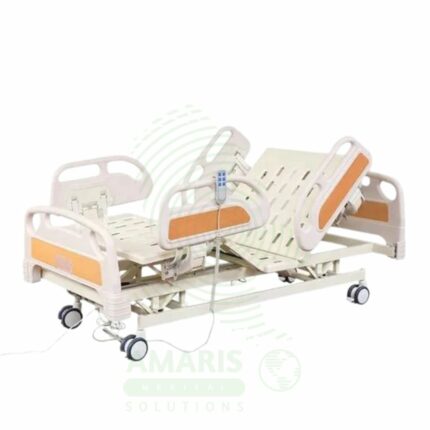
3 Function Electric Hospital Bed
A 3 Function Electric Hospital Bed is an electrically adjustable bed providing three essential positioning functions: head elevation, knee elevation, and overall height adjustment. Used in hospitals, long-term care facilities, and home healthcare settings, it supports patient comfort, respiratory function, pressure injury prevention, and caregiver ergonomics. Hand controls allow patients to adjust their own position, promoting independence, while height adjustment reduces caregiver strain. Essential equipment for patients requiring long-term bed rest or positioning support.
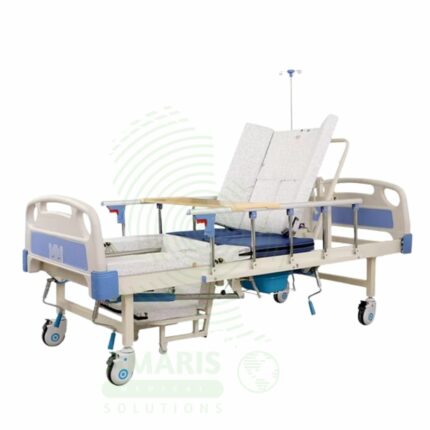
4 Function Electric-Manual Convertible Hospital Bed With Commode
A 4 Function Electric-Manual Convertible Hospital Bed With Commode is an advanced hospital bed that combines electric positioning with an integrated toileting system. The bed provides four electric functions: head elevation, knee elevation, overall height adjustment, and Trendelenburg positioning, with manual backup cranks for emergency use. The integrated commode allows patients to toilet without leaving the bed, reducing fall risk and preserving dignity. Designed for patients with limited mobility requiring long-term bed rest, this bed supports pressure injury prevention, caregiver ergonomics, and patient independence.
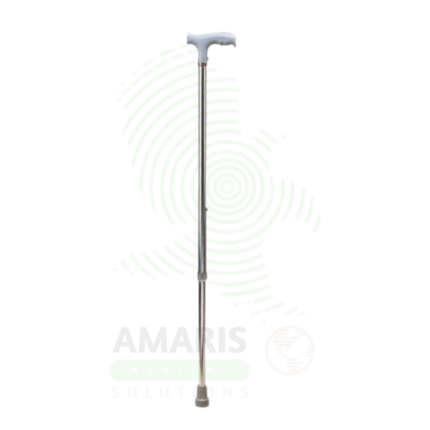
Adjustable Walking Stick
An Adjustable Walking Stick is a height-adjustable mobility aid providing balance support for individuals with mild unsteadiness, minor joint pain, or during recovery from injury. The telescoping shaft allows precise fitting to the user's height, ensuring proper ergonomics and effective weight transfer. Used in primary care, geriatrics, and rehabilitation, it promotes confidence, independence, and safe ambulation. Proper height adjustment and regular inspection of the rubber tip are essential for safe use.
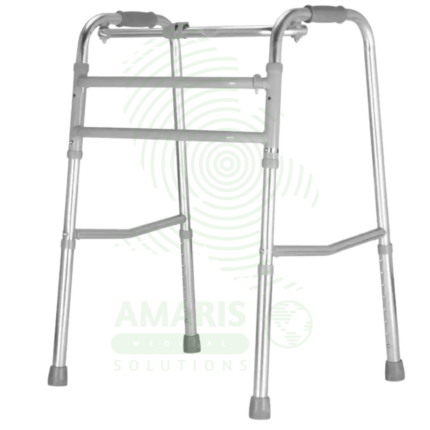
Adult Walking Frame
An Adult Walking Frame is a rigid, non-wheeled mobility aid designed to provide maximum stability during walking. It is used by lifting and placing the frame forward with each step, making it ideal for individuals with severe balance issues, significant weakness, or those in early post-operative recovery. Key features include a lightweight aluminum frame, height-adjustable legs, and replaceable rubber tips. Proper fitting and gait training by a healthcare professional are essential for safe use, as incorrect technique can increase fall risk. It is the most stable ambulatory aid before progressing to wheeled walkers or canes.
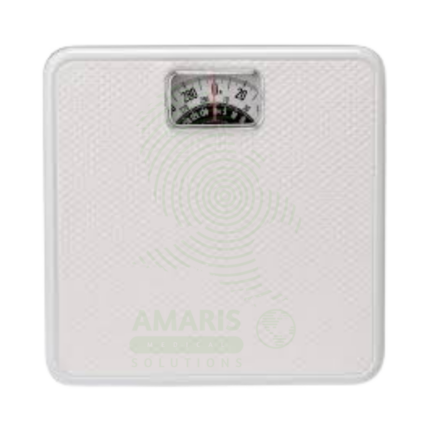
Analogue Bathroom Weighing Scale
An Analogue Bathroom Weighing Scale is a mechanical Class I medical device (for health monitoring) using a precision spring and lever system to measure body weight without batteries or electronics. Features include enameled steel, stainless steel, or ABS plastic platform (25-30 cm square), large circular dial (10-15 cm diameter) with clear numerals and pointer, zero adjustment knob for calibration before each use, weight capacity 120-180 kg (265-400 lbs) standard (heavy-duty models to 250 kg/550 lbs), and graduation 0.5 kg or 1 lb increments with accuracy ±0.5-1 kg. Primary clinical applications include home weight monitoring for patients who prefer non-electronic devices, chronic disease management in resource-limited settings (heart failure, CKD), geriatric and low-vision patient weighing (large, clear dial), bariatric patient monitoring (higher weight capacities), pediatric growth monitoring in home settings, pregnancy weight tracking, and post-hospitalization transition monitoring. Critical safety considerations include verifying zero adjustment before each use, placement on hard level surface (not carpet), staying within weight capacity, reading at eye level to avoid parallax error, and recognizing that spring fatigue over years may affect accuracy. Essential non-electronic alternative for patients needing simple, reliable, battery-free weight monitoring.
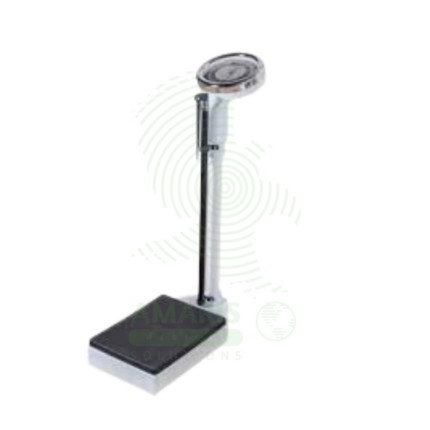
Analogue Weighing Scale With height
An Analogue Weighing Scale With height is a Class I medical device combining a mechanical beam scale (balance beam with sliding poises, accuracy ±0.1 kg, capacity 140-300 kg) with an integrated telescoping or folding height rod (range 60-200 cm, graduation 1 mm) for comprehensive anthropometric assessment without batteries or electronics. Features include heavy-gauge steel platform (50-70 cm × 40-50 cm) with non-slip surface, sliding counterweights (large for increments, small for fine measurement), zero adjustment mechanism, locking casters for mobility, and durable enamel or powder-coated finish. Primary clinical applications include comprehensive anthropometric assessment in resource-limited clinics, pediatric growth monitoring in community health centers, adult obesity screening and BMI calculation, geriatric nutritional assessment in long-term care, preoperative assessment in ambulatory surgery centers, school health screening programs, and developing world/humanitarian aid settings. Critical safety considerations include verifying zero balance before each use, locking casters before patient steps on, ensuring patient stands still without support, providing step assistance for mobility-impaired patients, and cleaning platform and height rod between patients. Essential durable, battery-free equipment for comprehensive weight and height measurement in clinical settings.
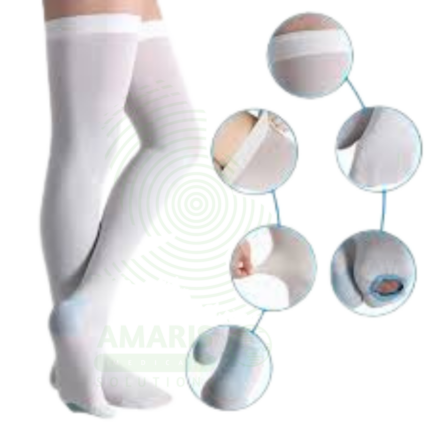
Anti-Embolic Compression Stockings
Anti-Embolic Compression Stockings are medical-grade elastic stockings designed to prevent Deep Vein Thrombosis (DVT) in non-ambulatory, surgical, or medically ill patients. By delivering graduated external pressure—tightest at the ankle and decreasing up the leg—they enhance venous blood flow and reduce stasis, a key factor in clot formation. They are a cornerstone of mechanical thromboprophylaxis in hospitals. Correct sizing based on precise leg measurements is critical for both efficacy and safety, as improper fit can lead to complications or failure of prophylaxis. Daily skin assessment and adherence to wearing guidelines are essential components of safe use.
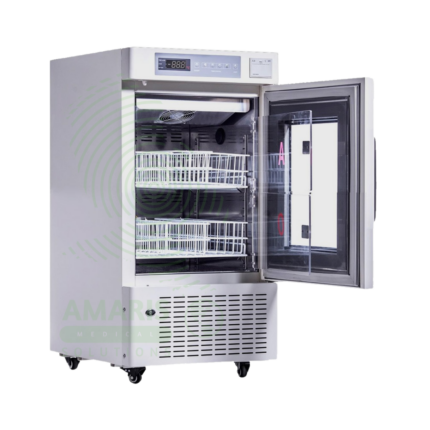
Blood Bank Freezer
A Blood Bank Freezer is a specialized Class II medical device designed for the safe, temperature-controlled frozen storage of blood components including fresh frozen plasma (FFP), cryoprecipitate, and other frozen plasma products at temperatures of -18°C to -35°C (standard plasma freezers) or -65°C to -80°C (for frozen red cells). Meeting stringent AABB, FDA, CAP, and EU regulatory standards, these freezers feature heavy-duty refrigeration systems, forced-air circulation for temperature uniformity (±2-3°C), microprocessor controls with digital displays, redundant temperature monitoring with chart recorders or digital data loggers, and multi-level alarm systems (audible, visual, remote) for high/low temperature, power failure, and door/lid ajar. Available in upright or chest configurations with capacities from 200-1,500+ liters, specialized blood bag racks, pull-out drawers, and secure locking. Primary clinical applications include long-term storage of fresh frozen plasma (12 months at -18°C), cryoprecipitate storage, frozen plasma components for transfusion, cryoprecipitate-rich plasma, long-term storage of rare blood products, and research/reference laboratory sample storage. Essential equipment for hospital blood banks, transfusion services, blood donor centers, and reference laboratories requiring validated, reliable frozen storage for critical blood components with full regulatory compliance and documented temperature monitoring.
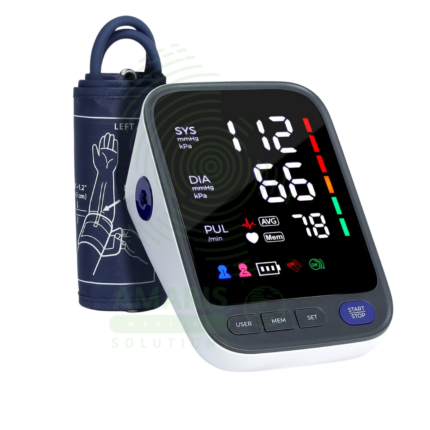
Bluetooth Blood Pressure Machine
A Bluetooth Blood Pressure Machine is an automatic oscillometric blood pressure monitor with integrated wireless technology that transmits readings from patient homes to smartphones and healthcare providers. Measures systolic (60-260 mmHg) and diastolic (40-200 mmHg) pressure with clinical accuracy (≤±3 mmHg) validated per AAMI/ESH/ISO 81060-2 standards. Features intelligent cuff inflation, movement detection, irregular heartbeat flagging, and multi-user memory (60-200 readings). Bluetooth 4.0-5.0 LE connectivity enables automatic data synchronization with companion apps for trend analysis, medication tracking, and secure provider sharing. Primary clinical applications include remote patient monitoring for hypertension management, medication adherence and efficacy tracking, gestational hypertension and preeclampsia surveillance, post-operative BP monitoring, pediatric hypertension follow-up, and clinical trial data collection. Class II medical device requiring FDA clearance. Critical safety considerations include proper cuff size selection, correct measurement conditions (rest, positioning, bare arm), movement restriction during measurement, irregular heartbeat interpretation limitations, and regular calibration verification.
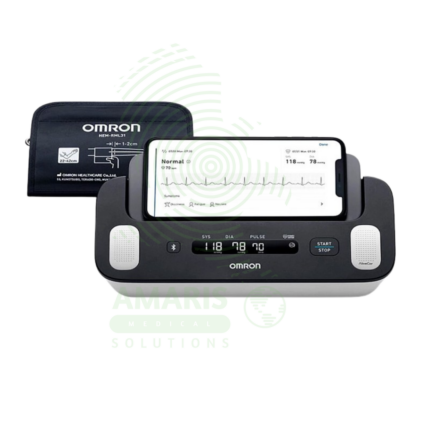
Bluetooth Blood Pressure Machine With ECG
A Bluetooth Blood Pressure Machine With ECG is an integrated home monitoring device combining automatic oscillometric blood pressure measurement with single-lead ECG recording, featuring Bluetooth connectivity for wireless data transmission to smartphones and healthcare providers. Measures systolic (60-260 mmHg) and diastolic (40-200 mmHg) pressure with ±3 mmHg accuracy (meets AAMI/ESH/ISO standards) and records 30-60 second single-lead ECG with automated detection of atrial fibrillation, bradycardia, and tachycardia. Stores 90-200 readings with date/time stamp; transmits data via Bluetooth 4.0+ to dedicated apps for trend analysis and provider sharing. Primary clinical applications include comprehensive cardiovascular monitoring for hypertensive patients with arrhythmia risk, atrial fibrillation screening during routine BP checks, medication titration monitoring (antihypertensive and antiarrhythmic), preoperative cardiovascular assessment, post-stroke or post-MI secondary prevention, and stress/anxiety monitoring. Class II medical device requiring FDA clearance for both functions. Critical safety considerations include device not for emergency use, ECG screening not equivalent to diagnostic 12-lead, proper cuff placement (bare arm at heart level), ECG signal quality optimization, movement avoidance during measurement, arrhythmia alerts requiring medical follow-up, and regular calibration verification.
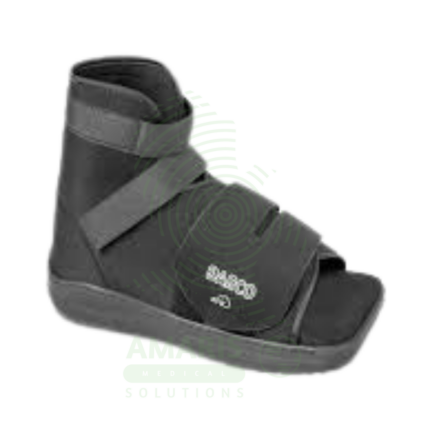
Cast Shoes & Boots
A Cast Shoes & Boots is a durable, rigid-soled overshoe designed to be worn over a below-knee cast or fracture walking boot. Its primary function is to enable safe, protected weight-bearing by providing a stable, rocker-bottom walking surface that protects the cast from wear and tear and compensates for leg length discrepancy. Featuring an adjustable strap closure to accommodate bulky dressings and swelling, it is an essential mobility aid for patients recovering from foot, ankle, or lower leg fractures, surgeries, and severe sprains. Proper fit and gait awareness are important for safe ambulation during the healing period.
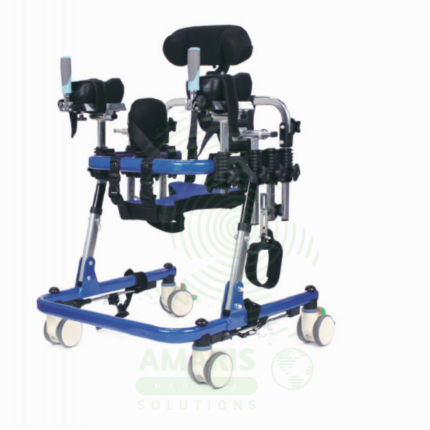
Cerebral Palsy Walker
A Cerebral Palsy Walker (or Gait Trainer) is a supportive wheeled frame specifically designed to facilitate walking and standing for children with CP. It provides adjustable postural support through a harness, trunk pad, and pelvic guide, enabling safe practice of gait patterns, weight-bearing, and upright mobility. Its primary role is therapeutic, aiming to develop ambulation skills, improve postural control, and promote independence. Correct professional setup and supervision are essential for safety and to ensure it reinforces proper movement rather than abnormal patterns.
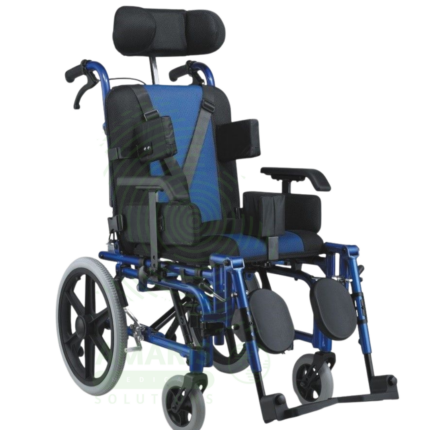
Cerebral Palsy Wheelchair
A Cerebral Palsy Wheelchair is a highly specialized, modular seating system on a wheelchair base, designed exclusively for the complex postural management needs of individuals with CP. Its primary purpose is therapeutic: to provide extensive, adjustable support to normalize posture, prevent skeletal deformities, manage muscle tone, and maximize the user's functional abilities. Key features include a tilt-in-space mechanism, custom-contoured seating, and numerous pelvic, trunk, and head supports. It is a medically prescribed device that requires expert configuration and regular re-assessment to ensure safety and efficacy as part of a lifelong postural management strategy.
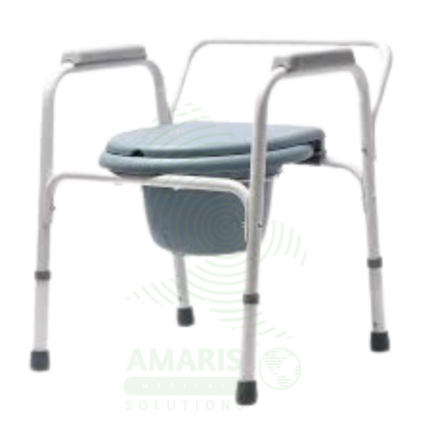
Commode Chair
A Commode Chair is a portable, standalone toilet designed for use at the bedside or in a room away from a bathroom. It consists of a chair frame with a seat opening and a removable collection bucket underneath. Its primary use is to provide a safe, convenient toileting solution for non-ambulatory, fall-risk, or post-operative patients, eliminating the need for hazardous trips to the bathroom. It is a critical tool for incontinence management, fall prevention, and preserving patient dignity. Rigorous cleaning and disinfection after each use are mandatory for infection control.
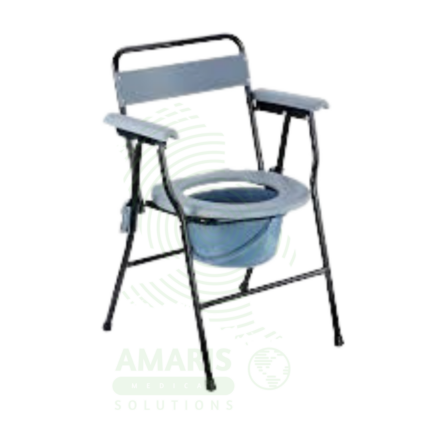
Commode Seat
A Commode Seat is an adaptive device that securely attaches to a standard toilet bowl to raise the seating height and provide supportive armrests. Its primary use is to make an existing bathroom toilet safer and more accessible for individuals with mobility challenges, weakness, or balance issues by reducing the distance required to sit and stand. It facilitates independent or assisted toileting with the hygiene of a plumbed toilet. Safety depends entirely on correct, secure installation and regular checking of its attachment to prevent dangerous shifting or collapse.
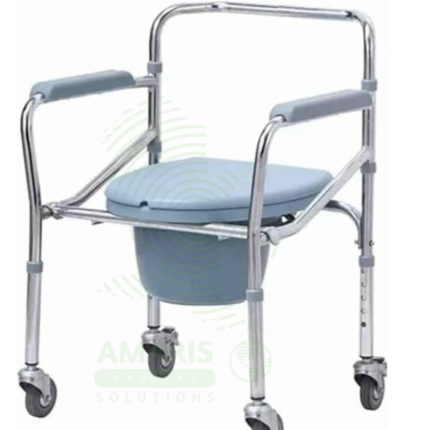
Commode Seat With Wheels
A Commode Seat with Wheels is a mobile frame supporting a raised toilet seat and armrests, designed to be rolled over a standard toilet. It provides the benefits of a raised, supportive toilet seat without permanent installation, making it ideal for multi-user environments, temporary recovery, or patients who can walk to the bathroom but need a higher, safer seat. Its key feature is mobility, allowing precise positioning for safe transfers, but safety depends entirely on engaging the locking wheels before use. It serves as a versatile solution between a fixed toilet aid and a full bedside commode chair.
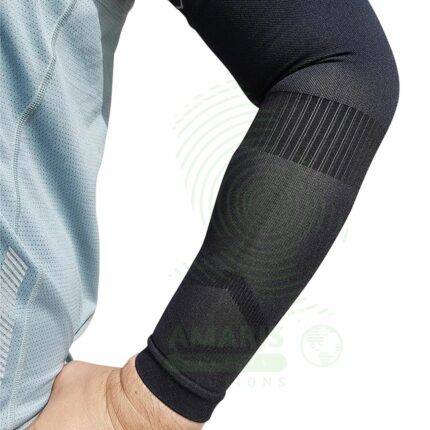
Compression Arm Sleeve
A Compression Arm Sleeve is a medical-grade elastic sleeve that applies graduated pressure from the wrist to the upper arm. Its primary clinical purpose is the management and reduction of swelling (edema) caused by conditions such as lymphedema (often post-mastectomy), chronic venous insufficiency, or post-surgical recovery. By enhancing lymphatic and venous return, it helps control limb volume, reduce discomfort, and prevent complications like skin fibrosis. Correct sizing and consistent daily wear are essential for therapeutic efficacy, and the garment requires specific daily care through gentle hand-washing to maintain its compression properties and hygiene.
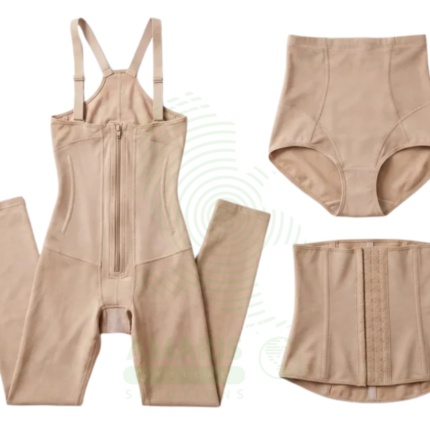
Compression Garments
Compression Garments are specialized elastic apparel designed to apply controlled, graduated pressure to limbs or other body areas. As a core medical therapy, they are used to treat and manage lymphedema, chronic venous insufficiency, venous ulcers, and to improve burn scar outcomes. Their function is based on a precise pressure gradient that assists venous and lymphatic return, reduces swelling, and supports tissue. Medical-grade compression requires professional fitting, a prescription for higher classes, and is contraindicated in patients with significant arterial disease. Proper donning, daily skin care, and regular replacement are essential for safety and therapeutic effectiveness.
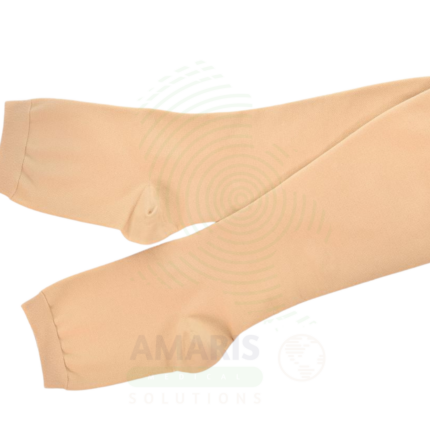
Compression Stockings
Compression Stockings are graduated compression garments designed to improve venous return, reduce edema, and prevent deep vein thrombosis. Featuring compression that is tightest at the ankle and gradually decreases up the leg, they provide mechanical support for the venous and lymphatic systems. Available in compression levels from mild (15-20 mmHg) for prophylaxis and travel to extra firm (40-50 mmHg) for severe lymphedema and chronic venous insufficiency, these garments are essential for managing chronic venous insufficiency, post-operative swelling, pregnancy-related edema, and lymphedema. Available in knee-high, thigh-high, and waist-high styles with various toe configurations, proper sizing based on ankle, calf, and leg measurements is critical for therapeutic effectiveness. Patients with arterial insufficiency (ABI <0.8) should not use compression therapy, and stockings should be replaced every 3-6 months to maintain compression integrity.
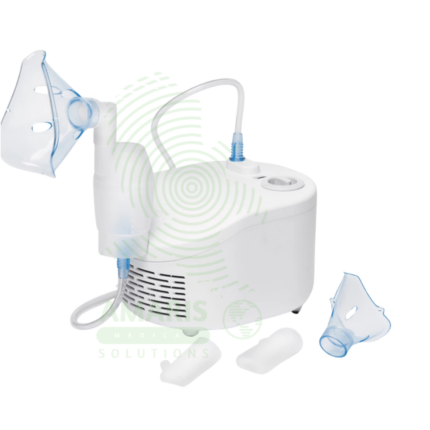
Compressor Nebulizer Machine
A Compressor Nebulizer Machine is a pneumatic device that transforms liquid medication into a breathable mist for treating respiratory conditions. Consisting of an electric air compressor, a nebulizer cup, tubing, and a mask or mouthpiece, it is particularly effective for infants, children, and patients with severe asthma, COPD, or cystic fibrosis who require reliable aerosol delivery. While offering robust performance for home and clinical use, its safety and efficacy depend critically on proper cleaning to prevent infection, correct assembly, and the use of prescribed nebulizer-compatible medications. It remains a fundamental tool for both acute intervention and chronic management of pulmonary diseases.
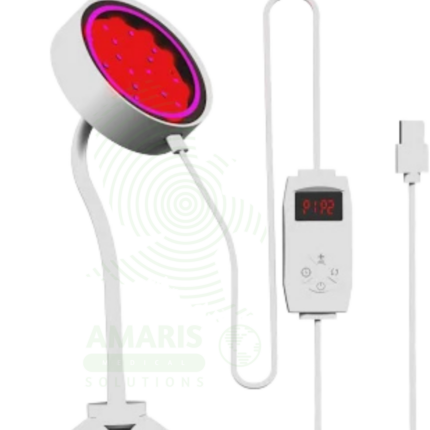
Desktop Infrared Therapy Lamp
A Desktop Infrared Therapy Lamp is a compact, focused heat therapy device that emits infrared radiation to deliver deep, penetrating warmth to targeted areas of the body. Used primarily for pain relief, muscle relaxation, and promoting healing in soft tissue and joint conditions, it is a common tool in physical therapy, chiropractic, and wellness practices. Its adjustable design allows precise positioning over areas like the neck, shoulder, or knee. Treatment involves non-invasive, radiant heat that increases local circulation. Critical safety practices include adhering to treatment time and distance guidelines, avoiding use over contraindicated areas, and never looking directly at the bulb.
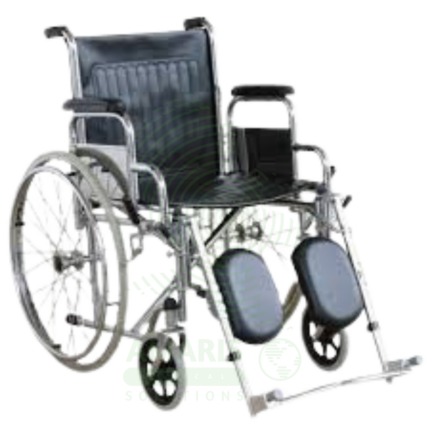
Detachable Wheelchair
A Detachable Wheelchair is a manual wheelchair designed for easy disassembly and transport. Its key feature is a folding X-frame and quick-release wheels, allowing it to break down into compact parts for storage in car trunks or small spaces. While offering superior portability and convenience for travel and occasional use, it is generally less efficient for long-distance self-propulsion than a rigid-frame wheelchair. Safety depends on ensuring all components, especially wheels and frame locks, are securely assembled before each use.
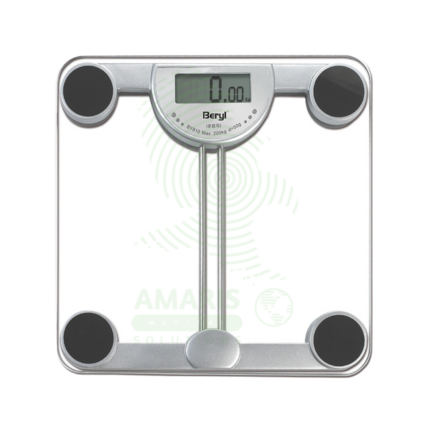
Digital Bathroom Weighing Scale
A Digital Bathroom Weighing Scale is a Class I medical device (for health monitoring) using strain gauge sensor technology (four high-precision sensors, accuracy ±0.1-0.3 kg) to measure body weight in home settings. Features include tempered glass, stainless steel, or ABS plastic platform (30-35 cm square), backlit LCD display with large numerals, auto-on/off, low battery indicator, overload warning, and weight capacity 150-200 kg (330-440 lbs) standard, with bariatric models to 300 kg (660 lbs). Measurement units switchable between kg, lb, and st. Primary clinical applications include home weight monitoring for chronic disease management (congestive heart failure fluid detection, chronic kidney disease), obesity and weight management programs, bariatric surgery pre- and post-operative monitoring, diabetes management and metabolic health, pregnancy weight gain tracking, geriatric nutritional status monitoring (detecting malnutrition), and pediatric growth monitoring. Critical safety considerations include use on hard, level surface (not carpet), consistent weighing conditions (same time, minimal clothing), inspection of glass platform for cracks, staying within weight capacity, and recognition that rapid weight gain >2-3 kg in 24-48 hours may indicate fluid overload requiring medical attention. Essential tool for home-based chronic disease management and health monitoring.
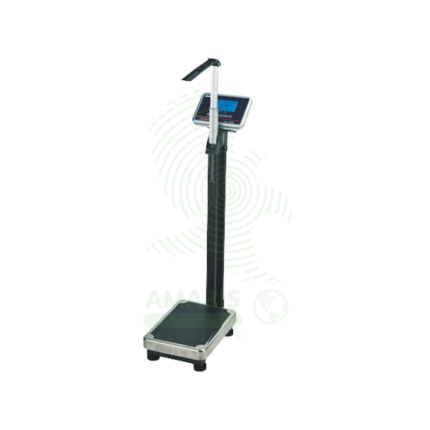
Digital Weighing Scale With Height
A Digital Weighing Scale With Height is a Class I medical device combining precision electronic load cell technology (accuracy ±0.1 kg, capacity 200-500 kg) with integrated mechanical or electronic height measurement (range 60-220 cm, accuracy ±2-5 mm) for comprehensive anthropometric assessment in clinical settings. Features include backlit LCD display with automatic BMI calculation, tare function for wheelchair weighing, hold function for unsteady patients, data output options (USB/Bluetooth/RS-232) for EMR integration, locking casters for mobility, and AC power with battery backup. Primary clinical applications include comprehensive anthropometric assessment in primary care, pediatric growth monitoring, adult obesity screening and weight management, bariatric surgery pre- and post-operative assessment, geriatric nutritional status monitoring, oncology chemotherapy dosing (BSA calculation), and clinical research. Critical safety considerations include locking casters before patient use, verifying zero before each measurement, providing step assistance for mobility-impaired patients, staying within weight capacity, and regular calibration verification with certified test weights. Essential digital equipment for efficient, accurate, and documented anthropometric assessment in modern clinical practice.
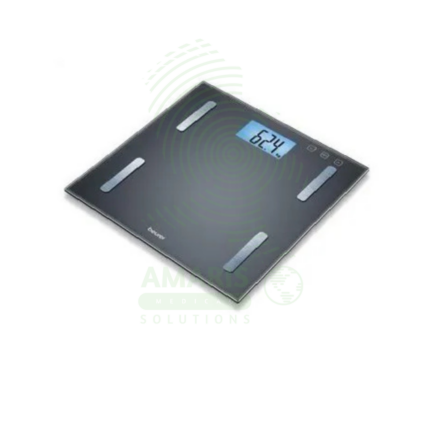
Digital weight scale with BMI calculator
A Digital Weight Scale with BMI Calculator is a Class I medical device (for health monitoring) combining precision strain gauge technology (four sensors, accuracy ±0.1-0.3 kg) with automatic BMI calculation based on user-entered height. Features include tempered glass, stainless steel, or ABS plastic platform (30-35 cm square), backlit LCD display showing weight and BMI, multiple user profiles (2-10 users) with height storage, memory for historical readings, auto-recognition on select models, Bluetooth connectivity for app integration, and weight capacity 150-200 kg (330-440 lbs) standard. Primary clinical applications include home-based BMI monitoring for weight management, hypertension and cardiovascular risk assessment, diabetes management and metabolic health, obesity screening and weight loss programs, bariatric surgery pre- and post-operative monitoring, geriatric nutritional status monitoring (detecting malnutrition), and pediatric/adolescent growth tracking. Critical safety considerations include accurate height entry for each user (essential for valid BMI), correct user profile selection, use on hard level surfaces (not carpet), glass platform inspection for cracks, staying within weight capacity, and understanding that BMI is a screening tool requiring healthcare provider interpretation. Essential home health device for individuals managing weight-related health conditions.
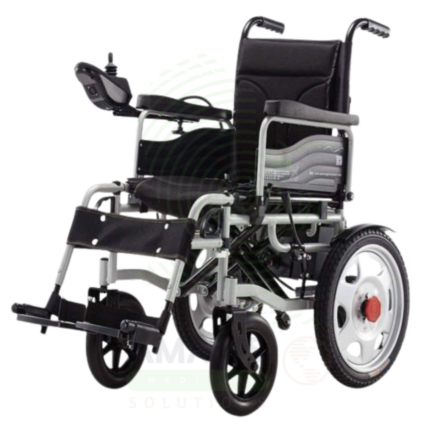
Economic Electric Wheelchair
An Economic Electric Wheelchair is a basic powered mobility device designed to provide essential electric mobility at a lower cost point, making power chair access available to individuals with limited financial resources or those new to powered mobility. It offers fundamental mobility functions without advanced positioning features, enabling independent movement within home and community settings. Used in home healthcare, rehabilitation, and long-term care, it provides a cost-effective entry point to powered mobility.
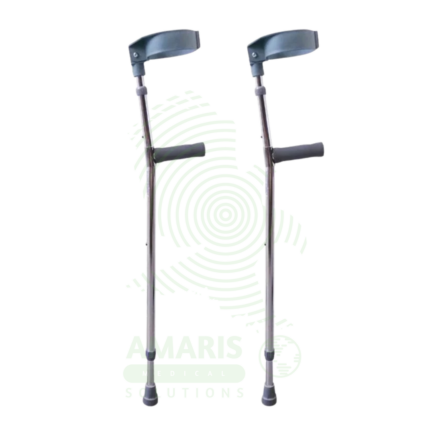
Elbow & Axiliary Crutches
An Elbow & Axiliary Crutches feature a forearm cuff and are designed for long-term mobility, offering a natural gait for unilateral or bilateral conditions. Auxiliary (Underarm) Crutches have an axillary pad and are for short-term, non-weight-bearing use after injury or surgery. Both require precise fitting—forearm crutch cuffs must be below the elbow, and underarm crutch weight must be borne through the hands to avoid nerve damage. Proper gait training from a therapist is essential for safe use of either type.
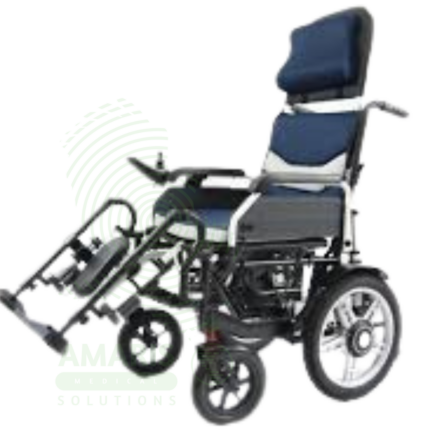
Electric Reclining Wheelchair
An Electric Reclining Wheelchair is a sophisticated powered mobility device that provides both independent locomotion and powered positioning. It features a motorized backrest that reclines to near-horizontal and synchronized elevating leg rests, allowing users to independently manage pressure relief, circulation, breathing, and comfort without leaving the chair. Prescribed for individuals with complex needs such as spinal cord injuries, severe fatigue, or circulatory disorders, it enhances independence and medical stability. Its use requires thorough training due to the significant change in stability and footprint when reclined, and it demands more rigorous maintenance than standard power chairs.
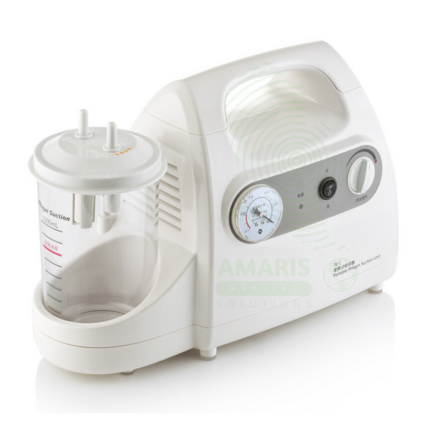
Electric Suction Machine
An Electric Suction Machine is a portable, electrically-powered medical device that generates vacuum pressure to remove fluids and secretions from a patient's airway, surgical site, or wound. It is a critical tool for maintaining a patent airway in emergency, surgical, post-operative, and chronic home care settings. The unit consists of a vacuum pump, a disposable collection canister with overflow protection, connecting tubing, and patient-end accessories. Key performance features include adjustable suction pressure, adequate airflow, and often battery backup for reliability. Strict adherence to pressure settings, suction duration, and single-use disposable components is essential for patient safety and infection control.
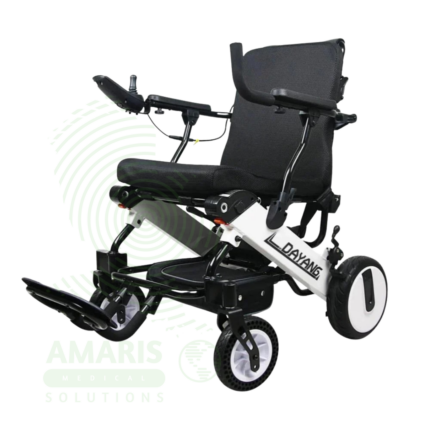
Electric Wheelchair
An Electric Wheelchair is a battery-powered mobility device prescribed for individuals with significant mobility impairments who cannot self-propel a manual chair. It provides independent indoor and outdoor mobility through a joystick or alternative control system. Key features often include power seating functions (tilt, recline) for pressure relief and postural support, and are available in various drive configurations (rear, mid, front-wheel) for different environments. As complex rehabilitation technology, it requires professional evaluation, user training, and regular maintenance to ensure safe operation, enhance independence, and improve the user's quality of life.
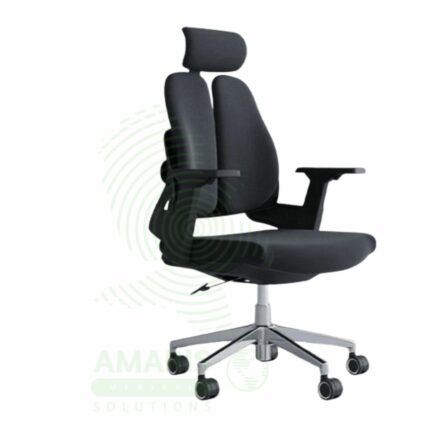
Ergonomic & Orthopedic Chair
An Ergonomic & Orthopedic Chair is an adjustable seating system designed to provide proper postural support, spinal alignment, and pressure distribution for individuals with musculoskeletal conditions, chronic pain, and mobility limitations. Features include adjustable seat height, backrest with lumbar support, contoured seat with pressure-reducing cushion, and adjustable armrests. Used in home, office, and clinical settings, it supports patients with arthritis, back pain, joint replacements, and edema, promoting comfort, proper alignment, and safe transfers during prolonged sitting.
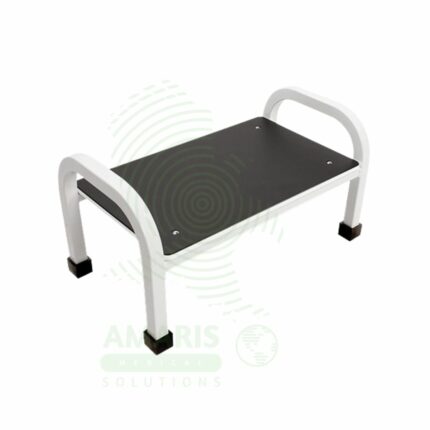
Examination Couch Step
An Examination Couch Step is a portable, non-slip step designed to assist patients in safely accessing elevated examination couches, treatment tables, and imaging surfaces. Used in clinics, hospitals, emergency departments, and home healthcare settings, it reduces fall risk during transfers and minimizes the need for lifting assistance. With a wide, non-slip surface and stable base, it supports patients with mobility limitations, arthritis, balance disorders, and post-operative weakness. Essential for fall prevention and safe patient handling, it promotes patient independence and reduces physical strain on healthcare workers.
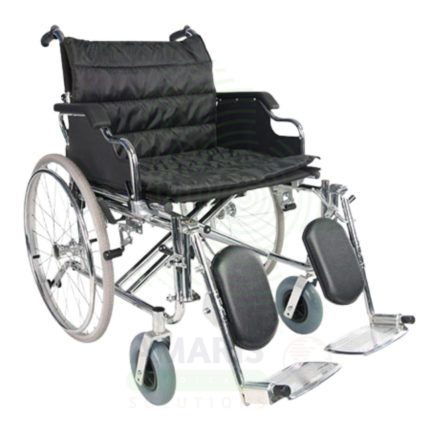
Extra Wide Bariatric Wheelchair
An Extra Wide Bariatric Wheelchair is a heavy-duty manual wheelchair designed to safely accommodate patients of size with reinforced frame construction, extra-wide seating, and higher weight capacity. Essential for hospitals, long-term care facilities, and home healthcare, it provides safe, dignified mobility for bariatric patients, enabling independent propulsion or caregiver-assisted transport without the risk of equipment failure or discomfort. Proper fit, regular inspection, and adherence to weight capacity are essential for safe use.
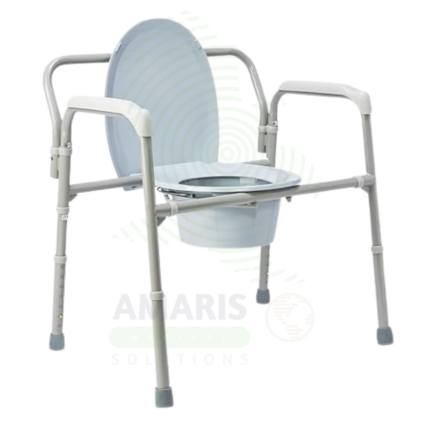
Extra Wide Commode Chair With Splash Guard
An Extra Wide Commode Chair With Splash Guard is a heavy-duty mobile commode designed for bariatric patients and individuals requiring additional toileting support. The extra-wide seat provides safe, dignified toileting without skin pinching or lateral pressure, while the splash guard enhances hygiene by containing urine and preventing spillage. Locking castors ensure stability during use, and the removable pan allows for easy cleaning. Essential for hospitals, long-term care facilities, bariatric care units, and home healthcare settings.
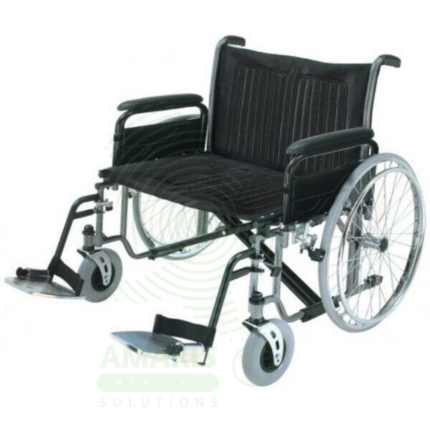
Extra Wide Wheelchair
An Extra Wide Wheelchair is a heavy-duty manual wheelchair designed with a seat width greater than 20 inches to safely and comfortably accommodate bariatric patients or individuals with unique seating needs. Key features include a reinforced wide frame, high weight capacity, wide footrests, and robust components. Its primary use is to provide dignified and stable mobility for patients of size, though its increased dimensions require careful planning for doorway accessibility and make it heavier and less maneuverable than standard chairs. It is a fundamental tool for safe patient handling in bariatric care.
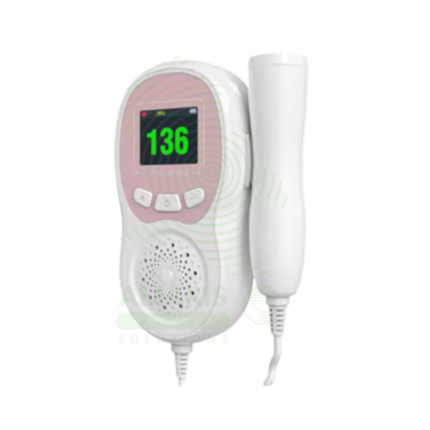
Fetoheart Sonic Aid Doppler (home use)
A Fetoheart Sonic Aid (Doppler) for Home Use is a consumer-grade, FDA-cleared handheld ultrasound device (2-3 MHz) that enables expectant parents to detect and listen to fetal heart sounds in the home environment from approximately 16 weeks gestation. Features include compact lightweight design (100-250g), simple controls, digital heart rate display (50-210 bpm), built-in speaker, headphone jack, and AA battery or USB rechargeable power. Continuous wave Doppler technology provides real-time audio of fetal heart sounds for maternal reassurance and bonding. Primary applications include maternal reassurance and emotional bonding between prenatal visits, confirmation of fetal activity, supplemental monitoring for high-risk pregnancies under provider guidance, and family involvement in the pregnancy experience. Critical safety information includes FDA-mandated labeling that device is for reassurance only (not medical diagnosis), optimal use after 16 weeks, limitation to 5–10-minute sessions, recognition that inability to detect heartbeat may not indicate a problem, and requirement to continue regular prenatal care. Not a substitute for professional medical evaluation; seek immediate care for bleeding, pain, fluid leakage, or decreased fetal movement.
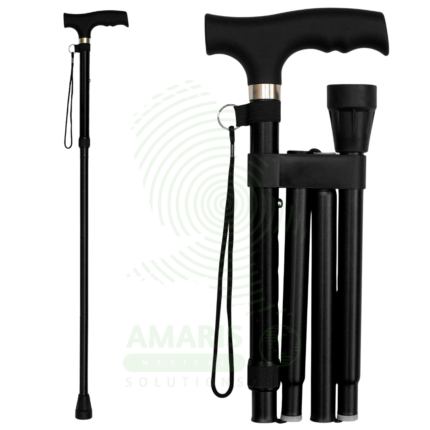
Foldable Walking Stick
A Foldable Walking Stick combines a stabilizing four-point base with a multi-section shaft that folds for compact storage and portability. It is designed for individuals who need reliable stability for moderate balance or weight-bearing issues but also require a discreet, transportable aid for use in the community. Key safety features include secure segment locking mechanisms and a quad base that must be placed flat. It is ideal for travel, occasional use, and active seniors, but requires diligent checking of all locks before each use to prevent collapse.
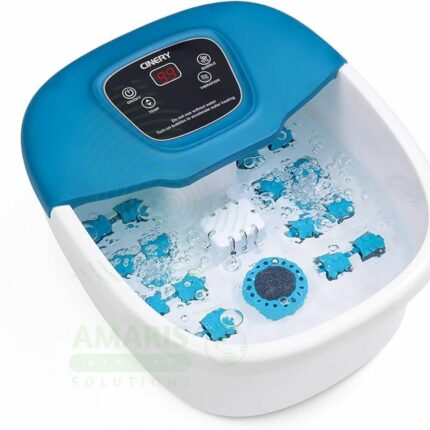
Foot Spa Massager
A Foot Spa Massager is a therapeutic bathing device that combines warm water immersion with mechanical massage features to soothe tired feet, improve circulation, and promote relaxation. The unit maintains consistent water temperature while providing vibration, bubble, and mechanical massage to the soles of the feet. Used for relief of foot fatigue, mild edema, and stress, it can be a valuable adjunct to comprehensive foot care programs. Patients with diabetes, neuropathy, or circulation disorders should consult their healthcare provider before use due to temperature sensation risks. Regular cleaning and proper electrical safety are essential for safe operation.
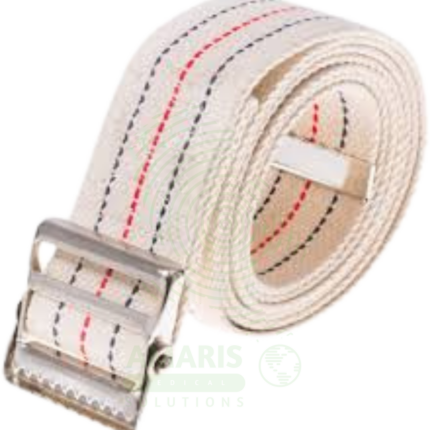
Gait Belt
A Gait Belt (or Transfer Belt) is a simple but vital safety device made of strong, adjustable webbing that is secured around a patient's waist. It provides healthcare workers and caregivers with a secure handhold to safely assist with patient transfers, walking, and balance during rehabilitation. Its primary purposes are to prevent patient falls and reduce caregiver injury by enabling proper body mechanics during lifting and mobility tasks. Correct application over clothing, regular inspection for wear, and proper cleaning are essential for its safe and effective use in hospitals, clinics, and home care settings.
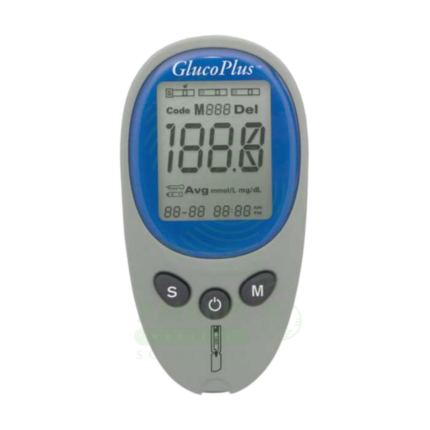
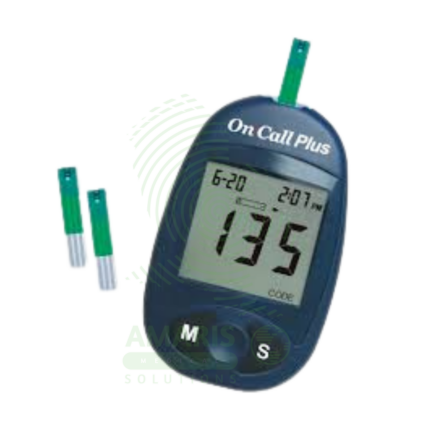
Glucosplus Blood Sugar Machine
The Glucosplus Blood Sugar Machine is a Class II medical device (FDA-cleared, ISO 15197:2013 compliant) using electrochemical biosensor technology to measure capillary blood glucose from a 0.5-1.0 µL sample in 5-7 seconds. Features include no-coding system eliminating user error, 300-500 result memory with date/time stamps, 7/14/30-day averaging, pre-/post-meal event tagging, push-button strip ejection, backlit LCD display, and auto-shutoff. Primary clinical applications include self-monitoring for Type 1, Type 2, and gestational diabetes, insulin dose adjustment, acute glycemic event detection (hypoglycemia/hyperglycemia), hospital point-of-care testing, long-term glycemic control assessment, and preconception planning for diabetic women. Critical safety considerations include single-use lancets (never share), proper hand hygiene before testing, correct test strip storage (sealed vial, temperature control), never using expired strips, regular control solution testing, and immediate action for hypoglycemia per 15-15 rule. Essential tool for daily diabetes self-management enabling patients to achieve glycemic targets and reduce long-term complications.
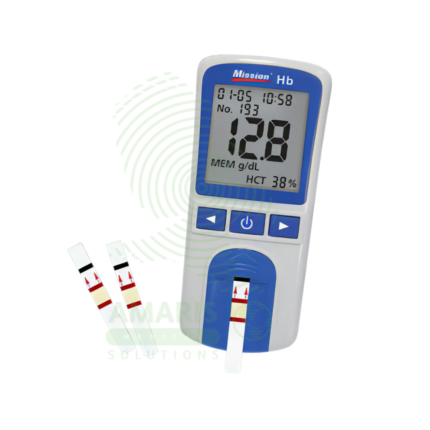
Hemoglobin Meter
A Hemoglobin Meter is a Class II medical device (FDA-cleared, CE-marked) for quantitative point-of-care measurement of hemoglobin concentration in capillary or venous blood, providing results in 5-60 seconds from a 5-20 µL sample. The meter uses photometric, electrochemical, or conductivity technology to measure hemoglobin, with accuracy ±0.3-0.5 g/dL compared to reference methods. Features include backlit LCD display, memory storage for 100-1000 results, USB/Bluetooth connectivity for data transfer, and compatibility with single-use disposable cuvettes or test strips. Primary clinical applications include anemia screening and diagnosis (WHO criteria), preoperative assessment and surgical planning, antenatal care and maternal health monitoring, malaria-endemic region screening, chronic disease management (CKD, IBD, cancer), nutritional assessment and intervention programs, and blood donor screening. Critical safety precautions include single-use lancets, proper hand hygiene, correct sample application, quality control with control solutions, proper cuvette storage (protect from heat, light, humidity), and never using expired cuvettes. Essential point-of-care device for hemoglobin testing in hospitals, clinics, community health programs, and blood donation centers.
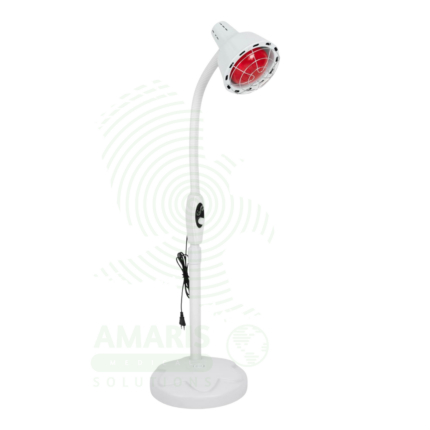
Infrared Therapy Lamp Stand
An Infrared Therapy Lamp Stand is a professional-grade, floor-standing device that emits broad-spectrum infrared radiation to deliver deep-heat therapy to large areas of the body. Designed for clinical use in physical therapy, chiropractic, and pain management clinics, it features adjustable height and tilt panels on a stable, mobile stand for targeted treatment of the back, shoulders, and legs. Its primary uses include pain relief for musculoskeletal conditions, tissue warming for rehabilitation, and promoting muscle relaxation. Safe operation requires strict adherence to contraindications, treatment time/distance guidelines, and continuous patient monitoring to prevent burns or overheating.
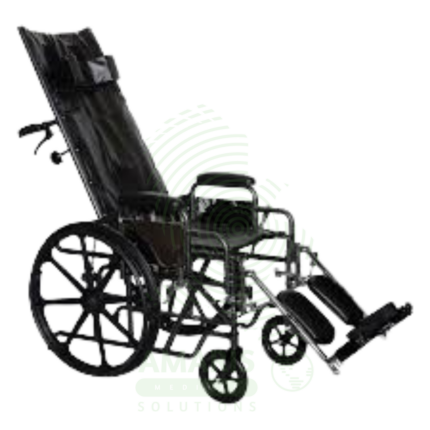
Manual Reclining Wheelchair
A Manual Reclining Wheelchair is a non-powered wheelchair with a backrest that can be manually adjusted to various angles. It is designed for users who need to change their sitting position for pressure relief, circulatory management, respiratory support, or comfort but do not require powered mobility. Key safety features include a robust locking mechanism, mandatory use of anti-tip levers and a seat belt when reclined, and synchronized elevating leg rests to prevent sliding. It is heavier and less maneuverable than a standard wheelchair but provides essential positioning options for individuals with specific postural and medical needs.
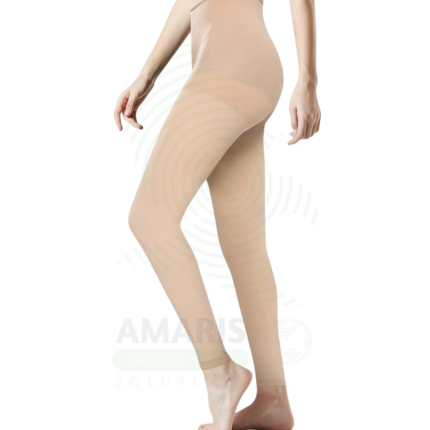
Medical Compression Pantyhose Stocking
Medical Compression Pantyhose Stockings are graduated compression garments designed to improve venous return, reduce edema, and prevent deep vein thrombosis. Used for chronic venous insufficiency, lymphedema, post-surgical recovery, and DVT prophylaxis, they provide essential support for vascular health.
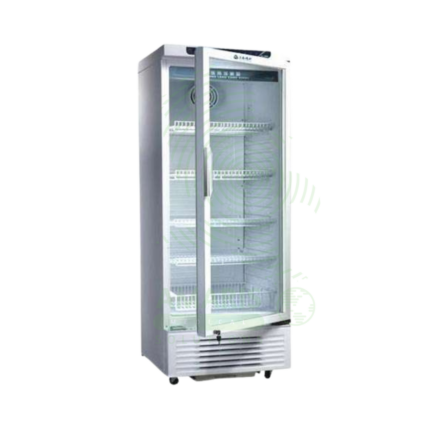
Medical Freezer
A Medical Freezer is a Class I medical device designed for safe, temperature-controlled frozen storage of plasma, vaccines, pharmaceuticals, laboratory reagents, and research specimens at sub-zero temperatures. Available in standard medical freezers (-15°C to -25°C) for plasma and frozen vaccines, low-temperature freezers (-30°C to -40°C) for specialized biologics, and ultra-low temperature freezers (-60°C to -86°C) for long-term research sample storage. Features include microprocessor controls with digital displays, audible and visual alarms for high/low temperature, power failure, and door/lid ajar, continuous temperature monitoring capabilities, and optional chart recorders or remote monitoring. Available in upright or chest configurations with capacities from 50 L to 800+ L. Primary clinical applications include frozen plasma storage for blood banks (AABB standards, -18°C or colder), frozen vaccine storage for immunization programs (CDC/WHO guidelines, -15°C to -25°C), pharmaceutical storage (USP <795>/<797>), laboratory reagent and specimen preservation, microbiological culture storage, research and biobanking sample storage (-80°C), and clinical trial material storage. Essential equipment for hospitals, blood banks, clinical laboratories, research facilities, and pharmacies requiring reliable, monitored frozen storage for critical medical and research products.
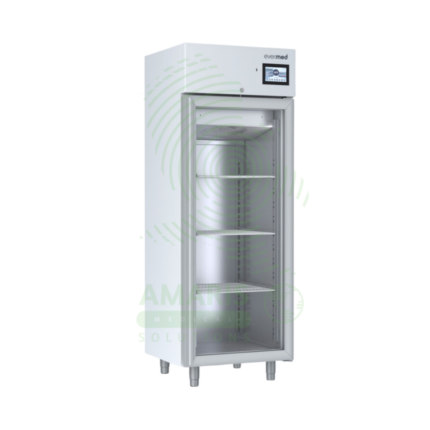
Medical Refrigerator
A Medical Refrigerator is a Class I medical device designed for safe, temperature-controlled storage of vaccines, blood products, medications, laboratory reagents, and temperature-sensitive diagnostic materials. Maintaining temperatures typically between +2°C and +8°C (with blood bank models at +1°C to +6°C), these units feature forced-air circulation for temperature uniformity (±1-2°C), microprocessor controls with digital displays, audible and visual alarms for high/low temperature, power failure, and door ajar, and continuous temperature monitoring capabilities. Available in capacities from 50 L countertop units to 1,500+ L large reach-in models, with solid or glass doors, adjustable shelving, and locking mechanisms. Primary clinical applications include vaccine storage for immunization programs (CDC/WHO compliant), blood and blood component storage for transfusion services (AABB standards), pharmaceutical and medication storage in hospital pharmacies (USP <797>/<795>), laboratory reagent and specimen preservation, microbiological culture storage, clinical trial sample storage, and temperature-sensitive diagnostic kit storage. Essential equipment for hospitals, clinics, blood banks, pharmacies, laboratories, and research facilities requiring reliable, monitored cold storage for critical medical products.
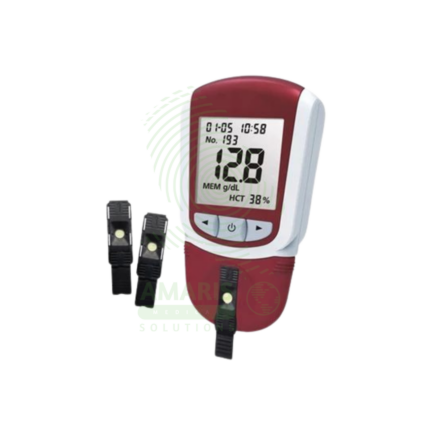
Mission Plus HB Machine
The Mission Plus HB Machine is a portable, battery-operated hemoglobin meter (Class II medical device, FDA-cleared/CE-marked) using photometric technology to measure hemoglobin concentration in capillary or venous blood within 5-15 seconds. Features include backlit LCD display, memory storage for 100-500 results, simple one-button operation, and disposable single-use cuvettes (5-20 µL sample volume). Accuracy ±0.3 g/dL compared to reference methods, measurement range 4-24 g/dL. Primary clinical applications include rapid anemia screening in outpatient clinics, preoperative assessment, antenatal care and maternal health monitoring, malaria-endemic region screening, chronic disease management (CKD, IBD, cancer), nutritional assessment and intervention programs, and blood donor screening. Critical safety precautions include single-use lancets, proper hand hygiene, correct sample application, quality control with control solutions, proper cuvette storage (protect from heat, light, humidity), and never using expired cuvettes. Essential point-of-care device for hemoglobin testing in diverse healthcare settings.
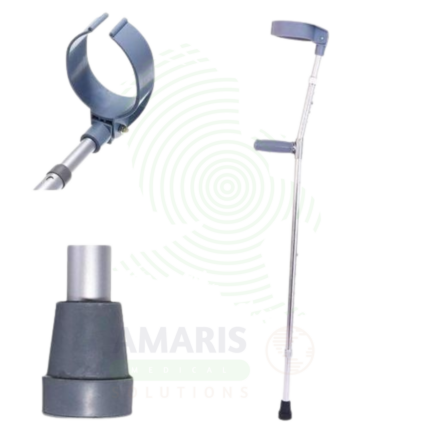
Mobi-Aid Ergonomic Crutch
A Mobi-Aid Ergonomic Crutch is a forearm support crutch designed for long-term mobility needs, featuring an ergonomic design that distributes weight through the forearm rather than the wrist or axillae. This reduces pressure on sensitive areas, minimizing the risk of nerve compression and repetitive strain injuries associated with traditional crutches. Suitable for individuals with permanent disabilities, post-stroke hemiparesis, arthritis, and conditions requiring extended crutch use, it promotes comfort, efficiency, and independence.
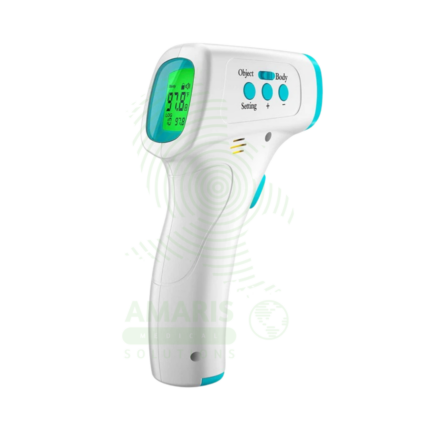
Non-Touch Digital Thermometer
A Non-Touch Digital Thermometer is a Class II medical device using infrared thermopile sensor technology (8-14 µm spectral response) to measure body temperature from the forehead or temporal artery without skin contact in 1-3 seconds with accuracy ±0.2-0.3°C. Features include backlit LCD display, fever alert (audible and color-coded), memory storage (10-50 readings), auto-shutoff, and selectable modes (body/surface/ambient). Measurement distance 3-15 cm; requires clean, dry forehead free of hair, sweat, or cosmetics. Primary clinical applications include pediatric fever screening in infants and children (non-distressing), infection control and isolation precautions (reduces healthcare worker exposure), mass screening at airports, schools, and workplaces, neonatal and NICU temperature monitoring (minimal handling), burn unit and wound care patients (non-contact over damaged skin), intraoperative and post-anesthesia care, and geriatric/dementia care (non-stressful for agitated patients). Critical safety considerations include environmental acclimation (10-15 minutes at room temperature), clean sensor lens, correct measurement distance, avoidance of laser in eyes (if equipped), and confirmation of suspected fever with contact thermometer. Essential screening tool for infection control, pediatrics, and high-volume settings.