Dermatoscope and Magnifiers
 Diagnostic Kits
 Vital Signs Monitors
 Stethoscopes and Accessories
 Otoscopes, Ophthalmoscopes, and Retinoscopes
 Reflex Hammers and Neurological Tools
 Scales and Measuring Devices
 Spirometers and Pulmonary Function Tests
 Electrosurgical Units and Accessories
 Cutting Instruments
 Grasping and Holding Instruments
 Hemostatic Instruments
 Specialized Surgical Sets
 Single-Use Procedure Trays and Packs
 Surgical Drapes, Gowns, and Covers
 Tissue Unifying Instruments
 Radiation Protection
 X-Ray Machines and Accessories
 Ultrasound Systems and Probes
 MRI and CT Scanners
 Radiology Consumables
 Bone Densitometers
 Fluoroscopy Equipment
 Imaging Tables and Positioning Aids
 Microscopes and Accessories
 Centrifuges and Separators
 Analyzers
 Incubators and Ovens
 Pipettes, Dispensers, and Lab Glassware
 Refrigerators, Freezers, and Storage Units
 Lab Consumables
 Sterilizers and Autoclaves for Lab Use
 Multi-Parameter Monitors
 Ventilators and Respiratory Support Devices
 Defibrillators and AEDs
 Infusion Pumps and IV Systems
 Patient Warmers and Cooling Devices
 Central Monitoring Stations
 Accessories
 Anesthesia Machines and Workstations
 Oxygen Concentrators and Delivery Systems
 Nebulizers and Inhalers
 CPAP/BiPAP Machines
 Airway Management
 Anesthesia Masks, Circuits, and Bags
 Humidifiers and Heaters
 Respiratory Therapy Accessories
 First Aid Kits and Cabinets
 Emergency Resuscitation Equipment
 Trauma Supplies
 Emergency Carts and Crash Carts
 Burn Care Products
 Bleeding Control
 Automated External Defibrillators (AEDs)
 Transport and Evacuation
 Wheelchairs and Accessories
 Walkers, Crutches, and Canes
 Prosthetics and Orthotics
 Physical Therapy Equipment
 Transfer Devices
 Bathroom Safety
 Orthopedic Traction and Tables
 Hot/Cold Therapy Packs and Units
 Beds and Mattresses
 Chairs and Stools
 Tables
 Cabinets and Storage
 Privacy Screens & Curtains
 Stands and Racks
 Linens and Textiles
 Lighting
 Autoclaves and Sterilizers
 Ultrasonic Cleaners
 Disinfectant Solutions and Wipes
 Sterilization Pouches, Wraps, and Indicators
 Instrument Trays and Containers
 UV and Ozone Disinfection Devices
 Washer Disinfectors
 Wound Care
 Gloves
 Masks and Respirators
 Catheters and Tubing
 Swabs, Applicators, and Sponges
 Incontinence Products
 Personal Protective Equipment (PPE)
 Dental Chairs and Units
 Handpieces and Burs
 Instruments
 Consumables
 Sterilization for Dental Use
 Orthodontic Supplies
 Endodontic Tools
 Slit Lamps and Tonometers
 Lensometers and Phoropters
 Ophthalmic Surgical Instruments
 Eyewear Frames and Lenses
 Contact Lens Supplies
 Vision Testing Charts and Devices
 Eye Care Consumables
 Laser Systems for Eye Care
 ENT Exam Chairs and Tables
 Endoscopes
 Audiometers and Hearing Tests
 ENT Instruments
 Nasal and Throat Packs
 Hearing Aids and Accessories
 Otology Supplies
 Fetal Dopplers and Monitors
 Delivery Beds and Tables
 Gynecological Instruments
 Neonatal Incubators and Warmers
 Breast Pumps and Accessories
 Contraceptive Devices
 Maternity Supports and Pads
 Neonatal Consumables
 Cystoscopes and Urethroscopes
 Dialysis Machines and Supplies
 Urological Catheters and Bags
 Lithotripters
 Prostate Treatment Devices
 Urinary Incontinence Products
 Kidney Stone Management Tools
 Consumables & Disposables
 EEG and EMG Machines
 Neurosurgical Instruments
 Nerve Stimulators
 Headrests and Positioning Aids
 Lumbar Puncture Kits
 Seizure Monitoring Devices
 Consumables
 Rehabilitation for Neurological Conditions
 ECG Machines and Accessories
 Holter Monitors
 Stress Test Systems
 Pacemakers and Defibrillator Accessories
 Vascular Access Devices
 Cardiac Catheters and Guidewires
 Blood Flow Meters
 Consumables
 Orthopedic Instruments
 Casts, Splints, and Padding
 Joint Replacement Supplies
 Prosthetic Limbs and Components
 Bone Grafts and Substitutes
 Traction Devices
 Orthopedic Braces and Supports
 Rehabilitation Aids for Orthopedics
 Home Oxygen Therapy
 Hospital Beds for Home Use
 Mobility Aids
 Bathroom and Daily Living Aids
 Wound Care for Home
 Monitoring Devices
 Enteral Feeding Pumps and Tubes
 Hand Sanitizers and Dispensers
 Face Shields and Goggles
 Isolation Gowns and Suits
 Biohazard Waste Containers
 Air Purifiers and HEPA Filters
 Surface Disinfectants
 Sharps Containers
 Protective Barriers
 Cardiovascular & Endurance Training
 Strength Training & Weightlifting
 Functional Training & Core Conditioning
 Physical Therapy & Rehabilitation
 Sports & Outdoor Recreation
 Gym Flooring & Facility Equipment
 Fitness Monitoring & Accessories
 Kids & Novelties











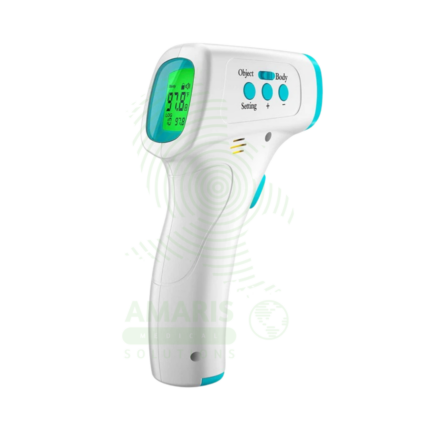
Non-Touch Digital Thermometer
A Non-Touch Digital Thermometer is a Class II medical device using infrared thermopile sensor technology (8-14 µm spectral response) to measure body temperature from the forehead or temporal artery without skin contact in 1-3 seconds with accuracy ±0.2-0.3°C. Features include backlit LCD display, fever alert (audible and color-coded), memory storage (10-50 readings), auto-shutoff, and selectable modes (body/surface/ambient). Measurement distance 3-15 cm; requires clean, dry forehead free of hair, sweat, or cosmetics. Primary clinical applications include pediatric fever screening in infants and children (non-distressing), infection control and isolation precautions (reduces healthcare worker exposure), mass screening at airports, schools, and workplaces, neonatal and NICU temperature monitoring (minimal handling), burn unit and wound care patients (non-contact over damaged skin), intraoperative and post-anesthesia care, and geriatric/dementia care (non-stressful for agitated patients). Critical safety considerations include environmental acclimation (10-15 minutes at room temperature), clean sensor lens, correct measurement distance, avoidance of laser in eyes (if equipped), and confirmation of suspected fever with contact thermometer. Essential screening tool for infection control, pediatrics, and high-volume settings.
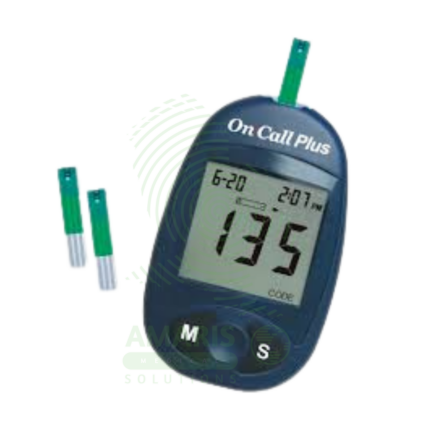
Oncall Blood Sugar Machine
The Oncall Blood Sugar Machine is a Class II medical device (FDA-cleared, ISO 15197:2013 compliant) using electrochemical biosensor technology to measure capillary blood glucose from a 0.5-1.0 µL sample in 5-7 seconds. Features include no-coding system eliminating user error, 300-500 result memory, 7/14/30-day averaging, pre-/post-meal event tagging, push-button strip ejection, and backlit LCD display. Primary clinical applications include self-monitoring for Type 1, Type 2, and gestational diabetes, insulin dose adjustment, acute glycemic event detection, hospital point-of-care testing, and long-term glycemic control assessment. Critical safety considerations include single-use lancets, proper hand hygiene, correct test strip storage (sealed vial, temperature control), never using expired strips, and immediate action for hypoglycemia per 15-15 rule. Essential tool for daily diabetes self-management.
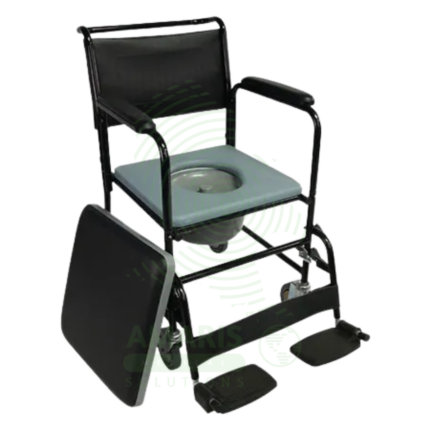
Orthopedic Commode Chair
An Orthopedic Commode Chair is a specialized hybrid device designed for patients with lower limb injuries or surgeries requiring non-weight-bearing status. It combines an extended-frame orthopedic wheelchair with an elevating leg rest and a commode seat, allowing for simultaneous fracture management (leg elevation/immobilization), pressure sore prevention (heel off-loading), and safe, hygienic toileting without dangerous transfers. Its use mandates the constant engagement of anti-tip levers due to a high risk of backwards tipping and requires careful navigation of its substantial length.
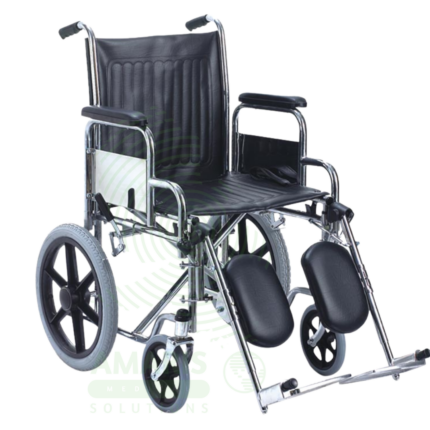
Orthopedic Commode Wheelchair With Flipping Armrest
The Orthopedic Commode Wheelchair with Flipping Armrest is a specialized hybrid device designed for patients with lower limb injuries or surgeries requiring non-weight-bearing status. It combines an extended-frame orthopedic wheelchair with an elevating leg rest, a commode seat opening, and a flipping armrest for lateral transfers. This allows for simultaneous fracture management (leg elevation/immobilization), pressure sore prevention (heel off-loading), and safe, hygienic toileting without dangerous transfers. Its use mandates the constant engagement of anti-tip levers due to a high risk of backwards tipping and requires careful navigation of its substantial length.
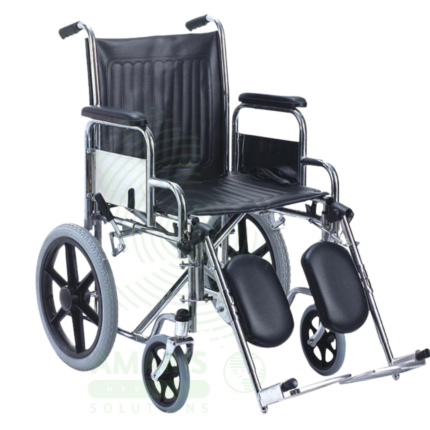
Orthopedic Wheelchair
An Orthopedic Wheelchair is a specialized manual wheelchair with an extended frame and elevating leg rests, designed to support patients who must keep one or both lower limbs in a straight, non-weight-bearing position. It is primarily used for managing lower limb fractures, post-operative recovery (e.g., hip replacements), and conditions requiring heel-off-loading to prevent pressure sores. Its key safety consideration is a heightened risk of tipping backwards due to the forward weight of the extended leg, requiring cautious use, engagement of anti-tip levers, and awareness of its increased length during navigation.
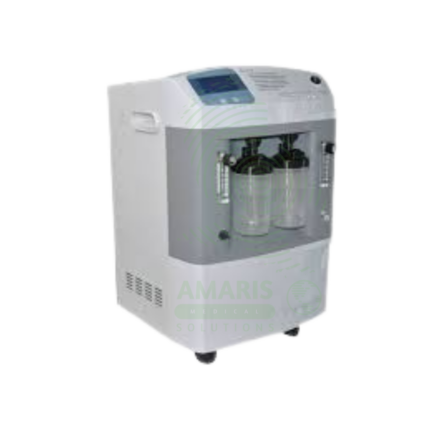
Oxygen Concentrator
An Oxygen Concentrator is a Class II medical device that delivers 90-95% pure supplemental oxygen to patients with chronic hypoxemia using pressure swing adsorption (PSA) technology to concentrate oxygen from room air. Available as stationary/home units (10-30 kg, 0.5-10 L/min continuous flow) for long-term oxygen therapy (LTOT) and portable/ambulatory units (1-10 kg, 0.5-3 L/min pulse-dose or continuous flow) for active patients requiring mobility. Features include oxygen purity monitoring with alarms, digital flow control, hour meters, washable filters, and (for portable units) rechargeable batteries, FAA approval for travel, and pulse-dose delivery to conserve oxygen. Primary clinical indications include COPD, pulmonary fibrosis, cystic fibrosis, and other chronic respiratory conditions with resting, exertional, or nocturnal hypoxemia (PaO2 ≤55 mmHg or SpO2 ≤88%). Essential for home-based oxygen therapy, enabling patients to maintain independence, reduce hospitalizations, and improve quality of life. Critical safety precautions include NO SMOKING in the oxygen environment, keeping away from heat sources and open flames, proper electrical safety, regular filter cleaning, and having backup oxygen for power outages.
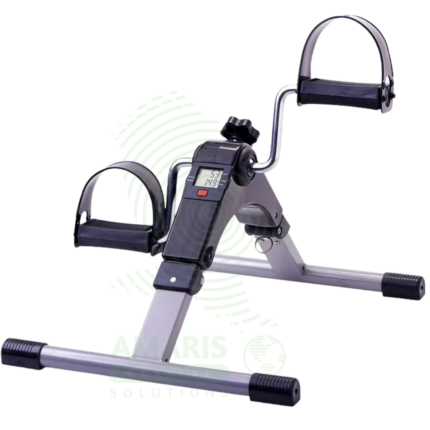
Pedal Exerciser
A Pedal Exerciser is a compact, portable cycling device used for seated, low-impact exercise of the legs or arms. It is a fundamental rehabilitation tool for improving joint range of motion, rebuilding muscle strength, enhancing cardiovascular endurance, and managing swelling in the lower limbs. Its adjustable resistance, stability, and accessibility make it ideal for post-operative recovery, neurological rehab, arthritis management, and general conditioning for users with limited mobility or balance issues. It bridges clinical therapy and accessible home exercise, promoting functional recovery and independent mobility.
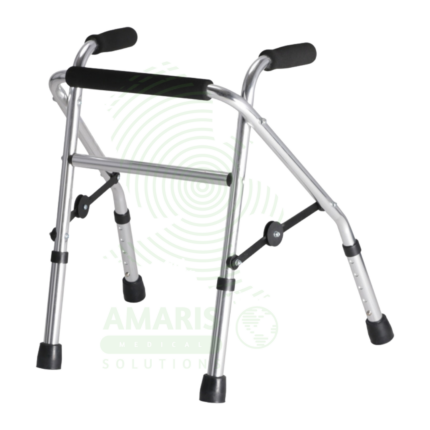
Pediatric Walking Frame
A Pediatric Walking Frame (Gait Trainer) is a supportive wheeled frame specifically designed to facilitate walking and standing for children with physical disabilities such as cerebral palsy. It provides adjustable postural support through a harness, trunk pad, and pelvic guide, enabling safe practice of gait patterns, weight-bearing, and upright mobility. Its primary role is therapeutic, aiming to develop ambulation skills, improve postural control, and promote independence and participation. Correct professional setup and supervision are essential for safety and to ensure it reinforces proper movement rather than abnormal patterns.
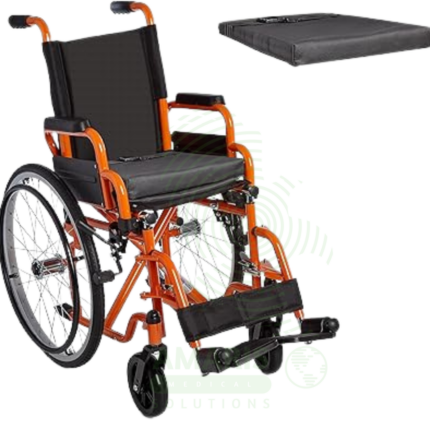
Pediatric Wheelchair
A Pediatric Wheelchair is a specially sized and designed mobility device for children with long-term physical disabilities. Its core functions are to provide independent or assisted mobility, deliver critical postural support to promote proper skeletal development and prevent deformities, and serve as a platform for inclusion in home, school, and community life. Unlike adult chairs, it features extensive adjustability to accommodate growth and modular seating systems tailored to each child's specific postural and medical needs. Prescription and fitting by a rehabilitation team are essential for safe and effective use.
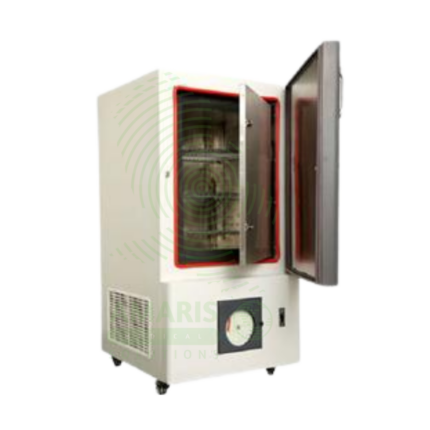
Plasma Blast Freezer
A Plasma Blast Freezer is a specialized Class II medical device designed for the rapid freezing of fresh frozen plasma (FFP), cryoprecipitate, and source plasma in blood banking and transfusion medicine. Operating at -30°C to -50°C with high-velocity forced-air circulation, these units achieve core temperatures of -30°C in plasma units within 60-90 minutes, preserving labile coagulation factors (Factor V, Factor VIII) and meeting stringent AABB, FDA, CAP, and EU regulatory requirements. Available in benchtop (10-30 unit) and floor (50-200+ unit) configurations with stainless steel construction, programmable microprocessor controls, multi-point temperature monitoring with product simulators, continuous data logging, and multi-level alarm systems. Primary clinical applications include rapid freezing of fresh frozen plasma (within 8-24 hours of collection), cryoprecipitate production, source plasma freezing for fractionation, controlled-rate freezing of blood components, research applications, emergency preparedness, and biobanking preparation. Critical safety requirements include validated freezing cycles, temperature mapping, redundant monitoring, documented freezing curves, and strict adherence to regulatory standards for plasma component quality and patient safety.
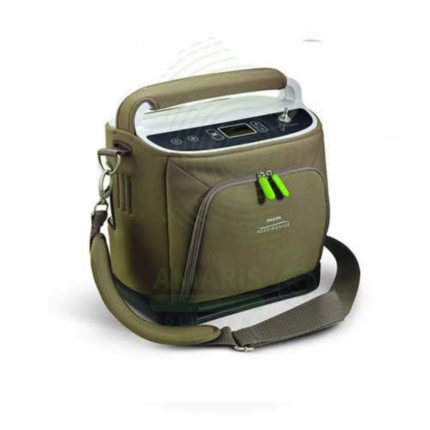
Portable Oxygen Concentrator
A Portable Oxygen Concentrator (POC) is a lightweight, battery-powered device that delivers oxygen via pulse dose technology, enabling active, mobile lifestyles for patients with chronic lung disease. By providing oxygen on-demand with each breath, it maximizes battery efficiency and portability, allowing users to travel, exercise, and socialize freely. It is a prescription-only device that requires careful titration to match a patient's needs during activity and is not a substitute for a stationary concentrator used at home and during sleep. Key considerations include FAA approval for air travel, battery life management, and understanding its specific use case as an ambulatory aid, not a primary oxygen source.
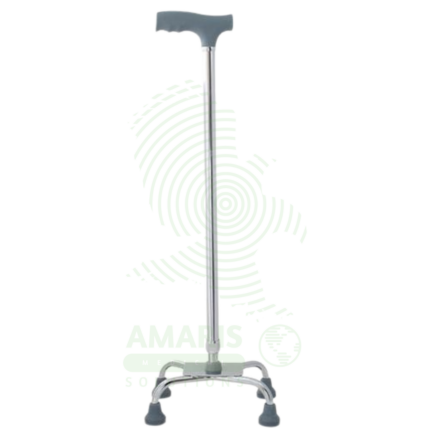
Quadpod Walking Stick
A Quadpod Walking Stick (Quad Cane) is a mobility aid featuring a four-legged base attached to a single shaft, providing significantly greater stability than a standard cane. It is designed for individuals with moderate balance issues or who need to safely offload weight from one leg due to pain or injury. Its wide base offers multi-directional support but requires a specific "lift-and-place" gait technique. While offering more security, its wider footprint can be cumbersome in tight spaces. Proper fitting and user training are essential for safe and effective use as a medically prescribed aid.
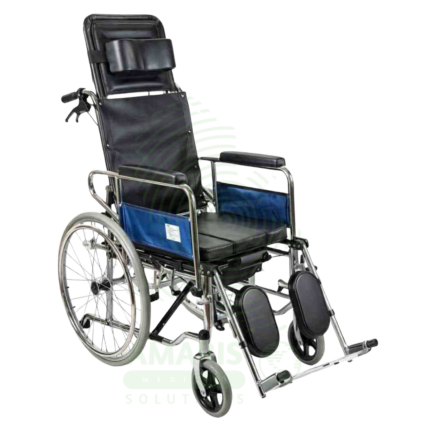
Reclining Commode Wheelchair
A Reclining Commode Wheelchair is a complex manual chair that integrates a reclining backrest with a commode seat. It is designed for patients who require adjustable positioning for pressure relief, respiratory support, or comfort, and who need a built-in toileting solution. It addresses the needs of individuals with severe neurological conditions, spinal injuries, or advanced illnesses. Critical safety features include anti-tip levers, a mandatory seat belt, and a robust recline lock. Its use requires vigilant attention to stability and shear prevention, making it a specialized tool for high-dependency care settings.
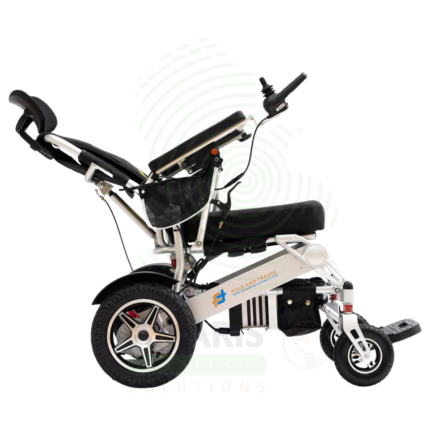
Reclining Electric Wheelchair Convertible Manual
A Reclining Electric Wheelchair Convertible Manual is a powered mobility device that combines electric recline for independent positioning with manual backup for continued function during power outages. The electric recline allows users to change position for pressure relief, respiratory support, and postural management, while the manual backup ensures positioning capability regardless of power availability. Used in home healthcare, long-term care, and rehabilitation settings, it promotes independence, safety, and comfort for individuals with limited mobility.
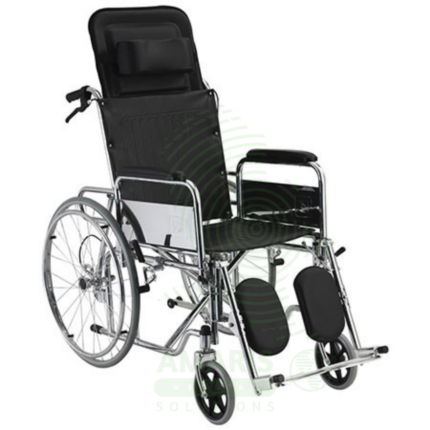
Reclining Wheelchair
A Reclining Wheelchair is a manual wheelchair with a backrest that can be manually adjusted to various angles. It is designed for users who need to change their sitting position for pressure relief, circulatory management, respiratory support, or comfort but do not require powered mobility. Key safety features include a robust locking mechanism, mandatory use of anti-tip levers and a seat belt when reclined, and synchronized elevating leg rests to prevent sliding. It is heavier and less maneuverable than a standard wheelchair but provides essential positioning options for individuals with specific postural and medical needs.
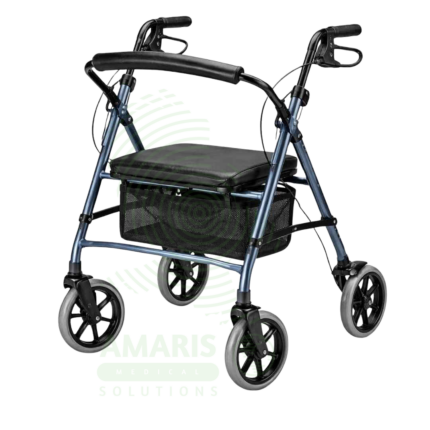
Rollator Walking Aid
A Rollator Walking Aid is a wheeled walking aid with hand brakes, a seat, and a storage basket, designed to provide stability, rest, and carrying capacity for individuals with balance or endurance issues. It allows for continuous, rolling support during walking, making it ideal for both indoor and community mobility. Key safety features include height-adjustable handles, reliable hand brakes for speed control, and a locking function to secure the device when using the seat. It is a fundamental tool for promoting safe, independent ambulation and social participation among the elderly and those with mobility impairments.
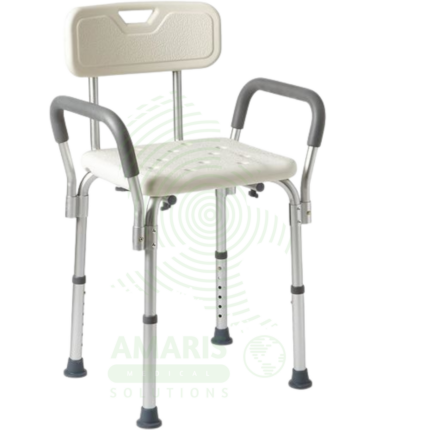
Shower Chair
A Shower Chair is a waterproof, stable seat designed for use in a shower or bathtub to prevent falls and enable safe bathing for individuals with mobility, balance, or strength limitations. Constructed from rust-resistant materials like aluminum with a perforated plastic seat, it provides a secure place to sit while washing. Key features often include adjustable height, a wide stable base, and optional armrests or a backrest. It is an essential safety device for elderly users, post-surgical patients, and anyone at risk of falling during bathing, promoting independence and safety in personal hygiene.
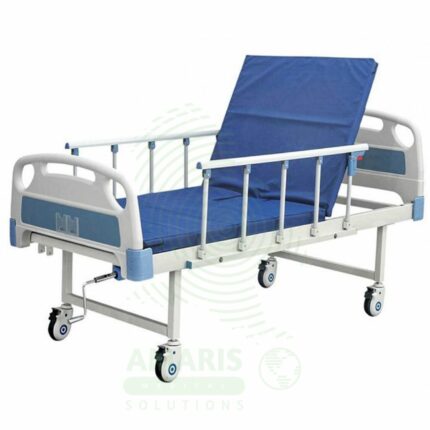
Single Crank Hospital Bed With Rails
A Single Crank Hospital Bed With Rails is a manually adjustable hospital bed providing head elevation via hand-operated crank, with integrated side rails for patient safety. Used in hospitals, long-term care facilities, and home healthcare settings, it supports essential patient positioning for respiratory function, safe feeding, and daily comfort without reliance on electricity. The side rails provide fall prevention and handholds for transfers. Reliable during power outages and cost-effective for resource-limited settings, it provides basic positioning functions for patients requiring head elevation support.
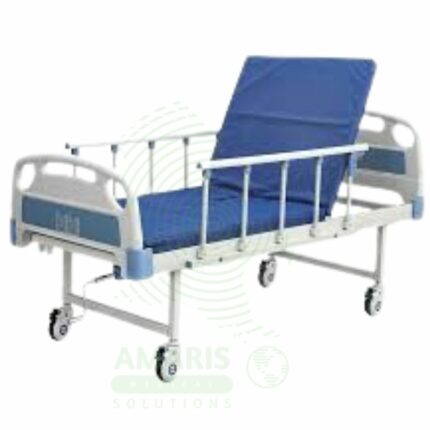
Single Crank Manual Bed
A Single Crank Manual Bed is a manually adjustable hospital bed providing head elevation only via hand-operated crank. Used in hospitals, long-term care facilities, and home healthcare settings, it supports essential patient positioning for respiratory function, safe feeding, pressure relief, and daily comfort without reliance on electricity. Reliable during power outages and cost-effective for resource-limited settings, it provides basic positioning functions for patients requiring head elevation support. It does not include knee elevation or height adjustment functions.
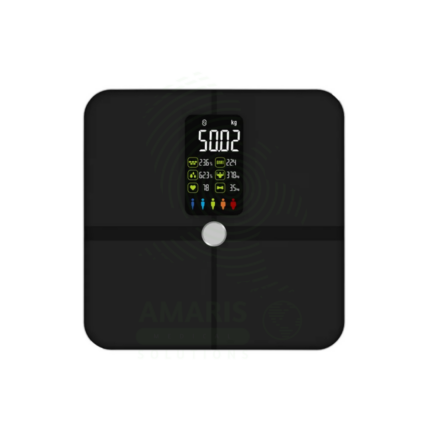
Smart Weighting Scale With Bluetooth
A Smart Weighting Scale With Bluetooth is a digital body weight scale with integrated wireless technology that transmits weight measurements from home to smartphones and healthcare platforms for remote patient monitoring. Features four high-precision strain gauge sensors providing accuracy ±0.1-0.3 kg, tempered glass or reinforced plastic platform with 180-400 lb capacity, backlit LCD display, and Bluetooth 4.0-5.0 LE connectivity. Advanced models include bioelectrical impedance analysis (BIA) for body composition (body fat, muscle mass, bone mass, hydration, visceral fat). Primary clinical applications include remote weight monitoring in heart failure management (early fluid overload detection), obesity and weight management programs, bariatric surgery pre/post-operative monitoring, chronic kidney disease fluid management, pregnancy weight gain tracking, telehealth programs, and medication-induced weight change surveillance. Class I medical device (weight function); Class II if body composition claims made. Critical safety considerations include weight capacity limits, platform integrity inspection, proper surface placement (hard, level), standardized weighing conditions, BIA contraindications (pacemakers, ICDs, pregnancy), and rapid weight gain recognition in heart failure patients.
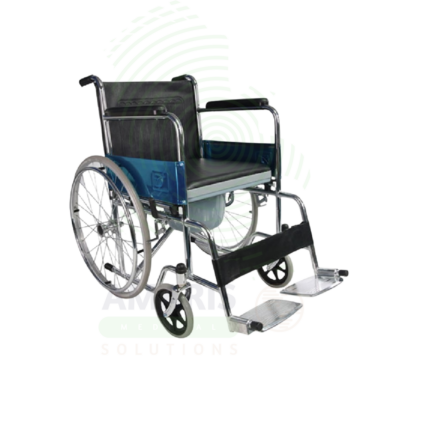
Standard Commode Wheelchair With Castors
A Standard Commode Wheelchair With Castors is a mobile commode chair that combines the functions of a wheelchair and a bedside commode. Designed for non-ambulatory patients, post-operative patients, and those requiring incontinence management, it eliminates hazardous transfers to a separate toilet, reducing fall risk and preserving dignity. Locking castors provide stability during use, while the removable pan allows for easy cleaning. Essential for hospitals, long-term care facilities, and home healthcare settings.
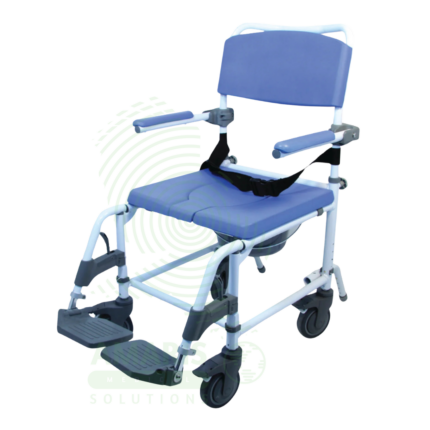
Standard Commode Wheelchair With Flipping Armrest
The Standard Commode Wheelchair with Flipping Armrest is a manual wheelchair that combines a commode seat with one or two armrests that swing down and out of the way. This key feature facilitates safe, easy lateral transfers from a bed with minimal caregiver assistance, directly addressing fall risks and reducing caregiver strain during toileting. It is used for integrated mobility and hygiene care for non-ambulatory, post-operative, or frail patients. Safety hinges on the robust locking mechanism of the armrest, which must be verified before each use, alongside strict adherence to cleaning protocols for infection control.
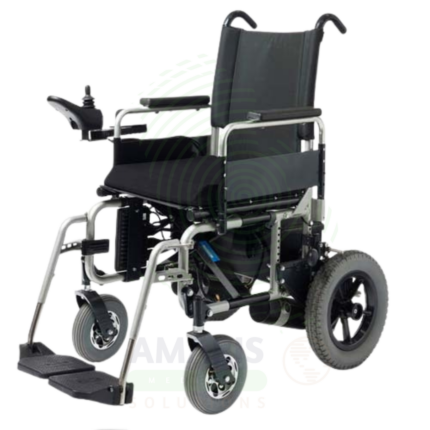
Standard Electric Wheelchairs
A Standard Electric Wheelchair is a powered mobility device providing independent mobility for individuals with severe mobility impairments, upper extremity limitations, and conditions causing fatigue. With various drive configurations, seating options, and programmable controls, it enables users to navigate home, community, and work environments without reliance on caregiver assistance. Essential for rehabilitation, home care, and community participation, it promotes independence, quality of life, and social engagement.
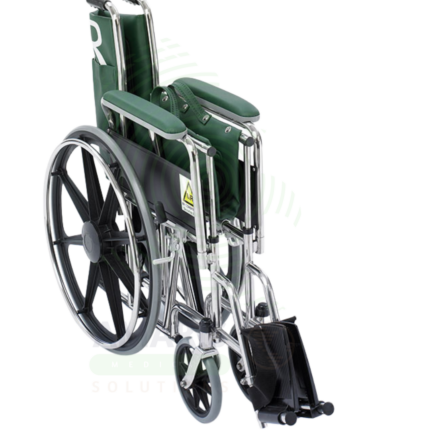
Standard Foldable Wheelchair
A Standard Foldable Wheelchair is a manual wheelchair with a folding frame for compact storage and transport. Used for non-emergency patient transport in healthcare facilities, home settings, and community outings, it provides essential mobility support for individuals with temporary or permanent mobility impairments. The foldable design allows for easy storage in closets, car trunks, and small spaces, making it ideal for home use and travel.
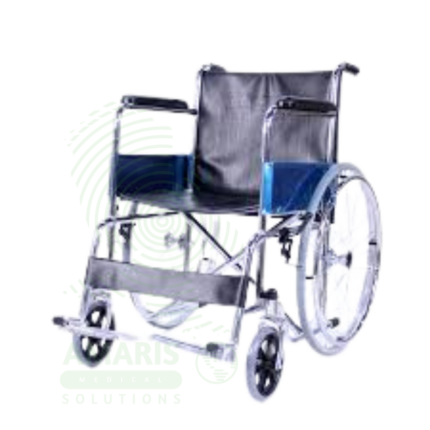
Standard Wheelchair
The Standard Wheelchair is a manually operated, folding or rigid-frame chair with two large rear wheels and two front casters, designed for basic patient mobility. It is used to transport non-ambulatory patients within healthcare facilities, support recovery from injury or surgery, and provide temporary mobility assistance. Key features include handrims for self-propulsion, attendant push handles, flip-up footrests, and wheel locks. As a fundamental piece of equipment in hospitals, clinics, and communities, it requires proper use of brakes and safe transfer techniques to prevent accidents.
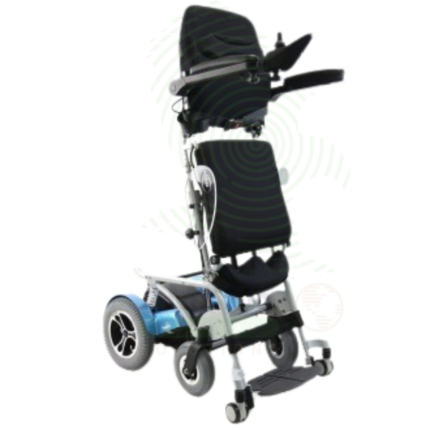
Standing Electric Wheelchair
A Standing Electric Wheelchair is a powered mobility device that allows users with spinal cord injury, neuromuscular disease, and other conditions to independently transition between sitting and standing positions. The integrated standing mechanism provides physiological benefits including pressure relief, bone density maintenance, spasticity reduction, and orthostatic hypotension management, while enabling functional reach for daily activities at standing height. Used in rehabilitation, home care, and community settings, it promotes independence, health, and quality of life.
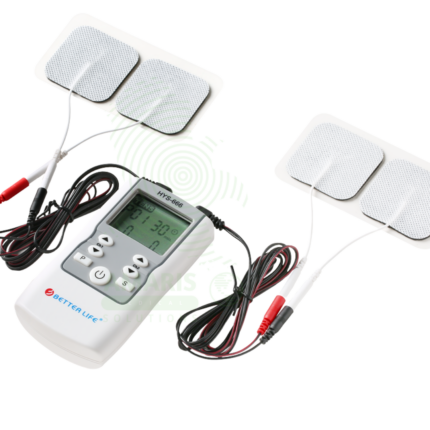
TENS Machine
A TENS Machine is an electronic device used for non-invasive pain management, capable of independently controlling up to four pairs of electrodes (eight total) to treat multiple or complex pain areas simultaneously. By delivering adjustable, low-voltage electrical pulses through the skin, it modulates pain signals via the Gate Control mechanism and may stimulate the body's natural painkillers. Its key adjustable parameters—pulse rate, width, and amplitude—allow for personalized therapy for conditions ranging from arthritis to post-surgical pain. Safe operation requires strict adherence to electrode placement guidelines and contraindications, making it a versatile tool for clinical and prescribed home use.
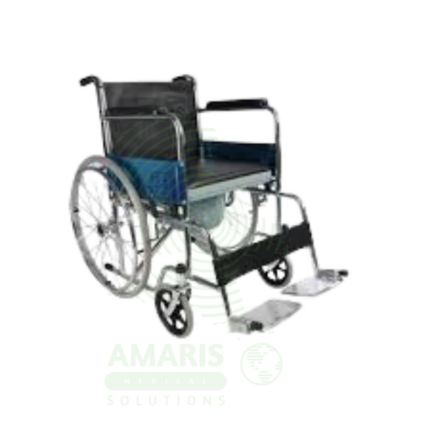
The Commode Wheelchair
The Commode Wheelchair is a dual-purpose manual wheelchair featuring a seat with a central opening and a removable commode pan, designed to function as both a mobility chair and a toilet. It is used to safely and hygienically manage toileting for non-ambulatory, high-fall-risk, or post-operative patients without requiring hazardous transfers to a separate toilet. Key features include a removable pan, swing-away armrests for easy lateral transfers, and often compatibility with standard toilets. Its use requires strict adherence to brake safety and rigorous cleaning protocols after each use to prevent infection.
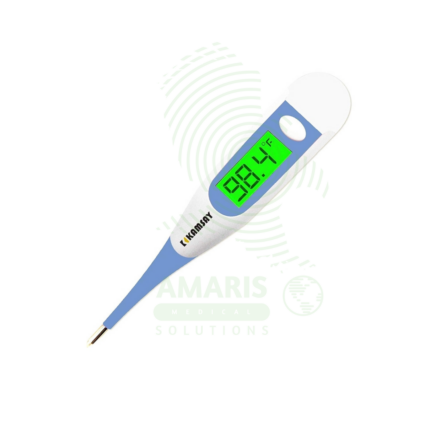
Thermometer For Children
A Thermometer For Children is a pediatric-specific temperature measurement device available in rectal, tympanic (ear), temporal artery, non-contact infrared, axillary, and pacifier form factors, designed for accurate, rapid, and minimally invasive fever detection in neonates, infants, toddlers, and children. Features include flexible safety tips (rectal/oral), 1-60 second measurement times, accuracy ±0.1-0.3°C depending on type, backlit displays with large numerals, fever alerts (color-coded and audible), memory storage (10-50 readings), and auto-shutoff. Age-specific recommendations guide selection: rectal (gold standard for neonates <3 months), temporal (ideal for infants and sleeping children), tympanic (cooperative toddlers), and oral/axillary (older children). Primary clinical applications include fever detection in febrile children, differentiation of fever patterns, neonatal and infant temperature monitoring, antipyretic medication guidance, febrile seizure risk assessment, post-vaccination monitoring, and school/daycare health screening. Class II medical device requiring FDA clearance. Critical safety considerations include proper technique for each measurement site, age-appropriate thermometer selection, hygiene (cleaning and probe covers), rectal thermometer safety (lubrication, gentle insertion, dedicated use), and recognition of fever thresholds requiring medical attention.
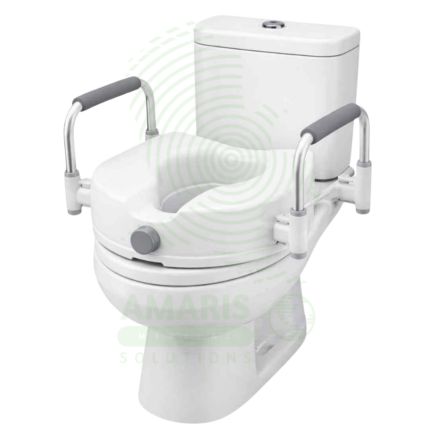
Toilet Raiser
A Toilet Raiser is a simple assistive device that securely attaches to a standard toilet bowl to raise the seating height by 3 to 5 inches. Its primary purpose is to make sitting down and standing up safer and easier for individuals with lower body weakness, pain, or post-operative restrictions, thereby preventing falls and promoting independent toileting. Safety depends entirely on correct, secure installation and regular checking of its attachment to prevent dangerous shifting. It is a cost-effective and essential bathroom safety modification.
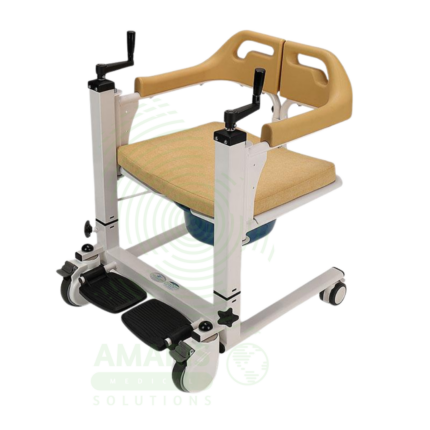
Transfer Chair
A Transfer Chair is a simple, armless mobile chair on four swivel casters designed specifically for safe, lateral seated patient transfers. Its core function is to allow caregivers to move patients who cannot stand between surfaces like beds, wheelchairs, toilets, and cars with minimal lifting, thereby preventing caregiver injuries and patient falls. Key features include a low, armless seat for unobstructed sliding, locking casters for stability, and a compact, maneuverable design. It is a fundamental piece of equipment in any safe patient handling program.
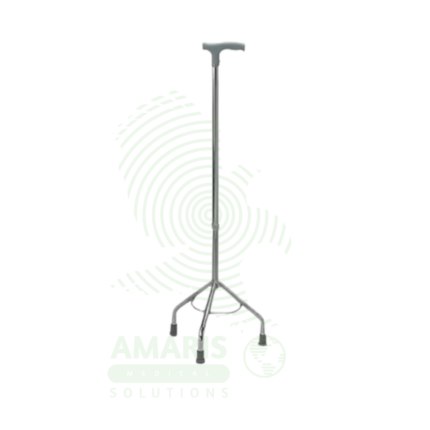
Tripod Walking Stick
A Tripod Walking Stick is a mobility aid with a three-legged base, offering greater stability than a standard cane but with better maneuverability than a quad cane. It is designed for individuals with mild to moderate balance issues or who need to safely offload partial weight from a lower limb. The tripod base provides a secure, multi-point contact with the ground but requires a deliberate "lift-and-place" walking technique. Proper fitting by a healthcare professional and user training are essential for safe use, making it a common transitional aid in rehabilitation programs.
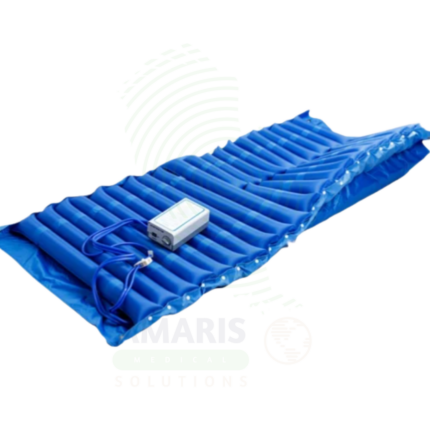
Turbular Ripple Mattress With Toilet Cutout
A Turbular Ripple Mattress With Toilet Cutout is a dynamic pressure redistribution mattress featuring alternating inflation and deflation of tubular air cells that continuously shifts pressure points, preventing prolonged capillary compression and reducing pressure ulcer risk in immobile patients. The alternating cycle (typically every five to ten minutes) creates a ripple effect that promotes blood flow and tissue oxygenation while preventing sustained pressure on bony prominences such as the sacrum, heels, and occiput. The strategically positioned toilet cutout provides access to the perineal area for bedpan placement, perineal cleansing, and incontinence management without requiring patient repositioning—reducing caregiver physical strain while maintaining continuous pressure relief therapy. The low-profile, quiet electric pump attaches to standard hospital bed frames, and the waterproof, low-shear cover protects the mattress while reducing friction against patient skin. For the wound care nurse and long-term care clinician, this mattress provides essential pressure ulcer prevention for patients with spinal cord injury, stroke, advanced dementia, critical illness, or end-of-life care needs. For the immobile patient, the turbular ripple mattress with toilet cutout preserves skin integrity, enables dignified perineal care, and supports quality of life during prolonged bedrest.
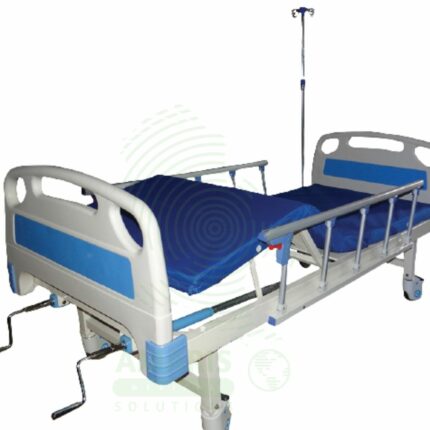
Two Crank Manual Bed
A Two Crank Manual Bed is a manually adjustable hospital bed providing two essential positioning functions: head elevation and knee elevation via hand-operated cranks. Used in hospitals, long-term care facilities, and home healthcare settings, it supports patient comfort, respiratory function, pressure injury prevention, and feeding safety without reliance on electricity. Reliable during power outages and cost-effective for resource-limited settings, it provides essential positioning functions for patients requiring long-term bed rest or support for activities of daily living.
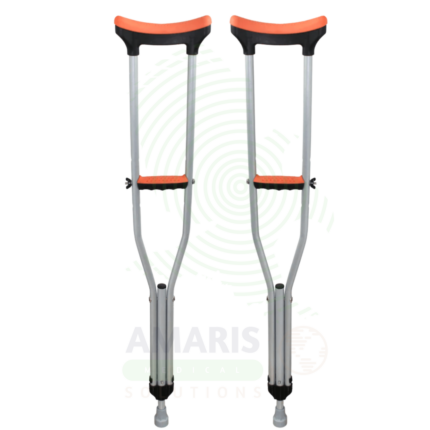
Underarm Crutches
Underarm Crutches are a mobility aid used for non-weight-bearing and protected weight-bearing ambulation following lower extremity injuries, fractures, and surgery. Consisting of adjustable-length poles with hand grips and axillary pads, they transfer body weight through the arms and upper body while keeping the injured leg off the ground. Proper height adjustment and weight distribution through the hand grips rather than the axillae are essential for safe and effective use.
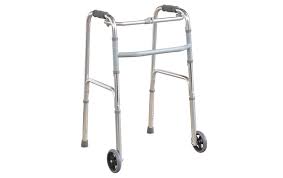
Walker
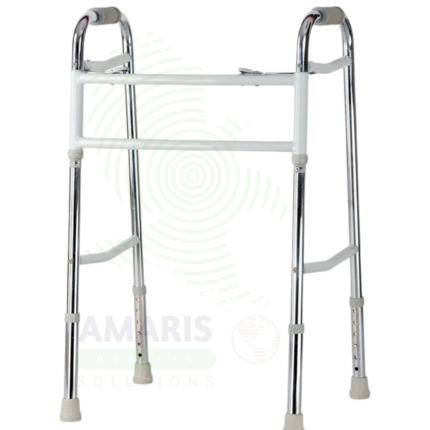
A Walker is a rigid, non-wheeled frame walking aid designed to provide maximum stability and support. It is used by lifting and placing the frame forward with each step, making it ideal for individuals with significant balance issues, weakness, or those in early post-operative recovery who require a secure, stationary base. Its key features include a lightweight aluminum frame, height-adjustable legs, and rubber tips. Proper fitting and gait training are essential for safe use, as incorrect technique can increase fall risk. It is the most stable ambulatory aid before progressing to wheeled walkers or canes.
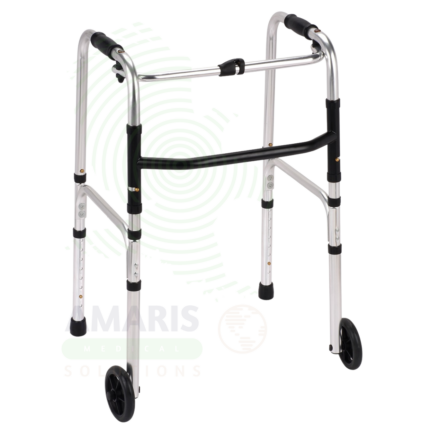
Walking Frame With Wheels
A Walking Frame With Wheels (Rollator) is a wheeled mobility aid that provides stable support for individuals with balance impairment, arthritis, post-operative recovery, and deconditioning. The wheels eliminate the need to lift the frame with each step, allowing for smoother ambulation and reduced energy expenditure. Features often include hand brakes for speed control, a padded seat for rest, and a storage basket. Essential for promoting safe, independent mobility in home and community settings.