Dermatoscope and Magnifiers
 Diagnostic Kits
 Vital Signs Monitors
 Stethoscopes and Accessories
 Otoscopes, Ophthalmoscopes, and Retinoscopes
 Reflex Hammers and Neurological Tools
 Scales and Measuring Devices
 Spirometers and Pulmonary Function Tests
 Electrosurgical Units and Accessories
 Cutting Instruments
 Grasping and Holding Instruments
 Hemostatic Instruments
 Specialized Surgical Sets
 Single-Use Procedure Trays and Packs
 Surgical Drapes, Gowns, and Covers
 Tissue Unifying Instruments
 Radiation Protection
 X-Ray Machines and Accessories
 Ultrasound Systems and Probes
 MRI and CT Scanners
 Radiology Consumables
 Bone Densitometers
 Fluoroscopy Equipment
 Imaging Tables and Positioning Aids
 Microscopes and Accessories
 Centrifuges and Separators
 Analyzers
 Incubators and Ovens
 Pipettes, Dispensers, and Lab Glassware
 Refrigerators, Freezers, and Storage Units
 Lab Consumables
 Sterilizers and Autoclaves for Lab Use
 Multi-Parameter Monitors
 Ventilators and Respiratory Support Devices
 Defibrillators and AEDs
 Infusion Pumps and IV Systems
 Patient Warmers and Cooling Devices
 Central Monitoring Stations
 Accessories
 Anesthesia Machines and Workstations
 Oxygen Concentrators and Delivery Systems
 Nebulizers and Inhalers
 CPAP/BiPAP Machines
 Airway Management
 Anesthesia Masks, Circuits, and Bags
 Humidifiers and Heaters
 Respiratory Therapy Accessories
 First Aid Kits and Cabinets
 Emergency Resuscitation Equipment
 Trauma Supplies
 Emergency Carts and Crash Carts
 Burn Care Products
 Bleeding Control
 Automated External Defibrillators (AEDs)
 Transport and Evacuation
 Wheelchairs and Accessories
 Walkers, Crutches, and Canes
 Prosthetics and Orthotics
 Physical Therapy Equipment
 Transfer Devices
 Bathroom Safety
 Orthopedic Traction and Tables
 Hot/Cold Therapy Packs and Units
 Beds and Mattresses
 Chairs and Stools
 Tables
 Cabinets and Storage
 Privacy Screens & Curtains
 Stands and Racks
 Linens and Textiles
 Lighting
 Autoclaves and Sterilizers
 Ultrasonic Cleaners
 Disinfectant Solutions and Wipes
 Sterilization Pouches, Wraps, and Indicators
 Instrument Trays and Containers
 UV and Ozone Disinfection Devices
 Washer Disinfectors
 Wound Care
 Gloves
 Masks and Respirators
 Catheters and Tubing
 Swabs, Applicators, and Sponges
 Incontinence Products
 Personal Protective Equipment (PPE)
 Dental Chairs and Units
 Handpieces and Burs
 Instruments
 Consumables
 Sterilization for Dental Use
 Orthodontic Supplies
 Endodontic Tools
 Slit Lamps and Tonometers
 Lensometers and Phoropters
 Ophthalmic Surgical Instruments
 Eyewear Frames and Lenses
 Contact Lens Supplies
 Vision Testing Charts and Devices
 Eye Care Consumables
 Laser Systems for Eye Care
 ENT Exam Chairs and Tables
 Endoscopes
 Audiometers and Hearing Tests
 ENT Instruments
 Nasal and Throat Packs
 Hearing Aids and Accessories
 Otology Supplies
 Fetal Dopplers and Monitors
 Delivery Beds and Tables
 Gynecological Instruments
 Neonatal Incubators and Warmers
 Breast Pumps and Accessories
 Contraceptive Devices
 Maternity Supports and Pads
 Neonatal Consumables
 Cystoscopes and Urethroscopes
 Dialysis Machines and Supplies
 Urological Catheters and Bags
 Lithotripters
 Prostate Treatment Devices
 Urinary Incontinence Products
 Kidney Stone Management Tools
 Consumables & Disposables
 EEG and EMG Machines
 Neurosurgical Instruments
 Nerve Stimulators
 Headrests and Positioning Aids
 Lumbar Puncture Kits
 Seizure Monitoring Devices
 Consumables
 Rehabilitation for Neurological Conditions
 ECG Machines and Accessories
 Holter Monitors
 Stress Test Systems
 Pacemakers and Defibrillator Accessories
 Vascular Access Devices
 Cardiac Catheters and Guidewires
 Blood Flow Meters
 Consumables
 Orthopedic Instruments
 Casts, Splints, and Padding
 Joint Replacement Supplies
 Prosthetic Limbs and Components
 Bone Grafts and Substitutes
 Traction Devices
 Orthopedic Braces and Supports
 Rehabilitation Aids for Orthopedics
 Home Oxygen Therapy
 Hospital Beds for Home Use
 Mobility Aids
 Bathroom and Daily Living Aids
 Wound Care for Home
 Monitoring Devices
 Enteral Feeding Pumps and Tubes
 Hand Sanitizers and Dispensers
 Face Shields and Goggles
 Isolation Gowns and Suits
 Biohazard Waste Containers
 Air Purifiers and HEPA Filters
 Surface Disinfectants
 Sharps Containers
 Protective Barriers
 Cardiovascular & Endurance Training
 Strength Training & Weightlifting
 Functional Training & Core Conditioning
 Physical Therapy & Rehabilitation
 Sports & Outdoor Recreation
 Gym Flooring & Facility Equipment
 Fitness Monitoring & Accessories
 Kids & Novelties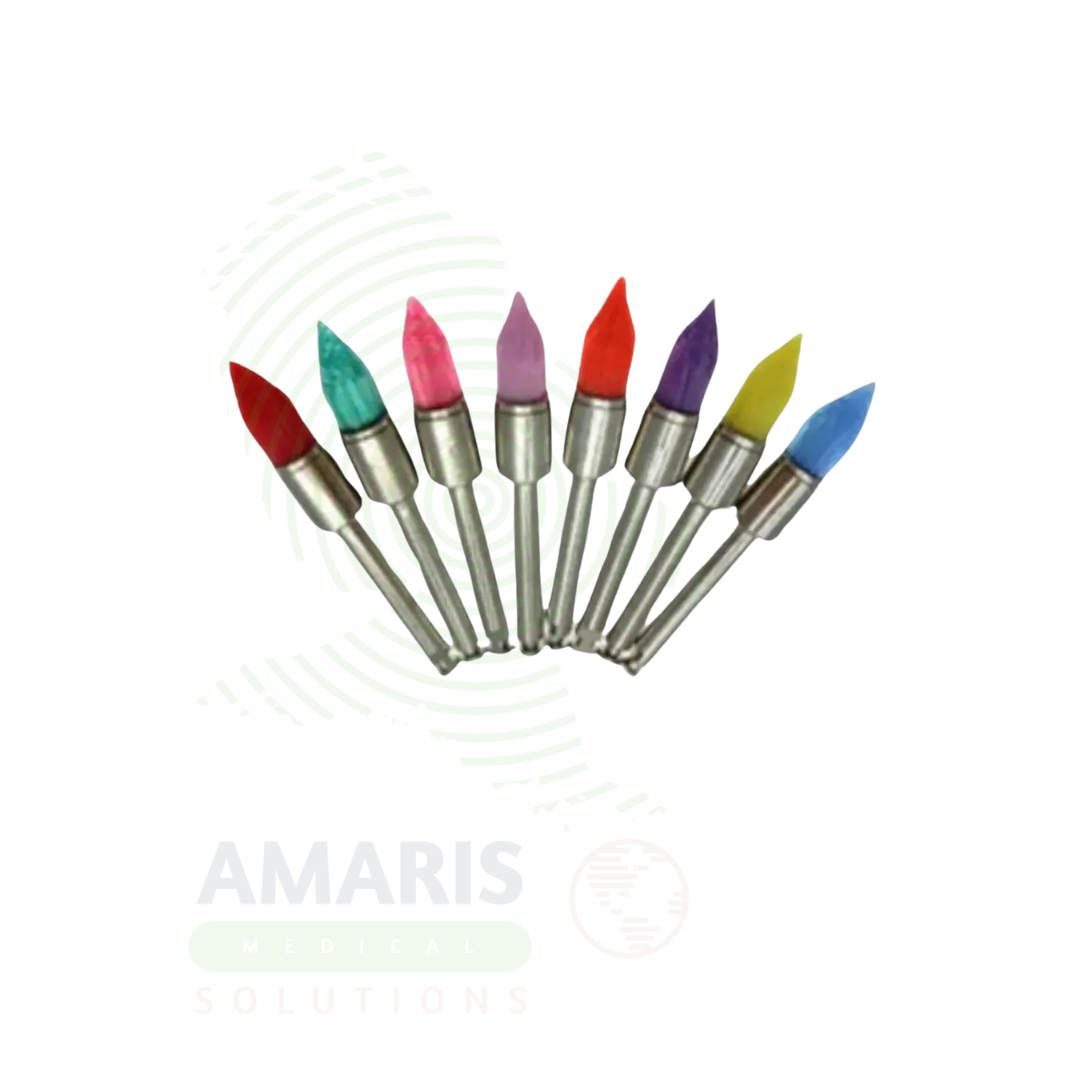
Prophylaxis Paste, Brushes, & Cups
$1.00
WhatsApp Order
Prophylaxis Paste, Brushes & Cups constitute a complete system for professional tooth polishing during a dental prophylaxis. The paste, available in various abrasiveness levels and often fluoridated, works with a slow-speed handpiece fitted with a rubber cup (for smooth surfaces) or brush (for grooves) to remove plaque, biofilm, and extrinsic stains, leaving teeth clean and smooth. This final polishing step is crucial for oral health, aesthetics, and caries prevention. The procedure requires skill to avoid enamel damage and soft tissue injury, and strict infection control is maintained through the use of single-patient disposable components or sterilizable attachments.
Description
Prophylaxis Paste, Brushes, & Cups
PRIMARY CLINICAL & DIAGNOSTIC USES
1.Professional Tooth Polishing (Prophylaxis)
-
Primary Use: Performs professional cleaning and polishing of tooth surfaces as the final step of a dental prophylaxis or routine cleaning appointment, removing residual plaque, extrinsic stains, and biofilm, leaving the enamel smooth and lustrous.
-
How it helps: For the dental hygienist and dentist, the prophylaxis system provides the final, essential step in professional cleaning—ensuring that all visible plaque and stain are removed and that the tooth surface is left optimally smooth. For the patient, this means a clean, fresh-feeling mouth and the cosmetic benefit of stain-free, lustrous teeth.
2. Removal of Dental Plaque and Soft Deposits
-
Primary Use: While scaling removes calculus, the prophy paste and brush or cup work together to disrupt and remove the softer, sticky bacterial plaque biofilm from all accessible tooth surfaces, crucial for preventing gingivitis and caries.
-
How it helps: For the clinician, the mechanical action of the prophylaxis cup combined with abrasive paste provides the final disruption of biofilm that scaling alone cannot achieve. For the patient, this comprehensive plaque removal reduces the risk of gingival inflammation and tooth decay between professional cleanings.
3. Stain Removal
-
Primary Use: Specifically formulated pastes with appropriate abrasives effectively remove external stains from coffee, tea, tobacco, and other chromogenic agents without damaging the enamel, improving cosmetic appearance.
-
How it helps: For the dental hygienist, selecting the appropriate grit paste allows for effective stain removal tailored to the patient’s needs. For the patient, this means a brighter, more aesthetically pleasing smile after each professional cleaning.
4. Creating a Smooth Tooth Surface
-
Primary Use: Polishing with a fine-grit paste creates a smooth enamel surface that is more resistant to future plaque accumulation, as bacteria have a harder time adhering to a smooth surface.
-
How it helps: For the clinician, polishing creates an optimal surface that resists biofilm accumulation—extending the benefits of the professional cleaning. For the patient, this means a surface that stays cleaner longer between appointments.
5. Application of Fluoride or Desensitizing Agents
-
Primary Use: Many prophy pastes are combined with fluoride to provide a topical fluoride treatment during polishing, aiding in remineralization, while others contain desensitizing agents like potassium nitrate to help reduce dentin hypersensitivity.
-
How it helps: For the dental professional, combination pastes deliver therapeutic agents during the polishing procedure—providing added benefits without additional appointment time. For the patient, this means simultaneous cleaning and therapeutic treatment, with reduced sensitivity and enhanced remineralization.
6. Selection of Abrasive Grit for Individual Needs
-
Primary Use: Prophy pastes are available in various grits (coarse, medium, fine, extra-fine) to match the specific stain removal needs and enamel condition of each patient.
-
How it helps: For the clinician, the ability to select appropriate abrasivity allows for customized treatment—using coarser grits for heavy stain and finer grits for routine maintenance or sensitive patients. For the patient, this ensures effective stain removal without unnecessary enamel abrasion.
7. Disposable Prophy Angles for Infection Control
-
Primary Use: Single-use, disposable prophy angles eliminate the need for sterilization of reusable handpieces, ensuring optimal infection control between patients.
-
How it helps: For the dental practice, disposable angles simplify infection control protocols and eliminate cross-contamination risks. For the patient, this provides assurance that only sterile, single-use components are used during their cleaning.
8. Cup Design for Access and Adaptation
-
Primary Use: Prophy cups are designed with webbed or fluted configurations that allow for optimal adaptation to tooth contours, interproximal areas, and gingival margins.
-
How it helps: For the clinician, cup design enables thorough polishing of all tooth surfaces, including difficult-to-reach areas. For the patient, this ensures comprehensive cleaning of the entire dentition.
9. Paste Flavors for Patient Comfort
-
Primary Use: Prophy pastes are available in a variety of flavors (mint, bubble gum, fruit, etc.) to improve patient acceptance and comfort during the polishing procedure.
-
How it helps: For the clinician, flavor options help manage patient anxiety, particularly in pediatric and anxious patients. For the patient, a pleasant flavor makes the cleaning experience more enjoyable and less stressful.
10. Consistency for Controlled Application
-
Primary Use: Prophy pastes are formulated with a consistency that allows for controlled application without splattering while maintaining effective abrasion.
-
How it helps: For the dental hygienist, optimal consistency ensures that paste stays on the tooth surface during polishing, reducing mess and improving efficiency. For the patient, this means a cleaner, more comfortable experience with less splatter.
SECONDARY & SUPPORTIVE USES
1. Polishing of Dental Restorations: Used to polish composite, glass ionomer, and polished amalgam restorations to a high shine after contouring and finishing. For the clinician, this provides a final finishing step for restorations; for the patient, this means restorations that are smooth, stain-resistant, and aesthetically pleasing.
2. Cleaning and Polishing of Acrylic Dentures and Appliances: Used with a separate, dedicated brush to clean and polish removable dentures, night guards, and orthodontic retainers. For the dental professional, this removes stains and biofilm from appliances; for the patient, this means cleaner, fresher, and more aesthetically pleasing removable appliances.
3. Pre-Procedural Cleaning: Before placing sealants or taking impressions, teeth may be polished to ensure a clean, debris-free surface. For the clinician, this enhances the success of subsequent procedures; for the patient, this contributes to better outcomes for sealants and impressions.
4. Coronal Polishing by Dental Hygienists and Therapists: Constitutes a major component of the dental hygiene appointment. For the dental hygienist, polishing is an essential skill for comprehensive patient care; for the patient, this ensures thorough cleaning as part of their preventive care regimen.
5. Supragingival Cleaning for Orthodontic Patients: Used to clean around brackets and wires during orthodontic treatment. For the orthodontist and hygienist, this helps maintain oral hygiene during treatment; for the orthodontic patient, this reduces the risk of white spot lesions and decalcification around brackets.
6.Tooth Sensitivity Management: Desensitizing prophy pastes provide relief for patients with dentin hypersensitivity. For the clinician, this addresses patient comfort concerns; for the patient, this means reduced sensitivity following professional cleaning.
7. Pediatric Polishing: Used in pediatric dentistry with child-friendly flavors and gentle abrasives. For the pediatric dentist, this creates a positive first experience with professional cleanings; for the child patient, this helps establish a foundation for lifelong preventive care habits.
8. Polishing of Implant Restorations: Used with non-abrasive pastes specifically formulated for implant-supported restorations to avoid scratching titanium or ceramic surfaces. For the clinician, this protects implant components; for the patient, this ensures the longevity and aesthetics of their implant restorations.
KEY PRODUCT FEATURES
1. BASIC IDENTIFICATION ATTRIBUTES
-
Type: A system comprising an abrasive paste, a polishing brush (for occlusal surfaces), and a rubber cup (for smooth surfaces) used with a slow-speed handpiece.
-
Designation: Prophy Angle Kit, Prophy Paste, Polishing Paste.
-
Common Variants:
-
Prophy Paste (by Grit/Abrasiveness):
-
Coarse/Gritty: For heavy stain removal (e.g., smoker's stain). Contains larger abrasive particles like pumice or silicon dioxide.
-
Medium/Regular: For general plaque and moderate stain removal. The most commonly used.
-
Fine/Smooth: For final polish and for patients with sensitive teeth or exposed dentin. Contains finer abrasives like zirconium silicate.
-
Fluoridated: Contains fluoride (typically 1.23% APF).
-
Flavored: Mint, bubblegum, cherry, etc., to improve patient experience.
-
-
Prophy Cups: Made of rubber or silicone. Come in various shapes (cone, bell, cylinder) and textures (plain, ribbed, webbed) for adapting to different tooth contours.
-
Prophy Brushes: Small, bristled brushes (often rotary) for cleaning pits, fissures, and interproximal areas.
-
Prophy Angles: The attachment for the slow-speed handpiece that holds the cup or brush. Can be disposable (plastic, single-use) or autoclavable (metal, reusable).
-
2. TECHNICAL & PERFORMANCE PROPERTIES
-
Abrasive System: The paste contains abrasive particles suspended in a water-soluble, flavored gel or glycerin base. Common abrasives include pumice, zirconium silicate, silica, alumina, and calcium carbonate. The Relative Dentin Abrasivity (RDA) is a measure of its abrasiveness.
-
Polishing Action: The rotating cup or brush, loaded with paste, provides a mechanical scrubbing and polishing action. The correct speed (low RPM, high torque) and light pressure are essential.
-
Fluoride Release: Fluoridated pastes provide a topical fluoride application during polishing, enhancing caries protection.
-
Splatter Control: The paste base should have good consistency to minimize aerosol and splatter.
3. PHYSICAL & OPERATIONAL PROPERTIES
-
Presentation: Paste in single-use cups, multi-use syringes, or jars. Cups and brushes in sterile or clean packaging.
-
Application: A small amount of paste is applied to the inside of the rubber cup or brush. The handpiece is run at slow speed (typically 2,000-5,000 RPM) with light, intermittent pressure, moving constantly to avoid heat buildup.
-
Single-Use Components: Paste portions, disposable cups/brushes, and disposable prophy angles are for single-patient use only.
4. SAFETY & COMPLIANCE ATTRIBUTES
-
Regulatory Status: Class I medical devices (paste, cups, angles).
-
Biocompatibility: Pastes must be safe for intraoral use, non-toxic, and non-irritating to gingival tissues.
-
Infection Control: Disposable components eliminate cross-contamination risk. Reusable metal angles must be sterilized between patients.
5. STORAGE & HANDLING ATTRIBUTES
-
Storage: Store paste at room temperature. Keep disposable items in original packaging.
-
Shelf Life: Pastes have an expiration date.
6. LABORATORY & CLINICAL APPLICATIONS
-
Primary Application: A routine, essential consumable system used in virtually every dental hygiene appointment and preventive care visit in general dentistry and pediatric dentistry.
-
User: Primarily used by dental hygienists, also by dentists and dental assistants.
SAFETY HANDLING PRECAUTIONS
1. SAFETY PRECAUTIONS
-
Avoid Over-Polishing: Excessive pressure, prolonged time on one spot, or using too abrasive a paste can remove the outer fluoride-rich layer of enamel and cause dentinal hypersensitivity. Use the least abrasive paste necessary.
-
Heat Generation: Constant rotation on one spot generates frictional heat that can damage the pulp. Use intermittent pressure and keep the cup moving.
-
Soft Tissue Protection: Avoid direct contact with gingiva, as the rotating cup can cause laceration or "gingival burn." Use a light, feathering touch at the gumline.
-
Aerosol Management: Polishing generates significant aerosols containing microbes and paste particles. Use high-volume suction (HVE) close to the operating site and employ appropriate personal protective equipment (PPE: mask, face shield, gloves).
-
Contraindications: Avoid polishing areas of demineralization (white spot lesions), exposed cementum or dentin (in cases of recession), and newly placed restorations that are not fully set.
2. FIRST AID MEASURES
-
Eye Contact with Paste/Aerosol: Rinse immediately with plenty of water.
-
Gingival Laceration or Burn: Rinse with antiseptic. Apply pressure if bleeding.
-
Aspiration of a Dislodged Cup/Brush: Stop procedure. If the patient coughs and retrieves it, monitor. If inhaled and causing distress, seek emergency medical help.
3. FIRE FIGHTING MEASURES
-
Flammability: Paste components and plastic/rubber items are combustible.
-
Extinguishing Media: Use water, foam, or CO₂.
Related products
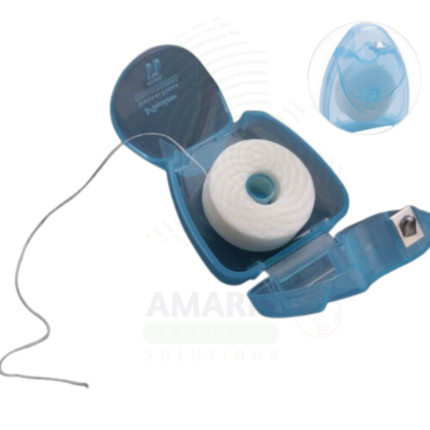
Dental Floss
Dental Floss is a thin, strong filament—available in materials like nylon or PTFE and forms such as waxed, unwaxed, or tape—designed specifically for the mechanical removal of dental plaque biofilm and debris from between teeth (interdental spaces) and below the gumline. Its daily use is a critical, evidence-based practice for preventing interdental tooth decay (caries) and gum disease (gingivitis and periodontitis), forming an indispensable part of a complete oral hygiene routine. Proper technique is essential to avoid gum injury and ensure effective cleaning.
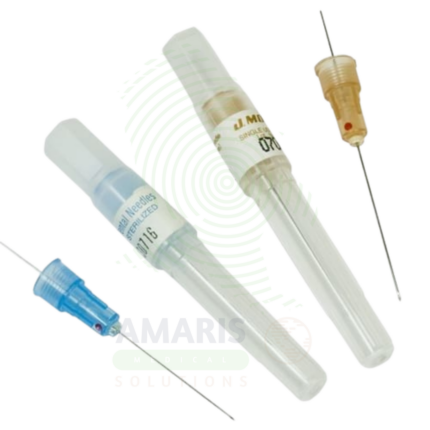
Dental Needles
Dental Needles are sterile, single-use hypodermic needles specifically designed for the administration of local anesthesia in dentistry. Characterized by their gauge (diameter) and length, they are selected to target specific nerves (e.g., long 27G for mandibular blocks, short 30G for infiltrations). Their primary functions are to penetrate oral tissue precisely, allow for aspiration to ensure safe extravascular placement, and deliver anesthetic solution. As sharps, their safe handling and immediate disposal in a designated container are paramount to prevent needlestick injuries and cross-contamination, making them a critical safety-focused consumable in dental practice.
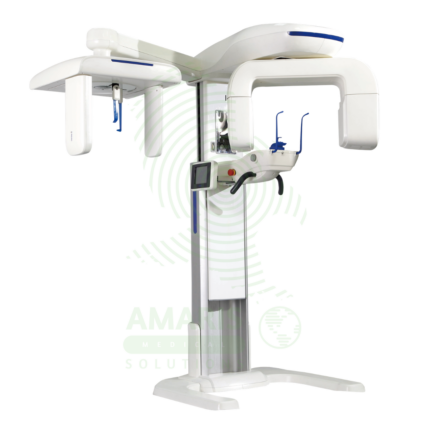
Dental X-ray Machine
A Dental X-ray Machine is a specialized radiographic system designed for imaging teeth, jaws, and facial structures. It encompasses intraoral units for detailed tooth-specific views, panoramic machines for wide screening shots, and advanced Cone Beam CT (CBCT) scanners for 3D surgical planning. Utilizing low-dose radiation and digital imaging technology, it is indispensable for diagnosing cavities, gum disease, infections, and planning treatments like implants, orthodontics, and oral surgery. Its safe operation requires strict adherence to radiation protection protocols, including the use of lead aprons, proper collimation, and operator training to ensure patient and staff safety while obtaining critical diagnostic information.
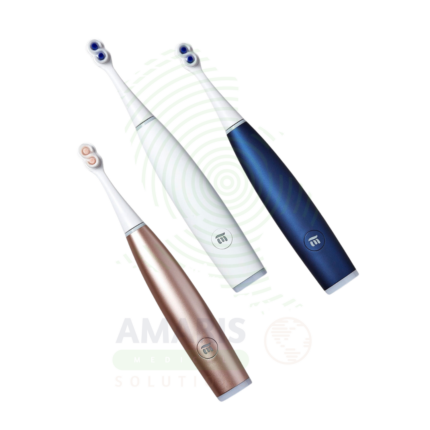
Electric Toothbrush
An Electric Toothbrush is a powered oral hygiene device that uses oscillating-rotating or sonic technology to provide automated brush head movements for superior plaque removal compared to manual brushing. It is clinically proven to reduce gingivitis and improve gum health. Key features include built-in timers, pressure sensors, and multiple modes, making it especially beneficial for individuals with limited dexterity, orthodontic appliances, or inconsistent brushing habits. Proper use involves guiding the brush, not scrubbing, and replacing brush heads every three months for optimal performance and safety.
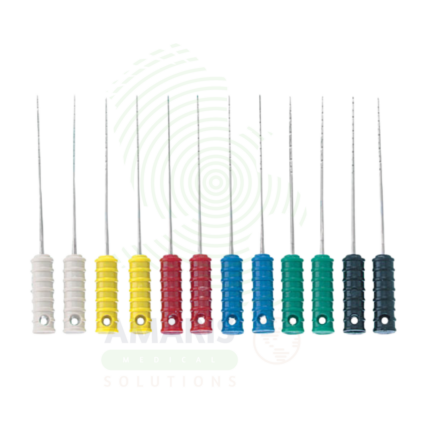
Endodontic Files, Broaches, & Points
Endodontic Files, Broaches, & Points are the essential single-use instruments and materials for root canal therapy. Files (hand and rotary) clean and shape the intricate root canal system, while broaches remove pulp tissue. Gutta-percha points are then used with sealer to permanently obturate (fill) the canal, sealing it against infection. Made from stainless steel or flexible Nickel-Titanium, their use demands precision to avoid complications like instrument separation or canal perforation. Mandatory single-use and disposal, along with strict adherence to aseptic technique under rubber dam isolation, are fundamental to safe and effective endodontic treatment.

Handpiece Spray
Handpiece Spray is a specialized aerosol lubricant essential for the daily maintenance and sterilization of dental handpieces. Its primary function is to lubricate internal turbines and bearings, reducing friction, preventing wear, and ensuring optimal performance and longevity. Applied directly into the handpiece's air inlet and distributed by running the handpiece without a bur, it must be used after every cleaning and before each autoclave cycle as per the manufacturer's strict instructions. Using the correct lubricant is critical to prevent damage and maintain warranty compliance. It is a fundamental, non-negotiable consumable in dental infection control and equipment care protocols.
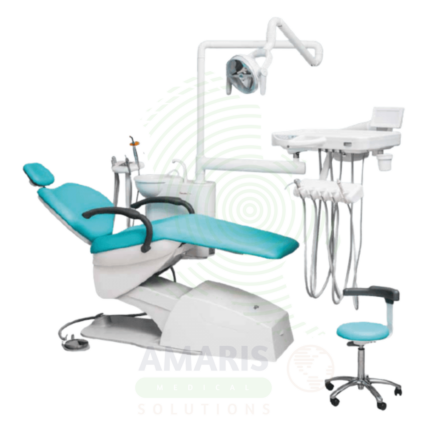
High-End Dental Chair
A High-End Dental Chair is an advanced, ergonomically engineered patient positioning system that forms the core of a modern dental operatory. It combines superior patient comfort features—such as heated surfaces, memory foam, and programmable positions—with critical ergonomic design for the dental team, including narrow backrests and multi-axis articulation. Integrated control systems manage the chair, lighting, and often other operational functions seamlessly. Built for durability and infection control with seamless upholstery, it supports a wide range of procedures while enhancing workflow efficiency, clinical outcomes, and overall patient experience in demanding dental practices.