Dermatoscope and Magnifiers
 Diagnostic Kits
 Vital Signs Monitors
 Stethoscopes and Accessories
 Otoscopes, Ophthalmoscopes, and Retinoscopes
 Reflex Hammers and Neurological Tools
 Scales and Measuring Devices
 Spirometers and Pulmonary Function Tests
 Electrosurgical Units and Accessories
 Cutting Instruments
 Grasping and Holding Instruments
 Hemostatic Instruments
 Specialized Surgical Sets
 Single-Use Procedure Trays and Packs
 Surgical Drapes, Gowns, and Covers
 Tissue Unifying Instruments
 Radiation Protection
 X-Ray Machines and Accessories
 Ultrasound Systems and Probes
 MRI and CT Scanners
 Radiology Consumables
 Bone Densitometers
 Fluoroscopy Equipment
 Imaging Tables and Positioning Aids
 Microscopes and Accessories
 Centrifuges and Separators
 Analyzers
 Incubators and Ovens
 Pipettes, Dispensers, and Lab Glassware
 Refrigerators, Freezers, and Storage Units
 Lab Consumables
 Sterilizers and Autoclaves for Lab Use
 Multi-Parameter Monitors
 Ventilators and Respiratory Support Devices
 Defibrillators and AEDs
 Infusion Pumps and IV Systems
 Patient Warmers and Cooling Devices
 Central Monitoring Stations
 Accessories
 Anesthesia Machines and Workstations
 Oxygen Concentrators and Delivery Systems
 Nebulizers and Inhalers
 CPAP/BiPAP Machines
 Airway Management
 Anesthesia Masks, Circuits, and Bags
 Humidifiers and Heaters
 Respiratory Therapy Accessories
 First Aid Kits and Cabinets
 Emergency Resuscitation Equipment
 Trauma Supplies
 Emergency Carts and Crash Carts
 Burn Care Products
 Bleeding Control
 Automated External Defibrillators (AEDs)
 Transport and Evacuation
 Wheelchairs and Accessories
 Walkers, Crutches, and Canes
 Prosthetics and Orthotics
 Physical Therapy Equipment
 Transfer Devices
 Bathroom Safety
 Orthopedic Traction and Tables
 Hot/Cold Therapy Packs and Units
 Beds and Mattresses
 Chairs and Stools
 Tables
 Cabinets and Storage
 Privacy Screens & Curtains
 Stands and Racks
 Linens and Textiles
 Lighting
 Autoclaves and Sterilizers
 Ultrasonic Cleaners
 Disinfectant Solutions and Wipes
 Sterilization Pouches, Wraps, and Indicators
 Instrument Trays and Containers
 UV and Ozone Disinfection Devices
 Washer Disinfectors
 Wound Care
 Gloves
 Masks and Respirators
 Catheters and Tubing
 Swabs, Applicators, and Sponges
 Incontinence Products
 Personal Protective Equipment (PPE)
 Dental Chairs and Units
 Handpieces and Burs
 Instruments
 Consumables
 Sterilization for Dental Use
 Orthodontic Supplies
 Endodontic Tools
 Slit Lamps and Tonometers
 Lensometers and Phoropters
 Ophthalmic Surgical Instruments
 Eyewear Frames and Lenses
 Contact Lens Supplies
 Vision Testing Charts and Devices
 Eye Care Consumables
 Laser Systems for Eye Care
 ENT Exam Chairs and Tables
 Endoscopes
 Audiometers and Hearing Tests
 ENT Instruments
 Nasal and Throat Packs
 Hearing Aids and Accessories
 Otology Supplies
 Fetal Dopplers and Monitors
 Delivery Beds and Tables
 Gynecological Instruments
 Neonatal Incubators and Warmers
 Breast Pumps and Accessories
 Contraceptive Devices
 Maternity Supports and Pads
 Neonatal Consumables
 Cystoscopes and Urethroscopes
 Dialysis Machines and Supplies
 Urological Catheters and Bags
 Lithotripters
 Prostate Treatment Devices
 Urinary Incontinence Products
 Kidney Stone Management Tools
 Consumables & Disposables
 EEG and EMG Machines
 Neurosurgical Instruments
 Nerve Stimulators
 Headrests and Positioning Aids
 Lumbar Puncture Kits
 Seizure Monitoring Devices
 Consumables
 Rehabilitation for Neurological Conditions
 ECG Machines and Accessories
 Holter Monitors
 Stress Test Systems
 Pacemakers and Defibrillator Accessories
 Vascular Access Devices
 Cardiac Catheters and Guidewires
 Blood Flow Meters
 Consumables
 Orthopedic Instruments
 Casts, Splints, and Padding
 Joint Replacement Supplies
 Prosthetic Limbs and Components
 Bone Grafts and Substitutes
 Traction Devices
 Orthopedic Braces and Supports
 Rehabilitation Aids for Orthopedics
 Home Oxygen Therapy
 Hospital Beds for Home Use
 Mobility Aids
 Bathroom and Daily Living Aids
 Wound Care for Home
 Monitoring Devices
 Enteral Feeding Pumps and Tubes
 Hand Sanitizers and Dispensers
 Face Shields and Goggles
 Isolation Gowns and Suits
 Biohazard Waste Containers
 Air Purifiers and HEPA Filters
 Surface Disinfectants
 Sharps Containers
 Protective Barriers
 Cardiovascular & Endurance Training
 Strength Training & Weightlifting
 Functional Training & Core Conditioning
 Physical Therapy & Rehabilitation
 Sports & Outdoor Recreation
 Gym Flooring & Facility Equipment
 Fitness Monitoring & Accessories
 Kids & Novelties










This category encompasses the machines, devices, and accessories used to administer anesthesia, provide mechanical ventilation, and ensure adequate oxygenation for patients in operating rooms, ICUs, and home care settings.
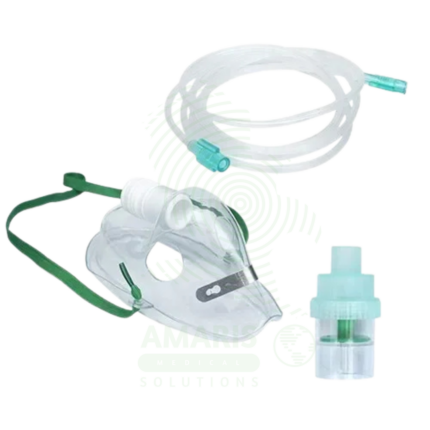
Adult & Pediatric Nebulizer Kit
An Adult & Pediatric Nebulizer Kit is a complete set of patient-contact components required for aerosol medication delivery, including a nebulizer cup, connecting tubing, and both an adult mouthpiece and a pediatric mask (or universal fit). Designed for use with a compressor, it provides the delivery circuit for treating asthma, COPD, and other respiratory conditions. Available in disposable (single-patient-use) formats for infection control in clinics or reusable formats for home care, its proper use, coupled with rigorous cleaning for reusable kits, is essential for effective therapy and preventing respiratory infections. The kit's universal connectors ensure compatibility with standard compressors.
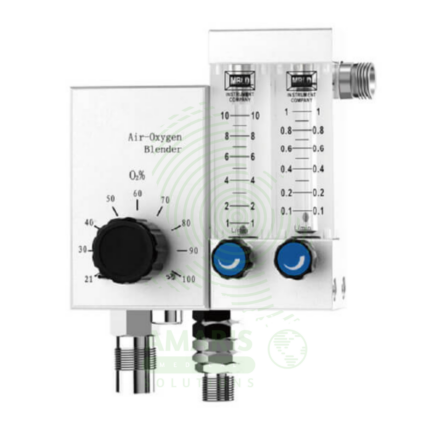
Air & Oxygen Blender
An Air & Oxygen Blender is a Class II medical device that precisely mixes compressed medical air and oxygen to deliver controlled fractions of inspired oxygen (FiO2 21-100%) to patients requiring respiratory support. Essential in neonatal, pediatric, and adult critical care, these devices ensure accurate oxygen delivery via ventilators, CPAP systems, oxygen hoods, incubators, and transport systems. Operating at 40-60 psi inlet pressure, they maintain set FiO2 within ±2-5% accuracy across varying flow demands (0-120 L/min). Gas-specific DISS or NIST fittings prevent dangerous cross-connection between oxygen and air supplies. Available in wall-mounted, rail-mounted, portable, and ventilator-integrated configurations. Primary clinical applications include neonatal intensive care (oxygen hoods, incubators, nasal CPAP), pediatric and adult mechanical ventilation, non-invasive ventilation, and critical care transport. Critical safety requirements include verification of correct gas connections, regular calibration, leak testing, and immediate response to gas supply failure alarms. Indispensable for preventing both hypoxemia and oxygen toxicity (particularly retinopathy of prematurity in neonates) in patients requiring precise oxygen therapy.
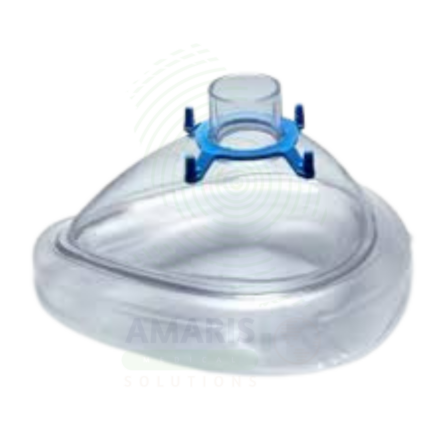
Anaesthetic Mask PVC
An Anaesthetic Mask PVC is a disposable, single-use mask designed for delivery of anesthetic gases, oxygen, and manual ventilation during anesthesia, resuscitation, and transport. With anatomical contour and soft cushion for patient comfort, it provides a reliable seal for effective gas delivery. Essential for operating rooms, emergency departments, and pre-hospital settings, it is a fundamental component of airway management.
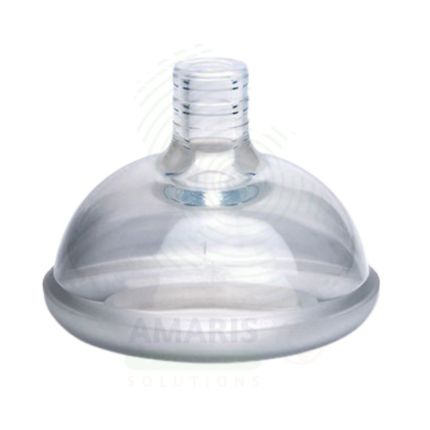
Anaesthetic Mask Silicone Round Type
An Anaesthetic Mask Silicone Round Type is a reusable, round-shaped silicone mask designed for delivery of anesthetic gases, oxygen, and manual ventilation during anesthesia and emergency care. The soft silicone material provides excellent patient comfort and a reliable seal, while the durable construction allows for repeated sterilization and reuse. Essential for operating rooms, emergency departments, and ICUs, it offers a cost-effective, comfortable option for airway management.
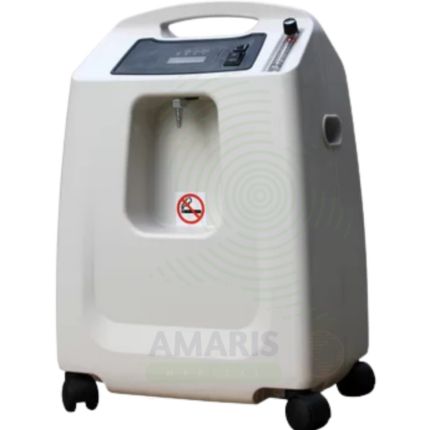
Apicalmed Oxygen Generation System
The Apicalmed Oxygen Generation System is an on-site medical oxygen production system using pressure swing adsorption technology to generate 93-95% pure oxygen from ambient air. Designed for hospitals, clinics, and long-term care facilities, it provides a reliable, cost-effective alternative to cylinder oxygen delivery. With continuous oxygen supply for critical care units, respiratory therapy, and emergency departments, it ensures uninterrupted oxygen availability while reducing supply chain dependency and operational costs.
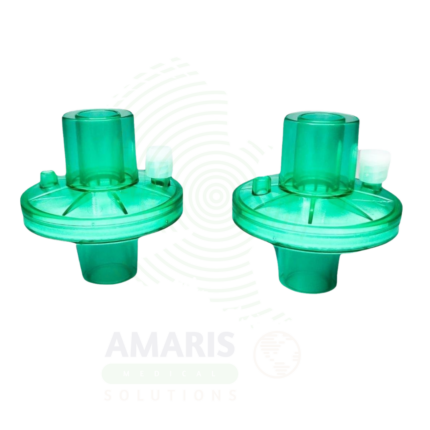
Bacterial Filters
Bacterial Filters are single-use, high-efficiency filters used in mechanical ventilation and anesthesia circuits to remove bacteria and viruses from inspired and expired gases. Protecting patients, equipment, and staff from cross-contamination, they are essential for infection control in intensive care units, operating rooms, and during patient transport. Critical for immunocompromised patients and infection prevention protocols.
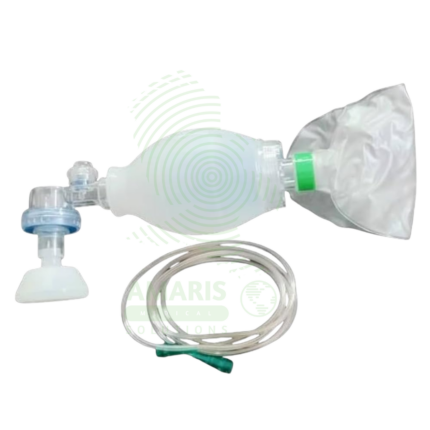
Breath Resuscitation Bag
A Breath Resuscitation Bag (manual resuscitator, bag-valve-mask) is a Class II medical device used to deliver positive-pressure ventilation to patients in respiratory arrest, cardiac arrest, or respiratory failure. Available in adult (1,500-2,000 mL), pediatric (450-750 mL), and infant/neonatal (200-350 mL) sizes with self-inflating silicone or PVC bags, one-way non-rebreathing valves, transparent cushioned masks, and oxygen reservoirs for high FiO2 delivery (90-100% with reservoir). Oxygen inlet allows connection to flow meter (10-15 L/min recommended). Pediatric/neonatal models include pressure-limiting valves (35-45 cmH2O) to prevent barotrauma. Essential for CPR (AHA guidelines: adult 10-12 breaths/min, child 12-20, infant 20-30), preoxygenation before intubation, transport ventilation, and recovery from anesthesia. Critical safety considerations include avoiding excessive ventilation pressure (prevents gastric insufflation), maintaining proper mask seal, monitoring chest rise, and having backup equipment readily available. Indispensable emergency airway equipment in hospitals, ambulances, crash carts, and emergency response kits worldwide.
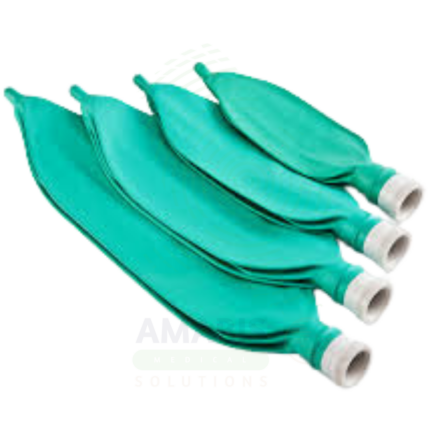
Breathing Bag
A Breathing Bag is a flexible reservoir bag used for manual ventilation and gas reservoir during anesthesia induction, maintenance, and resuscitation. Providing tactile feedback on lung compliance, it allows clinicians to assess respiratory status and deliver controlled manual ventilation. Available in various sizes for all patient populations, it is essential equipment in operating rooms, emergency departments, and critical care settings.
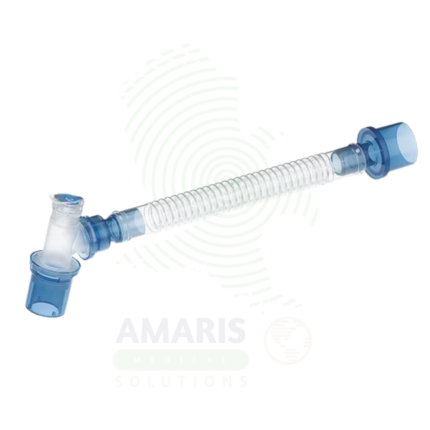
Catheter Mount
A Catheter Mount is a flexible, extensible connector between the breathing circuit and endotracheal tube, tracheostomy tube, or laryngeal mask airway. It absorbs movement and tension during patient positioning and surgery, reducing the risk of airway device displacement. Integrated sampling ports allow continuous gas monitoring, while flexible design accommodates patient movement without compromising ventilation.
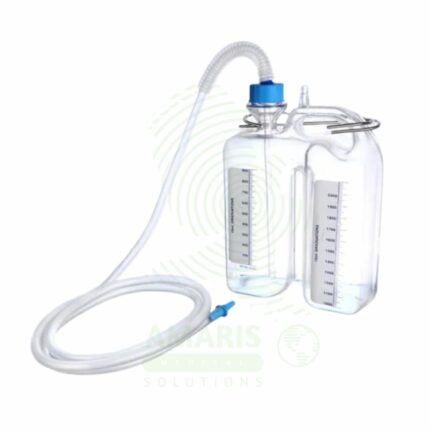
Chest Bottle
A Chest Bottle (Underwater Seal Drainage System) is a three-chamber disposable device used to drain air and fluid from the pleural space via a chest tube. Its critical component is a water seal chamber that acts as a one-way valve, preventing air from re-entering the chest while allowing drainage. It is used to treat pneumothorax, hemothorax, and pleural effusions, and is mandatory post-thoracic surgery. The system must always be kept upright and below the patient's chest level. It provides essential clinical information through tidaling in the water seal (indicating tube patency and lung expansion) and bubbling (indicating an air leak), making it both a therapeutic and diagnostic tool.
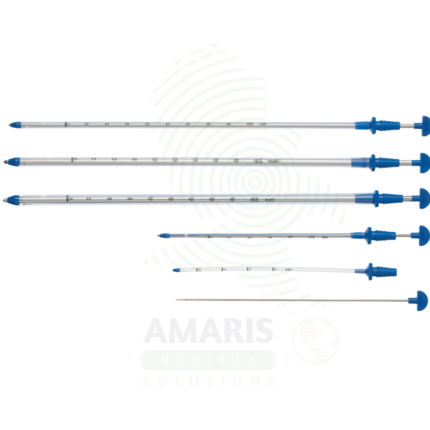
Chest Drainage Tubes with Trocar
Chest Drainage Tubes with Trocar are sharp-tipped thoracostomy tubes designed for rapid insertion into the pleural space to drain air, blood, or fluid in emergency and surgical settings. Used for tension pneumothorax, hemothorax, pleural effusion, empyema, and post-operative drainage, they provide immediate decompression and continuous drainage. Essential for trauma, thoracic surgery, and critical care.
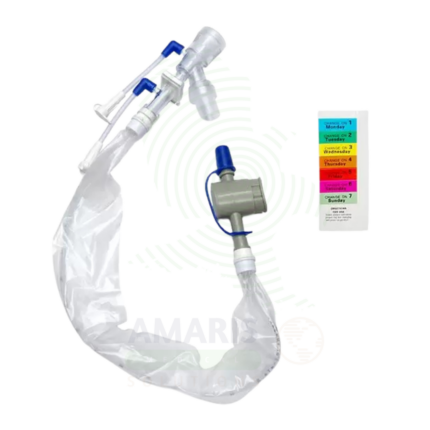
Closed Suction Catheter
A Closed Suction Catheter is an in-line suction system that allows airway clearance without disconnecting the ventilator, maintaining continuous PEEP and ventilation during suctioning. The closed design reduces the risk of ventilator-associated pneumonia and prevents oxygen desaturation. Essential for intensive care units, operating rooms, and home ventilation, it provides safer, more effective secretion management for intubated patients.
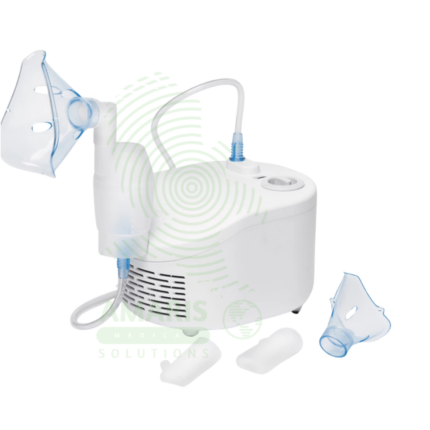
Compressor Nebulizer Machine
A Compressor Nebulizer Machine is a pneumatic device that transforms liquid medication into a breathable mist for treating respiratory conditions. Consisting of an electric air compressor, a nebulizer cup, tubing, and a mask or mouthpiece, it is particularly effective for infants, children, and patients with severe asthma, COPD, or cystic fibrosis who require reliable aerosol delivery. While offering robust performance for home and clinical use, its safety and efficacy depend critically on proper cleaning to prevent infection, correct assembly, and the use of prescribed nebulizer-compatible medications. It remains a fundamental tool for both acute intervention and chronic management of pulmonary diseases.
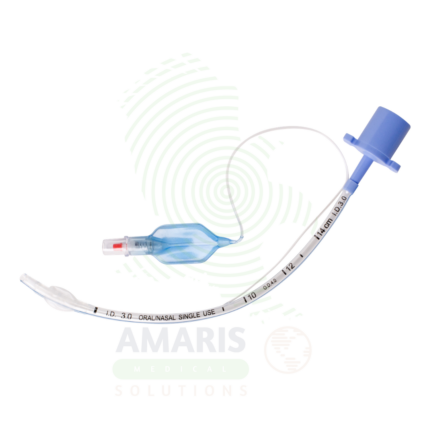
Cuffed Endotracheal Tubes
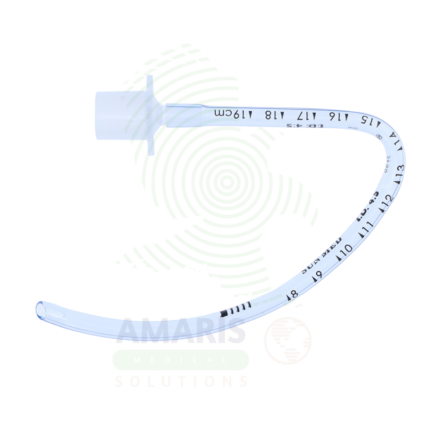
Cuffed Endotracheal Tubes are flexible airway devices with an inflatable cuff designed for secure airway management during positive pressure ventilation and aspiration prevention. The high-volume, low-pressure cuff creates a seal within the trachea, preventing air leakage and aspiration of gastric contents. Essential for anesthesia, intensive care, and emergency medicine, they provide reliable airway protection for patients requiring mechanical ventilation.
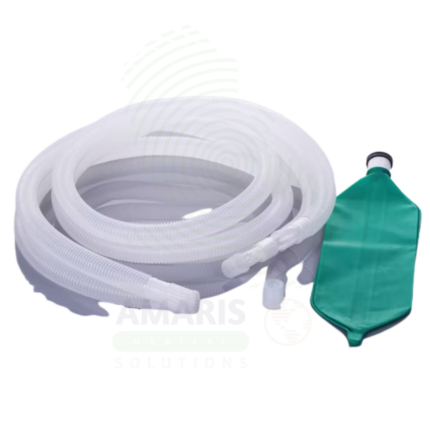
Disposable Breathing Circuit Extendable
A Disposable Breathing Circuit Extendable is a single-use, extended-length circuit designed for remote patient positioning during MRI, interventional radiology, and complex procedures where the anesthesia machine must be placed away from the patient. Modular extension capability allows customizable length, while single-use design ensures infection control. Essential for MRI suites, interventional radiology, and long-distance patient transport.
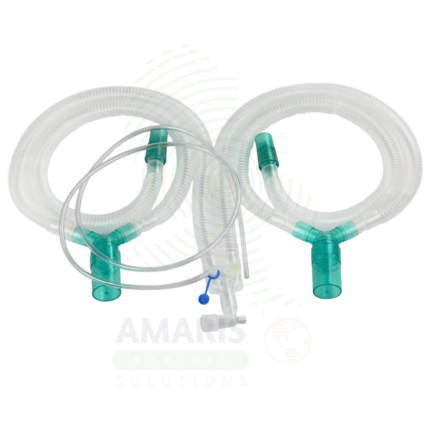
Disposable Breathing Circuit Reinforced
A Disposable Breathing Circuit Reinforced is a single-use, kink-resistant circuit for delivering anesthetic gases and oxygen during anesthesia and mechanical ventilation. The reinforced construction maintains patency during complex patient positioning, while single-use design eliminates cross-contamination risk. Essential for operating rooms, ICUs, and procedures requiring non-standard patient positioning.
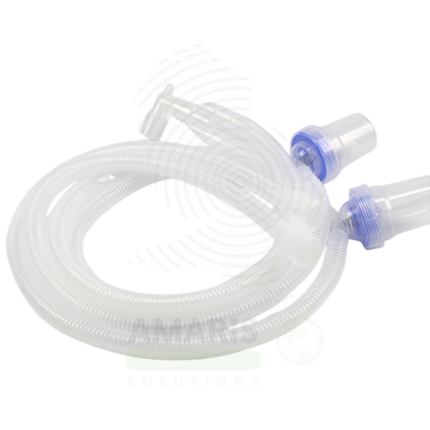
Disposable Breathing Circuit Reinforced with Water Traps
A Disposable Breathing Circuit Reinforced with Water Traps is a single-use, kink-resistant circuit with integrated condensation management for delivering anesthetic gases during anesthesia and mechanical ventilation. The reinforced construction maintains patency during complex patient positioning, while built-in water traps prevent condensate from reaching the patient or equipment. Essential for operating rooms, ICUs, and procedures requiring non-standard patient positioning.
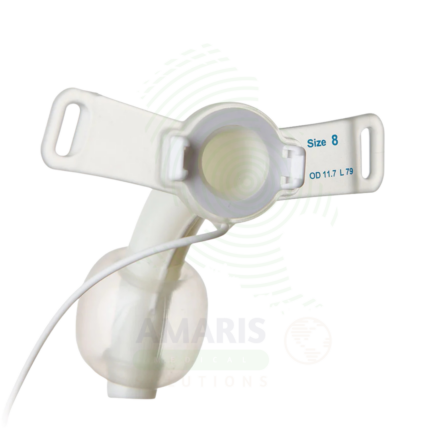
Double Barrel Tracheostomy Tubes Cuffed
Double Barrel Tracheostomy Tubes Cuffed are dual-lumen tracheostomy tubes designed for complex airway management, allowing simultaneous ventilation and airway access through separate channels. The dual cuffs provide independent sealing for each lumen, enabling continuous ventilation during suctioning, bronchoscopy, or medication delivery. Essential for intensive care, thoracic surgery, and patients requiring frequent airway interventions, they provide uninterrupted respiratory support while maintaining airway access.
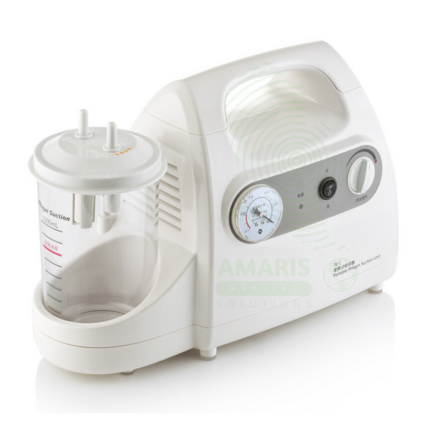
Electric Suction Machine
An Electric Suction Machine is a portable, electrically-powered medical device that generates vacuum pressure to remove fluids and secretions from a patient's airway, surgical site, or wound. It is a critical tool for maintaining a patent airway in emergency, surgical, post-operative, and chronic home care settings. The unit consists of a vacuum pump, a disposable collection canister with overflow protection, connecting tubing, and patient-end accessories. Key performance features include adjustable suction pressure, adequate airflow, and often battery backup for reliability. Strict adherence to pressure settings, suction duration, and single-use disposable components is essential for patient safety and infection control.
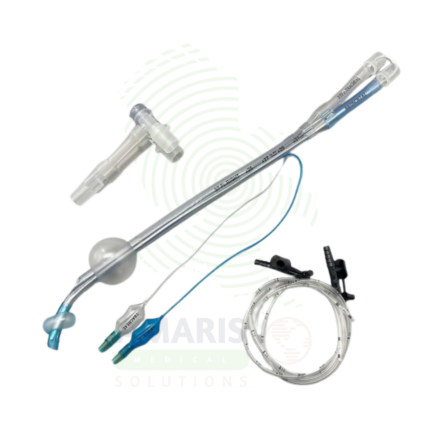
Endobronchial Tubes
Endobronchial Tubes are specialized double-lumen endotracheal tubes designed for selective lung ventilation and isolation during thoracic surgery, management of massive hemoptysis, and bronchopleural fistulas. The dual-lumen design allows independent ventilation of each lung, enabling surgical access, infection control, and airway protection. Essential for thoracic surgery, anesthesiology, and critical care, they provide safe, effective single-lung ventilation with proper placement confirmed by fiberoptic bronchoscopy.
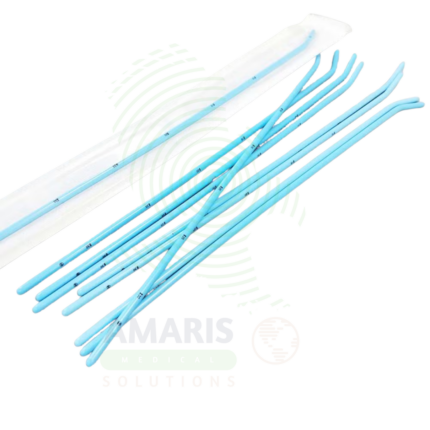
Endotracheal Tube Introducer ( Bougie)
An Endotracheal Tube Introducer (Bougie) is a semi-rigid, flexible guide used to facilitate endotracheal intubation in difficult airway scenarios. Providing tactile feedback through characteristic clicks as it passes over tracheal rings, it serves as a rescue device when direct laryngoscopy fails. Essential for anesthesia, emergency medicine, and critical care, it is a standard component of difficult airway management algorithms.
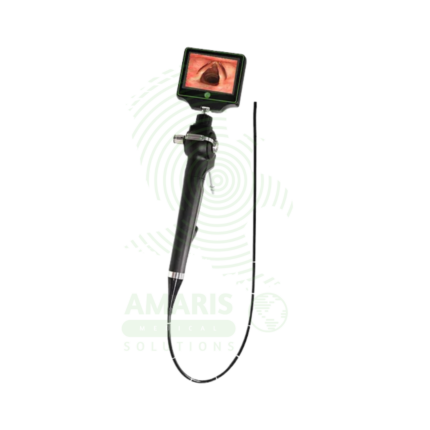
Flexible Fiber Optic Laryngoscope
A Flexible Fiber Optic Laryngoscope is a flexible endoscope (2-5 mm diameter, 30-60 cm working length) with fiber optic image transmission and steerable tip (120-180° angulation) for visualization of the upper airway and facilitation of difficult intubations. Features include control handle with angulation lever, working channel (1-2 mm) for suction or oxygen, external light source (halogen/xenon/LED), and optional camera for video display. Primary clinical applications include awake intubation in difficult airway management (limited mouth opening, cervical spine instability, obstructing pathology), nasotracheal intubation for oral surgery or maxillofacial trauma, intubation with cervical spine precautions (minimal neck movement), diagnostic airway assessment (stridor, hoarseness, vocal cord dysfunction, masses), double-lumen tube placement for thoracic surgery, pediatric difficult airway management, and tracheostomy tube placement guidance. Class II medical device requiring FDA clearance. Critical safety considerations include mandatory leak testing before immersion, antifog preparation, gentle insertion technique, airway maintenance with oxygen, topical anesthesia for patient comfort, suction availability, backup airway device, and strict infection control with validated reprocessing protocols.
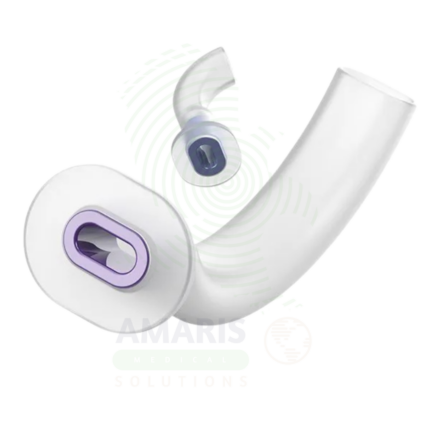
Guedel Airway
A Guedel Airway is a rigid, curved oral airway designed to maintain pharyngeal patency in unconscious patients by preventing the tongue from obstructing the airway. Used during anesthesia induction, bag-valve-mask ventilation, and post-operative recovery, it provides a patent channel for gas flow. Color-coded sizing allows rapid selection for patients from neonates to adults.
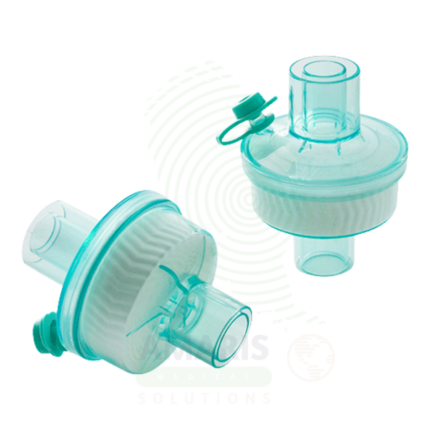
Heat & Moisture Exchanger Filter
A Heat & Moisture Exchanger Filter is a single-use device that captures the patient's own heat and moisture from exhaled breath during mechanical ventilation, returning it to the inspired gas to maintain airway humidity. It also provides high-efficiency bacterial and viral filtration, protecting the patient, circuit, and environment. Essential for short-term ventilation, transport, and anesthesia circuits, it simplifies circuit management while providing critical airway protection.
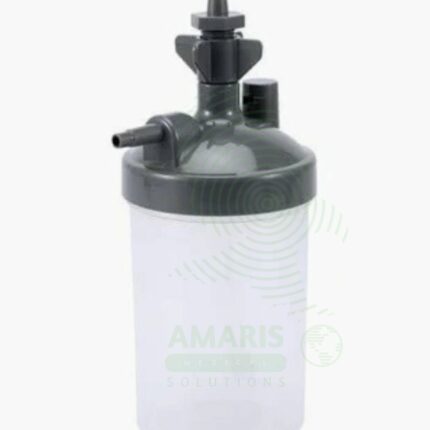
Humidifier Bottle
A Humidifier Bottle is a water reservoir device that adds moisture to dry medical oxygen before delivery to the patient. It attaches between the oxygen flow meter and the patient's oxygen delivery device, bubbling oxygen through sterile water to achieve relative humidity levels of 80-95%. Essential for patients receiving oxygen at flow rates above 4-6 liters per minute, it prevents drying of the nasal mucosa, pharynx, and lower airways, reducing discomfort and maintaining normal mucociliary clearance. Available in disposable sterile and reusable configurations, the bottle requires daily water changes with sterile water and proper positioning below the patient to prevent water carryover. Pressure relief valves protect against over-pressurization.
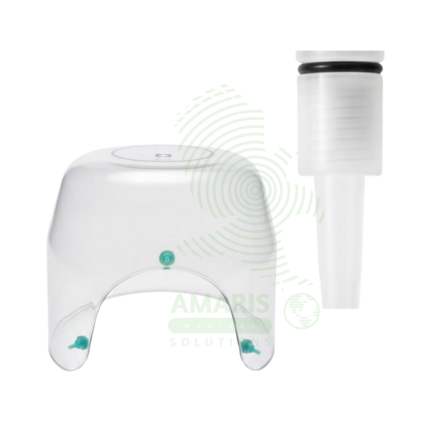
Infant Oxygen Hood
An Infant Oxygen Hood is a Class II medical device used to deliver controlled concentrations of supplemental oxygen to spontaneously breathing newborns and infants. Made of transparent medical-grade acrylic or polycarbonate, the hood fits over the infant's head with a soft foam or rubber neck seal, creating an oxygen-enriched environment while allowing easy access for monitoring and care. Available in premature/neonatal, infant, and older infant sizes with gas inlet ports (22 mm) for connection to air/oxygen blenders (FiO2 21-100%), access ports for monitoring leads and IV lines, and outlet vents to prevent CO2 accumulation. Requires minimum flow rate of 5 L/min to ensure adequate CO2 washout. Used with heated humidifiers for prolonged therapy to prevent airway drying. Primary clinical applications include management of respiratory distress syndrome (RDS) in premature infants, neonatal pneumonia, post-extubation oxygen support, congenital heart disease, and palliative care. Critical safety considerations include maintaining adequate flow rate to prevent rebreathing, monitoring FiO2 at hood level, ensuring proper neck seal without constriction, and preventing hyperoxia to reduce retinopathy of prematurity (ROP) risk. Essential equipment in NICUs and special care nurseries for controlled oxygen delivery to vulnerable infants.
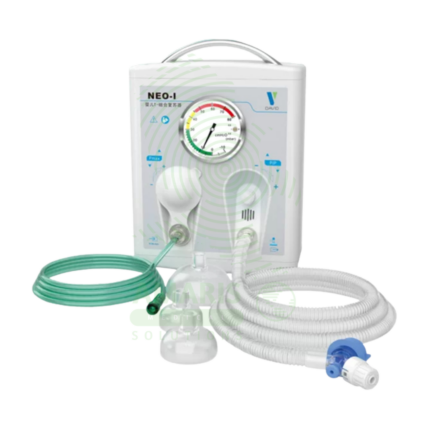
Infant T-Piece Resuscitator
An Infant T-piece Resuscitator is a Class II medical device designed for neonatal resuscitation and controlled positive pressure ventilation, delivering precise, consistent peak inspiratory pressures (PIP) and positive end-expiratory pressure (PEEP) as recommended by Neonatal Resuscitation Program (NRP) guidelines. The T-piece assembly connects to compressed air/oxygen source (5-15 L/min) with adjustable PIP (10-40 cmH₂O) and PEEP (0-10 cmH₂O) controls, built-in pressure manometer, and pressure relief valve (30-40 cmH₂O). Operator occludes port to deliver breaths (typically 40-60/min), with consistent pressures maintained regardless of technique. Essential advantages over bag-valve-mask devices include operator-independent pressure delivery, ability to provide PEEP (critical for preterm lung protection), reduced risk of barotrauma, and hands-free PEEP allowing two-handed mask seal. Primary clinical applications include delivery room resuscitation, stabilization of extremely preterm infants (<1,000 g), CPAP/PEEP delivery, meconium aspiration management, and neonatal transport ventilation. Critical safety considerations include verifying gas supply (5-15 L/min), monitoring manometer pressures, ensuring proper mask seal, observing chest rise, and titrating FiO2 to SpO2 targets. Indispensable resuscitation equipment in every delivery room, NICU, and neonatal transport setting worldwide.
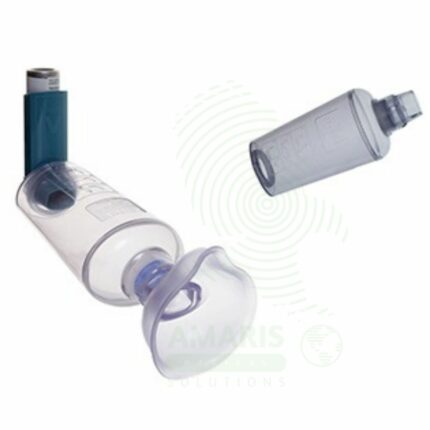
Inhaler Spacer with Child Mask
An Inhaler Spacer with Child Mask is a valved holding chamber designed to optimize aerosol medication delivery from metered-dose inhalers to infants and young children. The spacer captures the medication spray, allowing the child to inhale over multiple breaths, while the soft mask creates a seal over the nose and mouth. This improves pulmonary drug deposition, reduces oropharyngeal side effects, and eliminates the need for complex breath coordination. Essential for pediatric asthma management, the spacer enables effective inhaler use in children as young as infancy, supporting home management of reactive airway disease.
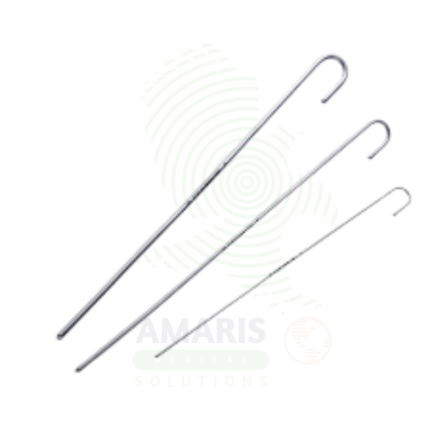
Intubating Stylet
An Intubating Stylet is a malleable or pre-shaped semi-rigid rod inserted into an endotracheal tube to provide shape, rigidity, and directional control for tracheal intubation, particularly in difficult airway management. The malleable metal core allows the clinician to bend the stylet-tube assembly into customized shapes (hockey stick, J-shape, or patient-specific curve) to navigate anatomical variations such as anterior larynx, large tongue, cervical spine immobility, or congenital abnormalities. For the anesthesiologist, intensivist, and emergency physician, the intubating stylet increases first-pass intubation success, reducing the risk of hypoxia, aspiration, and airway-related complications during emergency or surgical airway management. The smooth polymer coating reduces friction, while the atraumatic tip minimizes the risk of airway trauma during insertion. Available in various lengths (adult, pediatric, nasal) and diameters (5Fr to 15Fr) for different endotracheal tube sizes, with both single-use disposable and reusable sterilizable options, the intubating stylet is an essential component of difficult airway carts and standard airway management protocols.
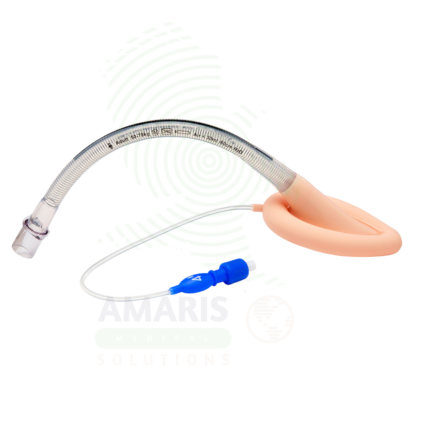
Laryngeal Mask Airway
A Laryngeal Mask Airway is a supraglottic airway device that sits above the laryngeal inlet, providing a patent airway without tracheal intubation. The inflatable cuff seals around the glottis, enabling positive pressure ventilation for short surgical procedures, difficult airway management, and emergency resuscitation. Essential for anesthesia, emergency medicine, and critical care, it offers a rapid, atraumatic airway option with reduced risk of post-operative throat discomfort.
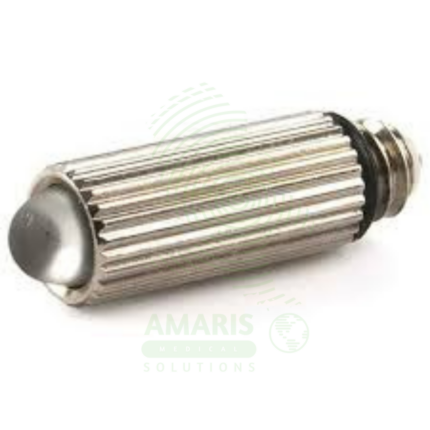
Macintosh Bulb Laryngoscope
A Macintosh Bulb Laryngoscope is a rigid laryngoscope with curved Macintosh blade (sizes 0-4, 70-160 mm) featuring a distal incandescent (xenon, krypton, halogen) or LED bulb at the blade tip for direct illumination during tracheal intubation. The curved blade design allows indirect epiglottis elevation by placing the tip in the vallecula, requiring less force and neck extension than straight blades. Features stainless steel reusable blades (or disposable plastic), ergonomic handles with knurled grip, ISO standard hook-on fittings, and autoclavable options. Light output 500-3,000 Lux depending on bulb type and battery condition. Primary clinical applications include routine and emergency tracheal intubation during general anesthesia, difficult airway management, cervical spine precautions (minimal neck movement), rapid sequence intubation, neonatal and pediatric intubation (sizes 0-2), teaching and training, and use in resource-limited settings. Class II medical device requiring FDA clearance. Critical safety considerations include pre-use light check (brightness, bulb security), appropriate blade size selection, proper lifting technique (not levering on teeth), battery verification, bulb obstruction risk from secretions, backup device availability, and infection control (sterilization or disposable blades).
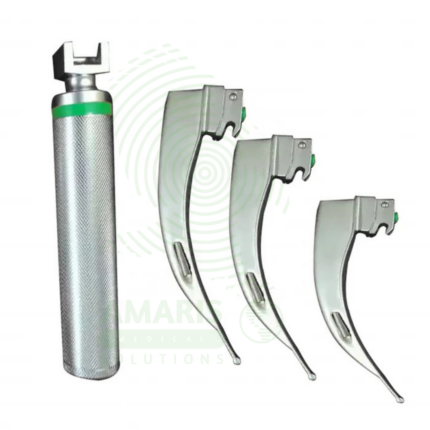
Macintosh Fiber Optic Laryngoscope
A Macintosh Fiber Optic Laryngoscope is a rigid laryngoscope with curved Macintosh blade (sizes 0-4, 70-160 mm) incorporating an integrated fiber optic light bundle that transmits bright, focused illumination (2,000-10,000+ Lux) from a handle-mounted LED or xenon bulb to the blade tip for enhanced visualization during tracheal intubation. The curved blade design allows indirect epiglottis elevation by placing the tip in the vallecula, requiring less force and neck extension than straight blades. Features stainless steel reusable blades, ergonomic handles with knurled grip, ISO standard hook-on fittings, and steam autoclave compatibility. Primary clinical applications include routine and emergency tracheal intubation during general anesthesia, difficult airway management with improved illumination, cervical spine precautions (minimal neck movement), teaching and training (enhanced visualization for instructors), rapid sequence intubation, neonatal and pediatric intubation (sizes 0-2), and oral/maxillofacial surgery. Class II medical device requiring FDA clearance. Critical safety considerations include pre-use light check (dark spots indicate broken fibers), appropriate blade size selection, proper lifting technique (not levering on teeth), battery verification, fiber optic care (avoid sharp bending), and backup device availability.
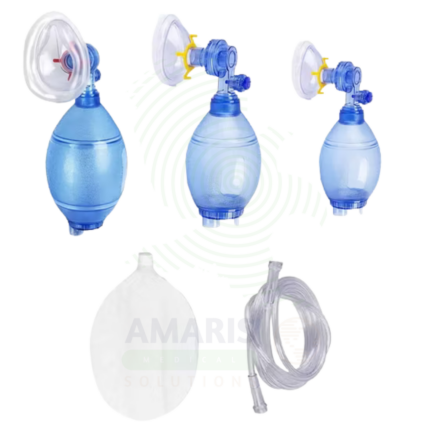
Manual Resuscitator Silicone Full Set
A Manual Resuscitator Silicone Full Set is a complete bag-valve-mask ventilation system for emergency manual ventilation. The silicone bag provides durable, autoclavable performance with excellent tactile feedback, while the oxygen reservoir enables high-concentration oxygen delivery. Available in adult, pediatric, and neonatal sizes with complete mask sets, it is essential equipment for crash carts, emergency departments, and pre-hospital care.
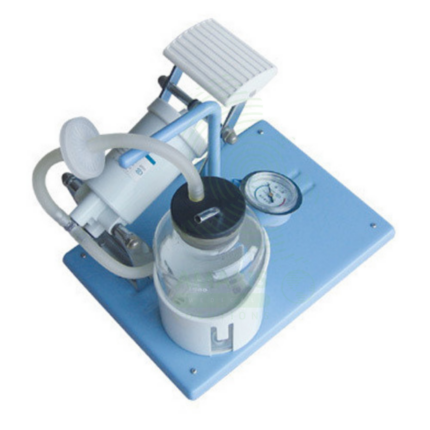
Manual Suction Machine
A Manual Suction Machine is a hand-powered medical device used to generate suction for emergency airway clearance and neonatal resuscitation. Functioning without electricity or batteries, it is the critical suction solution for pre-hospital care, field medicine, low-resource settings, and as a mandatory backup in all clinical environments. It typically consists of a collection canister, a manual pump (squeeze-bulb, lever, or syringe), and disposable patient tubing. While providing intermittent rather than continuous suction, its reliability, portability, and simplicity make it an indispensable first-response tool for removing airway obstructions and saving lives when power is not an option.
Miller Bulb Laryngoscope
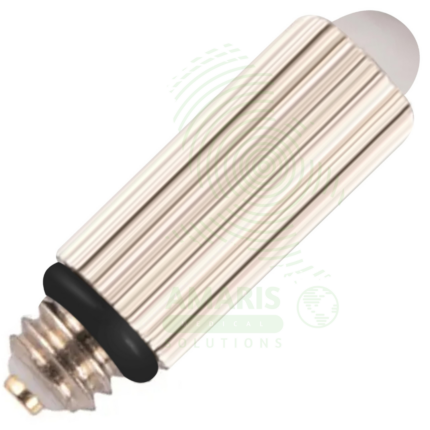
A Miller Bulb Laryngoscope is a rigid laryngoscope with straight Miller blade (sizes 0-4, 70-160 mm) featuring a distal incandescent (xenon, krypton, halogen) or LED bulb at the blade tip for direct illumination during tracheal intubation. The straight blade design allows direct elevation of the epiglottis rather than the indirect vallecula technique, making it the preferred choice for pediatric and neonatal intubation, patients with floppy or prominent epiglottis, and anterior airways requiring direct epiglottic control. Features stainless steel reusable blades (or disposable plastic), ergonomic handles with knurled grip, ISO standard hook-on fittings, and autoclavable options. Light output 500-3,000 Lux depending on bulb type and battery condition. Primary clinical applications include direct epiglottis elevation for tracheal intubation (especially pediatric and neonatal), patients with prominent or floppy epiglottis, anterior airway management, teaching and training (straight blade technique), neonatal resuscitation, and use in resource-limited settings. Class II medical device requiring FDA clearance. Critical safety considerations include pre-use light check (brightness, bulb security), appropriate blade size selection (especially critical in pediatrics), proper lifting technique (direct epiglottic lift, not levering on teeth), pediatric fragility awareness, bulb obstruction risk from secretions, battery verification, and backup device availability.
Miller Fiber Optic Laryngoscope
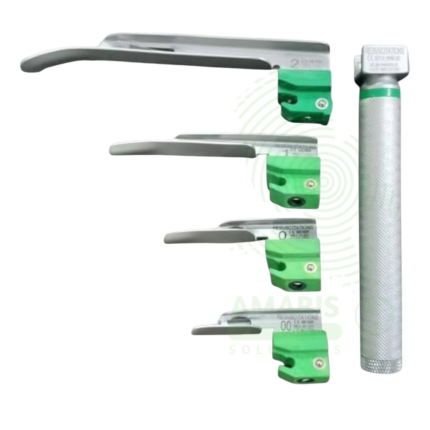
A Miller Fiber Optic Laryngoscope is a rigid laryngoscope with straight Miller blade (sizes 0-4, 70-160 mm) incorporating an integrated fiber optic light bundle that transmits bright, focused illumination (2,000-10,000+ Lux) from a handle-mounted LED or xenon bulb to the blade tip for enhanced visualization during tracheal intubation. The straight blade design allows direct elevation of the epiglottis rather than the indirect vallecula technique, making it particularly useful for pediatric/neonatal intubation, patients with floppy or prominent epiglottis, anterior airways, and difficult airways requiring direct epiglottic control. Features stainless steel reusable blades, ergonomic handles with knurled grip, ISO standard hook-on fittings, and steam autoclave compatibility. Primary clinical applications include direct epiglottis elevation for tracheal intubation (especially pediatric and neonatal), difficult airway management with fiber optic illumination, patients with prominent or floppy epiglottis, cervical spine precautions, anterior airway management, teaching and training (straight blade technique), and neonatal resuscitation. Class II medical device requiring FDA clearance. Critical safety considerations include pre-use light check (dark spots indicate broken fibers), appropriate blade size selection (especially critical in pediatrics), proper lifting technique (direct epiglottic lift, not levering on teeth), pediatric fragility awareness, battery verification, fiber optic care (avoid sharp bending), and backup device availability.
Mucus Extractor
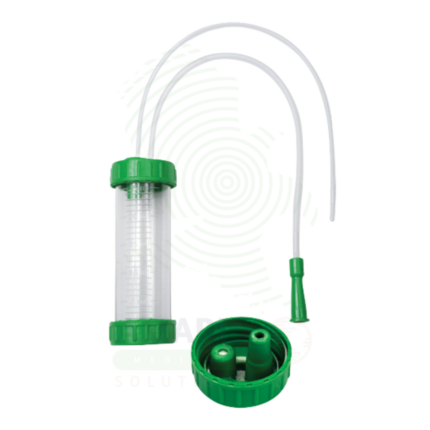
Mucus Extractors are sterile, single-use handheld suction devices designed for the rapid clearance of secretions from the oral cavity, pharynx, and trachea, with distinct configurations for neonatal and adult populations. Neonatal/infant extractors feature soft, flexible, small-diameter tips with low suction capacity (30-60 mL) to minimize trauma to delicate airways. Adult/universal extractors (Yank Auer) are rigid, large-bore, angled devices with multiple suction eyes and high-flow capacity (150-300 mL) for rapid clearance of blood, vomitus, and thick secretions. Select models incorporate sterile specimen traps for collection of respiratory secretions for microbiological analysis. Critical safety requirements include strict limitation of suction duration (≤10 seconds; ≤5 seconds in neonates), avoidance of excessive suction pressure (neonates ≤80 mmHg), use of non-traumatic multiple-eye tips for vulnerable patients, and absolute single-use protocol. An indispensable airway device in neonatal resuscitation, pediatric care, emergency medicine, and perioperative settings.
Nasal Oxygen Cannula – Double Eye
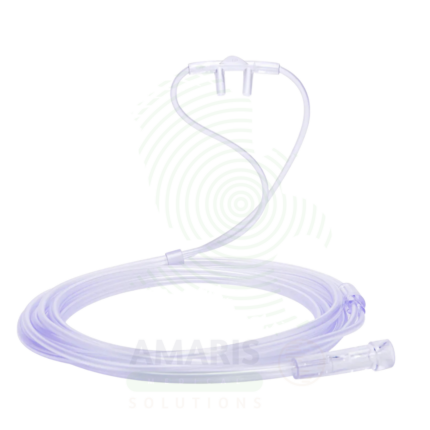
A Nasal Oxygen Cannula - Double Eye is a disposable, low-flow oxygen delivery device with two soft nasal prongs for delivering supplemental oxygen to patients requiring mild to moderate oxygen supplementation. Comfortable, lightweight, and non-invasive, it allows patients to eat, speak, and move freely during oxygen therapy. Adjustable tubing ensures a secure fit, while the open design permits simultaneous pulse oximetry monitoring.
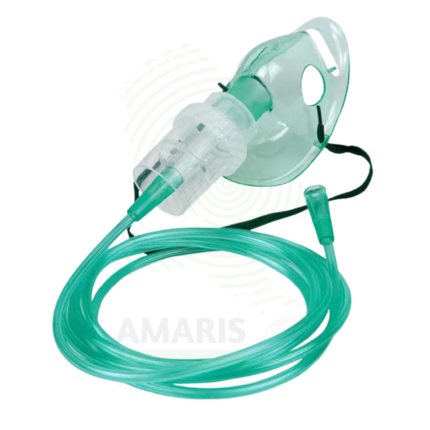
Nebulizer Mask
A Nebulizer Mask is a disposable interface for delivering aerosolized medications to patients with respiratory conditions. Designed for use with nebulizer systems, it allows passive inhalation of bronchodilators, corticosteroids, and other medications during normal breathing—making it ideal for children, elderly patients, and those unable to use inhalers. Essential for acute and chronic respiratory care.
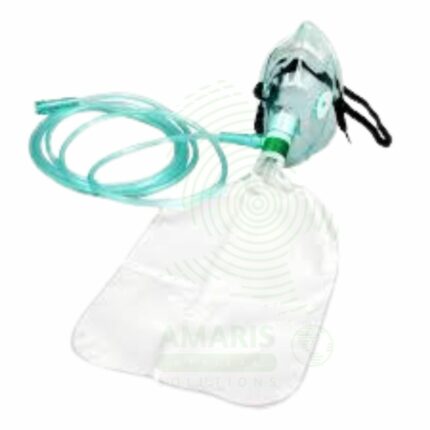
Non-Rebreathing Oxygen Mask
An Non-Rebreathing Oxygen Mask is a high-concentration oxygen delivery device designed for emergency use in critically hypoxic patients. It features a face mask with an attached reservoir bag and a system of one-way valves to prevent the rebreathing of exhaled carbon dioxide, allowing for the delivery of up to 95% FiO2. Its safe operation depends on a minimum oxygen flow of 10-15 L/min to keep the reservoir bag inflated. It is contraindicated where uncontrolled high-flow oxygen may be harmful (e.g., in some COPD patients) and carries a severe fire risk. It is a vital, immediate-intervention tool found in all emergency response settings.
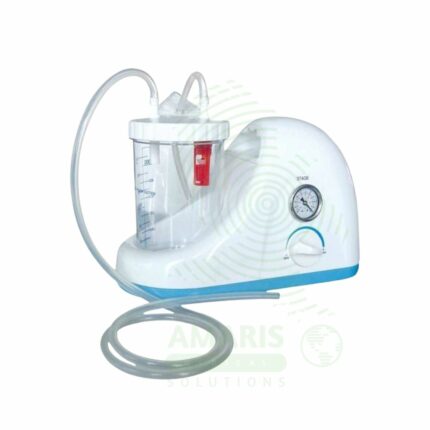
One Bottle Suction Machine
A One Bottle Suction Machine is a portable or mobile suction unit used for clearing airway secretions in patients who cannot clear their own airway. It consists of a vacuum pump, collection bottle with overflow protection, and suction tubing with catheters or Yankauer tips. Used in hospitals, ICUs, post-anesthesia care units, and home healthcare settings, it provides controlled negative pressure for oral, pharyngeal, endotracheal, and tracheostomy suctioning. Proper pressure settings, patient monitoring, and bottle management are essential for safe and effective use.
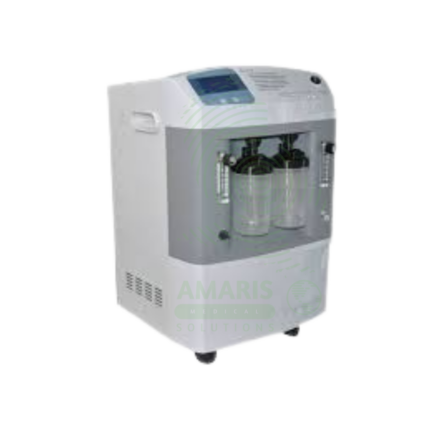
Oxygen Concentrator
An Oxygen Concentrator is a Class II medical device that delivers 90-95% pure supplemental oxygen to patients with chronic hypoxemia using pressure swing adsorption (PSA) technology to concentrate oxygen from room air. Available as stationary/home units (10-30 kg, 0.5-10 L/min continuous flow) for long-term oxygen therapy (LTOT) and portable/ambulatory units (1-10 kg, 0.5-3 L/min pulse-dose or continuous flow) for active patients requiring mobility. Features include oxygen purity monitoring with alarms, digital flow control, hour meters, washable filters, and (for portable units) rechargeable batteries, FAA approval for travel, and pulse-dose delivery to conserve oxygen. Primary clinical indications include COPD, pulmonary fibrosis, cystic fibrosis, and other chronic respiratory conditions with resting, exertional, or nocturnal hypoxemia (PaO2 ≤55 mmHg or SpO2 ≤88%). Essential for home-based oxygen therapy, enabling patients to maintain independence, reduce hospitalizations, and improve quality of life. Critical safety precautions include NO SMOKING in the oxygen environment, keeping away from heat sources and open flames, proper electrical safety, regular filter cleaning, and having backup oxygen for power outages.
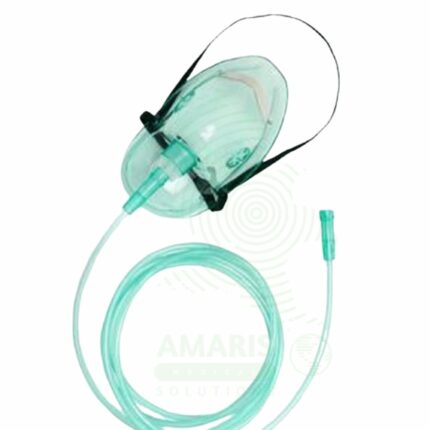
Oxygen Mask (Adult/Infant/Paediatric)
An Oxygen Mask is a disposable, single-use interface used to deliver supplemental oxygen from a medical gas supply to a patient's airways. Available in types for specific clinical needs—Simple Mask for low-flow therapy, Venturi Mask for precise FiO2 control (especially in COPD), and Non-Rebreather Mask for emergency high-flow delivery—and in sizes for adults, children, and infants. Correct selection and application, including ensuring the proper oxygen flow rate for the mask type, are essential for effective therapy and patient safety. Adherence to strict fire safety protocols is non-negotiable due to the combustion risk posed by enriched oxygen environments.
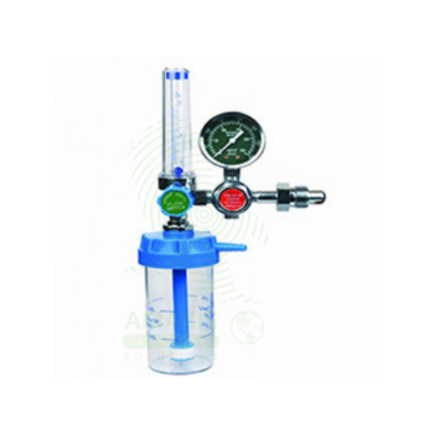
Oxygen Regulator Set
An Oxygen Regulator Set is a critical pressure control device that attaches to a medical oxygen cylinder, reducing its extremely high internal pressure to a safe, usable level and providing precise control over the flow rate delivered to the patient. Consisting of a pin-indexed yoke, high-pressure gauge, adjustable flowmeter, and safety outlet, it is the essential interface for safe oxygen delivery from cylinders in emergencies, during transport, and in home care. Its safe operation hinges on absolute adherence to oil-free handling procedures, correct connection techniques, and regular inspection for leaks or damage to prevent catastrophic oxygen-fuelled fires or equipment failure.
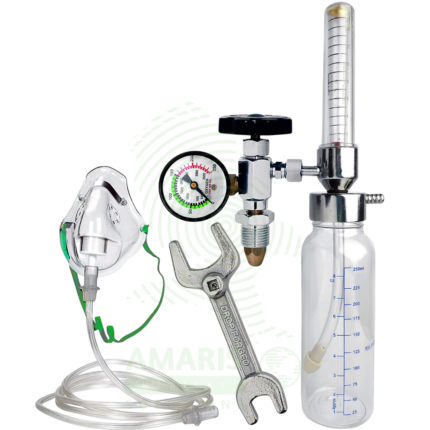
Oxygen set (gauge, humidifier, flow meter)
An Oxygen Set consists of a pressure gauge, flow meter, and humidifier that together regulate, monitor, and humidify oxygen delivered to a patient. The pressure gauge indicates cylinder contents, the flow meter controls delivery rate in liters per minute, and the humidifier adds moisture to dry medical oxygen to prevent airway irritation. Used with wall outlets or portable cylinders, this equipment is essential for all oxygen therapy delivery. Safe operation requires strict adherence to no-oil, no-smoking policies, regular monitoring of water levels and cylinder pressure, and proper orientation of the flow meter for accurate delivery.
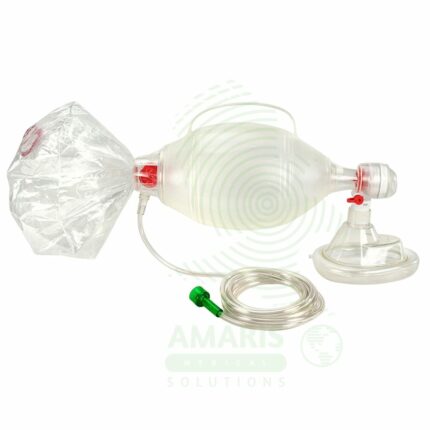
Paediatric & Adult Silicon Ambubags
A Paediatric & Adult Silicon Ambubags are self-inflating manual resuscitators used for positive pressure ventilation in patients with respiratory failure or cardiac arrest. Available in adult, paediatric, and infant sizes, they deliver controlled tidal volumes appropriate for patient age. The durable silicone construction allows for repeated cleaning and autoclaving in reusable models, while the self-inflating design enables operation without an external gas source. Oxygen reservoirs allow delivery of up to 95% FiO₂. Essential equipment in all emergency response settings, the ambubag provides immediate ventilatory support during resuscitation, transport, and airway management procedures.
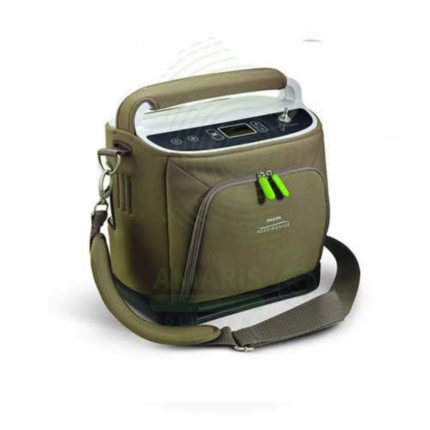
Portable Oxygen Concentrator
A Portable Oxygen Concentrator (POC) is a lightweight, battery-powered device that delivers oxygen via pulse dose technology, enabling active, mobile lifestyles for patients with chronic lung disease. By providing oxygen on-demand with each breath, it maximizes battery efficiency and portability, allowing users to travel, exercise, and socialize freely. It is a prescription-only device that requires careful titration to match a patient's needs during activity and is not a substitute for a stationary concentrator used at home and during sleep. Key considerations include FAA approval for air travel, battery life management, and understanding its specific use case as an ambulatory aid, not a primary oxygen source.
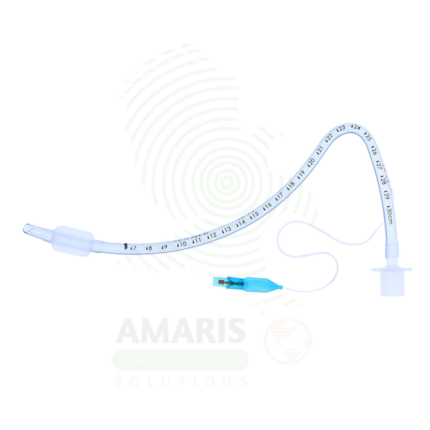
Preformed Nasal ET Tubes Cuffed
Preformed Nasal ET Tubes Cuffed are anatomically shaped endotracheal tubes designed for nasal intubation with aspiration protection during oral and maxillofacial surgery, orthognathic surgery, and facial trauma repair. The preformed curvature allows unobstructed access to the oral cavity while the inflatable cuff provides a sealed airway, preventing aspiration of blood and secretions. Essential for adult patients undergoing complex facial procedures requiring nasal intubation.
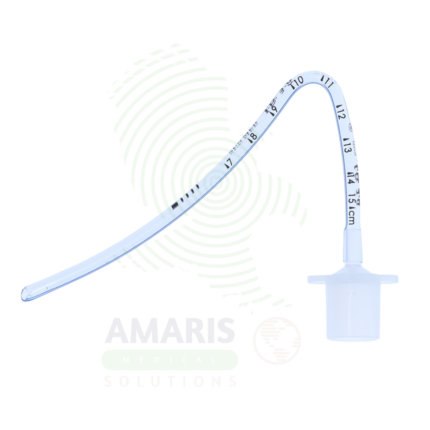
Preformed Nasal ET Tubes Uncuffed
Preformed Nasal ET Tubes Uncuffed are anatomically shaped endotracheal tubes designed for nasal intubation during oral and maxillofacial surgery, cleft lip and palate repair, and dental procedures. The preformed curvature allows smooth passage through the nasal cavity while positioning the external portion away from the surgical field. The uncuffed design eliminates cuff-related complications in pediatric patients, making them essential for airway management in children and for procedures requiring unobstructed oral access.