Dermatoscope and Magnifiers
 Diagnostic Kits
 Vital Signs Monitors
 Stethoscopes and Accessories
 Otoscopes, Ophthalmoscopes, and Retinoscopes
 Reflex Hammers and Neurological Tools
 Scales and Measuring Devices
 Spirometers and Pulmonary Function Tests
 Electrosurgical Units and Accessories
 Cutting Instruments
 Grasping and Holding Instruments
 Hemostatic Instruments
 Specialized Surgical Sets
 Single-Use Procedure Trays and Packs
 Surgical Drapes, Gowns, and Covers
 Tissue Unifying Instruments
 Radiation Protection
 X-Ray Machines and Accessories
 Ultrasound Systems and Probes
 MRI and CT Scanners
 Radiology Consumables
 Bone Densitometers
 Fluoroscopy Equipment
 Imaging Tables and Positioning Aids
 Microscopes and Accessories
 Centrifuges and Separators
 Analyzers
 Incubators and Ovens
 Pipettes, Dispensers, and Lab Glassware
 Refrigerators, Freezers, and Storage Units
 Lab Consumables
 Sterilizers and Autoclaves for Lab Use
 Multi-Parameter Monitors
 Ventilators and Respiratory Support Devices
 Defibrillators and AEDs
 Infusion Pumps and IV Systems
 Patient Warmers and Cooling Devices
 Central Monitoring Stations
 Accessories
 Anesthesia Machines and Workstations
 Oxygen Concentrators and Delivery Systems
 Nebulizers and Inhalers
 CPAP/BiPAP Machines
 Airway Management
 Anesthesia Masks, Circuits, and Bags
 Humidifiers and Heaters
 Respiratory Therapy Accessories
 First Aid Kits and Cabinets
 Emergency Resuscitation Equipment
 Trauma Supplies
 Emergency Carts and Crash Carts
 Burn Care Products
 Bleeding Control
 Automated External Defibrillators (AEDs)
 Transport and Evacuation
 Wheelchairs and Accessories
 Walkers, Crutches, and Canes
 Prosthetics and Orthotics
 Physical Therapy Equipment
 Transfer Devices
 Bathroom Safety
 Orthopedic Traction and Tables
 Hot/Cold Therapy Packs and Units
 Beds and Mattresses
 Chairs and Stools
 Tables
 Cabinets and Storage
 Privacy Screens & Curtains
 Stands and Racks
 Linens and Textiles
 Lighting
 Autoclaves and Sterilizers
 Ultrasonic Cleaners
 Disinfectant Solutions and Wipes
 Sterilization Pouches, Wraps, and Indicators
 Instrument Trays and Containers
 UV and Ozone Disinfection Devices
 Washer Disinfectors
 Wound Care
 Gloves
 Masks and Respirators
 Catheters and Tubing
 Swabs, Applicators, and Sponges
 Incontinence Products
 Personal Protective Equipment (PPE)
 Dental Chairs and Units
 Handpieces and Burs
 Instruments
 Consumables
 Sterilization for Dental Use
 Orthodontic Supplies
 Endodontic Tools
 Slit Lamps and Tonometers
 Lensometers and Phoropters
 Ophthalmic Surgical Instruments
 Eyewear Frames and Lenses
 Contact Lens Supplies
 Vision Testing Charts and Devices
 Eye Care Consumables
 Laser Systems for Eye Care
 ENT Exam Chairs and Tables
 Endoscopes
 Audiometers and Hearing Tests
 ENT Instruments
 Nasal and Throat Packs
 Hearing Aids and Accessories
 Otology Supplies
 Fetal Dopplers and Monitors
 Delivery Beds and Tables
 Gynecological Instruments
 Neonatal Incubators and Warmers
 Breast Pumps and Accessories
 Contraceptive Devices
 Maternity Supports and Pads
 Neonatal Consumables
 Cystoscopes and Urethroscopes
 Dialysis Machines and Supplies
 Urological Catheters and Bags
 Lithotripters
 Prostate Treatment Devices
 Urinary Incontinence Products
 Kidney Stone Management Tools
 Consumables & Disposables
 EEG and EMG Machines
 Neurosurgical Instruments
 Nerve Stimulators
 Headrests and Positioning Aids
 Lumbar Puncture Kits
 Seizure Monitoring Devices
 Consumables
 Rehabilitation for Neurological Conditions
 ECG Machines and Accessories
 Holter Monitors
 Stress Test Systems
 Pacemakers and Defibrillator Accessories
 Vascular Access Devices
 Cardiac Catheters and Guidewires
 Blood Flow Meters
 Consumables
 Orthopedic Instruments
 Casts, Splints, and Padding
 Joint Replacement Supplies
 Prosthetic Limbs and Components
 Bone Grafts and Substitutes
 Traction Devices
 Orthopedic Braces and Supports
 Rehabilitation Aids for Orthopedics
 Home Oxygen Therapy
 Hospital Beds for Home Use
 Mobility Aids
 Bathroom and Daily Living Aids
 Wound Care for Home
 Monitoring Devices
 Enteral Feeding Pumps and Tubes
 Hand Sanitizers and Dispensers
 Face Shields and Goggles
 Isolation Gowns and Suits
 Biohazard Waste Containers
 Air Purifiers and HEPA Filters
 Surface Disinfectants
 Sharps Containers
 Protective Barriers
 Cardiovascular & Endurance Training
 Strength Training & Weightlifting
 Functional Training & Core Conditioning
 Physical Therapy & Rehabilitation
 Sports & Outdoor Recreation
 Gym Flooring & Facility Equipment
 Fitness Monitoring & Accessories
 Kids & Novelties










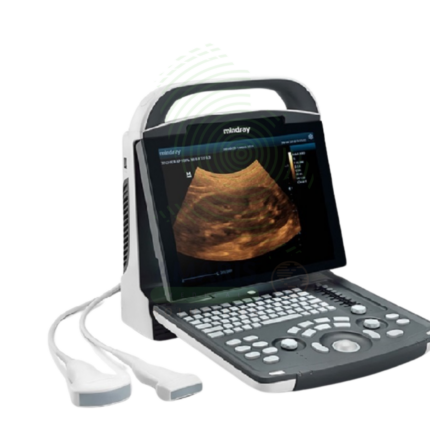
B/W Ultrasound Imaging System
A B/W Ultrasound Imaging System is a diagnostic imaging device that uses high-frequency sound waves to produce real-time grayscale images of soft tissue structures, organs, and blood vessels. Providing non-invasive, radiation-free imaging, it is essential for abdominal, obstetric, gynecologic, vascular, and musculoskeletal applications. With Doppler capabilities, it evaluates blood flow velocity and direction. Used in radiology, obstetrics, emergency medicine, and primary care, it provides immediate diagnostic information at the point of care.
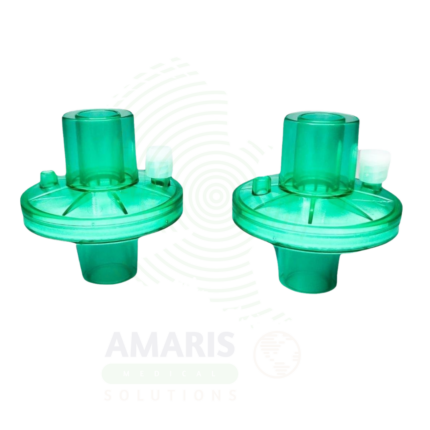
Bacterial Filters
Bacterial Filters are single-use, high-efficiency filters used in mechanical ventilation and anesthesia circuits to remove bacteria and viruses from inspired and expired gases. Protecting patients, equipment, and staff from cross-contamination, they are essential for infection control in intensive care units, operating rooms, and during patient transport. Critical for immunocompromised patients and infection prevention protocols.
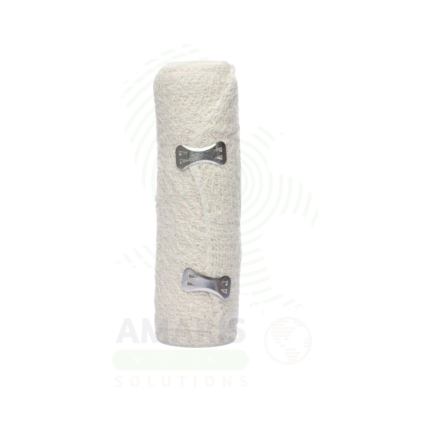
Bandages (Crepe, Elastic, Gauze)
Bandages (Crepe, Elastic, Gauze) are flexible, single-use or limited-use medical textiles designed for wound dressing retention, compression therapy, and joint support. Crepe bandages are woven cotton fabric with light-to-medium elasticity for securing dressings and mild support. Elastic bandages contain high-stretch synthetic fibers providing sustained, adjustable compression for venous ulcers, edema, and acute soft tissue injuries—clinically proven superior to compression stockings for post-surgical venous ulcer healing. Gauze bandages are highly absorbent, non-elastic cotton or non-woven rolls for dressing securement and wound packing. Selection is determined by required compression level, anatomical site, and clinical indication. Critical safety principles include avoiding over-tightening (one-finger rule), never applying directly to open wounds, assessing distal neurovascular status, and adherence to contraindications including significant arterial disease.
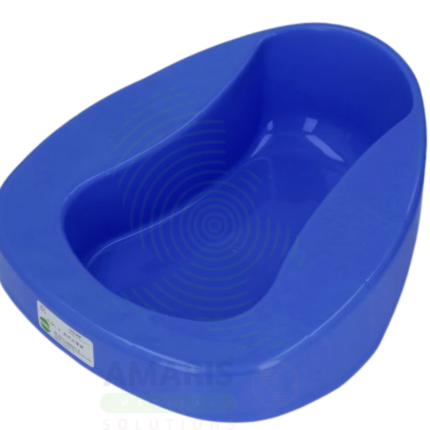
Bed Pans
Bed Pans are portable receptacles designed for the collection of urine and feces from patients confined to bed or unable to use a traditional toilet due to illness, surgery, injury, or disability. Available in standard and fracture (low-profile) configurations, and in reusable (stainless steel, medical-grade plastic) or disposable (rigid plastic, pulp/paper) formats. Fracture pans feature a tapered, flat front that minimizes hip flexion—essential for patients with hip fractures, hip replacements, and lower extremity immobilization. Bariatric variants support patients up to 1200 lbs (544 kg). Critical safety principles include strict pressure injury prevention (minimize time on pan, never drag patient), proper positioning technique to avoid skin shearing, and adherence to weight capacity ratings. An indispensable patient care device in hospitals, surgical units, long-term care facilities, and home healthcare settings.
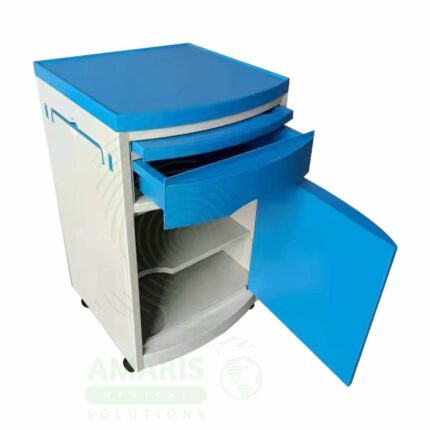
Bedside Cabinet
A Bedside Cabinet is a lockable storage unit designed for placement next to a hospital bed. It provides patients with secure storage for personal belongings and offers organized space for their clinical supplies. Typically featuring a laminate top surface, drawers, and a lockable cupboard, it serves to personalize the patient's space, enhance security, and maintain tidiness in the clinical environment. Its easy-to-clean surfaces are crucial for infection control, requiring thorough disinfection between patient uses. It is a standard and essential furnishing in inpatient hospital rooms.
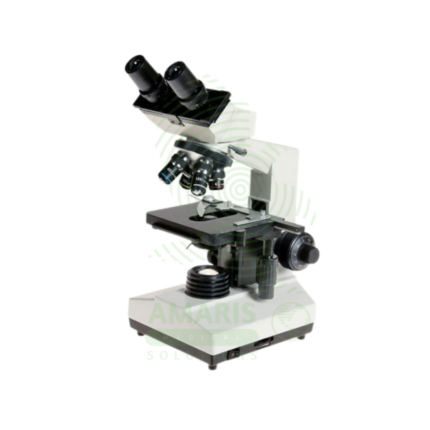
Binocular Electric Microscope
A Binocular Electric Microscope is a standard clinical laboratory instrument featuring binocular eyepieces for comfortable viewing and built-in electric illumination (halogen or LED) for routine diagnostic microscopy across microbiology, hematology, histopathology, cytology, urinalysis, and parasitology. Equipped with 4×, 10×, 40× (high dry), and 100× (oil immersion) plan or plan achromatic objectives, 10× widefield eyepieces with diopter adjustment, Abbe condenser with iris diaphragm, mechanical stage with X-Y controls, and coaxial coarse/fine focusing. Magnification range 40× to 1000× with resolution to 0.2-0.3 micrometres. Primary clinical applications include Gram stain interpretation for bacterial identification, manual differential white blood cell counts, red blood cell morphology assessment, malaria parasite detection, urine sediment examination, Pap smear screening, and semen analysis. Essential equipment in every clinical laboratory for visual examination of stained and unstained specimens, providing definitive diagnosis for countless infectious, hematologic, and neoplastic conditions. Binocular design reduces eye strain during prolonged use, while electric illumination ensures consistent, adjustable lighting for optimal specimen visualization.
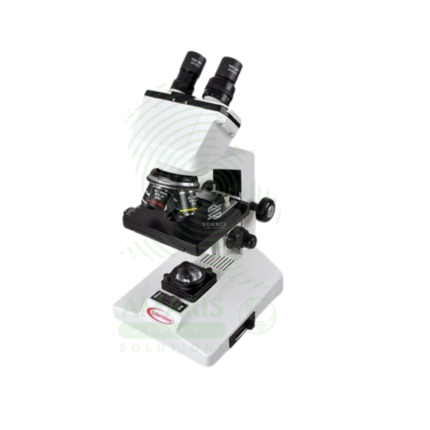
Binocular Microscope
A Binocular Microscope is a high-precision, compound optical instrument fundamental to clinical diagnostics. Featuring dual eyepieces for comfortable viewing and a suite of parfocal objective lenses (4x, 10x, 40x, 100x oil), it provides magnifications from 40x to 1000x. Its integrated LED illumination, mechanical stage, and Abbe condenser enable the detailed examination of stained blood films, tissue sections, microbiological specimens, and cytological preparations. As the primary tool for pathologists and laboratory scientists, it is indispensable for definitive diagnoses in hematology, histopathology, microbiology, and urinalysis, demanding skilled operation and meticulous maintenance for optimal performance.

Biohazard Paper
Biohazard Paper encompasses a range of specialty paper and non-woven medical-grade materials used for sterilization processing, biohazard containment, and infection control applications. Sterilization wrap (CSR wrap) and peel pouches serve as FDA-cleared Class II sterile barrier systems for terminal sterilization of surgical instruments and medical devices, requiring strict single-use protocols and validated performance per ISO 11607. Absorbent bench liners provide disposable, fluid-resistant work surface protection in laboratories and procedure areas. Biohazard specimen bags enable safe transport of non-liquid clinical specimens. Distinct from red biohazard waste bags (plastic film), true "biohazard paper" products are characterized by controlled porosity, microbial filtration efficiency (≥99.97%), sterilant permeability, and low-linting construction. Critical safety imperatives include absolute prohibition of sterilization wrap reuse, visual integrity inspection before use, and appropriate disposal of contaminated materials as regulated medical waste.
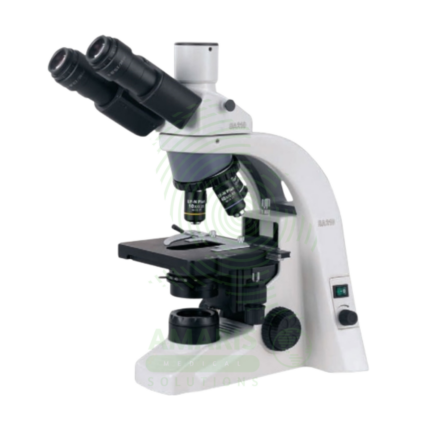
Biological Microscope
A Biological Microscope is a Class I medical device (optical instrument) designed for examining stained and unstained biological specimens in clinical, research, and educational laboratories. Available in monocular, binocular, or trinocular configurations with magnification from 40× to 1000× (oil immersion) using 4×, 10×, 40×, and 100× achromatic or plan achromatic objectives, 10× widefield eyepieces, Abbe condenser, mechanical stage, and built-in halogen or LED illumination. Features include coaxial coarse/fine focusing, revolving nosepiece, Köhler illumination alignment, and ergonomic design for comfortable use. Primary clinical applications include microbiological examination (Gram stains, acid-fast stains, wet mounts), hematology (differential counts, RBC morphology, platelet estimation), histopathology (tissue sections, H&E, special stains), cytology (Pap smears, FNAs, body fluids), urinalysis (sediment examination), parasitology (malaria, ova, parasites), and fertility (semen analysis). Essential equipment in every clinical laboratory for infectious disease diagnosis, cancer detection, hematological disorder evaluation, and countless other diagnostic applications requiring direct visualization of specimens. Biological microscopes are the foundation of laboratory medicine, enabling pathologists, microbiologists, hematologists, and laboratory scientists to visualize and interpret the cellular and microbial world for patient diagnosis and care.
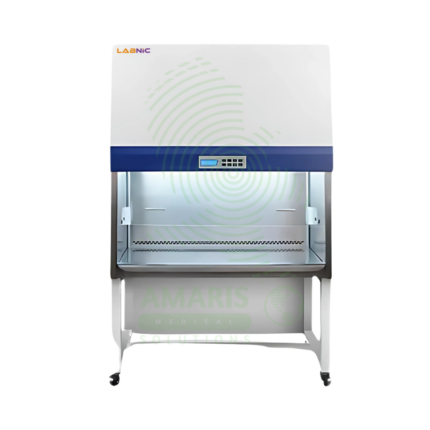
Biological Safety Carbinets
A Biological Safety Carbinets (BSC) is a primary containment device providing personnel, product, and environmental protection when handling infectious microorganisms and biological materials. Class II, Type A2 cabinets (most common in clinical laboratories) feature HEPA-filtered laminar downflow air (70% recirculated, 30% exhausted) maintaining ISO 5 (Class 100) air quality within the work zone, with inflow velocities of 100-120 fpm at the sash opening. Constructed of stainless steel with tempered glass sash, HEPA filters (99.99% efficient at 0.3 microns), motor/blower system, and UV decontamination option. Available in 3-6 foot widths for various laboratory applications. Certified to NSF/ANSI 49 standards with annual recertification required. Primary clinical applications include microbiological specimen processing (culture inoculation, Gram stains), mycobacteriology work (AFB smears, TB culture), viral culture and isolation, fungal mycology procedures, cell culture maintenance, molecular biology PCR setup, and antimicrobial susceptibility testing. Essential containment equipment for BSL-2 and BSL-3 laboratories handling pathogens including Mycobacterium tuberculosis, SARS-CoV-2, influenza viruses, pathogenic fungi, and other infectious agents, protecting laboratory personnel from aerosol-borne infections while maintaining specimen integrity.
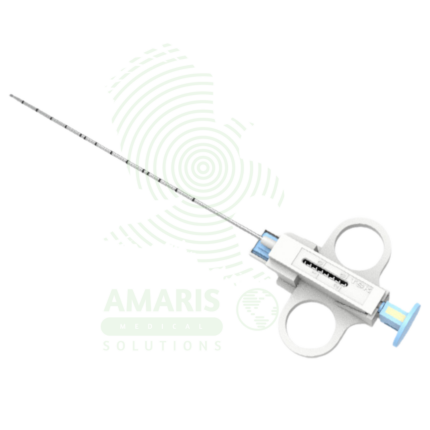
Biopsy Needles
Biopsy Needles are sterile, single-use precision medical devices designed to obtain tissue or cellular specimens from internal organs, masses, and lesions for histopathological or cytological diagnosis. Available in core biopsy (automatic spring-loaded, semi-automatic, vacuum-assisted, coaxial) and fine needle aspiration configurations, with gauges ranging from 14G-27G and lengths from 6-25 cm. Core biopsy needles obtain intact tissue cores preserving histological architecture; FNA needles aspirate cellular material for cytological evaluation. Specialized variants include bone marrow biopsy needles (Jamshidi, Illinois), echogenic-tip needles for ultrasound guidance, and MRI-compatible needles (nitinol, titanium). Critical safety requirements include strict image guidance for non-palpable lesions, verification of coagulation status, adherence to single-use protocols, and immediate post-procedure monitoring for complications (hemorrhage, pneumothorax, organ injury). An indispensable tool in interventional radiology, oncology, and minimally invasive diagnosis.
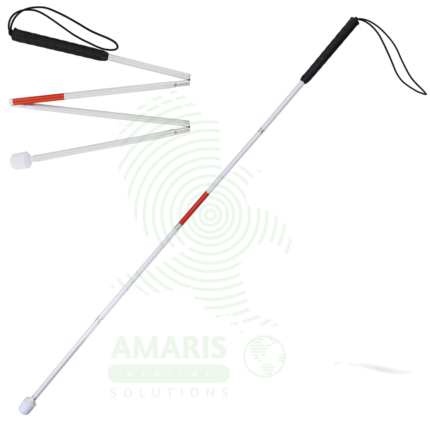
Blind Cane
A Blind Cane (white cane) is a specialized, lightweight mobility tool used by individuals who are blind or visually impaired for navigation and environmental awareness. Its core function is tactile and auditory detection of obstacles, drop-offs, and surface changes one step ahead of the user. Key features include a white shaft for visibility, an ergonomic grip, and a replaceable, specialized tip. It is not a walking stick for balance but a sensory probe. Its effective and safe use requires mandatory training in specific techniques from a certified Orientation and Mobility (O&M) specialist.
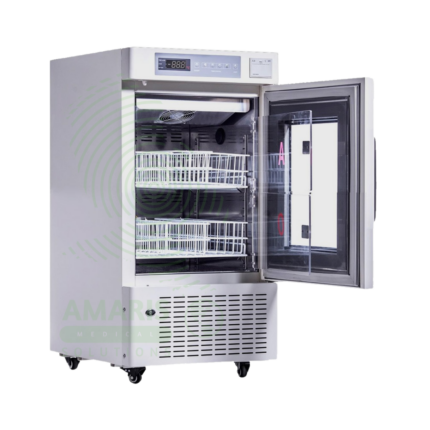
Blood Bank Freezer
A Blood Bank Freezer is a specialized Class II medical device designed for the safe, temperature-controlled frozen storage of blood components including fresh frozen plasma (FFP), cryoprecipitate, and other frozen plasma products at temperatures of -18°C to -35°C (standard plasma freezers) or -65°C to -80°C (for frozen red cells). Meeting stringent AABB, FDA, CAP, and EU regulatory standards, these freezers feature heavy-duty refrigeration systems, forced-air circulation for temperature uniformity (±2-3°C), microprocessor controls with digital displays, redundant temperature monitoring with chart recorders or digital data loggers, and multi-level alarm systems (audible, visual, remote) for high/low temperature, power failure, and door/lid ajar. Available in upright or chest configurations with capacities from 200-1,500+ liters, specialized blood bag racks, pull-out drawers, and secure locking. Primary clinical applications include long-term storage of fresh frozen plasma (12 months at -18°C), cryoprecipitate storage, frozen plasma components for transfusion, cryoprecipitate-rich plasma, long-term storage of rare blood products, and research/reference laboratory sample storage. Essential equipment for hospital blood banks, transfusion services, blood donor centers, and reference laboratories requiring validated, reliable frozen storage for critical blood components with full regulatory compliance and documented temperature monitoring.

Blood Grouping kit
A Blood Grouping Kit is a Class II medical device (FDA-cleared/CE-marked) containing monoclonal antibodies (Anti-A, Anti-B, Anti-D) and control reagents for determining ABO blood group and Rh factor by agglutination method. The kit includes color-coded reagent vials, reaction cards or slides, mixing sticks, lancets, and capillary pipettes. Test time 2-5 minutes (slide method) or 15-30 minutes (tube method). Interpretation based on agglutination pattern: Anti-A positive = group A; Anti-B positive = group B; both positive = group AB; both negative = group O; Anti-D positive = Rh positive; Anti-D negative = Rh negative. Primary clinical applications include pre-transfusion compatibility testing, prenatal and neonatal testing (Rh incompatibility prevention), preoperative blood typing, blood donor screening, and emergency blood typing. Critical safety precautions include refrigerated storage (2-8°C), proper disposal of lancets in sharps containers, universal precautions for blood samples, and confirmation with reverse typing when possible. Essential kit for transfusion medicine, obstetrics, surgery, and emergency care.
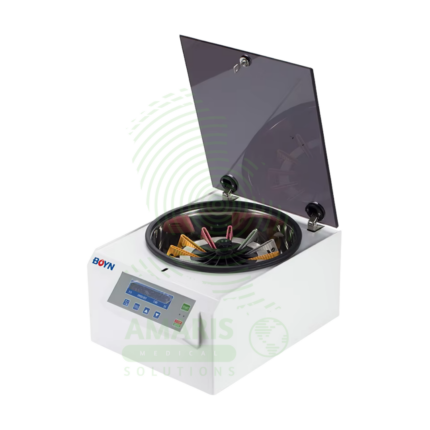
Blood ID Centrifuge
The Blood ID Centrifuge is a specialized benchtop centrifuge designed specifically for blood banking and immunohematology applications using gel card or column agglutination technology. It is optimized for centrifuging gel cards used in ABO/Rh typing, antibody screening, cross-matching, direct and indirect antiglobulin tests (Coombs tests), and antibody identification procedures. Features include fixed-angle or swing-out rotors with specialized gel card holders, programmable cycles (speed, time, acceleration/deceleration) for different test protocols, digital display, imbalance detection, and safety lid lock. Capacity typically 6-24 gel cards per run with speeds optimized at 1,000-2,500 RPM for gel card processing. Primary clinical applications include blood typing and cross-matching in transfusion medicine, antibody identification and titer determination, direct and indirect antiglobulin testing, newborn cord blood testing, donor screening, and quality control in immunohematology. Essential equipment for hospital blood banks, donor centers, and immunohematology reference laboratories requiring standardized, reproducible gel card test results.
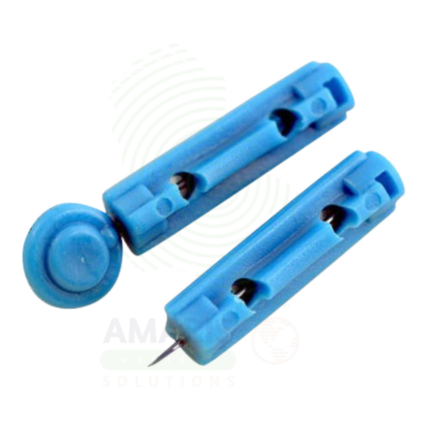
Blood Lancets
Blood Lancets are sterile, single-use, precision-engineered sharp devices designed to obtain capillary blood specimens via controlled skin puncture (fingerstick, heel stick, or alternate site). Available in standard (21G-28G) and safety (auto-retracting) configurations, with fixed or adjustable penetration depths (0.65 mm - 2.2 mm). Safety lancets with automatic needle retraction are OSHA-mandated for healthcare workers to eliminate sharps injury risk. Specialized variants include ultra-thin (30G-33G) low-pain lancets for frequent testers, pediatric lancets with reduced depth, and neonatal heel stick lancets featuring incision-style blades with strict depth limitation (≤2.0 mm per CLSI). Essential for diabetes self-monitoring, point-of-care testing (glucose, HbA1c, PT/INR, cholesterol), and newborn metabolic screening. Critical safety imperatives include absolute single-use protocol, immediate activation of safety mechanisms or disposal into sharps containers, appropriate depth selection to prevent tissue injury, and rigorous infection control practices. An indispensable medical consumable in chronic disease management, acute care, and preventive medicine.
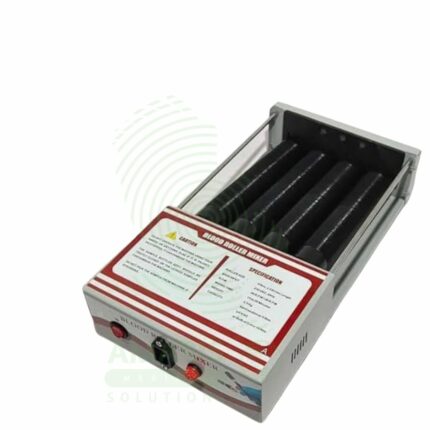
Blood Roller Mixer
A Blood Roller Mixer is a dedicated laboratory instrument that provides continuous, gentle rotation of blood collection tubes to ensure complete mixing of blood with anticoagulants, preventing clot formation. This is a critical first step in the pre-analytical phase, safeguarding sample integrity for hematology, coagulation, and chemistry testing. It features adjustable speed, a timer, and soft rollers to handle standard tube sizes quietly and reliably. Safe operation requires using properly capped tubes, balancing the load, and prompt cleaning of any biohazardous spills. It is an indispensable tool for ensuring the quality of blood samples in any clinical setting.
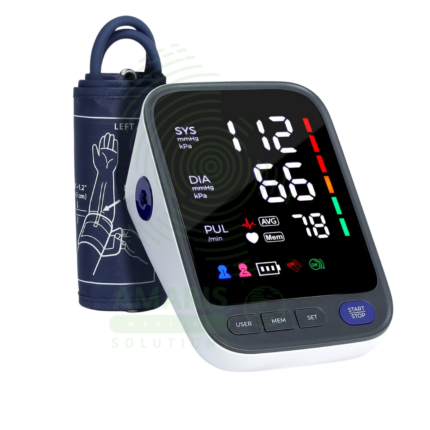
Bluetooth Blood Pressure Machine
A Bluetooth Blood Pressure Machine is an automatic oscillometric blood pressure monitor with integrated wireless technology that transmits readings from patient homes to smartphones and healthcare providers. Measures systolic (60-260 mmHg) and diastolic (40-200 mmHg) pressure with clinical accuracy (≤±3 mmHg) validated per AAMI/ESH/ISO 81060-2 standards. Features intelligent cuff inflation, movement detection, irregular heartbeat flagging, and multi-user memory (60-200 readings). Bluetooth 4.0-5.0 LE connectivity enables automatic data synchronization with companion apps for trend analysis, medication tracking, and secure provider sharing. Primary clinical applications include remote patient monitoring for hypertension management, medication adherence and efficacy tracking, gestational hypertension and preeclampsia surveillance, post-operative BP monitoring, pediatric hypertension follow-up, and clinical trial data collection. Class II medical device requiring FDA clearance. Critical safety considerations include proper cuff size selection, correct measurement conditions (rest, positioning, bare arm), movement restriction during measurement, irregular heartbeat interpretation limitations, and regular calibration verification.
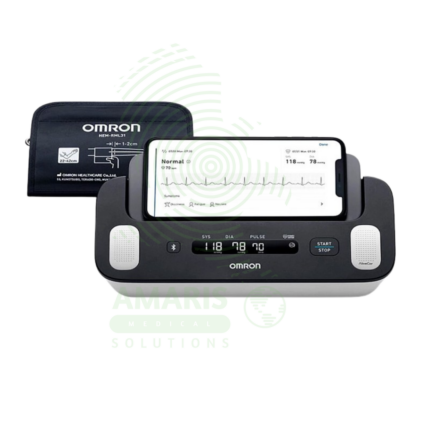
Bluetooth Blood Pressure Machine With ECG
A Bluetooth Blood Pressure Machine With ECG is an integrated home monitoring device combining automatic oscillometric blood pressure measurement with single-lead ECG recording, featuring Bluetooth connectivity for wireless data transmission to smartphones and healthcare providers. Measures systolic (60-260 mmHg) and diastolic (40-200 mmHg) pressure with ±3 mmHg accuracy (meets AAMI/ESH/ISO standards) and records 30-60 second single-lead ECG with automated detection of atrial fibrillation, bradycardia, and tachycardia. Stores 90-200 readings with date/time stamp; transmits data via Bluetooth 4.0+ to dedicated apps for trend analysis and provider sharing. Primary clinical applications include comprehensive cardiovascular monitoring for hypertensive patients with arrhythmia risk, atrial fibrillation screening during routine BP checks, medication titration monitoring (antihypertensive and antiarrhythmic), preoperative cardiovascular assessment, post-stroke or post-MI secondary prevention, and stress/anxiety monitoring. Class II medical device requiring FDA clearance for both functions. Critical safety considerations include device not for emergency use, ECG screening not equivalent to diagnostic 12-lead, proper cuff placement (bare arm at heart level), ECG signal quality optimization, movement avoidance during measurement, arrhythmia alerts requiring medical follow-up, and regular calibration verification.
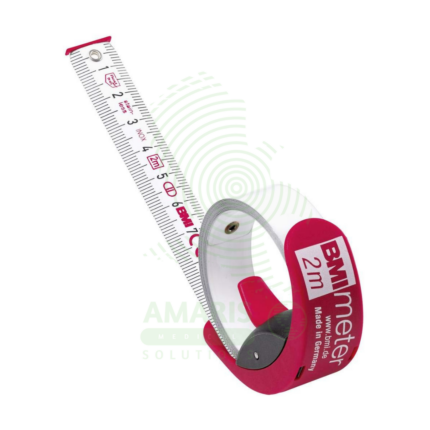
BMI Tape
A BMI Tape is a rapid screening tool that estimates an individual's Body Mass Index (BMI) category by measuring body circumference, most commonly the waist. It features a color-coded scale that directly displays BMI ranges (Underweight, Normal, Overweight, Obese), eliminating the need for separate height and weight measurements and manual calculation. While highly useful for community health screenings, wellness programs, and patient education due to its portability and simplicity, it is an approximate method. Its accuracy is limited compared to BMI calculated from precise clinical measurements, and it should be used as an initial screening indicator rather than a definitive diagnostic tool.
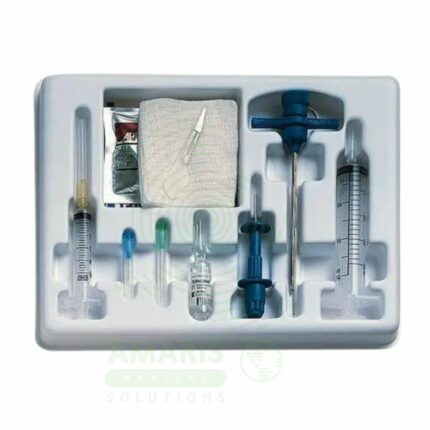
Bone Marrow Puncture Kit
A Bone Marrow Puncture Kit is a sterile, single-use procedure tray containing all components necessary for bone marrow aspiration and core biopsy. Used for diagnosing hematologic malignancies, evaluating bone marrow function, and staging metastatic disease, the kit includes aspiration and biopsy needles, syringes, glass slides, fixatives, and specimen containers. Proper technique includes verifying coagulation status, administering local anesthesia, limiting aspiration volume, and preparing smears immediately. Essential for hematology-oncology practice, the kit enables the collection of specimens for histopathology, flow cytometry, cytogenetics, and molecular testing that guide diagnosis and treatment of blood disorders.
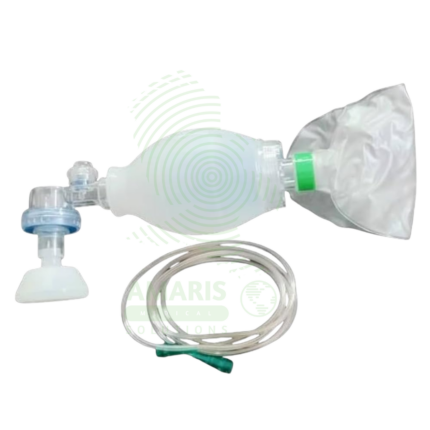
Breath Resuscitation Bag
A Breath Resuscitation Bag (manual resuscitator, bag-valve-mask) is a Class II medical device used to deliver positive-pressure ventilation to patients in respiratory arrest, cardiac arrest, or respiratory failure. Available in adult (1,500-2,000 mL), pediatric (450-750 mL), and infant/neonatal (200-350 mL) sizes with self-inflating silicone or PVC bags, one-way non-rebreathing valves, transparent cushioned masks, and oxygen reservoirs for high FiO2 delivery (90-100% with reservoir). Oxygen inlet allows connection to flow meter (10-15 L/min recommended). Pediatric/neonatal models include pressure-limiting valves (35-45 cmH2O) to prevent barotrauma. Essential for CPR (AHA guidelines: adult 10-12 breaths/min, child 12-20, infant 20-30), preoxygenation before intubation, transport ventilation, and recovery from anesthesia. Critical safety considerations include avoiding excessive ventilation pressure (prevents gastric insufflation), maintaining proper mask seal, monitoring chest rise, and having backup equipment readily available. Indispensable emergency airway equipment in hospitals, ambulances, crash carts, and emergency response kits worldwide.
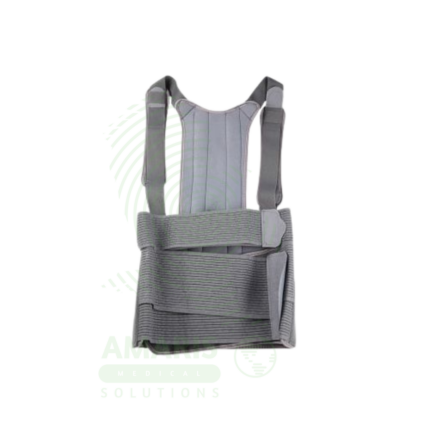
Breathable Spinal Brace Thoracolumbar
A Breathable Spinal Brace Thoracolumbar is a rigid external orthosis providing immobilization and support for the thoracic and lumbar spine following spinal surgery, fractures, instability, and disc herniation. The brace restricts flexion, extension, rotation, and lateral bending to protect surgical repairs and promote healing. Featuring a breathable, moisture-wicking lining for patient comfort, it allows safe mobilization during recovery. Used in spine surgery, orthopedics, and rehabilitation settings, proper fit, skin integrity monitoring, and neurological assessment are essential for safe and effective use.
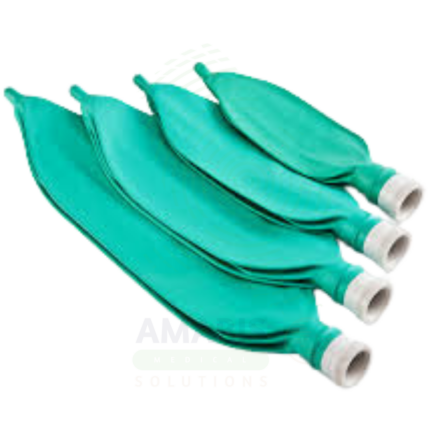
Breathing Bag
A Breathing Bag is a flexible reservoir bag used for manual ventilation and gas reservoir during anesthesia induction, maintenance, and resuscitation. Providing tactile feedback on lung compliance, it allows clinicians to assess respiratory status and deliver controlled manual ventilation. Available in various sizes for all patient populations, it is essential equipment in operating rooms, emergency departments, and critical care settings.
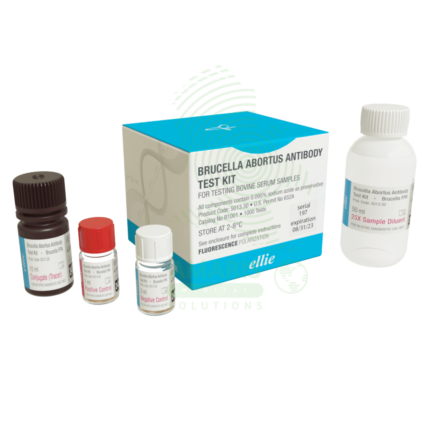
Brucella Set
A Brucella Set is a comprehensive serological test system (Class II medical device, CE-marked/FDA-cleared) for qualitative and quantitative detection of antibodies against Brucella species (B. abortus, B. melitensis, B. suis, B. canis) using multiple methodologies including tube agglutination, slide agglutination, and 2-mercaptoethanol (2-ME) testing. The set includes killed, stained Brucella antigens, positive and negative controls, dilution tubes, reaction cards, and 2-ME reagent for IgM/IgG differentiation. Diagnostic titer ≥1:160 or fourfold rise confirms brucellosis. Primary clinical applications include diagnosis of brucellosis in endemic regions (undulant fever, night sweats, arthralgia), fever of unknown origin investigation, occupational health screening in high-risk workers (veterinarians, farmers, slaughterhouse workers), diagnosis of focal complications (sacroiliitis, spondylitis, meningitis, endocarditis), treatment monitoring (fourfold decline indicates response), outbreak investigation, and public health surveillance. Critical safety precautions include handling all samples in biosafety cabinet (Brucella is highly infectious via aerosol), 2-ME reagent toxicity (use fume hood), awareness of prozone phenomenon (serial dilutions essential), cross-reactions with other Gram-negative bacteria, and mandatory reporting to public health authorities. Essential test for brucellosis diagnosis in endemic regions and occupational health settings.
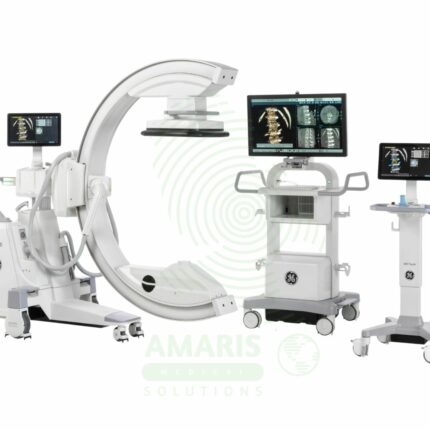
C-Arm Surgical System
A C-Arm Surgical System is a mobile fluoroscopic X-ray imaging device with a distinctive C-shaped arm connecting the X-ray tube and detector. It is an indispensable tool in modern operating rooms and interventional suites, providing real-time live imaging to guide complex procedures in orthopedics, spine surgery, pain management, and vascular interventions. Its mobility allows precise positioning around the patient, while features like pulsed fluoroscopy and dose monitoring are critical for radiation safety. Modern flat-panel systems offer high-resolution imaging and advanced capabilities like 3D Cone-Beam CT. Safe operation demands rigorous adherence to radiation protection protocols (ALARA) for both patients and the surgical team.
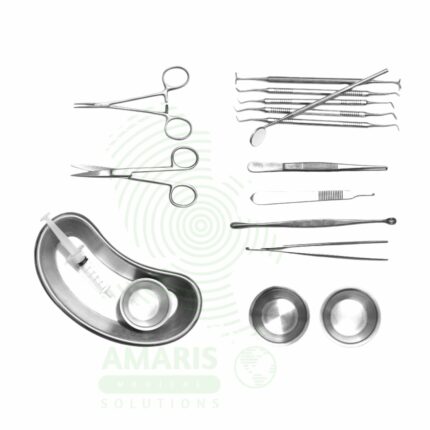
Caesarean Section Set
A Caesarean Section Set is a sterile instrument tray containing all instruments required for Caesarean delivery, including instruments for abdominal incision, uterine incision, fetal delivery, placental removal, and multi-layer closure. Essential for labor and delivery units and obstetric operating rooms, the set ensures that all necessary instruments are sterile, organized, and immediately available for safe and efficient surgical delivery. Proper instrument counting, sterile technique, and careful tissue handling are critical for optimal maternal and neonatal outcomes.
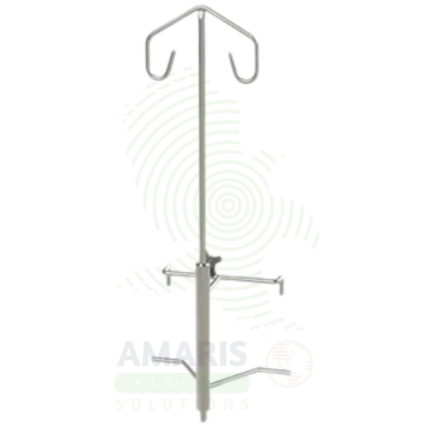
Cage Mount IV Pole
A Cage Mount IV Pole is a veterinary IV pole designed to mount directly to animal cages for secure intravenous fluid and medication administration. Height-adjustable with multiple hooks for concurrent infusions, it ensures proper fluid flow while preventing line entanglement and accidental dislodgement. Essential for veterinary hospitals, animal clinics, and research facilities, it supports safe, uninterrupted fluid therapy for hospitalized animals.
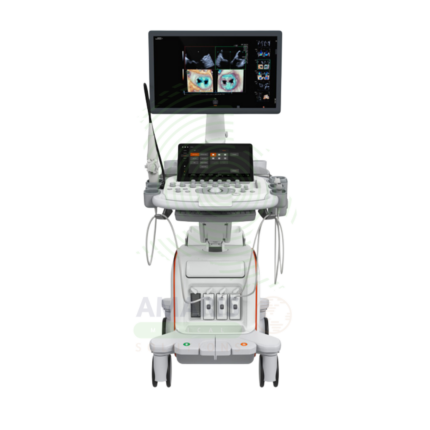
Cardiovascular Ultrasound
A Cardiovascular Ultrasound System is a specialized echocardiography device designed for non-invasive assessment of cardiac structure, function, and hemodynamics. Using dedicated phased array transducers and advanced Doppler techniques, it evaluates ventricular function, valvular disease, congenital heart defects, and myocardial ischemia. Essential for cardiology, cardiac surgery, and critical care, it provides the diagnostic information needed to guide treatment decisions for patients with heart failure, valvular disease, coronary artery disease, and congenital heart conditions.
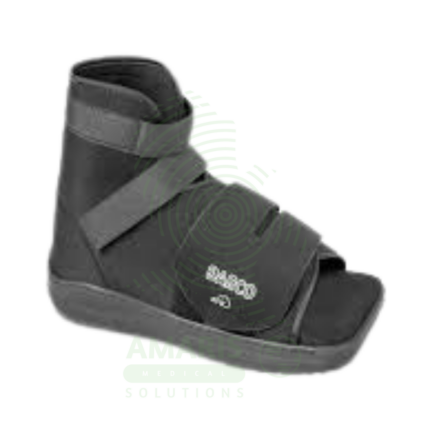
Cast Shoes & Boots
A Cast Shoes & Boots is a durable, rigid-soled overshoe designed to be worn over a below-knee cast or fracture walking boot. Its primary function is to enable safe, protected weight-bearing by providing a stable, rocker-bottom walking surface that protects the cast from wear and tear and compensates for leg length discrepancy. Featuring an adjustable strap closure to accommodate bulky dressings and swelling, it is an essential mobility aid for patients recovering from foot, ankle, or lower leg fractures, surgeries, and severe sprains. Proper fit and gait awareness are important for safe ambulation during the healing period.
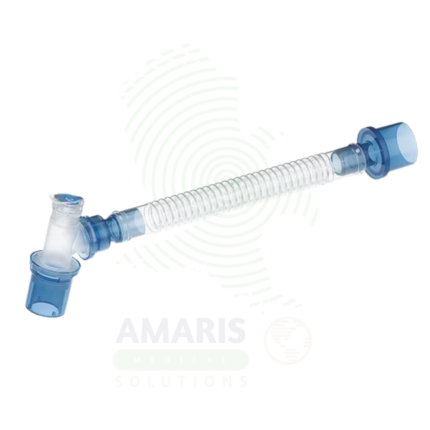
Catheter Mount
A Catheter Mount is a flexible, extensible connector between the breathing circuit and endotracheal tube, tracheostomy tube, or laryngeal mask airway. It absorbs movement and tension during patient positioning and surgery, reducing the risk of airway device displacement. Integrated sampling ports allow continuous gas monitoring, while flexible design accommodates patient movement without compromising ventilation.
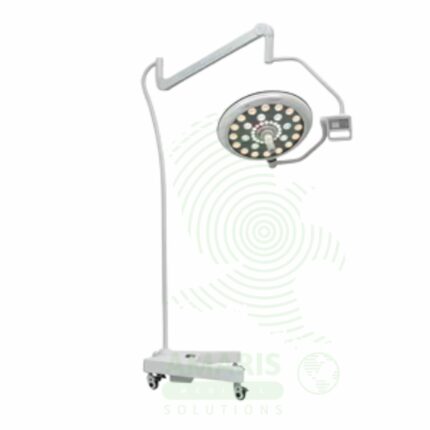
Ceiling & Stand Operating Light
An Ceiling & Stand Operating Light is a high-intensity, shadow-reducing illumination system designed to provide brilliant, color-accurate, and cool light directly onto the surgical field. Ceiling-mounted lights offer maximum flexibility in the OR, while stand-mounted lights provide portability. Key features include extremely high illuminance (>40,000 lux), a high Color Rendering Index (CRI >90) for true tissue color, and advanced optics for deep-cavity illumination with minimal shadows. Safe operation requires proper positioning, use of sterile handle covers, and awareness of the minimal but present thermal risk. It is a fundamental capital asset critical for enabling precise and safe surgical intervention.
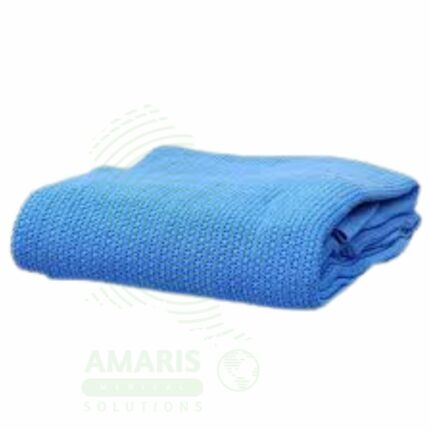
Cellular Blankets
Cellular Blankets are lightweight, breathable blankets with a distinctive honeycomb knit structure. Primarily used in healthcare for patient warmth and thermal regulation, they work by trapping insulating air within their cells while allowing moisture to escape, preventing overheating and sweating. Available in reusable (cotton/polyester) or disposable forms, they are essential for maintaining patient comfort, dignity, and temperature stability in wards, recovery areas, and during transport. Their safety depends on strict adherence to single-patient use and proper high-temperature laundering for reusable versions.
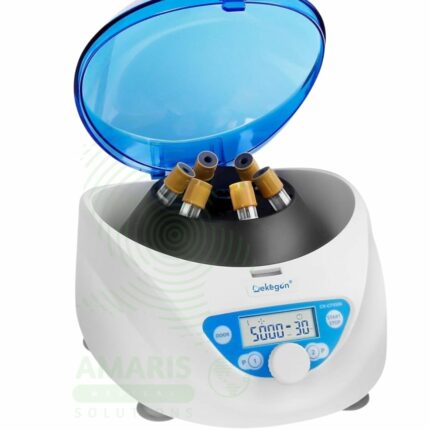
Centrifuge
A centrifuge is an instrument that uses rapid rotation to separate components of a liquid mixture based on density. In clinical and laboratory settings, it is indispensable for preparing blood samples (serum, plasma, cells), concentrating urine sediment, and processing microbiological specimens. Key specifications include maximum relative centrifugal force (RCF) and rotor type (swinging bucket or fixed angle). Safe operation is paramount and hinges on perfect load balancing, using securely sealed tubes, and never overriding safety lids. Proper cleaning after spills and regular rotor inspection are essential for preventing equipment failure and biohazard exposure. It is a fundamental piece of equipment for sample preparation across all disciplines of laboratory medicine.
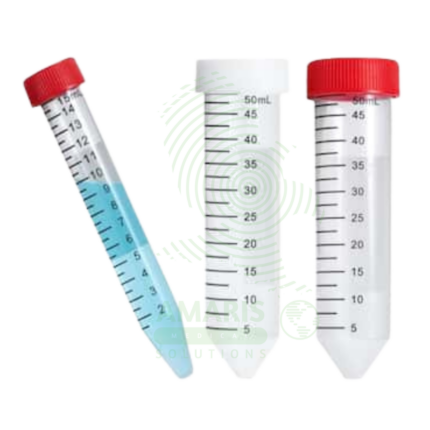
Centrifuge Tubes
Centrifuge Tubes are specialized disposable containers (polypropylene) designed to withstand high centrifugal forces (up to 30,000 x g) for separating biological fluids based on density. Available in microcentrifuge sizes (0.2-2.0 mL), conical tubes (15 mL, 50 mL), and larger volumes (100-500 mL). Features include leak-proof screw caps with O-rings (conical tubes), snap caps (microcentrifuge tubes), graduated volume markings, writing areas, and sterile/non-sterile options. Certified RNase/DNase-free, pyrogen-free, and autoclavable. Primary clinical applications include blood component separation (serum/plasma), urine sediment preparation, microbiology sample concentration, molecular biology (DNA/RNA extraction), cell culture processing, protein/enzyme analysis, and viral load testing. Critical safety precautions include never exceeding maximum RCF rating, proper balancing by weight, secure cap tightening, inspection for cracks, and disposal as biohazardous waste. Essential consumable in every clinical, research, and industrial laboratory.
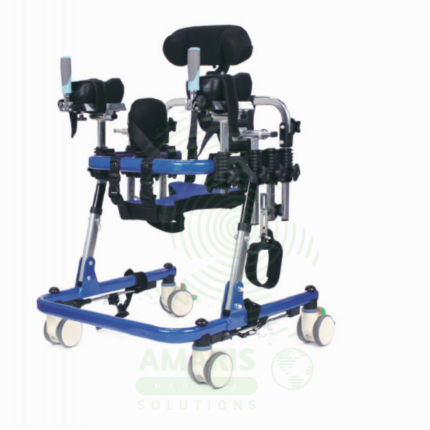
Cerebral Palsy Walker
A Cerebral Palsy Walker (or Gait Trainer) is a supportive wheeled frame specifically designed to facilitate walking and standing for children with CP. It provides adjustable postural support through a harness, trunk pad, and pelvic guide, enabling safe practice of gait patterns, weight-bearing, and upright mobility. Its primary role is therapeutic, aiming to develop ambulation skills, improve postural control, and promote independence. Correct professional setup and supervision are essential for safety and to ensure it reinforces proper movement rather than abnormal patterns.
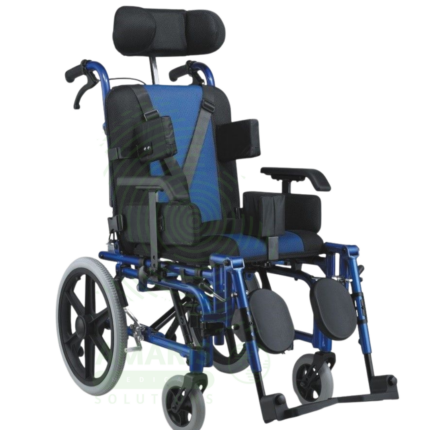
Cerebral Palsy Wheelchair
A Cerebral Palsy Wheelchair is a highly specialized, modular seating system on a wheelchair base, designed exclusively for the complex postural management needs of individuals with CP. Its primary purpose is therapeutic: to provide extensive, adjustable support to normalize posture, prevent skeletal deformities, manage muscle tone, and maximize the user's functional abilities. Key features include a tilt-in-space mechanism, custom-contoured seating, and numerous pelvic, trunk, and head supports. It is a medically prescribed device that requires expert configuration and regular re-assessment to ensure safety and efficacy as part of a lifelong postural management strategy.
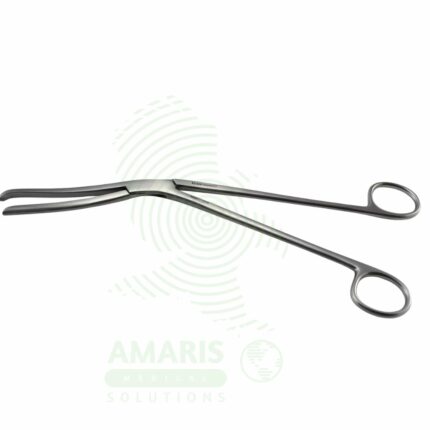
Cheatle Forceps
Cheatle Forceps are long-handled, ratcheted surgical forceps used for the aseptic transfer of sterile instruments, dressings, and supplies in operating rooms, central sterile supply departments, and procedural areas. The extended length allows safe retrieval of items from sterilizers and storage without hand contact, while the serrated tips provide secure grip on wrapped packs and individual instruments. Designed for repeated sterilization and use, they are essential for maintaining aseptic technique during sterile field preparation, instrument handling, and post-operative cleanup. Proper handling, regular inspection, and adherence to aseptic technique are essential for safe and effective use.
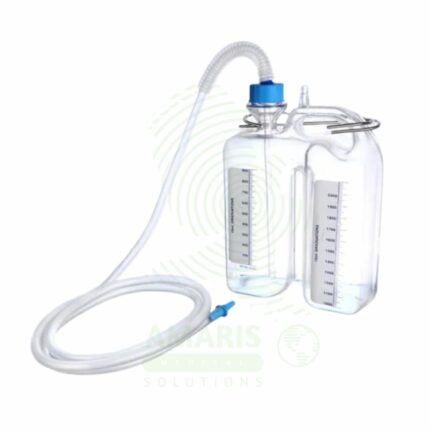
Chest Bottle
A Chest Bottle (Underwater Seal Drainage System) is a three-chamber disposable device used to drain air and fluid from the pleural space via a chest tube. Its critical component is a water seal chamber that acts as a one-way valve, preventing air from re-entering the chest while allowing drainage. It is used to treat pneumothorax, hemothorax, and pleural effusions, and is mandatory post-thoracic surgery. The system must always be kept upright and below the patient's chest level. It provides essential clinical information through tidaling in the water seal (indicating tube patency and lung expansion) and bubbling (indicating an air leak), making it both a therapeutic and diagnostic tool.
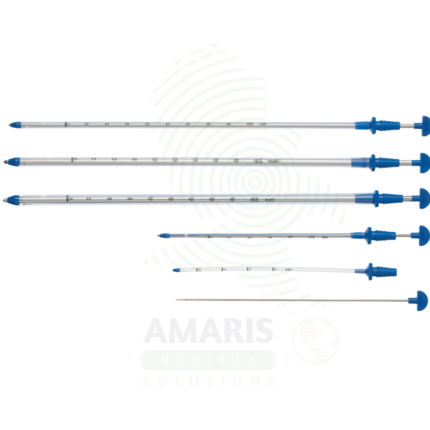
Chest Drainage Tubes with Trocar
Chest Drainage Tubes with Trocar are sharp-tipped thoracostomy tubes designed for rapid insertion into the pleural space to drain air, blood, or fluid in emergency and surgical settings. Used for tension pneumothorax, hemothorax, pleural effusion, empyema, and post-operative drainage, they provide immediate decompression and continuous drainage. Essential for trauma, thoracic surgery, and critical care.
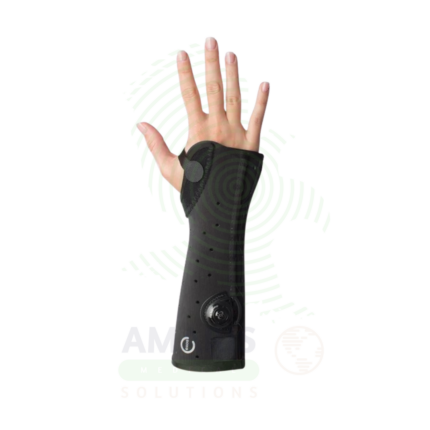
Children’s Arm Splint
A Children's Arm Splint is a rigid or semi-rigid orthosis designed specifically for pediatric patients to immobilize the forearm, wrist, and elbow following fractures, sprains, surgery, and nerve injuries. Sized for children of various ages with appropriate padding to protect delicate pediatric skin, it provides essential protection during the acute phase of injury and the early healing period. Used in pediatric emergency departments, orthopedic clinics, and urgent care settings, it supports healing while allowing children to return to age-appropriate activities. Proper fit, circulation monitoring, and parent education are essential for safe use.
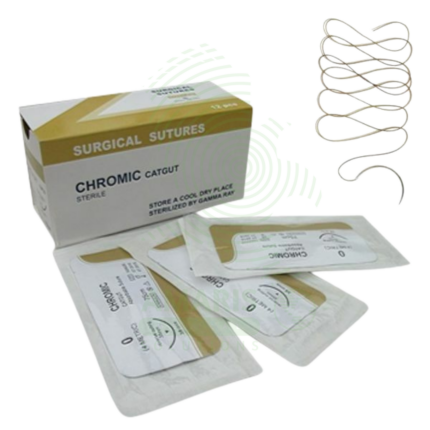
Chromic Sutures
Chromic Sutures are absorbable, monofilament surgical sutures derived from natural collagen and treated with chromic salts to delay absorption. Used for internal tissue approximation in gynecologic, urologic, gastrointestinal, and subcutaneous procedures, they provide temporary wound support during critical healing while being completely absorbed over time without requiring removal. Chromic treatment extends absorption compared to plain catgut, providing 10-14 days of tensile strength retention. Essential for procedures where suture removal would be impractical or where temporary wound support is required.
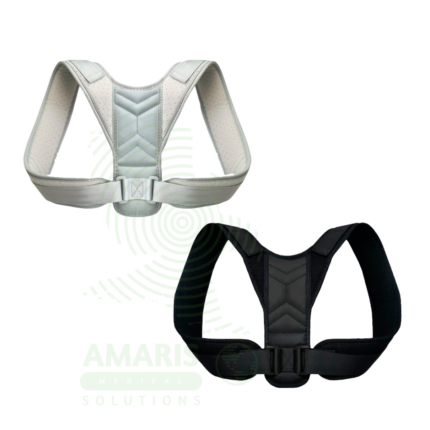
Clavicle Support
A Clavicle Support is a figure-eight style brace designed to immobilize and support the clavicle and shoulder girdle following clavicle fractures, acromioclavicular joint injuries, and clavicle surgery. The support retracts the shoulders, maintaining proper alignment of the fractured bone ends during healing. Used in orthopedic clinics, emergency departments, and sports medicine settings, it provides external stabilization that reduces pain, prevents displacement, and supports healing. Proper fit, skin integrity monitoring, and circulation checks are essential for safe and effective use.
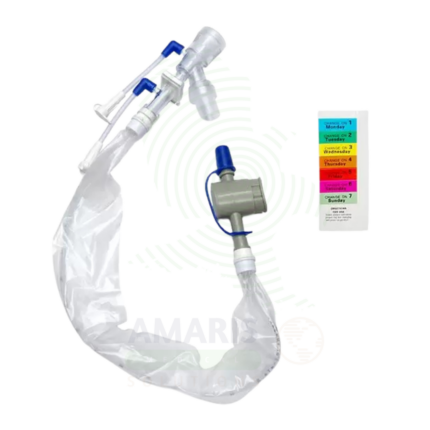
Closed Suction Catheter
A Closed Suction Catheter is an in-line suction system that allows airway clearance without disconnecting the ventilator, maintaining continuous PEEP and ventilation during suctioning. The closed design reduces the risk of ventilator-associated pneumonia and prevents oxygen desaturation. Essential for intensive care units, operating rooms, and home ventilation, it provides safer, more effective secretion management for intubated patients.
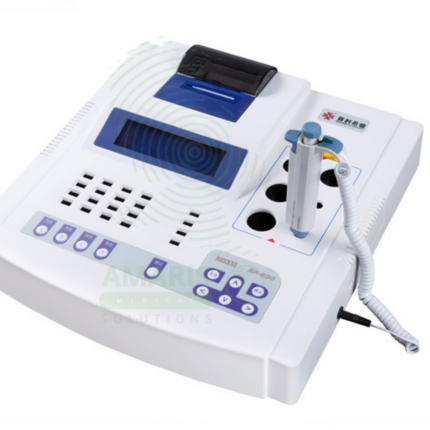
Coagulation Analyzer
A Coagulation Analyzer is a compact, automated instrument designed for performing essential tests that evaluate the blood's clotting ability. It accurately measures key parameters such as Prothrombin Time (PT/INR), Activated Partial Thromboplastin Time (aPTT), Thrombin Time, and Fibrinogen, which are critical for monitoring anticoagulant therapy (warfarin, heparin), diagnosing bleeding disorders, and assessing surgical risk. With its photometric detection and user-friendly operation, it delivers reliable results for small to medium-volume laboratories, clinics, and hospital wards. Its role in ensuring safe and effective patient management in thrombosis and hemostasis makes it a vital tool in clinical diagnostics.
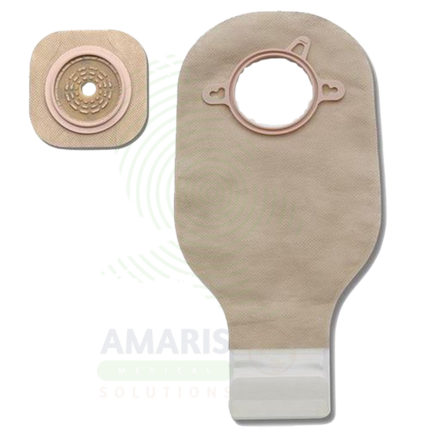
Colostomy Bags
Colostomy Bags are adhesive pouching systems designed for the collection and containment of fecal effluent from a surgically created colostomy stoma. Available in one-piece (integrated barrier and pouch) and two-piece (separate barrier flange and interchangeable pouches) configurations, with drainable (reusable closure) or closed-end (single-use) formats. Core components include an odor-proof multi-layer plastic pouch, hydrocolloid or silicone skin barrier with custom-cut or pre-cut aperture, charcoal gas filter for deodorization, and secure closure system. Convex barriers address flush or retracted stomas; fabric-backed pouches enhance comfort and discretion. Critical to peristomal skin health are correct aperture sizing (1-2 mm larger than stoma), prompt management of leakage, gentle adhesive removal, and meticulous skin hygiene. An indispensable quality-of-life device enabling community reintegration and dignified living for millions of ostomy patients worldwide.
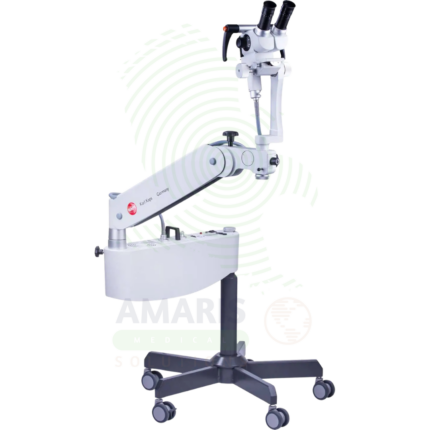
Colposcope
A Colposcope is a binocular or video microscope used for magnified examination of the cervix, vagina, and vulva following abnormal cervical cancer screening results. It enables identification of acetowhite lesions, atypical vascular patterns, and other signs of cervical intraepithelial neoplasia or cancer, and guides precise biopsy of suspicious areas. Essential for gynecology clinics and women's health centers, it provides the visualization needed for accurate diagnosis, treatment planning, and patient education.
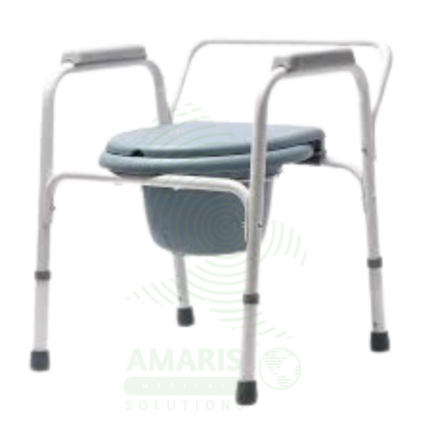
Commode Chair
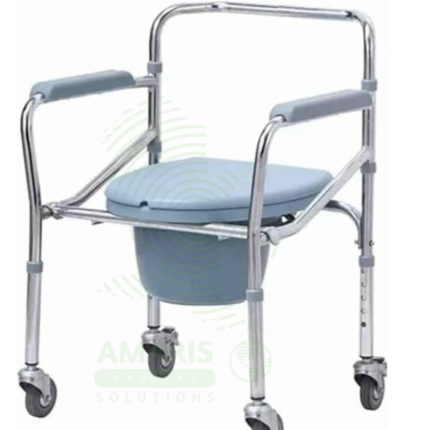
A Commode Chair is a portable, standalone toilet designed for use at the bedside or in a room away from a bathroom. It consists of a chair frame with a seat opening and a removable collection bucket underneath. Its primary use is to provide a safe, convenient toileting solution for non-ambulatory, fall-risk, or post-operative patients, eliminating the need for hazardous trips to the bathroom. It is a critical tool for incontinence management, fall prevention, and preserving patient dignity. Rigorous cleaning and disinfection after each use are mandatory for infection control.
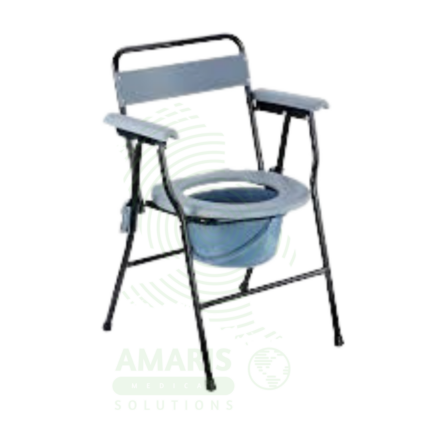
Commode Seat
A Commode Seat is an adaptive device that securely attaches to a standard toilet bowl to raise the seating height and provide supportive armrests. Its primary use is to make an existing bathroom toilet safer and more accessible for individuals with mobility challenges, weakness, or balance issues by reducing the distance required to sit and stand. It facilitates independent or assisted toileting with the hygiene of a plumbed toilet. Safety depends entirely on correct, secure installation and regular checking of its attachment to prevent dangerous shifting or collapse.