Dermatoscope and Magnifiers
 Diagnostic Kits
 Vital Signs Monitors
 Stethoscopes and Accessories
 Otoscopes, Ophthalmoscopes, and Retinoscopes
 Reflex Hammers and Neurological Tools
 Scales and Measuring Devices
 Spirometers and Pulmonary Function Tests
 Electrosurgical Units and Accessories
 Cutting Instruments
 Grasping and Holding Instruments
 Hemostatic Instruments
 Specialized Surgical Sets
 Single-Use Procedure Trays and Packs
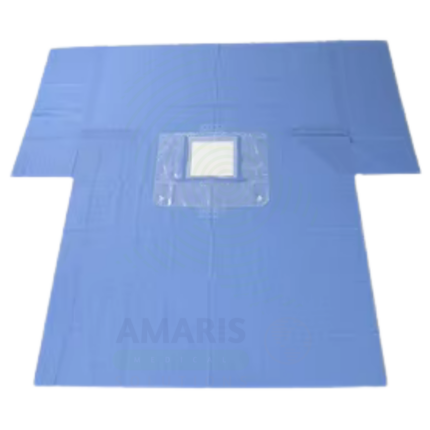
 Surgical Drapes, Gowns, and Covers
 Tissue Unifying Instruments
 Radiation Protection
 X-Ray Machines and Accessories
 Ultrasound Systems and Probes
 MRI and CT Scanners
 Radiology Consumables
 Bone Densitometers
 Fluoroscopy Equipment
 Imaging Tables and Positioning Aids
 Microscopes and Accessories
 Centrifuges and Separators
 Analyzers
 Incubators and Ovens
 Pipettes, Dispensers, and Lab Glassware
 Refrigerators, Freezers, and Storage Units
 Lab Consumables
 Sterilizers and Autoclaves for Lab Use
 Multi-Parameter Monitors
 Ventilators and Respiratory Support Devices
 Defibrillators and AEDs
 Infusion Pumps and IV Systems
 Patient Warmers and Cooling Devices
 Central Monitoring Stations
 Accessories
 Anesthesia Machines and Workstations
 Oxygen Concentrators and Delivery Systems
 Nebulizers and Inhalers
 CPAP/BiPAP Machines
 Airway Management
 Anesthesia Masks, Circuits, and Bags
 Humidifiers and Heaters
 Respiratory Therapy Accessories
 First Aid Kits and Cabinets
 Emergency Resuscitation Equipment
 Trauma Supplies
 Emergency Carts and Crash Carts
 Burn Care Products
 Bleeding Control
 Automated External Defibrillators (AEDs)
 Transport and Evacuation
 Wheelchairs and Accessories
 Walkers, Crutches, and Canes
 Prosthetics and Orthotics
 Physical Therapy Equipment
 Transfer Devices
 Bathroom Safety
 Orthopedic Traction and Tables
 Hot/Cold Therapy Packs and Units
 Beds and Mattresses
 Chairs and Stools
 Tables
 Cabinets and Storage
 Privacy Screens & Curtains
 Stands and Racks
 Linens and Textiles
 Lighting
 Autoclaves and Sterilizers
 Ultrasonic Cleaners
 Disinfectant Solutions and Wipes
 Sterilization Pouches, Wraps, and Indicators
 Instrument Trays and Containers
 UV and Ozone Disinfection Devices
 Washer Disinfectors
 Wound Care
 Gloves
 Masks and Respirators
 Catheters and Tubing
 Swabs, Applicators, and Sponges
 Incontinence Products
 Personal Protective Equipment (PPE)
 Dental Chairs and Units
 Handpieces and Burs
 Instruments
 Consumables
 Sterilization for Dental Use
 Orthodontic Supplies
 Endodontic Tools
 Slit Lamps and Tonometers
 Lensometers and Phoropters
 Ophthalmic Surgical Instruments
 Eyewear Frames and Lenses
 Contact Lens Supplies
 Vision Testing Charts and Devices
 Eye Care Consumables
 Laser Systems for Eye Care
 ENT Exam Chairs and Tables
 Endoscopes
 Audiometers and Hearing Tests
 ENT Instruments
 Nasal and Throat Packs
 Hearing Aids and Accessories
 Otology Supplies
 Fetal Dopplers and Monitors
 Delivery Beds and Tables
 Gynecological Instruments
 Neonatal Incubators and Warmers
 Breast Pumps and Accessories
 Contraceptive Devices
 Maternity Supports and Pads
 Neonatal Consumables
 Cystoscopes and Urethroscopes
 Dialysis Machines and Supplies
 Urological Catheters and Bags
 Lithotripters
 Prostate Treatment Devices
 Urinary Incontinence Products
 Kidney Stone Management Tools
 Consumables & Disposables
 EEG and EMG Machines
 Neurosurgical Instruments
 Nerve Stimulators
 Headrests and Positioning Aids
 Lumbar Puncture Kits
 Seizure Monitoring Devices
 Consumables
 Rehabilitation for Neurological Conditions
 ECG Machines and Accessories
 Holter Monitors
 Stress Test Systems
 Pacemakers and Defibrillator Accessories
 Vascular Access Devices
 Cardiac Catheters and Guidewires
 Blood Flow Meters
 Consumables
 Orthopedic Instruments
 Casts, Splints, and Padding
 Joint Replacement Supplies
 Prosthetic Limbs and Components
 Bone Grafts and Substitutes
 Traction Devices
 Orthopedic Braces and Supports
 Rehabilitation Aids for Orthopedics
 Home Oxygen Therapy
 Hospital Beds for Home Use
 Mobility Aids
 Bathroom and Daily Living Aids
 Wound Care for Home
 Monitoring Devices
 Enteral Feeding Pumps and Tubes
 Hand Sanitizers and Dispensers
 Face Shields and Goggles
 Isolation Gowns and Suits
 Biohazard Waste Containers
 Air Purifiers and HEPA Filters
 Surface Disinfectants
 Sharps Containers
 Protective Barriers
 Cardiovascular & Endurance Training
 Strength Training & Weightlifting
 Functional Training & Core Conditioning
 Physical Therapy & Rehabilitation
 Sports & Outdoor Recreation
 Gym Flooring & Facility Equipment
 Fitness Monitoring & Accessories
 Kids & Novelties











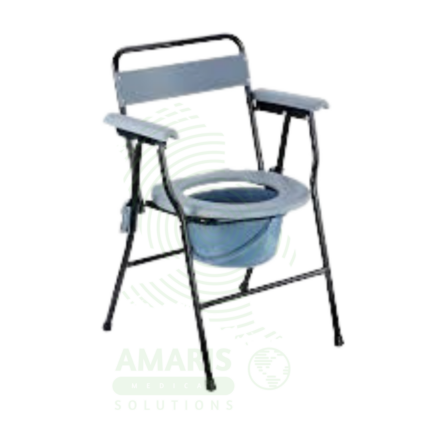
Commode Seat
A Commode Seat is an adaptive device that securely attaches to a standard toilet bowl to raise the seating height and provide supportive armrests. Its primary use is to make an existing bathroom toilet safer and more accessible for individuals with mobility challenges, weakness, or balance issues by reducing the distance required to sit and stand. It facilitates independent or assisted toileting with the hygiene of a plumbed toilet. Safety depends entirely on correct, secure installation and regular checking of its attachment to prevent dangerous shifting or collapse.
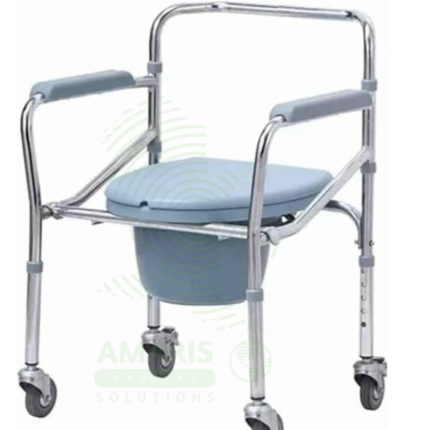
Commode Seat With Wheels
A Commode Seat with Wheels is a mobile frame supporting a raised toilet seat and armrests, designed to be rolled over a standard toilet. It provides the benefits of a raised, supportive toilet seat without permanent installation, making it ideal for multi-user environments, temporary recovery, or patients who can walk to the bathroom but need a higher, safer seat. Its key feature is mobility, allowing precise positioning for safe transfers, but safety depends entirely on engaging the locking wheels before use. It serves as a versatile solution between a fixed toilet aid and a full bedside commode chair.
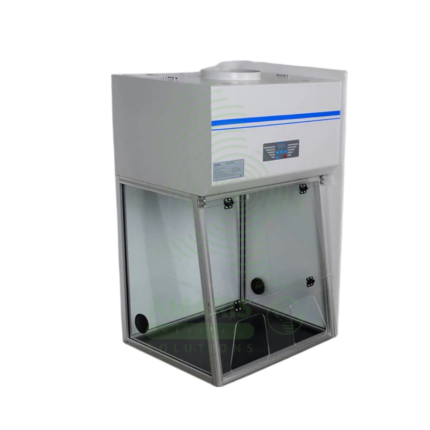
Compound Hood
A Compound Hood (Class II, Type B2 Biological Safety Cabinet) is a specialized containment device designed for safe handling and compounding of hazardous drugs including chemotherapy agents, meeting stringent USP <800> requirements. Featuring 100% exhaust to the outside, HEPA-filtered supply and exhaust air, negative pressure plenums, and hard-ducted connection to building exhaust systems, these cabinets provide maximum personnel, product, and environmental protection. Constructed of stainless steel with gas-tight seals, microprocessor controls, continuous airflow monitoring, and audible/visual alarms. Available in 4-6 foot widths. CRITICAL: Must be hard-ducted, NOT recirculating. Primary clinical applications include chemotherapy compounding in oncology pharmacies, hazardous IV admixture preparation, oral hazardous drug compounding, investigational drug handling, and clinical trial material preparation. Essential equipment for hospital pharmacies, cancer centers, and research facilities handling hazardous drugs, with absolute requirement for USP <800> compliance, annual certification, comprehensive training, medical surveillance, and strict adherence to containment protocols.
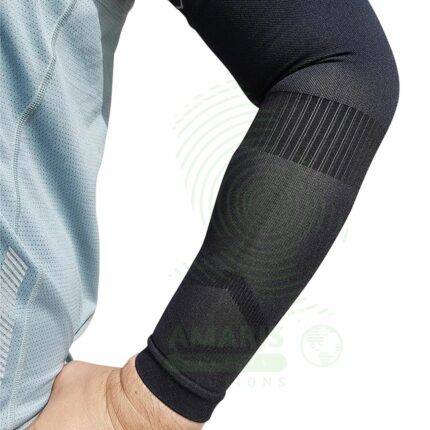
Compression Arm Sleeve
A Compression Arm Sleeve is a medical-grade elastic sleeve that applies graduated pressure from the wrist to the upper arm. Its primary clinical purpose is the management and reduction of swelling (edema) caused by conditions such as lymphedema (often post-mastectomy), chronic venous insufficiency, or post-surgical recovery. By enhancing lymphatic and venous return, it helps control limb volume, reduce discomfort, and prevent complications like skin fibrosis. Correct sizing and consistent daily wear are essential for therapeutic efficacy, and the garment requires specific daily care through gentle hand-washing to maintain its compression properties and hygiene.

Compression Garments
Compression Garments are specialized elastic apparel designed to apply controlled, graduated pressure to limbs or other body areas. As a core medical therapy, they are used to treat and manage lymphedema, chronic venous insufficiency, venous ulcers, and to improve burn scar outcomes. Their function is based on a precise pressure gradient that assists venous and lymphatic return, reduces swelling, and supports tissue. Medical-grade compression requires professional fitting, a prescription for higher classes, and is contraindicated in patients with significant arterial disease. Proper donning, daily skin care, and regular replacement are essential for safety and therapeutic effectiveness.
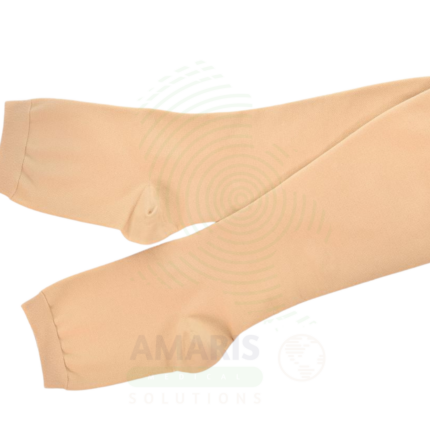
Compression Stockings
Compression Stockings are graduated compression garments designed to improve venous return, reduce edema, and prevent deep vein thrombosis. Featuring compression that is tightest at the ankle and gradually decreases up the leg, they provide mechanical support for the venous and lymphatic systems. Available in compression levels from mild (15-20 mmHg) for prophylaxis and travel to extra firm (40-50 mmHg) for severe lymphedema and chronic venous insufficiency, these garments are essential for managing chronic venous insufficiency, post-operative swelling, pregnancy-related edema, and lymphedema. Available in knee-high, thigh-high, and waist-high styles with various toe configurations, proper sizing based on ankle, calf, and leg measurements is critical for therapeutic effectiveness. Patients with arterial insufficiency (ABI <0.8) should not use compression therapy, and stockings should be replaced every 3-6 months to maintain compression integrity.
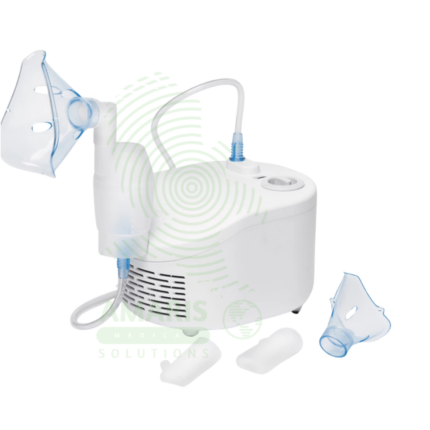
Compressor Nebulizer Machine
A Compressor Nebulizer Machine is a pneumatic device that transforms liquid medication into a breathable mist for treating respiratory conditions. Consisting of an electric air compressor, a nebulizer cup, tubing, and a mask or mouthpiece, it is particularly effective for infants, children, and patients with severe asthma, COPD, or cystic fibrosis who require reliable aerosol delivery. While offering robust performance for home and clinical use, its safety and efficacy depend critically on proper cleaning to prevent infection, correct assembly, and the use of prescribed nebulizer-compatible medications. It remains a fundamental tool for both acute intervention and chronic management of pulmonary diseases.
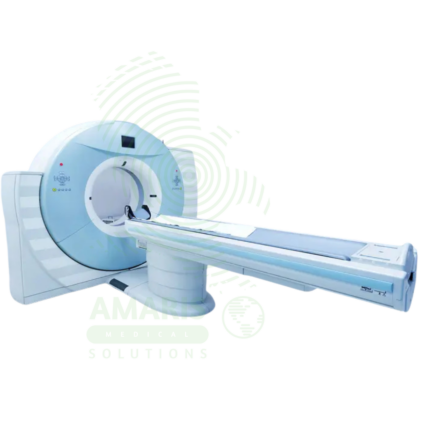
Computed Tomography (CT)
Computed Tomography (CT) is a diagnostic imaging modality that uses X-rays and computer processing to create detailed cross-sectional images of the body. Essential for trauma evaluation, cancer diagnosis, vascular imaging, and surgical planning, CT provides rapid, high-resolution images that guide life-saving decisions in emergency medicine, oncology, and surgery. Advanced multi-slice systems enable whole-body scanning in seconds with sub-millimeter resolution. Radiation dose optimization and contrast safety protocols are essential for patient safety.
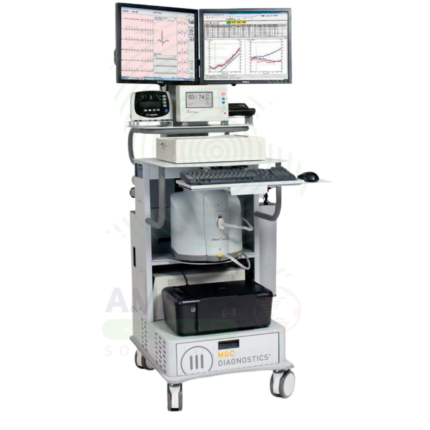
Computerized Testing System
A Computerized Testing System is an automated diagnostic platform for assessing visual function, including visual field, contrast sensitivity, and color vision. Used in ophthalmology and optometry practices, it provides objective, reproducible measurements essential for diagnosing and monitoring glaucoma, neurological conditions, and retinal diseases. Integration with electronic health records streamlines documentation and supports longitudinal comparison of test results.
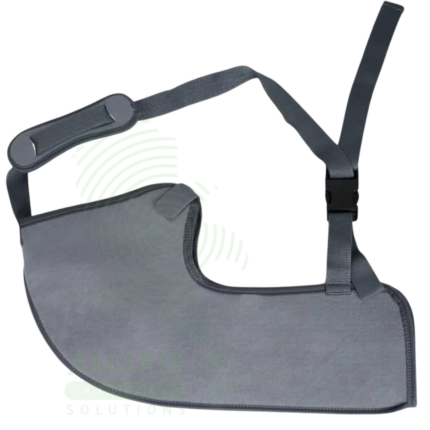
Cotton Arm Sling
A Cotton Arm Sling is a soft, fabric support used to immobilize and support the arm following upper extremity injuries, fractures, and surgery. The sling supports the weight of the arm, reduces pain by limiting movement, and elevates the extremity to control swelling. Made from breathable cotton fabric with an adjustable neck strap, it provides comfortable, lightweight support for a wide range of conditions including wrist fractures, elbow sprains, hand injuries, and post-operative recovery. Proper positioning and circulation monitoring are essential for safe use.
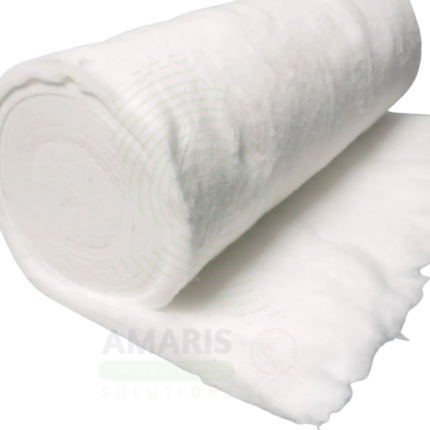
Cotton Rolls
Cotton Rolls are sterile or non-sterile, single-use cylinders of 100% purified, highly absorbent cotton, most commonly used in dentistry for moisture control and oral isolation. Placed in the buccal vestibule or sublingually, they absorb saliva and blood, creating a dry operative field essential for adhesive restorations, impressions, and minor surgical procedures. Standard dimensions are 1.5 inches in length and 0.5 inches in diameter, with jumbo, pediatric, tapered, and banded variants available. Critical performance properties include high absorbency (20-25x fluid weight), wet strength, and low-linting. Sterile rolls are required for surgical procedures contacting open wounds. Strict single-use protocol and careful count/retrieval are mandatory to prevent aspiration hazards. An indispensable, high-volume consumable in dental practice.
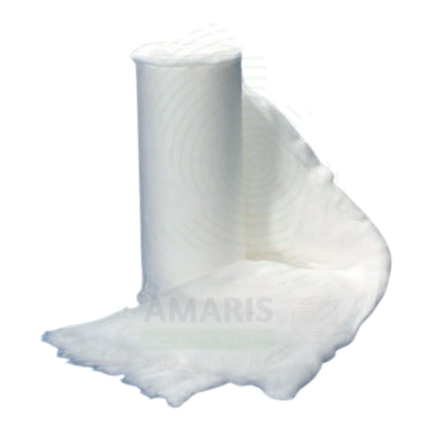
Cotton Wool
Cotton Wool is purified, absorbent cotton fiber used for wound cleansing, medication application, fluid absorption, and specimen collection in healthcare settings. Available in various forms including balls, rolls, swabs, and pellets, it is an essential consumable for hospitals, clinics, dental offices, and laboratories.

Cover Glass
Cover Glass (coverslips) are thin, transparent glass or plastic squares (e.g., 18×18 mm, 22×22 mm) or rectangles (22×30 mm, 24×50 mm) used to cover specimens on microscope slides for microscopic examination. Available in thickness No. 1 (0.13-0.16 mm) and No. 1.5 (0.16-0.19 mm) for optimal microscopy. Made from optical glass with high light transmission (>90%), refractive index 1.52 matching immersion oil. Packaged in boxes of 100-1000, interleaved with paper to prevent scratching. Primary clinical applications include covering blood films for manual differential counts and malaria diagnosis, wet mount preparations of urine sediment and vaginal secretions, histopathology and cytology slides, Gram-stained bacterial smears, semen analysis, KOH preparations for fungal elements, and India ink preparations for Cryptococcus. Critical safety precautions include handling with forceps (sharp edges), disposing of broken coverslips in sharps containers, avoiding fingerprints on optical surface, and proper disposal of biohazard-contaminated coverslips. Essential consumable in every clinical laboratory performing microscopy.
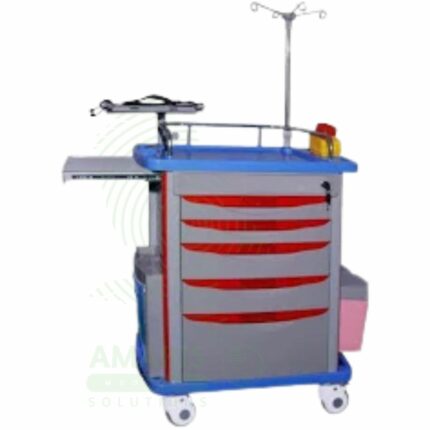
Crash Cart Medicine Trolley
A Crash Cart Medicine Trolley, or Emergency Resuscitation Trolley, is a specially designed, mobile cabinet that serves as a completely stocked and organized response station for hospital medical emergencies, primarily cardiac and respiratory arrests. It consolidates all essential equipment—including a defibrillator/monitor, emergency medications, airway management tools, and IV supplies—into a standardized, rapidly deployable unit. Its core function is to eliminate delays in life-saving treatment by bringing a comprehensive set of resources directly to the patient's bedside. Rigorous daily checks and strict restocking protocols ensure it is always in a state of immediate readiness, making it a critical component of hospital safety and emergency response infrastructure.

CRP Test Kit
CRP Test Kit (C-Reactive Protein) is a quantitative or semi-quantitative immunoassay (latex agglutination, turbidimetry, nephelometry, ELISA, or rapid immunochromatographic) for detecting C-reactive protein in blood, an acute-phase reactant produced in response to inflammation. Rapid rise within 6-12 hours, peaks at 24-48 hours, half-life 19 hours. Normal <5-10 mg/L; mild elevation 10-100 mg/L (viral infections, autoimmune flares); moderate 100-200 mg/L (bacterial infections); marked >200 mg/L (sepsis, major trauma). High-sensitivity CRP (hs-CRP) detects 0.1-10 mg/L for cardiovascular risk stratification (<1 mg/L low risk, 1-3 mg/L moderate, >3 mg/L high). Primary clinical applications include detection and monitoring of inflammation, diagnosis and management of infections (differentiating bacterial from viral), assessment of autoimmune disease activity, post-surgical monitoring for complications, cardiovascular risk screening (hs-CRP), monitoring rheumatic fever and inflammatory conditions, and neonatal sepsis evaluation. Critical safety precautions include proper sample handling (universal precautions), quality control verification, awareness of non-specific elevation, prozone phenomenon in very high concentrations, and clinical correlation for interpretation. Essential test for evaluating inflammation across all medical specialties.
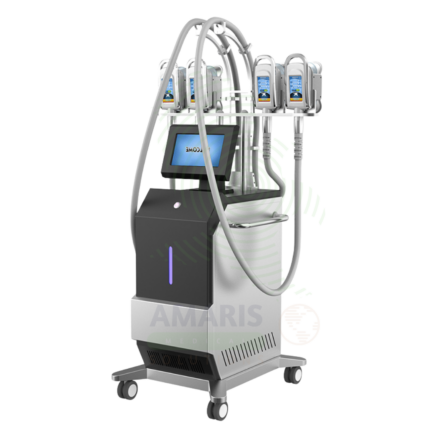
Cryopolyse Slimming Machine
A Cryopolyse Slimming Machine is a non-invasive body contouring device that uses controlled cooling (cryolipolysis) to eliminate fat cells in localized areas such as the abdomen, flanks, thighs, and submental region. FDA-cleared for fat reduction, it offers patients a non-surgical alternative to liposuction with no incisions, anesthesia, or downtime. Results appear gradually over 8-12 weeks as the body naturally eliminates treated fat cells, providing measurable body contour improvement.
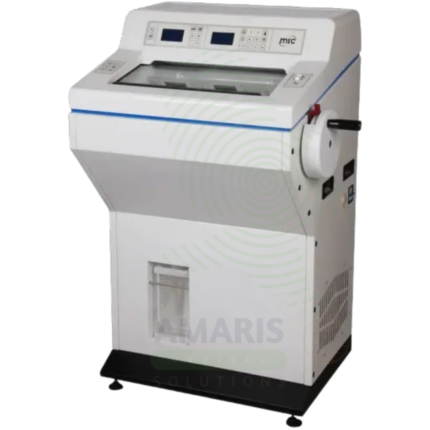
Cryostat Microtome
A Cryostat Microtome is a refrigerated instrument used to rapidly freeze and section tissue specimens for intraoperative frozen section diagnosis, immunofluorescence studies, and research applications. Essential in pathology departments, it enables rapid microscopic examination of tissue during surgery, allowing surgeons to determine margin status and guide resection. The cryostat preserves tissue antigenicity for immunohistochemistry and molecular testing, supporting comprehensive diagnostic and research capabilities.
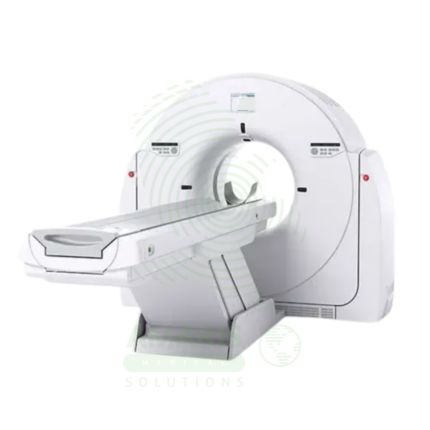
CT Scanner
A CT Scanner is an advanced diagnostic imaging device that uses a rotating X-ray source and detector array to create detailed cross-sectional images ("slices") of the body. By combining these slices, it generates comprehensive 2D and 3D views of bones, organs, and blood vessels, making it indispensable for trauma evaluation, cancer staging, vascular assessment, and guiding complex procedures. While offering unparalleled diagnostic clarity, its operation requires strict adherence to radiation safety principles (ALARA) and protocols for the safe use of contrast agents to maximize patient benefit and minimize risk.
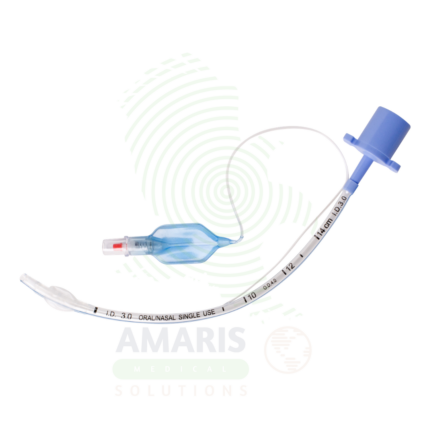
Cuffed Endotracheal Tubes
Cuffed Endotracheal Tubes are flexible airway devices with an inflatable cuff designed for secure airway management during positive pressure ventilation and aspiration prevention. The high-volume, low-pressure cuff creates a seal within the trachea, preventing air leakage and aspiration of gastric contents. Essential for anesthesia, intensive care, and emergency medicine, they provide reliable airway protection for patients requiring mechanical ventilation.
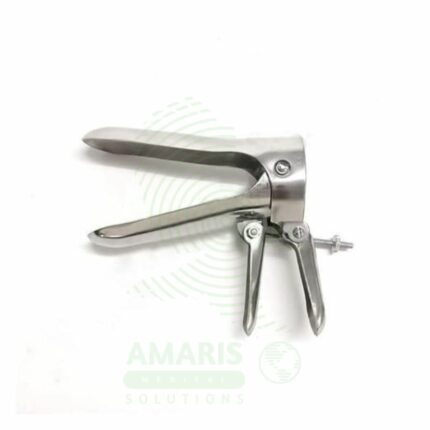
Cusco Speculum
A Cusco speculum is a hinged, bivalve instrument used to separate the vaginal walls for examination of the vagina and cervix. It is the standard tool for performing Pap smears, visual diagnostics, and various gynecological procedures. Available in reusable metal or single-use plastic forms and in multiple sizes, its self-retaining lock allows for hands-free operation. Safe and effective use requires gentle insertion with lubrication, selection of the correct size, careful unlocking before removal, and strict adherence to high-level disinfection or sterilization protocols for reusable models. It is an indispensable instrument in women's health care.
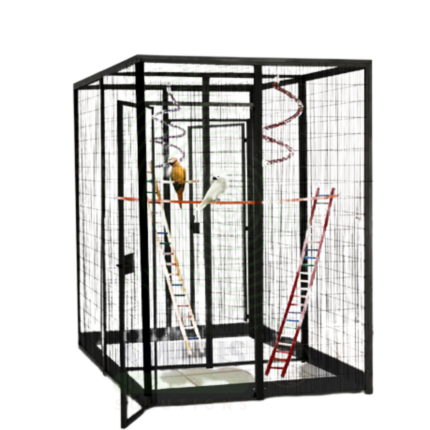
Custom Cage Assembly
A Custom Cage Assembly is a modular animal housing system designed for laboratory research, veterinary facilities, and animal care programs. Featuring individually ventilated rack systems, HEPA filtration, and customizable configurations, it provides the controlled environment needed for research animal welfare and experimental validity. Modular, scalable designs accommodate evolving research programs while supporting species-specific behaviors and regulatory compliance.
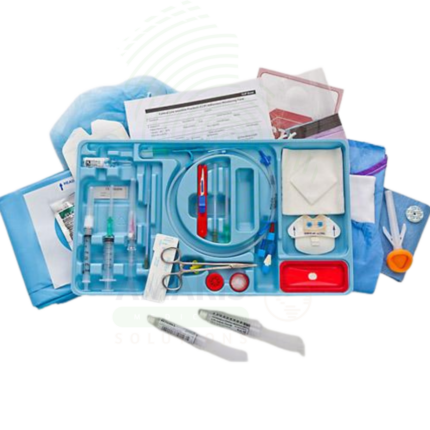
CVC Kit
A CVC Kit is a complete, sterile, single-use central venous catheter insertion kit containing the catheter, introducer needles, guidewire, dilators, and all accessories for safe central line placement. Available in single, double, triple, and quad lumen configurations, it supports fluid administration, medication delivery, and hemodynamic monitoring. Essential for intensive care, anesthesia, emergency medicine, and oncology.
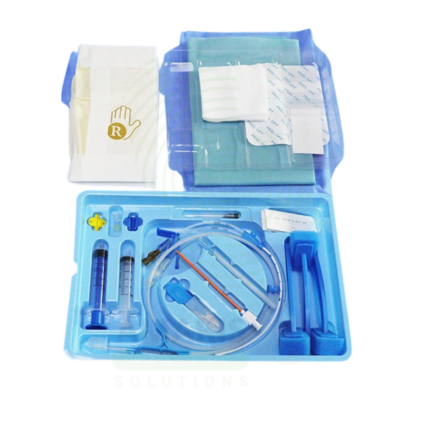
CVC Mini-kit
A CVC Mini-kit is a sterile, single-use convenience kit containing all components necessary for central venous catheter insertion site preparation. Including sterile drapes, antiseptic solutions, gauze, syringes, needles, and dressings, it ensures consistent aseptic technique and reduces the risk of catheter-related bloodstream infections. Essential for intensive care, anesthesia, and interventional radiology.
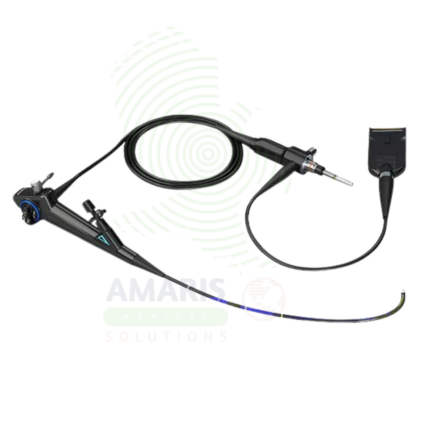
Cystoscope
A Cystoscope is a specialized endoscope used for visualization of the urethra and bladder for diagnostic and therapeutic urologic procedures. Rigid cystoscopes provide superior optics for operative procedures, while flexible cystoscopes offer enhanced patient comfort for diagnostic examinations. Essential for evaluation of hematuria, diagnosis and surveillance of bladder cancer, stent management, and treatment of bladder stones and urethral strictures, cystoscopy is the cornerstone of urologic practice.
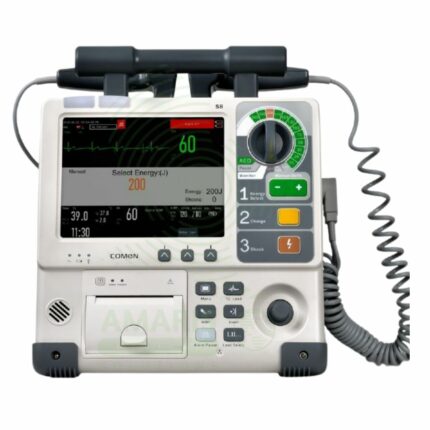
Defibrillator Monitor
The Defibrillator Monitor is a critical, portable life-support device that combines continuous patient monitoring with immediate defibrillation and pacing capabilities. It is the frontline tool for managing cardiac arrest (through defibrillation) and unstable arrhythmias (through synchronized cardioversion or pacing) in emergency departments, during patient transport, and for hospital code teams. Essential for safe operation are rigorous daily self-tests, correct pad placement, and the strict protocol of clearing all personnel before delivering a shock. Its integrated monitoring of ECG, SpO2, and NIBP allows for comprehensive patient assessment at the point of greatest need.
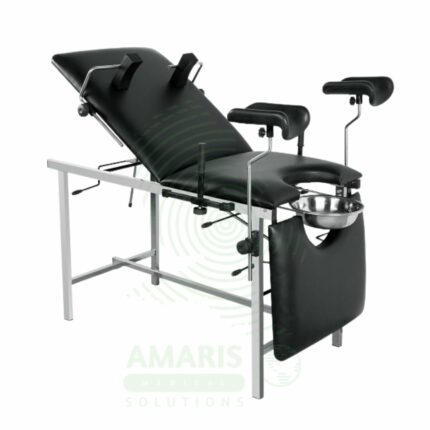
Delivery Bed
A Delivery Bed is a sophisticated, electrically powered hospital bed specifically engineered for labor, delivery, and obstetric surgeries. It transforms from a comfortable labor bed into a delivery platform with lithotomy positioning and finally into a fully functional surgical table, often integrating a newborn resuscitation station. Its core functions are to ensure optimal, safe positioning for the mother, provide ergonomic access for the clinical team, and facilitate integrated monitoring and emergency care for both mother and newborn. Robust, adjustable, and designed for stringent infection control, it is the central piece of equipment in any modern obstetrical unit.
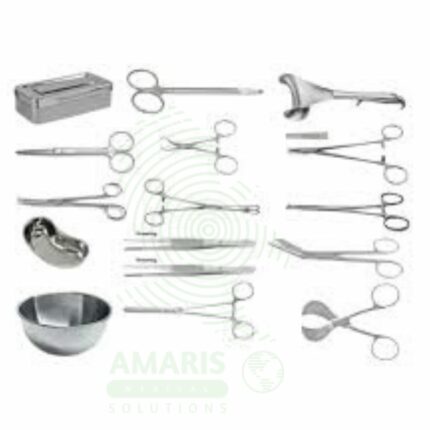
Delivery Set
A Delivery Set is a sterile instrument tray containing the instruments necessary for attending vaginal deliveries, including episiotomy, cord clamping and cutting, placental delivery, and perineal repair. Essential for labor and delivery units, birthing centers, and emergency obstetric services, it ensures that all required instruments are organized, sterile, and immediately available during the delivery process. Proper sterile technique, instrument counting, and placental inspection are critical for safe maternal and neonatal outcomes.
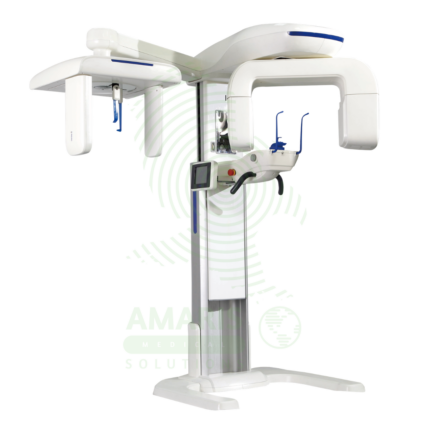
Dental X-ray Machine
A Dental X-ray Machine is a specialized radiographic system designed for imaging teeth, jaws, and facial structures. It encompasses intraoral units for detailed tooth-specific views, panoramic machines for wide screening shots, and advanced Cone Beam CT (CBCT) scanners for 3D surgical planning. Utilizing low-dose radiation and digital imaging technology, it is indispensable for diagnosing cavities, gum disease, infections, and planning treatments like implants, orthodontics, and oral surgery. Its safe operation requires strict adherence to radiation protection protocols, including the use of lead aprons, proper collimation, and operator training to ensure patient and staff safety while obtaining critical diagnostic information.
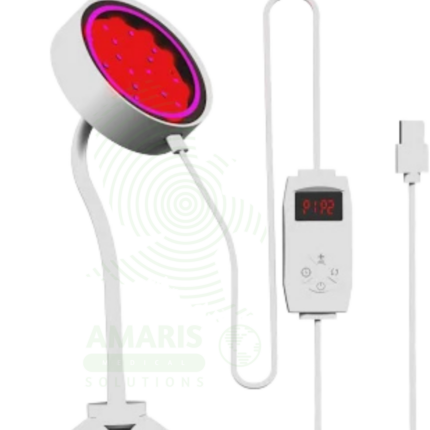
Desktop Infrared Therapy Lamp
A Desktop Infrared Therapy Lamp is a compact, focused heat therapy device that emits infrared radiation to deliver deep, penetrating warmth to targeted areas of the body. Used primarily for pain relief, muscle relaxation, and promoting healing in soft tissue and joint conditions, it is a common tool in physical therapy, chiropractic, and wellness practices. Its adjustable design allows precise positioning over areas like the neck, shoulder, or knee. Treatment involves non-invasive, radiant heat that increases local circulation. Critical safety practices include adhering to treatment time and distance guidelines, avoiding use over contraindicated areas, and never looking directly at the bulb.
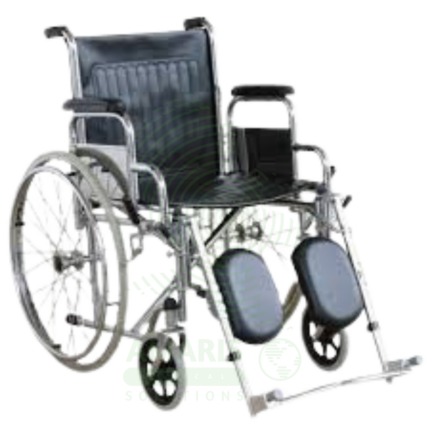
Detachable Wheelchair
A Detachable Wheelchair is a manual wheelchair designed for easy disassembly and transport. Its key feature is a folding X-frame and quick-release wheels, allowing it to break down into compact parts for storage in car trunks or small spaces. While offering superior portability and convenience for travel and occasional use, it is generally less efficient for long-distance self-propulsion than a rigid-frame wheelchair. Safety depends on ensuring all components, especially wheels and frame locks, are securely assembled before each use.
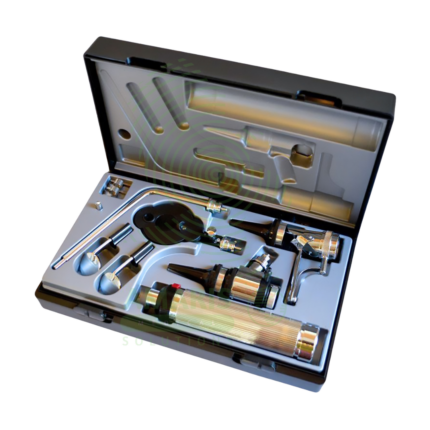
Diagnostic Kit (ENT)
A Diagnostic Kit (ENT) is a comprehensive, portable set of specialized instruments essential for the complete physical examination of the Ear, Nose, and Throat. It typically includes a head mirror/light, otoscope, nasal speculum, laryngeal mirrors, tuning forks, and curettes, housed in a durable carrying case. This kit enables otolaryngologists, general practitioners, and emergency physicians to visually inspect, diagnose, and manage a wide array of conditions from common infections and allergies to anatomical abnormalities. Its effectiveness relies on the clinician's expertise and rigorous adherence to infection control protocols for the cleaning and sterilization of its reusable components.
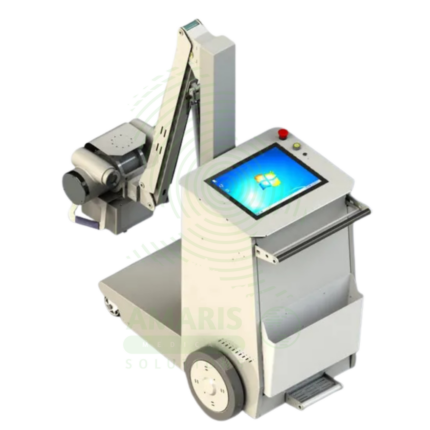
Digital & Analog X-ray Machine
A Digital & Analog X-ray Machine is a fundamental medical imaging device that uses a controlled beam of ionizing radiation to produce static or real-time images of the body's internal structures. It is indispensable for diagnosing fractures, lung diseases, dental issues, and many abdominal conditions. The transition from Analog (film-based) to Digital (CR or DR) technology has revolutionized the field, offering faster results, superior image manipulation, improved dose efficiency, and seamless integration into digital healthcare networks. Its operation demands strict adherence to radiation safety protocols (ALARA) to protect patients and staff, making it a cornerstone of safe, effective diagnostic medicine.
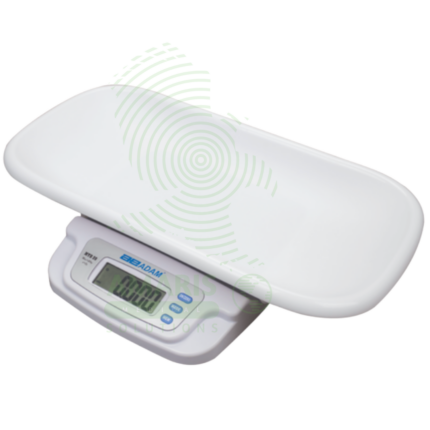
Digital Baby Weighing Scale
A Digital Baby Weighing Scale is a high-precision medical device designed exclusively for the safe and accurate measurement of infant and toddler weight. Featuring a stable, hygienic platform with gram-level precision, it is indispensable in hospitals (especially NICUs), pediatric clinics, and community health settings. Its core functions—such as hold, tare, and zeroing—ensure reliable readings even with a moving child. Accurate weight data is foundational for assessing growth, calculating medication doses, managing nutrition, and detecting early signs of health issues, making this scale a critical tool for safeguarding infant health and development.
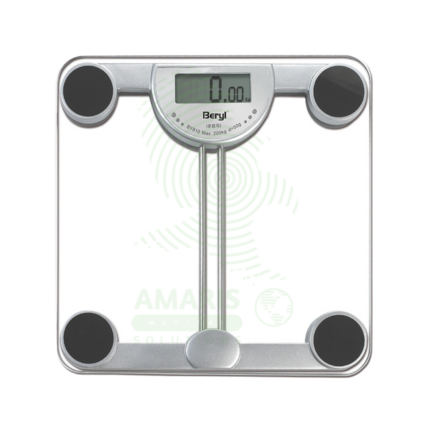
Digital Bathroom Weighing Scale
A Digital Bathroom Weighing Scale is a Class I medical device (for health monitoring) using strain gauge sensor technology (four high-precision sensors, accuracy ±0.1-0.3 kg) to measure body weight in home settings. Features include tempered glass, stainless steel, or ABS plastic platform (30-35 cm square), backlit LCD display with large numerals, auto-on/off, low battery indicator, overload warning, and weight capacity 150-200 kg (330-440 lbs) standard, with bariatric models to 300 kg (660 lbs). Measurement units switchable between kg, lb, and st. Primary clinical applications include home weight monitoring for chronic disease management (congestive heart failure fluid detection, chronic kidney disease), obesity and weight management programs, bariatric surgery pre- and post-operative monitoring, diabetes management and metabolic health, pregnancy weight gain tracking, geriatric nutritional status monitoring (detecting malnutrition), and pediatric growth monitoring. Critical safety considerations include use on hard, level surface (not carpet), consistent weighing conditions (same time, minimal clothing), inspection of glass platform for cracks, staying within weight capacity, and recognition that rapid weight gain >2-3 kg in 24-48 hours may indicate fluid overload requiring medical attention. Essential tool for home-based chronic disease management and health monitoring.
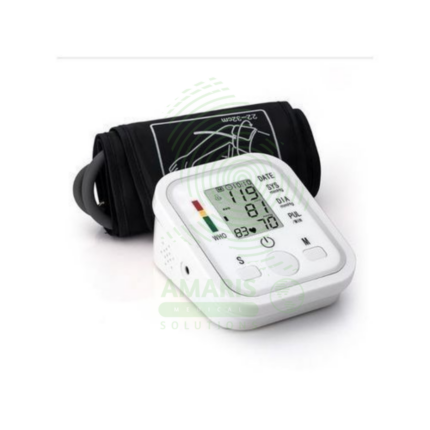
Digital Blood Pressure Monitor
A Digital Blood Pressure Monitor is an automatic electronic device that measures and displays systolic pressure, diastolic pressure, and pulse rate using the oscillometric method. Designed primarily for home and clinical use, it offers a user-friendly alternative to manual aneroid devices, requiring minimal training. Key features often include irregular heartbeat detection, multi-user memory, and connectivity for data tracking. Its accuracy, when clinically validated and used with correct technique, makes it an indispensable tool for the diagnosis and management of hypertension, empowering patients and supporting healthcare providers with reliable ambulatory data.
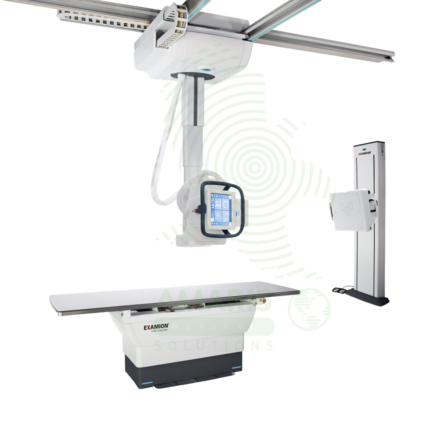
Digital Ceiling X-ray
A Digital Ceiling X-ray is a ceiling-mounted digital radiography system for general diagnostic imaging of the skeletal, chest, abdominal, and extremity anatomy. The ceiling-mounted tube assembly provides full room coverage for flexible patient positioning, while digital flat panel detectors produce immediate high-resolution images for rapid diagnosis. Integrated with PACS and RIS, it supports efficient digital workflow from image acquisition to interpretation. Used in radiology departments, emergency rooms, and outpatient imaging centers.
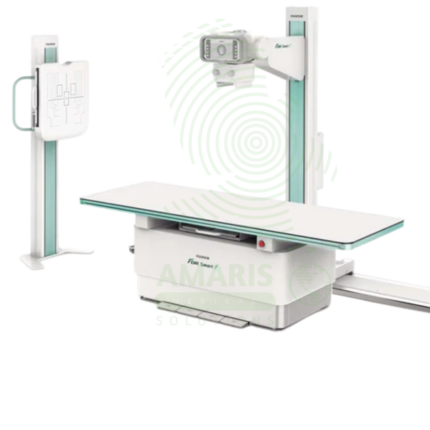
Digital Fixed X-ray
A Digital Fixed X-ray is a permanent installation digital radiography system designed for high-volume general imaging in radiology departments and outpatient imaging centers. Featuring digital flat panel detectors, ceiling-mounted tube assemblies, and tilting tables, it provides high-resolution images for skeletal, chest, abdominal, and extremity examinations. Integrated with PACS and RIS, it supports efficient digital workflow from image acquisition to interpretation, enabling rapid diagnosis and treatment planning.
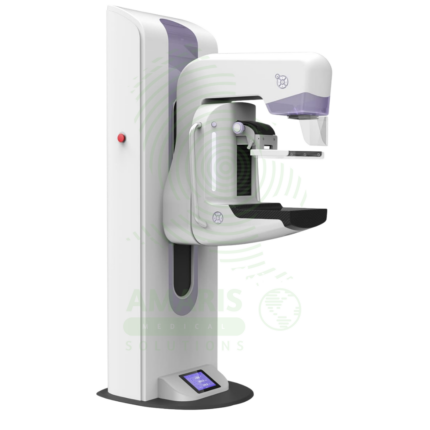
Digital Mammography System
A Digital Mammography System is a specialized X-ray imaging system designed for breast cancer screening and diagnosis. Using high-resolution digital detectors, it provides superior image quality with lower radiation dose compared to film mammography. Advanced systems offer tomosynthesis (3D) imaging, which improves cancer detection rates and reduces false positives. Used in breast imaging centers, radiology departments, and women's health facilities, it is the gold standard for early detection of breast cancer.
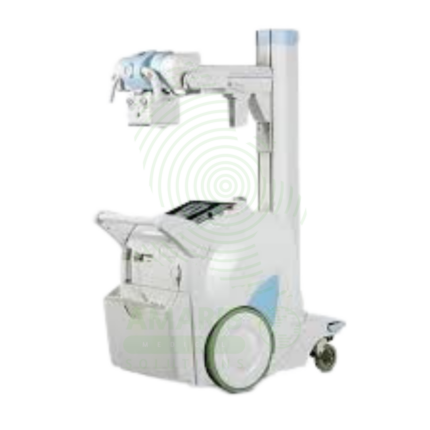
Digital Mobile X-ray
A Digital Mobile X-ray is a battery-powered, portable digital radiography system designed for bedside imaging in intensive care units, neonatal intensive care units, emergency departments, and operating rooms. The mobile unit enables high-quality chest, abdominal, and extremity imaging at the patient's bedside, eliminating the risks associated with transporting critically ill patients. Wireless digital detectors provide immediate image capture and transmission to PACS, supporting rapid diagnosis and treatment decisions.
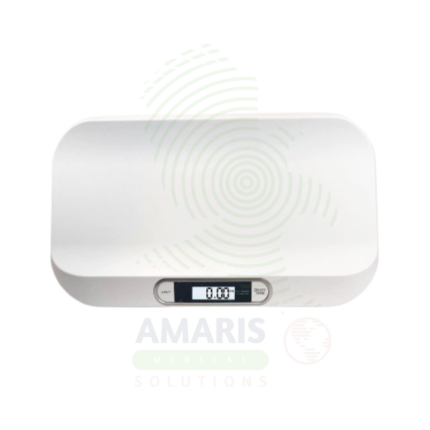
Digital Portable Small Animal Vet Scale
A Digital Portable Small Animal Vet Scale is a lightweight, battery-operated weighing device designed for accurate weight measurement of dogs, cats, rabbits, and other companion animals. Essential for calculating medication dosages, monitoring growth, and managing weight, its portable design enables use in examination rooms, treatment areas, and during house calls. The hold function captures stable weight readings even with moving animals, while the tare function accommodates carriers and bedding.
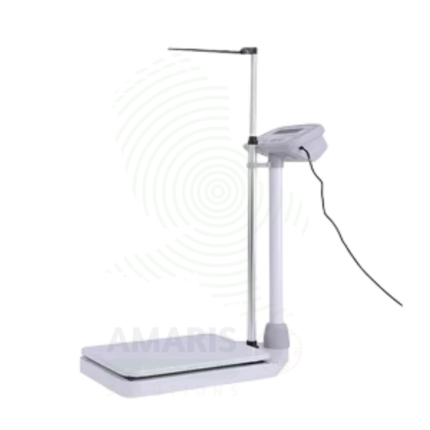
Digital Scale with Measuring Tape
A Digital Scale with Measuring Tape combines weight and height measurement in a single device, enabling efficient patient intake and automatic BMI calculation. Essential for primary care, pediatrics, weight management, and pre-operative assessment, it provides the accurate anthropometric measurements needed for clinical decision-making, growth monitoring, and nutritional assessment.
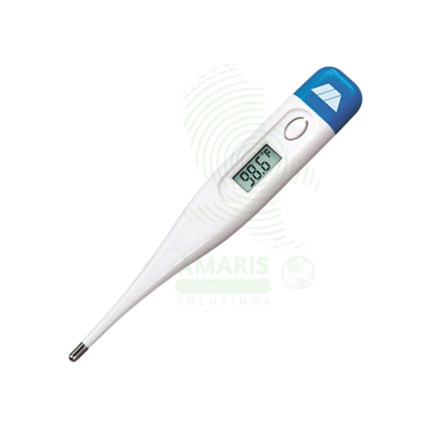
Digital Thermometer
A Digital Thermometer is an electronic device for measuring body temperature, having largely replaced glass mercury thermometers due to its safety, speed, and ease of use. It uses a thermistor sensor to provide a rapid, accurate digital readout on an LCD screen via oral, rectal, axillary, or other specialized routes. Key features often include a fever alarm, memory recall, and waterproof design for easy cleaning. Its accuracy, hygienic benefits (especially with disposable probe covers), and suitability for all age groups make it an indispensable tool in hospitals, clinics, and homes for detecting fever, monitoring illness, and assessing overall patient health.
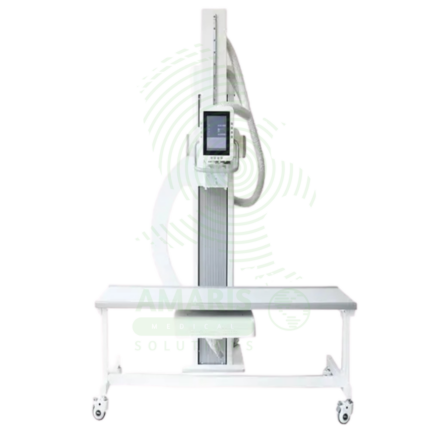
Digital U-arm X-ray
A Digital U-arm X-ray is a versatile digital radiography system designed for emergency departments, urgent care centers, and outpatient clinics. The U-arm configuration provides flexible positioning for chest, abdominal, skeletal, and extremity imaging with easy patient access for stretcher and wheelchair patients. Digital detectors produce immediate high-resolution images for rapid diagnosis, while the compact footprint allows installation in space-constrained settings. Essential for rapid, high-quality imaging in emergency and ambulatory care environments.
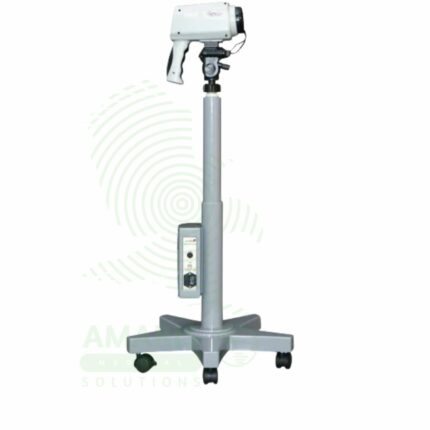
Digital Video Colposcope
A Digital Video Colposcope is a specialized binocular microscope system with integrated digital imaging, used for the magnified examination of the cervix, vagina, and vulva. It is the essential diagnostic tool for evaluating abnormal Pap smears, guiding biopsies of pre-cancerous lesions (CIN), and assessing various lower genital tract disorders. Key features include variable high magnification, bright LED illumination with green filter enhancement, and high-resolution video capture for documentation, patient education, and telemedicine. Its use requires proper application of acetic acid, systematic examination technique, and secure management of patient image data. It is a cornerstone of gynecologic preventative care and diagnosis.
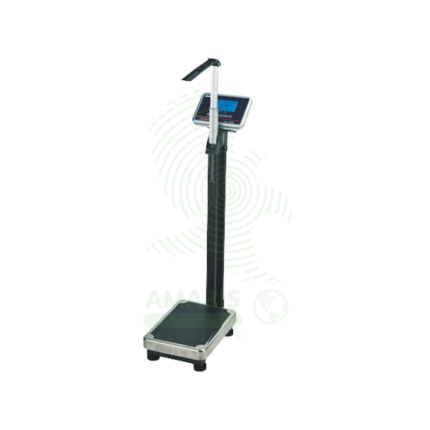
Digital Weighing Scale With Height
A Digital Weighing Scale With Height is a Class I medical device combining precision electronic load cell technology (accuracy ±0.1 kg, capacity 200-500 kg) with integrated mechanical or electronic height measurement (range 60-220 cm, accuracy ±2-5 mm) for comprehensive anthropometric assessment in clinical settings. Features include backlit LCD display with automatic BMI calculation, tare function for wheelchair weighing, hold function for unsteady patients, data output options (USB/Bluetooth/RS-232) for EMR integration, locking casters for mobility, and AC power with battery backup. Primary clinical applications include comprehensive anthropometric assessment in primary care, pediatric growth monitoring, adult obesity screening and weight management, bariatric surgery pre- and post-operative assessment, geriatric nutritional status monitoring, oncology chemotherapy dosing (BSA calculation), and clinical research. Critical safety considerations include locking casters before patient use, verifying zero before each measurement, providing step assistance for mobility-impaired patients, staying within weight capacity, and regular calibration verification with certified test weights. Essential digital equipment for efficient, accurate, and documented anthropometric assessment in modern clinical practice.
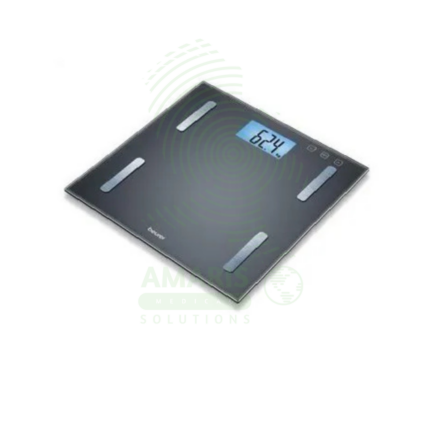
Digital weight scale with BMI calculator
A Digital Weight Scale with BMI Calculator is a Class I medical device (for health monitoring) combining precision strain gauge technology (four sensors, accuracy ±0.1-0.3 kg) with automatic BMI calculation based on user-entered height. Features include tempered glass, stainless steel, or ABS plastic platform (30-35 cm square), backlit LCD display showing weight and BMI, multiple user profiles (2-10 users) with height storage, memory for historical readings, auto-recognition on select models, Bluetooth connectivity for app integration, and weight capacity 150-200 kg (330-440 lbs) standard. Primary clinical applications include home-based BMI monitoring for weight management, hypertension and cardiovascular risk assessment, diabetes management and metabolic health, obesity screening and weight loss programs, bariatric surgery pre- and post-operative monitoring, geriatric nutritional status monitoring (detecting malnutrition), and pediatric/adolescent growth tracking. Critical safety considerations include accurate height entry for each user (essential for valid BMI), correct user profile selection, use on hard level surfaces (not carpet), glass platform inspection for cracks, staying within weight capacity, and understanding that BMI is a screening tool requiring healthcare provider interpretation. Essential home health device for individuals managing weight-related health conditions.
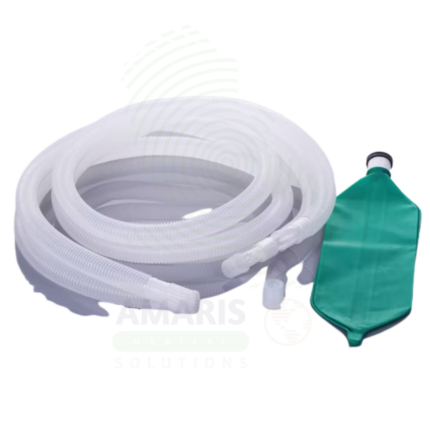
Disposable Breathing Circuit Extendable
A Disposable Breathing Circuit Extendable is a single-use, extended-length circuit designed for remote patient positioning during MRI, interventional radiology, and complex procedures where the anesthesia machine must be placed away from the patient. Modular extension capability allows customizable length, while single-use design ensures infection control. Essential for MRI suites, interventional radiology, and long-distance patient transport.
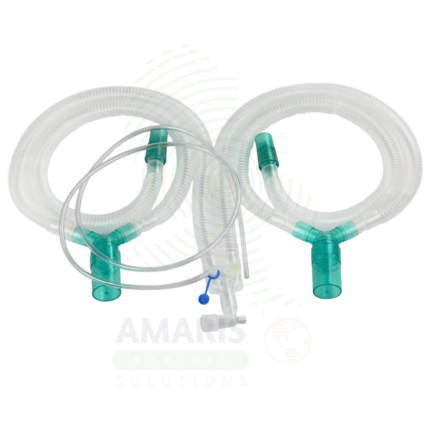
Disposable Breathing Circuit Reinforced
A Disposable Breathing Circuit Reinforced is a single-use, kink-resistant circuit for delivering anesthetic gases and oxygen during anesthesia and mechanical ventilation. The reinforced construction maintains patency during complex patient positioning, while single-use design eliminates cross-contamination risk. Essential for operating rooms, ICUs, and procedures requiring non-standard patient positioning.
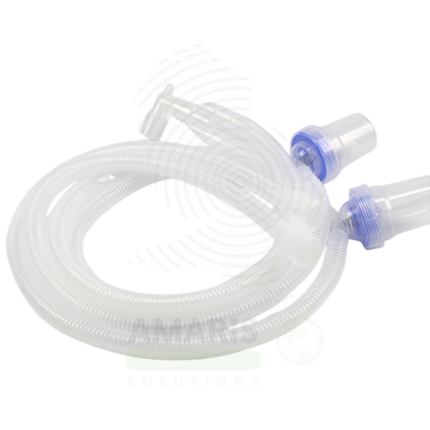
Disposable Breathing Circuit Reinforced with Water Traps
A Disposable Breathing Circuit Reinforced with Water Traps is a single-use, kink-resistant circuit with integrated condensation management for delivering anesthetic gases during anesthesia and mechanical ventilation. The reinforced construction maintains patency during complex patient positioning, while built-in water traps prevent condensate from reaching the patient or equipment. Essential for operating rooms, ICUs, and procedures requiring non-standard patient positioning.