Dermatoscope and Magnifiers
 Diagnostic Kits
 Vital Signs Monitors
 Stethoscopes and Accessories
 Otoscopes, Ophthalmoscopes, and Retinoscopes
 Reflex Hammers and Neurological Tools
 Scales and Measuring Devices
 Spirometers and Pulmonary Function Tests
 Electrosurgical Units and Accessories
 Cutting Instruments
 Grasping and Holding Instruments
 Hemostatic Instruments
 Specialized Surgical Sets
 Single-Use Procedure Trays and Packs
 Surgical Drapes, Gowns, and Covers
 Tissue Unifying Instruments
 Radiation Protection
 X-Ray Machines and Accessories
 Ultrasound Systems and Probes
 MRI and CT Scanners
 Radiology Consumables
 Bone Densitometers
 Fluoroscopy Equipment
 Imaging Tables and Positioning Aids
 Microscopes and Accessories
 Centrifuges and Separators
 Analyzers
 Incubators and Ovens
 Pipettes, Dispensers, and Lab Glassware
 Refrigerators, Freezers, and Storage Units
 Lab Consumables
 Sterilizers and Autoclaves for Lab Use
 Multi-Parameter Monitors
 Ventilators and Respiratory Support Devices
 Defibrillators and AEDs
 Infusion Pumps and IV Systems
 Patient Warmers and Cooling Devices
 Central Monitoring Stations
 Accessories
 Anesthesia Machines and Workstations
 Oxygen Concentrators and Delivery Systems
 Nebulizers and Inhalers
 CPAP/BiPAP Machines
 Airway Management
 Anesthesia Masks, Circuits, and Bags
 Humidifiers and Heaters
 Respiratory Therapy Accessories
 First Aid Kits and Cabinets
 Emergency Resuscitation Equipment
 Trauma Supplies
 Emergency Carts and Crash Carts
 Burn Care Products
 Bleeding Control
 Automated External Defibrillators (AEDs)
 Transport and Evacuation
 Wheelchairs and Accessories
 Walkers, Crutches, and Canes
 Prosthetics and Orthotics
 Physical Therapy Equipment
 Transfer Devices
 Bathroom Safety
 Orthopedic Traction and Tables
 Hot/Cold Therapy Packs and Units
 Beds and Mattresses
 Chairs and Stools
 Tables
 Cabinets and Storage
 Privacy Screens & Curtains
 Stands and Racks
 Linens and Textiles
 Lighting
 Autoclaves and Sterilizers
 Ultrasonic Cleaners
 Disinfectant Solutions and Wipes
 Sterilization Pouches, Wraps, and Indicators
 Instrument Trays and Containers
 UV and Ozone Disinfection Devices
 Washer Disinfectors
 Wound Care
 Gloves
 Masks and Respirators
 Catheters and Tubing
 Swabs, Applicators, and Sponges
 Incontinence Products
 Personal Protective Equipment (PPE)
 Dental Chairs and Units
 Handpieces and Burs
 Instruments
 Consumables
 Sterilization for Dental Use
 Orthodontic Supplies
 Endodontic Tools
 Slit Lamps and Tonometers
 Lensometers and Phoropters
 Ophthalmic Surgical Instruments
 Eyewear Frames and Lenses
 Contact Lens Supplies
 Vision Testing Charts and Devices
 Eye Care Consumables
 Laser Systems for Eye Care
 ENT Exam Chairs and Tables
 Endoscopes
 Audiometers and Hearing Tests
 ENT Instruments
 Nasal and Throat Packs
 Hearing Aids and Accessories
 Otology Supplies
 Fetal Dopplers and Monitors
 Delivery Beds and Tables
 Gynecological Instruments
 Neonatal Incubators and Warmers
 Breast Pumps and Accessories
 Contraceptive Devices
 Maternity Supports and Pads
 Neonatal Consumables
 Cystoscopes and Urethroscopes
 Dialysis Machines and Supplies
 Urological Catheters and Bags
 Lithotripters
 Prostate Treatment Devices
 Urinary Incontinence Products
 Kidney Stone Management Tools
 Consumables & Disposables
 EEG and EMG Machines
 Neurosurgical Instruments
 Nerve Stimulators
 Headrests and Positioning Aids
 Lumbar Puncture Kits
 Seizure Monitoring Devices
 Consumables
 Rehabilitation for Neurological Conditions
 ECG Machines and Accessories
 Holter Monitors
 Stress Test Systems
 Pacemakers and Defibrillator Accessories
 Vascular Access Devices
 Cardiac Catheters and Guidewires
 Blood Flow Meters
 Consumables
 Orthopedic Instruments
 Casts, Splints, and Padding
 Joint Replacement Supplies
 Prosthetic Limbs and Components
 Bone Grafts and Substitutes
 Traction Devices
 Orthopedic Braces and Supports
 Rehabilitation Aids for Orthopedics
 Home Oxygen Therapy
 Hospital Beds for Home Use
 Mobility Aids
 Bathroom and Daily Living Aids
 Wound Care for Home
 Monitoring Devices
 Enteral Feeding Pumps and Tubes
 Hand Sanitizers and Dispensers
 Face Shields and Goggles
 Isolation Gowns and Suits
 Biohazard Waste Containers
 Air Purifiers and HEPA Filters
 Surface Disinfectants
 Sharps Containers
 Protective Barriers
 Cardiovascular & Endurance Training
 Strength Training & Weightlifting
 Functional Training & Core Conditioning
 Physical Therapy & Rehabilitation
 Sports & Outdoor Recreation
 Gym Flooring & Facility Equipment
 Fitness Monitoring & Accessories
 Kids & Novelties









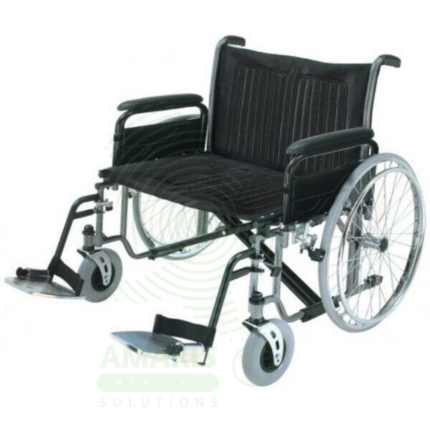
Extra Wide Wheelchair
An Extra Wide Wheelchair is a heavy-duty manual wheelchair designed with a seat width greater than 20 inches to safely and comfortably accommodate bariatric patients or individuals with unique seating needs. Key features include a reinforced wide frame, high weight capacity, wide footrests, and robust components. Its primary use is to provide dignified and stable mobility for patients of size, though its increased dimensions require careful planning for doorway accessibility and make it heavier and less maneuverable than standard chairs. It is a fundamental tool for safe patient handling in bariatric care.
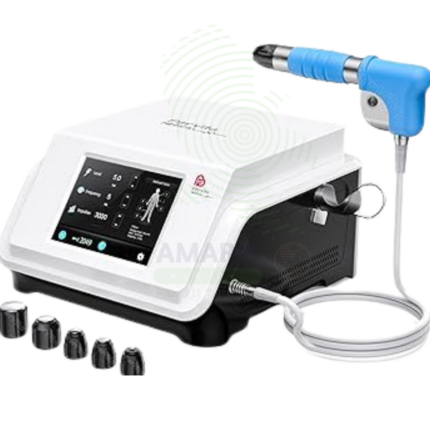
Extracorporeal Shockwave Therapy (ESWT)
Extracorporeal Shockwave Therapy (ESWT) is a non-invasive treatment modality that delivers acoustic shockwaves to tissues to stimulate healing, reduce pain, and improve function in chronic musculoskeletal conditions. Used for chronic tendinopathies including plantar fasciitis, Achilles tendinopathy, tennis elbow, and rotator cuff tendinopathy, as well as non-union fractures and myofascial pain, ESWT provides an effective non-surgical option for patients who have failed conservative treatment. Available in focused and radial forms, it offers hope for recovery without surgery.
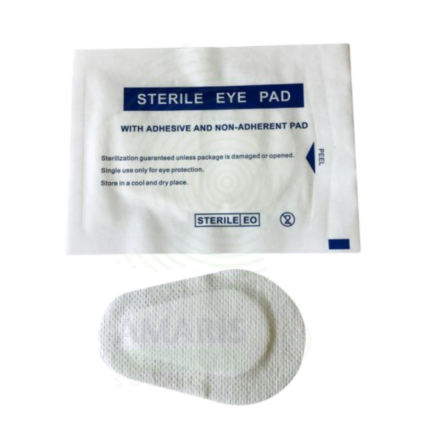
Eye Pads
Eye Pads are sterile or non-sterile, single-use, soft, conformable absorbent pads designed specifically for application over the closed eyelid and periorbital region. Constructed from absorbent cotton, rayon, or low-linting non-woven synthetic fibers, they provide cushioning, gentle pressure distribution, and fluid absorption for postoperative eye protection, corneal abrasion management, exposure keratopathy prevention, and periorbital trauma care. Available in standard and pressure-rated thicknesses, with or without integrated adhesive tape tabs, and in sterile (surgical/postoperative) or non-sterile (minor injury/comfort) grades. Critical safety imperatives include absolute contraindication of direct application to an open or ruptured globe, meticulous lint-free construction to prevent corneal foreign body, and single-use-only protocol. An indispensable ophthalmic consumable in surgical, emergency, and outpatient eye care.
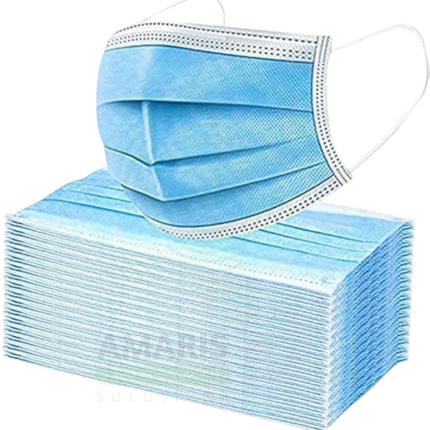
Face Masks
A Face Mask is a disposable, loose-fitting or tight-fitting (respirator) barrier device designed to cover the wearer's nose and mouth. Its primary functions are source control (to contain the wearer's respiratory secretions) and personal protection (to filter inhaled airborne particles). In healthcare, specific types—such as ASTM-rated surgical masks for sterile procedures and NIOSH-certified respirators (e.g., N95) for aerosol-generating procedures—are critical PPE for infection prevention. Correct usage, including strict single-use protocols and proper donning/doffing technique, is essential for its effectiveness in interrupting pathogen transmission.
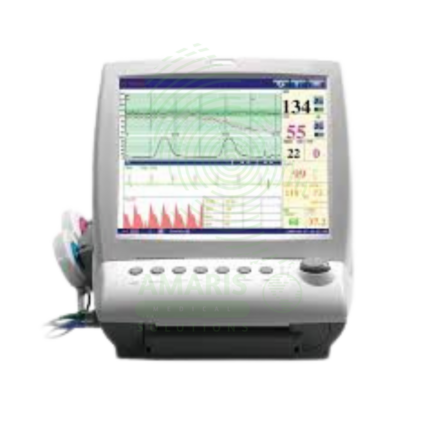
Fetal & Maternal Monitor
A Fetal & Maternal Monitor is an electronic monitoring system that simultaneously records fetal heart rate (via external ultrasound or internal scalp electrode), uterine contractions (via external tocodynamometer or intrauterine pressure catheter), and maternal vital signs (blood pressure, heart rate, oxygen saturation). Used for antepartum and intrapartum fetal assessment, non-stress tests, contraction stress tests, and monitoring of high-risk pregnancies including gestational diabetes, hypertensive disorders, and multiple gestations. Features high-resolution display, continuous paper recording, alarm systems for fetal distress, and data storage for medical records. External monitoring is non-invasive for routine use; internal monitoring provides more accurate data but requires ruptured membranes and cervical dilation. Class II medical device requiring FDA clearance and qualified interpretation of fetal heart rate patterns. Essential for assessing fetal well-being and guiding obstetric interventions.
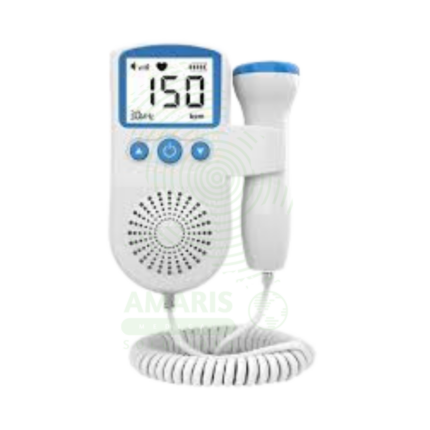
Fetoheart Sonic Aid Doppler (clinic/hospital use)
A Fetoheart Sonic Aid Doppler (Fetal Doppler) is a Class II medical ultrasound device (2-3 MHz probe) for real-time detection and audible/visual display of fetal heart rate in clinical obstetric settings from 10-12 weeks gestation. Features include handheld or tabletop console, waterproof probe, digital heart rate display (30-240 bpm), amplified speaker, headphone jack, and rechargeable battery or AC power operation. Continuous wave or pulsed wave Doppler technology with auto-correlation signal processing rejects maternal artifact. Primary clinical applications include fetal heart rate detection and monitoring during routine prenatal visits, confirmation of fetal viability in first trimester, intermittent fetal monitoring during labor, non-stress test administration, multiple gestation assessment, fetal presentation determination, and post-procedure confirmation (amniocentesis, CVS, ECV). Critical safety considerations include following ALARA principle (minimum necessary exposure), appropriate ultrasound gel use, probe pressure avoidance, infection control (probe cleaning between patients), differentiation of fetal from maternal signals, and interpretation by qualified providers. Essential equipment in outpatient obstetric clinics, hospital labor and delivery units, and prenatal care settings.
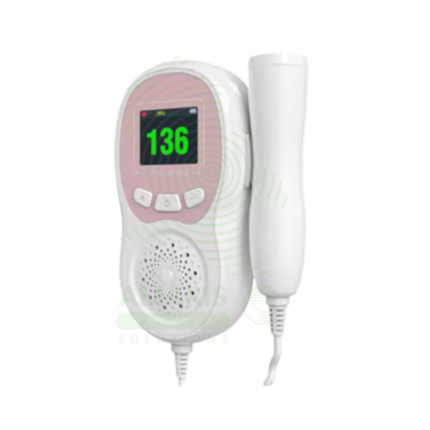
Fetoheart Sonic Aid Doppler (home use)
A Fetoheart Sonic Aid (Doppler) for Home Use is a consumer-grade, FDA-cleared handheld ultrasound device (2-3 MHz) that enables expectant parents to detect and listen to fetal heart sounds in the home environment from approximately 16 weeks gestation. Features include compact lightweight design (100-250g), simple controls, digital heart rate display (50-210 bpm), built-in speaker, headphone jack, and AA battery or USB rechargeable power. Continuous wave Doppler technology provides real-time audio of fetal heart sounds for maternal reassurance and bonding. Primary applications include maternal reassurance and emotional bonding between prenatal visits, confirmation of fetal activity, supplemental monitoring for high-risk pregnancies under provider guidance, and family involvement in the pregnancy experience. Critical safety information includes FDA-mandated labeling that device is for reassurance only (not medical diagnosis), optimal use after 16 weeks, limitation to 5–10-minute sessions, recognition that inability to detect heartbeat may not indicate a problem, and requirement to continue regular prenatal care. Not a substitute for professional medical evaluation; seek immediate care for bleeding, pain, fluid leakage, or decreased fetal movement.
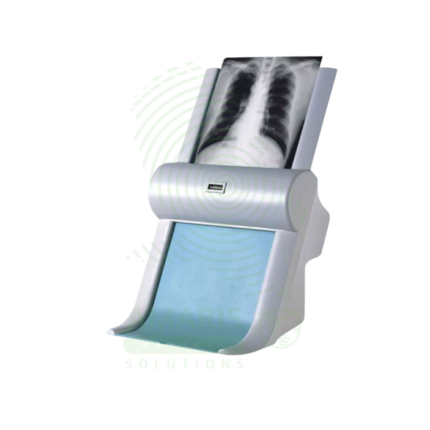
Film Digitizer
A Film Digitizer is a specialized scanner that converts analog radiographic films into high-fidelity digital images (DICOM format). It is the essential tool for migrating historical film archives into a modern digital PACS, enabling filmless workflow, remote access, and long-term preservation of diagnostic records. Its critical performance characteristics are a wide optical density range (to capture all film details) and high spatial resolution. By creating secure, accessible digital copies, it protects against the loss of physical films and integrates past patient history with current digital imaging, supporting comprehensive care and efficient radiology practice.
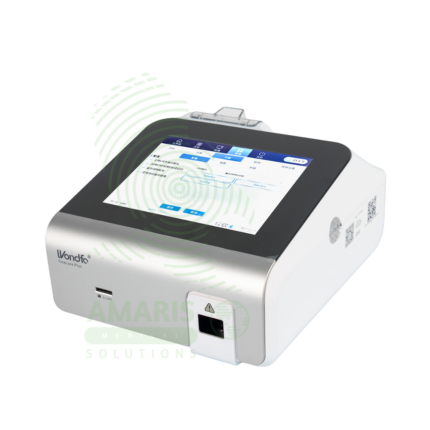
Finecare Analyzer
The Finecare Analyzer is a Class II medical device (FDA-cleared, CE-marked) fluorescence immunoassay system manufactured by Wondfo Biotech for quantitative detection of cardiac markers (troponin I, CK-MB, myoglobin), inflammatory markers (CRP, procalcitonin), thyroid hormones (TSH, FT3, FT4), diabetes markers (HbA1c), reproductive hormones (LH, FSH, prolactin), tumor markers (AFP, CEA, PSA), and infectious disease markers. Features include time-resolved fluorescence technology, color touchscreen interface, built-in printer (select models), USB/Ethernet connectivity, and internal rechargeable battery for portable use. Test time 3-15 minutes, sample volume 50-100 µL (whole blood, serum, plasma). Primary clinical applications include rapid diagnosis of acute myocardial infarction in chest pain patients, early detection of sepsis and bacterial infections, thyroid disorder diagnosis and monitoring, long-term glycemic control assessment in diabetes, fertility and reproductive health evaluation, cancer screening and surveillance, and infectious disease testing in endemic and clinical settings. Critical safety precautions include proper test cartridge storage (2-8°C), regular quality control, biohazard safety protocols, and operator training. Essential point-of-care testing system for hospitals, clinics, and remote healthcare facilities requiring rapid, quantitative results.
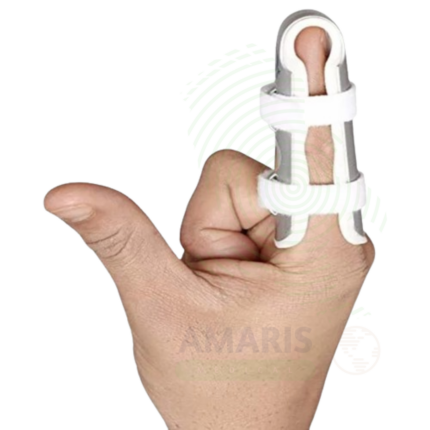
Finger Cot
A Finger Cot is a small, finger-shaped protective covering used to protect minor finger wounds, diabetic ulcers, surgical incisions, and amputation stumps, as well as to provide barrier protection for healthcare workers and laboratory personnel. Made from latex, nitrile, vinyl, or silicone, it provides a comfortable, secure fit while protecting the finger from contamination, moisture, friction, and irritants. Available in various sizes, materials, and sterile or non-sterile versions. Latex-free options are available for individuals with latex allergy.
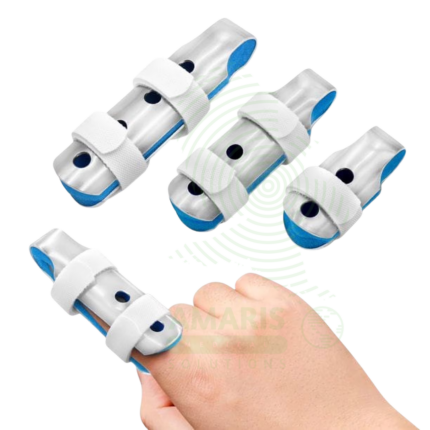
Finger Splints
Finger Splints are orthotic devices designed to immobilize, support, and protect injured or diseased fingers and thumbs. Used for treating fractures, dislocations, tendon injuries (like mallet or boutonnière deformity), joint instability, and arthritis, they promote proper healing and alignment by restricting harmful movement. Available in various forms—including rigid aluminum foam, custom thermoplastic, and soft buddy straps—they are essential tools in emergency care, orthopedics, and hand therapy. Correct application with careful attention to skin integrity and circulation is paramount for safe and effective treatment.
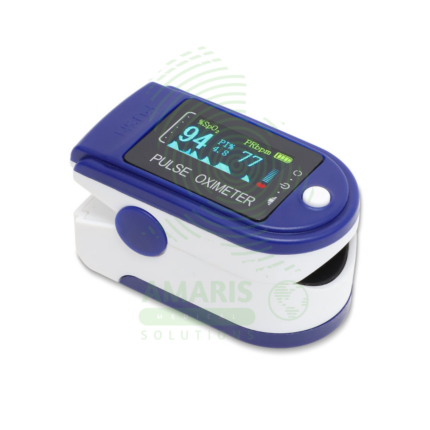
Fingertip Pulse Oximeter
A Fingertip Pulse Oximeter is a compact, non-invasive medical device that clips onto a finger to measure peripheral arterial oxygen saturation (SpO2) and pulse rate in seconds. Utilizing light-based technology, it provides critical, real-time data on respiratory and circulatory status. Its portability and ease of use make it indispensable in hospitals (from ORs to general wards), for patients managing chronic lung conditions at home, and for situational monitoring in sports or high-altitude environments. While an extremely valuable screening tool, readings must be interpreted in context, considering factors like patient movement, perfusion, and clinical symptoms.
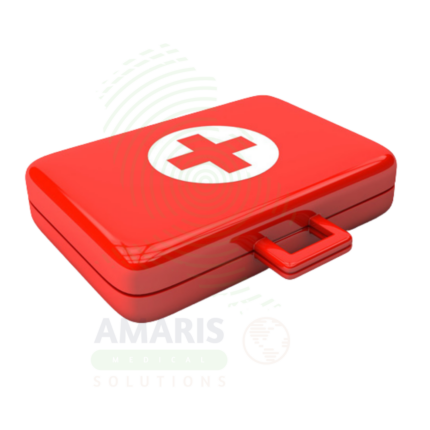
First Aid Boxes
First Aid Boxes are durable, portable containers designed for the organized storage, protection, and rapid deployment of first aid supplies and equipment for immediate treatment of minor injuries and medical emergencies. Available in multiple configurations including personal, Class A (basic workplace), Class B (comprehensive/high-hazard), industrial/heavy-duty, wall-mounted, portable/trauma, vehicle, and specialty variants (burn, eye injury). Constructed from impact-resistant materials (ABS plastic, polycarbonate, HDPE, stainless steel, aluminum) with secure latching mechanisms, carrying handles, mounting provisions, and organizational compartments. Essential for regulatory compliance in workplace, school, vehicle, and public facility settings. Critical safety principles include unobstructed accessibility, regular inspection and restocking, removal of expired contents, and absolute prohibition of sharps disposal within the unit. An indispensable component of occupational health and safety, emergency preparedness, and community first response.
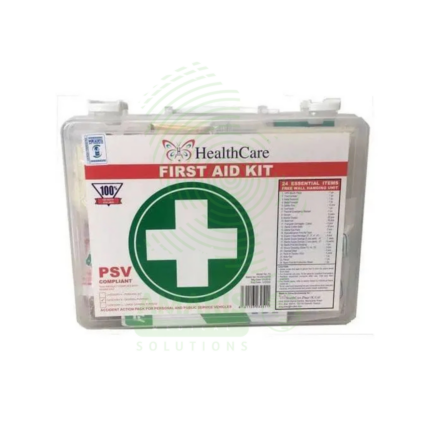
First Aid Kit
A First Aid Kit is an organized collection of medical supplies and equipment for providing initial care in emergency situations, available in various sizes and configurations for home, workplace, vehicle, travel, and specialized applications. Kits range from personal pouches (0.5-2 L) to comprehensive workplace cabinets (5-35 L) with soft-sided bags, hard cases, or wall-mounted containers. Contents are typically organized to meet regional standards (ANSI/ISEA Z308.1, CSA Z1220, BS 8599, DIN 13157/13169) and include wound care supplies (bandages, gauze, tape), antiseptics, burn care, eye care, emergency items (CPR mask, cold packs, foil blanket), instruments (scissors, tweezers), and PPE (gloves). Class A kits provide minimum supplies for low-hazard workplaces; Class B kits offer expanded quantities for high-hazard environments. Primary clinical applications include immediate treatment of minor injuries (cuts, abrasions, burns, sprains), bleeding control, wound care, fracture immobilization, and emergency assessment. Essential safety equipment for every home, workplace, vehicle, and public facility, providing critical medical supplies until professional care arrives.
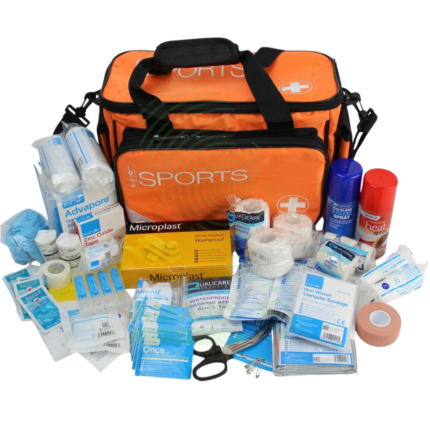
First Aid Kit For Sporting Places
A First Aid Kit for Sporting Places is a portable, organized medical kit specifically designed for the types and frequencies of injuries encountered in athletic and sporting environments. Available in various configurations including sideline kits for team use, personal sports pouches, team travel kits, and wall-mounted cabinets for gymnasiums. Constructed from ballistic nylon, polyester, ABS plastic, or aluminum with organized interior compartments, pouches, and elastic loops for rapid access to supplies. Contains sport-specific medical supplies including wound care materials, elastic bandages, instant cold packs, splinting materials, eye wash, blister care, concussion assessment tools, and personal protective equipment. Primary clinical applications include immediate treatment of common sports injuries (sprains, strains, contusions, abrasions, lacerations), concussion assessment, bleeding control, heat illness management, eye injury care, and emergency action plan implementation. Essential equipment for athletic teams, schools, fitness centers, recreational facilities, and sporting events, providing organized, accessible medical supplies for athlete safety and injury management.
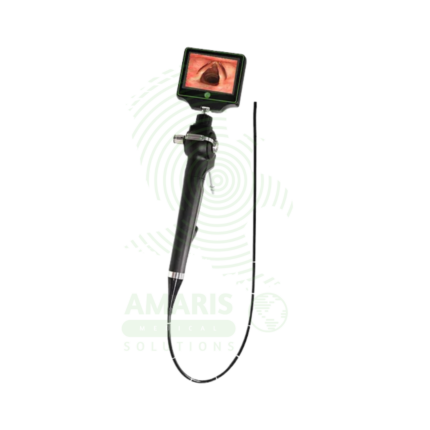
Flexible Fiber Optic Laryngoscope
A Flexible Fiber Optic Laryngoscope is a flexible endoscope (2-5 mm diameter, 30-60 cm working length) with fiber optic image transmission and steerable tip (120-180° angulation) for visualization of the upper airway and facilitation of difficult intubations. Features include control handle with angulation lever, working channel (1-2 mm) for suction or oxygen, external light source (halogen/xenon/LED), and optional camera for video display. Primary clinical applications include awake intubation in difficult airway management (limited mouth opening, cervical spine instability, obstructing pathology), nasotracheal intubation for oral surgery or maxillofacial trauma, intubation with cervical spine precautions (minimal neck movement), diagnostic airway assessment (stridor, hoarseness, vocal cord dysfunction, masses), double-lumen tube placement for thoracic surgery, pediatric difficult airway management, and tracheostomy tube placement guidance. Class II medical device requiring FDA clearance. Critical safety considerations include mandatory leak testing before immersion, antifog preparation, gentle insertion technique, airway maintenance with oxygen, topical anesthesia for patient comfort, suction availability, backup airway device, and strict infection control with validated reprocessing protocols.
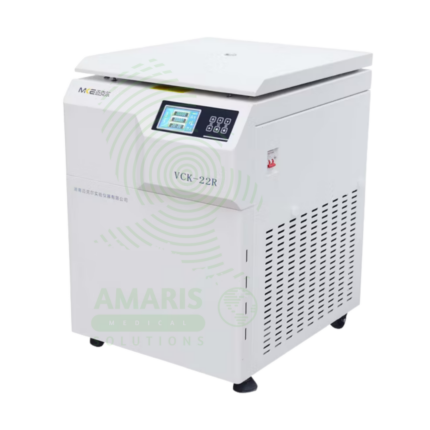
Floor Type High Speed Cooling Centrifuge
A Floor Type High Speed Cooling Centrifuge is a heavy-duty, floor-standing refrigerated centrifuge designed for large-scale, high-speed processing of temperature-sensitive biological samples at forces up to 120,000 x g (standard high-speed) or 800,000 x g (ultracentrifuge) with precise temperature control from -20°C to +40°C. Capable of processing multiple liters per run using fixed-angle, swinging-bucket, continuous flow, zonal, and vertical rotors with capacities from 4-8 × 500 mL bottles to continuous flow rates of 2-20 L/hour. Features include high-torque brushless motors, advanced refrigeration systems, high vacuum systems (ultracentrifuges), large color touchscreen interfaces with 21 CFR Part 11 compliant data logging, 100-1,000 programmable protocols, multi-sensor imbalance detection, aerosol-tight rotors for BSL-3/4 applications, and comprehensive safety interlock systems. Primary clinical and research applications include virus particle concentration and purification for virology and vaccine development, DNA/RNA extraction from large sample volumes, subcellular fractionation and organelle isolation, lipoprotein separation for cardiovascular risk assessment, protein purification for structural biology, exosome isolation for biomarker research, and large-scale vaccine and biopharmaceutical production under GMP conditions. Essential equipment for advanced diagnostic laboratories, research institutions, biopharmaceutical manufacturing facilities, and vaccine production centers requiring high centrifugal forces, precise temperature control, and validated, reproducible performance.
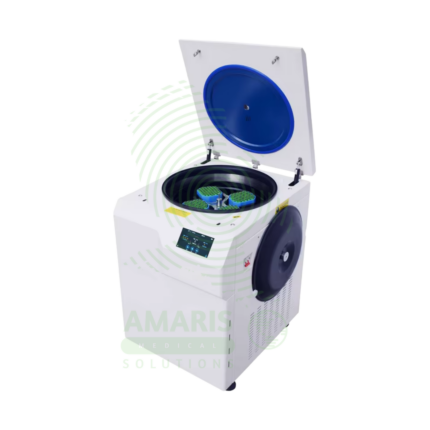
Floor Type Low Speed Cooling Centrifuge
A Floor Type Low Speed Cooling Centrifuge is a heavy-duty, floor-standing refrigerated centrifuge designed for large-scale, temperature-controlled processing of biological samples in clinical laboratories, blood banks, biopharmaceutical manufacturing, and research facilities. With capacities up to 12 blood bags, 6 × 1 L bottles, 192 blood collection tubes, or 20 microplates per run, these units operate at 4,000-8,000 RPM generating RCF up to 12,000 x g with precise temperature control from -10°C to +40°C (±1°C). Features include high-torque brushless motors, advanced refrigeration systems, color touchscreen interfaces, programmable protocols (50-100 programs), multiple acceleration/deceleration profiles, comprehensive imbalance detection, aerosol-tight rotors, and GMP-compliant data logging options. Primary clinical applications include blood bank processing (packed cells, plasma, cryoprecipitate), coagulation studies requiring cold centrifugation, temperature-sensitive molecular biology preparations, vaccine and biopharmaceutical production, cold precipitation studies, and long-duration centrifugation protocols. Essential equipment for high-volume clinical laboratories, blood donor centers, and GMP manufacturing facilities requiring precise temperature control and large sample capacity with reproducible, validated results.
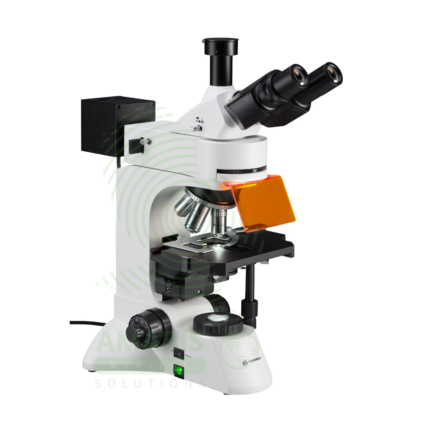
Fluorescent Microscope
A Fluorescent Microscope is a specialized Class I medical device designed for visualizing specimens labeled with fluorescent dyes (fluorochromes) that emit light at specific wavelengths when excited by high-intensity illumination. Equipped with high-pressure mercury (HBO), xenon (XBO), metal halide, or LED light sources, interchangeable filter cubes for specific fluorochromes (DAPI, FITC, TRITC, Cy3, Cy5), and high numerical aperture objectives for maximum light collection. Features include epifluorescence design, precision filter turret (4-6 positions), UV-blocking safety shields, and trinocular head for digital imaging. Primary clinical applications include immunofluorescence for autoimmune disease diagnosis (ANA, ANCA, anti-dsDNA, skin/kidney biopsies), fluorescence in situ hybridization (FISH) for genetic abnormalities (aneuploidy, deletions, translocations, HER2 amplification), auramine-rhodamine staining for tuberculosis screening, direct fluorescent antibody (DFA) testing for Legionella, Pneumocystis, Cryptosporidium, Giardia, and respiratory viruses, and FTA-ABS confirmatory testing for syphilis. Essential equipment in immunology, microbiology, pathology, cytogenetics, and molecular diagnostics laboratories requiring sensitive and specific detection of fluorescent signals for diagnosis of infectious, autoimmune, genetic, and neoplastic diseases.
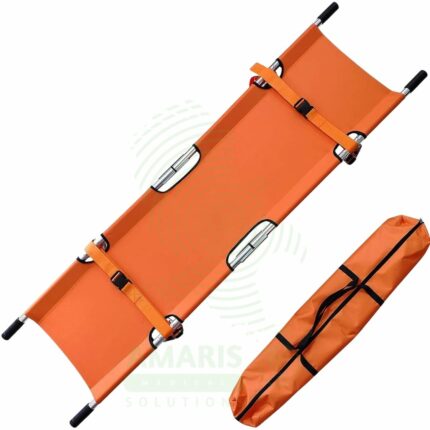
Foldable Stretcher
A Foldable Stretcher is a portable, manual patient-carrying device consisting of a hinged metal frame and a fabric sling, designed for compact storage and rapid deployment. Its primary use is for evacuating patients from confined spaces, rough terrain, or disaster scenes where wheeled trolleys cannot access. It is a fundamental piece of equipment for emergency medical services, search and rescue teams, industrial first aid, and mass casualty management, enabling a team of bearers to safely transport a patient to a point where advanced care or wheeled transport is available. Its key advantage is its minimal storage footprint, making it an essential logistical tool for any emergency response system.
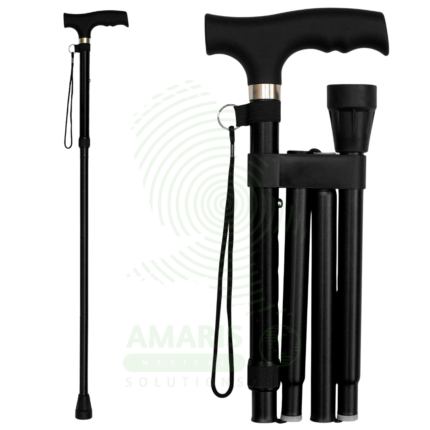
Foldable Walking Stick
A Foldable Walking Stick combines a stabilizing four-point base with a multi-section shaft that folds for compact storage and portability. It is designed for individuals who need reliable stability for moderate balance or weight-bearing issues but also require a discreet, transportable aid for use in the community. Key safety features include secure segment locking mechanisms and a quad base that must be placed flat. It is ideal for travel, occasional use, and active seniors, but requires diligent checking of all locks before each use to prevent collapse.
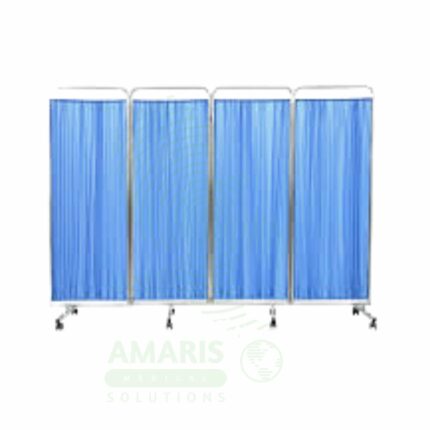
Foldable Ward Screen
A Foldable Ward Screen is a portable, folding partition used to create instant visual privacy around a patient's bed or procedure area in multi-bed hospital wards, emergency departments, and clinics. Typically consisting of three hinged opaque panels, it provides dignity during examinations and personal care, aids in infection control by creating temporary barriers, and helps manage the clinical environment. Its free-standing, foldable design allows for easy deployment, storage, and cleaning, making it a fundamental piece of non-clinical equipment for patient-centered care in shared spaces.
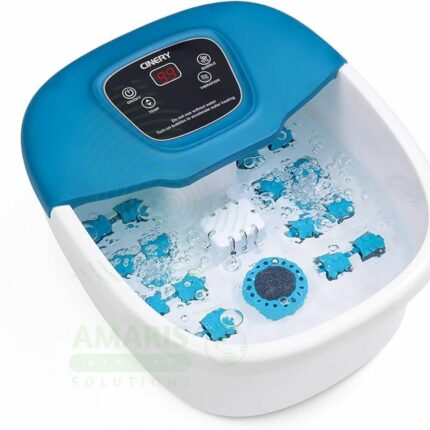
Foot Spa Massager
A Foot Spa Massager is a therapeutic bathing device that combines warm water immersion with mechanical massage features to soothe tired feet, improve circulation, and promote relaxation. The unit maintains consistent water temperature while providing vibration, bubble, and mechanical massage to the soles of the feet. Used for relief of foot fatigue, mild edema, and stress, it can be a valuable adjunct to comprehensive foot care programs. Patients with diabetes, neuropathy, or circulation disorders should consult their healthcare provider before use due to temperature sensation risks. Regular cleaning and proper electrical safety are essential for safe operation.
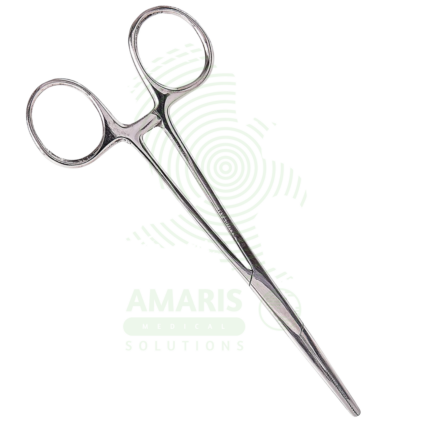
Forceps
Forceps are handheld surgical instruments used for grasping, holding, manipulating, or extracting tissues and objects during medical and surgical procedures. Available in numerous configurations including thumb forceps for delicate tissue handling, hemostatic forceps for clamping blood vessels, and specialized forceps for specific applications. Made from surgical-grade stainless steel, they are designed for repeated sterilization and use. Proper selection, handling, and maintenance are essential for safe and effective use.
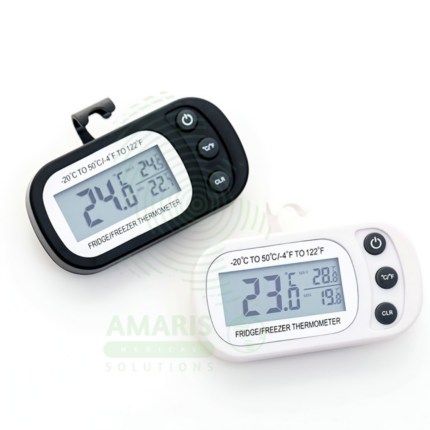
Fridge Thermometer
A Fridge Thermometer is a precision temperature monitoring device designed for continuous use inside medical and laboratory refrigerators and freezers. Its primary role is to safeguard the potency of vaccines, medications, and biological samples by ensuring storage temperatures remain within a critical specified range (e.g., +2°C to +8°C). Available in analog or digital formats, accurate models with memory functions are essential for compliance with cold chain protocols, requiring daily monitoring, logging, and regular calibration. It is a fundamental quality control tool in pharmacies, clinics, immunization centers, and laboratories.
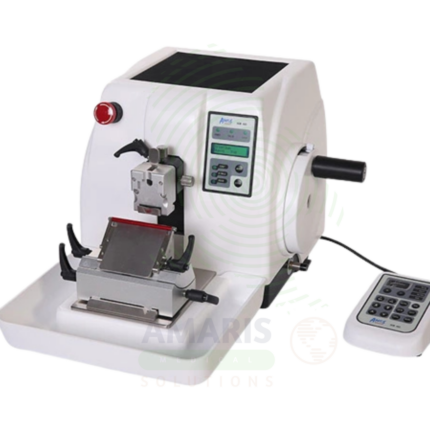
Fully Automated Microtome
A Fully Automated Microtome is a precision instrument for sectioning paraffin-embedded tissue blocks for histopathological examination. Motorized specimen advance and programmable settings ensure consistent section thickness, reduce operator fatigue, and improve throughput in high-volume histology laboratories. Integrated safety features and ergonomic design protect operators from injury while producing high-quality sections essential for accurate pathological diagnosis.
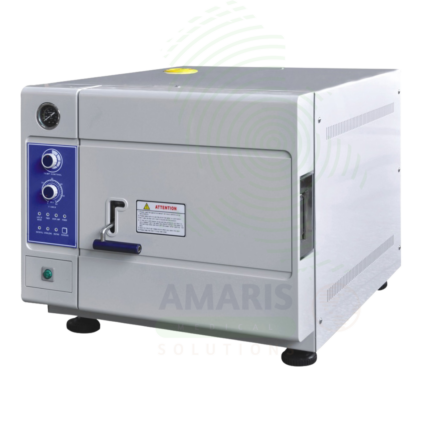
Fully Automatic Microprocessor-Controlled Tabletop Steam Sterilizer
A Fully Automatic Microprocessor-Controlled Tabletop Steam Sterilizer is an advanced benchtop autoclave with programmable cycles, integrated printer, and data logging capabilities. The microprocessor automates cycle selection, monitoring, and documentation, ensuring consistent, validated sterilization of unwrapped instruments, liquids, and wrapped packs. Essential for dental offices, outpatient clinics, and small laboratories, it provides reliable sterilization with complete traceability for quality assurance and regulatory compliance.
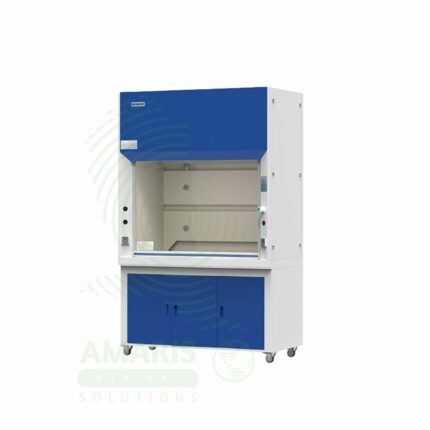
Fume Hood
A Fume Hood is a ventilated enclosure designed to capture and exhaust hazardous chemical vapors, gases, and particulates to protect laboratory personnel. It operates by maintaining a consistent inward face velocity (80-120 fpm) to contain contaminants. Critical safety practices include working at the proper sash height, keeping equipment well inside the hood, and ensuring annual performance certification. It is distinct from biological safety cabinets and laminar flow hoods and must never be used for biological hazards unless specifically designed as a ducted enclosure for such use. It is an essential safety device in any laboratory handling chemicals.
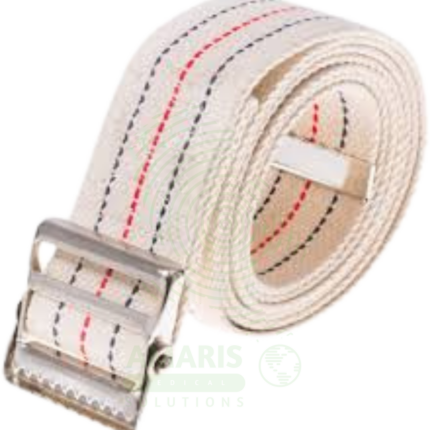
Gait Belt
A Gait Belt (or Transfer Belt) is a simple but vital safety device made of strong, adjustable webbing that is secured around a patient's waist. It provides healthcare workers and caregivers with a secure handhold to safely assist with patient transfers, walking, and balance during rehabilitation. Its primary purposes are to prevent patient falls and reduce caregiver injury by enabling proper body mechanics during lifting and mobility tasks. Correct application over clothing, regular inspection for wear, and proper cleaning are essential for its safe and effective use in hospitals, clinics, and home care settings.
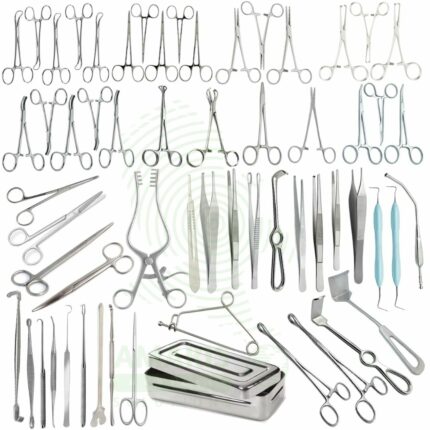
General Surgery Set
A General Surgery Set is a sterile instrument tray containing essential instruments for a wide range of general surgical procedures, including abdominal, soft tissue, and emergency surgeries. The set includes instruments for incision, dissection, hemostasis, retraction, and closure, ensuring that all necessary tools are sterile, organized, and immediately available for efficient surgical workflow. Essential for operating rooms and ambulatory surgery centers, it supports safe and effective surgical care across a broad range of procedures.
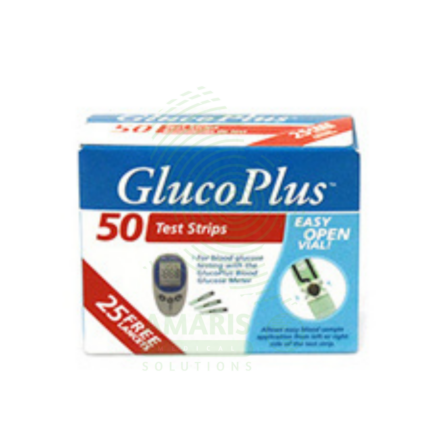
Glucosics Blood Sugar Sticks
Glucosics Blood Sugar Sticks are single-use, disposable electrochemical test sticks (ISO 15197:2013 compliant) designed exclusively for use with Glucosics glucose meters to measure capillary blood glucose from 0.5-1.0 µL samples in 5-7 seconds. Each stick contains glucose oxidase or glucose dehydrogenase reagents that generate electrical current proportional to glucose concentration (20-600 mg/dL range). Packaging options include multi-stick vials (25-100 sticks) with desiccant for daily use or individually foil-wrapped sticks for travel. Sticks feature no-coding automatic calibration, hematocrit compensation (20-60%), and interference resistance. Primary clinical applications include daily blood glucose testing for Type 1, Type 2, and gestational diabetes management, hypoglycemia and hyperglycemia detection, pre- and post-meal glucose assessment, and hospital point-of-care testing. Critical safety precautions include single-use only, immediate vial closure after stick removal to prevent humidity damage, storage at 2-30°C away from bathrooms and temperature extremes, never using expired sticks, proper hand hygiene before testing, and disposal in sharps containers. Essential consumable for diabetes self-management when used with Glucosics meters.
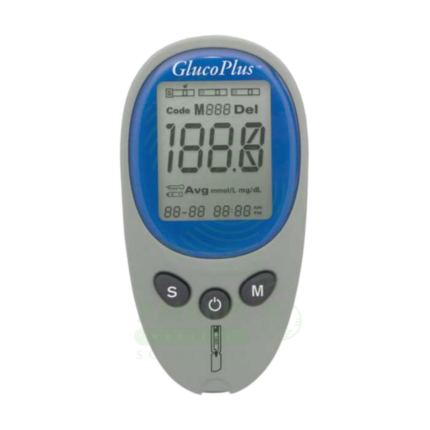
Glucosplus Blood Sugar Machine
The Glucosplus Blood Sugar Machine is a Class II medical device (FDA-cleared, ISO 15197:2013 compliant) using electrochemical biosensor technology to measure capillary blood glucose from a 0.5-1.0 µL sample in 5-7 seconds. Features include no-coding system eliminating user error, 300-500 result memory with date/time stamps, 7/14/30-day averaging, pre-/post-meal event tagging, push-button strip ejection, backlit LCD display, and auto-shutoff. Primary clinical applications include self-monitoring for Type 1, Type 2, and gestational diabetes, insulin dose adjustment, acute glycemic event detection (hypoglycemia/hyperglycemia), hospital point-of-care testing, long-term glycemic control assessment, and preconception planning for diabetic women. Critical safety considerations include single-use lancets (never share), proper hand hygiene before testing, correct test strip storage (sealed vial, temperature control), never using expired strips, regular control solution testing, and immediate action for hypoglycemia per 15-15 rule. Essential tool for daily diabetes self-management enabling patients to achieve glycemic targets and reduce long-term complications.
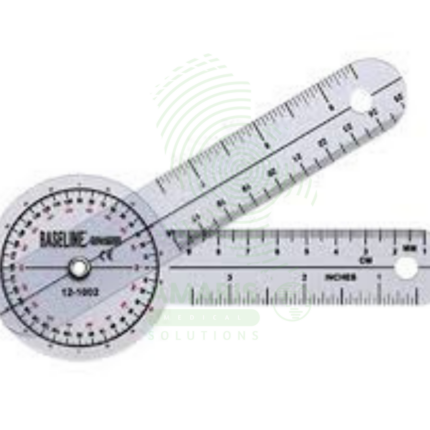
Goniometer
A goniometer is a calibrated, handheld measuring instrument designed to precisely quantify joint range of motion in degrees. Essential for physical and occupational therapy, orthopedic assessment, and rehabilitation medicine, it consists of a protractor-like body with two arms—one stationary, one movable—that align with the patient's limb segments. Available in various sizes for different joints (from fingers to hips) and in materials including transparent plastic, stainless steel, and digital formats, it transforms subjective observations of mobility into objective, reproducible data. This fundamental clinical tool guides diagnosis, documents treatment progress, supports disability determinations, and provides the evidence base for therapeutic interventions.
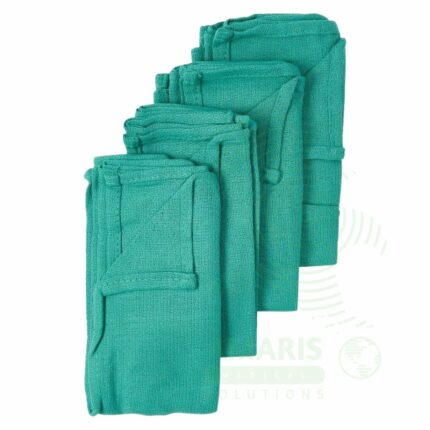
Green towel
A Green Towel is a sterile, absorbent surgical towel used in operating rooms and procedure areas for draping, fluid absorption, and creating sterile fields. Made from high-absorbency cotton or cotton-blend fabric, the green color reduces glare under operating lights and provides visual contrast against blood and tissue. Essential for establishing sterile fields, protecting instruments, and managing fluids during surgical procedures, it is a fundamental component of aseptic technique in surgery, emergency care, and other invasive procedures.
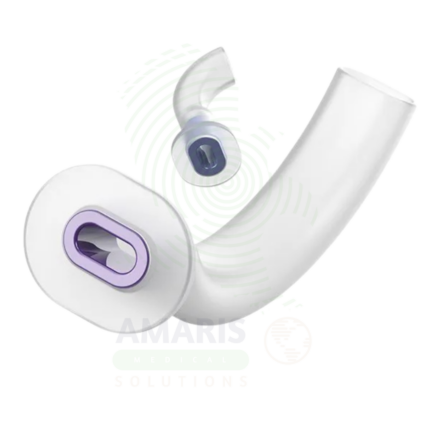
Guedel Airway
A Guedel Airway is a rigid, curved oral airway designed to maintain pharyngeal patency in unconscious patients by preventing the tongue from obstructing the airway. Used during anesthesia induction, bag-valve-mask ventilation, and post-operative recovery, it provides a patent channel for gas flow. Color-coded sizing allows rapid selection for patients from neonates to adults.
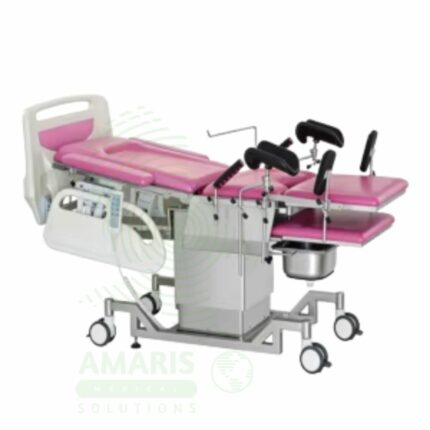
Gynecological examination couch (Parturition Bed)
A Gynecological Examination Couch (Parturition Bed) is a specialized medical couch designed for gynecologic examinations, obstetric delivery, and related procedures. Featuring adjustable backrest, removable leg sections, and adjustable stirrups for lithotomy positioning, it supports pelvic examinations, Pap smears, IUD procedures, and all stages of labor and delivery. The couch provides Trendelenburg and reverse Trendelenburg positioning, height adjustment, and fluid-resistant upholstery for easy cleaning. Essential for gynecology clinics, labor and delivery units, and women's health centers, it combines examination and delivery functions in a single versatile unit.
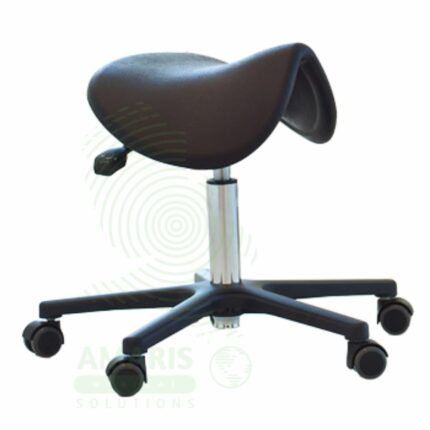
Gynecological Examination Stool & Chair
A Gynecological Examination Stool & Chair is an adjustable, mobile stool designed for clinicians performing gynecological examinations, procedures, and colposcopy. Featuring adjustable height, swivel base, and optional back support, it provides ergonomic seating that reduces physical strain during prolonged procedures. Locking castors allow mobility between examination stations while providing stability during use. Essential for gynecology clinics, women's health centers, and procedure rooms, it supports clinician comfort, proper posture, and efficient workflow during pelvic examinations, Pap smears, IUD procedures, and colposcopy.
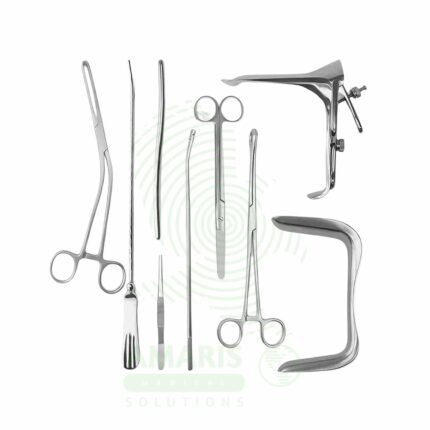
Gynecological Set
A Gynecological Set is a sterile instrument tray containing instruments for gynecologic examinations, diagnostic procedures, and minor surgical interventions. The set includes vaginal speculums, cervical biopsy forceps, endocervical curettes, tenaculum, uterine sound, and supporting instruments. Used in gynecology clinics, women's health centers, and office-based procedure suites, it supports routine examinations, cervical cancer screening, IUD services, and diagnostic sampling. Proper sterile technique and careful tissue handling are essential for safe and effective patient care.
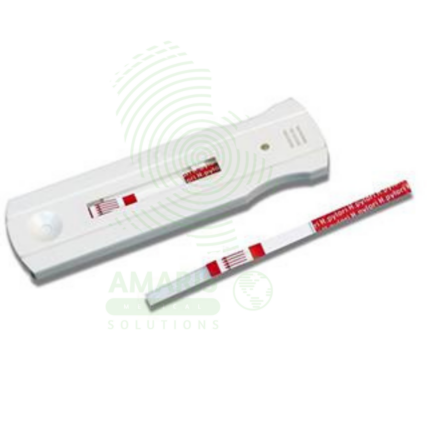
H. pylori Test Strips
H. pylori Test Strips are rapid, lateral flow immunochromatographic devices used for the qualitative detection of Helicobacter pylori antigens in human stool. As a non-invasive stool antigen test (SAT), it provides a convenient and reliable method for diagnosing active H. pylori infection and confirming eradication after therapy, with results available in under 15 minutes. Ideal for use in clinics and outpatient settings, it aids in the management of dyspepsia and peptic ulcer disease. Proper sample handling, adherence to pre-test medication restrictions, and strict biohazard precautions are essential for obtaining accurate results.
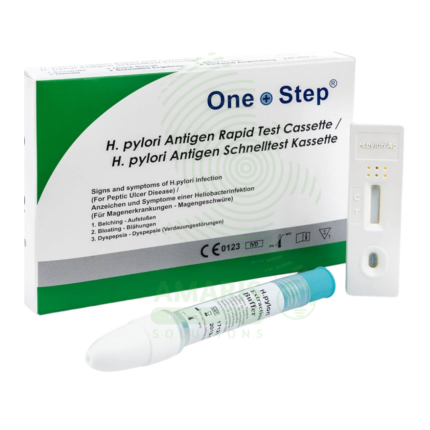
H.pylori test kits (Antigen)
H.pylori test kits (Antigen) are Class II medical devices (FDA-cleared/CE-marked) for rapid immunochromatographic or enzyme immunoassay detection of Helicobacter pylori antigens in stool specimens, enabling non-invasive diagnosis of active infection and post-treatment eradication confirmation. Test principles use monoclonal or polyclonal antibodies specific to H. pylori antigens, producing visible results in 10-20 minutes (rapid tests) or 1-2 hours (EIA). Sensitivity 90-98%, specificity 92-99% compared to gold standard methods. Primary clinical applications include rapid diagnosis of H. pylori infection in patients with dyspepsia, initial screening in uncomplicated dyspepsia (test-and-treat strategy), confirmation of active infection before therapy, post-treatment eradication confirmation (4-6 weeks after therapy), pediatric testing (preferred non-invasive method), screening in high-risk populations (family history of gastric cancer), and monitoring in patients with peptic ulcer disease or MALT lymphoma. Critical safety precautions include mandatory washout period (4 weeks off antibiotics, 2 weeks off PPIs) to avoid false negatives, proper specimen handling (universal precautions), refrigerated storage of kits (2-30°C), quality control verification, and disposal as biohazardous waste. Essential non-invasive tool for H. pylori management in gastroenterology and primary care.
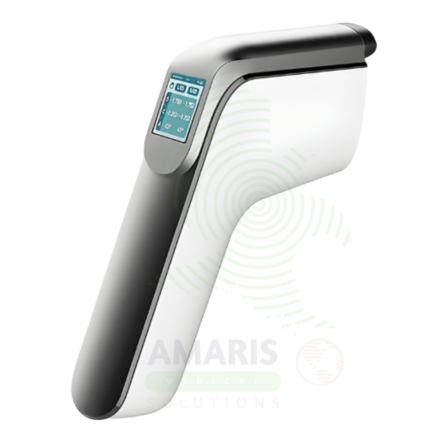
Handheld Auto Refractometer
A Handheld Auto Refractometer is a portable, battery-operated instrument for objective measurement of refractive error (sphere, cylinder, axis) in any setting. Ideal for pediatric refraction, bedside examinations, community screenings, and outreach programs, it provides rapid, non-invasive measurements without requiring patient cooperation. The compact, portable design enables eye care professionals to bring refractive assessment to patients who cannot access traditional tabletop equipment, expanding access to essential vision care.
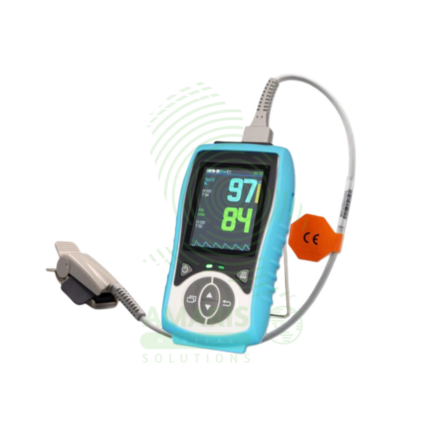
Handheld Pulse Oximeter
A Handheld Pulse Oximeter is a professional-grade, portable medical device used by healthcare providers for accurate and reliable monitoring of blood oxygen saturation (SpO2) and pulse rate. It consists of a durable, feature-rich monitor unit and separate, interchangeable sensors for use on fingers, toes, or ears. Superior to basic fingertip models, it offers advanced functions like configurable alarms, detailed plethysmograph display, trend memory, and data connectivity. Its robust design, clinical accuracy under challenging conditions (motion, low perfusion), and versatility make it an essential tool in hospitals, clinics, ambulances, and home health for patient assessment and monitoring.
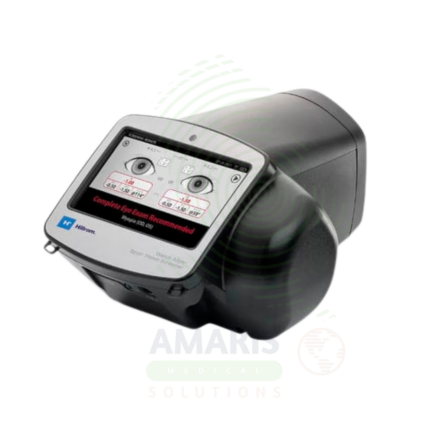
Handheld Vision Screener
A Handheld Vision Screener is a portable, battery-operated device for rapid screening of refractive errors, amblyopia risk factors, strabismus, and pupillary abnormalities. Designed for use in pediatrics, primary care, schools, and community screening programs, it provides objective measurements without requiring patient cooperation. Early detection of vision problems enables timely intervention, preventing permanent vision loss and ensuring children enter school with the visual skills needed for learning.
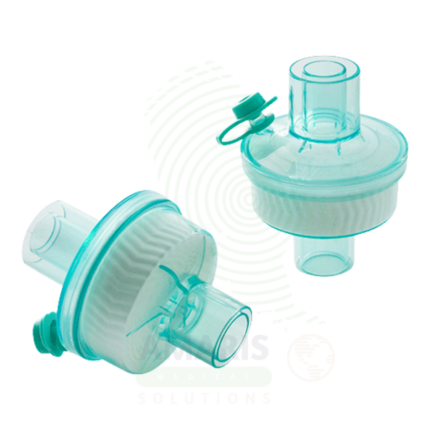
Heat & Moisture Exchanger Filter
A Heat & Moisture Exchanger Filter is a single-use device that captures the patient's own heat and moisture from exhaled breath during mechanical ventilation, returning it to the inspired gas to maintain airway humidity. It also provides high-efficiency bacterial and viral filtration, protecting the patient, circuit, and environment. Essential for short-term ventilation, transport, and anesthesia circuits, it simplifies circuit management while providing critical airway protection.
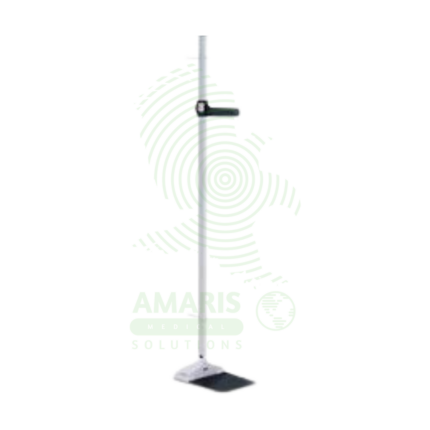
Height Board
A Height Board, or stadiometer, is a precision medical instrument designed for the accurate measurement of human stature. As a wall-mounted or portable device featuring a vertical scale and a sliding horizontal headpiece, it is the clinical standard for obtaining height. This measurement is foundational for calculating Body Mass Index (BMI), tracking growth in children, screening for nutritional issues, and assessing adults for conditions like osteoporosis. Its accuracy, dependent on proper installation and technique, makes it an indispensable tool in pediatrics, primary care, nutrition, and public health
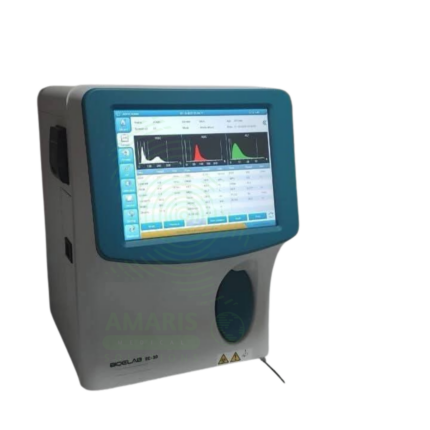
Hematology Analyzer
A Hematology Analyzer is a compact, automated benchtop analyzer designed to perform Complete Blood Counts (CBC) with a 3-part white blood cell differential. Utilizing impedance and photometric methods, it delivers rapid, precise results for red blood cells, white blood cells, platelets, and key indices from a small blood sample. Ideal for physician offices, small clinics, and satellite laboratories, it enables in-house hematology testing with walk-away operation. Its automated flagging system highlights abnormal results that require further manual smear review. As a core instrument for initial hematological screening, it combines efficiency with essential diagnostic capability for routine patient management.
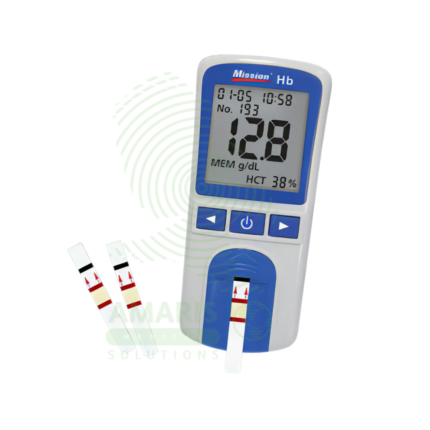
Hemoglobin Meter
A Hemoglobin Meter is a Class II medical device (FDA-cleared, CE-marked) for quantitative point-of-care measurement of hemoglobin concentration in capillary or venous blood, providing results in 5-60 seconds from a 5-20 µL sample. The meter uses photometric, electrochemical, or conductivity technology to measure hemoglobin, with accuracy ±0.3-0.5 g/dL compared to reference methods. Features include backlit LCD display, memory storage for 100-1000 results, USB/Bluetooth connectivity for data transfer, and compatibility with single-use disposable cuvettes or test strips. Primary clinical applications include anemia screening and diagnosis (WHO criteria), preoperative assessment and surgical planning, antenatal care and maternal health monitoring, malaria-endemic region screening, chronic disease management (CKD, IBD, cancer), nutritional assessment and intervention programs, and blood donor screening. Critical safety precautions include single-use lancets, proper hand hygiene, correct sample application, quality control with control solutions, proper cuvette storage (protect from heat, light, humidity), and never using expired cuvettes. Essential point-of-care device for hemoglobin testing in hospitals, clinics, community health programs, and blood donation centers.
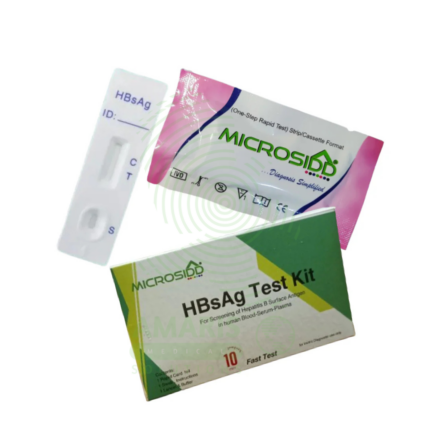
Hepatitis B Test Kit
The Hepatitis B Test Kit is an in vitro diagnostic device for the detection of Hepatitis B virus markers in human blood samples, available in rapid, ELISA, and molecular formats. It detects specific antigens (HBsAg) and antibodies (anti-HBc, anti-HBs) to diagnose acute and chronic infection, monitor treatment response, screen blood donations, and determine immunity status. With high sensitivity (>98%) and specificity (>99%), it provides results in 15 minutes to 4 hours depending on format. Essential applications include prenatal screening to prevent mother-to-child transmission, evaluation of acute hepatitis, pre-immunosuppression screening, and occupational health testing. All patient samples must be handled with universal precautions, and testing must include appropriate quality controls.
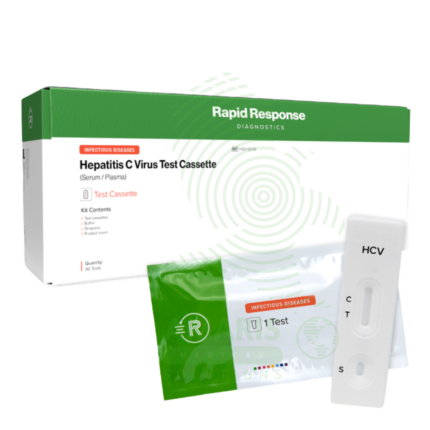
Hepatitis C Test Kit
The Hepatitis C Test Kit is an in vitro diagnostic device for the detection of Hepatitis C virus antibodies or RNA in human blood, serum, or plasma samples. Available in rapid, laboratory immunoassay, and molecular formats, it screens for HCV infection, confirms active infection with RNA testing, and monitors treatment response. With high sensitivity and specificity exceeding 99%, it is essential for identifying infected individuals, linking them to curative direct-acting antiviral therapy, and confirming cure. Essential applications include risk-based screening of high-risk populations, birth cohort screening of baby boomers, evaluation of acute hepatitis, management of occupational exposures, and monitoring of antiviral therapy that can cure over 95% of infections. All patient samples must be handled with universal precautions, and positive antibody results require confirmatory testing.