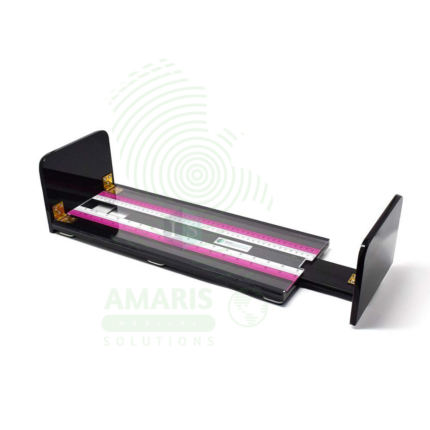
Dermatoscope and Magnifiers
 Diagnostic Kits
 Vital Signs Monitors
 Stethoscopes and Accessories
 Otoscopes, Ophthalmoscopes, and Retinoscopes
 Reflex Hammers and Neurological Tools
 Scales and Measuring Devices
 Spirometers and Pulmonary Function Tests
 Electrosurgical Units and Accessories
 Cutting Instruments
 Grasping and Holding Instruments
 Hemostatic Instruments
 Specialized Surgical Sets
 Single-Use Procedure Trays and Packs
 Surgical Drapes, Gowns, and Covers
 Tissue Unifying Instruments
 Radiation Protection
 X-Ray Machines and Accessories
 Ultrasound Systems and Probes
 MRI and CT Scanners
 Radiology Consumables
 Bone Densitometers
 Fluoroscopy Equipment
 Imaging Tables and Positioning Aids
 Microscopes and Accessories
 Centrifuges and Separators
 Analyzers
 Incubators and Ovens
 Pipettes, Dispensers, and Lab Glassware
 Refrigerators, Freezers, and Storage Units
 Lab Consumables
 Sterilizers and Autoclaves for Lab Use
 Multi-Parameter Monitors
 Ventilators and Respiratory Support Devices
 Defibrillators and AEDs
 Infusion Pumps and IV Systems
 Patient Warmers and Cooling Devices
 Central Monitoring Stations
 Accessories
 Anesthesia Machines and Workstations
 Oxygen Concentrators and Delivery Systems
 Nebulizers and Inhalers
 CPAP/BiPAP Machines
 Airway Management
 Anesthesia Masks, Circuits, and Bags
 Humidifiers and Heaters
 Respiratory Therapy Accessories
 First Aid Kits and Cabinets
 Emergency Resuscitation Equipment
 Trauma Supplies
 Emergency Carts and Crash Carts
 Burn Care Products
 Bleeding Control
 Automated External Defibrillators (AEDs)
 Transport and Evacuation
 Wheelchairs and Accessories
 Walkers, Crutches, and Canes
 Prosthetics and Orthotics
 Physical Therapy Equipment
 Transfer Devices
 Bathroom Safety
 Orthopedic Traction and Tables
 Hot/Cold Therapy Packs and Units
 Beds and Mattresses
 Chairs and Stools
 Tables
 Cabinets and Storage
 Privacy Screens & Curtains
 Stands and Racks
 Linens and Textiles
 Lighting
 Autoclaves and Sterilizers
 Ultrasonic Cleaners
 Disinfectant Solutions and Wipes
 Sterilization Pouches, Wraps, and Indicators
 Instrument Trays and Containers
 UV and Ozone Disinfection Devices
 Washer Disinfectors
 Wound Care
 Gloves
 Masks and Respirators
 Catheters and Tubing
 Swabs, Applicators, and Sponges
 Incontinence Products
 Personal Protective Equipment (PPE)
 Dental Chairs and Units
 Handpieces and Burs
 Instruments
 Consumables
 Sterilization for Dental Use
 Orthodontic Supplies
 Endodontic Tools
 Slit Lamps and Tonometers
 Lensometers and Phoropters
 Ophthalmic Surgical Instruments
 Eyewear Frames and Lenses
 Contact Lens Supplies
 Vision Testing Charts and Devices
 Eye Care Consumables
 Laser Systems for Eye Care
 ENT Exam Chairs and Tables
 Endoscopes
 Audiometers and Hearing Tests
 ENT Instruments
 Nasal and Throat Packs
 Hearing Aids and Accessories
 Otology Supplies
 Fetal Dopplers and Monitors
 Delivery Beds and Tables
 Gynecological Instruments
 Neonatal Incubators and Warmers
 Breast Pumps and Accessories
 Contraceptive Devices
 Maternity Supports and Pads
 Neonatal Consumables
 Cystoscopes and Urethroscopes
 Dialysis Machines and Supplies
 Urological Catheters and Bags
 Lithotripters
 Prostate Treatment Devices
 Urinary Incontinence Products
 Kidney Stone Management Tools
 Consumables & Disposables
 EEG and EMG Machines
 Neurosurgical Instruments
 Nerve Stimulators
 Headrests and Positioning Aids
 Lumbar Puncture Kits
 Seizure Monitoring Devices
 Consumables
 Rehabilitation for Neurological Conditions
 ECG Machines and Accessories
 Holter Monitors
 Stress Test Systems
 Pacemakers and Defibrillator Accessories
 Vascular Access Devices
 Cardiac Catheters and Guidewires
 Blood Flow Meters
 Consumables
 Orthopedic Instruments
 Casts, Splints, and Padding
 Joint Replacement Supplies
 Prosthetic Limbs and Components
 Bone Grafts and Substitutes
 Traction Devices
 Orthopedic Braces and Supports
 Rehabilitation Aids for Orthopedics
 Home Oxygen Therapy
 Hospital Beds for Home Use
 Mobility Aids
 Bathroom and Daily Living Aids
 Wound Care for Home
 Monitoring Devices
 Enteral Feeding Pumps and Tubes
 Hand Sanitizers and Dispensers
 Face Shields and Goggles
 Isolation Gowns and Suits
 Biohazard Waste Containers
 Air Purifiers and HEPA Filters
 Surface Disinfectants
 Sharps Containers
 Protective Barriers
 Cardiovascular & Endurance Training
 Strength Training & Weightlifting
 Functional Training & Core Conditioning
 Physical Therapy & Rehabilitation
 Sports & Outdoor Recreation
 Gym Flooring & Facility Equipment
 Fitness Monitoring & Accessories
 Kids & Novelties












Advanced medical devices and tools designed to identify, monitor, and analyze health conditions with precision and efficiency. This category encompasses imaging systems (e.g., X-ray, MRI, CT scanners), patient monitors, laboratory analyzers, ECG machines, and vital signs instruments. Essential for clinics, hospitals, and labs, these technologies enable early detection, accurate diagnosis, and informed treatment planning across all medical specialties.
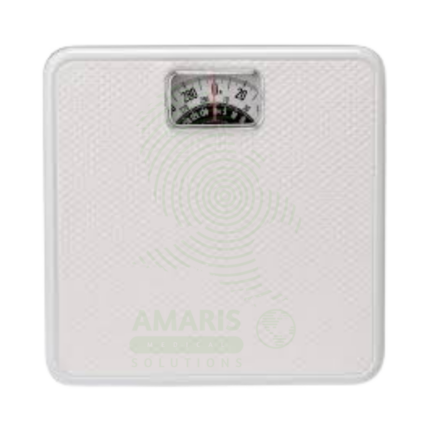
Analogue Bathroom Weighing Scale
An Analogue Bathroom Weighing Scale is a mechanical Class I medical device (for health monitoring) using a precision spring and lever system to measure body weight without batteries or electronics. Features include enameled steel, stainless steel, or ABS plastic platform (25-30 cm square), large circular dial (10-15 cm diameter) with clear numerals and pointer, zero adjustment knob for calibration before each use, weight capacity 120-180 kg (265-400 lbs) standard (heavy-duty models to 250 kg/550 lbs), and graduation 0.5 kg or 1 lb increments with accuracy ±0.5-1 kg. Primary clinical applications include home weight monitoring for patients who prefer non-electronic devices, chronic disease management in resource-limited settings (heart failure, CKD), geriatric and low-vision patient weighing (large, clear dial), bariatric patient monitoring (higher weight capacities), pediatric growth monitoring in home settings, pregnancy weight tracking, and post-hospitalization transition monitoring. Critical safety considerations include verifying zero adjustment before each use, placement on hard level surface (not carpet), staying within weight capacity, reading at eye level to avoid parallax error, and recognizing that spring fatigue over years may affect accuracy. Essential non-electronic alternative for patients needing simple, reliable, battery-free weight monitoring.
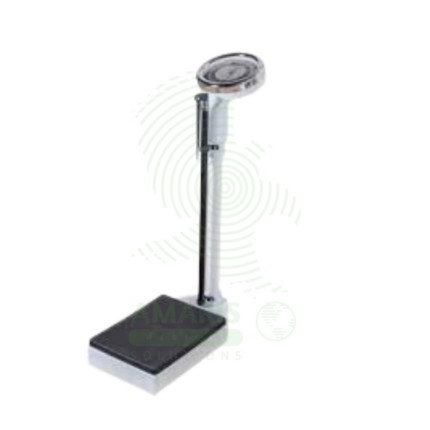
Analogue Weighing Scale With height
An Analogue Weighing Scale With height is a Class I medical device combining a mechanical beam scale (balance beam with sliding poises, accuracy ±0.1 kg, capacity 140-300 kg) with an integrated telescoping or folding height rod (range 60-200 cm, graduation 1 mm) for comprehensive anthropometric assessment without batteries or electronics. Features include heavy-gauge steel platform (50-70 cm × 40-50 cm) with non-slip surface, sliding counterweights (large for increments, small for fine measurement), zero adjustment mechanism, locking casters for mobility, and durable enamel or powder-coated finish. Primary clinical applications include comprehensive anthropometric assessment in resource-limited clinics, pediatric growth monitoring in community health centers, adult obesity screening and BMI calculation, geriatric nutritional assessment in long-term care, preoperative assessment in ambulatory surgery centers, school health screening programs, and developing world/humanitarian aid settings. Critical safety considerations include verifying zero balance before each use, locking casters before patient steps on, ensuring patient stands still without support, providing step assistance for mobility-impaired patients, and cleaning platform and height rod between patients. Essential durable, battery-free equipment for comprehensive weight and height measurement in clinical settings.
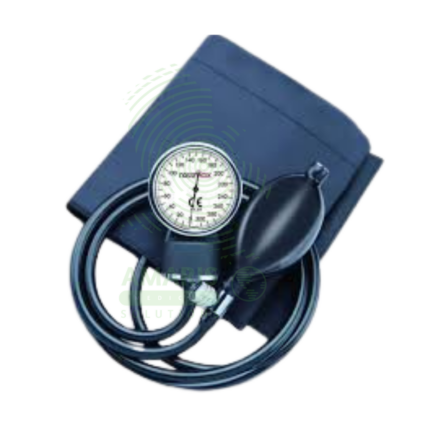
Aneroid Blood Pressure Monitor
The Aneroid Blood Pressure Monitor is a manual, mechanical sphygmomanometer used for the accurate, non-invasive measurement of arterial blood pressure. Operating on the auscultatory method, it consists of an inflatable cuff, a pump bulb with a release valve, and a calibrated dial gauge. Renowned for its reliability, durability, and independence from electrical power, it serves as a clinical gold standard and essential tool in physician offices, hospitals, and for guided home monitoring. Its accuracy is dependent on proper technique, correct cuff size, and regular calibration, making it a fundamental device for diagnosing and managing hypertension and assessing cardiovascular health.
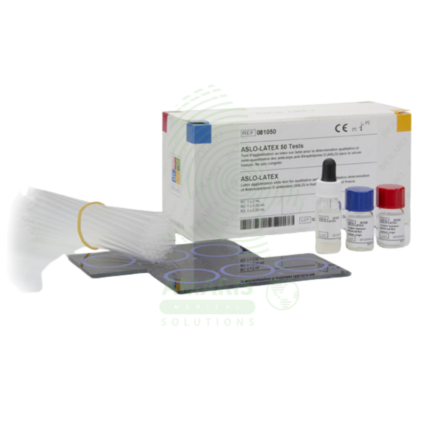
Anti-Streptol Olysin O Titer (ASOT)
Anti-Streptol Olysin O Titer (ASOT) is a quantitative or semi-quantitative serological test (latex agglutination, turbidimetry, nephelometry, or ELISA) for detecting antibodies against streptolysin O, an exotoxin produced by Group A Streptococcus. Elevated or rising titers indicate recent streptococcal infection and are essential for diagnosing post-streptococcal sequelae including acute rheumatic fever (Jones criteria) and post-streptococcal glomerulonephritis. The test requires serum samples; acute and convalescent (2-4 weeks apart) with fourfold rise confirms recent infection. Reference range typically <200-250 Todd units/mL (adults), varies by age and population. Primary clinical applications include diagnosis of Group A streptococcal infections, acute rheumatic fever evaluation, post-streptococcal glomerulonephritis diagnosis, differentiation of acute vs. past infection, evaluation of unexplained arthritis or carditis, pediatric inflammatory conditions (PANDAS), and monitoring disease activity in rheumatic fever. Critical safety precautions include proper timing of acute and convalescent samples, awareness of false negatives/positives, clinical correlation for diagnosis, and standard biohazard precautions. Essential test for rheumatology, nephrology, cardiology, and infectious disease practice.
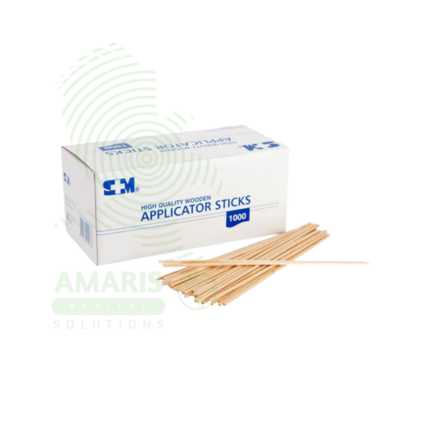
Applicator Sticks
Applicator Sticks are single-use medical devices with absorbent tips (cotton, rayon, flocked polyester) on wood, plastic, or paper shafts for collecting clinical specimens (throat, nasal, wound, cervical, urethral, rectal) for microbiological culture, rapid testing, and molecular diagnostics. Sterile individually wrapped or non-sterile bulk formats. Flocked swabs provide >90% specimen release for PCR testing. Primary applications include specimen collection for infection diagnosis, wound care and antiseptic application, gynecological sampling (Pap smears, STI testing), eye/ear specimen collection, laboratory slide preparation, and forensic evidence collection. Critical precautions include single-use only, sterile technique, proper collection method, and biohazard disposal. Essential consumable in all clinical settings.
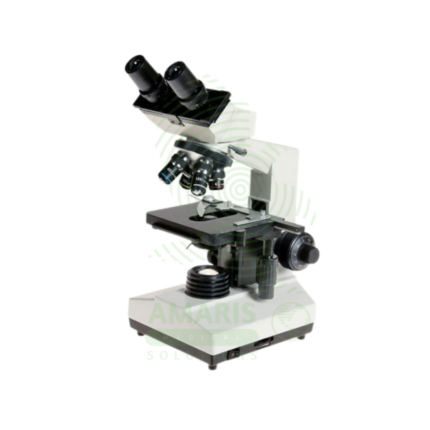
Binocular Electric Microscope
A Binocular Electric Microscope is a standard clinical laboratory instrument featuring binocular eyepieces for comfortable viewing and built-in electric illumination (halogen or LED) for routine diagnostic microscopy across microbiology, hematology, histopathology, cytology, urinalysis, and parasitology. Equipped with 4×, 10×, 40× (high dry), and 100× (oil immersion) plan or plan achromatic objectives, 10× widefield eyepieces with diopter adjustment, Abbe condenser with iris diaphragm, mechanical stage with X-Y controls, and coaxial coarse/fine focusing. Magnification range 40× to 1000× with resolution to 0.2-0.3 micrometres. Primary clinical applications include Gram stain interpretation for bacterial identification, manual differential white blood cell counts, red blood cell morphology assessment, malaria parasite detection, urine sediment examination, Pap smear screening, and semen analysis. Essential equipment in every clinical laboratory for visual examination of stained and unstained specimens, providing definitive diagnosis for countless infectious, hematologic, and neoplastic conditions. Binocular design reduces eye strain during prolonged use, while electric illumination ensures consistent, adjustable lighting for optimal specimen visualization.
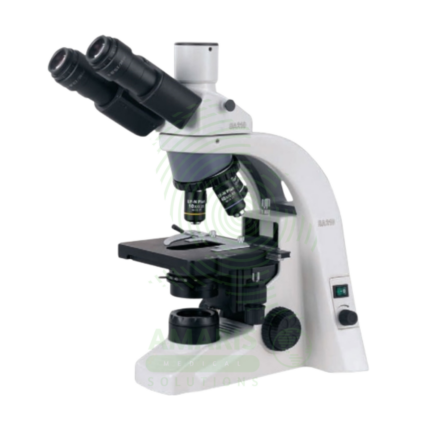
Biological Microscope
A Biological Microscope is a Class I medical device (optical instrument) designed for examining stained and unstained biological specimens in clinical, research, and educational laboratories. Available in monocular, binocular, or trinocular configurations with magnification from 40× to 1000× (oil immersion) using 4×, 10×, 40×, and 100× achromatic or plan achromatic objectives, 10× widefield eyepieces, Abbe condenser, mechanical stage, and built-in halogen or LED illumination. Features include coaxial coarse/fine focusing, revolving nosepiece, Köhler illumination alignment, and ergonomic design for comfortable use. Primary clinical applications include microbiological examination (Gram stains, acid-fast stains, wet mounts), hematology (differential counts, RBC morphology, platelet estimation), histopathology (tissue sections, H&E, special stains), cytology (Pap smears, FNAs, body fluids), urinalysis (sediment examination), parasitology (malaria, ova, parasites), and fertility (semen analysis). Essential equipment in every clinical laboratory for infectious disease diagnosis, cancer detection, hematological disorder evaluation, and countless other diagnostic applications requiring direct visualization of specimens. Biological microscopes are the foundation of laboratory medicine, enabling pathologists, microbiologists, hematologists, and laboratory scientists to visualize and interpret the cellular and microbial world for patient diagnosis and care.
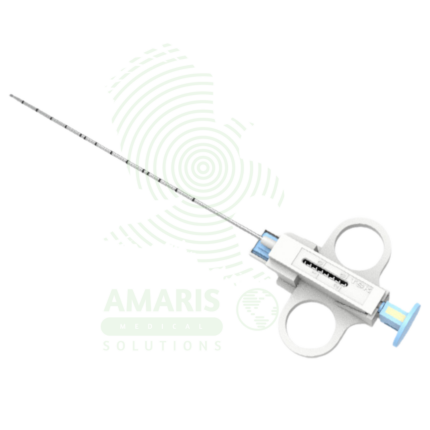
Biopsy Needles
Biopsy Needles are sterile, single-use precision medical devices designed to obtain tissue or cellular specimens from internal organs, masses, and lesions for histopathological or cytological diagnosis. Available in core biopsy (automatic spring-loaded, semi-automatic, vacuum-assisted, coaxial) and fine needle aspiration configurations, with gauges ranging from 14G-27G and lengths from 6-25 cm. Core biopsy needles obtain intact tissue cores preserving histological architecture; FNA needles aspirate cellular material for cytological evaluation. Specialized variants include bone marrow biopsy needles (Jamshidi, Illinois), echogenic-tip needles for ultrasound guidance, and MRI-compatible needles (nitinol, titanium). Critical safety requirements include strict image guidance for non-palpable lesions, verification of coagulation status, adherence to single-use protocols, and immediate post-procedure monitoring for complications (hemorrhage, pneumothorax, organ injury). An indispensable tool in interventional radiology, oncology, and minimally invasive diagnosis.
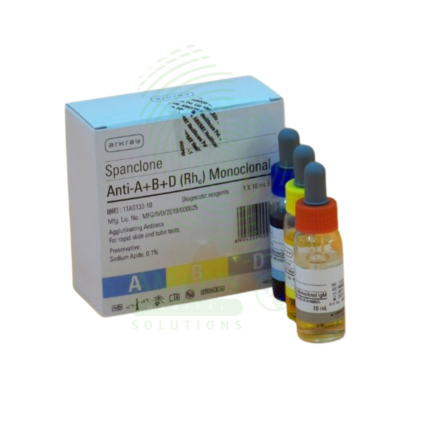
Blood Grouping kit
A Blood Grouping Kit is a Class II medical device (FDA-cleared/CE-marked) containing monoclonal antibodies (Anti-A, Anti-B, Anti-D) and control reagents for determining ABO blood group and Rh factor by agglutination method. The kit includes color-coded reagent vials, reaction cards or slides, mixing sticks, lancets, and capillary pipettes. Test time 2-5 minutes (slide method) or 15-30 minutes (tube method). Interpretation based on agglutination pattern: Anti-A positive = group A; Anti-B positive = group B; both positive = group AB; both negative = group O; Anti-D positive = Rh positive; Anti-D negative = Rh negative. Primary clinical applications include pre-transfusion compatibility testing, prenatal and neonatal testing (Rh incompatibility prevention), preoperative blood typing, blood donor screening, and emergency blood typing. Critical safety precautions include refrigerated storage (2-8°C), proper disposal of lancets in sharps containers, universal precautions for blood samples, and confirmation with reverse typing when possible. Essential kit for transfusion medicine, obstetrics, surgery, and emergency care.
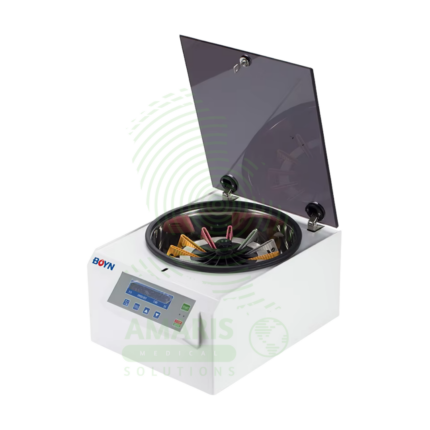
Blood ID Centrifuge
The Blood ID Centrifuge is a specialized benchtop centrifuge designed specifically for blood banking and immunohematology applications using gel card or column agglutination technology. It is optimized for centrifuging gel cards used in ABO/Rh typing, antibody screening, cross-matching, direct and indirect antiglobulin tests (Coombs tests), and antibody identification procedures. Features include fixed-angle or swing-out rotors with specialized gel card holders, programmable cycles (speed, time, acceleration/deceleration) for different test protocols, digital display, imbalance detection, and safety lid lock. Capacity typically 6-24 gel cards per run with speeds optimized at 1,000-2,500 RPM for gel card processing. Primary clinical applications include blood typing and cross-matching in transfusion medicine, antibody identification and titer determination, direct and indirect antiglobulin testing, newborn cord blood testing, donor screening, and quality control in immunohematology. Essential equipment for hospital blood banks, donor centers, and immunohematology reference laboratories requiring standardized, reproducible gel card test results.
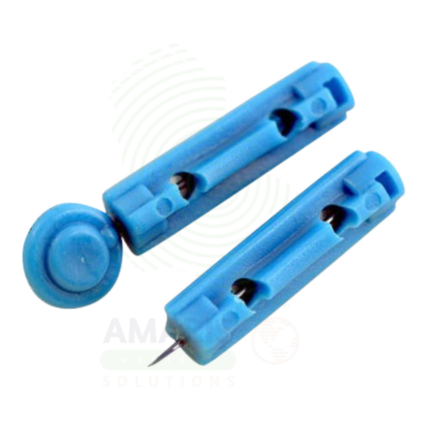
Blood Lancets
Blood Lancets are sterile, single-use, precision-engineered sharp devices designed to obtain capillary blood specimens via controlled skin puncture (fingerstick, heel stick, or alternate site). Available in standard (21G-28G) and safety (auto-retracting) configurations, with fixed or adjustable penetration depths (0.65 mm - 2.2 mm). Safety lancets with automatic needle retraction are OSHA-mandated for healthcare workers to eliminate sharps injury risk. Specialized variants include ultra-thin (30G-33G) low-pain lancets for frequent testers, pediatric lancets with reduced depth, and neonatal heel stick lancets featuring incision-style blades with strict depth limitation (≤2.0 mm per CLSI). Essential for diabetes self-monitoring, point-of-care testing (glucose, HbA1c, PT/INR, cholesterol), and newborn metabolic screening. Critical safety imperatives include absolute single-use protocol, immediate activation of safety mechanisms or disposal into sharps containers, appropriate depth selection to prevent tissue injury, and rigorous infection control practices. An indispensable medical consumable in chronic disease management, acute care, and preventive medicine.
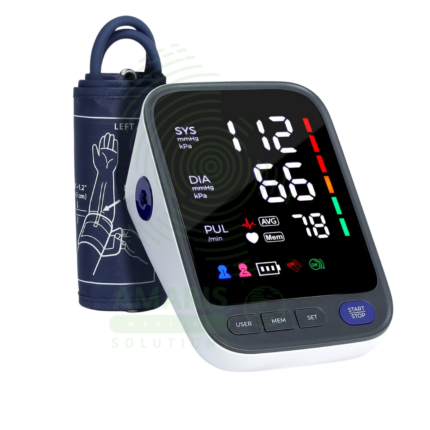
Bluetooth Blood Pressure Machine
A Bluetooth Blood Pressure Machine is an automatic oscillometric blood pressure monitor with integrated wireless technology that transmits readings from patient homes to smartphones and healthcare providers. Measures systolic (60-260 mmHg) and diastolic (40-200 mmHg) pressure with clinical accuracy (≤±3 mmHg) validated per AAMI/ESH/ISO 81060-2 standards. Features intelligent cuff inflation, movement detection, irregular heartbeat flagging, and multi-user memory (60-200 readings). Bluetooth 4.0-5.0 LE connectivity enables automatic data synchronization with companion apps for trend analysis, medication tracking, and secure provider sharing. Primary clinical applications include remote patient monitoring for hypertension management, medication adherence and efficacy tracking, gestational hypertension and preeclampsia surveillance, post-operative BP monitoring, pediatric hypertension follow-up, and clinical trial data collection. Class II medical device requiring FDA clearance. Critical safety considerations include proper cuff size selection, correct measurement conditions (rest, positioning, bare arm), movement restriction during measurement, irregular heartbeat interpretation limitations, and regular calibration verification.
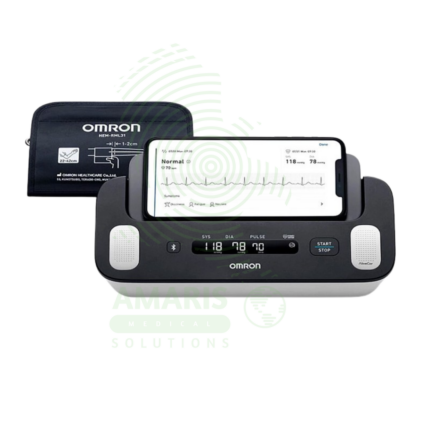
Bluetooth Blood Pressure Machine With ECG
A Bluetooth Blood Pressure Machine With ECG is an integrated home monitoring device combining automatic oscillometric blood pressure measurement with single-lead ECG recording, featuring Bluetooth connectivity for wireless data transmission to smartphones and healthcare providers. Measures systolic (60-260 mmHg) and diastolic (40-200 mmHg) pressure with ±3 mmHg accuracy (meets AAMI/ESH/ISO standards) and records 30-60 second single-lead ECG with automated detection of atrial fibrillation, bradycardia, and tachycardia. Stores 90-200 readings with date/time stamp; transmits data via Bluetooth 4.0+ to dedicated apps for trend analysis and provider sharing. Primary clinical applications include comprehensive cardiovascular monitoring for hypertensive patients with arrhythmia risk, atrial fibrillation screening during routine BP checks, medication titration monitoring (antihypertensive and antiarrhythmic), preoperative cardiovascular assessment, post-stroke or post-MI secondary prevention, and stress/anxiety monitoring. Class II medical device requiring FDA clearance for both functions. Critical safety considerations include device not for emergency use, ECG screening not equivalent to diagnostic 12-lead, proper cuff placement (bare arm at heart level), ECG signal quality optimization, movement avoidance during measurement, arrhythmia alerts requiring medical follow-up, and regular calibration verification.
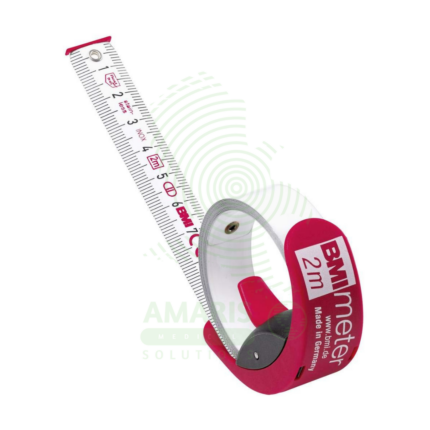
BMI Tape
A BMI Tape is a rapid screening tool that estimates an individual's Body Mass Index (BMI) category by measuring body circumference, most commonly the waist. It features a color-coded scale that directly displays BMI ranges (Underweight, Normal, Overweight, Obese), eliminating the need for separate height and weight measurements and manual calculation. While highly useful for community health screenings, wellness programs, and patient education due to its portability and simplicity, it is an approximate method. Its accuracy is limited compared to BMI calculated from precise clinical measurements, and it should be used as an initial screening indicator rather than a definitive diagnostic tool.
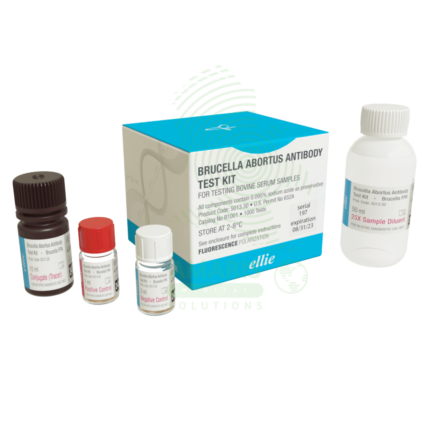
Brucella Set
A Brucella Set is a comprehensive serological test system (Class II medical device, CE-marked/FDA-cleared) for qualitative and quantitative detection of antibodies against Brucella species (B. abortus, B. melitensis, B. suis, B. canis) using multiple methodologies including tube agglutination, slide agglutination, and 2-mercaptoethanol (2-ME) testing. The set includes killed, stained Brucella antigens, positive and negative controls, dilution tubes, reaction cards, and 2-ME reagent for IgM/IgG differentiation. Diagnostic titer ≥1:160 or fourfold rise confirms brucellosis. Primary clinical applications include diagnosis of brucellosis in endemic regions (undulant fever, night sweats, arthralgia), fever of unknown origin investigation, occupational health screening in high-risk workers (veterinarians, farmers, slaughterhouse workers), diagnosis of focal complications (sacroiliitis, spondylitis, meningitis, endocarditis), treatment monitoring (fourfold decline indicates response), outbreak investigation, and public health surveillance. Critical safety precautions include handling all samples in biosafety cabinet (Brucella is highly infectious via aerosol), 2-ME reagent toxicity (use fume hood), awareness of prozone phenomenon (serial dilutions essential), cross-reactions with other Gram-negative bacteria, and mandatory reporting to public health authorities. Essential test for brucellosis diagnosis in endemic regions and occupational health settings.
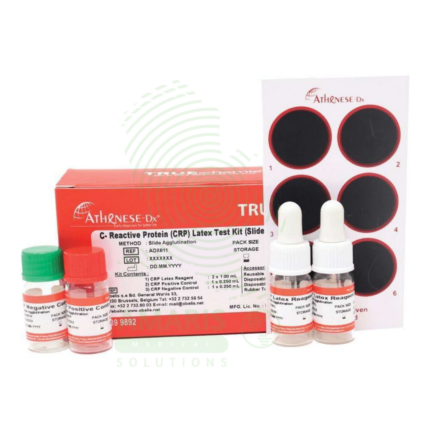
CRP Test Kit
CRP Test Kit (C-Reactive Protein) is a quantitative or semi-quantitative immunoassay (latex agglutination, turbidimetry, nephelometry, ELISA, or rapid immunochromatographic) for detecting C-reactive protein in blood, an acute-phase reactant produced in response to inflammation. Rapid rise within 6-12 hours, peaks at 24-48 hours, half-life 19 hours. Normal <5-10 mg/L; mild elevation 10-100 mg/L (viral infections, autoimmune flares); moderate 100-200 mg/L (bacterial infections); marked >200 mg/L (sepsis, major trauma). High-sensitivity CRP (hs-CRP) detects 0.1-10 mg/L for cardiovascular risk stratification (<1 mg/L low risk, 1-3 mg/L moderate, >3 mg/L high). Primary clinical applications include detection and monitoring of inflammation, diagnosis and management of infections (differentiating bacterial from viral), assessment of autoimmune disease activity, post-surgical monitoring for complications, cardiovascular risk screening (hs-CRP), monitoring rheumatic fever and inflammatory conditions, and neonatal sepsis evaluation. Critical safety precautions include proper sample handling (universal precautions), quality control verification, awareness of non-specific elevation, prozone phenomenon in very high concentrations, and clinical correlation for interpretation. Essential test for evaluating inflammation across all medical specialties.
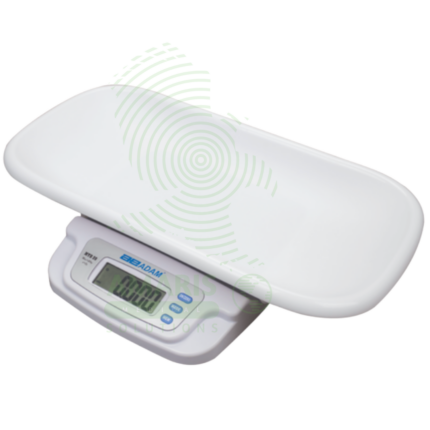
Digital Baby Weighing Scale
A Digital Baby Weighing Scale is a high-precision medical device designed exclusively for the safe and accurate measurement of infant and toddler weight. Featuring a stable, hygienic platform with gram-level precision, it is indispensable in hospitals (especially NICUs), pediatric clinics, and community health settings. Its core functions—such as hold, tare, and zeroing—ensure reliable readings even with a moving child. Accurate weight data is foundational for assessing growth, calculating medication doses, managing nutrition, and detecting early signs of health issues, making this scale a critical tool for safeguarding infant health and development.
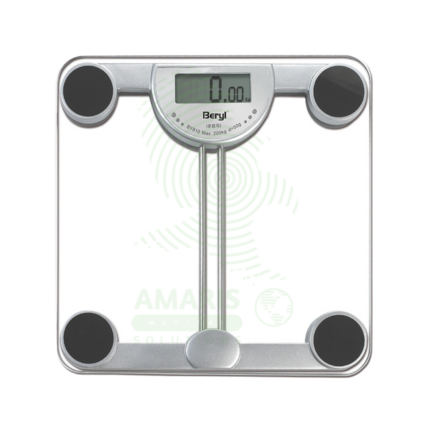
Digital Bathroom Weighing Scale
A Digital Bathroom Weighing Scale is a Class I medical device (for health monitoring) using strain gauge sensor technology (four high-precision sensors, accuracy ±0.1-0.3 kg) to measure body weight in home settings. Features include tempered glass, stainless steel, or ABS plastic platform (30-35 cm square), backlit LCD display with large numerals, auto-on/off, low battery indicator, overload warning, and weight capacity 150-200 kg (330-440 lbs) standard, with bariatric models to 300 kg (660 lbs). Measurement units switchable between kg, lb, and st. Primary clinical applications include home weight monitoring for chronic disease management (congestive heart failure fluid detection, chronic kidney disease), obesity and weight management programs, bariatric surgery pre- and post-operative monitoring, diabetes management and metabolic health, pregnancy weight gain tracking, geriatric nutritional status monitoring (detecting malnutrition), and pediatric growth monitoring. Critical safety considerations include use on hard, level surface (not carpet), consistent weighing conditions (same time, minimal clothing), inspection of glass platform for cracks, staying within weight capacity, and recognition that rapid weight gain >2-3 kg in 24-48 hours may indicate fluid overload requiring medical attention. Essential tool for home-based chronic disease management and health monitoring.
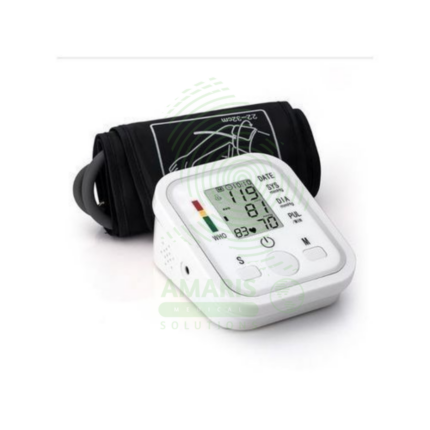
Digital Blood Pressure Monitor
A Digital Blood Pressure Monitor is an automatic electronic device that measures and displays systolic pressure, diastolic pressure, and pulse rate using the oscillometric method. Designed primarily for home and clinical use, it offers a user-friendly alternative to manual aneroid devices, requiring minimal training. Key features often include irregular heartbeat detection, multi-user memory, and connectivity for data tracking. Its accuracy, when clinically validated and used with correct technique, makes it an indispensable tool for the diagnosis and management of hypertension, empowering patients and supporting healthcare providers with reliable ambulatory data.
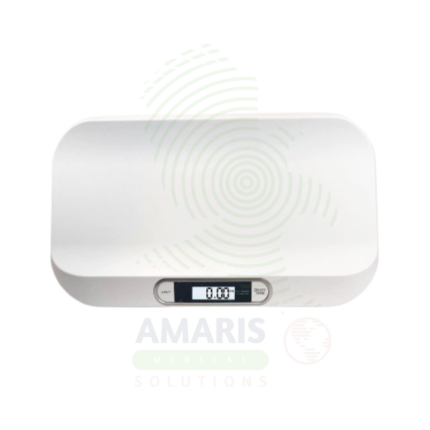
Digital Portable Small Animal Vet Scale
A Digital Portable Small Animal Vet Scale is a lightweight, battery-operated weighing device designed for accurate weight measurement of dogs, cats, rabbits, and other companion animals. Essential for calculating medication dosages, monitoring growth, and managing weight, its portable design enables use in examination rooms, treatment areas, and during house calls. The hold function captures stable weight readings even with moving animals, while the tare function accommodates carriers and bedding.
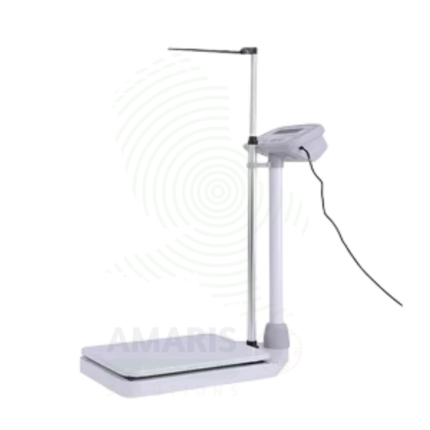
Digital Scale with Measuring Tape
A Digital Scale with Measuring Tape combines weight and height measurement in a single device, enabling efficient patient intake and automatic BMI calculation. Essential for primary care, pediatrics, weight management, and pre-operative assessment, it provides the accurate anthropometric measurements needed for clinical decision-making, growth monitoring, and nutritional assessment.
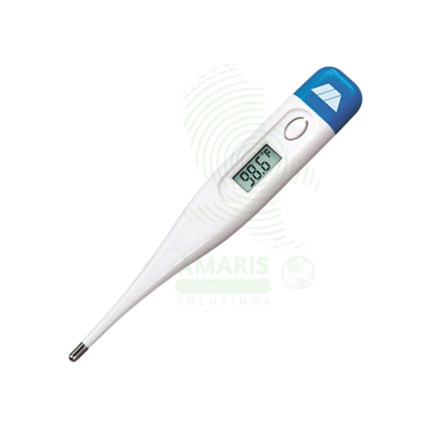
Digital Thermometer
A Digital Thermometer is an electronic device for measuring body temperature, having largely replaced glass mercury thermometers due to its safety, speed, and ease of use. It uses a thermistor sensor to provide a rapid, accurate digital readout on an LCD screen via oral, rectal, axillary, or other specialized routes. Key features often include a fever alarm, memory recall, and waterproof design for easy cleaning. Its accuracy, hygienic benefits (especially with disposable probe covers), and suitability for all age groups make it an indispensable tool in hospitals, clinics, and homes for detecting fever, monitoring illness, and assessing overall patient health.
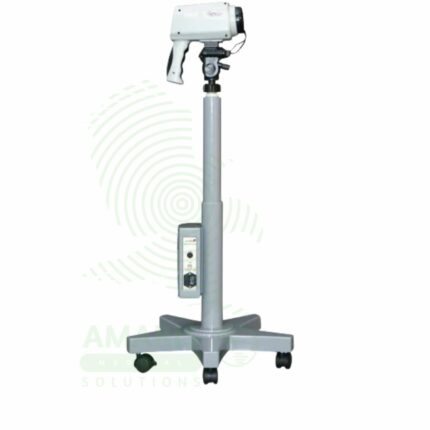
Digital Video Colposcope
A Digital Video Colposcope is a specialized binocular microscope system with integrated digital imaging, used for the magnified examination of the cervix, vagina, and vulva. It is the essential diagnostic tool for evaluating abnormal Pap smears, guiding biopsies of pre-cancerous lesions (CIN), and assessing various lower genital tract disorders. Key features include variable high magnification, bright LED illumination with green filter enhancement, and high-resolution video capture for documentation, patient education, and telemedicine. Its use requires proper application of acetic acid, systematic examination technique, and secure management of patient image data. It is a cornerstone of gynecologic preventative care and diagnosis.
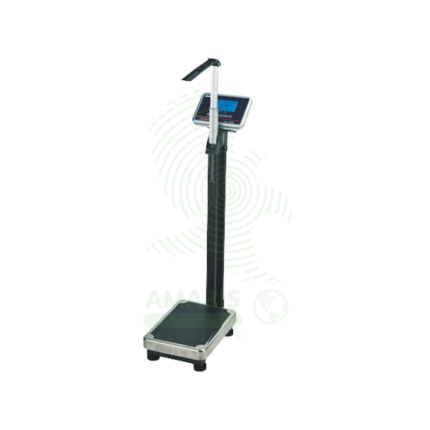
Digital Weighing Scale With Height
A Digital Weighing Scale With Height is a Class I medical device combining precision electronic load cell technology (accuracy ±0.1 kg, capacity 200-500 kg) with integrated mechanical or electronic height measurement (range 60-220 cm, accuracy ±2-5 mm) for comprehensive anthropometric assessment in clinical settings. Features include backlit LCD display with automatic BMI calculation, tare function for wheelchair weighing, hold function for unsteady patients, data output options (USB/Bluetooth/RS-232) for EMR integration, locking casters for mobility, and AC power with battery backup. Primary clinical applications include comprehensive anthropometric assessment in primary care, pediatric growth monitoring, adult obesity screening and weight management, bariatric surgery pre- and post-operative assessment, geriatric nutritional status monitoring, oncology chemotherapy dosing (BSA calculation), and clinical research. Critical safety considerations include locking casters before patient use, verifying zero before each measurement, providing step assistance for mobility-impaired patients, staying within weight capacity, and regular calibration verification with certified test weights. Essential digital equipment for efficient, accurate, and documented anthropometric assessment in modern clinical practice.
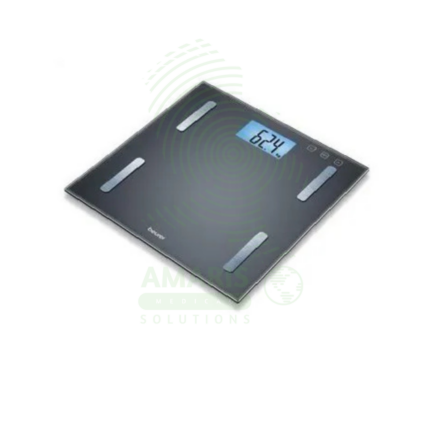
Digital weight scale with BMI calculator
A Digital Weight Scale with BMI Calculator is a Class I medical device (for health monitoring) combining precision strain gauge technology (four sensors, accuracy ±0.1-0.3 kg) with automatic BMI calculation based on user-entered height. Features include tempered glass, stainless steel, or ABS plastic platform (30-35 cm square), backlit LCD display showing weight and BMI, multiple user profiles (2-10 users) with height storage, memory for historical readings, auto-recognition on select models, Bluetooth connectivity for app integration, and weight capacity 150-200 kg (330-440 lbs) standard. Primary clinical applications include home-based BMI monitoring for weight management, hypertension and cardiovascular risk assessment, diabetes management and metabolic health, obesity screening and weight loss programs, bariatric surgery pre- and post-operative monitoring, geriatric nutritional status monitoring (detecting malnutrition), and pediatric/adolescent growth tracking. Critical safety considerations include accurate height entry for each user (essential for valid BMI), correct user profile selection, use on hard level surfaces (not carpet), glass platform inspection for cracks, staying within weight capacity, and understanding that BMI is a screening tool requiring healthcare provider interpretation. Essential home health device for individuals managing weight-related health conditions.
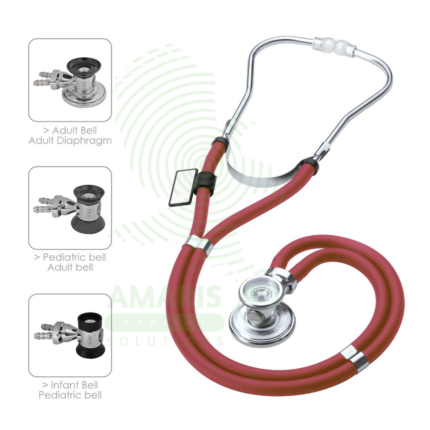
Dual Head Stethoscope
The Dual Head Stethoscope is the classic, essential acoustic diagnostic tool used by healthcare professionals worldwide. Its defining feature is a two-sided chestpiece, combining a diaphragm for high-frequency sounds (breath sounds, normal heart tones) and a bell for low-frequency sounds (heart murmurs, abnormal heart tones). Through mechanical sound conduction, it provides critical information for assessing cardiac, pulmonary, and vascular systems during physical examinations and manual blood pressure measurement. Its effectiveness relies on proper technique, a good acoustic seal, and consistent cleaning. As a fundamental symbol of medical practice, it balances functionality, durability, and affordability.
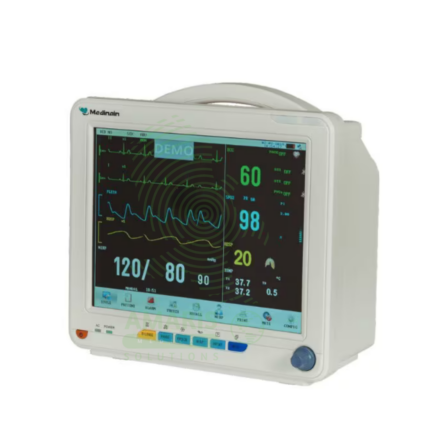
ECG Machine
An ECG Machine is a Class II medical device that records and displays the electrical activity of the heart through surface electrodes, producing an electrocardiogram for diagnosis of cardiac conditions. Standard diagnostic machines record 12 simultaneous leads (3 limb, 6 precordial, 1 ground) with frequency response 0.05-150 Hz, sampling rate 500-1,000 Hz, and high-resolution (5-10 µV) signal acquisition. Features include color touchscreen display, thermal array printer, computerized interpretation algorithms, internal memory (50-500+ ECGs), and network connectivity for EMR integration. Lead wires (AHA or IEC color coding) connect to disposable adhesive electrodes. Portable models (5-15 kg) with rechargeable batteries enable bedside and mobile use; cart-mounted units provide full diagnostic capability. Primary clinical applications include diagnosis of arrhythmias (AF, VT, bradycardia), detection of myocardial ischemia/infarction (STEMI, NSTEMI), evaluation of chest pain, preoperative cardiac risk assessment, monitoring electrolyte imbalances, assessment of chamber enlargement, and drug effect/toxicity monitoring. Essential diagnostic equipment in emergency departments, cardiology clinics, ICUs, operating rooms, and primary care settings worldwide.
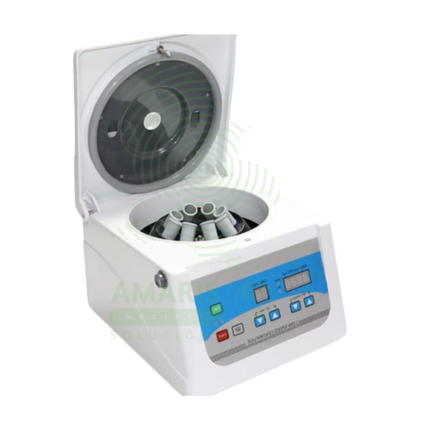
Electric Centrifuge
An Electric Centrifuge is a Class I medical device that uses rapid rotation to separate fluids of different densities, essential in clinical laboratories for processing blood, urine, and other biological specimens. Available in benchtop, refrigerated, microcentrifuge, hematocrit, and high-speed models with fixed-angle, swinging-bucket, or vertical rotors. Speed range 1,000-30,000+ RPM with RCF up to 65,000+ x g. Features include brushless induction motor, digital controls, imbalance detection, lid lock safety, and programmable protocols. Primary clinical applications include separation of serum/plasma for chemistry and hematology testing, urine sediment analysis for microscopy, platelet-rich plasma (PRP) preparation for regenerative medicine, concentration of bacteria for microbiology, cytology fluid analysis, blood banking, and molecular biology sample processing. Critical safety precautions include proper balancing of loads (weight matching), use of sealed rotors for biohazardous samples, regular rotor inspection for corrosion or cracks, never exceeding maximum rated speed, and never opening lid during operation. Essential equipment in clinical, research, and teaching laboratories.
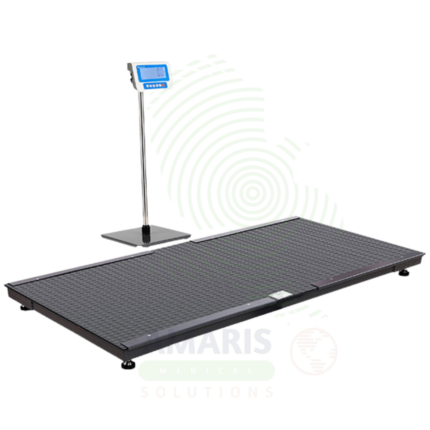
Equine Floor Digital Scale
An Equine Floor Digital Scale is a heavy-duty weighing platform designed for accurate weight measurement of horses and other large animals. Essential for calculating medication dosages, anesthetics, dewormers, and nutritional supplements, it ensures safe, effective treatment for equine patients. The large platform with entrance and exit ramps allows stress-free weighing, while high capacity and accuracy support comprehensive equine health management.
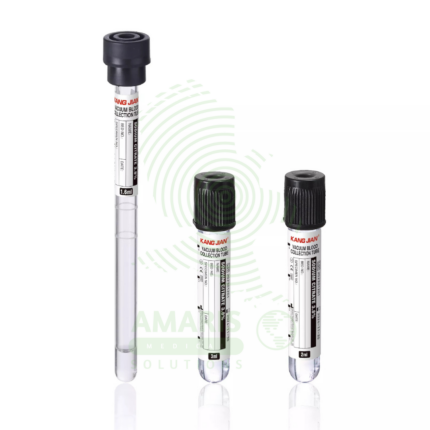
ESR Tubes Glass
ESR Tubes Glass are specialized glass tubes (300 mm length, 2.55 mm bore diameter, graduated 0-200 mm in 1 mm intervals) meeting ICSH and CLSI Westergren specifications for measuring erythrocyte sedimentation rate, a non-specific marker of inflammation. Used with citrated or diluted EDTA blood, filled to exactly 200 mm, placed vertically in Westergren stand, and read at 60 minutes. Primary clinical applications include determination of ESR for diagnosing and monitoring inflammatory conditions (infections, autoimmune disorders, malignancies), monitoring disease activity in rheumatoid arthritis, assessment of temporal arteritis and polymyalgia rheumatica, evaluation of infection and inflammatory response, screening for occult inflammatory conditions, and monitoring chronic inflammatory diseases (SLE, IBD, vasculitis). Critical safety precautions include handling glass tubes carefully to avoid breakage (sharps hazard), proper disposal in sharps containers as biohazardous waste, ensuring vertical alignment and constant temperature (18-25°C), reading at exactly 60 minutes, and avoiding air bubbles and vibration. Essential consumable for reference Westergren ESR testing in clinical laboratories.
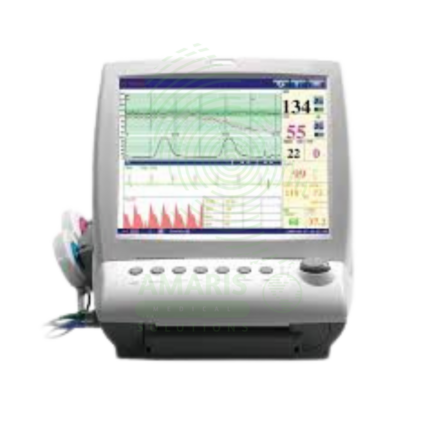
Fetal & Maternal Monitor
A Fetal & Maternal Monitor is an electronic monitoring system that simultaneously records fetal heart rate (via external ultrasound or internal scalp electrode), uterine contractions (via external tocodynamometer or intrauterine pressure catheter), and maternal vital signs (blood pressure, heart rate, oxygen saturation). Used for antepartum and intrapartum fetal assessment, non-stress tests, contraction stress tests, and monitoring of high-risk pregnancies including gestational diabetes, hypertensive disorders, and multiple gestations. Features high-resolution display, continuous paper recording, alarm systems for fetal distress, and data storage for medical records. External monitoring is non-invasive for routine use; internal monitoring provides more accurate data but requires ruptured membranes and cervical dilation. Class II medical device requiring FDA clearance and qualified interpretation of fetal heart rate patterns. Essential for assessing fetal well-being and guiding obstetric interventions.
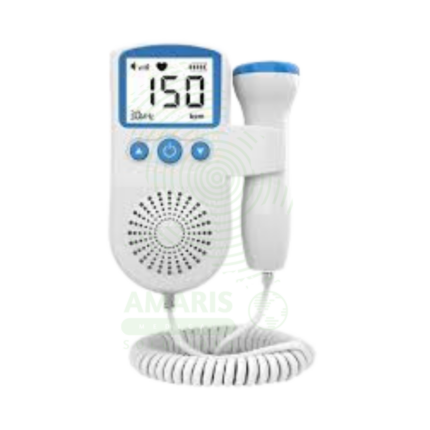
Fetoheart Sonic Aid Doppler (clinic/hospital use)
A Fetoheart Sonic Aid Doppler (Fetal Doppler) is a Class II medical ultrasound device (2-3 MHz probe) for real-time detection and audible/visual display of fetal heart rate in clinical obstetric settings from 10-12 weeks gestation. Features include handheld or tabletop console, waterproof probe, digital heart rate display (30-240 bpm), amplified speaker, headphone jack, and rechargeable battery or AC power operation. Continuous wave or pulsed wave Doppler technology with auto-correlation signal processing rejects maternal artifact. Primary clinical applications include fetal heart rate detection and monitoring during routine prenatal visits, confirmation of fetal viability in first trimester, intermittent fetal monitoring during labor, non-stress test administration, multiple gestation assessment, fetal presentation determination, and post-procedure confirmation (amniocentesis, CVS, ECV). Critical safety considerations include following ALARA principle (minimum necessary exposure), appropriate ultrasound gel use, probe pressure avoidance, infection control (probe cleaning between patients), differentiation of fetal from maternal signals, and interpretation by qualified providers. Essential equipment in outpatient obstetric clinics, hospital labor and delivery units, and prenatal care settings.
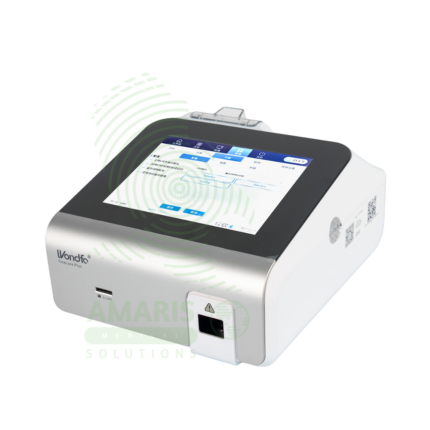
Finecare Analyzer
The Finecare Analyzer is a Class II medical device (FDA-cleared, CE-marked) fluorescence immunoassay system manufactured by Wondfo Biotech for quantitative detection of cardiac markers (troponin I, CK-MB, myoglobin), inflammatory markers (CRP, procalcitonin), thyroid hormones (TSH, FT3, FT4), diabetes markers (HbA1c), reproductive hormones (LH, FSH, prolactin), tumor markers (AFP, CEA, PSA), and infectious disease markers. Features include time-resolved fluorescence technology, color touchscreen interface, built-in printer (select models), USB/Ethernet connectivity, and internal rechargeable battery for portable use. Test time 3-15 minutes, sample volume 50-100 µL (whole blood, serum, plasma). Primary clinical applications include rapid diagnosis of acute myocardial infarction in chest pain patients, early detection of sepsis and bacterial infections, thyroid disorder diagnosis and monitoring, long-term glycemic control assessment in diabetes, fertility and reproductive health evaluation, cancer screening and surveillance, and infectious disease testing in endemic and clinical settings. Critical safety precautions include proper test cartridge storage (2-8°C), regular quality control, biohazard safety protocols, and operator training. Essential point-of-care testing system for hospitals, clinics, and remote healthcare facilities requiring rapid, quantitative results.
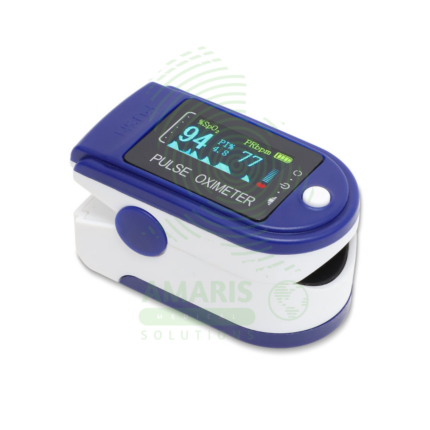
Fingertip Pulse Oximeter
A Fingertip Pulse Oximeter is a compact, non-invasive medical device that clips onto a finger to measure peripheral arterial oxygen saturation (SpO2) and pulse rate in seconds. Utilizing light-based technology, it provides critical, real-time data on respiratory and circulatory status. Its portability and ease of use make it indispensable in hospitals (from ORs to general wards), for patients managing chronic lung conditions at home, and for situational monitoring in sports or high-altitude environments. While an extremely valuable screening tool, readings must be interpreted in context, considering factors like patient movement, perfusion, and clinical symptoms.
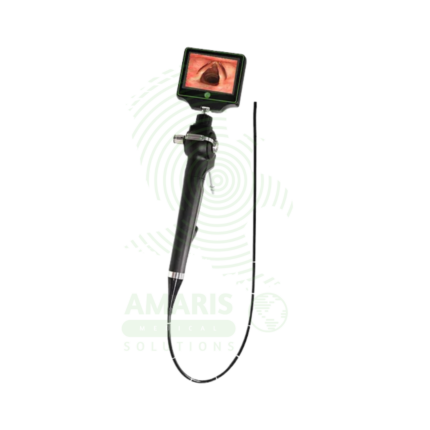
Flexible Fiber Optic Laryngoscope
A Flexible Fiber Optic Laryngoscope is a flexible endoscope (2-5 mm diameter, 30-60 cm working length) with fiber optic image transmission and steerable tip (120-180° angulation) for visualization of the upper airway and facilitation of difficult intubations. Features include control handle with angulation lever, working channel (1-2 mm) for suction or oxygen, external light source (halogen/xenon/LED), and optional camera for video display. Primary clinical applications include awake intubation in difficult airway management (limited mouth opening, cervical spine instability, obstructing pathology), nasotracheal intubation for oral surgery or maxillofacial trauma, intubation with cervical spine precautions (minimal neck movement), diagnostic airway assessment (stridor, hoarseness, vocal cord dysfunction, masses), double-lumen tube placement for thoracic surgery, pediatric difficult airway management, and tracheostomy tube placement guidance. Class II medical device requiring FDA clearance. Critical safety considerations include mandatory leak testing before immersion, antifog preparation, gentle insertion technique, airway maintenance with oxygen, topical anesthesia for patient comfort, suction availability, backup airway device, and strict infection control with validated reprocessing protocols.
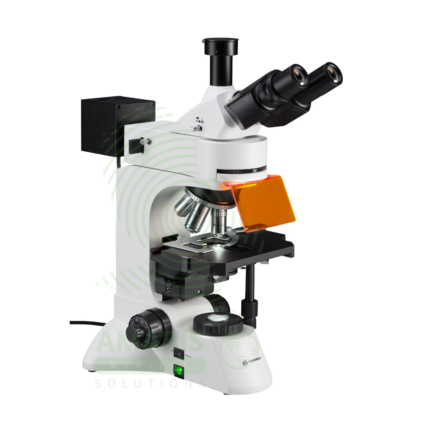
Fluorescent Microscope
A Fluorescent Microscope is a specialized Class I medical device designed for visualizing specimens labeled with fluorescent dyes (fluorochromes) that emit light at specific wavelengths when excited by high-intensity illumination. Equipped with high-pressure mercury (HBO), xenon (XBO), metal halide, or LED light sources, interchangeable filter cubes for specific fluorochromes (DAPI, FITC, TRITC, Cy3, Cy5), and high numerical aperture objectives for maximum light collection. Features include epifluorescence design, precision filter turret (4-6 positions), UV-blocking safety shields, and trinocular head for digital imaging. Primary clinical applications include immunofluorescence for autoimmune disease diagnosis (ANA, ANCA, anti-dsDNA, skin/kidney biopsies), fluorescence in situ hybridization (FISH) for genetic abnormalities (aneuploidy, deletions, translocations, HER2 amplification), auramine-rhodamine staining for tuberculosis screening, direct fluorescent antibody (DFA) testing for Legionella, Pneumocystis, Cryptosporidium, Giardia, and respiratory viruses, and FTA-ABS confirmatory testing for syphilis. Essential equipment in immunology, microbiology, pathology, cytogenetics, and molecular diagnostics laboratories requiring sensitive and specific detection of fluorescent signals for diagnosis of infectious, autoimmune, genetic, and neoplastic diseases.
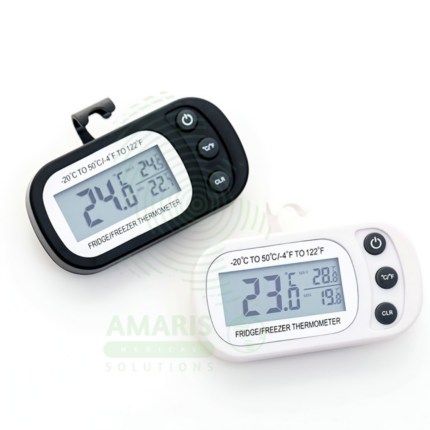
Fridge Thermometer
A Fridge Thermometer is a precision temperature monitoring device designed for continuous use inside medical and laboratory refrigerators and freezers. Its primary role is to safeguard the potency of vaccines, medications, and biological samples by ensuring storage temperatures remain within a critical specified range (e.g., +2°C to +8°C). Available in analog or digital formats, accurate models with memory functions are essential for compliance with cold chain protocols, requiring daily monitoring, logging, and regular calibration. It is a fundamental quality control tool in pharmacies, clinics, immunization centers, and laboratories.
Glucosics Blood Sugar Sticks
Glucosics Blood Sugar Sticks are single-use, disposable electrochemical test sticks (ISO 15197:2013 compliant) designed exclusively for use with Glucosics glucose meters to measure capillary blood glucose from 0.5-1.0 µL samples in 5-7 seconds. Each stick contains glucose oxidase or glucose dehydrogenase reagents that generate electrical current proportional to glucose concentration (20-600 mg/dL range). Packaging options include multi-stick vials (25-100 sticks) with desiccant for daily use or individually foil-wrapped sticks for travel. Sticks feature no-coding automatic calibration, hematocrit compensation (20-60%), and interference resistance. Primary clinical applications include daily blood glucose testing for Type 1, Type 2, and gestational diabetes management, hypoglycemia and hyperglycemia detection, pre- and post-meal glucose assessment, and hospital point-of-care testing. Critical safety precautions include single-use only, immediate vial closure after stick removal to prevent humidity damage, storage at 2-30°C away from bathrooms and temperature extremes, never using expired sticks, proper hand hygiene before testing, and disposal in sharps containers. Essential consumable for diabetes self-management when used with Glucosics meters.
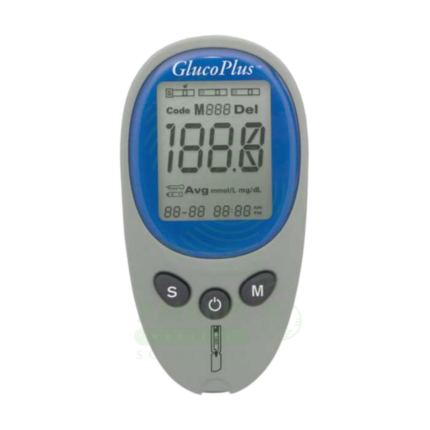
Glucosplus Blood Sugar Machine
The Glucosplus Blood Sugar Machine is a Class II medical device (FDA-cleared, ISO 15197:2013 compliant) using electrochemical biosensor technology to measure capillary blood glucose from a 0.5-1.0 µL sample in 5-7 seconds. Features include no-coding system eliminating user error, 300-500 result memory with date/time stamps, 7/14/30-day averaging, pre-/post-meal event tagging, push-button strip ejection, backlit LCD display, and auto-shutoff. Primary clinical applications include self-monitoring for Type 1, Type 2, and gestational diabetes, insulin dose adjustment, acute glycemic event detection (hypoglycemia/hyperglycemia), hospital point-of-care testing, long-term glycemic control assessment, and preconception planning for diabetic women. Critical safety considerations include single-use lancets (never share), proper hand hygiene before testing, correct test strip storage (sealed vial, temperature control), never using expired strips, regular control solution testing, and immediate action for hypoglycemia per 15-15 rule. Essential tool for daily diabetes self-management enabling patients to achieve glycemic targets and reduce long-term complications.
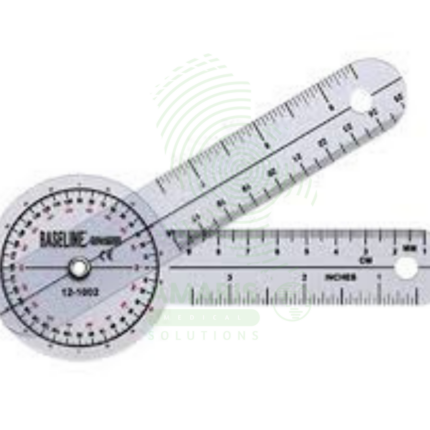
Goniometer
A goniometer is a calibrated, handheld measuring instrument designed to precisely quantify joint range of motion in degrees. Essential for physical and occupational therapy, orthopedic assessment, and rehabilitation medicine, it consists of a protractor-like body with two arms—one stationary, one movable—that align with the patient's limb segments. Available in various sizes for different joints (from fingers to hips) and in materials including transparent plastic, stainless steel, and digital formats, it transforms subjective observations of mobility into objective, reproducible data. This fundamental clinical tool guides diagnosis, documents treatment progress, supports disability determinations, and provides the evidence base for therapeutic interventions.
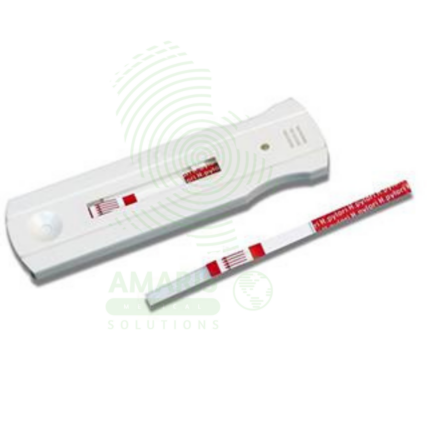
H. pylori Test Strips
H. pylori Test Strips are rapid, lateral flow immunochromatographic devices used for the qualitative detection of Helicobacter pylori antigens in human stool. As a non-invasive stool antigen test (SAT), it provides a convenient and reliable method for diagnosing active H. pylori infection and confirming eradication after therapy, with results available in under 15 minutes. Ideal for use in clinics and outpatient settings, it aids in the management of dyspepsia and peptic ulcer disease. Proper sample handling, adherence to pre-test medication restrictions, and strict biohazard precautions are essential for obtaining accurate results.
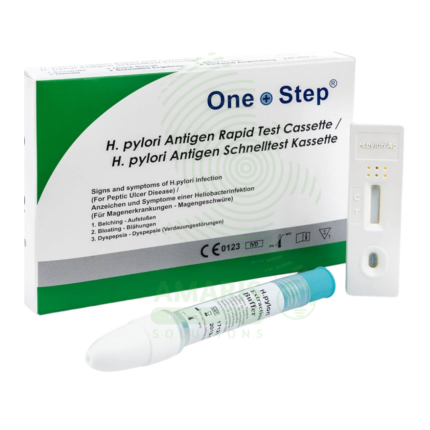
H.pylori test kits (Antigen)
H.pylori test kits (Antigen) are Class II medical devices (FDA-cleared/CE-marked) for rapid immunochromatographic or enzyme immunoassay detection of Helicobacter pylori antigens in stool specimens, enabling non-invasive diagnosis of active infection and post-treatment eradication confirmation. Test principles use monoclonal or polyclonal antibodies specific to H. pylori antigens, producing visible results in 10-20 minutes (rapid tests) or 1-2 hours (EIA). Sensitivity 90-98%, specificity 92-99% compared to gold standard methods. Primary clinical applications include rapid diagnosis of H. pylori infection in patients with dyspepsia, initial screening in uncomplicated dyspepsia (test-and-treat strategy), confirmation of active infection before therapy, post-treatment eradication confirmation (4-6 weeks after therapy), pediatric testing (preferred non-invasive method), screening in high-risk populations (family history of gastric cancer), and monitoring in patients with peptic ulcer disease or MALT lymphoma. Critical safety precautions include mandatory washout period (4 weeks off antibiotics, 2 weeks off PPIs) to avoid false negatives, proper specimen handling (universal precautions), refrigerated storage of kits (2-30°C), quality control verification, and disposal as biohazardous waste. Essential non-invasive tool for H. pylori management in gastroenterology and primary care.
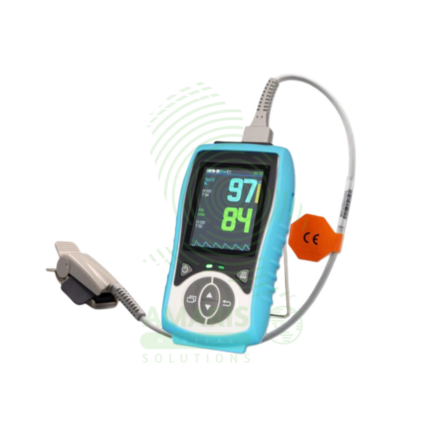
Handheld Pulse Oximeter
A Handheld Pulse Oximeter is a professional-grade, portable medical device used by healthcare providers for accurate and reliable monitoring of blood oxygen saturation (SpO2) and pulse rate. It consists of a durable, feature-rich monitor unit and separate, interchangeable sensors for use on fingers, toes, or ears. Superior to basic fingertip models, it offers advanced functions like configurable alarms, detailed plethysmograph display, trend memory, and data connectivity. Its robust design, clinical accuracy under challenging conditions (motion, low perfusion), and versatility make it an essential tool in hospitals, clinics, ambulances, and home health for patient assessment and monitoring.
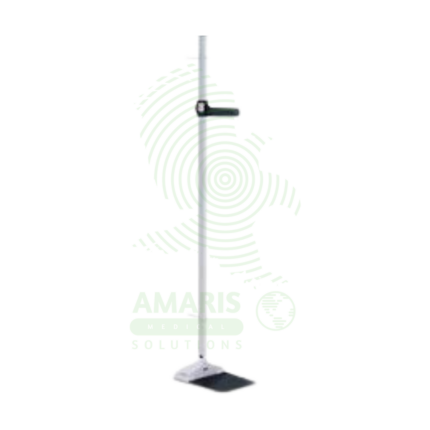
Height Board
A Height Board, or stadiometer, is a precision medical instrument designed for the accurate measurement of human stature. As a wall-mounted or portable device featuring a vertical scale and a sliding horizontal headpiece, it is the clinical standard for obtaining height. This measurement is foundational for calculating Body Mass Index (BMI), tracking growth in children, screening for nutritional issues, and assessing adults for conditions like osteoporosis. Its accuracy, dependent on proper installation and technique, makes it an indispensable tool in pediatrics, primary care, nutrition, and public health
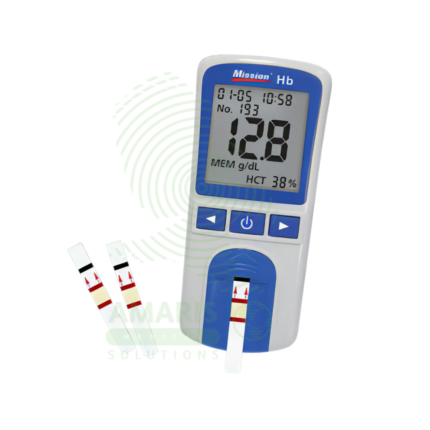
Hemoglobin Meter
A Hemoglobin Meter is a Class II medical device (FDA-cleared, CE-marked) for quantitative point-of-care measurement of hemoglobin concentration in capillary or venous blood, providing results in 5-60 seconds from a 5-20 µL sample. The meter uses photometric, electrochemical, or conductivity technology to measure hemoglobin, with accuracy ±0.3-0.5 g/dL compared to reference methods. Features include backlit LCD display, memory storage for 100-1000 results, USB/Bluetooth connectivity for data transfer, and compatibility with single-use disposable cuvettes or test strips. Primary clinical applications include anemia screening and diagnosis (WHO criteria), preoperative assessment and surgical planning, antenatal care and maternal health monitoring, malaria-endemic region screening, chronic disease management (CKD, IBD, cancer), nutritional assessment and intervention programs, and blood donor screening. Critical safety precautions include single-use lancets, proper hand hygiene, correct sample application, quality control with control solutions, proper cuvette storage (protect from heat, light, humidity), and never using expired cuvettes. Essential point-of-care device for hemoglobin testing in hospitals, clinics, community health programs, and blood donation centers.
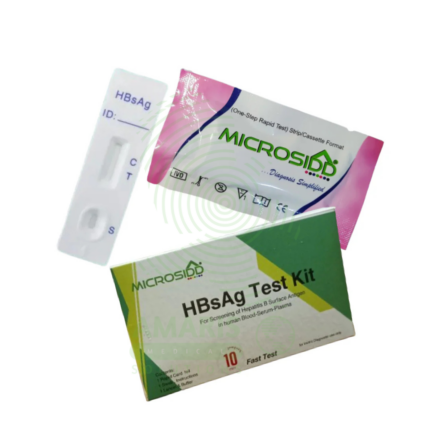
Hepatitis B Test Kit
The Hepatitis B Test Kit is an in vitro diagnostic device for the detection of Hepatitis B virus markers in human blood samples, available in rapid, ELISA, and molecular formats. It detects specific antigens (HBsAg) and antibodies (anti-HBc, anti-HBs) to diagnose acute and chronic infection, monitor treatment response, screen blood donations, and determine immunity status. With high sensitivity (>98%) and specificity (>99%), it provides results in 15 minutes to 4 hours depending on format. Essential applications include prenatal screening to prevent mother-to-child transmission, evaluation of acute hepatitis, pre-immunosuppression screening, and occupational health testing. All patient samples must be handled with universal precautions, and testing must include appropriate quality controls.
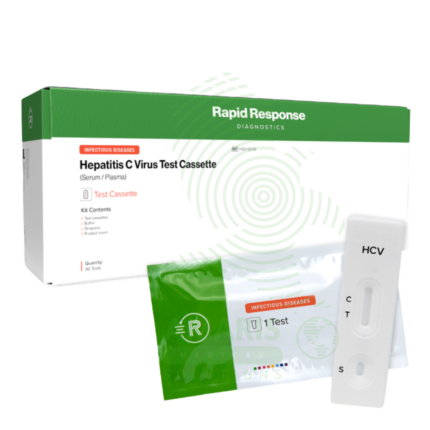
Hepatitis C Test Kit
The Hepatitis C Test Kit is an in vitro diagnostic device for the detection of Hepatitis C virus antibodies or RNA in human blood, serum, or plasma samples. Available in rapid, laboratory immunoassay, and molecular formats, it screens for HCV infection, confirms active infection with RNA testing, and monitors treatment response. With high sensitivity and specificity exceeding 99%, it is essential for identifying infected individuals, linking them to curative direct-acting antiviral therapy, and confirming cure. Essential applications include risk-based screening of high-risk populations, birth cohort screening of baby boomers, evaluation of acute hepatitis, management of occupational exposures, and monitoring of antiviral therapy that can cure over 95% of infections. All patient samples must be handled with universal precautions, and positive antibody results require confirmatory testing.
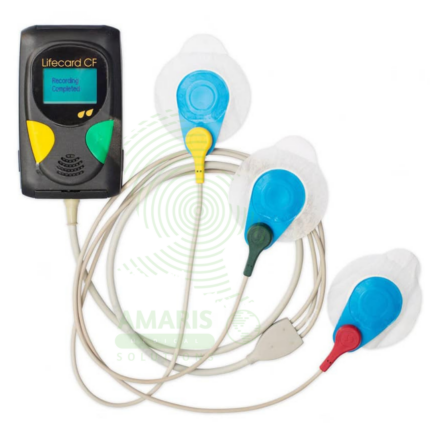
Holter ECG Monitor
A Holter ECG Monitor is a portable, wearable medical device used for continuous, long-term recording of a patient's heart's electrical activity over 24 to 48 hours or more. It is the cornerstone diagnostic tool for detecting intermittent cardiac arrhythmias, evaluating unexplained symptoms like syncope or palpitations, and monitoring the efficacy of antiarrhythmic treatments or implanted cardiac device function. Consisting of a small digital recorder connected to chest electrodes (or an all-in-one adhesive patch), it allows patients to maintain their normal daily routine while capturing a comprehensive electrocardiographic record.
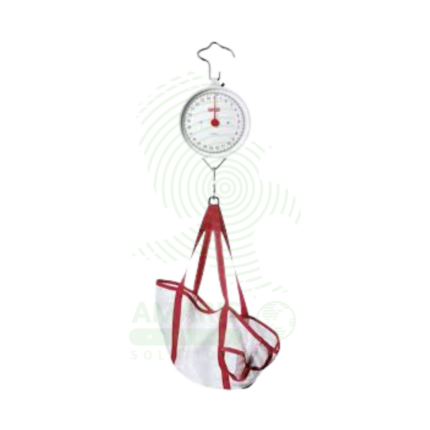
Infant Hanging Scale
An Infant Hanging Scale is a Class II medical device (mechanical spring/balance or digital load cell) designed for accurate weight measurement of neonates and infants up to 2-3 years (capacity 10-25 kg, accuracy ±5-10 g) using a suspended sling or pan. Features include soft, washable fabric sling with head support and leg openings, tare function to zero out sling weight, mechanical dial or backlit digital display, hold function for active infants, test-weighing mode for breastfeeding assessment (digital models), and portable carrying case. Primary clinical applications include newborn weight monitoring in hospital nurseries (detecting excessive weight loss), NICU daily weights (tracking growth, calculating fluids), breastfeeding adequacy assessment (test-weighing), pediatric outpatient and well-child visits, home healthcare and visiting nurse services, malnutrition screening in developing world, and research studies requiring precise infant weights. Critical safety considerations include secure hanging from sturdy support (never ceiling tiles), thorough sling inspection before each use, proper infant positioning with head support, tare verification with sling attached, never leaving infants unattended, and strict infection control with clean sling per patient. Essential equipment for accurate infant growth monitoring and nutritional assessment in all healthcare settings serving pediatric populations.