Dermatoscope and Magnifiers
 Diagnostic Kits
 Vital Signs Monitors
 Stethoscopes and Accessories
 Otoscopes, Ophthalmoscopes, and Retinoscopes
 Reflex Hammers and Neurological Tools
 Scales and Measuring Devices
 Spirometers and Pulmonary Function Tests
 Electrosurgical Units and Accessories
 Cutting Instruments
 Grasping and Holding Instruments
 Hemostatic Instruments
 Specialized Surgical Sets
 Single-Use Procedure Trays and Packs
 Surgical Drapes, Gowns, and Covers
 Tissue Unifying Instruments
 Radiation Protection
 X-Ray Machines and Accessories
 Ultrasound Systems and Probes
 MRI and CT Scanners
 Radiology Consumables
 Bone Densitometers
 Fluoroscopy Equipment
 Imaging Tables and Positioning Aids
 Microscopes and Accessories
 Centrifuges and Separators
 Analyzers
 Incubators and Ovens
 Pipettes, Dispensers, and Lab Glassware
 Refrigerators, Freezers, and Storage Units
 Lab Consumables
 Sterilizers and Autoclaves for Lab Use
 Multi-Parameter Monitors
 Ventilators and Respiratory Support Devices
 Defibrillators and AEDs
 Infusion Pumps and IV Systems
 Patient Warmers and Cooling Devices
 Central Monitoring Stations
 Accessories
 Anesthesia Machines and Workstations
 Oxygen Concentrators and Delivery Systems
 Nebulizers and Inhalers
 CPAP/BiPAP Machines
 Airway Management
 Anesthesia Masks, Circuits, and Bags
 Humidifiers and Heaters
 Respiratory Therapy Accessories
 First Aid Kits and Cabinets
 Emergency Resuscitation Equipment
 Trauma Supplies
 Emergency Carts and Crash Carts
 Burn Care Products
 Bleeding Control
 Automated External Defibrillators (AEDs)
 Transport and Evacuation
 Wheelchairs and Accessories
 Walkers, Crutches, and Canes
 Prosthetics and Orthotics
 Physical Therapy Equipment
 Transfer Devices
 Bathroom Safety
 Orthopedic Traction and Tables
 Hot/Cold Therapy Packs and Units
 Beds and Mattresses
 Chairs and Stools
 Tables
 Cabinets and Storage
 Privacy Screens & Curtains
 Stands and Racks
 Linens and Textiles
 Lighting
 Autoclaves and Sterilizers
 Ultrasonic Cleaners
 Disinfectant Solutions and Wipes
 Sterilization Pouches, Wraps, and Indicators
 Instrument Trays and Containers
 UV and Ozone Disinfection Devices
 Washer Disinfectors
 Wound Care
 Gloves
 Masks and Respirators
 Catheters and Tubing
 Swabs, Applicators, and Sponges
 Incontinence Products
 Personal Protective Equipment (PPE)
 Dental Chairs and Units
 Handpieces and Burs
 Instruments
 Consumables
 Sterilization for Dental Use
 Orthodontic Supplies
 Endodontic Tools
 Slit Lamps and Tonometers
 Lensometers and Phoropters
 Ophthalmic Surgical Instruments
 Eyewear Frames and Lenses
 Contact Lens Supplies
 Vision Testing Charts and Devices
 Eye Care Consumables
 Laser Systems for Eye Care
 ENT Exam Chairs and Tables
 Endoscopes
 Audiometers and Hearing Tests
 ENT Instruments
 Nasal and Throat Packs
 Hearing Aids and Accessories
 Otology Supplies
 Fetal Dopplers and Monitors
 Delivery Beds and Tables
 Gynecological Instruments
 Neonatal Incubators and Warmers
 Breast Pumps and Accessories
 Contraceptive Devices
 Maternity Supports and Pads
 Neonatal Consumables
 Cystoscopes and Urethroscopes
 Dialysis Machines and Supplies
 Urological Catheters and Bags
 Lithotripters
 Prostate Treatment Devices
 Urinary Incontinence Products
 Kidney Stone Management Tools
 Consumables & Disposables
 EEG and EMG Machines
 Neurosurgical Instruments
 Nerve Stimulators
 Headrests and Positioning Aids
 Lumbar Puncture Kits
 Seizure Monitoring Devices
 Consumables
 Rehabilitation for Neurological Conditions
 ECG Machines and Accessories
 Holter Monitors
 Stress Test Systems
 Pacemakers and Defibrillator Accessories
 Vascular Access Devices
 Cardiac Catheters and Guidewires
 Blood Flow Meters
 Consumables
 Orthopedic Instruments
 Casts, Splints, and Padding
 Joint Replacement Supplies
 Prosthetic Limbs and Components
 Bone Grafts and Substitutes
 Traction Devices
 Orthopedic Braces and Supports
 Rehabilitation Aids for Orthopedics
 Home Oxygen Therapy
 Hospital Beds for Home Use
 Mobility Aids
 Bathroom and Daily Living Aids
 Wound Care for Home
 Monitoring Devices
 Enteral Feeding Pumps and Tubes
 Hand Sanitizers and Dispensers
 Face Shields and Goggles
 Isolation Gowns and Suits
 Biohazard Waste Containers
 Air Purifiers and HEPA Filters
 Surface Disinfectants
 Sharps Containers
 Protective Barriers
 Cardiovascular & Endurance Training
 Strength Training & Weightlifting
 Functional Training & Core Conditioning
 Physical Therapy & Rehabilitation
 Sports & Outdoor Recreation
 Gym Flooring & Facility Equipment
 Fitness Monitoring & Accessories
 Kids & Novelties










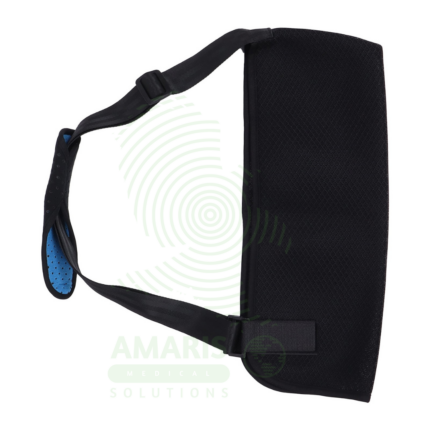
Arm Sling
An Arm Sling is a fundamental supportive device used to elevate, immobilize, and protect the injured upper limb. By cradling the forearm and transferring weight to the neck and opposite shoulder, it provides stability for fractures, dislocations, and post-operative conditions of the shoulder, arm, elbow, or wrist. Proper application is critical: the elbow must be bent at 90 degrees, the hand elevated above the elbow, and the wrist supported to prevent swelling and nerve complications. Available in standard, shoulder immobilizer, and collar-and-cuff designs, it is an essential tool for pain management, healing facilitation, and patient comfort across all clinical settings.
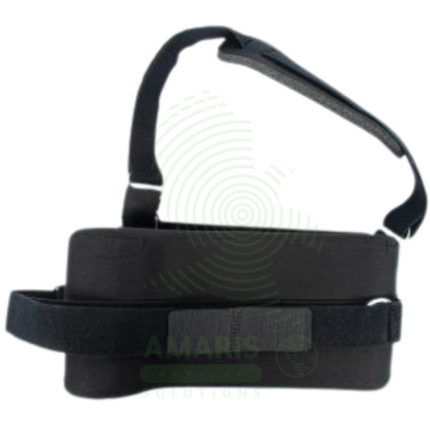
Arm Sling With Swathe
An Arm Sling With Swathe is a two-piece shoulder immobilization system used for complete immobilization following shoulder surgery, shoulder dislocation, proximal humerus fractures, and clavicle fractures. The sling supports the arm while the swathe wraps around the body to secure the arm against the chest, preventing abduction, external rotation, and other movements that could compromise healing. Used in orthopedic surgery, emergency departments, and post-operative care settings, it provides essential protection during the critical healing phase. Proper positioning, skin integrity monitoring, and circulation checks are essential for safe and effective use.
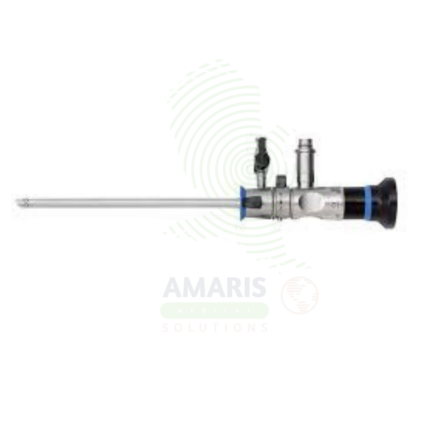
Arthroscope
An Arthroscope is a specialized endoscope used for minimally invasive visualization and treatment of joint pathology. Inserted through small incisions, it enables diagnostic examination of cartilage, ligaments, menisci, and synovium, as well as therapeutic procedures including meniscal repair, ligament reconstruction, and cartilage restoration. Used in knee, shoulder, hip, ankle, wrist, and elbow surgery, arthroscopy provides the benefits of minimally invasive surgery: smaller incisions, less pain, faster recovery, and earlier return to function.
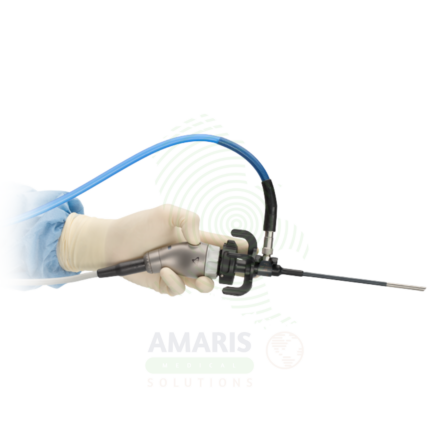
Arthroscopic Accessories
Arthroscopic accessories encompass a range of ancillary equipment essential for minimally invasive joint surgery, including fluid management systems, powered shaver blades, radiofrequency probes, suturing systems, and specimen retrieval devices. These accessories enable efficient tissue resection, precise repair, and thorough debris removal through small portals, supporting the full range of arthroscopic procedures. Essential for orthopedic surgery, they contribute to the safety, efficiency, and success of arthroscopic interventions.
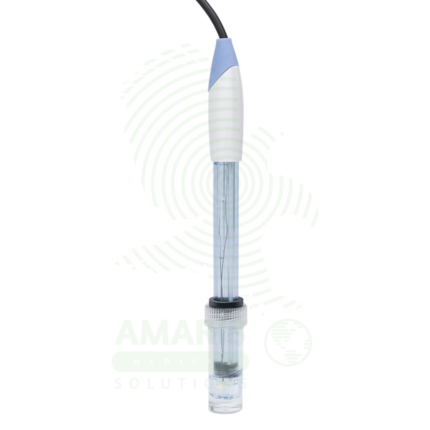
ATC pH probe (3-in-1)
A ATC pH Probe (3-in-1) is a combination electrochemistry sensor that integrates pH sensing, reference electrode, and automatic temperature compensation (ATC) into a single probe, designed for accurate, simultaneous measurement of pH and temperature in clinical diagnostic, pharmaceutical quality control, and research laboratories . The built-in ATC sensor automatically corrects pH measurements for temperature-dependent variations in electrode slope, ensuring accurate readings across a temperature range of 0-90°C (or 0-100°C for specialized models) .
The probe features an epoxy body for durability and chemical resistance, an Ag/AgCl reference system (gel-filled or refillable), and a glass sensing bulb with a pH range of 0-14 . Available junction types include wick (general purpose), glass fiber (low maintenance), and ceramic (high precision), allowing selection based on sample type and application requirements . Response time is rapid, with stable readings achieved within 30 seconds at 25°C .
For the clinical laboratory scientist and medical technologist, the ATC pH Probe (3-in-1) simplifies pH measurement of biological fluids including serum, plasma, urine, and cerebrospinal fluid—reducing the need for separate temperature probes and minimizing sample handling . For the clinical pathologist, accurate pH measurement supports diagnosis of metabolic acidosis, alkalosis, diabetic ketoacidosis, and renal tubular disorders. For the quality control chemist, the probe provides reliable pH measurement of calibration buffers and QC samples, ensuring that pH meters used for patient sample testing are properly calibrated and functioning within acceptable parameters .
Compatible with pH meters accepting BNC and Mini-DIN/8-pin connectors, the ATC pH Probe (3-in-1) is an essential tool for clinical chemistry laboratories, pathology departments, pharmaceutical QC labs, and research facilities requiring accurate, reproducible pH measurement for patient sample testing, quality control, and diagnostic applications.
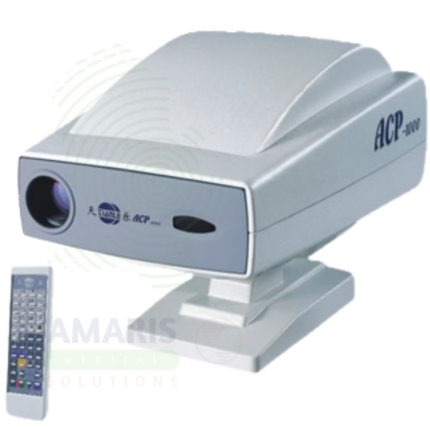
Auto Chart Projector
An Auto Chart Projector is a remote-controlled projection device used in eye examinations to display standardized visual acuity charts for distance and near vision testing. Offering multiple chart options including Snellen, LogMAR, pediatric symbols, and Landolt C, it enables accurate assessment of vision across diverse patient populations. Remote operation streamlines the refraction workflow, allowing efficient chart changes while maintaining patient comfort. Essential for optometry and ophthalmology practices.
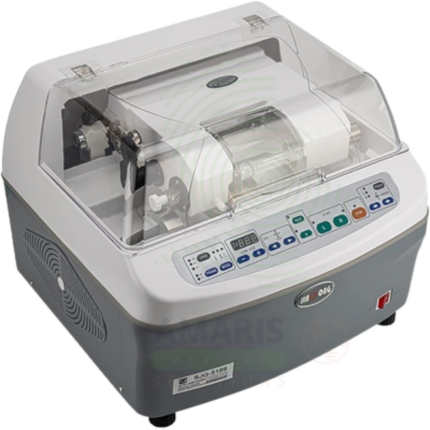
Auto Lens Edger
An Auto Lens Edger is an automated lens fabrication system that cuts and shapes eyeglass lenses to fit into frames using digital or pattern-based tracing technology. Capable of processing multiple lens materials and frame types, it ensures precise lens fitting, accurate optical center placement, and proper bevel alignment. Essential for optical laboratories, optometry practices, and ophthalmology dispensing centers, it streamlines lens fabrication, reduces errors, and ensures patients receive well-fitted, accurately prescribed glasses.
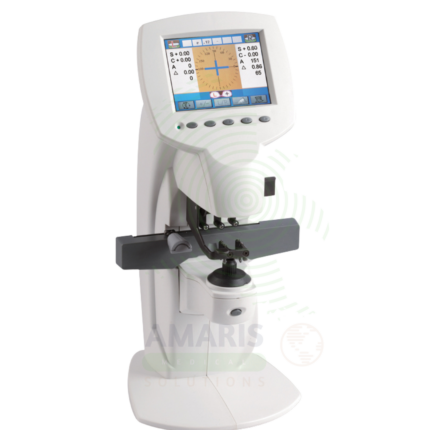
Auto Lens Meter
An Auto Lens Meter is an automated instrument used to verify the prescription of finished eyeglass lenses before dispensing. It measures sphere, cylinder, axis, prism, and add power for single vision, bifocal, trifocal, and progressive lenses, ensuring that lenses match the prescribed correction. Many models also measure UV and blue light transmission, verifying the presence and effectiveness of lens coatings. Essential for optometry, ophthalmology, and optical dispensing practices, it ensures patients receive accurate prescriptions and optimal visual outcomes.
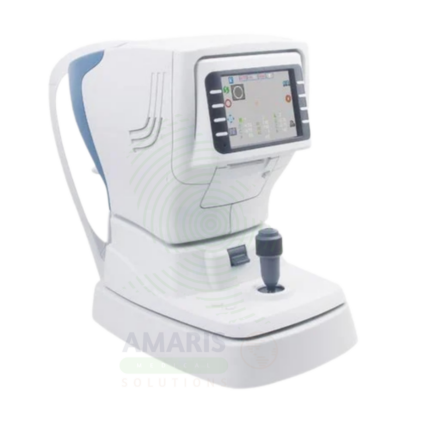
Auto Ref-Keratometer
An Auto Ref-Keratometer combines automated refraction measurement and keratometry in a single instrument, providing comprehensive data for eyeglass prescriptions, contact lens fitting, and assessment of corneal conditions. The device measures spherical and cylindrical refractive error, axis, and corneal curvature, offering essential information for contact lens base curve selection, refractive surgery evaluation, and monitoring of conditions such as keratoconus. Streamlining the pre-examination assessment enhances practice efficiency and patient comfort.
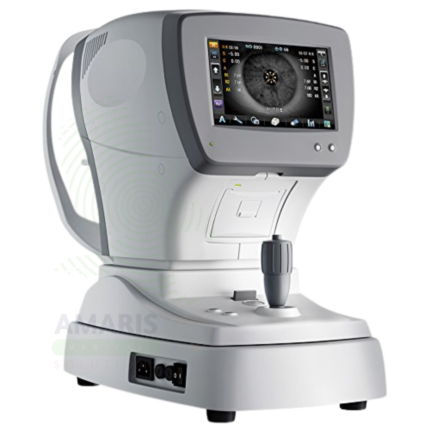
Auto Refractometer
An Auto Refractometer is an automated instrument that objectively measures refractive error, providing accurate readings of sphere, cylinder, and axis for eyeglass and contact lens prescriptions. Using infrared light, it provides non-contact, comfortable measurements that serve as a starting point for subjective refraction. Many models also measure pupil diameter and corneal curvature, offering comprehensive data for contact lens fitting and refractive surgery planning. Essential for optometry and ophthalmology practices.
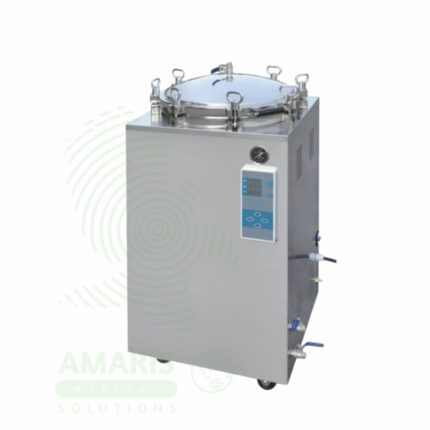
Autoclave Machine
An Autoclave Machine is a pressurized steam sterilizer used to destroy all microbial life, including resistant bacterial spores, on medical, surgical, and laboratory items. It is the most reliable method for sterilizing heat- and moisture-stable materials such as surgical instruments, wrapped packs, textiles, and laboratory media. Effective sterilization depends on the correct combination of steam, pressure, temperature, and time, validated by rigorous physical, chemical, and biological monitoring. Safe operation requires strict adherence to loading guidelines, use of appropriate cycles (especially for liquids), and extreme caution due to high heat and pressure hazards. It is an indispensable piece of capital equipment for any facility requiring guaranteed sterility.
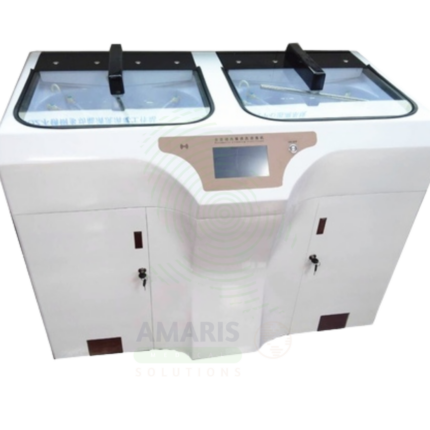
Automatic Washer Disinfector
An Automatic Washer Disinfector is an automated machine that cleans and thermally disinfects reusable surgical instruments, including forceps, scissors, retractors, and hollow-bore devices. Using a combination of water, detergents, and high-temperature rinse cycles, it removes organic debris and reduces microbial load before sterilization. Essential for sterile processing departments, it standardizes instrument cleaning, provides documentation for quality assurance, and ensures that instruments are properly prepared for subsequent sterilization.
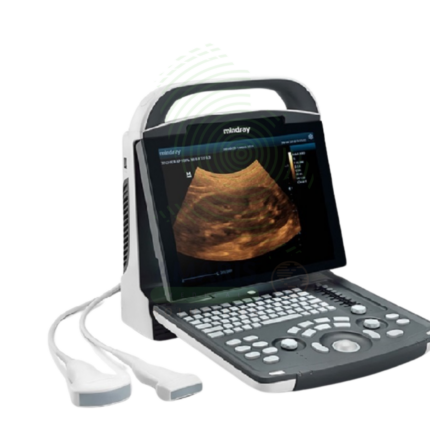
B/W Ultrasound Imaging System
A B/W Ultrasound Imaging System is a diagnostic imaging device that uses high-frequency sound waves to produce real-time grayscale images of soft tissue structures, organs, and blood vessels. Providing non-invasive, radiation-free imaging, it is essential for abdominal, obstetric, gynecologic, vascular, and musculoskeletal applications. With Doppler capabilities, it evaluates blood flow velocity and direction. Used in radiology, obstetrics, emergency medicine, and primary care, it provides immediate diagnostic information at the point of care.
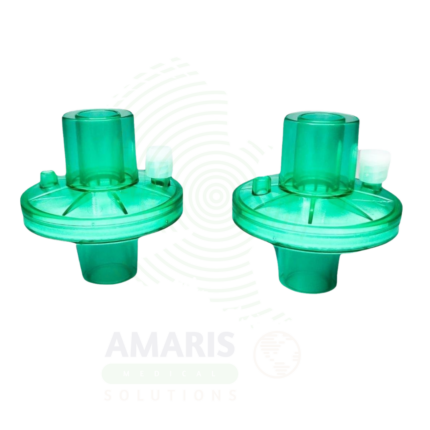
Bacterial Filters
Bacterial Filters are single-use, high-efficiency filters used in mechanical ventilation and anesthesia circuits to remove bacteria and viruses from inspired and expired gases. Protecting patients, equipment, and staff from cross-contamination, they are essential for infection control in intensive care units, operating rooms, and during patient transport. Critical for immunocompromised patients and infection prevention protocols.
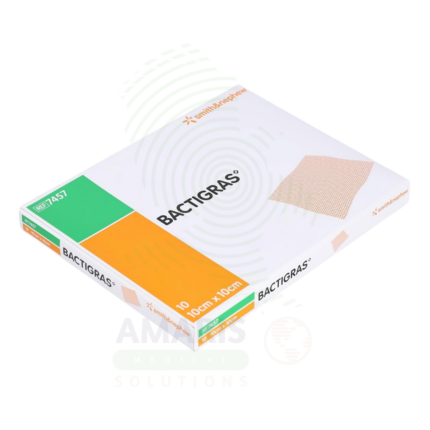
Bactigras Pack
Bactigras pack is a sterile, antiseptic-impregnated paraffin tulle gras dressing manufactured by Smith & Nephew. It consists of an open-weave leno cotton gauze impregnated with white soft paraffin BP containing chlorhexidine acetate BP 0.5% w/w. This combination provides a soothing, low-adherent primary wound dressing that releases broad-spectrum antiseptic activity against gram-positive and gram-negative bacteria, including MRSA, while allowing exudate to drain freely into a secondary absorbent dressing. For the clinician, Bactigras offers a reliable, ready-to-use solution for preventing and treating infection in minor burns, scalds, lacerations, abrasions, donor/recipient graft sites, and ulcerative wounds. For the patient, the low-adherent paraffin base ensures pain-free dressing changes, while the antiseptic component protects against infection, promoting faster healing and reducing complications. Available in multiple sizes from 5cm x 5cm to 10cm x 40cm, each dressing is individually wrapped and sterile.
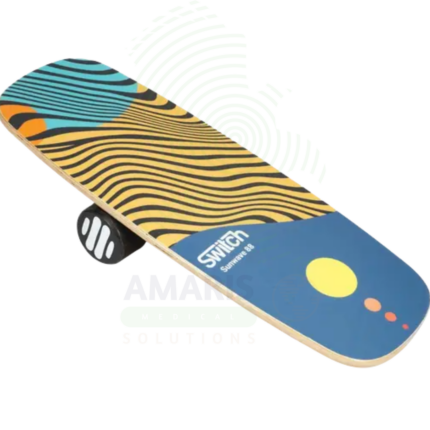
Balance Board
A Balance Board is a pivoting platform that challenges balance, proprioception, and core stability through controlled tilting and rocking motions, used for fall prevention, ankle rehabilitation, and core strengthening in physical therapy, sports medicine, and fitness settings. Available in rocker (front-to-back tilt), wobble (360-degree tilt), and roller (side-to-side) configurations, the balance board provides graded challenges for patients across functional levels—from simple weight shifting for elderly patients to advanced dynamic stability for athletes. For the geriatric specialist and neurological physical therapist, the balance board improves postural control, reaction time, and confidence in patients with Parkinson's disease, stroke, or peripheral neuropathy—reducing fall risk and enhancing independent mobility. For the sports medicine clinician, the balance board provides targeted proprioceptive retraining for the ankle joint following sprains or chronic instability, restoring stability and preventing recurrent injury. The unstable surface also engages the deep core musculature, improving lumbar stabilization for patients with chronic low back pain. For the patient recovering from ankle sprain, knee replacement, stroke, or balance impairment, regular balance board training restores proprioceptive acuity, improves dynamic stability, and supports return to independent function.
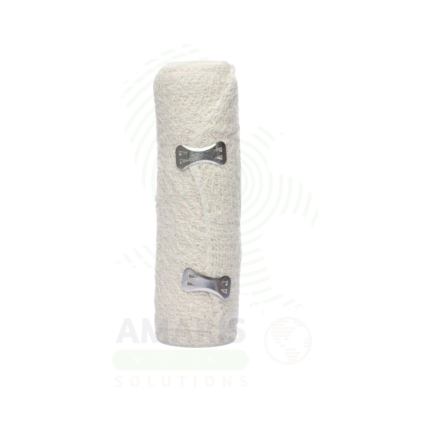
Bandages (Crepe, Elastic, Gauze)
Bandages (Crepe, Elastic, Gauze) are flexible, single-use or limited-use medical textiles designed for wound dressing retention, compression therapy, and joint support. Crepe bandages are woven cotton fabric with light-to-medium elasticity for securing dressings and mild support. Elastic bandages contain high-stretch synthetic fibers providing sustained, adjustable compression for venous ulcers, edema, and acute soft tissue injuries—clinically proven superior to compression stockings for post-surgical venous ulcer healing. Gauze bandages are highly absorbent, non-elastic cotton or non-woven rolls for dressing securement and wound packing. Selection is determined by required compression level, anatomical site, and clinical indication. Critical safety principles include avoiding over-tightening (one-finger rule), never applying directly to open wounds, assessing distal neurovascular status, and adherence to contraindications including significant arterial disease.
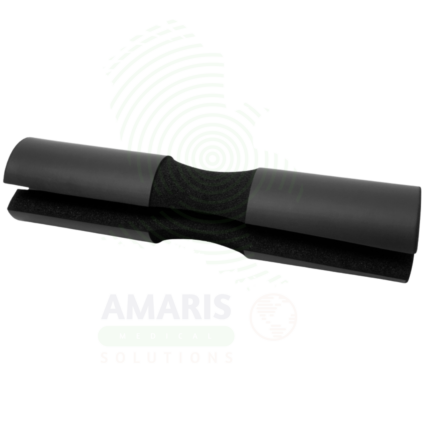
Barbell Pad
A Barbell Pad is a thick, padded foam cushion designed to wrap around a barbell, distributing pressure across a wider surface area to protect the cervical spine, shoulders, and hips during weightlifting and rehabilitation exercises. The high-density foam core absorbs and redistributes the concentrated pressure of the barbell, reducing discomfort and preventing soft tissue injury during squats, hip thrusts, lunges, and carries. For the physical therapist and rehabilitation specialist, the barbell pad enables patients with cervical spine sensitivity, post-operative neck conditions, shoulder pathology, or hip tenderness to perform essential lower extremity strengthening exercises without pain or risk of exacerbating underlying conditions. During squats, the pad protects the cervical spine and upper trapezius from direct barbell pressure. During hip thrusts and glute bridges, it cushions contact with the pelvic region, preventing bruising over the iliac crests and allowing comfortable gluteal strengthening critical for total hip replacement recovery. For the deconditioned or anxious patient, the soft, non-slip surface increases comfort and confidence, encouraging participation in progressive resistance training essential for functional independence. Available in various thicknesses with secure Velcro or snap closures, the barbell pad is a simple, effective accessory that supports safe, comfortable barbell training across the rehabilitation continuum.
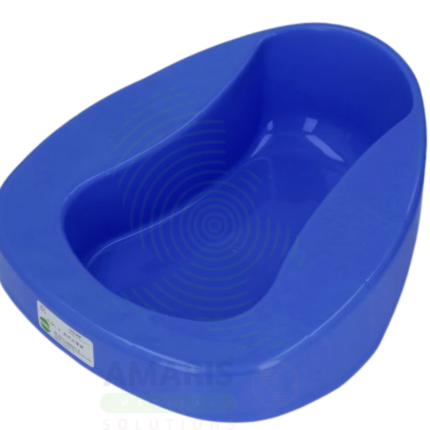
Bed Pans
Bed Pans are portable receptacles designed for the collection of urine and feces from patients confined to bed or unable to use a traditional toilet due to illness, surgery, injury, or disability. Available in standard and fracture (low-profile) configurations, and in reusable (stainless steel, medical-grade plastic) or disposable (rigid plastic, pulp/paper) formats. Fracture pans feature a tapered, flat front that minimizes hip flexion—essential for patients with hip fractures, hip replacements, and lower extremity immobilization. Bariatric variants support patients up to 1200 lbs (544 kg). Critical safety principles include strict pressure injury prevention (minimize time on pan, never drag patient), proper positioning technique to avoid skin shearing, and adherence to weight capacity ratings. An indispensable patient care device in hospitals, surgical units, long-term care facilities, and home healthcare settings.
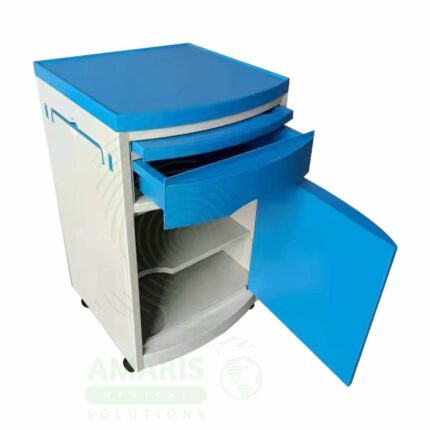
Bedside Cabinet
A Bedside Cabinet is a lockable storage unit designed for placement next to a hospital bed. It provides patients with secure storage for personal belongings and offers organized space for their clinical supplies. Typically featuring a laminate top surface, drawers, and a lockable cupboard, it serves to personalize the patient's space, enhance security, and maintain tidiness in the clinical environment. Its easy-to-clean surfaces are crucial for infection control, requiring thorough disinfection between patient uses. It is a standard and essential furnishing in inpatient hospital rooms.
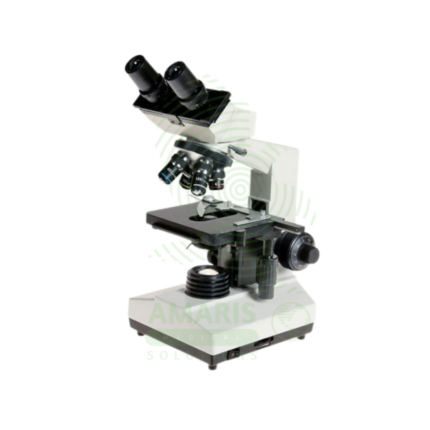
Binocular Electric Microscope
A Binocular Electric Microscope is a standard clinical laboratory instrument featuring binocular eyepieces for comfortable viewing and built-in electric illumination (halogen or LED) for routine diagnostic microscopy across microbiology, hematology, histopathology, cytology, urinalysis, and parasitology. Equipped with 4×, 10×, 40× (high dry), and 100× (oil immersion) plan or plan achromatic objectives, 10× widefield eyepieces with diopter adjustment, Abbe condenser with iris diaphragm, mechanical stage with X-Y controls, and coaxial coarse/fine focusing. Magnification range 40× to 1000× with resolution to 0.2-0.3 micrometres. Primary clinical applications include Gram stain interpretation for bacterial identification, manual differential white blood cell counts, red blood cell morphology assessment, malaria parasite detection, urine sediment examination, Pap smear screening, and semen analysis. Essential equipment in every clinical laboratory for visual examination of stained and unstained specimens, providing definitive diagnosis for countless infectious, hematologic, and neoplastic conditions. Binocular design reduces eye strain during prolonged use, while electric illumination ensures consistent, adjustable lighting for optimal specimen visualization.
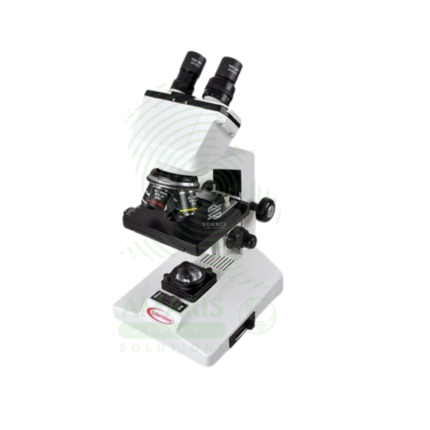
Binocular Microscope
A Binocular Microscope is a high-precision, compound optical instrument fundamental to clinical diagnostics. Featuring dual eyepieces for comfortable viewing and a suite of parfocal objective lenses (4x, 10x, 40x, 100x oil), it provides magnifications from 40x to 1000x. Its integrated LED illumination, mechanical stage, and Abbe condenser enable the detailed examination of stained blood films, tissue sections, microbiological specimens, and cytological preparations. As the primary tool for pathologists and laboratory scientists, it is indispensable for definitive diagnoses in hematology, histopathology, microbiology, and urinalysis, demanding skilled operation and meticulous maintenance for optimal performance.
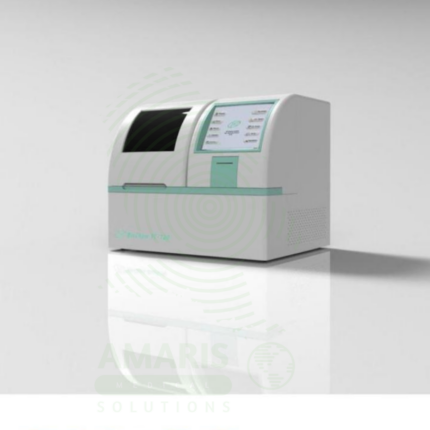
BioChem FC-120 Automated Chemistry Analyzer
The BioChem FC-120 Automated Chemistry Analyzer is a fully automated, random access benchtop clinical chemistry analyzer designed for small to medium-volume laboratories, community hospitals, district hospitals, and reference laboratories in emerging healthcare markets . Operating at 100 tests per hour with random access capability and STAT priority function, this open reagent system delivers photometric analysis using 8 interference filters (340-670nm) and disposable cuvette technology (90 cuvettes, 9 strips of 10) that eliminates washing maintenance and cross-contamination concerns .
The analyzer features an all-in-one design with built-in 10.4-inch color touchscreen, integrated computer, thermal printer, and 100,000 test result memory . The 42-position sample rotor and 26-position reagent rotor accept primary tubes, secondary tubes, sample cups, and any commercial reagents, with liquid level detection and collision protection for safe, automatic operation . Bi-directional LIS connectivity supports seamless electronic medical record integration .
For the clinical laboratory scientist and pathologist, the BioChem FC-120 delivers accurate measurement of liver function (ALT, AST, ALP, GGT, bilirubin, total protein, albumin), renal function (urea, creatinine, uric acid), lipid profiles (total cholesterol, triglycerides, HDL, LDL, VLDL, apolipoproteins), cardiac biomarkers (CK, CK-MB, LDH, myoglobin), diabetes markers (glucose, HbA1c), inflammatory markers (CRP, RF, ASO, immunoglobulins), iron studies (iron, TIBC, ferritin), electrolytes (calcium, magnesium, phosphorus), and tumor markers (AFP) . For the patient, rapid, accurate chemistry results enable early diagnosis of hepatitis, cirrhosis, chronic kidney disease, diabetes, hyperlipidemia, pancreatitis, myocardial infarction, and inflammatory disorders—guiding appropriate medical therapy and preventing disease progression and complications.
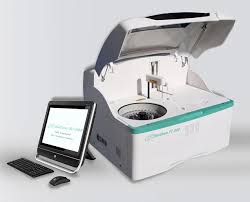
BioChem FC-200 Automated Chemistry Analyzer
The BioChem FC-200 Automated Chemistry Analyzer is a fully automated, random access benchtop clinical chemistry analyzer designed for mid-volume laboratories in emerging healthcare markets including district hospitals, regional reference laboratories, and facilities transitioning from semi-automated methods . Operating at up to 240 tests per hour with random access capability and STAT priority function , this open reagent system delivers photometric analysis using 8 interference filters (340-670nm) and disposable cuvette technology (81 cuvettes, 9 strips of 9) that eliminates washing maintenance and cross-contamination concerns .
The analyzer features 40 sample positions, 40 refrigerated reagent positions with continuous 24-hour cooling , sample volume 3-45µL , reaction volume 180-500µL , and independent mechanical mixing . The optical system includes a 12V 20W halogen lamp with 5mm optical path length, absorbance range 0.0-3.5Abs, and resolution 0.0001Abs . Temperature control maintains 37°C (±0.1°C) stability . Calibration modes include factor, linear (one-point, multi-point), and non-linear (Logistic-Log 4P/5P, Exponential 5P, Polynomial 5P, Parabola, Spline) . Quality control features Levey-Jennings charting with Westgard multi-rules .
The system connects to an external PC (Windows XP or higher) via RS-232 or RS-232-to-USB with bi-directional LIS interface for electronic medical record integration . Languages include English, Spanish, Russian, and Ukrainian . Power requirements are 220VAC, 50/60Hz, 1500VA . The unit measures 810 x 1150 mm (W x H) and weighs 145 kg . Water consumption is ≤3 liters/hour .
For the clinical laboratory scientist and pathologist in district hospitals, the BioChem FC-200 delivers accurate measurement of liver function (ALT, AST, ALP, GGT, bilirubin, total protein, albumin), renal function (urea, creatinine, uric acid), lipid profiles (total cholesterol, triglycerides, HDL, LDL, VLDL), cardiac biomarkers (CK, CK-MB, LDH), diabetes markers (glucose), inflammatory markers (CRP, RF, immunoglobulins), and iron studies (iron, TIBC, ferritin). For the patient, rapid, high-volume chemistry results enable early diagnosis of hepatitis, cirrhosis, chronic kidney disease, diabetes, hyperlipidemia, pancreatitis, and myocardial infarction—guiding appropriate medical therapy and preventing disease progression and complications, particularly in emerging healthcare markets where laboratory automation was previously unavailable .
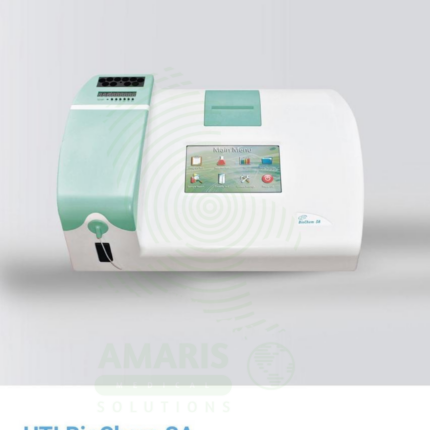
BioChem SA Semi Automated Chemistry Analyzer
The BioChem SA Semi Automated Chemistry Analyzer is a compact, semi-automated benchtop clinical chemistry system designed for low to medium-volume clinical laboratories, physician office labs (POLs), and small hospital laboratories . The analyzer performs colorimetric and kinetic analysis of patient samples (serum, plasma, whole blood, urine) using endpoint, kinetic, fixed-time, absorbance, monochromatic, and bichromatic assay types .
The optical system features a 6V 10W halogen lamp with 2000-hour lifespan, 7 standard filters (340, 405, 492, 510, 546, 578, 630nm with ±2nm accuracy), and a quartz glass flow cell (32µL, 10mm optical path) with 0.0001Abs resolution and <1.0% precision . The 37°C incubator with 10 round wells maintains temperature stability of ±0.1°C .
The analyzer features a 7 inch color LCD touchscreen interface , 80 user-defined programmable test profiles , internal storage for 100,000 patient results , internal thermal printer, RS-232 connectivity , and Levy-Jennings quality control with automatic statistical analysis . Calibration options include factor, one-point linear, and multi-point linear modes .
For the clinical laboratory scientist and pathologist, the BioChem SA provides reliable, entry-level chemistry testing for liver function (ALT, AST, ALP, bilirubin, total protein, albumin), renal function (BUN, creatinine, uric acid), lipid profiles (cholesterol, triglycerides, HDL, LDL), pancreatic enzymes (amylase, lipase), and glucose . For the patient, accurate chemistry results enable diagnosis of hepatitis, cirrhosis, chronic kidney disease, diabetes, hyperlipidemia, pancreatitis, and cardiovascular disease, guiding appropriate medical therapy and lifestyle interventions.
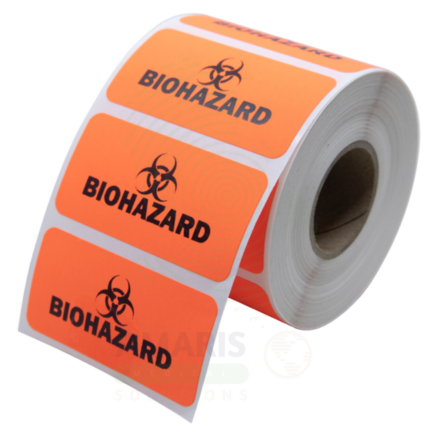
Biohazard Paper
Biohazard Paper encompasses a range of specialty paper and non-woven medical-grade materials used for sterilization processing, biohazard containment, and infection control applications. Sterilization wrap (CSR wrap) and peel pouches serve as FDA-cleared Class II sterile barrier systems for terminal sterilization of surgical instruments and medical devices, requiring strict single-use protocols and validated performance per ISO 11607. Absorbent bench liners provide disposable, fluid-resistant work surface protection in laboratories and procedure areas. Biohazard specimen bags enable safe transport of non-liquid clinical specimens. Distinct from red biohazard waste bags (plastic film), true "biohazard paper" products are characterized by controlled porosity, microbial filtration efficiency (≥99.97%), sterilant permeability, and low-linting construction. Critical safety imperatives include absolute prohibition of sterilization wrap reuse, visual integrity inspection before use, and appropriate disposal of contaminated materials as regulated medical waste.
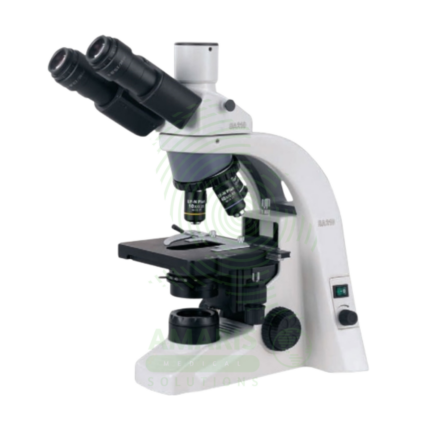
Biological Microscope
A Biological Microscope is a Class I medical device (optical instrument) designed for examining stained and unstained biological specimens in clinical, research, and educational laboratories. Available in monocular, binocular, or trinocular configurations with magnification from 40× to 1000× (oil immersion) using 4×, 10×, 40×, and 100× achromatic or plan achromatic objectives, 10× widefield eyepieces, Abbe condenser, mechanical stage, and built-in halogen or LED illumination. Features include coaxial coarse/fine focusing, revolving nosepiece, Köhler illumination alignment, and ergonomic design for comfortable use. Primary clinical applications include microbiological examination (Gram stains, acid-fast stains, wet mounts), hematology (differential counts, RBC morphology, platelet estimation), histopathology (tissue sections, H&E, special stains), cytology (Pap smears, FNAs, body fluids), urinalysis (sediment examination), parasitology (malaria, ova, parasites), and fertility (semen analysis). Essential equipment in every clinical laboratory for infectious disease diagnosis, cancer detection, hematological disorder evaluation, and countless other diagnostic applications requiring direct visualization of specimens. Biological microscopes are the foundation of laboratory medicine, enabling pathologists, microbiologists, hematologists, and laboratory scientists to visualize and interpret the cellular and microbial world for patient diagnosis and care.
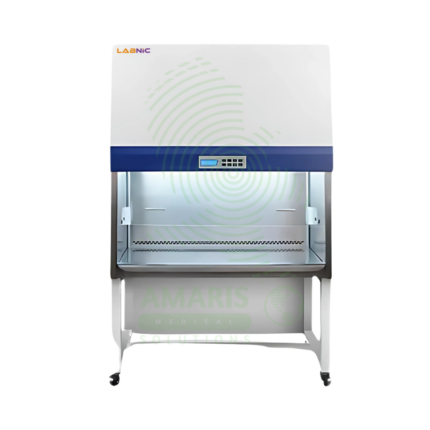
Biological Safety Carbinets
A Biological Safety Carbinets (BSC) is a primary containment device providing personnel, product, and environmental protection when handling infectious microorganisms and biological materials. Class II, Type A2 cabinets (most common in clinical laboratories) feature HEPA-filtered laminar downflow air (70% recirculated, 30% exhausted) maintaining ISO 5 (Class 100) air quality within the work zone, with inflow velocities of 100-120 fpm at the sash opening. Constructed of stainless steel with tempered glass sash, HEPA filters (99.99% efficient at 0.3 microns), motor/blower system, and UV decontamination option. Available in 3-6 foot widths for various laboratory applications. Certified to NSF/ANSI 49 standards with annual recertification required. Primary clinical applications include microbiological specimen processing (culture inoculation, Gram stains), mycobacteriology work (AFB smears, TB culture), viral culture and isolation, fungal mycology procedures, cell culture maintenance, molecular biology PCR setup, and antimicrobial susceptibility testing. Essential containment equipment for BSL-2 and BSL-3 laboratories handling pathogens including Mycobacterium tuberculosis, SARS-CoV-2, influenza viruses, pathogenic fungi, and other infectious agents, protecting laboratory personnel from aerosol-borne infections while maintaining specimen integrity.
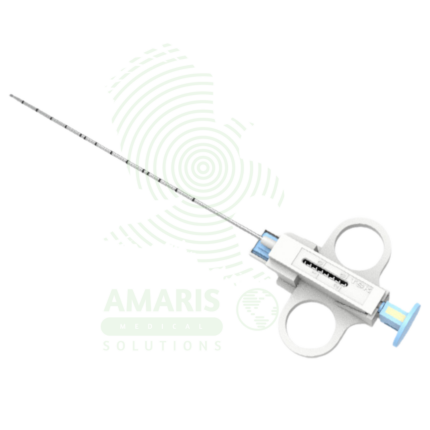
Biopsy Needles
Biopsy Needles are sterile, single-use precision medical devices designed to obtain tissue or cellular specimens from internal organs, masses, and lesions for histopathological or cytological diagnosis. Available in core biopsy (automatic spring-loaded, semi-automatic, vacuum-assisted, coaxial) and fine needle aspiration configurations, with gauges ranging from 14G-27G and lengths from 6-25 cm. Core biopsy needles obtain intact tissue cores preserving histological architecture; FNA needles aspirate cellular material for cytological evaluation. Specialized variants include bone marrow biopsy needles (Jamshidi, Illinois), echogenic-tip needles for ultrasound guidance, and MRI-compatible needles (nitinol, titanium). Critical safety requirements include strict image guidance for non-palpable lesions, verification of coagulation status, adherence to single-use protocols, and immediate post-procedure monitoring for complications (hemorrhage, pneumothorax, organ injury). An indispensable tool in interventional radiology, oncology, and minimally invasive diagnosis.
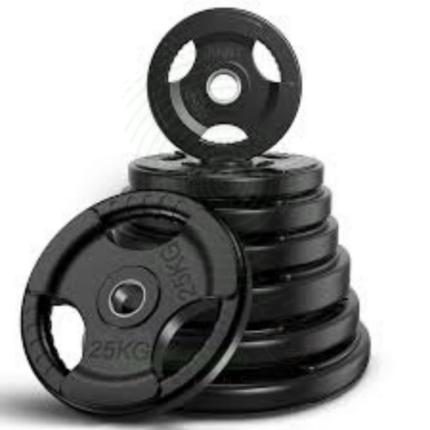
Black Cast Iron Plate Weight
Black Cast Iron Plate Weights are durable, economical weight plates used with barbells, dumbbells, or plate-loaded machines for progressive resistance training in rehabilitation, clinical, and fitness settings. Available in standardized weight increments from 2.5 to 45 pounds, with precision-cast construction for weight accuracy and durable black paint or e-coat finish that provides reliable performance for strength training across the rehabilitation continuum. For the physical therapist and rehabilitation specialist, black cast iron plate weights enable precise exercise prescription with small, manageable weight increments that allow patients to progress safely while maintaining proper form. When loaded onto barbells for squat, deadlift, and lunge variations, they strengthen the quadriceps, hamstrings, gluteals, and calf muscles—rebuilding the functional strength needed for standing, walking, and stair climbing after total knee replacement, hip fracture, or ACL reconstruction. When used with dumbbells or plate-loaded machines, they strengthen the rotator cuff, deltoids, and back musculature—restoring the upper extremity strength needed for lifting, carrying, and pushing activities essential for independent function. For the patient recovering from orthopedic surgery, neurological impairment, or general deconditioning, black cast iron plate weights provide a safe, progressive, cost-effective tool for rebuilding strength, improving functional mobility, and returning to independent living.
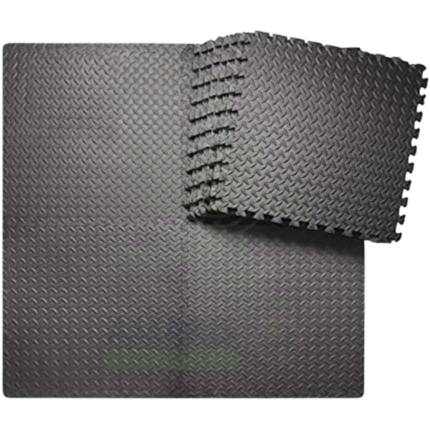
Black Floor Mats for Gym
Black Floor Mats for Gym are durable rubber or foam mats designed to protect flooring, provide shock absorption, and create non-slip surfaces for exercise and rehabilitation activities in physical therapy clinics, rehabilitation facilities, and fitness settings. The cushioned, textured surface provides essential fall prevention support for patients with balance impairment, Parkinson's disease, stroke, or age-related instability—allowing confident participation in balance and mobility training. The shock-absorbing properties reduce impact forces transmitted to the lower extremities during high-impact rehabilitation activities, protecting arthritic joints, post-surgical sites, and healing structures. For physical therapy clinics and rehabilitation facilities, these mats protect expensive flooring investments from damage caused by weight plates, dumbbells, and other equipment while providing a comfortable, cushioned surface for floor-based exercises such as core stabilization, stretching, and mat work. Available in various thicknesses (6mm to 25mm) and formats (tiles, rolls, interlocking), with non-slip textured surfaces and durable construction resistant to heavy use, these mats are essential facility equipment for safe, comfortable exercise environments across physical therapy, sports medicine, and fitness settings.
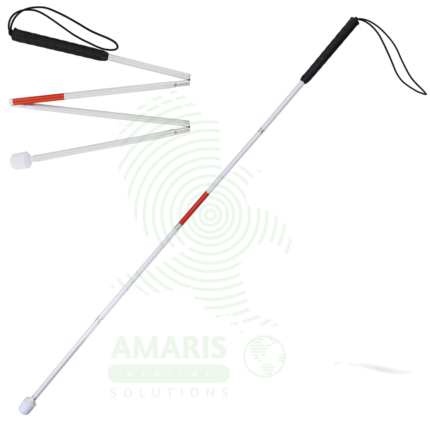
Blind Cane
A Blind Cane (white cane) is a specialized, lightweight mobility tool used by individuals who are blind or visually impaired for navigation and environmental awareness. Its core function is tactile and auditory detection of obstacles, drop-offs, and surface changes one step ahead of the user. Key features include a white shaft for visibility, an ergonomic grip, and a replaceable, specialized tip. It is not a walking stick for balance but a sensory probe. Its effective and safe use requires mandatory training in specific techniques from a certified Orientation and Mobility (O&M) specialist.
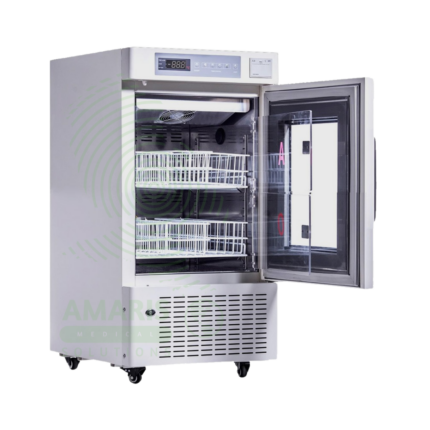
Blood Bank Freezer
A Blood Bank Freezer is a specialized Class II medical device designed for the safe, temperature-controlled frozen storage of blood components including fresh frozen plasma (FFP), cryoprecipitate, and other frozen plasma products at temperatures of -18°C to -35°C (standard plasma freezers) or -65°C to -80°C (for frozen red cells). Meeting stringent AABB, FDA, CAP, and EU regulatory standards, these freezers feature heavy-duty refrigeration systems, forced-air circulation for temperature uniformity (±2-3°C), microprocessor controls with digital displays, redundant temperature monitoring with chart recorders or digital data loggers, and multi-level alarm systems (audible, visual, remote) for high/low temperature, power failure, and door/lid ajar. Available in upright or chest configurations with capacities from 200-1,500+ liters, specialized blood bag racks, pull-out drawers, and secure locking. Primary clinical applications include long-term storage of fresh frozen plasma (12 months at -18°C), cryoprecipitate storage, frozen plasma components for transfusion, cryoprecipitate-rich plasma, long-term storage of rare blood products, and research/reference laboratory sample storage. Essential equipment for hospital blood banks, transfusion services, blood donor centers, and reference laboratories requiring validated, reliable frozen storage for critical blood components with full regulatory compliance and documented temperature monitoring.
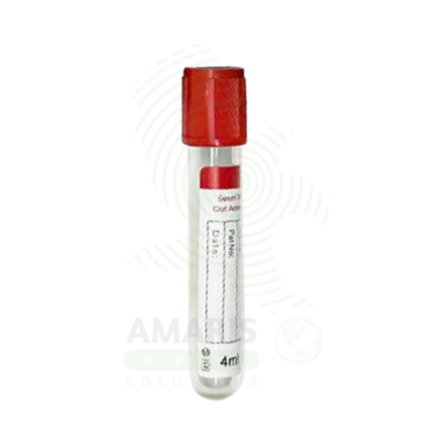
Blood Collection Tubes
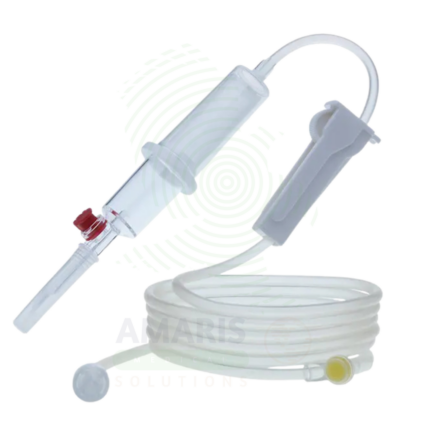
Blood giving set
A Blood Giving Set is a sterile, single-use intravenous administration set specifically designed for transfusing whole blood and blood components—including packed red blood cells, platelets, fresh frozen plasma, and cryoprecipitate—to patients with bleeding, anemia, or coagulation disorders. Featuring an integral microaggregate filter (170-260 microns) that removes clots and particulate matter, large-bore tubing for optimal flow rates, and a precision roller clamp for controlled infusion, the blood giving set ensures safe, filtered delivery of life-saving blood products. Compatible with blood warming devices and pressure infusers, the set supports both slow, controlled transfusions for medically fragile patients and rapid, high-volume infusion for those with active hemorrhage. For the clinician, the blood giving set simplifies transfusion set-up, ensures consistent filtration, and enables precise flow control. For the patient receiving blood transfusion due to trauma, surgery, gastrointestinal bleeding, cancer, or bone marrow failure, the blood giving set delivers essential blood components that restore oxygen-carrying capacity, correct coagulation, and support survival.
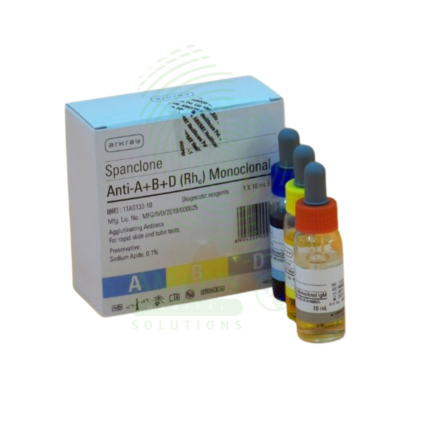
Blood Grouping kit
A Blood Grouping Kit is a Class II medical device (FDA-cleared/CE-marked) containing monoclonal antibodies (Anti-A, Anti-B, Anti-D) and control reagents for determining ABO blood group and Rh factor by agglutination method. The kit includes color-coded reagent vials, reaction cards or slides, mixing sticks, lancets, and capillary pipettes. Test time 2-5 minutes (slide method) or 15-30 minutes (tube method). Interpretation based on agglutination pattern: Anti-A positive = group A; Anti-B positive = group B; both positive = group AB; both negative = group O; Anti-D positive = Rh positive; Anti-D negative = Rh negative. Primary clinical applications include pre-transfusion compatibility testing, prenatal and neonatal testing (Rh incompatibility prevention), preoperative blood typing, blood donor screening, and emergency blood typing. Critical safety precautions include refrigerated storage (2-8°C), proper disposal of lancets in sharps containers, universal precautions for blood samples, and confirmation with reverse typing when possible. Essential kit for transfusion medicine, obstetrics, surgery, and emergency care.
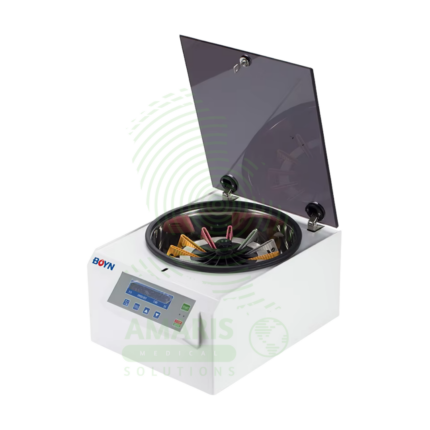
Blood ID Centrifuge
The Blood ID Centrifuge is a specialized benchtop centrifuge designed specifically for blood banking and immunohematology applications using gel card or column agglutination technology. It is optimized for centrifuging gel cards used in ABO/Rh typing, antibody screening, cross-matching, direct and indirect antiglobulin tests (Coombs tests), and antibody identification procedures. Features include fixed-angle or swing-out rotors with specialized gel card holders, programmable cycles (speed, time, acceleration/deceleration) for different test protocols, digital display, imbalance detection, and safety lid lock. Capacity typically 6-24 gel cards per run with speeds optimized at 1,000-2,500 RPM for gel card processing. Primary clinical applications include blood typing and cross-matching in transfusion medicine, antibody identification and titer determination, direct and indirect antiglobulin testing, newborn cord blood testing, donor screening, and quality control in immunohematology. Essential equipment for hospital blood banks, donor centers, and immunohematology reference laboratories requiring standardized, reproducible gel card test results.
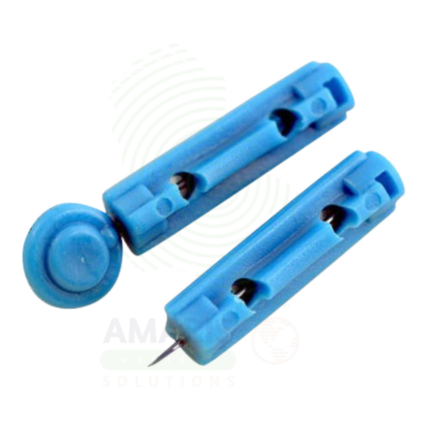
Blood Lancets
Blood Lancets are sterile, single-use, precision-engineered sharp devices designed to obtain capillary blood specimens via controlled skin puncture (fingerstick, heel stick, or alternate site). Available in standard (21G-28G) and safety (auto-retracting) configurations, with fixed or adjustable penetration depths (0.65 mm - 2.2 mm). Safety lancets with automatic needle retraction are OSHA-mandated for healthcare workers to eliminate sharps injury risk. Specialized variants include ultra-thin (30G-33G) low-pain lancets for frequent testers, pediatric lancets with reduced depth, and neonatal heel stick lancets featuring incision-style blades with strict depth limitation (≤2.0 mm per CLSI). Essential for diabetes self-monitoring, point-of-care testing (glucose, HbA1c, PT/INR, cholesterol), and newborn metabolic screening. Critical safety imperatives include absolute single-use protocol, immediate activation of safety mechanisms or disposal into sharps containers, appropriate depth selection to prevent tissue injury, and rigorous infection control practices. An indispensable medical consumable in chronic disease management, acute care, and preventive medicine.
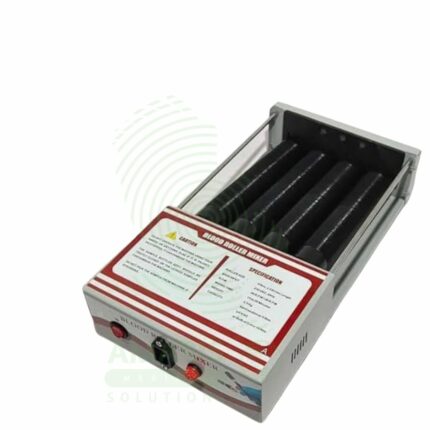
Blood Roller Mixer
A Blood Roller Mixer is a dedicated laboratory instrument that provides continuous, gentle rotation of blood collection tubes to ensure complete mixing of blood with anticoagulants, preventing clot formation. This is a critical first step in the pre-analytical phase, safeguarding sample integrity for hematology, coagulation, and chemistry testing. It features adjustable speed, a timer, and soft rollers to handle standard tube sizes quietly and reliably. Safe operation requires using properly capped tubes, balancing the load, and prompt cleaning of any biohazardous spills. It is an indispensable tool for ensuring the quality of blood samples in any clinical setting.
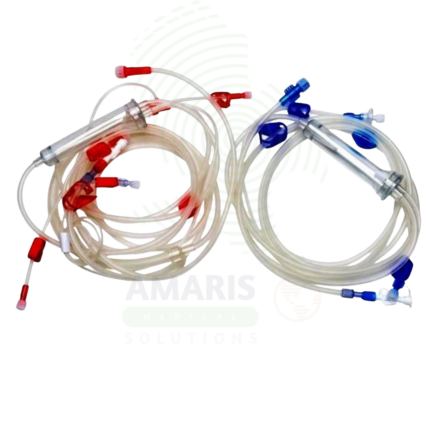
Bloodlines for Dialysis
Bloodlines for Dialysis are sterile, single-use tubing sets that form the extracorporeal circuit for hemodialysis and other blood purification therapies. Transporting blood from the patient to the dialyzer and back, they include pressure monitoring ports, air trap chambers, and medication administration sites. Essential for dialysis centers, hospitals, and home hemodialysis.
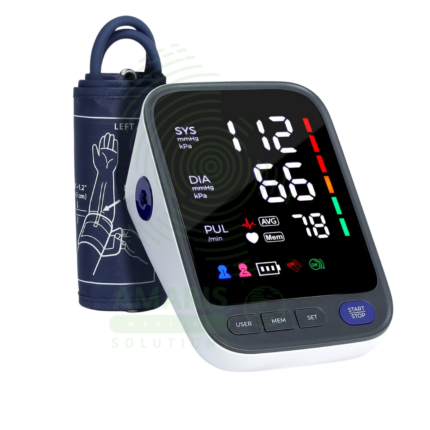
Bluetooth Blood Pressure Machine
A Bluetooth Blood Pressure Machine is an automatic oscillometric blood pressure monitor with integrated wireless technology that transmits readings from patient homes to smartphones and healthcare providers. Measures systolic (60-260 mmHg) and diastolic (40-200 mmHg) pressure with clinical accuracy (≤±3 mmHg) validated per AAMI/ESH/ISO 81060-2 standards. Features intelligent cuff inflation, movement detection, irregular heartbeat flagging, and multi-user memory (60-200 readings). Bluetooth 4.0-5.0 LE connectivity enables automatic data synchronization with companion apps for trend analysis, medication tracking, and secure provider sharing. Primary clinical applications include remote patient monitoring for hypertension management, medication adherence and efficacy tracking, gestational hypertension and preeclampsia surveillance, post-operative BP monitoring, pediatric hypertension follow-up, and clinical trial data collection. Class II medical device requiring FDA clearance. Critical safety considerations include proper cuff size selection, correct measurement conditions (rest, positioning, bare arm), movement restriction during measurement, irregular heartbeat interpretation limitations, and regular calibration verification.
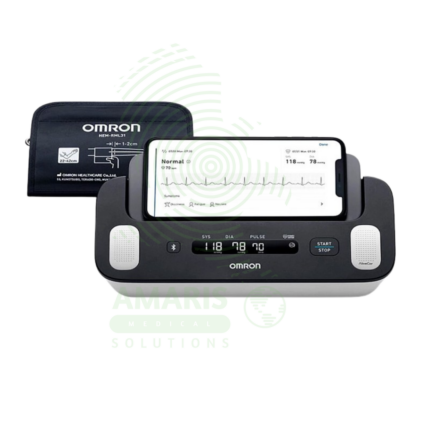
Bluetooth Blood Pressure Machine With ECG
A Bluetooth Blood Pressure Machine With ECG is an integrated home monitoring device combining automatic oscillometric blood pressure measurement with single-lead ECG recording, featuring Bluetooth connectivity for wireless data transmission to smartphones and healthcare providers. Measures systolic (60-260 mmHg) and diastolic (40-200 mmHg) pressure with ±3 mmHg accuracy (meets AAMI/ESH/ISO standards) and records 30-60 second single-lead ECG with automated detection of atrial fibrillation, bradycardia, and tachycardia. Stores 90-200 readings with date/time stamp; transmits data via Bluetooth 4.0+ to dedicated apps for trend analysis and provider sharing. Primary clinical applications include comprehensive cardiovascular monitoring for hypertensive patients with arrhythmia risk, atrial fibrillation screening during routine BP checks, medication titration monitoring (antihypertensive and antiarrhythmic), preoperative cardiovascular assessment, post-stroke or post-MI secondary prevention, and stress/anxiety monitoring. Class II medical device requiring FDA clearance for both functions. Critical safety considerations include device not for emergency use, ECG screening not equivalent to diagnostic 12-lead, proper cuff placement (bare arm at heart level), ECG signal quality optimization, movement avoidance during measurement, arrhythmia alerts requiring medical follow-up, and regular calibration verification.
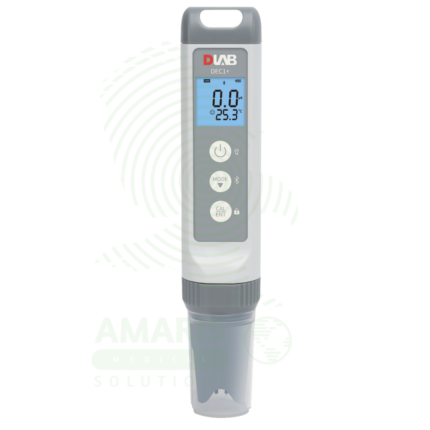
Bluetooth Pen Meter (DEC1+)
The Bluetooth Pen Meter( DEC1+) is a pocket-sized, Bluetooth-enabled pen meter featuring automatic ranging conductivity measurement (0~19.99 mS/cm), measurement of TDS (0~10.0 ppt), Resistivity (50 Ω·cm~20 MΩ·cm), Salinity (0~10 ppt), and Temperature (0~60℃), replaceable combined probe design (DEC1-S electrode), multi-color backlit LCD display, IP67 dustproof/waterproof rating, 1-point automatic calibration, and wireless connectivity to mobile APP for two-way control, unlimited data storage, and advanced data management—ideal for water quality testing in clinical, pharmaceutical, and environmental applications .
For the dialysis technician, water quality specialist, and pharmaceutical QC chemist, the Bluetooth Pen Meter( DEC1+) enables rapid, on-site verification of conductivity in purified water systems, dialysis fluids, and pharmaceutical process water—critical parameters for ensuring patient safety during renal replacement therapy and drug manufacturing . The Bluetooth connectivity and APP support allow wireless data transfer, calibration reminders, sample ID management.
Key features include multi-color backlit display with reading stability indicator and auto data lock , low battery indicator , user-configurable auto shut-off (1-8 minutes) and backlight duration (5-20 seconds) , compatibility with CH, USA, and NIST calibration standards , and IP67 rating for reliable operation in harsh field environments . The replaceable combined probe design extends instrument service life—electrode replacement rather than complete instrument replacement .
For the patient, accurate conductivity, TDS, and resistivity monitoring of water used in dialysis and pharmaceutical manufacturing ensures that critical treatment fluids meet stringent safety and quality standards—preventing potential harm from improperly treated water and supporting the production of safe, effective medications.
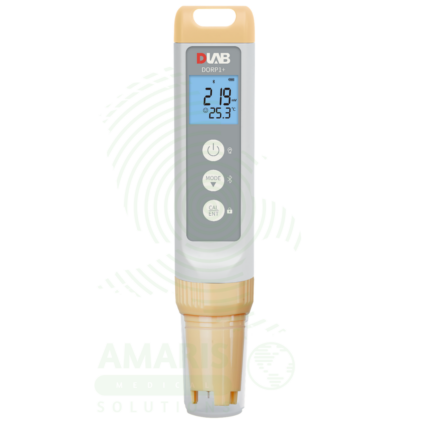
Bluetooth Pen Meter (DORP1+)
The Bluetooth Pen Meter (DORP1+) is a pocket-sized, single-parameter pen tester measuring Oxidation-Reduction Potential (ORP) from -1000.0 to +1000.0 millivolts with accuracy of ±0.1 percent of full scale ±1 digit and resolution of 0.1 or 1 millivolts, featuring replaceable combined electrode design (DORP1-S), multi-color backlit LCD display with reading stability indicator and automatic data lock, IP67 dustproof and waterproof rating, 0 to 60 degrees Celsius temperature measurement with ±0.2 degrees Celsius accuracy, 1-point automatic calibration with 222 millivolt ORP standard, support for CH, USA, and NIST standard buffer solutions, low battery indicator, user-configurable automatic shut-off and backlight duration, power-on self-diagnosis, and Bluetooth connectivity to a mobile application for two-way control, unlimited data storage, graphical display modes (chart, curve, dial, and normal), graphic navigation operation guides, calibration reminders, measurement object identification management, timed storage, and high and low value warning settings—ideal for water quality testing in clinical, pharmaceutical, and environmental applications .
For the dialysis technician, infection control officer, and water quality specialist, the Bluetooth Pen Meter (DORP1+) enables rapid, on-site ORP measurement to verify disinfection efficacy in purified water systems, dialysis fluids, and pharmaceutical process water—critical parameters for ensuring patient safety during renal replacement therapy and drug manufacturing. The replaceable electrode design extends instrument service life, while the IP67 rating ensures reliable operation in harsh field environments.
Key features include multi-color backlit display with reading stability indicator and automatic data lock when stable (smiley icon), power-on self-diagnosis function, low battery indicator, user-configurable automatic shut-off time and backlight duration, and compatibility with CH, USA, and NIST calibration standards. The Bluetooth connectivity allows wireless connection to a mobile application with two-way control, unlimited data storage, graphical display modes (chart, curve, dial, and normal), graphic navigation operation guides, calibration reminders, measurement object identification management, timed storage, and high and low value warning settings.
For the patient, accurate ORP monitoring of water used in dialysis and pharmaceutical manufacturing ensures that critical treatment fluids meet stringent safety and quality standards—preventing potential harm from improperly treated water and supporting the production of safe, effective medications.
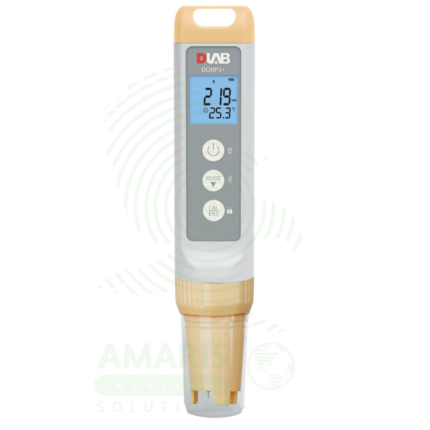
Bluetooth Pen Meter (DPC1+)
The Bluetooth Pen Meter (DPC1+) is a pocket-sized, multi-parameter Bluetooth-enabled pen tester measuring pH, ORP, conductivity, TDS, salinity, resistivity, and temperature, featuring replaceable combined electrode design (DPC1-S), multi-color backlit LCD display with reading stability indicator and automatic data lock, IP67 dustproof and waterproof rating, 1 to 3 point automatic pH calibration with buffer recognition, 1 point automatic conductivity calibration, CH/USA/NIST standard buffer compatibility, low battery indicator, user-configurable automatic shut-off and backlight duration, power-on self-diagnosis, and Bluetooth connectivity to a mobile application for two-way control, unlimited data storage, graphical display modes (graph, table, dial, general), graphic navigation operation guides, calibration reminders, measurement object ID management, and timed storage—with complete field-ready kit including hard carrying case (28.0 × 23.0 × 8.2 cm), sample vials (30 mL × 4), pH buffers (pH 4.00 and 6.86, 30 mL each), conductivity standards (1408 μS/cm and 12.85 mS/cm, 30 mL each), 3 mol KCl electrode storage solution (10 mL), four AAA batteries, and lanyard—ideal for water quality testing in clinical, pharmaceutical, and environmental applications .
For the dialysis technician, water quality specialist, infection control officer, and pharmaceutical QC chemist, the Bluetooth Pen Meter (DPC1+) enables rapid, on-site measurement of multiple water quality parameters—pH for assessing acid-base balance, ORP for verifying disinfection efficacy, conductivity and TDS for ionic purity, resistivity for ultrapure water verification, salinity for specific applications, and temperature for thermal monitoring—with wireless data logging for regulatory compliance . This comprehensive multi-parameter capability allows a single Bluetooth-enabled device to replace multiple single-parameter meters, simplifying field testing, reducing equipment costs, and providing auditable digital records .
Key features include multi-color backlit display with reading stability indicator and automatic data lock when stable (smiley icon), power-on self-diagnosis function, low battery indicator, user-configurable automatic shut-off time and backlight duration, and compatibility with CH, USA, and NIST calibration standards . The IP67 dustproof and waterproof rating ensures reliable operation in harsh field environments, while the complete accessory kit provides field-ready capability .
The Bluetooth connectivity allows wireless connection to a mobile application with two-way control, unlimited data storage, graphical display modes (graph mode for trend analysis, table mode for data review, dial mode for analog-style reading, and general mode for basic measurement), graphic navigation operation guides for user training, calibration reminders to ensure instrument accuracy, measurement object ID management for traceability, and timed storage for scheduled data logging .
For the patient, accurate multi-parameter monitoring of water used in dialysis and pharmaceutical manufacturing ensures that critical treatment fluids meet stringent safety and quality standards—preventing potential harm from improperly treated water and supporting the production of safe, effective medications. The DPC1+ is built under ISO 9001:2015 quality management and is suitable for drinking water, aquarium water, wastewater, pool water, non-concentrated chemicals, and non-viscous beverages .
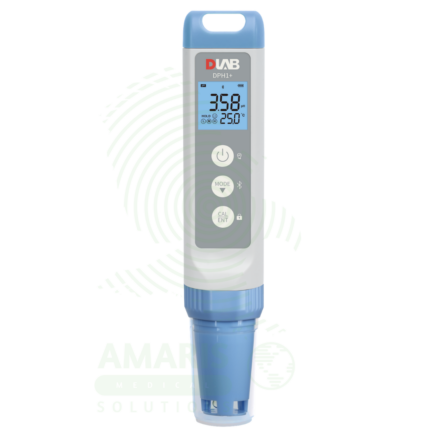
Bluetooth Pen Meter (DPH1+)
The Bluetooth Pen Meter (DPH1+) is a pocket-sized, single-parameter Bluetooth-enabled pen tester measuring pH (-2.00 to 16.00) with ±0.01 pH ±1 digit accuracy and 0.1/0.01 resolution, and ORP (-1000.0 to +1000.0 mV) with ±0.1 percent of full scale ±1 digit accuracy, featuring replaceable combined electrode design (DPH1-S), multi-color backlit LCD display with reading stability indicator and automatic data lock, IP67 dustproof and waterproof rating, 0 to 60 degrees Celsius temperature measurement with ±0.2 degrees Celsius accuracy, automatic temperature compensation (ATC), 1 to 3 point automatic pH calibration with buffer recognition, support for CH, USA, and NIST standard buffer solutions, low battery indicator, user-configurable automatic shut-off and backlight duration, power-on self-diagnosis, and Bluetooth connectivity to a mobile application for two-way control, unlimited data storage, graphical display modes (graph, table, dial, general), graphic navigation operation guides, calibration reminders, measurement object ID management, timed storage, and high/low value warning settings—with complete field-ready kit including hard carrying case (28.0 × 23.0 × 8.2 centimeters), pH buffers (pH 4.00, 6.86, and 9.18, 30 mL each), 3 mol KCl electrode storage solution (10 mL), sample vials (30 mL × 3), four AAA batteries, and lanyard—ideal for water quality testing in clinical, pharmaceutical, and environmental applications .
For the dialysis technician, water quality specialist, clinical laboratory scientist, pharmaceutical QC chemist, and infection control officer, the Bluetooth Pen Meter (DPH1+) enables rapid, on-site pH and ORP measurement of biological fluids (serum, plasma, urine, cerebrospinal fluid) for metabolic assessment, purified water systems, dialysis fluids, and pharmaceutical process water—critical parameters for ensuring patient safety during renal replacement therapy, diagnosing acid-base disorders, verifying disinfection efficacy, and supporting drug manufacturing .
Key features include multi-color backlit display with reading stability indicator and automatic data lock when stable, power-on self-diagnosis function, low battery indicator, user-configurable automatic shut-off time and backlight duration, replaceable electrode design with removable protective cover for extended instrument life and easy cleaning, and compatibility with CH, USA, and NIST calibration standards . The IP67 dustproof and waterproof rating ensures reliable operation in harsh field environments, while the complete accessory kit provides field-ready capability .
The Bluetooth connectivity allows wireless connection to a mobile application with two-way control, unlimited data storage, graphical display modes (graph mode for trend analysis, table mode for data review, dial mode for analog-style reading, and general mode for basic measurement), graphic navigation operation guides for user training, calibration reminders to ensure instrument accuracy, measurement object ID management for traceability, timed storage for scheduled data logging, and high/low value warning settings for critical parameter monitoring .
The replaceable DPH1-S electrode is pre-installed in new meters and is available as a replacement part, extending instrument service life—electrode replacement rather than complete meter replacement. The electrode features a removable protective cover that prevents damage to the glass bulb and facilitates cleaning . The electrode must be stored with the pH sensing bulb moist using 3 mol KCl storage solution to prevent drying .
For the patient, accurate pH and ORP monitoring of water used in dialysis and pharmaceutical manufacturing ensures that critical treatment fluids meet stringent safety and quality standards—preventing potential harm from improperly treated water and supporting the production of safe, effective medications. Additionally, pH measurement of biological fluids supports early detection of metabolic disturbances, acid-base imbalances, and renal dysfunction—enabling timely clinical intervention.
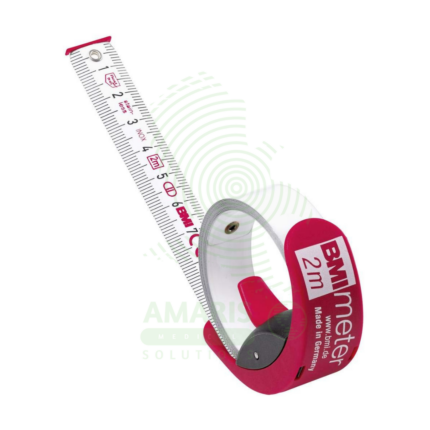
BMI Tape
A BMI Tape is a rapid screening tool that estimates an individual's Body Mass Index (BMI) category by measuring body circumference, most commonly the waist. It features a color-coded scale that directly displays BMI ranges (Underweight, Normal, Overweight, Obese), eliminating the need for separate height and weight measurements and manual calculation. While highly useful for community health screenings, wellness programs, and patient education due to its portability and simplicity, it is an approximate method. Its accuracy is limited compared to BMI calculated from precise clinical measurements, and it should be used as an initial screening indicator rather than a definitive diagnostic tool.
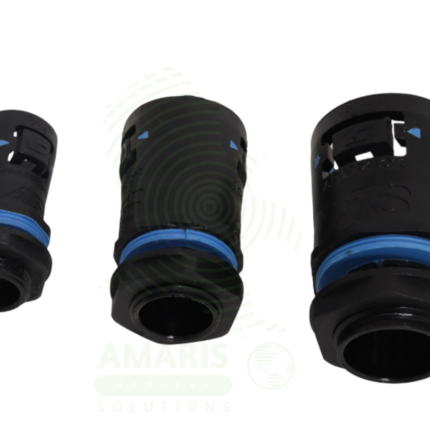
Body surface conduit fixing device – Type A
The Body Surface Conduit Fixing Device - Type A is a sterile, single‑use adhesive securement device designed to replace sutures for holding percutaneous catheters, drains, and tubes in place. It consists of a breathable non‑woven fabric base coated with a medical‑grade pressure‑sensitive adhesive and an integrated hook‑and‑loop (Velcro) fastener. The device is applied to intact skin adjacent to the catheter exit site, and the fastener is wrapped around the catheter to secure it without occluding the lumen.
By eliminating sutures, the Type A fixator reduces needle‑stick injuries, eliminates suture‑related pain and tension, and minimises micro‑motion of the catheter. This micro‑motion is a known risk factor for catheter‑related bloodstream infections and exit‑site infections, as it disrupts the healing tissue and can wick bacteria along the catheter surface. The broad adhesive base distributes the weight of the drain evenly, preventing pressure damage and accidental pull‑out. The low‑profile, soft fabric design conforms to body contours, making the device comfortable for patients during sleeping, walking, and bathing.
Clinically, the Type A device is indicated for securing chest tubes, abdominal drains, nasogastric tubes, epidural catheters, central venous catheters, peritoneal dialysis catheters, and surgical wound drains. It is suitable for use in surgical wards, intensive care units, interventional radiology, and home care settings. For the healthcare provider, the device simplifies drain management, reduces the need for frequent dressing changes, and lowers the risk of infection. For the patient, it offers greater comfort, reduced pain, and confidence that the drain will remain securely in place during recovery.
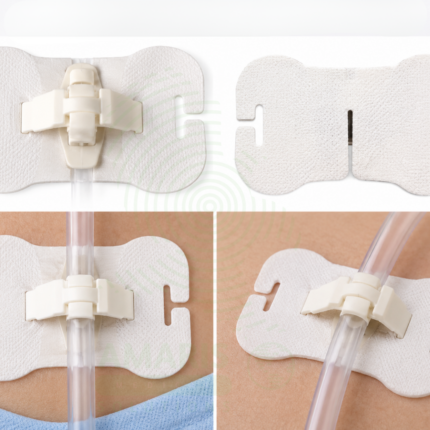
Body surface conduit fixing device – Type B
The Body Surface Conduit Fixing Device - Type B is a sterile, adhesive catheter stabilization device specifically engineered for the securement of epidural catheters, central venous catheters (CVCs), and large-bore drainage tubes . Unlike standard tape or suture methods, the Type B device features a rigid locking cradle or mechanical clamp integrated into a breathable, transparent adhesive dressing .
For the clinician (anesthesiologist, intensivist, or nurse), Type B devices offer a "hands-free" solution to catheter fixation. The specialized clamp holds the catheter wings or hub firmly in place, preventing pistoning (back-and-forth movement) that introduces bacteria into the bloodstream, thereby reducing Catheter-Related Bloodstream Infections (CRBSI) . The transparent film backing allows for continuous visual inspection of the insertion site without disturbing the dressing, facilitating early detection of phlebitis or drainage .
For the patient, the primary benefit is safety and comfort. Elimination of silk sutures removes the "pinching" and "pulling" sensation at the insertion site, which is often a major source of pain for patients with long-term central lines (e.g., oncology or dialysis patients). The hypoallergenic, waterproof adhesive allows patients to shower without fear of the dressing falling off, significantly improving quality of life. Type B devices are anatomically versatile, used on the chest for PICCs, the back for epidurals, and the abdomen for drainage tubes, offering a universal, standardized solution for device stabilization across the hospital .