Dermatoscope and Magnifiers
 Diagnostic Kits
 Vital Signs Monitors
 Stethoscopes and Accessories
 Otoscopes, Ophthalmoscopes, and Retinoscopes
 Reflex Hammers and Neurological Tools
 Scales and Measuring Devices
 Spirometers and Pulmonary Function Tests
 Electrosurgical Units and Accessories
 Cutting Instruments
 Grasping and Holding Instruments
 Hemostatic Instruments
 Specialized Surgical Sets
 Single-Use Procedure Trays and Packs
 Surgical Drapes, Gowns, and Covers
 Tissue Unifying Instruments
 Radiation Protection
 X-Ray Machines and Accessories
 Ultrasound Systems and Probes
 MRI and CT Scanners
 Radiology Consumables
 Bone Densitometers
 Fluoroscopy Equipment
 Imaging Tables and Positioning Aids
 Microscopes and Accessories
 Centrifuges and Separators
 Analyzers
 Incubators and Ovens
 Pipettes, Dispensers, and Lab Glassware
 Refrigerators, Freezers, and Storage Units
 Lab Consumables
 Sterilizers and Autoclaves for Lab Use
 Multi-Parameter Monitors
 Ventilators and Respiratory Support Devices
 Defibrillators and AEDs
 Infusion Pumps and IV Systems
 Patient Warmers and Cooling Devices
 Central Monitoring Stations
 Accessories
 Anesthesia Machines and Workstations
 Oxygen Concentrators and Delivery Systems
 Nebulizers and Inhalers
 CPAP/BiPAP Machines
 Airway Management
 Anesthesia Masks, Circuits, and Bags
 Humidifiers and Heaters
 Respiratory Therapy Accessories
 First Aid Kits and Cabinets
 Emergency Resuscitation Equipment
 Trauma Supplies
 Emergency Carts and Crash Carts
 Burn Care Products
 Bleeding Control
 Automated External Defibrillators (AEDs)
 Transport and Evacuation
 Wheelchairs and Accessories
 Walkers, Crutches, and Canes
 Prosthetics and Orthotics
 Physical Therapy Equipment
 Transfer Devices
 Bathroom Safety
 Orthopedic Traction and Tables
 Hot/Cold Therapy Packs and Units
 Beds and Mattresses
 Chairs and Stools
 Tables
 Cabinets and Storage
 Privacy Screens & Curtains
 Stands and Racks
 Linens and Textiles
 Lighting
 Autoclaves and Sterilizers
 Ultrasonic Cleaners
 Disinfectant Solutions and Wipes
 Sterilization Pouches, Wraps, and Indicators
 Instrument Trays and Containers
 UV and Ozone Disinfection Devices
 Washer Disinfectors
 Wound Care
 Gloves
 Masks and Respirators
 Catheters and Tubing
 Swabs, Applicators, and Sponges
 Incontinence Products
 Personal Protective Equipment (PPE)
 Dental Chairs and Units
 Handpieces and Burs
 Instruments
 Consumables
 Sterilization for Dental Use
 Orthodontic Supplies
 Endodontic Tools
 Slit Lamps and Tonometers
 Lensometers and Phoropters
 Ophthalmic Surgical Instruments
 Eyewear Frames and Lenses
 Contact Lens Supplies
 Vision Testing Charts and Devices
 Eye Care Consumables
 Laser Systems for Eye Care
 ENT Exam Chairs and Tables
 Endoscopes
 Audiometers and Hearing Tests
 ENT Instruments
 Nasal and Throat Packs
 Hearing Aids and Accessories
 Otology Supplies
 Fetal Dopplers and Monitors
 Delivery Beds and Tables
 Gynecological Instruments
 Neonatal Incubators and Warmers
 Breast Pumps and Accessories
 Contraceptive Devices
 Maternity Supports and Pads
 Neonatal Consumables
 Cystoscopes and Urethroscopes
 Dialysis Machines and Supplies
 Urological Catheters and Bags
 Lithotripters
 Prostate Treatment Devices
 Urinary Incontinence Products
 Kidney Stone Management Tools
 Consumables & Disposables
 EEG and EMG Machines
 Neurosurgical Instruments
 Nerve Stimulators
 Headrests and Positioning Aids
 Lumbar Puncture Kits
 Seizure Monitoring Devices
 Consumables
 Rehabilitation for Neurological Conditions
 ECG Machines and Accessories
 Holter Monitors
 Stress Test Systems
 Pacemakers and Defibrillator Accessories
 Vascular Access Devices
 Cardiac Catheters and Guidewires
 Blood Flow Meters
 Consumables
 Orthopedic Instruments
 Casts, Splints, and Padding
 Joint Replacement Supplies
 Prosthetic Limbs and Components
 Bone Grafts and Substitutes
 Traction Devices
 Orthopedic Braces and Supports
 Rehabilitation Aids for Orthopedics
 Home Oxygen Therapy
 Hospital Beds for Home Use
 Mobility Aids
 Bathroom and Daily Living Aids
 Wound Care for Home
 Monitoring Devices
 Enteral Feeding Pumps and Tubes
 Hand Sanitizers and Dispensers
 Face Shields and Goggles
 Isolation Gowns and Suits
 Biohazard Waste Containers
 Air Purifiers and HEPA Filters
 Surface Disinfectants
 Sharps Containers
 Protective Barriers
 Cardiovascular & Endurance Training
 Strength Training & Weightlifting
 Functional Training & Core Conditioning
 Physical Therapy & Rehabilitation
 Sports & Outdoor Recreation
 Gym Flooring & Facility Equipment
 Fitness Monitoring & Accessories
 Kids & Novelties












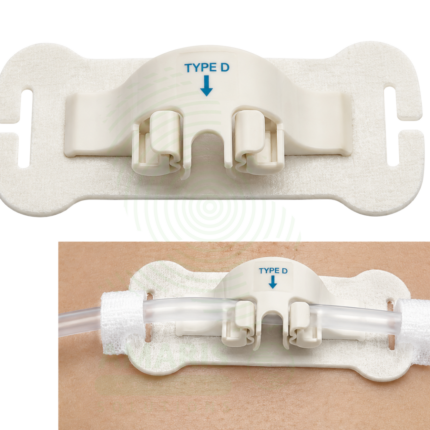
Body surface conduit fixing device – Type D
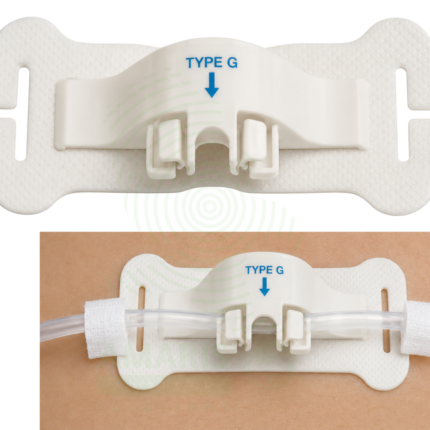
Body surface conduit fixing device – Type G
The Body Surface Conduit Fixing Device - Type G is a Class I medical device specifically designed for the mechanical fixation of medical catheters, tubing, and drainage lines to the patient's body surface . Operating on a strap-based mechanism, Type G devices utilize an adjustable nylon adhesive strap (often hook-and-loop/Velcro material) that wraps around the conduit rather than relying on broad adhesive patches adhered directly to the skin for the primary hold .
For the clinician and wound care nurse, Type G provides a valuable alternative to adhesive-based fixation for patients with fragile, damaged, or sensitive skin. The nylon adhesive strap is loosened, moved to the appropriate position along the catheter line, placed around the tube, and then tightened to the correct tension . This mechanical hold minimizes direct skin contact with adhesives, reducing the risk of medical adhesive-related skin injury (MARSI) while still providing a secure grip on the conduit.
For the patient, especially those with a history of dermatitis, fragile skin, or those requiring long-term catheterization, Type G offers a comfortable, breathable alternative. The use of breathable, comfortable non-woven fabric helps prevent edge warping and moisture accumulation . The strap can be periodically loosened, the skin inspected, and the device retightened without requiring a complete dressing change, preserving supplies and reducing patient discomfort. Type G devices are suitable for securing feeding tubes, drainage catheters, and central lines where a traditional adhesive securement may be contraindicated or where frequent line adjustments are necessary.
Body surface conduit fixing device – Type H
The Body Surface Conduit Fixing Device - Type H is a sterile, single-use catheter fixation system specifically engineered for securing medical conduits to patients with sensitive, fragile, or easily damaged skin. The Type H device features a body surface fixing seat constructed from satin cloth (丝绸布) coated with medical-grade pressure-sensitive adhesive, providing a softer, smoother textile backing that significantly reduces friction and shear forces against the skin compared to standard non-woven or film-based adhesives . The catheter fixing seat consists of a polypropylene plastic snap buckle (聚丙烯塑料卡扣) that locks securely around the catheter, delivering positive mechanical fixation with audible and tactile confirmation of secure engagement .
For the intensive care unit (ICU) nurse, wound care specialist, and dermatology liaison, Type H provides an essential option for patients with compromised skin integrity, including those with epidermolysis bullosa, chronic steroid use, fragile elderly skin, radiation dermatitis, or a documented history of medical adhesive-related skin injury (MARSI). The satin cloth base conforms to body contours without rigid edge lift, while the smooth texture glides over skin without catching or causing friction burns . Some Type H configurations incorporate silicone-based adhesive materials, offering an even gentler option for the most sensitive patient populations, including neonates and those with known acrylic adhesive allergies .
For the patient with sensitive skin, the Type H adhesive base offers secure fixation without the itching, redness, or contact dermatitis often associated with harsher synthetic materials. The dual-component modular design allows the adhesive base to be placed independently of the locking mechanism, optimizing placement for skin integrity while ensuring the buckle aligns perfectly with the catheter exit site and distributes fixation forces away from the insertion point—reducing tension on the catheter insertion site and minimizing the risk of tissue trauma, phlebitis, and pressure injury . Available in multiple configurations with registration as a Class II medical device , Type H is suitable for securing PICC lines, central venous catheters, hemodialysis catheters, epidural catheters, chest tubes, surgical drains, arterial lines, feeding tubes, and other percutaneous conduits across hospital, home healthcare, and long-term care settings, particularly for patients where skin preservation is a primary clinical concern.
Body surface conduit fixing device – Type I
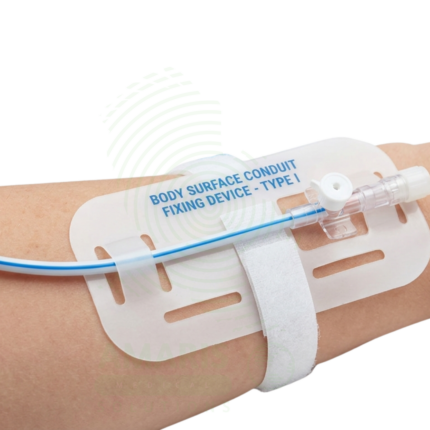
The Body Surface Conduit Fixing Device - Type I is a sterile, single-use mechanical fixation system specifically designed for securing endotracheal tubes and other oral conduits in patients requiring airway management . Constructed from a rigid shell housing containing an integrated bite block, a sponge pad for patient comfort, a rotating nut and slider for tube clamping, and adjustable cheek fixation straps, the Type I device provides comprehensive oral tube securement that replaces traditional adhesive tape fixation methods.
For the anesthesiologist, respiratory therapist, and intensive care unit (ICU) nurse, Type I provides a mechanical alternative to tape fixation for intubated patients. The integrated bite block prevents the patient from occluding the endotracheal tube by biting down , while the rotating nut and slider mechanism allows precise tension adjustment of the clamping force around the tube . The cheek straps wrap around the patient's head or face to secure the entire assembly, eliminating the need for adhesive tape on the face—a significant advantage for patients requiring prolonged intubation, those with facial burns or skin trauma, or those with known adhesive allergies .
For the patient, Type I offers a more secure and comfortable alternative to traditional tape fixation. The bite block prevents the distressing event of tube occlusion from biting, which can trigger ventilator alarms and require emergency intervention. The sponge cushion reduces pressure on the face and lips, decreasing the risk of pressure ulcers and skin breakdown during extended intubation periods. The adjustable straps accommodate changes in facial edema and can be loosened or tightened without complete device removal, reducing disturbance to the patient. Available in multiple configurations including specifications as a Class II medical device , Type I is the catheter fixation device of choice for endotracheal tube management in intensive care, operating rooms, emergency departments, and during patient transport, particularly for patients where facial skin preservation and secure tube fixation are both clinical priorities.
Body surface conduit fixing device – Type M
Bone Marrow Puncture Kit
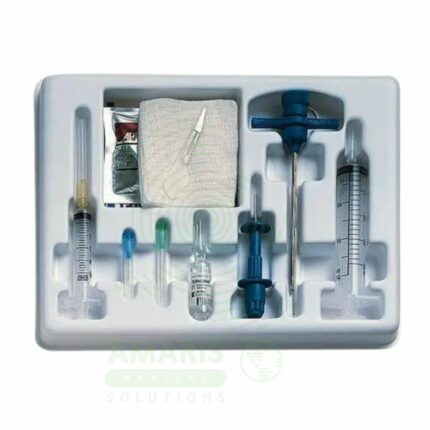
A Bone Marrow Puncture Kit is a sterile, single-use procedure tray containing all components necessary for bone marrow aspiration and core biopsy. Used for diagnosing hematologic malignancies, evaluating bone marrow function, and staging metastatic disease, the kit includes aspiration and biopsy needles, syringes, glass slides, fixatives, and specimen containers. Proper technique includes verifying coagulation status, administering local anesthesia, limiting aspiration volume, and preparing smears immediately. Essential for hematology-oncology practice, the kit enables the collection of specimens for histopathology, flow cytometry, cytogenetics, and molecular testing that guide diagnosis and treatment of blood disorders.
Breath Resuscitation Bag
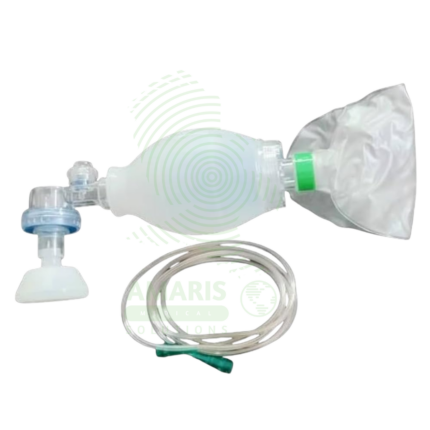
A Breath Resuscitation Bag (manual resuscitator, bag-valve-mask) is a Class II medical device used to deliver positive-pressure ventilation to patients in respiratory arrest, cardiac arrest, or respiratory failure. Available in adult (1,500-2,000 mL), pediatric (450-750 mL), and infant/neonatal (200-350 mL) sizes with self-inflating silicone or PVC bags, one-way non-rebreathing valves, transparent cushioned masks, and oxygen reservoirs for high FiO2 delivery (90-100% with reservoir). Oxygen inlet allows connection to flow meter (10-15 L/min recommended). Pediatric/neonatal models include pressure-limiting valves (35-45 cmH2O) to prevent barotrauma. Essential for CPR (AHA guidelines: adult 10-12 breaths/min, child 12-20, infant 20-30), preoxygenation before intubation, transport ventilation, and recovery from anesthesia. Critical safety considerations include avoiding excessive ventilation pressure (prevents gastric insufflation), maintaining proper mask seal, monitoring chest rise, and having backup equipment readily available. Indispensable emergency airway equipment in hospitals, ambulances, crash carts, and emergency response kits worldwide.
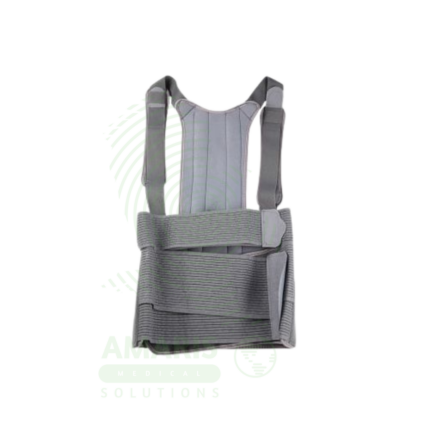
Breathable Spinal Brace Thoracolumbar
A Breathable Spinal Brace Thoracolumbar is a rigid external orthosis providing immobilization and support for the thoracic and lumbar spine following spinal surgery, fractures, instability, and disc herniation. The brace restricts flexion, extension, rotation, and lateral bending to protect surgical repairs and promote healing. Featuring a breathable, moisture-wicking lining for patient comfort, it allows safe mobilization during recovery. Used in spine surgery, orthopedics, and rehabilitation settings, proper fit, skin integrity monitoring, and neurological assessment are essential for safe and effective use.
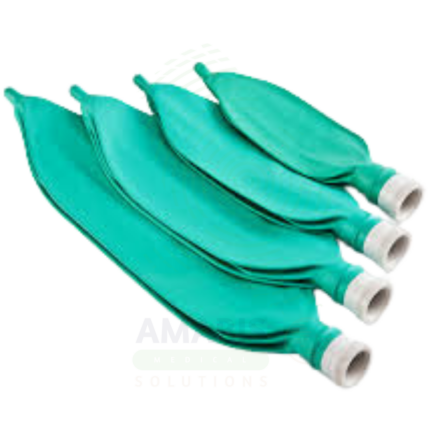
Breathing Bag
A Breathing Bag is a flexible reservoir bag used for manual ventilation and gas reservoir during anesthesia induction, maintenance, and resuscitation. Providing tactile feedback on lung compliance, it allows clinicians to assess respiratory status and deliver controlled manual ventilation. Available in various sizes for all patient populations, it is essential equipment in operating rooms, emergency departments, and critical care settings.
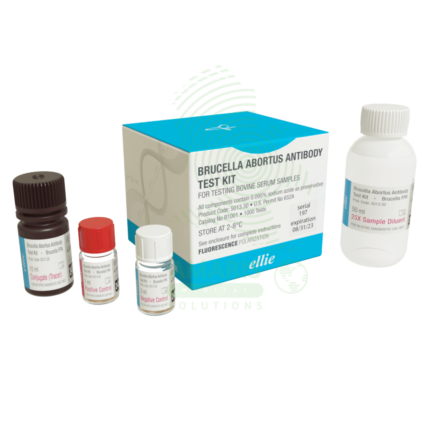
Brucella Set
A Brucella Set is a comprehensive serological test system (Class II medical device, CE-marked/FDA-cleared) for qualitative and quantitative detection of antibodies against Brucella species (B. abortus, B. melitensis, B. suis, B. canis) using multiple methodologies including tube agglutination, slide agglutination, and 2-mercaptoethanol (2-ME) testing. The set includes killed, stained Brucella antigens, positive and negative controls, dilution tubes, reaction cards, and 2-ME reagent for IgM/IgG differentiation. Diagnostic titer ≥1:160 or fourfold rise confirms brucellosis. Primary clinical applications include diagnosis of brucellosis in endemic regions (undulant fever, night sweats, arthralgia), fever of unknown origin investigation, occupational health screening in high-risk workers (veterinarians, farmers, slaughterhouse workers), diagnosis of focal complications (sacroiliitis, spondylitis, meningitis, endocarditis), treatment monitoring (fourfold decline indicates response), outbreak investigation, and public health surveillance. Critical safety precautions include handling all samples in biosafety cabinet (Brucella is highly infectious via aerosol), 2-ME reagent toxicity (use fume hood), awareness of prozone phenomenon (serial dilutions essential), cross-reactions with other Gram-negative bacteria, and mandatory reporting to public health authorities. Essential test for brucellosis diagnosis in endemic regions and occupational health settings.
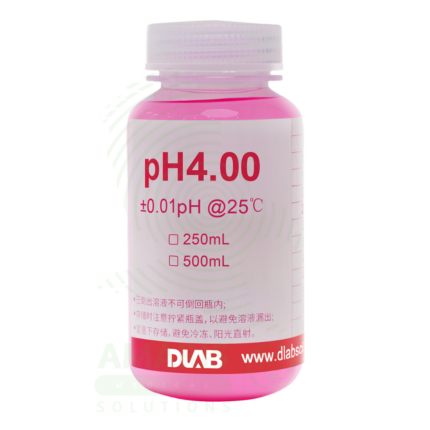
Buffer Solution (pH 4.00)
Buffer Solution (pH 4.00) is a sterile, ready-to-use liquid reagent with a precisely known pH value of 4.00 at 25°C, specifically formulated for the calibration and quality control of pH meters, pH electrodes, and automated analyzers in clinical diagnostic and research laboratories. The solution is typically composed of 0.05M potassium hydrogen phthalate (KHC₈H₄O₄) as the active buffering agent, purified water (>98%), and a preservative to maintain solution integrity.
For the clinical laboratory scientist and medical technologist,Buffer Solution (pH 4.00) serves as the acidic calibration standard for two-point or three-point pH meter calibration (typically in conjunction with pH 6.86 and pH 9.18 buffers), ensuring accurate pH measurement of biological specimens including blood, urine, cerebrospinal fluid, and diagnostic reagents. The solution is classified as a Class I Medical Device (FDA Product Code JCC – General Purpose Reagent) and is 510(K) exempt, with traceability to NIST standards under ISO 17025 accreditation. Each batch is accompanied by a certificate of analysis detailing lot-specific pH value, measurement uncertainty, and expiration date, supporting GLP compliance for regulatory audits.
For the patient undergoing diagnostic testing for metabolic acidosis, diabetic ketoacidosis, renal tubular disorders, or other acid-base disturbances, accurate pH measurement of biological fluids—verified through proper calibration with certified pH 4.00 buffer—ensures reliable test results that guide appropriate treatment decisions across clinical chemistry, blood gas analysis, urinalysis, and pharmaceutical quality control applications. Available in various packaging formats including 30 mL sachets, 100 mL, 500 mL, and 1 L bottles, with color-coded red options for easy identification.
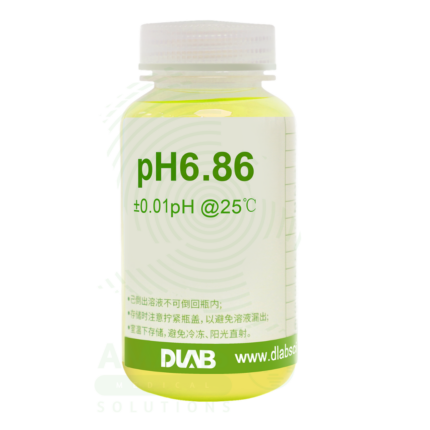
Buffer Solution (pH 6.86)
Buffer Solution (pH 6.86) is a sterile, ready-to-use liquid reagent with a precisely known pH value of 6.86 at 25°C, specifically formulated for the calibration and quality control of pH meters, pH electrodes, and automated analyzers in clinical diagnostic and research laboratories . The solution is composed of potassium dihydrogen phosphate/di-sodium hydrogen phosphate (KH₂PO₄/Na₂HPO₄) in purified water, manufactured under ISO/IEC 17025 and ISO 17034 accreditation with traceability to NIST standard reference materials and PTB primary certified reference standards .
For the clinical laboratory scientist and medical technologist, Buffer Solution (pH 6.86) serves as the neutral calibration standard for two-point or three-point pH meter calibration (typically in conjunction with pH 4.00 and pH 9.18 buffers), ensuring accurate pH measurement of biological specimens including blood, urine, cerebrospinal fluid, and diagnostic reagents . The solution is measured using a combined glass electrode following a 5-point calibration method, compliant with DIN 19268, NIST, IUPAC, Ph. Eur, and USP standards . Each batch is accompanied by a detailed and batch-specific certificate of analysis (CoA) containing lot number, measured pH value (range 6.861 - 6.867), uncertainty (±0.02 pH), and expiration date .
The solution is classified as a Class I Medical Device (FDA Product Code JCC – General Purpose Reagent) and is 510(K) exempt, with GMP exempt status when not labeled as sterile . pH 6.86 buffer solution is available in various packaging formats including 30 mL sachets, 60 mL bottles, 100 mL bottles, 500 mL bottles, and 1 L bottles . Some manufacturers color-code the solution for easy identification (e.g., green or clear depending on the brand), and a pH/temperature table is printed on the label for accurate calibrations at different temperatures . The unopened shelf life is 2 years when stored at room temperature (15-25°C); once opened, the solution should be used within 90 days .
For the patient undergoing diagnostic testing for acid-base disturbances, metabolic disorders, or renal dysfunction, accurate pH measurement of biological fluids—verified through proper calibration with certified pH 6.86 buffer—ensures reliable test results that guide appropriate treatment decisions across clinical chemistry, blood gas analysis, urinalysis, and pharmaceutical quality control applications.
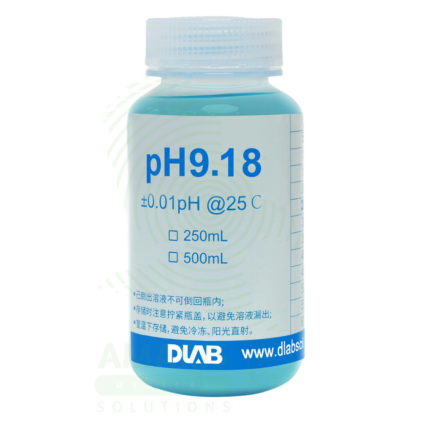
Buffer Solution (pH 9.18)
Buffer Solution (pH 9.18) is a sterile, ready-to-use liquid reagent with a precisely known pH value of 9.18 at 25°C, specifically formulated for the calibration and quality control of pH meters, pH electrodes, and automated analyzers in the alkaline range for clinical diagnostic and research laboratories. The solution is composed of sodium tetraborate decahydrate (borax) in purified water, manufactured under ISO/IEC 17025 and ISO 17034 accreditation with traceability to NIST standard reference materials and PTB primary certified reference standards.
For the clinical laboratory scientist and medical technologist, Buffer Solution (pH 9.18) serves as the alkaline calibration standard for three-point pH meter calibration (in conjunction with pH 6.86 and pH 4.00 buffers), ensuring accurate pH measurement of alkaline biological specimens including urine, pancreatic fluid, and certain diagnostic reagents. The solution is measured using a combined glass electrode following a 5-point calibration method, compliant with DIN 19268, NIST, IUPAC, Ph. Eur, and USP standards. Each batch is accompanied by a detailed and batch-specific certificate of analysis (CoA) containing lot number, measured pH value, pH/temperature table (9.22 at 20°C, 9.18 at 25°C, 9.14 at 30°C, 9.09 at 37°C), uncertainty (±0.02 pH), and expiration date.
The solution is classified as a Class I Medical Device (FDA Product Code JCC – General Purpose Reagent) and is 510(K) exempt, with GMP exempt status when not labeled as sterile. pH 9.18 buffer solution is available in various packaging formats including 30 mL sachets, 60 mL bottles, 100 mL bottles, 500 mL bottles, and 1 L bottles. Some manufacturers color-code the solution for easy identification (e.g., blue or clear depending on the brand), and a pH/temperature table is printed on the label for accurate calibrations at different temperatures. The unopened shelf life is 2 years when stored at room temperature (15-25°C); once opened, the solution should be used within 90 days.
For the patient undergoing diagnostic testing for metabolic alkalosis, renal tubular acidosis, pancreatic function disorders, or other conditions requiring alkaline pH measurement, accurate pH measurement of biological fluids—verified through proper three-point calibration using certified pH 9.18 buffer—ensures reliable test results that guide appropriate treatment decisions across clinical chemistry, urinalysis, pancreatic function testing, and pharmaceutical quality control applications.
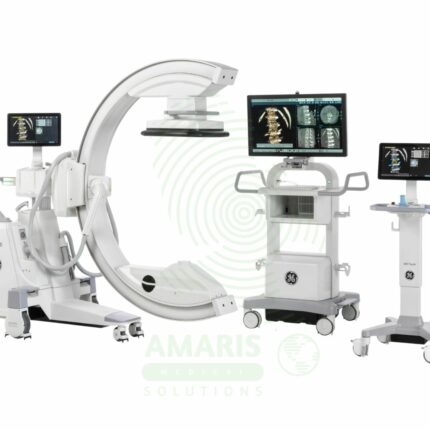
C-Arm Surgical System
A C-Arm Surgical System is a mobile fluoroscopic X-ray imaging device with a distinctive C-shaped arm connecting the X-ray tube and detector. It is an indispensable tool in modern operating rooms and interventional suites, providing real-time live imaging to guide complex procedures in orthopedics, spine surgery, pain management, and vascular interventions. Its mobility allows precise positioning around the patient, while features like pulsed fluoroscopy and dose monitoring are critical for radiation safety. Modern flat-panel systems offer high-resolution imaging and advanced capabilities like 3D Cone-Beam CT. Safe operation demands rigorous adherence to radiation protection protocols (ALARA) for both patients and the surgical team.
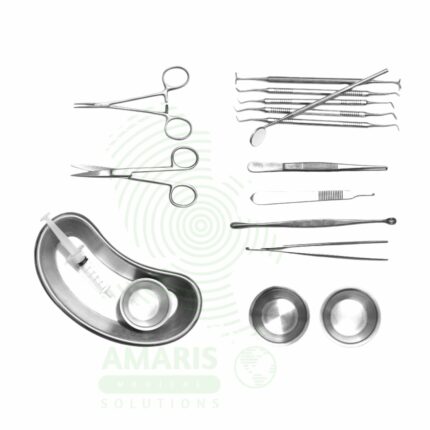
Caesarean Section Set
A Caesarean Section Set is a sterile instrument tray containing all instruments required for Caesarean delivery, including instruments for abdominal incision, uterine incision, fetal delivery, placental removal, and multi-layer closure. Essential for labor and delivery units and obstetric operating rooms, the set ensures that all necessary instruments are sterile, organized, and immediately available for safe and efficient surgical delivery. Proper instrument counting, sterile technique, and careful tissue handling are critical for optimal maternal and neonatal outcomes.
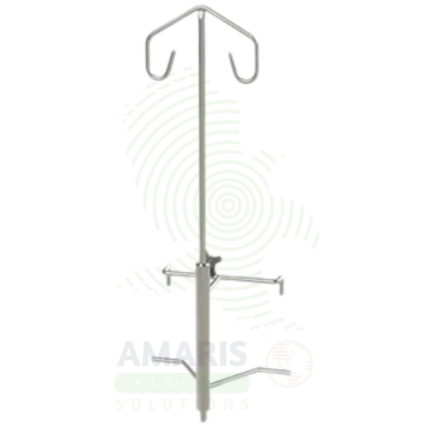
Cage Mount IV Pole
A Cage Mount IV Pole is a veterinary IV pole designed to mount directly to animal cages for secure intravenous fluid and medication administration. Height-adjustable with multiple hooks for concurrent infusions, it ensures proper fluid flow while preventing line entanglement and accidental dislodgement. Essential for veterinary hospitals, animal clinics, and research facilities, it supports safe, uninterrupted fluid therapy for hospitalized animals.
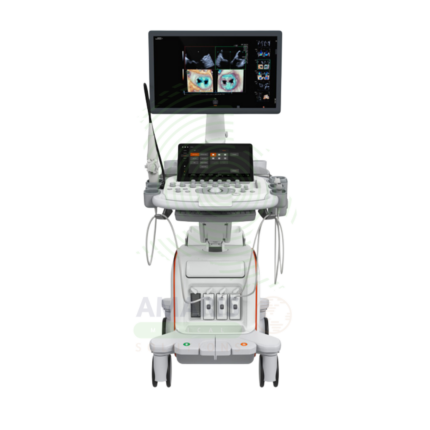
Cardiovascular Ultrasound
A Cardiovascular Ultrasound System is a specialized echocardiography device designed for non-invasive assessment of cardiac structure, function, and hemodynamics. Using dedicated phased array transducers and advanced Doppler techniques, it evaluates ventricular function, valvular disease, congenital heart defects, and myocardial ischemia. Essential for cardiology, cardiac surgery, and critical care, it provides the diagnostic information needed to guide treatment decisions for patients with heart failure, valvular disease, coronary artery disease, and congenital heart conditions.
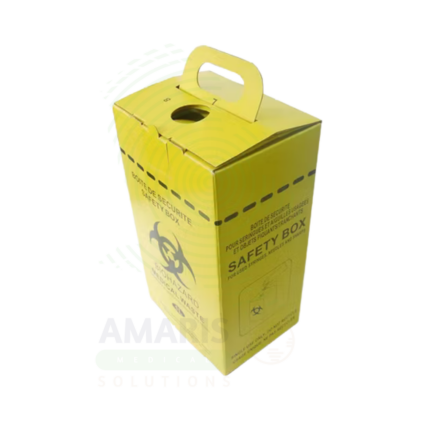
Carton Type Sharps Box
A Carton Type Sharps Box is a puncture-resistant, single-use cardboard container designed for the safe collection, containment, and disposal of used needles, syringes, lancets, scalpels, and other sharp medical instruments. Constructed from heavy-duty corrugated cardboard with puncture-resistant construction meeting ASTM F2132 standards, these containers feature a restricted access opening that allows sharps insertion while preventing hands from reaching inside, and a permanent closure mechanism that securely seals the box when full. Available in various sizes from 0.5 liter to 5 liter capacity, carton sharps boxes are lightweight, portable, and can be placed on surfaces or mounted in wall brackets. For the healthcare worker, the sharps box provides immediate, accessible disposal that reduces needlestick injury risk and supports compliance with OSHA Bloodborne Pathogens Standard. For the patient, proper sharps disposal prevents accidental needlestick injuries to patients, visitors, family members, and waste handlers, and reduces the risk of bloodborne pathogen transmission from improperly discarded sharps in the community.
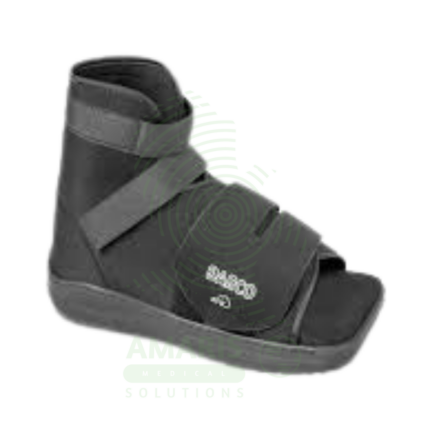
Cast Shoes & Boots
A Cast Shoes & Boots is a durable, rigid-soled overshoe designed to be worn over a below-knee cast or fracture walking boot. Its primary function is to enable safe, protected weight-bearing by providing a stable, rocker-bottom walking surface that protects the cast from wear and tear and compensates for leg length discrepancy. Featuring an adjustable strap closure to accommodate bulky dressings and swelling, it is an essential mobility aid for patients recovering from foot, ankle, or lower leg fractures, surgeries, and severe sprains. Proper fit and gait awareness are important for safe ambulation during the healing period.
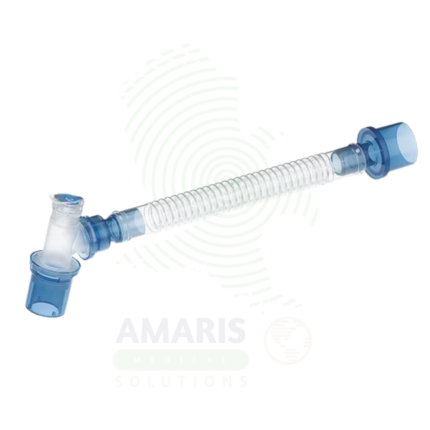
Catheter Mount
A Catheter Mount is a flexible, extensible connector between the breathing circuit and endotracheal tube, tracheostomy tube, or laryngeal mask airway. It absorbs movement and tension during patient positioning and surgery, reducing the risk of airway device displacement. Integrated sampling ports allow continuous gas monitoring, while flexible design accommodates patient movement without compromising ventilation.
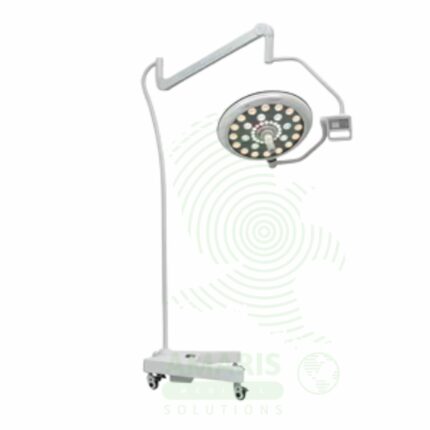
Ceiling & Stand Operating Light
An Ceiling & Stand Operating Light is a high-intensity, shadow-reducing illumination system designed to provide brilliant, color-accurate, and cool light directly onto the surgical field. Ceiling-mounted lights offer maximum flexibility in the OR, while stand-mounted lights provide portability. Key features include extremely high illuminance (>40,000 lux), a high Color Rendering Index (CRI >90) for true tissue color, and advanced optics for deep-cavity illumination with minimal shadows. Safe operation requires proper positioning, use of sterile handle covers, and awareness of the minimal but present thermal risk. It is a fundamental capital asset critical for enabling precise and safe surgical intervention.
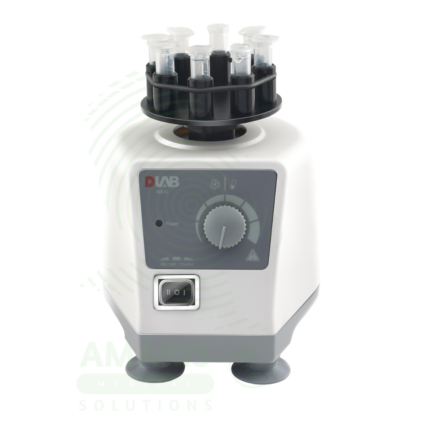
Cell Disruptor (MX-C)
The Cell Disruptor (MX-C) is a compact, high-speed benchtop homogenizer designed for the efficient mechanical lysis of biological samples. Utilizing a 4mm orbital diameter at speeds up to 3000 rpm, it employs circumferential vortex oscillation to break down the cell walls of bacteria, yeast, algae, and fungi to release intracellular contents . With a capacity to process up to eight 2.0 mL microtubes simultaneously, it facilitates rapid, hands-free sample preparation for downstream molecular workflows .
Ideal for research and clinical laboratories, the Cell Disruptor (MX-C) ensures constant, controlled shear rates that maintain the genomic integrity of released DNA and RNA, which is crucial for accurate PCR and sequencing results . Its robust construction, easy operation, and ability to handle tough microorganisms (including Gram-positive bacteria) make it an essential tool for genomic extraction and purification .
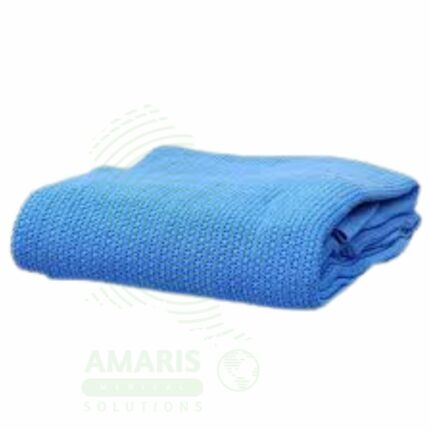
Cellular Blankets
Cellular Blankets are lightweight, breathable blankets with a distinctive honeycomb knit structure. Primarily used in healthcare for patient warmth and thermal regulation, they work by trapping insulating air within their cells while allowing moisture to escape, preventing overheating and sweating. Available in reusable (cotton/polyester) or disposable forms, they are essential for maintaining patient comfort, dignity, and temperature stability in wards, recovery areas, and during transport. Their safety depends on strict adherence to single-patient use and proper high-temperature laundering for reusable versions.
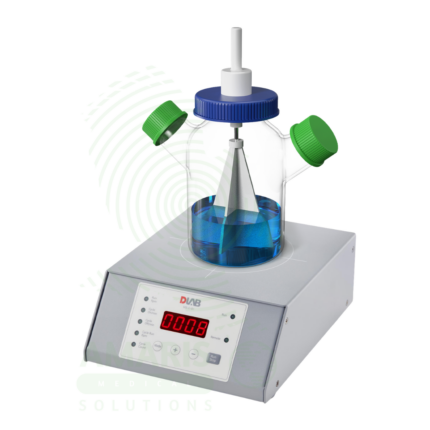
Cellular Magnetic Stirrer (MS‑C‑S1)
The Cellular Magnetic Stirrer (MS‑C‑S1), Single Channel, is a dedicated, low‑speed magnetic stirrer engineered to provide gentle, protective mixing for sensitive cell cultures in clinical, biopharmaceutical, and research laboratories. With a speed range of 5–200 rpm (adjustable in 1 rpm increments) and a maximum stirring capacity of 3 litres, this instrument is optimised to maintain cell viability and to support the homogeneous distribution of nutrients and gases, even during extended culture periods.
Every Cellular Magnetic Stirrer (MS‑C‑S1) is factory‑calibrated and supplied with an individual performance certificate. The stepper motor delivers high torque even at the lowest speeds, ensuring smooth, reliable stirring without compromising cell integrity. The cast‑aluminium work plate supports straightforward cleaning and resists corrosive reagents. The LED digital display provides immediate visual feedback of the actual stirring speed, while the programmable timer (0–49 min 59 sec) and multiple operational modes (constant, cyclic, dual‑speed) allow the system to be tailored to a wide variety of culture and protocol requirements.
Key user‑focused features for cell culture applications include low‑speed, high‑torque operation to minimise shear stress; smooth start/stop ramping to prevent sudden agitation that could detach cells; and a compact, low‑profile chassis (250 × 205 × 90 mm) that is fully compatible with use inside standard CO₂ incubators, warm rooms, and cold rooms. An RS232 data interface enables remote monitoring, direct PC control, and comprehensive data logging, supporting GLP compliance and full experiment documentation. The instrument meets international safety standards (CE, cTUVus) and comes with a 2‑year manufacturer’s warranty.
For the clinical cell culture scientist, bioprocessing specialist, and cancer researcher, the Cellular Magnetic Stirrer (MS‑C‑S1) delivers the gentle, reproducible, and incubator‑compatible stirring required for the successful maintenance of suspension cells, the expansion of microcarrier‑based cultures, and the reliable production of cell‑based diagnostic and therapeutic products. For the patient receiving advanced cell‑based therapies, this instrument helps ensure that the cells are cultured under optimal, gentle conditions and are consistently of high quality, directly supporting safer, more effective treatments.
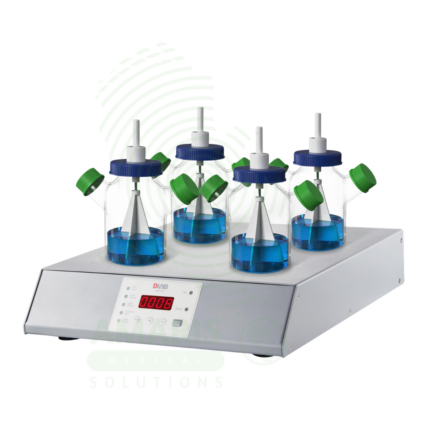
Cellular Magnetic Stirrer, 4‑Channel (MS‑C‑S4)
The Cellular Magnetic Stirrer, 4‑Channel (MS‑C‑S4), is a dedicated, low‑speed magnetic stirrer engineered to provide gentle, protective, parallel mixing for up to four independent cell cultures in clinical, biopharmaceutical, and research laboratories. With a speed range of 5–200 rpm (adjustable in 1 rpm increments) and a maximum stirring capacity of 3 litres per channel (12 litres total), this instrument is optimised to maintain cell viability and support homogeneous distribution of nutrients and gases across multiple vessels simultaneously, even during extended culture periods.
Every Cellular Magnetic Stirrer, 4‑Channel (MS‑C‑S4) is factory‑calibrated and supplied with an individual performance certificate. The stepper motor delivers high torque even at the lowest speeds, ensuring smooth, reliable stirring across all four positions without compromising cell integrity. Each of the four cast‑aluminium work plates (φ105 mm) is corrosion‑resistant, water‑shedding, and easy to clean. The LED digital display provides immediate visual feedback of the actual stirring speed, while the programmable timer (0–49 min 59 sec) and multiple operational modes (constant, cyclic, dual‑speed, mixed cycle) allow the system to be tailored to a wide variety of culture and protocol requirements across each channel.
Key user‑focused features for cell culture applications include low‑speed, high‑torque operation to minimise shear stress; smooth start/stop ramping to prevent sudden agitation that could detach cells; four independent channels with 190 mm centre spacing to accommodate standard vessels without cross‑interference; and a compact, low‑profile chassis (450×395×90 mm) that is fully compatible with use inside standard CO₂ incubators, warm rooms, and cold rooms (5–40 °C, ≤80 % RH). The non‑water‑accumulating surface and IP21‑rated housing protect against condensation and minor spills. An RS232 data interface enables remote monitoring, direct PC control, and comprehensive data logging across all four channels, supporting GLP compliance and full experiment documentation. The instrument meets international safety standards (CE) and is supplied with a calibration certificate.
For the clinical cell culture scientist, bioprocessing specialist, and cancer researcher, the Cellular Magnetic Stirrer, 4‑Channel (MS‑C‑S4) delivers the gentle, reproducible, and incubator‑compatible stirring required for the successful parallel maintenance of suspension cells, the expansion of microcarrier‑based cultures, and the reliable production of cell‑based diagnostic and therapeutic products across multiple channels simultaneously. For the patient receiving advanced cell‑based therapies, this instrument helps ensure that cells are cultured under optimal, gentle conditions and are consistently of high quality, directly supporting safer, more effective treatments.
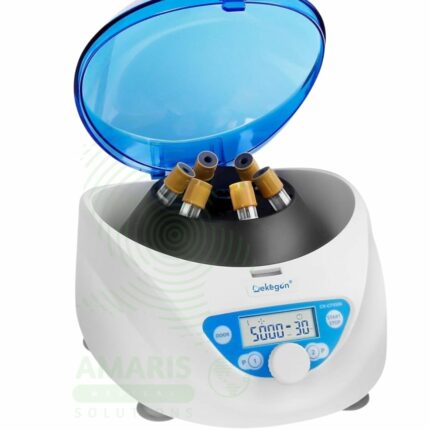
Centrifuge
A centrifuge is an instrument that uses rapid rotation to separate components of a liquid mixture based on density. In clinical and laboratory settings, it is indispensable for preparing blood samples (serum, plasma, cells), concentrating urine sediment, and processing microbiological specimens. Key specifications include maximum relative centrifugal force (RCF) and rotor type (swinging bucket or fixed angle). Safe operation is paramount and hinges on perfect load balancing, using securely sealed tubes, and never overriding safety lids. Proper cleaning after spills and regular rotor inspection are essential for preventing equipment failure and biohazard exposure. It is a fundamental piece of equipment for sample preparation across all disciplines of laboratory medicine.
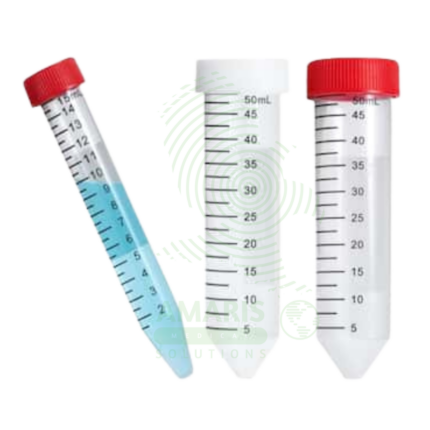
Centrifuge Tubes
Centrifuge Tubes are specialized disposable containers (polypropylene) designed to withstand high centrifugal forces (up to 30,000 x g) for separating biological fluids based on density. Available in microcentrifuge sizes (0.2-2.0 mL), conical tubes (15 mL, 50 mL), and larger volumes (100-500 mL). Features include leak-proof screw caps with O-rings (conical tubes), snap caps (microcentrifuge tubes), graduated volume markings, writing areas, and sterile/non-sterile options. Certified RNase/DNase-free, pyrogen-free, and autoclavable. Primary clinical applications include blood component separation (serum/plasma), urine sediment preparation, microbiology sample concentration, molecular biology (DNA/RNA extraction), cell culture processing, protein/enzyme analysis, and viral load testing. Critical safety precautions include never exceeding maximum RCF rating, proper balancing by weight, secure cap tightening, inspection for cracks, and disposal as biohazardous waste. Essential consumable in every clinical, research, and industrial laboratory.
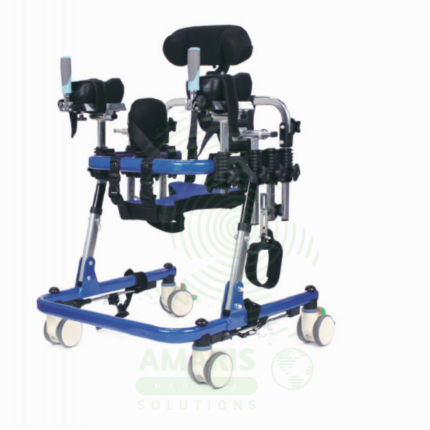
Cerebral Palsy Walker
A Cerebral Palsy Walker (or Gait Trainer) is a supportive wheeled frame specifically designed to facilitate walking and standing for children with CP. It provides adjustable postural support through a harness, trunk pad, and pelvic guide, enabling safe practice of gait patterns, weight-bearing, and upright mobility. Its primary role is therapeutic, aiming to develop ambulation skills, improve postural control, and promote independence. Correct professional setup and supervision are essential for safety and to ensure it reinforces proper movement rather than abnormal patterns.
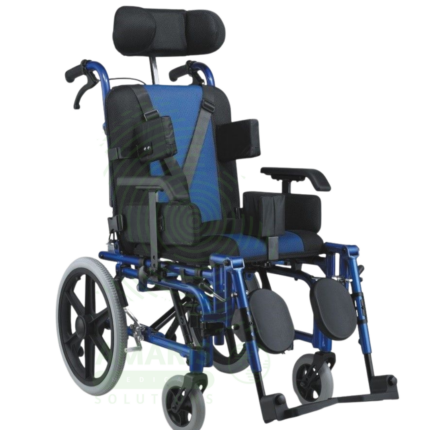
Cerebral Palsy Wheelchair
A Cerebral Palsy Wheelchair is a highly specialized, modular seating system on a wheelchair base, designed exclusively for the complex postural management needs of individuals with CP. Its primary purpose is therapeutic: to provide extensive, adjustable support to normalize posture, prevent skeletal deformities, manage muscle tone, and maximize the user's functional abilities. Key features include a tilt-in-space mechanism, custom-contoured seating, and numerous pelvic, trunk, and head supports. It is a medically prescribed device that requires expert configuration and regular re-assessment to ensure safety and efficacy as part of a lifelong postural management strategy.
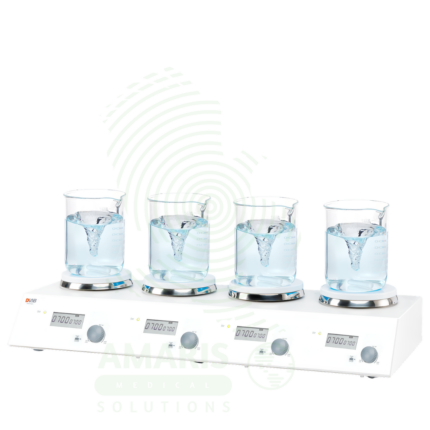
Channel LCD Digital Magnetic Stirrer (MS-M-S 44)
The Channel LCD Digital Magnetic Stirrer is a high‑throughput, non‑heating benchtop instrument engineered for the independent, reproducible stirring of up to four samples simultaneously in clinical diagnostics, pharmaceutical quality control, analytical chemistry, and academic research laboratories. Featuring four independent 5‑inch (Ø134 mm) ceramic‑coated aluminum work plates, this stirrer provides a speed range of 200 to 1500 rpm (1 rpm resolution) per channel, with a maximum stirring capacity of 3 liters of water per channel (12 liters total).
Every Channel LCD Digital Magnetic Stirrer is equipped with four independent high‑contrast LCD digital displays, one per channel, showing the actual stirring speed in real time. The four maintenance‑free, spark‑free brushless DC motors provide stable torque, ultra‑quiet operation, and long‑term reliability without routine maintenance. The ceramic‑coated aluminum work plates resist strong acids, strong alkalis, and organic solvents, ensuring chemical durability and easy cleaning. Four independent control panels allow each channel to be started, stopped, and adjusted to a different speed without cross‑interference.
Key user‑focused features include true independent parallel stirring, a compact space‑saving design (701 × 265 mm footprint) that integrates four stirring positions into a single instrument, and an IP21‑rated metal housing for basic splash and dust protection. The universal power supply (100–240 V, 50/60 Hz) allows worldwide use without voltage converters.
For the clinical laboratory scientist, pharmaceutical QC technician, and research scientist, the MS‑M‑S4 delivers the independent, high‑throughput stirring required for parallel clinical sample mixing, buffer and standard preparation, environmental sample homogenization, and educational laboratory demonstrations. For the patient, the reliable, reproducible performance of this instrument ensures that diagnostic reagents, quality control materials, and research samples are prepared consistently and efficiently, directly supporting accurate diagnostic outcomes and patient safety.
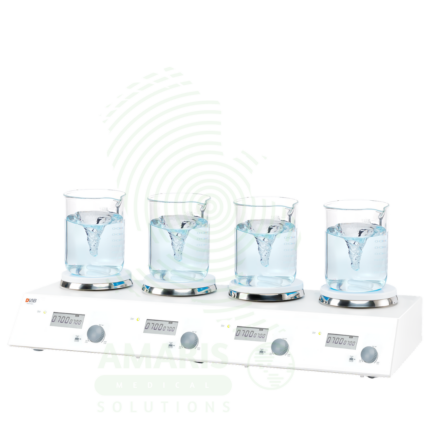
Channel LCD Digital Magnetic Stirrer (MS-M-S4 4)
The Channel LCD Digital Magnetic Stirrer is a high‑throughput, non‑heating benchtop instrument engineered for the independent, reproducible stirring of up to four samples simultaneously in clinical diagnostics, pharmaceutical quality control, analytical chemistry, and academic research laboratories. Featuring four independent 5‑inch (Ø134 mm) ceramic‑coated aluminum work plates, this stirrer provides a speed range of 200 to 1500 rpm (1 rpm resolution) per channel, with a maximum stirring capacity of 3 liters of water per channel (12 liters total).
Every Channel LCD Digital Magnetic Stirrer is equipped with four independent high‑contrast LCD digital displays, one per channel, showing the actual stirring speed in real time. The four maintenance‑free, spark‑free brushless DC motors provide stable torque, ultra‑quiet operation, and long‑term reliability without routine maintenance. The ceramic‑coated aluminum work plates resist strong acids, strong alkalis, and organic solvents, ensuring chemical durability and easy cleaning. Four independent control panels allow each channel to be started, stopped, and adjusted to a different speed without cross‑interference.
Key user‑focused features include true independent parallel stirring, a compact space‑saving design (701 × 265 mm footprint) that integrates four stirring positions into a single instrument, and an IP21‑rated metal housing for basic splash and dust protection. The universal power supply (100–240 V, 50/60 Hz) allows worldwide use without voltage converters.
For the clinical laboratory scientist, pharmaceutical QC technician, and research scientist, the MS‑M‑S4 delivers the independent, high‑throughput stirring required for parallel clinical sample mixing, buffer and standard preparation, environmental sample homogenization, and educational laboratory demonstrations. For the patient, the reliable, reproducible performance of this instrument ensures that diagnostic reagents, quality control materials, and research samples are prepared consistently and efficiently, directly supporting accurate diagnostic outcomes and patient safety.
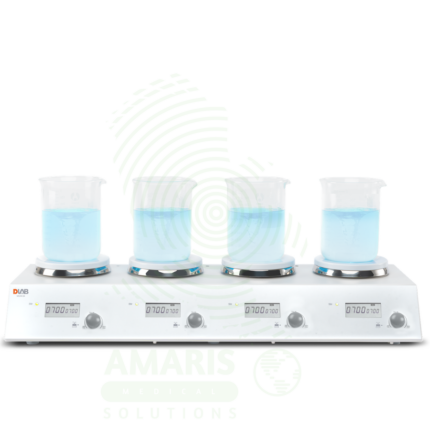
Channel LCD Digital Magnetic Stirrer(MS‑M‑S6 6)
The MS‑M‑S6 6‑Channel LCD Digital Magnetic Stirrer is a high‑throughput, non‑heating benchtop instrument engineered for the independent, reproducible stirring of up to six samples simultaneously in clinical diagnostics, pharmaceutical quality control, analytical chemistry, and academic research laboratories. Featuring six independent 5‑inch (Ø134 mm) ceramic‑coated aluminum work plates, this stirrer provides a speed range of 200 to 1500 rpm (1 rpm resolution) per channel, with a maximum stirring capacity of 3 liters of water per channel (18 liters total).
Every MS‑M‑S6 is equipped with six independent high‑contrast LCD digital displays, one per channel, showing the actual stirring speed in real time. The six maintenance‑free, spark‑free brushless DC motors provide stable torque, ultra‑quiet operation, and long‑term reliability without routine maintenance. The ceramic‑coated aluminum work plates resist strong acids, strong alkalis, and organic solvents, ensuring chemical durability and easy cleaning. Six independent control panels allow each channel to be started, stopped, and adjusted to a different speed without cross‑interference. The white ceramic surface provides clear contrast for observing titrations and color changes.
Key user‑focused features include true independent parallel stirring, a compact space‑saving design (564 × 523 mm footprint, 12.7 kg) that integrates six stirring positions into a single instrument – dramatically reducing bench space compared to six separate single‑channel units– and an IP21‑rated metal housing for basic splash and dust protection. The universal power supply (100–240 V, 50/60 Hz) allows worldwide use without voltage converters. The instrument is TÜV‑certified (CE, cTUVus, FCC) and manufactured under ISO 9001 and ISO 13485 quality management systems.
For the clinical laboratory scientist, pharmaceutical QC technician, and research scientist, the MS‑M‑S6 delivers the independent, high‑throughput stirring required for parallel clinical sample mixing, buffer and standard preparation, environmental sample homogenization, Kjeldahl nitrogen determination, Soxhlet extraction, and educational laboratory demonstrations. For the patient, the reliable, reproducible performance of this instrument ensures that diagnostic reagents, quality control materials, and research samples are prepared consistently and efficiently across up to six channels simultaneously, directly supporting accurate diagnostic outcomes and patient safety.
Cheatle Forceps
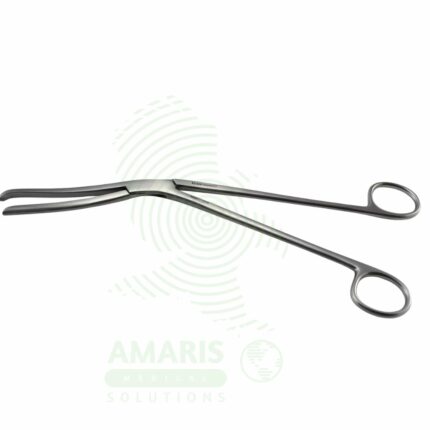
Cheatle Forceps are long-handled, ratcheted surgical forceps used for the aseptic transfer of sterile instruments, dressings, and supplies in operating rooms, central sterile supply departments, and procedural areas. The extended length allows safe retrieval of items from sterilizers and storage without hand contact, while the serrated tips provide secure grip on wrapped packs and individual instruments. Designed for repeated sterilization and use, they are essential for maintaining aseptic technique during sterile field preparation, instrument handling, and post-operative cleanup. Proper handling, regular inspection, and adherence to aseptic technique are essential for safe and effective use.
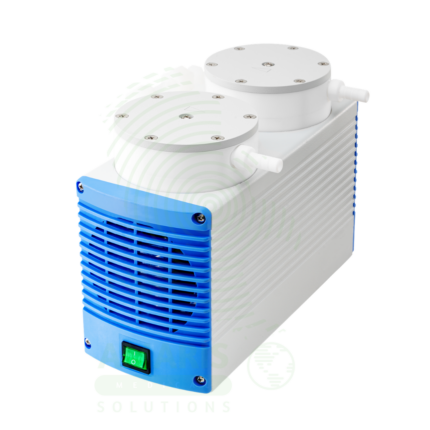
Chemistry-design diaphragm pump (C410)
The Chemistry-design diaphragm pump (C410) is a chemically-resistant, oil-free vacuum pump engineered for continuous operation in pharmaceutical, chemical, and clinical laboratories . Featuring PTFE-coated diaphragms and wetted parts (providing exceptional resistance to aggressive acidic, basic, and solvent vapors) and a maintenance-free, oil-free mechanism (eliminating regular oil changes and waste disposal) , this pump delivers stable vacuum performance down to 13 mbar absolute with flow rates ranging from 5-25 L/min depending on vacuum level .
The double-stage pump operates at 1450 rpm with a 95W motor, producing ≤50 dB noise level for quiet laboratory environments . Integrated thermal protection automatically shuts off the pump during overheating events and restarts when cooled, ensuring operational safety . The compact 8.5 kg design (294 x 156 x 195 mm) with 8mm nozzle connection integrates seamlessly with rotary evaporators, filtration manifolds, and vacuum distillation apparatus .
For the clinical laboratory scientist and pharmaceutical researcher, the Chemistry-design diaphragm pump (C410) powers rotary evaporation for drug discovery and solvent recovery , supports vacuum filtration for clinical sample preparation, enables concentration of heat-sensitive biomolecules, and serves as an environmentally-friendly substitute for water-jet pumps . For the patient and community, efficient laboratory workflows accelerate pharmaceutical development timelines, while reduced solvent waste and water conservation support sustainable healthcare practices .
Chest Bottle
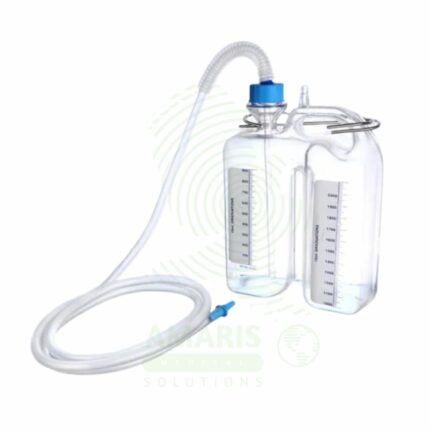
A Chest Bottle (Underwater Seal Drainage System) is a three-chamber disposable device used to drain air and fluid from the pleural space via a chest tube. Its critical component is a water seal chamber that acts as a one-way valve, preventing air from re-entering the chest while allowing drainage. It is used to treat pneumothorax, hemothorax, and pleural effusions, and is mandatory post-thoracic surgery. The system must always be kept upright and below the patient's chest level. It provides essential clinical information through tidaling in the water seal (indicating tube patency and lung expansion) and bubbling (indicating an air leak), making it both a therapeutic and diagnostic tool.
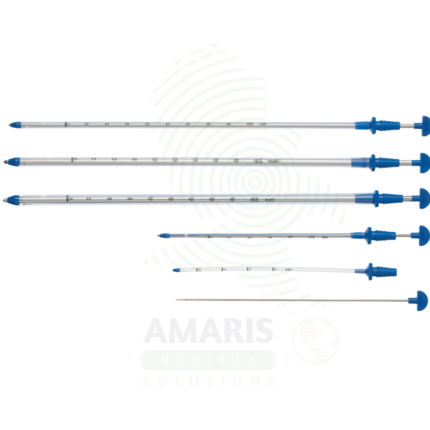
Chest Drainage Tubes with Trocar
Chest Drainage Tubes with Trocar are sharp-tipped thoracostomy tubes designed for rapid insertion into the pleural space to drain air, blood, or fluid in emergency and surgical settings. Used for tension pneumothorax, hemothorax, pleural effusion, empyema, and post-operative drainage, they provide immediate decompression and continuous drainage. Essential for trauma, thoracic surgery, and critical care.
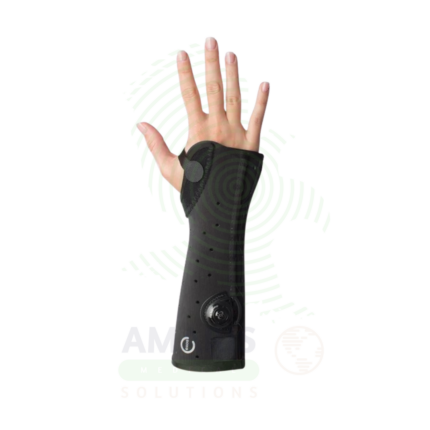
Children’s Arm Splint
A Children's Arm Splint is a rigid or semi-rigid orthosis designed specifically for pediatric patients to immobilize the forearm, wrist, and elbow following fractures, sprains, surgery, and nerve injuries. Sized for children of various ages with appropriate padding to protect delicate pediatric skin, it provides essential protection during the acute phase of injury and the early healing period. Used in pediatric emergency departments, orthopedic clinics, and urgent care settings, it supports healing while allowing children to return to age-appropriate activities. Proper fit, circulation monitoring, and parent education are essential for safe use.

Chlorhexidine Mouthwash
Chlorhexidine Mouthwash is a potent, substantive antimicrobial oral rinse containing chlorhexidine gluconate (typically 0.12% or 0.2%). It is the gold-standard chemical agent for controlling plaque biofilm and gingival inflammation, prescribed for short-term therapeutic use following oral surgery, in the treatment of periodontitis, for patients with physical limitations, and in ICU protocols to prevent pneumonia. Its key property is substantivity—binding to oral tissues for prolonged effect. Major precautions include avoiding use immediately after toothpaste, limiting duration to prevent tooth staining, and never swallowing the solution.
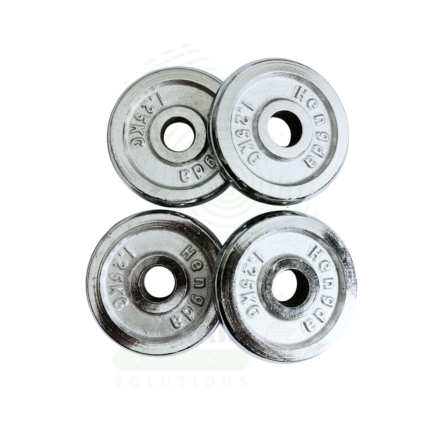
Chrome Plate Weight
Chrome Plate Weights are durable, chrome-plated cast iron weight plates used with barbells, dumbbells, or plate-loaded machines for progressive resistance training in rehabilitation, clinical, and fitness settings. Available in standardized weight increments from 2.5 to 45 pounds, with precision-cast construction for weight accuracy and durable chrome plating that resists rust, corrosion, and wear from repeated use, these plates provide reliable, long-lasting resistance for strength training across the rehabilitation continuum. For the physical therapist and rehabilitation specialist, chrome plate weights enable precise exercise prescription with small, manageable weight increments that allow patients to progress safely while maintaining proper form. When loaded onto barbells for squat, deadlift, and lunge variations, they strengthen the quadriceps, hamstrings, gluteals, and calf muscles—rebuilding the functional strength needed for standing, walking, and stair climbing after total knee replacement, hip fracture, or ACL reconstruction. When used with dumbbells or plate-loaded machines, they strengthen the rotator cuff, deltoids, and back musculature—restoring the upper extremity strength needed for lifting, carrying, and pushing activities essential for independent function. For the patient recovering from orthopedic surgery, neurological impairment, or general deconditioning, chrome plate weights provide a safe, progressive, durable tool for rebuilding strength, improving functional mobility, and returning to independent living.
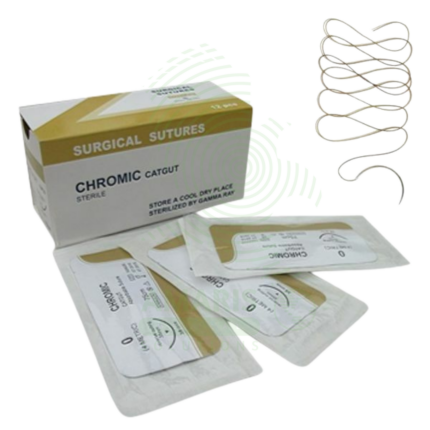
Chromic Sutures
Chromic Sutures are absorbable, monofilament surgical sutures derived from natural collagen and treated with chromic salts to delay absorption. Used for internal tissue approximation in gynecologic, urologic, gastrointestinal, and subcutaneous procedures, they provide temporary wound support during critical healing while being completely absorbed over time without requiring removal. Chromic treatment extends absorption compared to plain catgut, providing 10-14 days of tensile strength retention. Essential for procedures where suture removal would be impractical or where temporary wound support is required.
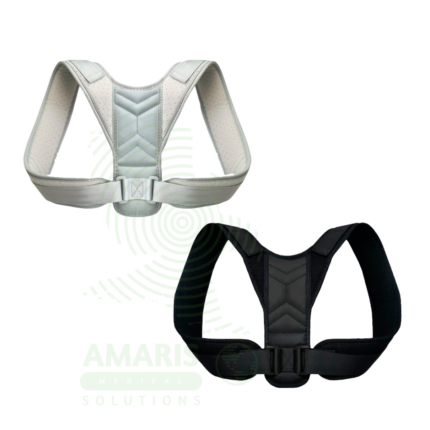
Clavicle Support
A Clavicle Support is a figure-eight style brace designed to immobilize and support the clavicle and shoulder girdle following clavicle fractures, acromioclavicular joint injuries, and clavicle surgery. The support retracts the shoulders, maintaining proper alignment of the fractured bone ends during healing. Used in orthopedic clinics, emergency departments, and sports medicine settings, it provides external stabilization that reduces pain, prevents displacement, and supports healing. Proper fit, skin integrity monitoring, and circulation checks are essential for safe and effective use.
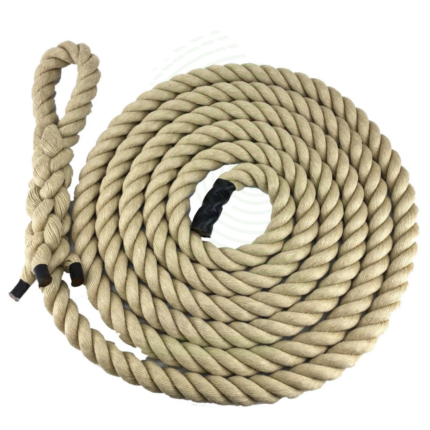
Climbing Rope
A Climbing Rope is a vertically suspended rope used for climbing exercises to develop upper extremity strength, grip endurance, core stability, and functional pulling strength in physical therapy, occupational therapy, and fitness settings. The act of pulling the body upward against gravity engages the finger flexors, forearm muscles, biceps, triceps, deltoids, latissimus dorsi, and rhomboids—building the strength needed for pulling, lifting, and carrying activities essential for independence. For the physical therapist and occupational therapist, rope climbing provides a functional, weight-bearing upper extremity exercise that translates directly to activities of daily living—improving the ability to pull oneself up from a seated position, perform transfers, and navigate stairs. The dynamic core engagement required during climbing strengthens the abdominal and lumbar stabilizers, improving spinal stability and postural control. Coordinating hand-over-hand movement while maintaining body position challenges proprioception, motor planning, and bilateral coordination—making it valuable for patients recovering from stroke, traumatic brain injury, or with developmental coordination disorders. Available in various diameters (1-2 inches) and materials (manila, polyester, polypropylene) with secure ceiling mounting, the climbing rope provides a challenging, functional strengthening activity that builds upper body power, grip endurance, and core stability across diverse patient populations.
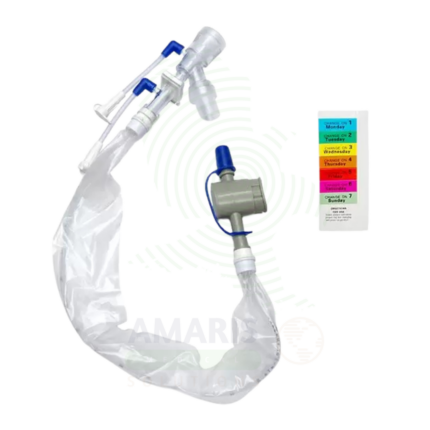
Closed Suction Catheter
A Closed Suction Catheter is an in-line suction system that allows airway clearance without disconnecting the ventilator, maintaining continuous PEEP and ventilation during suctioning. The closed design reduces the risk of ventilator-associated pneumonia and prevents oxygen desaturation. Essential for intensive care units, operating rooms, and home ventilation, it provides safer, more effective secretion management for intubated patients.
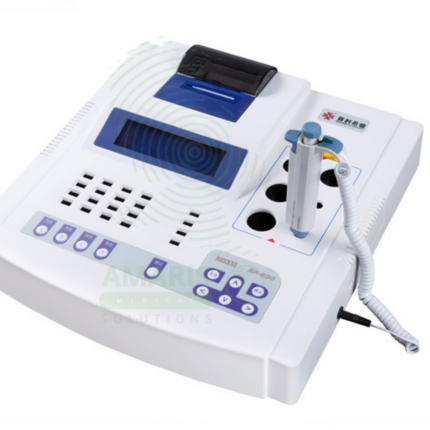
Coagulation Analyzer
A Coagulation Analyzer is a compact, automated instrument designed for performing essential tests that evaluate the blood's clotting ability. It accurately measures key parameters such as Prothrombin Time (PT/INR), Activated Partial Thromboplastin Time (aPTT), Thrombin Time, and Fibrinogen, which are critical for monitoring anticoagulant therapy (warfarin, heparin), diagnosing bleeding disorders, and assessing surgical risk. With its photometric detection and user-friendly operation, it delivers reliable results for small to medium-volume laboratories, clinics, and hospital wards. Its role in ensuring safe and effective patient management in thrombosis and hemostasis makes it a vital tool in clinical diagnostics.
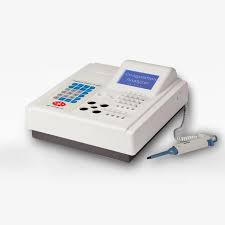
Coagulation Analyzer (TS4000)
The Coagulation Analyzer (TS4000) is a semi-automated, 4-channel benchtop coagulation analyzer using dual magnetic bead (electromechanical) clot detection technology to measure PT (prothrombin time), APTT (activated partial thromboplastin time), TT (thrombin time), and FIB (fibrinogen) in citrated plasma and whole blood samples . With a test range of 3-999 seconds, repeatability of <3% CV, and 4 channels for simultaneous testing , the analyzer delivers rapid, reliable coagulation profiles for preoperative risk assessment, anticoagulant therapy monitoring, and bleeding disorder diagnosis .
The Coagulation Analyzer (TS4000) features a 240×128 dot matrix LCD display, built-in thermal printer, 16 sample pre-warming positions, 5 reagent pre-warming positions (1 with stirring) , open reagent system compatible with any manufacturer's reagents, and electronic linked pipette with auto-start trigger for hands-free operation . Calibration curve storage for up to 18 parameters (5 points each) , 12-month QC data storage for PT, APTT, TT, FIB, RS-232 connectivity for LIS integration, and multi-unit result reporting (sec, %, g/L, mg/dL, IU/mL, %-INR, Ratio, Ratio-INR) ensure laboratory standards compliance .
For the anesthesiologist and hematologist, the Coagulation Analyzer (TS4000) delivers preoperative coagulation screening to identify high-risk surgical bleeding, INR monitoring for warfarin dose titration in atrial fibrillation and mechanical heart valve patients, APTT monitoring for heparin therapy, fibrinogen quantification for DIC diagnosis, and factor assays for inherited bleeding disorders (hemophilia A/B, factor deficiencies) . For the patient, accurate coagulation testing enables early detection of bleeding disorders before surgery, safe anticoagulation to prevent stroke and hemorrhage, diagnosis of DIC in critical illness, and appropriate factor replacement for hemophilia—preventing catastrophic bleeding, thrombotic complications, and improving survival across surgical, cardiac, and emergency care settings.
Colostomy Bags
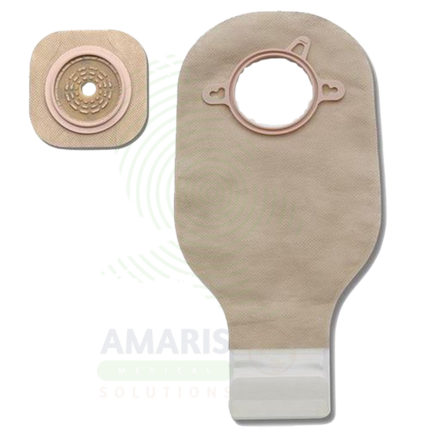
Colostomy Bags are adhesive pouching systems designed for the collection and containment of fecal effluent from a surgically created colostomy stoma. Available in one-piece (integrated barrier and pouch) and two-piece (separate barrier flange and interchangeable pouches) configurations, with drainable (reusable closure) or closed-end (single-use) formats. Core components include an odor-proof multi-layer plastic pouch, hydrocolloid or silicone skin barrier with custom-cut or pre-cut aperture, charcoal gas filter for deodorization, and secure closure system. Convex barriers address flush or retracted stomas; fabric-backed pouches enhance comfort and discretion. Critical to peristomal skin health are correct aperture sizing (1-2 mm larger than stoma), prompt management of leakage, gentle adhesive removal, and meticulous skin hygiene. An indispensable quality-of-life device enabling community reintegration and dignified living for millions of ostomy patients worldwide.
Colposcope
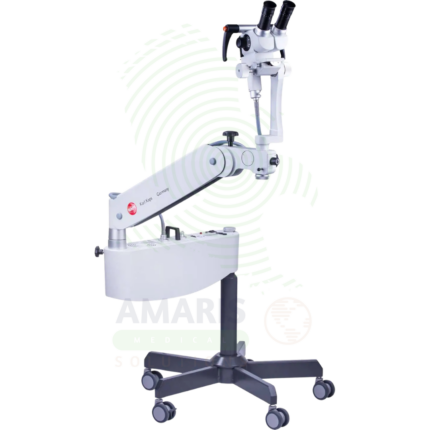
A Colposcope is a binocular or video microscope used for magnified examination of the cervix, vagina, and vulva following abnormal cervical cancer screening results. It enables identification of acetowhite lesions, atypical vascular patterns, and other signs of cervical intraepithelial neoplasia or cancer, and guides precise biopsy of suspicious areas. Essential for gynecology clinics and women's health centers, it provides the visualization needed for accurate diagnosis, treatment planning, and patient education.
Combination ORP probe
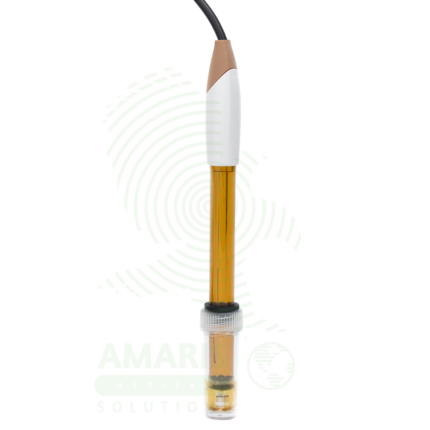
A Combination ORP Probe is an integrated electrochemistry sensor that combines both the platinum sensing electrode and Ag/AgCl reference electrode into a single probe body, designed for precise measurement of oxidation-reduction potential (ORP) in clinical diagnostic, blood bank, and research laboratory applications . ORP (also known as redox potential) measures the total oxidizing or reducing capability of a biological solution, providing information about the oxidative stress status and electrochemical balance of patient specimens .
The probe features a platinum band sensing element (for ORP measurement) and an Ag/AgCl reference system, with body materials available in epoxy for rugged general-purpose use, glass for chemical resistance in organic solvents, or PPS (polyphenylene sulfide) for super rugged industrial applications . The reference junction options include porous Teflon for general use, Sure-Flow for clogging prevention in dirty or viscous samples, and glass fiber or ceramic for high precision, with single-junction or double-junction designs . Select models (e.g., Triode series) integrate a built-in temperature sensor for automatic temperature compensation (ATC) . Response time is rapid, with stable readings achieved within 10-30 seconds .
For the clinical laboratory scientist and medical technologist, the combination ORP probe simplifies redox measurement of biological fluids including serum, plasma, urine, and blood products—eliminating the need for separate reference and sensing electrodes while reducing sample handling . For the clinical pathologist and researcher, ORP measurement of patient specimens may support the diagnosis, evaluation, and monitoring of conditions including trauma, viral infection, and suspected myocardial infarction, as well as assessment of oxidative stress and systemic inflammation . For the blood bank technologist, ORP measurement of stored blood components can help evaluate quality and storage-related oxidative changes .
Gel-filled (sealed) models require virtually no maintenance as there is no need to refill the reference chamber, while refillable models allow for extended service life . The probe's rugged epoxy body and Sure-Flow junction design is well-suited for dirty or viscous biological samples . Compatible with ORP meters accepting BNC connection, the combination ORP probe is an essential tool for clinical chemistry laboratories, blood banks, transfusion medicine services, and research facilities requiring accurate, reproducible ORP measurement for patient sample testing, quality control, and diagnostic applications .
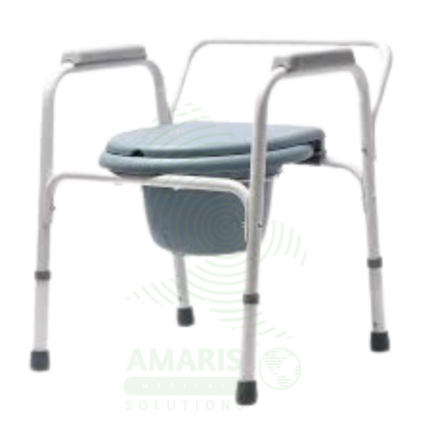
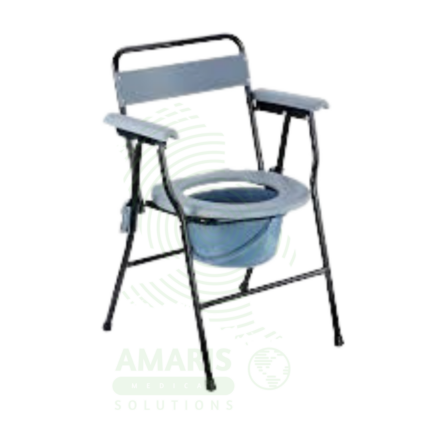
Commode Chair
A Commode Chair is a portable, standalone toilet designed for use at the bedside or in a room away from a bathroom. It consists of a chair frame with a seat opening and a removable collection bucket underneath. Its primary use is to provide a safe, convenient toileting solution for non-ambulatory, fall-risk, or post-operative patients, eliminating the need for hazardous trips to the bathroom. It is a critical tool for incontinence management, fall prevention, and preserving patient dignity. Rigorous cleaning and disinfection after each use are mandatory for infection control.