Dermatoscope and Magnifiers
 Diagnostic Kits
 Vital Signs Monitors
 Stethoscopes and Accessories
 Otoscopes, Ophthalmoscopes, and Retinoscopes
 Reflex Hammers and Neurological Tools
 Scales and Measuring Devices
 Spirometers and Pulmonary Function Tests
 Electrosurgical Units and Accessories
 Cutting Instruments
 Grasping and Holding Instruments
 Hemostatic Instruments
 Specialized Surgical Sets
 Single-Use Procedure Trays and Packs
 Surgical Drapes, Gowns, and Covers
 Tissue Unifying Instruments
 Radiation Protection
 X-Ray Machines and Accessories
 Ultrasound Systems and Probes
 MRI and CT Scanners
 Radiology Consumables
 Bone Densitometers
 Fluoroscopy Equipment
 Imaging Tables and Positioning Aids
 Microscopes and Accessories
 Centrifuges and Separators
 Analyzers
 Incubators and Ovens
 Pipettes, Dispensers, and Lab Glassware
 Refrigerators, Freezers, and Storage Units
 Lab Consumables
 Sterilizers and Autoclaves for Lab Use
 Multi-Parameter Monitors
 Ventilators and Respiratory Support Devices
 Defibrillators and AEDs
 Infusion Pumps and IV Systems
 Patient Warmers and Cooling Devices
 Central Monitoring Stations
 Accessories
 Anesthesia Machines and Workstations
 Oxygen Concentrators and Delivery Systems
 Nebulizers and Inhalers
 CPAP/BiPAP Machines
 Airway Management
 Anesthesia Masks, Circuits, and Bags
 Humidifiers and Heaters
 Respiratory Therapy Accessories
 First Aid Kits and Cabinets
 Emergency Resuscitation Equipment
 Trauma Supplies
 Emergency Carts and Crash Carts
 Burn Care Products
 Bleeding Control
 Automated External Defibrillators (AEDs)
 Transport and Evacuation
 Wheelchairs and Accessories
 Walkers, Crutches, and Canes
 Prosthetics and Orthotics
 Physical Therapy Equipment
 Transfer Devices
 Bathroom Safety
 Orthopedic Traction and Tables
 Hot/Cold Therapy Packs and Units
 Beds and Mattresses
 Chairs and Stools
 Tables
 Cabinets and Storage
 Privacy Screens & Curtains
 Stands and Racks
 Linens and Textiles
 Lighting
 Autoclaves and Sterilizers
 Ultrasonic Cleaners
 Disinfectant Solutions and Wipes
 Sterilization Pouches, Wraps, and Indicators
 Instrument Trays and Containers
 UV and Ozone Disinfection Devices
 Washer Disinfectors
 Wound Care
 Gloves
 Masks and Respirators
 Catheters and Tubing
 Swabs, Applicators, and Sponges
 Incontinence Products
 Personal Protective Equipment (PPE)
 Dental Chairs and Units
 Handpieces and Burs
 Instruments
 Consumables
 Sterilization for Dental Use
 Orthodontic Supplies
 Endodontic Tools
 Slit Lamps and Tonometers
 Lensometers and Phoropters
 Ophthalmic Surgical Instruments
 Eyewear Frames and Lenses
 Contact Lens Supplies
 Vision Testing Charts and Devices
 Eye Care Consumables
 Laser Systems for Eye Care
 ENT Exam Chairs and Tables
 Endoscopes
 Audiometers and Hearing Tests
 ENT Instruments
 Nasal and Throat Packs
 Hearing Aids and Accessories
 Otology Supplies
 Fetal Dopplers and Monitors
 Delivery Beds and Tables
 Gynecological Instruments
 Neonatal Incubators and Warmers
 Breast Pumps and Accessories
 Contraceptive Devices
 Maternity Supports and Pads
 Neonatal Consumables
 Cystoscopes and Urethroscopes
 Dialysis Machines and Supplies
 Urological Catheters and Bags
 Lithotripters
 Prostate Treatment Devices
 Urinary Incontinence Products
 Kidney Stone Management Tools
 Consumables & Disposables
 EEG and EMG Machines
 Neurosurgical Instruments
 Nerve Stimulators
 Headrests and Positioning Aids
 Lumbar Puncture Kits
 Seizure Monitoring Devices
 Consumables
 Rehabilitation for Neurological Conditions
 ECG Machines and Accessories
 Holter Monitors
 Stress Test Systems
 Pacemakers and Defibrillator Accessories
 Vascular Access Devices
 Cardiac Catheters and Guidewires
 Blood Flow Meters
 Consumables
 Orthopedic Instruments
 Casts, Splints, and Padding
 Joint Replacement Supplies
 Prosthetic Limbs and Components
 Bone Grafts and Substitutes
 Traction Devices
 Orthopedic Braces and Supports
 Rehabilitation Aids for Orthopedics
 Home Oxygen Therapy
 Hospital Beds for Home Use
 Mobility Aids
 Bathroom and Daily Living Aids
 Wound Care for Home
 Monitoring Devices
 Enteral Feeding Pumps and Tubes
 Hand Sanitizers and Dispensers
 Face Shields and Goggles
 Isolation Gowns and Suits
 Biohazard Waste Containers
 Air Purifiers and HEPA Filters
 Surface Disinfectants
 Sharps Containers
 Protective Barriers
 Cardiovascular & Endurance Training
 Strength Training & Weightlifting
 Functional Training & Core Conditioning
 Physical Therapy & Rehabilitation
 Sports & Outdoor Recreation
 Gym Flooring & Facility Equipment
 Fitness Monitoring & Accessories
 Kids & Novelties










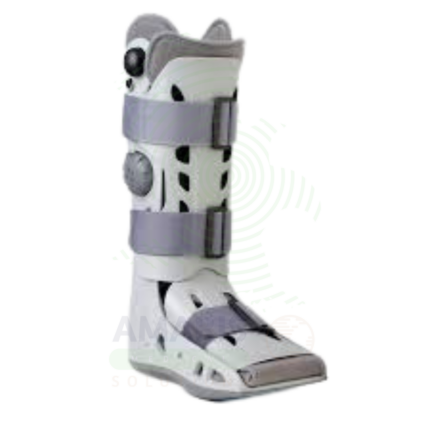
Long Walker Boot
A Long Walker Boot is a rigid, adjustable orthopedic boot extending from the foot to the upper calf, providing immobilization and protected weight-bearing for tibial and fibular fractures, severe ankle fractures, Achilles tendon ruptures, and post-operative lower leg recovery. The extended rigid shell provides rotational control essential for healing lower leg injuries, while adjustable straps and foam liners ensure customized fit and comfort. Used in orthopedics and trauma surgery, it allows patients to remain mobile while protecting injured structures during healing.
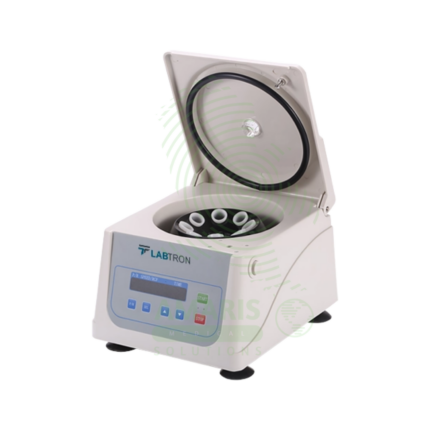
Low Speed Centrifuge
A Low Speed Centrifuge is a benchtop or floor-standing laboratory instrument designed for routine separation of biological samples at speeds of 3,000-6,000 RPM and RCF up to 5,000 x g. Available with swinging-bucket or fixed-angle rotors accepting blood collection tubes (3-10 mL), 15 mL and 50 mL conical tubes, urine tubes, and microplates. Features include digital controls, programmable protocols, imbalance detection, safety lid lock, and refrigerated options (4°C to ambient). Primary clinical applications include serum/plasma separation for clinical chemistry, urine sediment preparation for microscopy, platelet-rich plasma (PRP) preparation for regenerative medicine, cytology and body fluid concentration, blood bank and transfusion applications, coagulation testing sample preparation, and microbiology specimen concentration. Essential equipment in clinical laboratories, hospital blood banks, and research facilities requiring gentle, efficient separation of routine clinical samples.
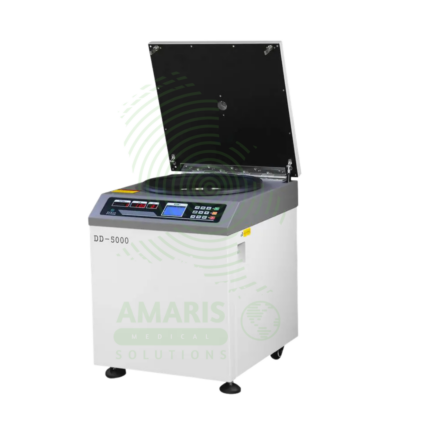
Low Speed Large Capacity Centrifuge
A Low Speed Large Capacity Centrifuge is a high-throughput laboratory instrument designed for processing multiple large-volume clinical samples simultaneously, with capacities up to 96 blood collection tubes, 32-64 conical tubes (15-50 mL), 4-8 centrifuge bottles (250-500 mL), and 4-16 microplates per run. Operating at speeds of 3,000-6,000 RPM with RCF up to 7,000 x g, these floor-standing or heavy benchtop units feature swinging-bucket, fixed-angle, and microplate rotors, programmable controls, imbalance detection, safety lid lock, and refrigerated options (-10°C to +40°C). Primary clinical applications include high-volume serum/plasma separation for clinical chemistry, urine sediment preparation for busy laboratories, blood bank and transfusion service processing, large-volume body fluid concentration, platelet-rich plasma (PRP) preparation for clinical procedures, coagulation testing sample preparation, and research/bioprocessing applications. Essential equipment for hospital laboratories, blood donor centers, reference laboratories, and research facilities requiring efficient, reliable processing of large sample volumes with consistent, reproducible results.
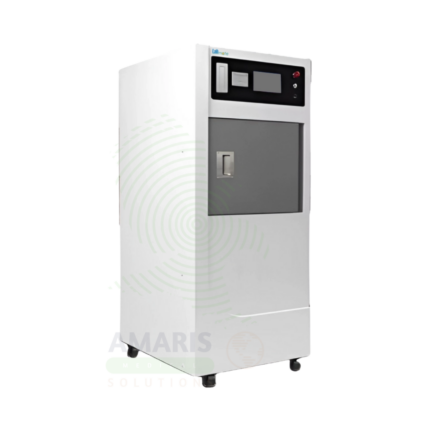
Low Temperature Plasma Sterilizer
A Low Temperature Plasma Sterilizer is a hydrogen peroxide gas plasma sterilization system designed for heat- and moisture-sensitive medical devices. Using low-temperature plasma technology, it sterilizes flexible endoscopes, laparoscopic instruments, robotic surgical instruments, and other delicate devices without damaging sensitive components. With cycle times of 28-60 minutes, it enables rapid turnaround of instrument sets for high-volume surgical services, supporting efficient operating room workflow while maintaining the highest standards of infection prevention.
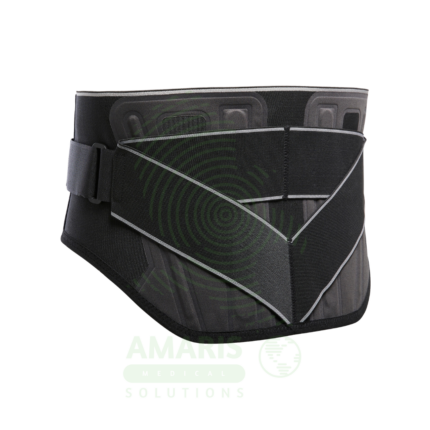
Lumbar Support
Lumbar Support are external orthotic devices designed to provide compression, stability, and motion restriction to the lower back. Ranging from flexible binders for mild strain and proprioception to rigid braces for post-surgical immobilization, they work by providing external support and increasing intra-abdominal pressure to offload the lumbar spine. Their effective use requires proper sizing and fit for the specific clinical indication. Crucially, they should be employed as an adjunct to, not a replacement for, active rehabilitation and core strengthening to prevent muscle atrophy and promote long-term spinal health.
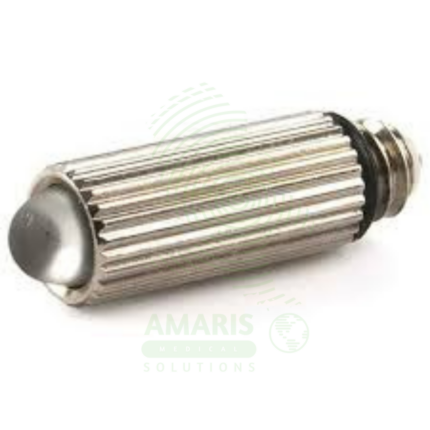
Macintosh Bulb Laryngoscope
A Macintosh Bulb Laryngoscope is a rigid laryngoscope with curved Macintosh blade (sizes 0-4, 70-160 mm) featuring a distal incandescent (xenon, krypton, halogen) or LED bulb at the blade tip for direct illumination during tracheal intubation. The curved blade design allows indirect epiglottis elevation by placing the tip in the vallecula, requiring less force and neck extension than straight blades. Features stainless steel reusable blades (or disposable plastic), ergonomic handles with knurled grip, ISO standard hook-on fittings, and autoclavable options. Light output 500-3,000 Lux depending on bulb type and battery condition. Primary clinical applications include routine and emergency tracheal intubation during general anesthesia, difficult airway management, cervical spine precautions (minimal neck movement), rapid sequence intubation, neonatal and pediatric intubation (sizes 0-2), teaching and training, and use in resource-limited settings. Class II medical device requiring FDA clearance. Critical safety considerations include pre-use light check (brightness, bulb security), appropriate blade size selection, proper lifting technique (not levering on teeth), battery verification, bulb obstruction risk from secretions, backup device availability, and infection control (sterilization or disposable blades).
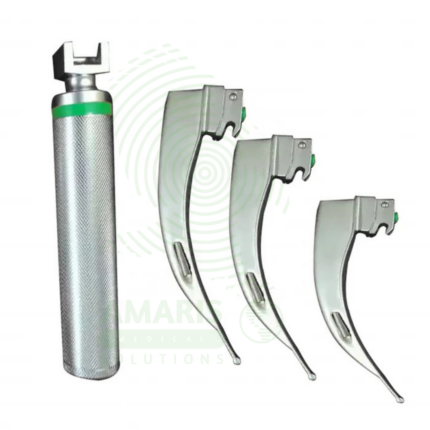
Macintosh Fiber Optic Laryngoscope
A Macintosh Fiber Optic Laryngoscope is a rigid laryngoscope with curved Macintosh blade (sizes 0-4, 70-160 mm) incorporating an integrated fiber optic light bundle that transmits bright, focused illumination (2,000-10,000+ Lux) from a handle-mounted LED or xenon bulb to the blade tip for enhanced visualization during tracheal intubation. The curved blade design allows indirect epiglottis elevation by placing the tip in the vallecula, requiring less force and neck extension than straight blades. Features stainless steel reusable blades, ergonomic handles with knurled grip, ISO standard hook-on fittings, and steam autoclave compatibility. Primary clinical applications include routine and emergency tracheal intubation during general anesthesia, difficult airway management with improved illumination, cervical spine precautions (minimal neck movement), teaching and training (enhanced visualization for instructors), rapid sequence intubation, neonatal and pediatric intubation (sizes 0-2), and oral/maxillofacial surgery. Class II medical device requiring FDA clearance. Critical safety considerations include pre-use light check (dark spots indicate broken fibers), appropriate blade size selection, proper lifting technique (not levering on teeth), battery verification, fiber optic care (avoid sharp bending), and backup device availability.
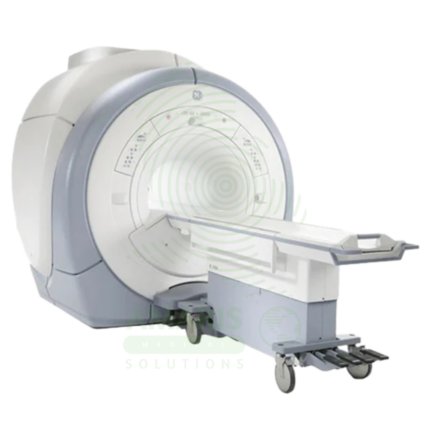
Magnetic Resonance Imaging
Magnetic Resonance Imaging (MRI) is a non-invasive diagnostic imaging modality that uses powerful magnetic fields and radiofrequency waves to produce detailed images of soft tissues, organs, and internal structures without ionizing radiation. It is the gold standard for imaging the brain, spinal cord, joints, muscles, and ligaments, and is essential for neurological, musculoskeletal, oncologic, and cardiovascular diagnosis. MRI provides exceptional soft tissue contrast, enabling precise anatomical characterization, tumor staging, and treatment planning. Strict safety protocols for ferromagnetic screening and contrast administration are essential for patient safety.
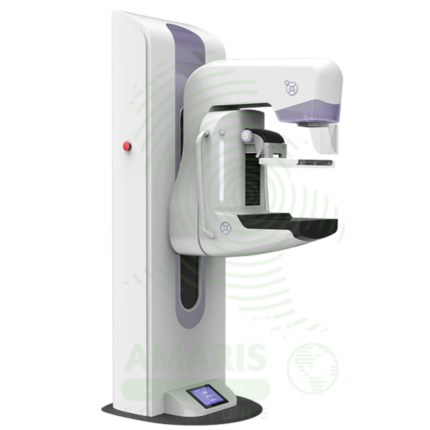
Mammography Machine
A Mammography Machine is a specialized, low-dose X-ray system designed exclusively for imaging the breast. It is the gold-standard tool for breast cancer screening and diagnostic evaluation, utilizing firm breast compression and high-resolution digital detectors to produce detailed images of breast tissue. Modern systems often incorporate Digital Breast Tomosynthesis (DBT or "3D mammography") to reduce tissue overlap and improve cancer detection. Its operation is highly regulated, requiring certified technologists, qualified interpreting physicians, and a rigorous quality assurance program to ensure patient safety, optimal image quality, and accurate early detection of breast cancer, which is vital for reducing mortality.
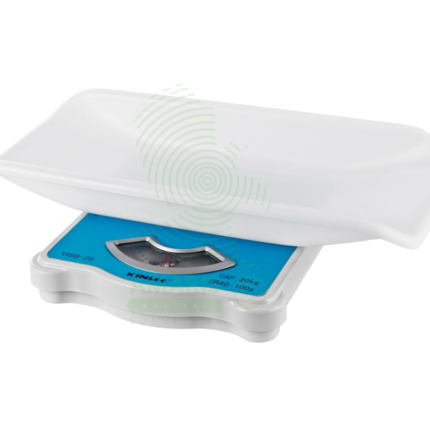
Manual Baby Weighing Scale
A Manual Baby Weighing Scale is a simple, mechanical device used to measure infant weight without the need for electricity or batteries. Operating on a spring or balance principle, it features a suspended sling or seat and a dial display. Its primary advantage is durability and portability for use in community health, outreach programs, and areas with unreliable power. While less precise than digital scales, it provides a reliable and accessible means to monitor growth trends and screen for undernutrition in resource-limited settings, making it a vital tool for basic pediatric care in the field.
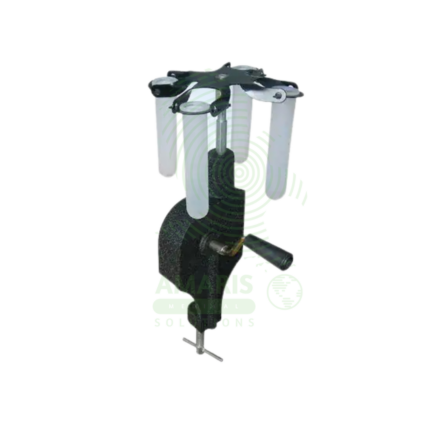
Manual Centrifuge
A Manual Centrifuge (hand-powered) is a non-electric mechanical device for separating fluids based on density, designed for use in field clinics, remote health posts, and developing world settings where electricity is unavailable or unreliable. Operated by hand crank, pull-cord, or foot pedal, achieving speeds of 1,000-4,000 RPM and RCF up to 1,500 x g. Accepts standard blood collection tubes (2-5 mL), microhematocrit tubes, and small centrifuge tubes. Primary clinical applications include separation of serum/plasma for basic diagnostic testing, urine sediment concentration for microscopy, microhematocrit determination for anemia screening, concentration of parasites for malaria and other vector-borne disease diagnosis, field epidemiology and outbreak investigation, veterinary medicine in rural settings, and teaching in resource-limited institutions. Critical safety precautions include meticulous balancing of tubes by weight (absolutely essential), never exceeding maximum rated speed, using appropriate PPE (no aerosol containment), regular inspection of gears and rotor for wear, and proper training of operators. Essential equipment for basic laboratory capabilities in low-resource and field settings.
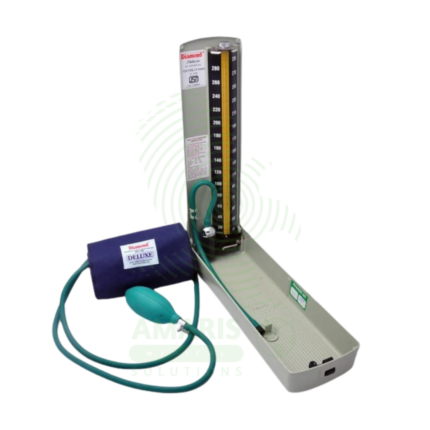
Manual Mercury BP Machine
A Manual Mercury BP Machine is a Class II medical device consisting of a calibrated mercury column (0-300 mm Hg, 2 mm graduations), inflation bulb with precision valve, and various cuff sizes, providing the gold standard for non-invasive blood pressure measurement through auscultation of Korotkoff sounds. The mercury column requires no calibration, offers inherent accuracy (±3 mm Hg), and serves as the reference standard against which all other BP devices are validated. Primary clinical applications include hypertension diagnosis and management (all clinical guidelines based on mercury measurements), clinical research and device validation studies, teaching auscultatory technique, cardiovascular risk assessment, special population monitoring (atrial fibrillation), and periodic validation of aneroid/automated devices. Critical safety considerations include mercury toxicity (toxic if spilled, inhaled, or ingested), strict spill response protocols, prohibition of tilting or inverting the device, mandatory use of mercury spill kits, and compliance with Minamata Convention phase-out regulations. Due to environmental and health concerns, mercury devices are being phased out globally, but remain the historical and reference standard for blood pressure measurement.
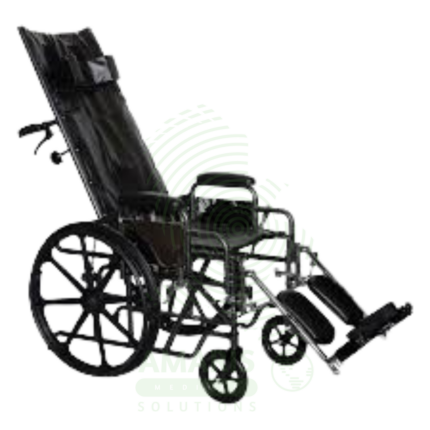
Manual Reclining Wheelchair
A Manual Reclining Wheelchair is a non-powered wheelchair with a backrest that can be manually adjusted to various angles. It is designed for users who need to change their sitting position for pressure relief, circulatory management, respiratory support, or comfort but do not require powered mobility. Key safety features include a robust locking mechanism, mandatory use of anti-tip levers and a seat belt when reclined, and synchronized elevating leg rests to prevent sliding. It is heavier and less maneuverable than a standard wheelchair but provides essential positioning options for individuals with specific postural and medical needs.
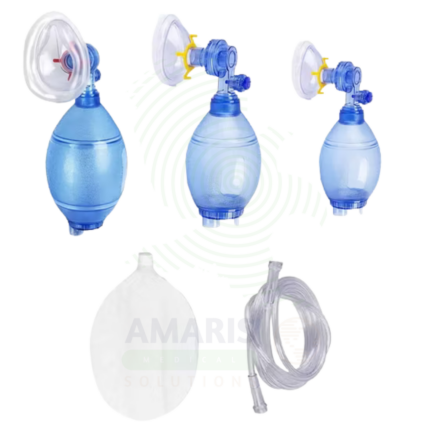
Manual Resuscitator Silicone Full Set
A Manual Resuscitator Silicone Full Set is a complete bag-valve-mask ventilation system for emergency manual ventilation. The silicone bag provides durable, autoclavable performance with excellent tactile feedback, while the oxygen reservoir enables high-concentration oxygen delivery. Available in adult, pediatric, and neonatal sizes with complete mask sets, it is essential equipment for crash carts, emergency departments, and pre-hospital care.
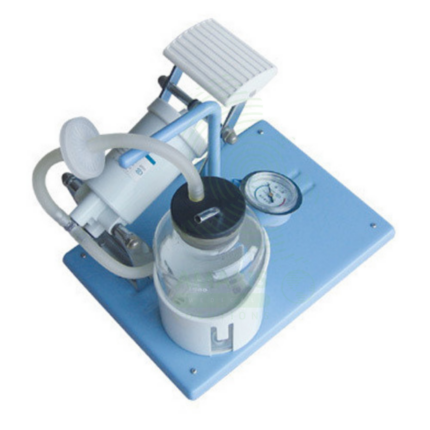
Manual Suction Machine
A Manual Suction Machine is a hand-powered medical device used to generate suction for emergency airway clearance and neonatal resuscitation. Functioning without electricity or batteries, it is the critical suction solution for pre-hospital care, field medicine, low-resource settings, and as a mandatory backup in all clinical environments. It typically consists of a collection canister, a manual pump (squeeze-bulb, lever, or syringe), and disposable patient tubing. While providing intermittent rather than continuous suction, its reliability, portability, and simplicity make it an indispensable first-response tool for removing airway obstructions and saving lives when power is not an option.
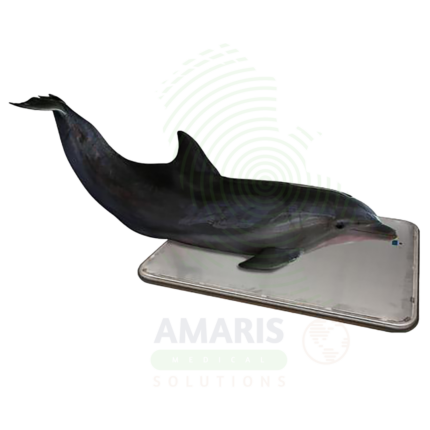
Marine Animal Floor Scale
A Marine Animal Floor Scale is a waterproof, corrosion-resistant weighing platform designed for accurate weight measurement of aquatic animals including marine mammals, penguins, sea turtles, and large fish. Essential for calculating medication dosages, assessing health status, monitoring growth, and guiding nutritional programs, it supports comprehensive health management in aquariums, zoos, marine rehabilitation centers, and research facilities. The waterproof construction allows use in wet environments with easy cleaning and disinfection.
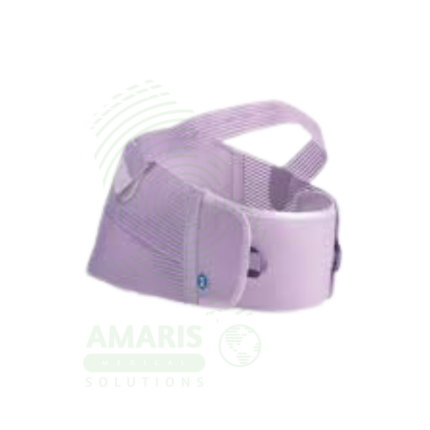
Maternity Belt
A Maternity Belt is a supportive garment designed for pregnant and postpartum patients to provide gentle compression and support to the lower back, abdomen, and pelvis. Used for pregnancy-related low back pain, pelvic girdle pain, diastasis recti, and cesarean section recovery, it reduces musculoskeletal strain, provides stability, and improves comfort during daily activities. Made from breathable, adjustable materials, it supports proper posture and function throughout pregnancy and the postpartum period. Proper fit and consultation with an obstetrician are essential for safe use.
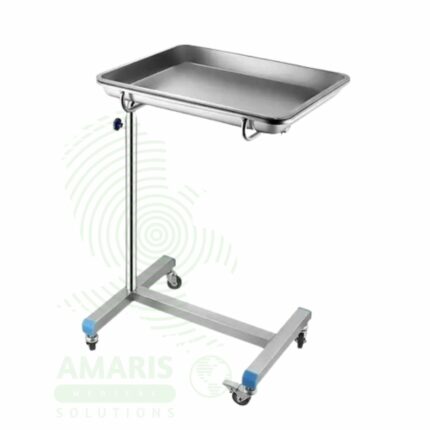
Mayo trolley
A Mayo Trolley is a mobile, height-adjustable instrument table used in operating rooms and procedure areas to hold sterile instruments, supplies, and equipment within easy reach of the surgical team. Featuring a stainless steel tray, locking castors, and adjustable height column, it provides a stable, organized workspace that supports efficient surgical procedures. Essential for maintaining an organized sterile field, it is used across surgical specialties including general surgery, orthopedics, gynecology, and plastic surgery.
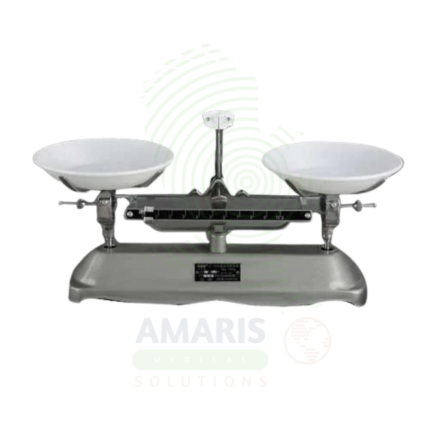
Mechanical Tray Scale
A Mechanical Tray Scale is a durable, calibration-free weighing device used in pathology, pharmacy, research, and veterinary laboratories for accurate measurement of specimens, samples, and reagents. Featuring a tray platform for convenient sample placement and mechanical sliding weights for precise measurement, it provides reliable performance without electrical components. Essential for specimen weighing, compounding, and laboratory applications, it delivers consistent results in demanding environments.

Medical Compression Pantyhose Stocking
Medical Compression Pantyhose Stockings are graduated compression garments designed to improve venous return, reduce edema, and prevent deep vein thrombosis. Used for chronic venous insufficiency, lymphedema, post-surgical recovery, and DVT prophylaxis, they provide essential support for vascular health.
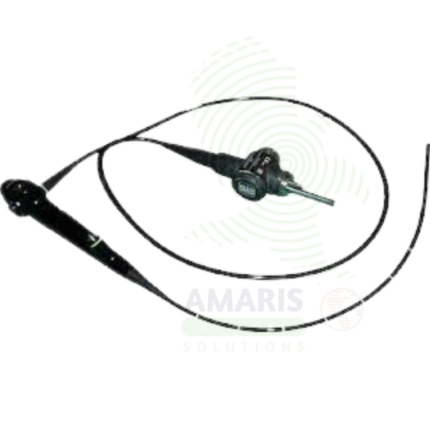
Medical Endoscope
A Medical Endoscope is an optical instrument used for direct visualization of internal organs and body cavities for diagnostic and therapeutic purposes. Flexible endoscopes navigate the gastrointestinal tract, respiratory tract, and urinary tract, while rigid endoscopes are used for laparoscopy, arthroscopy, and cystoscopy. Integrated working channels allow passage of instruments for biopsy, polypectomy, hemostasis, and stent placement. Essential for cancer screening, minimally invasive surgery, and management of bleeding and obstruction, endoscopy has transformed the diagnosis and treatment of diseases across multiple medical specialties.
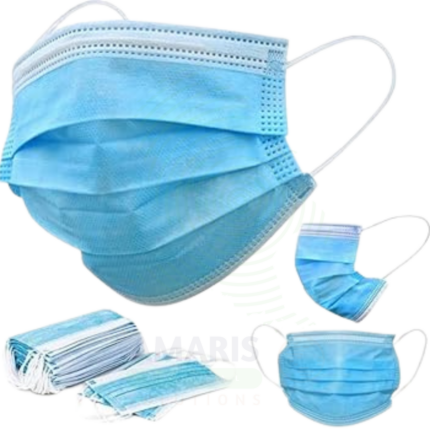
Medical Facemasks with Loop
Medical Facemasks with Loop are disposable, multi-layer masks designed for respiratory protection and source control in healthcare settings. Featuring elastic ear loops for easy application and a flexible nose piece for custom fit, they provide a barrier against respiratory droplets, splashes, and sprays. Essential for infection prevention in hospitals, clinics, and outpatient settings.
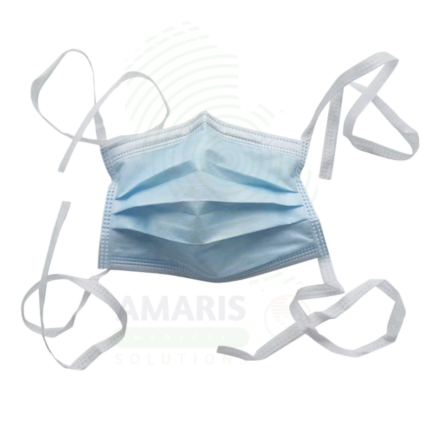
Medical Facemasks with Ties
Medical Facemasks with Ties are disposable surgical masks designed for secure barrier protection during surgical and high-risk procedures. The tie-back closure provides a customizable, stable fit for extended wear, while high fluid resistance and filtration efficiency meet ASTM Level 2 or 3 standards. Essential for operating rooms, surgical suites, and procedures requiring reliable barrier protection.

Medical Freezer
A Medical Freezer is a Class I medical device designed for safe, temperature-controlled frozen storage of plasma, vaccines, pharmaceuticals, laboratory reagents, and research specimens at sub-zero temperatures. Available in standard medical freezers (-15°C to -25°C) for plasma and frozen vaccines, low-temperature freezers (-30°C to -40°C) for specialized biologics, and ultra-low temperature freezers (-60°C to -86°C) for long-term research sample storage. Features include microprocessor controls with digital displays, audible and visual alarms for high/low temperature, power failure, and door/lid ajar, continuous temperature monitoring capabilities, and optional chart recorders or remote monitoring. Available in upright or chest configurations with capacities from 50 L to 800+ L. Primary clinical applications include frozen plasma storage for blood banks (AABB standards, -18°C or colder), frozen vaccine storage for immunization programs (CDC/WHO guidelines, -15°C to -25°C), pharmaceutical storage (USP <795>/<797>), laboratory reagent and specimen preservation, microbiological culture storage, research and biobanking sample storage (-80°C), and clinical trial material storage. Essential equipment for hospitals, blood banks, clinical laboratories, research facilities, and pharmacies requiring reliable, monitored frozen storage for critical medical and research products.
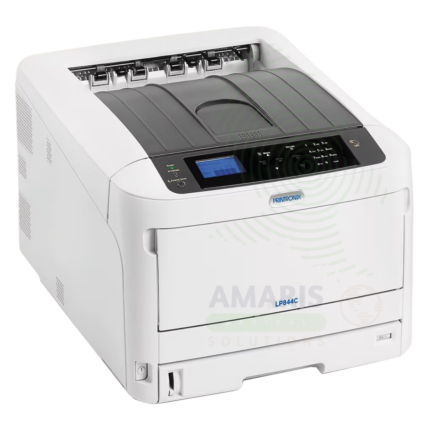
Medical Printer
A Medical Printer is a specialized printing device designed to produce high-quality hard copies of diagnostic images from ultrasound, echocardiography, CT, MRI, and X-ray systems. Using thermal, dye-sublimation, or high-resolution inkjet technology, it produces images with the grayscale and color accuracy required for clinical interpretation. Medical printers support DICOM print protocol for direct printing from imaging modalities and PACS, and are essential for providing patients with tangible images, documenting medical records, and supporting surgical planning and medical education.
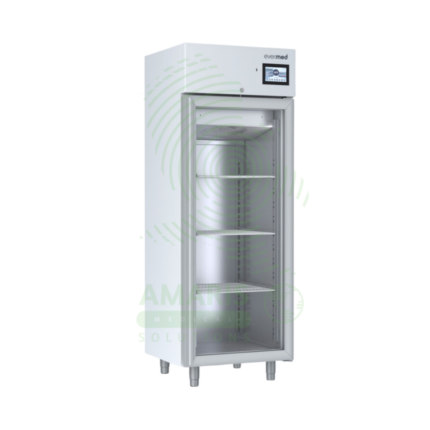
Medical Refrigerator
A Medical Refrigerator is a Class I medical device designed for safe, temperature-controlled storage of vaccines, blood products, medications, laboratory reagents, and temperature-sensitive diagnostic materials. Maintaining temperatures typically between +2°C and +8°C (with blood bank models at +1°C to +6°C), these units feature forced-air circulation for temperature uniformity (±1-2°C), microprocessor controls with digital displays, audible and visual alarms for high/low temperature, power failure, and door ajar, and continuous temperature monitoring capabilities. Available in capacities from 50 L countertop units to 1,500+ L large reach-in models, with solid or glass doors, adjustable shelving, and locking mechanisms. Primary clinical applications include vaccine storage for immunization programs (CDC/WHO compliant), blood and blood component storage for transfusion services (AABB standards), pharmaceutical and medication storage in hospital pharmacies (USP <797>/<795>), laboratory reagent and specimen preservation, microbiological culture storage, clinical trial sample storage, and temperature-sensitive diagnostic kit storage. Essential equipment for hospitals, clinics, blood banks, pharmacies, laboratories, and research facilities requiring reliable, monitored cold storage for critical medical products.
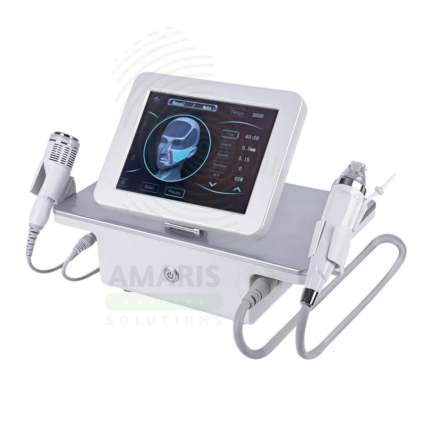
Microneedle Fractional RF Machine
A Microneedle Fractional RF Machine combines fractional radiofrequency energy with microneedling technology to deliver controlled thermal energy deep into the dermis for skin rejuvenation, acne scar treatment, and skin tightening. The insulated microneedles protect the epidermis while delivering RF energy to the dermis, stimulating collagen production and elastin remodeling with minimal downtime. Effective for all skin types, it treats facial wrinkles, acne scars, enlarged pores, and skin laxity, providing visible improvement with reduced risk of hyperpigmentation.
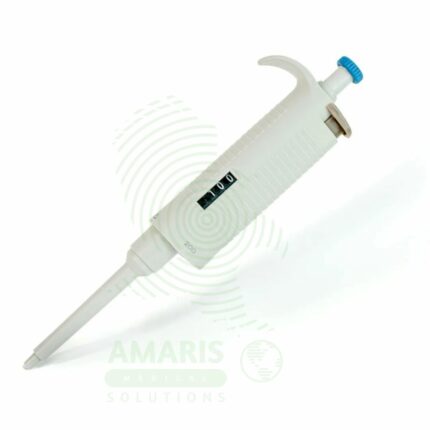
Micropipette
A Micropipette is a handheld precision instrument used to accurately measure and transfer small liquid volumes (microliters) in clinical and research laboratories. Its accuracy is fundamental to diagnostic test results, especially in molecular biology and immunoassays. Proper use requires mastery of technique—including pre-wetting tips, correct immersion depth, and smooth plunger action—as well as regular calibration and the use of high-quality disposable tips. It is a fundamental, high-impact tool where operator skill directly correlates with data reliability.
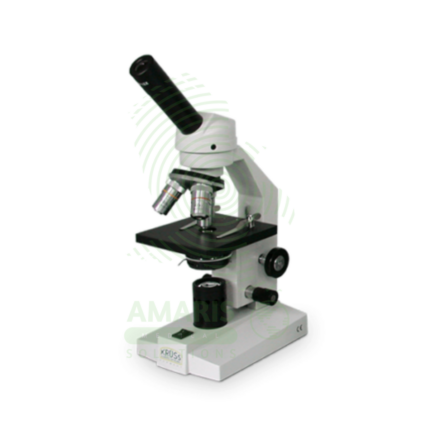
Microscope
A microscope is a Class I medical device (optical instrument) essential for visualizing microorganisms, cells, and tissues in clinical diagnostics, featuring magnifications from 40× to 1000× (oil immersion) with brightfield, phase contrast, fluorescence, darkfield, or polarized light capabilities. Standard clinical microscopes are binocular or trinocular with 4×, 10×, 40×, and 100× (oil) plan objectives, 10× widefield eyepieces, Abbe condenser, mechanical stage, and halogen or LED illumination. Fluorescence microscopes add specific filter cubes (FITC, TRITC, DAPI) and high-intensity light sources (mercury/xenon) for FISH, immunofluorescence, and AFB detection. Primary clinical applications include microbiological examination (Gram stains, AFB, wet mounts), hematology (differential counts, RBC morphology), histopathology (tissue sections, H&E, special stains), cytology (Pap smears, FNAs), urinalysis (sediment examination), parasitology (malaria, ova, parasites), and fertility (semen analysis). Essential equipment in every clinical laboratory for infectious disease diagnosis, cancer detection, hematological disorder evaluation, and countless other diagnostic applications requiring direct visualization of specimens.
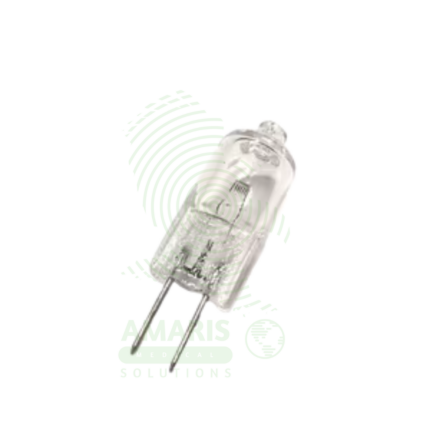
Microscope Bulb
A Microscope Bulb is a specialized halogen or LED lamp that serves as the essential illumination source for clinical and laboratory microscopes. Providing the bright, stable, and color-corrected light required for diagnostic visualization of specimens, it is a critical consumable component. Its technical specifications—voltage, wattage, base type, and filament alignment—must precisely match the microscope model. Proper handling (using gloves to avoid oil contamination) and adherence to safety protocols (allowing cooling, disconnecting power) are crucial for safe replacement and optimal bulb lifespan. Maintaining spares is vital to prevent operational downtime in diagnostic laboratories.
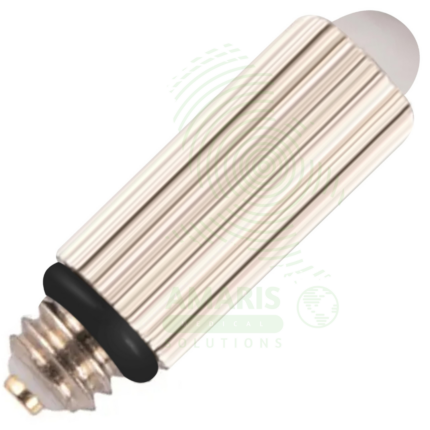
Miller Bulb Laryngoscope
A Miller Bulb Laryngoscope is a rigid laryngoscope with straight Miller blade (sizes 0-4, 70-160 mm) featuring a distal incandescent (xenon, krypton, halogen) or LED bulb at the blade tip for direct illumination during tracheal intubation. The straight blade design allows direct elevation of the epiglottis rather than the indirect vallecula technique, making it the preferred choice for pediatric and neonatal intubation, patients with floppy or prominent epiglottis, and anterior airways requiring direct epiglottic control. Features stainless steel reusable blades (or disposable plastic), ergonomic handles with knurled grip, ISO standard hook-on fittings, and autoclavable options. Light output 500-3,000 Lux depending on bulb type and battery condition. Primary clinical applications include direct epiglottis elevation for tracheal intubation (especially pediatric and neonatal), patients with prominent or floppy epiglottis, anterior airway management, teaching and training (straight blade technique), neonatal resuscitation, and use in resource-limited settings. Class II medical device requiring FDA clearance. Critical safety considerations include pre-use light check (brightness, bulb security), appropriate blade size selection (especially critical in pediatrics), proper lifting technique (direct epiglottic lift, not levering on teeth), pediatric fragility awareness, bulb obstruction risk from secretions, battery verification, and backup device availability.
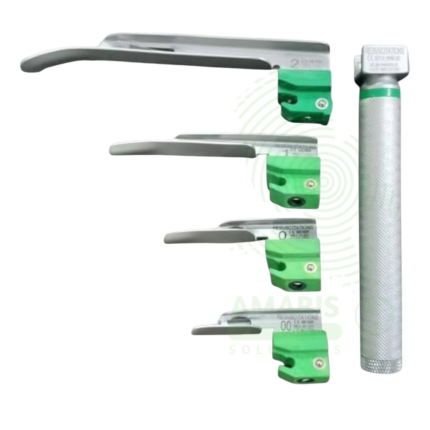
Miller Fiber Optic Laryngoscope
A Miller Fiber Optic Laryngoscope is a rigid laryngoscope with straight Miller blade (sizes 0-4, 70-160 mm) incorporating an integrated fiber optic light bundle that transmits bright, focused illumination (2,000-10,000+ Lux) from a handle-mounted LED or xenon bulb to the blade tip for enhanced visualization during tracheal intubation. The straight blade design allows direct elevation of the epiglottis rather than the indirect vallecula technique, making it particularly useful for pediatric/neonatal intubation, patients with floppy or prominent epiglottis, anterior airways, and difficult airways requiring direct epiglottic control. Features stainless steel reusable blades, ergonomic handles with knurled grip, ISO standard hook-on fittings, and steam autoclave compatibility. Primary clinical applications include direct epiglottis elevation for tracheal intubation (especially pediatric and neonatal), difficult airway management with fiber optic illumination, patients with prominent or floppy epiglottis, cervical spine precautions, anterior airway management, teaching and training (straight blade technique), and neonatal resuscitation. Class II medical device requiring FDA clearance. Critical safety considerations include pre-use light check (dark spots indicate broken fibers), appropriate blade size selection (especially critical in pediatrics), proper lifting technique (direct epiglottic lift, not levering on teeth), pediatric fragility awareness, battery verification, fiber optic care (avoid sharp bending), and backup device availability.
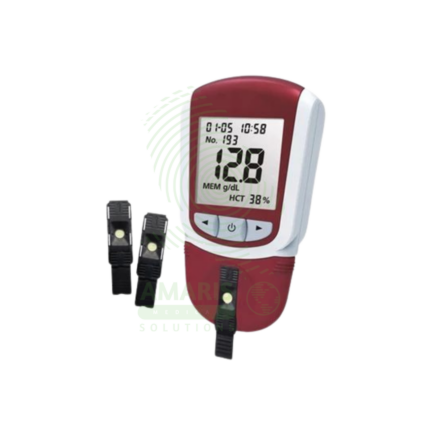
Mission Plus HB Machine
The Mission Plus HB Machine is a portable, battery-operated hemoglobin meter (Class II medical device, FDA-cleared/CE-marked) using photometric technology to measure hemoglobin concentration in capillary or venous blood within 5-15 seconds. Features include backlit LCD display, memory storage for 100-500 results, simple one-button operation, and disposable single-use cuvettes (5-20 µL sample volume). Accuracy ±0.3 g/dL compared to reference methods, measurement range 4-24 g/dL. Primary clinical applications include rapid anemia screening in outpatient clinics, preoperative assessment, antenatal care and maternal health monitoring, malaria-endemic region screening, chronic disease management (CKD, IBD, cancer), nutritional assessment and intervention programs, and blood donor screening. Critical safety precautions include single-use lancets, proper hand hygiene, correct sample application, quality control with control solutions, proper cuvette storage (protect from heat, light, humidity), and never using expired cuvettes. Essential point-of-care device for hemoglobin testing in diverse healthcare settings.
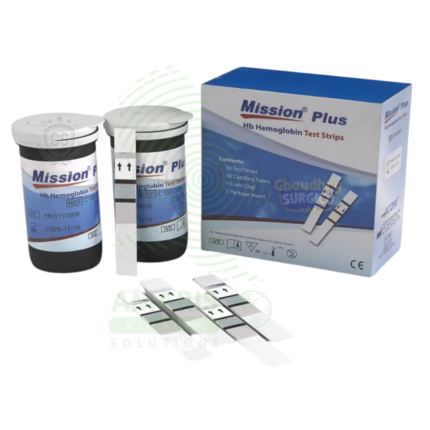
Mission plus strips
Mission Plus Strips are single-use, disposable electrochemical test strips (ISO 15197:2013 compliant) designed exclusively for use with Mission Plus glucose meters to measure capillary blood glucose from 0.5-1.0 µL samples in 5-7 seconds. Each strip contains glucose oxidase or glucose dehydrogenase reagents that generate electrical current proportional to glucose concentration (20-600 mg/dL range). Packaging options include multi-strip vials (25-100 strips) with desiccant for daily use or individually foil-wrapped strips for travel. Strips feature no-coding automatic calibration, hematocrit compensation (20-60%), and interference resistance. Primary clinical applications include daily blood glucose testing for Type 1, Type 2, and gestational diabetes management, hypoglycemia and hyperglycemia detection, pre- and post-meal glucose assessment, and hospital point-of-care testing. Critical safety precautions include single-use only, immediate vial closure after strip removal to prevent humidity damage, storage at 2-30°C away from bathrooms and temperature extremes, never using expired strips, proper hand hygiene before testing, and disposal in sharps containers. Essential consumable for diabetes self-management when used with Mission Plus meters.
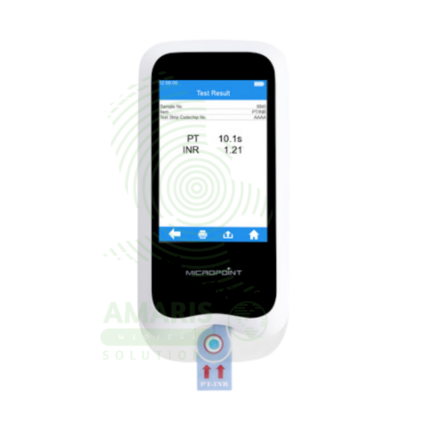
mLabs and qLabs Platforms
The mLabs and qLabs Platforms are integrated point-of-care testing systems manufactured by Micropoint Bioscience for rapid quantitative measurement of coagulation parameters (PT/INR, ACT), cardiac markers (troponin I, CK-MB, NT-proBNP), hemoglobin/hematocrit, electrolytes (Na+, K+, iCa), blood gases (pH, pCO2, pO2), glucose, ketones, and infectious disease markers. The qLabs platform specializes in coagulation and electrolyte testing using electrochemical technology, while the mLabs platform focuses on immunoassay and photometric testing for cardiac, hematology, and infectious disease applications. Features include portable design, touchscreen interface, rechargeable battery, USB/Bluetooth connectivity, and compatibility with single-use disposable test cards. Test times range from 1-15 minutes with sample volumes of 2-100 µL. Primary clinical applications include anticoagulation management (warfarin monitoring), cardiac surgery and intervention support (ACT monitoring), emergency cardiac diagnosis (troponin), anemia screening, diabetes management, critical care electrolyte and blood gas analysis, and infectious disease testing in endemic regions. Critical safety precautions include proper test card storage (temperature-sensitive), regular quality control, operator training, single-use lancets, and infection control protocols. Essential point-of-care testing solution for hospitals, clinics, emergency departments, surgical suites, and anticoagulation clinics.
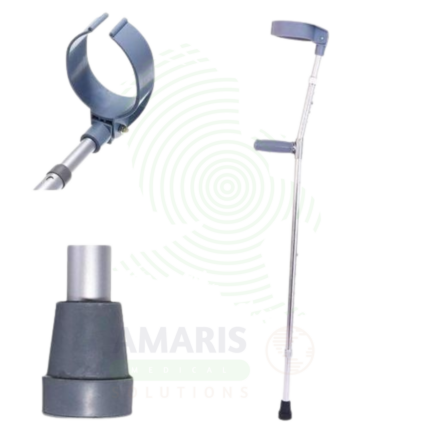
Mobi-Aid Ergonomic Crutch
A Mobi-Aid Ergonomic Crutch is a forearm support crutch designed for long-term mobility needs, featuring an ergonomic design that distributes weight through the forearm rather than the wrist or axillae. This reduces pressure on sensitive areas, minimizing the risk of nerve compression and repetitive strain injuries associated with traditional crutches. Suitable for individuals with permanent disabilities, post-stroke hemiparesis, arthritis, and conditions requiring extended crutch use, it promotes comfort, efficiency, and independence.
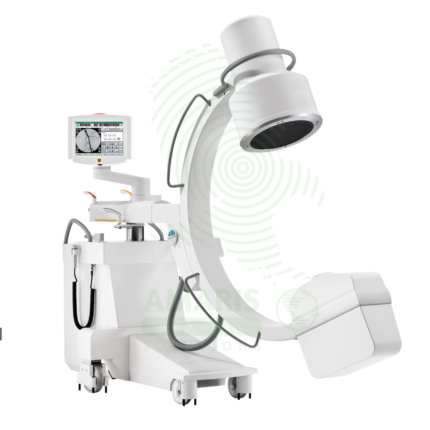
Mobile C-arm Surgical System
A Mobile C-arm Surgical System is a portable fluoroscopic imaging device used for real-time intraoperative guidance during orthopedic, spinal, vascular, and pain management procedures. The C-shaped arm allows flexible positioning around the patient, providing AP, lateral, and oblique views to verify instrument placement, fracture reduction, and device deployment. Essential for minimally invasive surgery, it enables surgeons to achieve precision and accuracy while reducing operative time and improving patient outcomes.
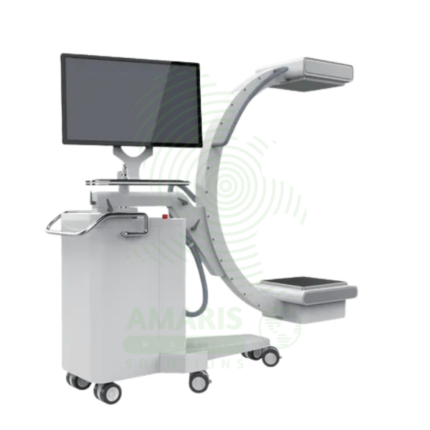
Mobile Film
Mobile Film is a battery-powered, portable X-ray system using traditional film cassettes for bedside imaging in intensive care units, neonatal intensive care units, emergency departments, and operating rooms. The mobile unit enables chest, abdominal, and extremity imaging at the patient's bedside, eliminating the risks associated with transporting critically ill patients. Film cassettes are processed in darkroom or daylight processors for image development. Used in hospitals without digital radiography capabilities or as backup for digital systems.
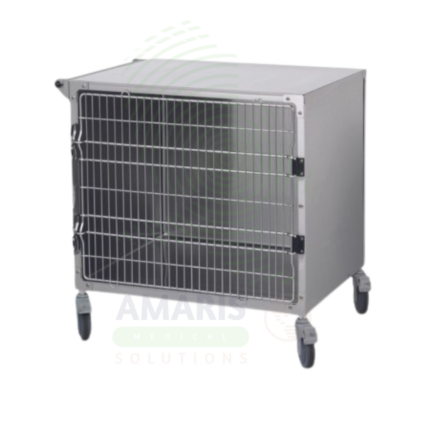
Mobile Transport Unit
A Mobile Transport Unit is a ventilated, temperature-controlled cart designed for safe, humane transport of laboratory animals between animal housing facilities, research laboratories, and procedure rooms. Featuring HEPA-filtered ventilation, temperature control, and secure containment, it maintains animal welfare and biosecurity during transit. Essential for research facilities, it supports colony management, inter-institutional transfers, and emergency evacuation.
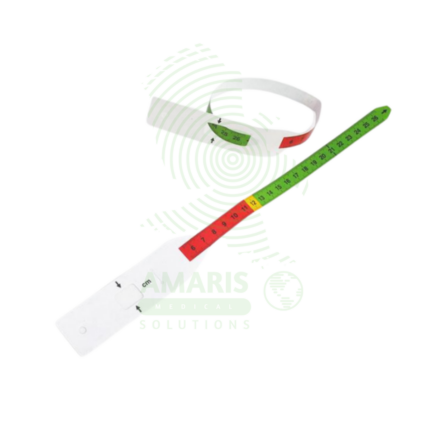
MUAC Tape
A MUAC Tape (Mid-Upper Arm Circumference) is a specialized, color-coded measuring tape used globally as the primary field tool for screening children aged 6-59 months for acute malnutrition. Its simple design—featuring red, yellow, and green zones corresponding to Severe Acute Malnutrition, Moderate Acute Malnutrition, and normal nutritional status—allows for instant, non-invasive assessment without the need for scales, calculation, or literacy. Durable, portable, and inexpensive, it is the cornerstone of community-based nutrition programs, emergency relief efforts, and public health surveillance, enabling early detection and life-saving intervention for malnourished children in even the most resource-constrained settings.
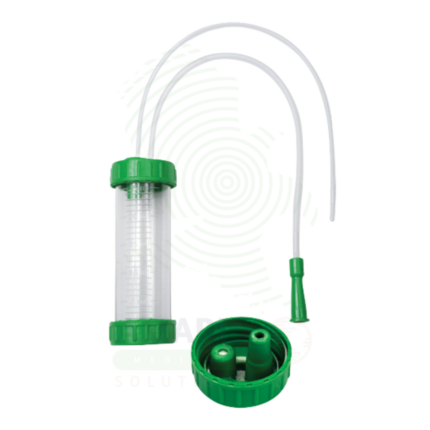
Mucus Extractor
Mucus Extractors are sterile, single-use handheld suction devices designed for the rapid clearance of secretions from the oral cavity, pharynx, and trachea, with distinct configurations for neonatal and adult populations. Neonatal/infant extractors feature soft, flexible, small-diameter tips with low suction capacity (30-60 mL) to minimize trauma to delicate airways. Adult/universal extractors (Yank Auer) are rigid, large-bore, angled devices with multiple suction eyes and high-flow capacity (150-300 mL) for rapid clearance of blood, vomitus, and thick secretions. Select models incorporate sterile specimen traps for collection of respiratory secretions for microbiological analysis. Critical safety requirements include strict limitation of suction duration (≤10 seconds; ≤5 seconds in neonates), avoidance of excessive suction pressure (neonates ≤80 mmHg), use of non-traumatic multiple-eye tips for vulnerable patients, and absolute single-use protocol. An indispensable airway device in neonatal resuscitation, pediatric care, emergency medicine, and perioperative settings.
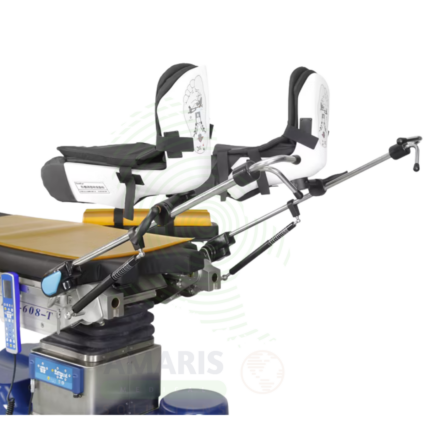
Multi-functional Stirrups
Multi-functional Stirrups are adjustable leg supports used for positioning patients in lithotomy position for gynecologic, urologic, obstetric, and colorectal procedures. Featuring adjustable height, abduction, and rotation, they provide customized positioning for patient comfort and optimal clinician access. Secure locking mechanisms, pressure-reducing padding, and compatibility with standard examination and operating tables make them essential accessories for women's health, urology, and colorectal surgery.
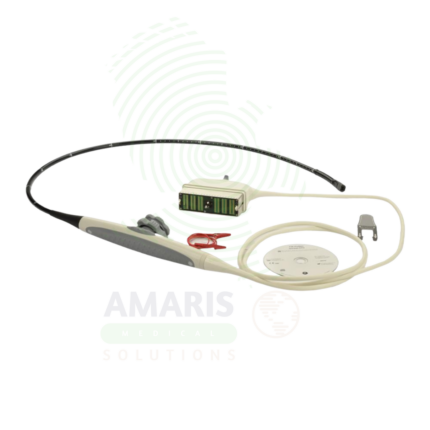
Multi-Plane Transesophageal Echocardiography (MPTEE Mini)
The Multi-Plane Transesophageal Echocardiography (MPTEE Mini) is a miniaturized, multiplane transesophageal echocardiography probe designed for advanced cardiac imaging in patients where standard TEE probes may be contraindicated or difficult to place. With a smaller diameter insertion tube, it enables transesophageal assessment in smaller patients, those with esophageal strictures, and critically ill patients requiring prolonged monitoring for up to 72 hours. It provides high-quality imaging for assessment of ventricular function, valvular disease, congenital heart defects, and surgical repair adequacy. Essential for cardiac intensive care units, operating rooms, and pediatric cardiology, it delivers critical diagnostic information while improving patient tolerability.
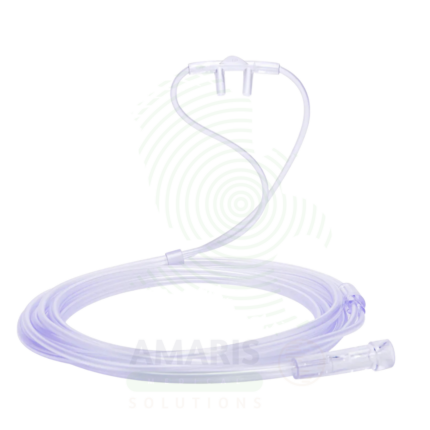
Nasal Oxygen Cannula – Double Eye
A Nasal Oxygen Cannula - Double Eye is a disposable, low-flow oxygen delivery device with two soft nasal prongs for delivering supplemental oxygen to patients requiring mild to moderate oxygen supplementation. Comfortable, lightweight, and non-invasive, it allows patients to eat, speak, and move freely during oxygen therapy. Adjustable tubing ensures a secure fit, while the open design permits simultaneous pulse oximetry monitoring.
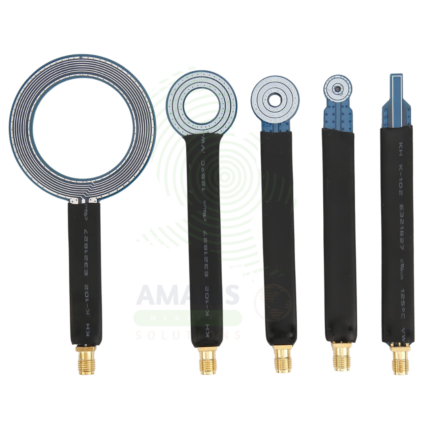
Near Probes
Near Probes are high-frequency linear array ultrasound transducers designed for imaging superficial structures including the thyroid, breast, testicles, muscles, tendons, ligaments, and superficial vessels. Operating at frequencies up to 18 MHz, they provide exceptional resolution for visualizing fine detail, enabling accurate characterization of small lesions, assessment of tendon integrity, and guidance for interventional procedures. Essential for radiology, breast imaging, musculoskeletal imaging, and vascular access, they deliver the image quality needed for precise diagnosis and treatment.
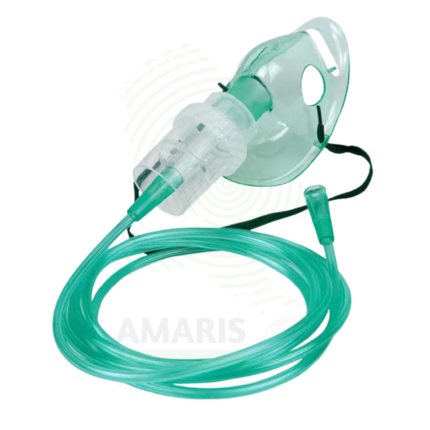
Nebulizer Mask
A Nebulizer Mask is a disposable interface for delivering aerosolized medications to patients with respiratory conditions. Designed for use with nebulizer systems, it allows passive inhalation of bronchodilators, corticosteroids, and other medications during normal breathing—making it ideal for children, elderly patients, and those unable to use inhalers. Essential for acute and chronic respiratory care.
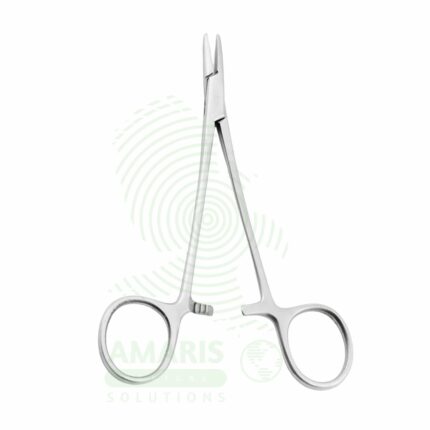
Needle Holders
Needle Holders are surgical instruments used to grasp, hold, and guide suture needles during wound closure and tissue approximation. Featuring serrated jaws with a locking ratchet mechanism, they provide secure needle control while allowing the surgeon to focus on precise suture placement. Available in various sizes and configurations including Mayo-Hegar for general surgery, Castroviejo for microsurgery, and Olsen-Hegar with integrated scissors. Made from surgical-grade stainless steel, often with tungsten carbide inserts for enhanced durability, they are essential instruments in all surgical specialties. Proper selection, handling, and regular inspection are critical for safe and effective use.
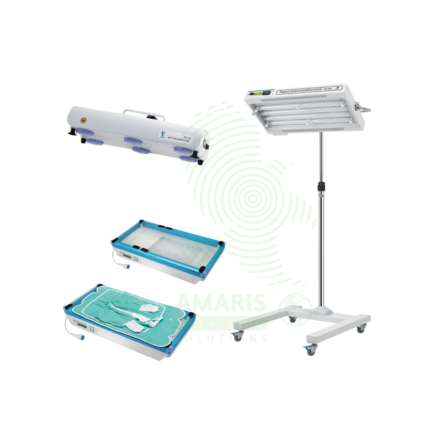
Neonatal Jaundice Treatment Device
A Neonatal Jaundice Treatment Device (phototherapy unit) is a Class II medical device that delivers therapeutic blue light (450-470 nm) to treat hyperbilirubinemia in newborns, preventing bilirubin-induced neurological damage (kernicterus). Available as overhead units (mobile stands with LED or fluorescent lamps), fiberoptic systems (Biliblanket) with illuminated pads placed against the infant's skin, and combination systems for intensive therapy. Irradiance ranges from 10-50+ µW/cm²/nm at treatment distance. LED units offer specific wavelength output, minimal heat, long life (10,000-50,000 hours), and energy efficiency. Treatment indications follow AAP hour-specific nomograms based on gestational age, birth weight, postnatal age, and risk factors. Essential safety requirements include opaque eye shields to protect neonatal retinas, temperature monitoring to prevent hyperthermia, hydration maintenance, and regular irradiance verification. Used in hospital NICUs, newborn nurseries, and (select devices) home care settings for mild jaundice. Critical for preventing permanent neurological sequelae of untreated severe neonatal jaundice.
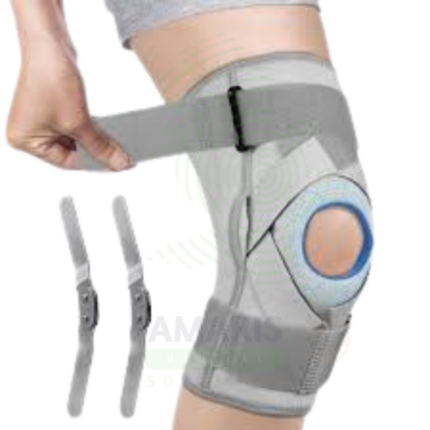
Neoprene Knee Support With Hinge
A Neoprene Knee Support With Hinge is a hinged knee orthosis providing controlled support and stabilization for ligament sprains, meniscal injuries, patellofemoral instability, knee osteoarthritis, and post-operative recovery. The integrated hinges provide medial-lateral stability while the neoprene material offers compression, warmth, and proprioceptive feedback. Used in orthopedic surgery, sports medicine, and physical therapy, it provides essential support that protects injured structures while allowing controlled motion for optimal healing and return to function.