Dermatoscope and Magnifiers
 Diagnostic Kits
 Vital Signs Monitors
 Stethoscopes and Accessories
 Otoscopes, Ophthalmoscopes, and Retinoscopes
 Reflex Hammers and Neurological Tools
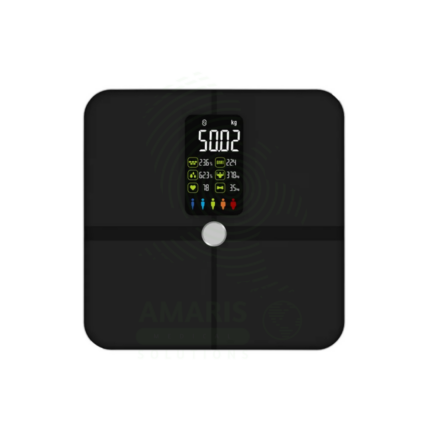
 Scales and Measuring Devices
 Spirometers and Pulmonary Function Tests
 Electrosurgical Units and Accessories
 Cutting Instruments
 Grasping and Holding Instruments
 Hemostatic Instruments
 Specialized Surgical Sets
 Single-Use Procedure Trays and Packs
 Surgical Drapes, Gowns, and Covers
 Tissue Unifying Instruments
 Radiation Protection
 X-Ray Machines and Accessories
 Ultrasound Systems and Probes
 MRI and CT Scanners
 Radiology Consumables
 Bone Densitometers
 Fluoroscopy Equipment
 Imaging Tables and Positioning Aids
 Microscopes and Accessories
 Centrifuges and Separators
 Analyzers
 Incubators and Ovens
 Pipettes, Dispensers, and Lab Glassware
 Refrigerators, Freezers, and Storage Units
 Lab Consumables
 Sterilizers and Autoclaves for Lab Use
 Multi-Parameter Monitors
 Ventilators and Respiratory Support Devices
 Defibrillators and AEDs
 Infusion Pumps and IV Systems
 Patient Warmers and Cooling Devices
 Central Monitoring Stations
 Accessories
 Anesthesia Machines and Workstations
 Oxygen Concentrators and Delivery Systems
 Nebulizers and Inhalers
 CPAP/BiPAP Machines
 Airway Management
 Anesthesia Masks, Circuits, and Bags
 Humidifiers and Heaters
 Respiratory Therapy Accessories
 First Aid Kits and Cabinets
 Emergency Resuscitation Equipment
 Trauma Supplies
 Emergency Carts and Crash Carts
 Burn Care Products
 Bleeding Control
 Automated External Defibrillators (AEDs)
 Transport and Evacuation
 Wheelchairs and Accessories
 Walkers, Crutches, and Canes
 Prosthetics and Orthotics
 Physical Therapy Equipment
 Transfer Devices
 Bathroom Safety
 Orthopedic Traction and Tables
 Hot/Cold Therapy Packs and Units
 Beds and Mattresses
 Chairs and Stools
 Tables
 Cabinets and Storage
 Privacy Screens & Curtains
 Stands and Racks
 Linens and Textiles
 Lighting
 Autoclaves and Sterilizers
 Ultrasonic Cleaners
 Disinfectant Solutions and Wipes
 Sterilization Pouches, Wraps, and Indicators
 Instrument Trays and Containers
 UV and Ozone Disinfection Devices
 Washer Disinfectors
 Wound Care
 Gloves
 Masks and Respirators
 Catheters and Tubing
 Swabs, Applicators, and Sponges
 Incontinence Products
 Personal Protective Equipment (PPE)
 Dental Chairs and Units
 Handpieces and Burs
 Instruments
 Consumables
 Sterilization for Dental Use
 Orthodontic Supplies
 Endodontic Tools
 Slit Lamps and Tonometers
 Lensometers and Phoropters
 Ophthalmic Surgical Instruments
 Eyewear Frames and Lenses
 Contact Lens Supplies
 Vision Testing Charts and Devices
 Eye Care Consumables
 Laser Systems for Eye Care
 ENT Exam Chairs and Tables
 Endoscopes
 Audiometers and Hearing Tests
 ENT Instruments
 Nasal and Throat Packs
 Hearing Aids and Accessories
 Otology Supplies
 Fetal Dopplers and Monitors
 Delivery Beds and Tables
 Gynecological Instruments
 Neonatal Incubators and Warmers
 Breast Pumps and Accessories
 Contraceptive Devices
 Maternity Supports and Pads
 Neonatal Consumables
 Cystoscopes and Urethroscopes
 Dialysis Machines and Supplies
 Urological Catheters and Bags
 Lithotripters
 Prostate Treatment Devices
 Urinary Incontinence Products
 Kidney Stone Management Tools
 Consumables & Disposables
 EEG and EMG Machines
 Neurosurgical Instruments
 Nerve Stimulators
 Headrests and Positioning Aids
 Lumbar Puncture Kits
 Seizure Monitoring Devices
 Consumables
 Rehabilitation for Neurological Conditions
 ECG Machines and Accessories
 Holter Monitors
 Stress Test Systems
 Pacemakers and Defibrillator Accessories
 Vascular Access Devices
 Cardiac Catheters and Guidewires
 Blood Flow Meters
 Consumables
 Orthopedic Instruments
 Casts, Splints, and Padding
 Joint Replacement Supplies
 Prosthetic Limbs and Components
 Bone Grafts and Substitutes
 Traction Devices
 Orthopedic Braces and Supports
 Rehabilitation Aids for Orthopedics
 Home Oxygen Therapy
 Hospital Beds for Home Use
 Mobility Aids
 Bathroom and Daily Living Aids
 Wound Care for Home
 Monitoring Devices
 Enteral Feeding Pumps and Tubes
 Hand Sanitizers and Dispensers
 Face Shields and Goggles
 Isolation Gowns and Suits
 Biohazard Waste Containers
 Air Purifiers and HEPA Filters
 Surface Disinfectants
 Sharps Containers
 Protective Barriers
 Cardiovascular & Endurance Training
 Strength Training & Weightlifting
 Functional Training & Core Conditioning
 Physical Therapy & Rehabilitation
 Sports & Outdoor Recreation
 Gym Flooring & Facility Equipment
 Fitness Monitoring & Accessories
 Kids & Novelties










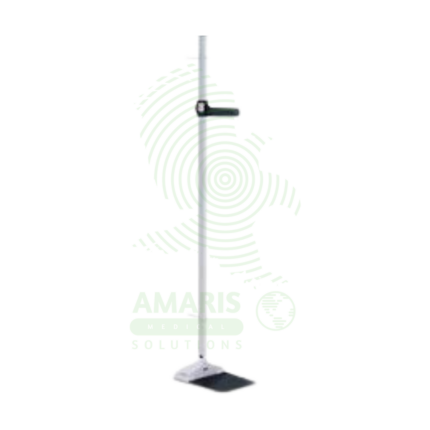
Height Board
A Height Board, or stadiometer, is a precision medical instrument designed for the accurate measurement of human stature. As a wall-mounted or portable device featuring a vertical scale and a sliding horizontal headpiece, it is the clinical standard for obtaining height. This measurement is foundational for calculating Body Mass Index (BMI), tracking growth in children, screening for nutritional issues, and assessing adults for conditions like osteoporosis. Its accuracy, dependent on proper installation and technique, makes it an indispensable tool in pediatrics, primary care, nutrition, and public health
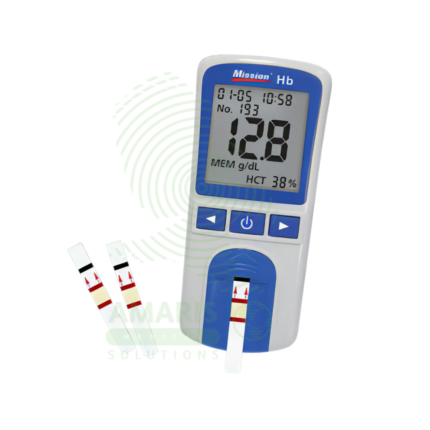
Hemoglobin Meter
A Hemoglobin Meter is a Class II medical device (FDA-cleared, CE-marked) for quantitative point-of-care measurement of hemoglobin concentration in capillary or venous blood, providing results in 5-60 seconds from a 5-20 µL sample. The meter uses photometric, electrochemical, or conductivity technology to measure hemoglobin, with accuracy ±0.3-0.5 g/dL compared to reference methods. Features include backlit LCD display, memory storage for 100-1000 results, USB/Bluetooth connectivity for data transfer, and compatibility with single-use disposable cuvettes or test strips. Primary clinical applications include anemia screening and diagnosis (WHO criteria), preoperative assessment and surgical planning, antenatal care and maternal health monitoring, malaria-endemic region screening, chronic disease management (CKD, IBD, cancer), nutritional assessment and intervention programs, and blood donor screening. Critical safety precautions include single-use lancets, proper hand hygiene, correct sample application, quality control with control solutions, proper cuvette storage (protect from heat, light, humidity), and never using expired cuvettes. Essential point-of-care device for hemoglobin testing in hospitals, clinics, community health programs, and blood donation centers.
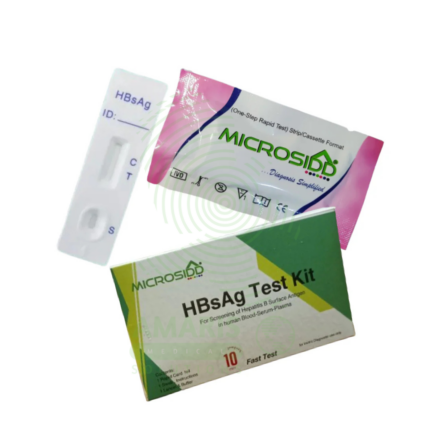
Hepatitis B Test Kit
The Hepatitis B Test Kit is an in vitro diagnostic device for the detection of Hepatitis B virus markers in human blood samples, available in rapid, ELISA, and molecular formats. It detects specific antigens (HBsAg) and antibodies (anti-HBc, anti-HBs) to diagnose acute and chronic infection, monitor treatment response, screen blood donations, and determine immunity status. With high sensitivity (>98%) and specificity (>99%), it provides results in 15 minutes to 4 hours depending on format. Essential applications include prenatal screening to prevent mother-to-child transmission, evaluation of acute hepatitis, pre-immunosuppression screening, and occupational health testing. All patient samples must be handled with universal precautions, and testing must include appropriate quality controls.
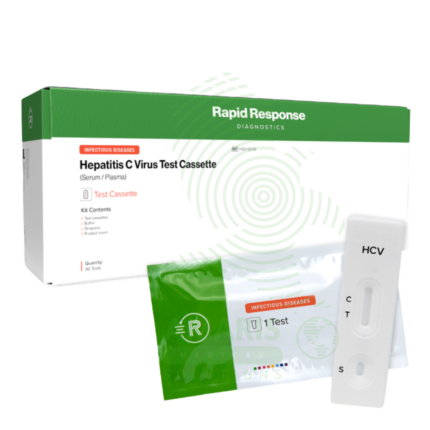
Hepatitis C Test Kit
The Hepatitis C Test Kit is an in vitro diagnostic device for the detection of Hepatitis C virus antibodies or RNA in human blood, serum, or plasma samples. Available in rapid, laboratory immunoassay, and molecular formats, it screens for HCV infection, confirms active infection with RNA testing, and monitors treatment response. With high sensitivity and specificity exceeding 99%, it is essential for identifying infected individuals, linking them to curative direct-acting antiviral therapy, and confirming cure. Essential applications include risk-based screening of high-risk populations, birth cohort screening of baby boomers, evaluation of acute hepatitis, management of occupational exposures, and monitoring of antiviral therapy that can cure over 95% of infections. All patient samples must be handled with universal precautions, and positive antibody results require confirmatory testing.
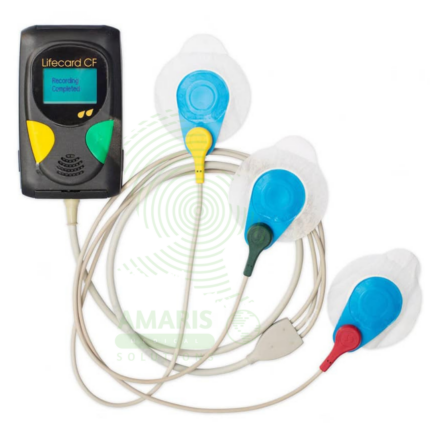
Holter ECG Monitor
A Holter ECG Monitor is a portable, wearable medical device used for continuous, long-term recording of a patient's heart's electrical activity over 24 to 48 hours or more. It is the cornerstone diagnostic tool for detecting intermittent cardiac arrhythmias, evaluating unexplained symptoms like syncope or palpitations, and monitoring the efficacy of antiarrhythmic treatments or implanted cardiac device function. Consisting of a small digital recorder connected to chest electrodes (or an all-in-one adhesive patch), it allows patients to maintain their normal daily routine while capturing a comprehensive electrocardiographic record.
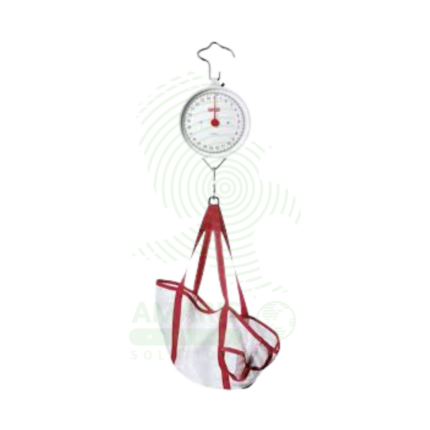
Infant Hanging Scale
An Infant Hanging Scale is a Class II medical device (mechanical spring/balance or digital load cell) designed for accurate weight measurement of neonates and infants up to 2-3 years (capacity 10-25 kg, accuracy ±5-10 g) using a suspended sling or pan. Features include soft, washable fabric sling with head support and leg openings, tare function to zero out sling weight, mechanical dial or backlit digital display, hold function for active infants, test-weighing mode for breastfeeding assessment (digital models), and portable carrying case. Primary clinical applications include newborn weight monitoring in hospital nurseries (detecting excessive weight loss), NICU daily weights (tracking growth, calculating fluids), breastfeeding adequacy assessment (test-weighing), pediatric outpatient and well-child visits, home healthcare and visiting nurse services, malnutrition screening in developing world, and research studies requiring precise infant weights. Critical safety considerations include secure hanging from sturdy support (never ceiling tiles), thorough sling inspection before each use, proper infant positioning with head support, tare verification with sling attached, never leaving infants unattended, and strict infection control with clean sling per patient. Essential equipment for accurate infant growth monitoring and nutritional assessment in all healthcare settings serving pediatric populations.
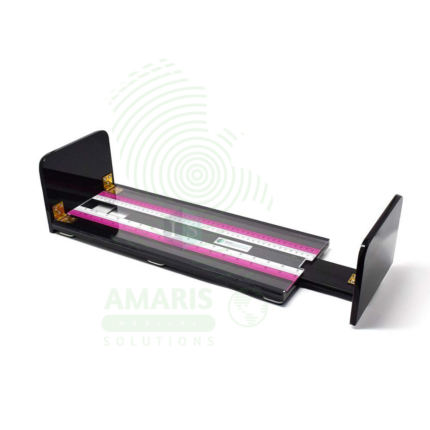
Infantometer
An Infantometer is a medical measuring device (typically 0-100 cm range, 1 mm graduation) designed for accurate recumbent length measurement of neonates, infants, and children up to 2 years of age. Features include rigid base board, fixed headboard, movable perpendicular footboard with smooth-gliding mechanism, and measurement scale (analog engraved or digital display). Constructed from medical-grade materials (wood, acrylic, ABS plastic, aluminum/stainless steel) with non-porous, easy-to-clean surfaces and rounded safety edges. Accuracy ±1-2 mm meets WHO and CDC requirements for growth monitoring. Primary clinical applications include accurate length measurement for growth assessment (WHO/CDC growth charts), early detection of growth abnormalities (failure to thrive, growth retardation), nutritional status monitoring (weight-for-length), premature infant follow-up, endocrine disorder evaluation (growth hormone deficiency), genetic syndrome assessment (syndrome-specific charts), and research studies requiring precise anthropometrics. Class I medical device. Critical safety considerations include two-person measurement technique, proper infant positioning (neutral head, gentle leg extension), infection control (cleaning between infants), stability on level surface, and regular calibration verification. Essential equipment in pediatric clinics, well-child visits, NICU, and child health research.
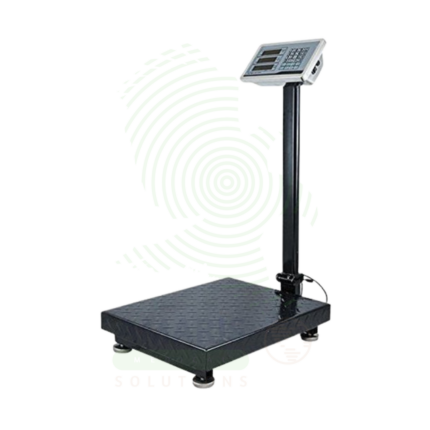
Large Digital Platform Scale
A Large Digital Platform Scale is a heavy-duty weighing device designed for accurate patient weight measurement in clinical settings. Accommodating patients of all sizes, including bariatric patients and those using wheelchairs, it provides safe, comfortable weighing with high weight capacity and large platform size. Essential for medication dosing, fluid management, nutritional assessment, and monitoring disease progression, it supports safe and effective patient care.
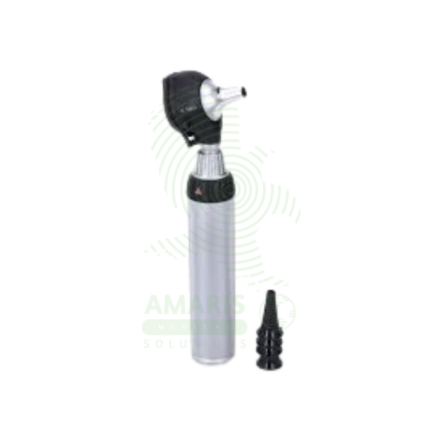
LED Otoscope
An LED Otoscope is a handheld medical device used for illuminating and magnifying the external ear canal and tympanic membrane. Featuring a bright, cool, and long-lasting LED light source, it provides superior visualization for diagnosing common conditions like ear infections, wax impaction, and perforations. Its design, incorporating a reusable handle/head and disposable specula, ensures hygiene and patient safety. As an essential tool in family medicine, pediatrics, and ENT, it enables clinicians to perform accurate otoscopic examinations and, when equipped with an insufflator, crucial pneumatic otoscopy to assess middle ear function.
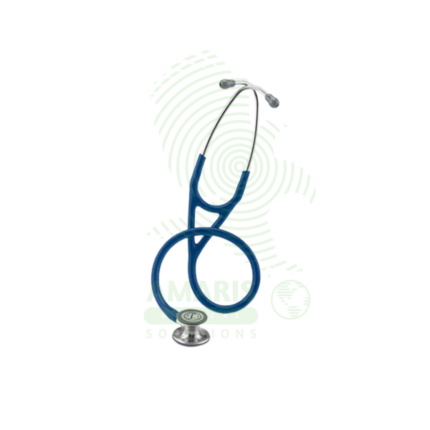
Littman Stethoscope (Classic 4 Cardiology)
A Littman Stethoscope (Classic 4 Cardiology) represents the pinnacle of acoustic auscultation technology. Designed for clinicians who require the highest level of diagnostic accuracy, it features dual tunable diaphragms and dual-lumen tubing to provide exceptional acoustic sensitivity and ambient noise reduction. Its innovative design allows the user to hear both high and low-frequency sounds by simply adjusting pressure on either side of the chestpiece, making it the instrument of choice for cardiologists, intensivists, and specialists who cannot afford to miss a subtle murmur, rub, or breath sound. It combines superior performance with the durability and comfort expected from the Littmann brand.
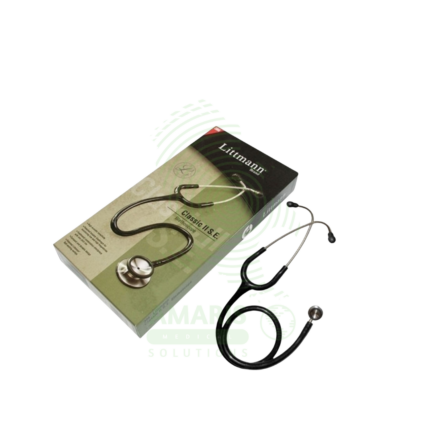
Littmann Stethoscope (Classic II)
A Littmann Stethoscope (Classic II) is a premium, acoustic dual-head stethoscope renowned for its diagnostic clarity, durability, and innovative tunable diaphragm technology. It allows healthcare professionals to hear both high and low-frequency sounds by simply adjusting pressure on the single-sided chestpiece, eliminating the need to rotate it. With its superior acoustics, comfortable fit, and wide range of colors, it is the instrument of choice for medical students, nurses, and physicians across all specialties who require reliable performance for physical assessment, auscultation of heart and lung sounds, and manual blood pressure measurement.
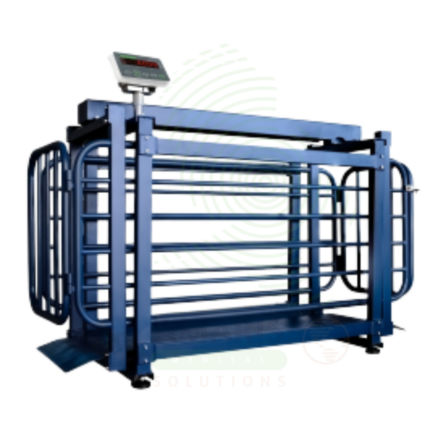
Livestock Scale
A Livestock Scale is a heavy-duty weighing platform designed for accurate weight measurement of cattle, pigs, sheep, goats, and other farm animals. Essential for calculating medication dosages, dewormers, vaccines, and nutritional supplements, it ensures safe, effective treatment while supporting optimal herd management. With high capacity, durability, and integration with handling systems, it is essential for large animal veterinary practice and livestock operations.
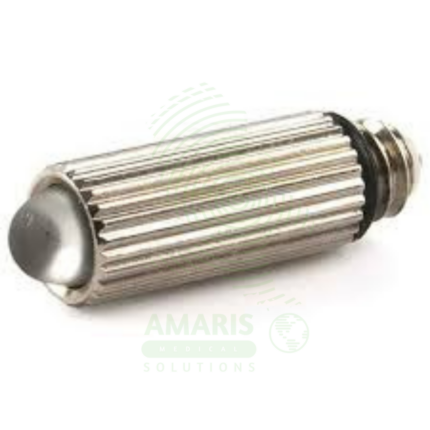
Macintosh Bulb Laryngoscope
A Macintosh Bulb Laryngoscope is a rigid laryngoscope with curved Macintosh blade (sizes 0-4, 70-160 mm) featuring a distal incandescent (xenon, krypton, halogen) or LED bulb at the blade tip for direct illumination during tracheal intubation. The curved blade design allows indirect epiglottis elevation by placing the tip in the vallecula, requiring less force and neck extension than straight blades. Features stainless steel reusable blades (or disposable plastic), ergonomic handles with knurled grip, ISO standard hook-on fittings, and autoclavable options. Light output 500-3,000 Lux depending on bulb type and battery condition. Primary clinical applications include routine and emergency tracheal intubation during general anesthesia, difficult airway management, cervical spine precautions (minimal neck movement), rapid sequence intubation, neonatal and pediatric intubation (sizes 0-2), teaching and training, and use in resource-limited settings. Class II medical device requiring FDA clearance. Critical safety considerations include pre-use light check (brightness, bulb security), appropriate blade size selection, proper lifting technique (not levering on teeth), battery verification, bulb obstruction risk from secretions, backup device availability, and infection control (sterilization or disposable blades).
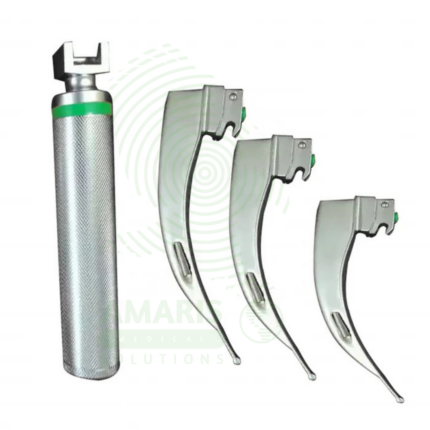
Macintosh Fiber Optic Laryngoscope
A Macintosh Fiber Optic Laryngoscope is a rigid laryngoscope with curved Macintosh blade (sizes 0-4, 70-160 mm) incorporating an integrated fiber optic light bundle that transmits bright, focused illumination (2,000-10,000+ Lux) from a handle-mounted LED or xenon bulb to the blade tip for enhanced visualization during tracheal intubation. The curved blade design allows indirect epiglottis elevation by placing the tip in the vallecula, requiring less force and neck extension than straight blades. Features stainless steel reusable blades, ergonomic handles with knurled grip, ISO standard hook-on fittings, and steam autoclave compatibility. Primary clinical applications include routine and emergency tracheal intubation during general anesthesia, difficult airway management with improved illumination, cervical spine precautions (minimal neck movement), teaching and training (enhanced visualization for instructors), rapid sequence intubation, neonatal and pediatric intubation (sizes 0-2), and oral/maxillofacial surgery. Class II medical device requiring FDA clearance. Critical safety considerations include pre-use light check (dark spots indicate broken fibers), appropriate blade size selection, proper lifting technique (not levering on teeth), battery verification, fiber optic care (avoid sharp bending), and backup device availability.
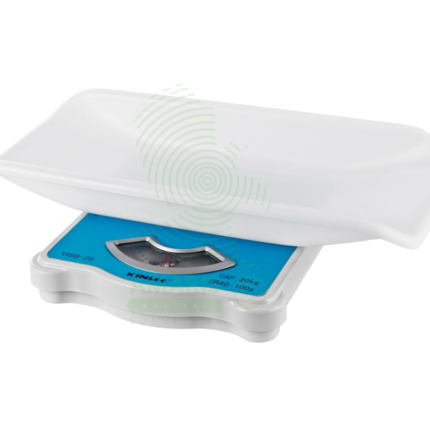
Manual Baby Weighing Scale
A Manual Baby Weighing Scale is a simple, mechanical device used to measure infant weight without the need for electricity or batteries. Operating on a spring or balance principle, it features a suspended sling or seat and a dial display. Its primary advantage is durability and portability for use in community health, outreach programs, and areas with unreliable power. While less precise than digital scales, it provides a reliable and accessible means to monitor growth trends and screen for undernutrition in resource-limited settings, making it a vital tool for basic pediatric care in the field.
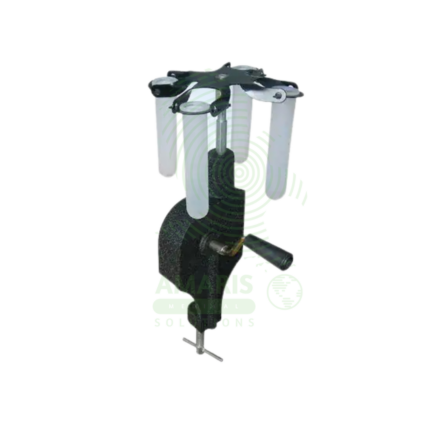
Manual Centrifuge
A Manual Centrifuge (hand-powered) is a non-electric mechanical device for separating fluids based on density, designed for use in field clinics, remote health posts, and developing world settings where electricity is unavailable or unreliable. Operated by hand crank, pull-cord, or foot pedal, achieving speeds of 1,000-4,000 RPM and RCF up to 1,500 x g. Accepts standard blood collection tubes (2-5 mL), microhematocrit tubes, and small centrifuge tubes. Primary clinical applications include separation of serum/plasma for basic diagnostic testing, urine sediment concentration for microscopy, microhematocrit determination for anemia screening, concentration of parasites for malaria and other vector-borne disease diagnosis, field epidemiology and outbreak investigation, veterinary medicine in rural settings, and teaching in resource-limited institutions. Critical safety precautions include meticulous balancing of tubes by weight (absolutely essential), never exceeding maximum rated speed, using appropriate PPE (no aerosol containment), regular inspection of gears and rotor for wear, and proper training of operators. Essential equipment for basic laboratory capabilities in low-resource and field settings.
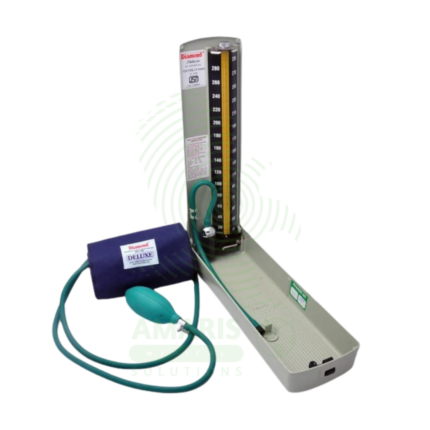
Manual Mercury BP Machine
A Manual Mercury BP Machine is a Class II medical device consisting of a calibrated mercury column (0-300 mm Hg, 2 mm graduations), inflation bulb with precision valve, and various cuff sizes, providing the gold standard for non-invasive blood pressure measurement through auscultation of Korotkoff sounds. The mercury column requires no calibration, offers inherent accuracy (±3 mm Hg), and serves as the reference standard against which all other BP devices are validated. Primary clinical applications include hypertension diagnosis and management (all clinical guidelines based on mercury measurements), clinical research and device validation studies, teaching auscultatory technique, cardiovascular risk assessment, special population monitoring (atrial fibrillation), and periodic validation of aneroid/automated devices. Critical safety considerations include mercury toxicity (toxic if spilled, inhaled, or ingested), strict spill response protocols, prohibition of tilting or inverting the device, mandatory use of mercury spill kits, and compliance with Minamata Convention phase-out regulations. Due to environmental and health concerns, mercury devices are being phased out globally, but remain the historical and reference standard for blood pressure measurement.
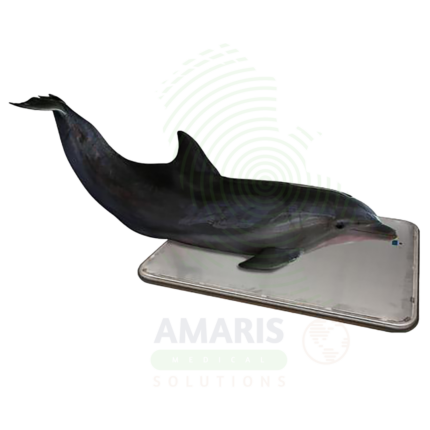
Marine Animal Floor Scale
A Marine Animal Floor Scale is a waterproof, corrosion-resistant weighing platform designed for accurate weight measurement of aquatic animals including marine mammals, penguins, sea turtles, and large fish. Essential for calculating medication dosages, assessing health status, monitoring growth, and guiding nutritional programs, it supports comprehensive health management in aquariums, zoos, marine rehabilitation centers, and research facilities. The waterproof construction allows use in wet environments with easy cleaning and disinfection.
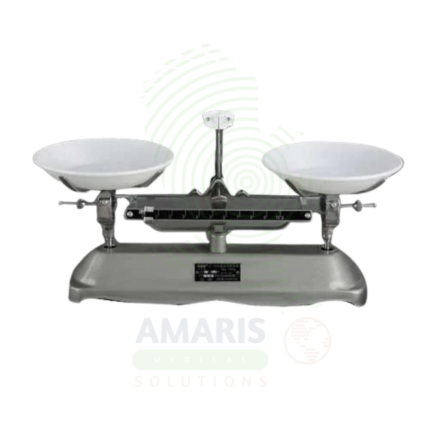
Mechanical Tray Scale
A Mechanical Tray Scale is a durable, calibration-free weighing device used in pathology, pharmacy, research, and veterinary laboratories for accurate measurement of specimens, samples, and reagents. Featuring a tray platform for convenient sample placement and mechanical sliding weights for precise measurement, it provides reliable performance without electrical components. Essential for specimen weighing, compounding, and laboratory applications, it delivers consistent results in demanding environments.
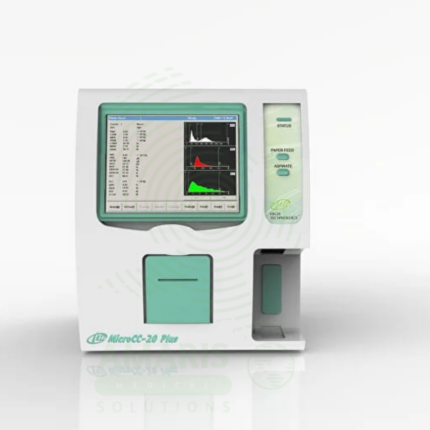
MicroCC-20 Plus VET Advanced Hematology Analyzer
The MicroCC-20 Plus VET Advanced Hematology Analyzer is a fully automated, 3-part differential (3-diff) benchtop veterinary hematology analyzer designed for companion animal, livestock, equine, and exotic species CBC testing . The instrument measures 20 parameters including complete blood count (CBC) with WBC, RBC, HGB, HCT, MCV, MCH, MCHC, RDW-SD, RDW-CV, PLT, MPV, PDW, PCT, P-LCR , and a 3-part white blood cell differential (LYM, MID, GRA) with both absolute counts and percentages .
Operating at 60 tests per hour with sample volumes of just 9.8 µL for whole blood or 20 µL for pre-diluted capillary samples , the analyzer uses electrical impedance technology (80 µm ruby aperture) for RBC and platelet counting, and colorimetric photometry (550 nm) for hemoglobin measurement . The 10.4 inch color LCD touchscreen with Windows-based operating system provides an intuitive graphical user interface with language options including English, Russian, Spanish, French, Ukrainian, and Chinese .
Pre-programmed species reference intervals are available for cat, dog, rabbit, pig, goat, horse, cow, buffalo, monkey, and 4 free programmable profiles for other mammals . The analyzer features comprehensive quality control with built-in L‑J, X‑R, and X‑B charting, 50,000 patient result memory with complete histograms and demographics , reagent level monitoring , and connectivity options including RS-232, USB x2, and RJ-45 Ethernet for LIS integration and external peripherals (keyboard, mouse, barcode reader, printer) .
For the veterinarian and veterinary laboratory scientist, the MicroCC‑20 Plus VET provides reliable, cost-effective hematology testing that supports accurate diagnosis of anemia, infection, inflammation, thrombocytopenia, and hematologic disorders across multiple species—including dogs, cats, horses, cattle, swine, goats, rabbits, and non-human primates . For the animal patient, rapid (60 tests/hour) and accurate CBC results enable timely diagnosis of anemia, early detection of infection, monitoring of chemotherapy effects, preoperative risk assessment, and appropriate treatment for bleeding disorders and hematologic diseases—improving veterinary patient outcomes across companion animal, livestock, equine, and wildlife medicine.
MicroCC-25 Plus Advanced Hematology Analyzer
The MicroCC-25 Plus Advanced Hematology Analyzer is a fully automated, 5-part differential (5-diff) benchtop hematology analyzer designed for small to medium-volume clinical laboratories, hospital satellite labs, and physician office laboratories . The instrument measures 25 parameters including complete blood count (CBC) with WBC, RBC, HGB, HCT, MCV, MCH, MCHC, RDW-CV, RDW-SD, PLT, MPV, PDW, PCT, P-LCR, P-LCC , and a five-part white blood cell differential (NEU, LYM, MON, EOS, BAS) with both absolute counts and percentages . It also reports 4 research parameters including atypical lymphocytes (ALY#, ALY%) and immature granulocytes (IG#, IG%) .
Operating at 60 samples per hour with sample volumes of just 15 µL for whole blood or 20 µL for pre-diluted capillary samples , the analyzer uses laser flow cytometry for the 5-part differential, electrical impedance (80 µm ruby aperture) for RBC and platelet counting, and colorimetric photometry (550 nm) for hemoglobin measurement . The 10.4 inch color LCD touchscreen with Windows-based operating system provides an intuitive graphical user interface with language options including English, Spanish, Russian, French, and Ukrainian .
The analyzer features comprehensive quality control with built-in L‑J, X‑R, and X‑B charting, 60 QC files x 500 results, mean/SD/CV% calculation, 100,000 patient result memory with complete histograms and demographics, reagent level monitoring with RFID tag identification, and bi-directional LIS connectivity (HL7 compatible) via USB x4, RJ-45 Ethernet, and external barcode reader . The built-in thermal printer and external printer support provide flexible result output options .
For the clinical laboratory scientist and pathologist, the MicroCC‑25 Plus provides reliable, cost-effective hematology testing that supports accurate diagnosis of anemia, infection, inflammation, thrombocytopenia, and hematologic malignancies across all patient populations including pediatric and geriatric patients requiring minimal specimen volumes . For the patient, rapid (60 tests/hour) and accurate CBC plus 5-part differential results enable timely diagnosis of anemia, early detection of infection, monitoring of chemotherapy effects, preoperative risk assessment, and appropriate treatment for bleeding disorders and hematologic diseases .
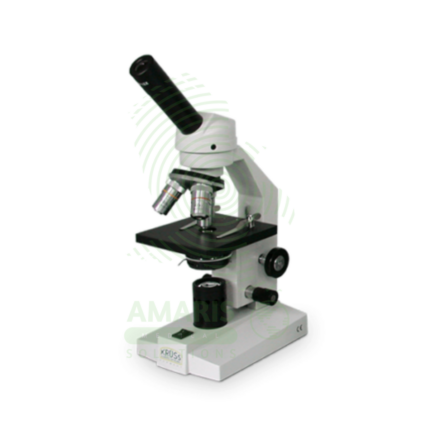
Microscope
A microscope is a Class I medical device (optical instrument) essential for visualizing microorganisms, cells, and tissues in clinical diagnostics, featuring magnifications from 40× to 1000× (oil immersion) with brightfield, phase contrast, fluorescence, darkfield, or polarized light capabilities. Standard clinical microscopes are binocular or trinocular with 4×, 10×, 40×, and 100× (oil) plan objectives, 10× widefield eyepieces, Abbe condenser, mechanical stage, and halogen or LED illumination. Fluorescence microscopes add specific filter cubes (FITC, TRITC, DAPI) and high-intensity light sources (mercury/xenon) for FISH, immunofluorescence, and AFB detection. Primary clinical applications include microbiological examination (Gram stains, AFB, wet mounts), hematology (differential counts, RBC morphology), histopathology (tissue sections, H&E, special stains), cytology (Pap smears, FNAs), urinalysis (sediment examination), parasitology (malaria, ova, parasites), and fertility (semen analysis). Essential equipment in every clinical laboratory for infectious disease diagnosis, cancer detection, hematological disorder evaluation, and countless other diagnostic applications requiring direct visualization of specimens.
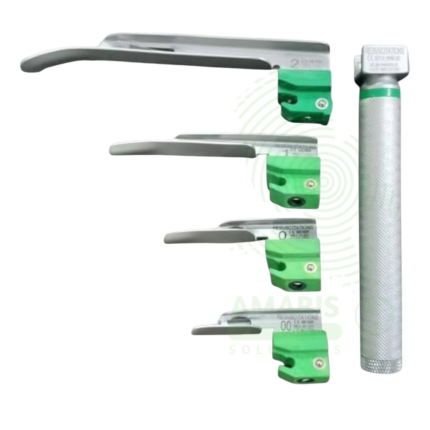
Miller Fiber Optic Laryngoscope
A Miller Fiber Optic Laryngoscope is a rigid laryngoscope with straight Miller blade (sizes 0-4, 70-160 mm) incorporating an integrated fiber optic light bundle that transmits bright, focused illumination (2,000-10,000+ Lux) from a handle-mounted LED or xenon bulb to the blade tip for enhanced visualization during tracheal intubation. The straight blade design allows direct elevation of the epiglottis rather than the indirect vallecula technique, making it particularly useful for pediatric/neonatal intubation, patients with floppy or prominent epiglottis, anterior airways, and difficult airways requiring direct epiglottic control. Features stainless steel reusable blades, ergonomic handles with knurled grip, ISO standard hook-on fittings, and steam autoclave compatibility. Primary clinical applications include direct epiglottis elevation for tracheal intubation (especially pediatric and neonatal), difficult airway management with fiber optic illumination, patients with prominent or floppy epiglottis, cervical spine precautions, anterior airway management, teaching and training (straight blade technique), and neonatal resuscitation. Class II medical device requiring FDA clearance. Critical safety considerations include pre-use light check (dark spots indicate broken fibers), appropriate blade size selection (especially critical in pediatrics), proper lifting technique (direct epiglottic lift, not levering on teeth), pediatric fragility awareness, battery verification, fiber optic care (avoid sharp bending), and backup device availability.
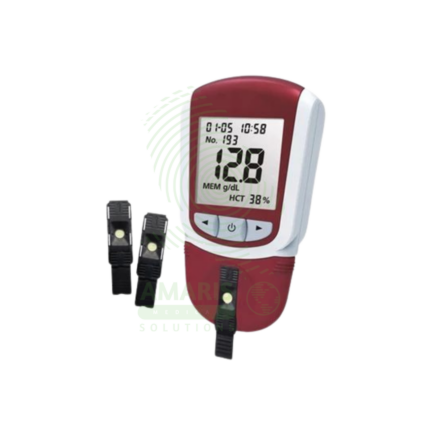
Mission Plus HB Machine
The Mission Plus HB Machine is a portable, battery-operated hemoglobin meter (Class II medical device, FDA-cleared/CE-marked) using photometric technology to measure hemoglobin concentration in capillary or venous blood within 5-15 seconds. Features include backlit LCD display, memory storage for 100-500 results, simple one-button operation, and disposable single-use cuvettes (5-20 µL sample volume). Accuracy ±0.3 g/dL compared to reference methods, measurement range 4-24 g/dL. Primary clinical applications include rapid anemia screening in outpatient clinics, preoperative assessment, antenatal care and maternal health monitoring, malaria-endemic region screening, chronic disease management (CKD, IBD, cancer), nutritional assessment and intervention programs, and blood donor screening. Critical safety precautions include single-use lancets, proper hand hygiene, correct sample application, quality control with control solutions, proper cuvette storage (protect from heat, light, humidity), and never using expired cuvettes. Essential point-of-care device for hemoglobin testing in diverse healthcare settings.
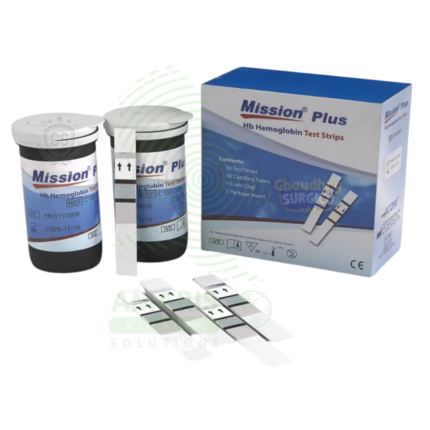
Mission plus strips
Mission Plus Strips are single-use, disposable electrochemical test strips (ISO 15197:2013 compliant) designed exclusively for use with Mission Plus glucose meters to measure capillary blood glucose from 0.5-1.0 µL samples in 5-7 seconds. Each strip contains glucose oxidase or glucose dehydrogenase reagents that generate electrical current proportional to glucose concentration (20-600 mg/dL range). Packaging options include multi-strip vials (25-100 strips) with desiccant for daily use or individually foil-wrapped strips for travel. Strips feature no-coding automatic calibration, hematocrit compensation (20-60%), and interference resistance. Primary clinical applications include daily blood glucose testing for Type 1, Type 2, and gestational diabetes management, hypoglycemia and hyperglycemia detection, pre- and post-meal glucose assessment, and hospital point-of-care testing. Critical safety precautions include single-use only, immediate vial closure after strip removal to prevent humidity damage, storage at 2-30°C away from bathrooms and temperature extremes, never using expired strips, proper hand hygiene before testing, and disposal in sharps containers. Essential consumable for diabetes self-management when used with Mission Plus meters.
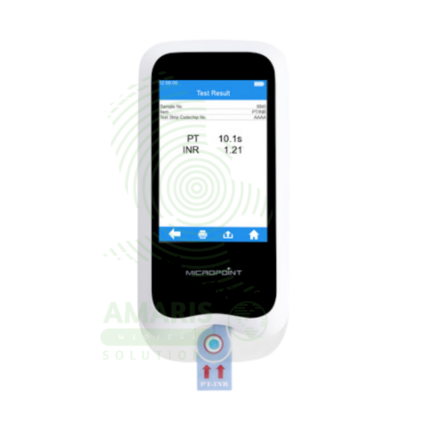
mLabs and qLabs Platforms
The mLabs and qLabs Platforms are integrated point-of-care testing systems manufactured by Micropoint Bioscience for rapid quantitative measurement of coagulation parameters (PT/INR, ACT), cardiac markers (troponin I, CK-MB, NT-proBNP), hemoglobin/hematocrit, electrolytes (Na+, K+, iCa), blood gases (pH, pCO2, pO2), glucose, ketones, and infectious disease markers. The qLabs platform specializes in coagulation and electrolyte testing using electrochemical technology, while the mLabs platform focuses on immunoassay and photometric testing for cardiac, hematology, and infectious disease applications. Features include portable design, touchscreen interface, rechargeable battery, USB/Bluetooth connectivity, and compatibility with single-use disposable test cards. Test times range from 1-15 minutes with sample volumes of 2-100 µL. Primary clinical applications include anticoagulation management (warfarin monitoring), cardiac surgery and intervention support (ACT monitoring), emergency cardiac diagnosis (troponin), anemia screening, diabetes management, critical care electrolyte and blood gas analysis, and infectious disease testing in endemic regions. Critical safety precautions include proper test card storage (temperature-sensitive), regular quality control, operator training, single-use lancets, and infection control protocols. Essential point-of-care testing solution for hospitals, clinics, emergency departments, surgical suites, and anticoagulation clinics.
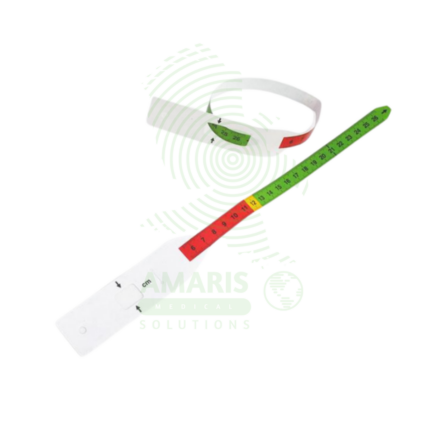
MUAC Tape
A MUAC Tape (Mid-Upper Arm Circumference) is a specialized, color-coded measuring tape used globally as the primary field tool for screening children aged 6-59 months for acute malnutrition. Its simple design—featuring red, yellow, and green zones corresponding to Severe Acute Malnutrition, Moderate Acute Malnutrition, and normal nutritional status—allows for instant, non-invasive assessment without the need for scales, calculation, or literacy. Durable, portable, and inexpensive, it is the cornerstone of community-based nutrition programs, emergency relief efforts, and public health surveillance, enabling early detection and life-saving intervention for malnourished children in even the most resource-constrained settings.
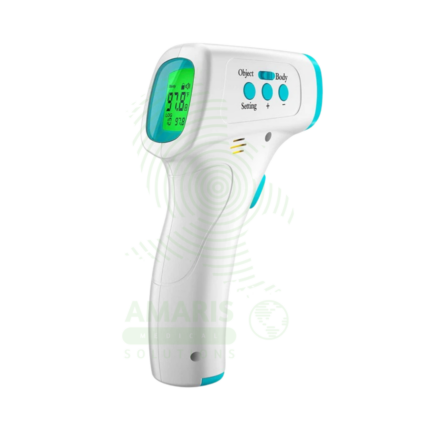
Non-Touch Digital Thermometer
A Non-Touch Digital Thermometer is a Class II medical device using infrared thermopile sensor technology (8-14 µm spectral response) to measure body temperature from the forehead or temporal artery without skin contact in 1-3 seconds with accuracy ±0.2-0.3°C. Features include backlit LCD display, fever alert (audible and color-coded), memory storage (10-50 readings), auto-shutoff, and selectable modes (body/surface/ambient). Measurement distance 3-15 cm; requires clean, dry forehead free of hair, sweat, or cosmetics. Primary clinical applications include pediatric fever screening in infants and children (non-distressing), infection control and isolation precautions (reduces healthcare worker exposure), mass screening at airports, schools, and workplaces, neonatal and NICU temperature monitoring (minimal handling), burn unit and wound care patients (non-contact over damaged skin), intraoperative and post-anesthesia care, and geriatric/dementia care (non-stressful for agitated patients). Critical safety considerations include environmental acclimation (10-15 minutes at room temperature), clean sensor lens, correct measurement distance, avoidance of laser in eyes (if equipped), and confirmation of suspected fever with contact thermometer. Essential screening tool for infection control, pediatrics, and high-volume settings.
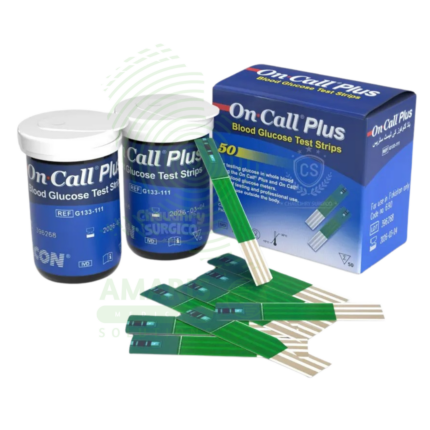
On Call Blood Sugar Strips
On Call Blood Sugar Strips are single-use, disposable electrochemical test strips (ISO 15197:2013 compliant) designed exclusively for use with On Call glucose meters to measure capillary blood glucose from 0.5-1.0 µL samples in 5-7 seconds. Each strip contains glucose oxidase or glucose dehydrogenase reagents that generate electrical current proportional to glucose concentration (20-600 mg/dL range). Packaging options include multi-strip vials (25-100 strips) with desiccant for daily use or individually foil-wrapped strips for travel. Strips feature no-coding automatic calibration, hematocrit compensation (20-60%), and interference resistance. Primary clinical applications include daily blood glucose testing for Type 1, Type 2, and gestational diabetes management, hypoglycemia and hyperglycemia detection, pre- and post-meal glucose assessment, and hospital point-of-care testing. Critical safety precautions include single-use only, immediate vial closure after strip removal to prevent humidity damage, storage at 2-30°C away from bathrooms and temperature extremes, never using expired strips, proper hand hygiene before testing, and disposal in sharps containers. Essential consumable for diabetes self-management when used with On Call meters.
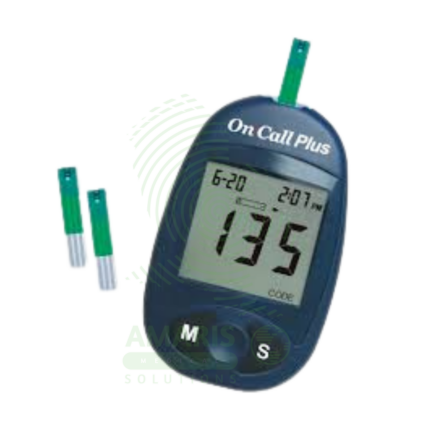
Oncall Blood Sugar Machine
The Oncall Blood Sugar Machine is a Class II medical device (FDA-cleared, ISO 15197:2013 compliant) using electrochemical biosensor technology to measure capillary blood glucose from a 0.5-1.0 µL sample in 5-7 seconds. Features include no-coding system eliminating user error, 300-500 result memory, 7/14/30-day averaging, pre-/post-meal event tagging, push-button strip ejection, and backlit LCD display. Primary clinical applications include self-monitoring for Type 1, Type 2, and gestational diabetes, insulin dose adjustment, acute glycemic event detection, hospital point-of-care testing, and long-term glycemic control assessment. Critical safety considerations include single-use lancets, proper hand hygiene, correct test strip storage (sealed vial, temperature control), never using expired strips, and immediate action for hypoglycemia per 15-15 rule. Essential tool for daily diabetes self-management.
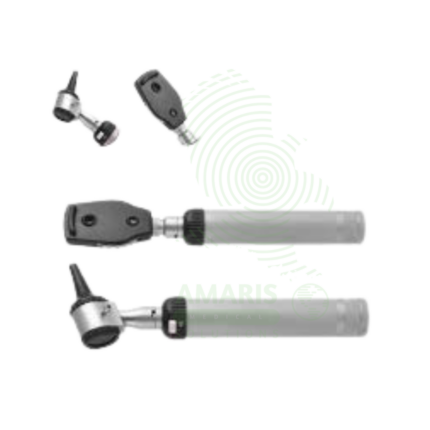
Ophthalmoscope
An Ophthalmoscope is a handheld diagnostic instrument used to examine the interior of the eye, specifically the fundus (retina, optic disc, blood vessels, and macula). By providing illuminated magnification, it serves as a vital screening tool for detecting ocular diseases like glaucoma and retinal disorders, and more importantly, for identifying signs of systemic conditions such as diabetes, hypertension, and increased intracranial pressure. Its operation involves selecting appropriate apertures and compensating lenses to obtain a clear view. While offering a detailed but narrow field of vision, mastery of the direct ophthalmoscope remains a cornerstone skill in general medicine, neurology, and ophthalmology for assessing vascular and neurological health.
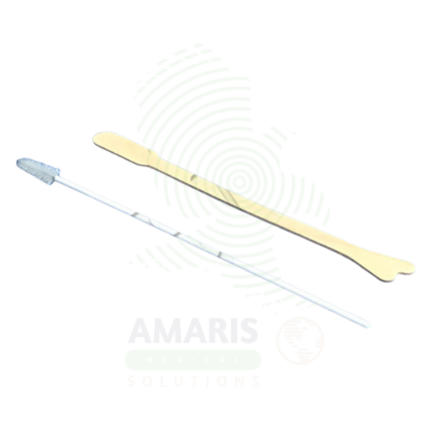
Pap smear kit
A Pap Smear Kit is a sterile, single-use collection system containing all necessary components for obtaining cervical cell samples for Papanicolaou (Pap) testing and HPV DNA analysis. Each kit typically includes a sterile speculum for cervical visualization, a collection device (cervical broom, endocervical brush, or spatula), and either a liquid-based cytology preservative vial or glass slide with fixative spray. Standardized kits ensure consistent, high-quality specimen collection that maximizes diagnostic accuracy and reduces unsatisfactory sample rates. For the gynecologist and primary care clinician, Pap smear kits provide a convenient, ready-to-use solution that streamlines cervical cancer screening. For the patient, regular Pap screening using standardized kits enables early detection of precancerous cervical changes and high-risk HPV infection—when treatment is most effective—significantly reducing the risk of developing invasive cervical cancer.
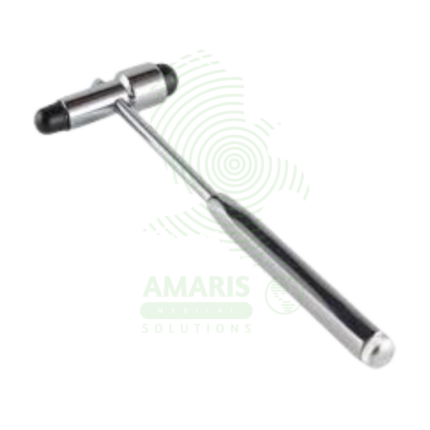
Patella Hammer
A Patella Hammer (or Reflex Hammer) is a fundamental neurological diagnostic tool used to test deep tendon reflexes. Its weighted, rubber-tipped head allows clinicians to deliver a controlled, brisk tap to specific tendons, eliciting involuntary muscle contractions that assess the integrity of sensory and motor nerve pathways. As a core component of the neurological exam, it aids in diagnosing conditions ranging from peripheral neuropathies to spinal cord injuries. Its simple, durable design and ease of use make it an indispensable instrument for neurologists, primary care physicians, and any clinician performing a comprehensive physical examination.
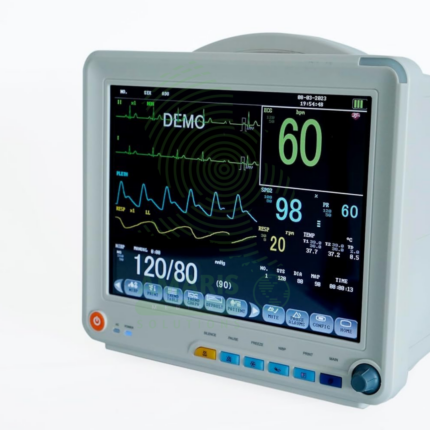
Patient Monitor
The Patient Monitor (6 Parameters BCCMS8000) is a versatile multi-parameter monitor designed for continuous surveillance of core vital signs in various clinical settings. It tracks six essential parameters—ECG, SpO2, Non-Invasive Blood Pressure (NIBP), Respiration, Temperature, and Pulse Rate—providing clinicians with real-time waveforms and numerical data on a clear color display. With its robust alarm system, battery backup for transport, and reliable performance, it is a fundamental tool for ensuring patient safety on general hospital wards, during procedures, and in emergency departments. Its design balances comprehensive monitoring capability with user-friendly operation.
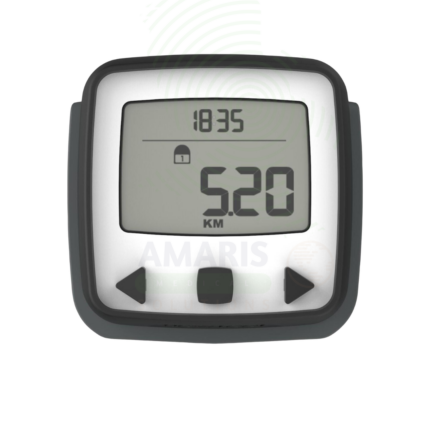
Pedometer
A Pedometer is a wearable electronic device that counts steps taken, distance traveled, and calories burned, providing objective data on physical activity levels for health monitoring, rehabilitation, and behavior change. For the primary care physician and physical therapist, the pedometer offers quantifiable data on a patient's activity level—enabling accurate assessment of baseline mobility, tracking of exercise adherence, and identification of sedentary patients at risk for deconditioning. Setting daily step goals (commonly 10,000 steps per day) promotes adherence to prescribed walking programs for cardiovascular health, weight management, and rehabilitation. In post-operative and rehabilitation settings, pedometers monitor ambulation following total joint replacement, hip fracture, or cardiac surgery—ensuring adequate mobility for recovery while identifying patients who may be sedentary and at risk for complications. For patients with obesity, diabetes, or cardiovascular disease, step tracking provides immediate feedback, motivating increased movement and supporting behavior change for improved health outcomes. Compact, lightweight, and easy to use, the pedometer is a simple, effective tool for promoting physical activity, supporting rehabilitation, and empowering patients to take an active role in their health.
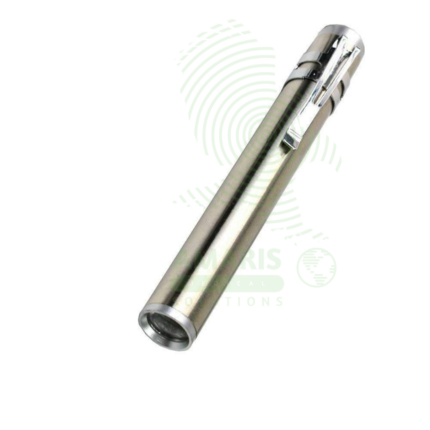
Pen torch
A Pen Torch (penlight) is a compact, handheld, battery-powered diagnostic illumination device essential for directed clinical examination including pupillary reflex assessment, oropharyngeal and nasal inspection, wound visualization, foreign body detection, and transillumination. Available in reusable clinical-grade (aluminum/stainless steel, replaceable batteries, LED/incandescent) and disposable (economical plastic, single-patient-use) configurations. LED models provide 20-200 lumens with beam angles 5-60°, color temperature 4000-6500K, and CRI up to 90+ for accurate tissue assessment. Features include pocket clip, end-cap or slide switch, and lightweight construction (20-80 grams). Primary clinical applications include neurological examination (pupillary reflexes, cranial nerve assessment), emergency trauma evaluation, primary care physical examination, critical care monitoring, and pediatric assessment. Class I medical device. Critical safety considerations include ocular safety (avoid prolonged direct exposure), infection control (disinfect reusable devices between patients), battery safety, and contraindication in sterile fields unless sterile-wrapped.
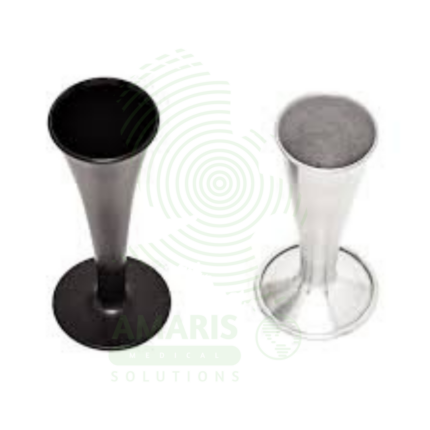
Pinnard Fetoscope (plastic/metal)
A Pinnard Fetoscope (Pinard horn) is a mechanical acoustic horn (150-200 mm length, 40-60 mm bell) for auscultation of fetal heart sounds through the maternal abdomen, available in traditional metal (stainless steel/chrome-plated, 150-300g, autoclavable, durable, requires warming) and modern plastic (medical-grade polymer, 30-80g, lightweight, unbreakable, economical, not autoclavable) versions. The flared bell collects fetal heart sounds, concentrating them through the tapered horn to the single earpiece for mechanical amplification (10-20 dB). Primary clinical applications include intermittent fetal heart rate monitoring during prenatal care and labor in low-risk pregnancies, confirming fetal viability, determining fetal presentation and position through point of maximal intensity, monitoring multiple gestations, and providing non-interventive fetal assessment in natural childbirth, home birth, and resource-limited settings. Class I medical device. Requires significant practitioner training and experience; reliable after 18-20 weeks gestation; limited by maternal obesity, anterior placenta, and ambient noise. Critical safety considerations include infection control (metal autoclavable, plastic chemical disinfection only), gentle abdominal pressure, maternal positioning, and recognition that Pinnard is not a replacement for electronic monitoring in high-risk pregnancies.
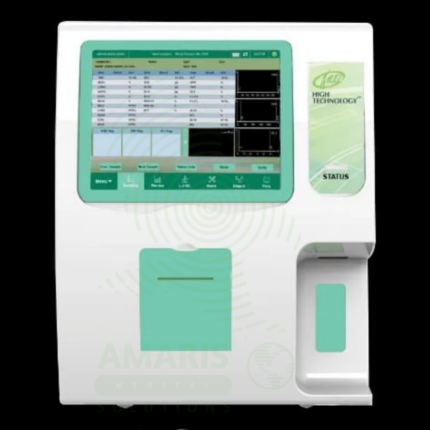
Plus Advanced Hematology Analyzer (MicroCC-20)
The MicroCC-20 Plus Advanced Hematology Analyzer is a fully automated, 3-part differential (3-diff) benchtop hematology analyzer designed for small to medium-volume clinical laboratories, physician office labs (POLs), and hospital satellite laboratories . The instrument measures 20 parameters including complete blood count (CBC) with WBC, RBC, HGB, HCT, MCV, MCH, MCHC, RDW-SD, RDW-CV, PLT, MPV, PDW, PCT, P-LCR , and a three-part white blood cell differential (LYM, MID, GRA) with both absolute and percentage reporting .
Operating at 60 samples per hour with a sample volume of just 9.8 µL for whole blood or 20 µL for pre-diluted capillary samples , the analyzer uses electrical impedance technology (80 µm ruby aperture) for WBC, RBC, and platelet counting, and colorimetric photometry (550 nm) for hemoglobin measurement . The 10.4 inch color LCD touchscreen with Windows-based operating system provides intuitive graphical user interface with language options including English, Spanish, Russian, French, Ukrainian, and Chinese .
The analyzer features comprehensive quality control with built-in L‑J, X‑R, and X‑B charting, 20 QC files x 500 results storage, automatic calibration modes, 50,000 patient result memory with complete histograms and demographics, multiple connectivity options (RS‑232, dual USB, Ethernet, LPT, PS/2, external printer), and integrated thermal printer . For the clinical laboratory scientist and pathologist, the MicroCC‑20 Plus provides reliable, cost-effective hematology testing that supports accurate diagnosis of anemia, infection, inflammation, thrombocytopenia, and hematologic malignancies across all patient populations including pediatric and geriatric patients requiring low specimen volumes. For the patient, rapid (60 tests/hour) and accurate CBC results enable timely diagnosis of anemia, early detection of infection, monitoring of chemotherapy effects, preoperative risk assessment, and appropriate treatment for bleeding disorders and hematologic diseases.
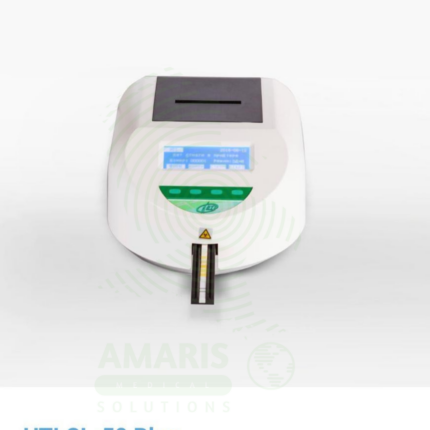
Plus Semi-Automated Urine Analyzer (CL-50)
The Plus Semi-Automated Urine Analyzer (CL-50) is a portable, semi-automated urine test strip analyzer that uses LED reflectance photometry (at 550nm, 620nm, and 720nm wavelengths) to measure up to 14 urinary parameters for rapid, objective urinalysis in clinical and point-of-care settings . Throughput is up to 120 tests per hour (continuous mode) or 60 tests per hour (single strip) with a test time of 60 seconds .
The analyzer measures 14 parameters: pH, nitrite, specific gravity, blood (hemoglobin), glucose, bilirubin, urobilinogen, ketones, leukocytes, protein, calcium, creatinine, microalbumin, and ascorbic acid, with automatic result correction eliminating interference from pH, specific gravity, and urine color .
The instrument features an LCD display, built-in thermal printer, internal memory storage for 1,000 test results, connectivity options (RS-232, PS/2, parallel port), optional barcode reader, and automatic calibration for strip sensitivity . Compact (240 x 190 x 115mm) and lightweight (1.3 kg), the CL-50 Plus is briefcase-portable, designed for use in physician office labs, mobile health units, rural health posts, pharmacy screening programs, school health initiatives, and hospital laboratory backup applications .
For the primary care physician and clinical laboratory scientist, the CL-50 Plus enables rapid UTI diagnosis (leukocyte, nitrite detection), diabetes screening (glucose, ketones), preeclampsia detection (protein, microalbumin), chronic kidney disease monitoring (microalbumin, creatinine, ACR), liver disease screening (bilirubin, urobilinogen), and hydration/acid-base assessment (pH, specific gravity). For the patient, rapid, objective urinalysis enables early detection of urinary tract infections (preventing pyelonephritis and sepsis), timely diagnosis of diabetes and preeclampsia (reducing maternal-fetal complications), and early identification of chronic kidney disease (preserving renal function), particularly in underserved communities where traditional laboratory access is limited .
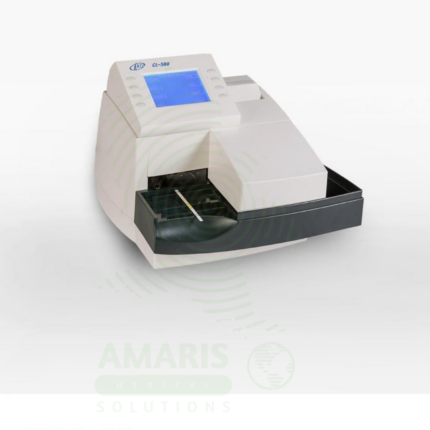
Plus Semi-Automated Urine Analyzer (CL-500)
The Urine Analyzer Plus Semi-Automated (CL-500) is a high-throughput, semi-automated urine test strip analyzer designed for large-volume clinical laboratories, hospital settings, public health screening programs, and high-volume point-of-care facilities . Using LED reflectance photometry at 550nm, 620nm, and 720nm wavelengths, the analyzer measures up to 14 urinary parameters with a throughput of 550 strips per hour and a test time of 65 seconds .
The analyzer features automatic strip feeding for continuous loading without operator intervention, built-in onboard waste collection, and open system compatibility accepting standard urine test strips. The microprocessor-based system stores 5,000 test results with multilingual support (English, Russian, Spanish, Ukrainian), offers comprehensive connectivity (bidirectional LIS, RS-232, USB, WiFi), and includes a built-in thermal printer .
Measured parameters include leukocytes, ketone, nitrite, protein, glucose, blood, calcium, ascorbic acid, urobilinogen, bilirubin, specific gravity, microalbumin, pH, and creatinine—enabling comprehensive urinalysis for UTI diagnosis, diabetes screening, preeclampsia detection, and chronic kidney disease monitoring .
For the clinical laboratory scientist and public health program manager, the CL-500 Plus enables high-volume UTI diagnosis (550 tests/hour), population-based diabetes screening, proteinuria surveillance in large antenatal services, CKD monitoring for hypertension and diabetes programs, and integrated public health reporting via bidirectional LIS connectivity. For the patient, high-throughput urinalysis enables early detection of urinary tract infections (preventing pyelonephritis and urosepsis), timely diagnosis of diabetes and preeclampsia (reducing complications), and early identification of chronic kidney disease (preserving renal function)—particularly in large-scale screening programs where efficient testing is essential for population health impact .
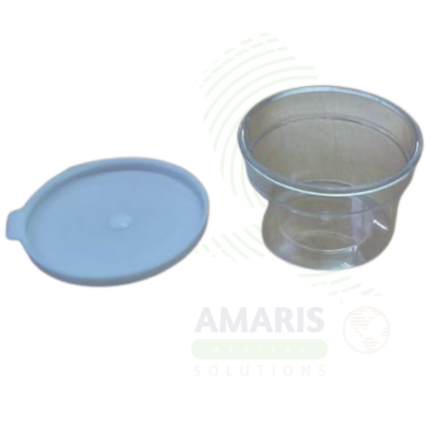
Polypot Container
Polypot Containers are sterile or non-sterile, single-use, leak-proof medical devices manufactured from medical-grade polypropylene for the collection, fixation, transport, and processing of small tissue specimens (biopsies, polyps, surgical excisions) for histopathological examination. Available in capacities ranging from 15 mL to 500 mL, with wide-mouth design for easy specimen deposition and screw-cap closure with tamper-evident seal. Most commonly prefilled with 10% neutral buffered formalin, the standard fixative for routine histology, providing immediate tissue preservation and preventing autolysis. Critical performance attributes include absolute leak-proof integrity to prevent formalin exposure, chemical compatibility with histological reagents, and adequate labeling surface for patient identification. Essential safety principles include strict adherence to formalin hazard precautions (toxic, carcinogenic), immediate specimen labeling at the point of collection to prevent identification errors, and absolute single-use protocol. An indispensable container in surgical pathology, endoscopy, dermatology, and gynecologic procedure settings.
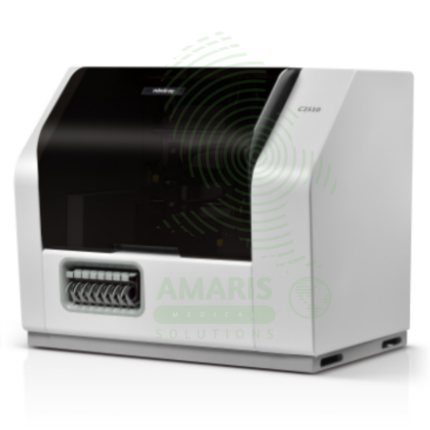
PRECIL Series
The PRECIL Series, originally developed by Beijing Precil and now associated with Mindray, comprises specialized coagulation analyzers and hemorheology analyzers for clinical laboratory testing. Coagulation analyzers measure PT, APTT, fibrinogen, TT, D-dimer, factor assays, and thrombophilia markers for diagnosing bleeding disorders, monitoring anticoagulant therapy, and assessing liver function. Hemorheology analyzers measure whole blood viscosity, plasma viscosity, erythrocyte aggregation, and deformability for evaluating hyperviscosity syndromes, sickle cell disease, diabetes, and cardiovascular disorders. The series includes specialized cleaning solutions and reagents (such as PLS cleaner) for maintaining analyzer performance and ensuring accurate results. Features include automated sample processing, color touchscreen interface, LIS connectivity, and comprehensive quality control programs. Primary clinical applications include coagulation testing for preoperative assessment, anticoagulant monitoring, DIC diagnosis, thrombophilia workup, and hemorheology assessment for conditions affecting blood flow. Essential laboratory instrumentation for hematology, coagulation, and specialized testing in hospital laboratories, reference laboratories, and research facilities.
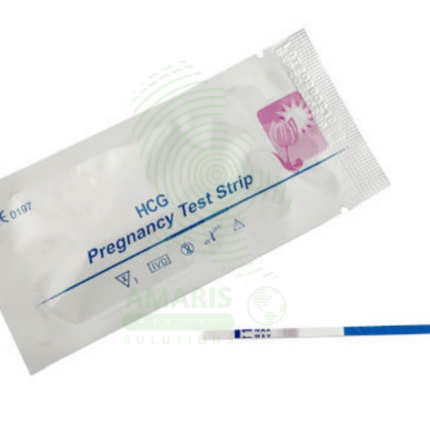
Pregnancy Test Strips
Pregnancy Test Strips are simple, dip-style lateral flow devices designed for the rapid, qualitative detection of human chorionic gonadotropin (hCG) in urine to indicate pregnancy. As the most fundamental format of home pregnancy tests, they offer high sensitivity (often from 10 mIU/mL), affordability, and a quick result within 3-5 minutes. Their ease of use makes them a widely accessible first step in pregnancy detection for personal use and clinical screening. A visible test line, even if faint, is a positive result, though confirmation with a healthcare provider is always recommended.
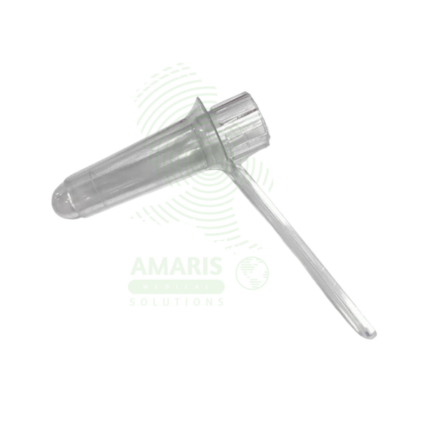
Proctoscope
A Proctoscope is a rigid, straight-tube endoscope specifically designed for the examination and treatment of the anal canal and distal rectum. It enables direct visualization to diagnose conditions like hemorrhoids, fissures, and proctitis, and serves as a conduit for therapeutic procedures such as band ligation. Available in reusable (autoclavable metal) or disposable (single-use plastic) formats, it is a fundamental tool in colorectal practice. Its effective use requires proper patient preparation, gentle insertion technique, and stringent adherence to sterilization protocols to ensure patient safety and diagnostic accuracy.
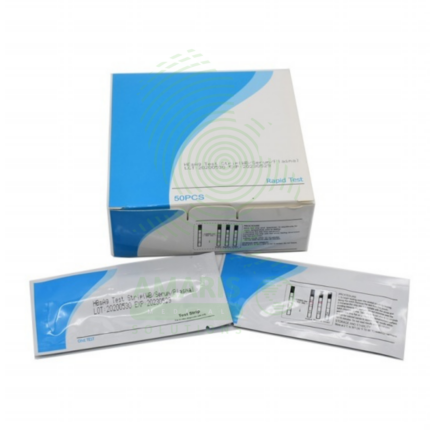
Rapid Test Kits (HIV, HBV, HCV, Malaria)
Rapid Test Kits for HIV, HBV, HCV, and Malaria are single-use, immunochromatographic devices designed for the quick, preliminary screening of these critical infectious diseases at the point of care. By detecting specific antibodies or antigens in a small blood sample (or oral fluid for some HIV tests), they provide a visual result within 15-30 minutes without the need for laboratory equipment. Their primary role is to expand access to testing in community and resource-limited settings, enabling immediate counseling, triage, and referral for confirmatory testing and treatment. As essential tools in public health, they are characterized by their simplicity, speed, and critical importance in early diagnosis and outbreak response.
Rheumatoid factor
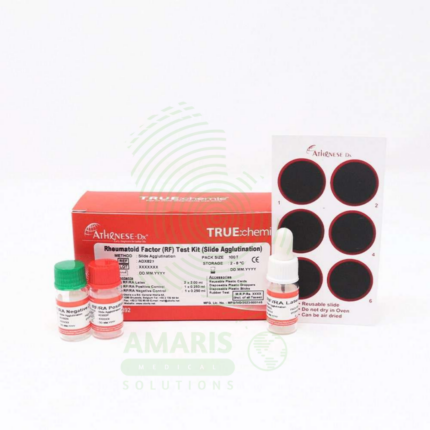
Rheumatoid Factor (RF) testing is a quantitative or semi-quantitative serological assay (nephelometry, turbidimetry, latex agglutination, or ELISA) for detecting autoantibodies against the Fc portion of immunoglobulin G, primarily of the IgM isotype. RF is a key marker in the ACR/EULAR classification criteria for rheumatoid arthritis, with sensitivity 60-80% and specificity 70-90%. Test requires serum samples; results reported in IU/mL (reference <15-20 IU/mL) or titer. Primary clinical applications include diagnosis and classification of rheumatoid arthritis, prognostic assessment (high-titer RF correlates with severe, erosive disease), differential diagnosis of inflammatory arthritis, monitoring disease activity, diagnosis of Sjögren's syndrome, evaluation of mixed cryoglobulinemia (hepatitis C-associated), and assessment of other autoimmune and chronic inflammatory conditions. Critical safety precautions include awareness of false positives (other autoimmune diseases, chronic infections, healthy elderly), false negatives (seronegative RA 20-30%), need for clinical correlation, and anti-CCP antibody testing to improve diagnostic accuracy. Essential test for rheumatology practice, autoimmune disease evaluation, and differential diagnosis of inflammatory arthritis.
Rota virus
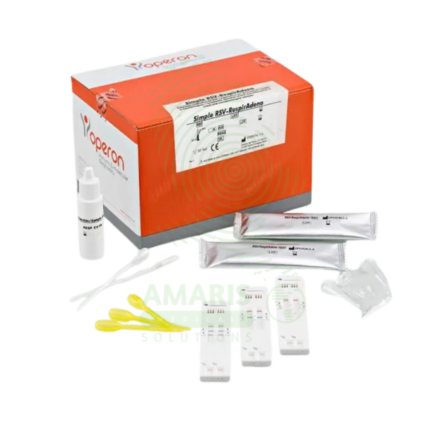
Rota virus rapid tests are immunochromatographic assays (CE-marked, FDA-cleared for some brands) for qualitative detection of rotavirus group A antigens in stool specimens, providing results in 10-20 minutes. The test principle uses monoclonal or polyclonal antibodies against rotavirus antigens (typically VP6 protein) immobilized on membranes, capturing antigens that form a visible line. Sensitivity 90-98%, specificity 95-99% compared to ELISA or PCR. The kit includes individually foil-wrapped test devices, sample diluent, and collection applicators. Primary clinical applications include rapid diagnosis of acute gastroenteritis in children (rotavirus is the leading cause of severe diarrhea in under-5 children), outbreak investigation in daycare centers and schools, hospital infection control and isolation precautions, differential diagnosis of acute diarrhea (viral vs. bacterial vs. parasitic), vaccine effectiveness monitoring and surveillance, assessment of dehydration risk, and evaluation of immunocompromised patients. Critical safety precautions include proper specimen collection (clean container, avoid contamination), biological hazard precautions (all stool potentially infectious), quality control verification, and awareness that a negative test does not rule out other causes of gastroenteritis. Essential tool for pediatric gastroenteritis management, infection control, and public health surveillance.
SAFE SERIES Blood Collection Needles
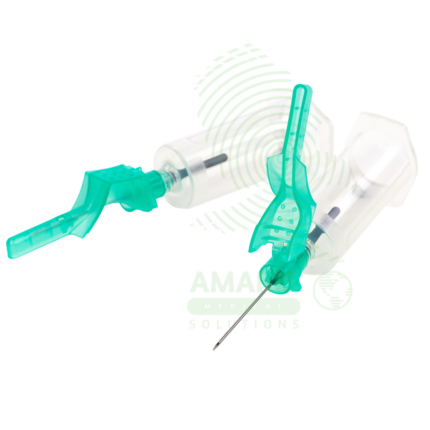
The SAFE SERIES (AM-SAFE) by Beijing Precil (Mindray subsidiary) is a comprehensive line of safety-engineered blood collection devices designed to prevent accidental needlestick injuries in healthcare workers. The series includes venous blood collection needles (AM-SAFE-V), standard safety needles (AM-SAFE1), winged infusion sets/butterfly needles (AM-SAFE2), high-gauge thin-wall needles for fragile veins (AM-SAFE3), premium coated needles for enhanced patient comfort (AM-GOLD), and nurse-friendly one-handed safety variants (AM-NURSE). All devices incorporate integral safety mechanisms that shield the contaminated needle immediately after withdrawal, complying with OSHA Needlestick Safety and Prevention Act requirements. Available in various gauges (18G-25G) and configurations for routine venipuncture, difficult vein access, pediatric/geriatric patients, and frequent blood draws. Sterile, single-use, latex-free, and color-coded for easy gauge identification. Essential safety devices for blood collection in hospitals, clinics, laboratories, and home healthcare settings.
Salmonella Typhi Test Peratop
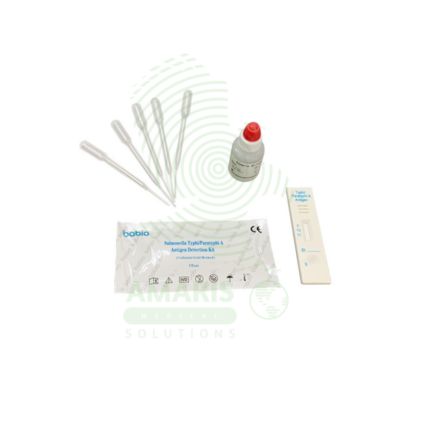
The Salmonella typhi test peratop is a CE-marked rapid immunochromatographic assay for qualitative detection of IgG and IgM antibodies to Salmonella enterica serotype Typhi in human serum, plasma, or whole blood, providing results in 15-20 minutes. The test uses recombinant S. typhi antigens immobilized on a membrane to capture specific antibodies, with separate lines for IgG and IgM interpretation. The kit includes individually foil-wrapped test cassettes, sample diluent, disposable pipettes, and package insert. Primary clinical applications include rapid diagnosis of typhoid fever in endemic regions (Indian subcontinent, Southeast Asia, Africa, South America), differentiation of acute (IgM positive) from past infection (IgG only), outbreak investigation and control, screening in febrile patients, travel medicine assessment, antibiotic stewardship, and maternal/child health in endemic areas. Critical safety precautions include proper specimen handling (universal precautions), quality control verification, awareness of window period (repeat testing if early infection suspected), and clinical correlation of results. Essential rapid test for typhoid fever diagnosis in resource-limited and endemic settings.