Dermatoscope and Magnifiers
 Diagnostic Kits
 Vital Signs Monitors
 Stethoscopes and Accessories
 Otoscopes, Ophthalmoscopes, and Retinoscopes
 Reflex Hammers and Neurological Tools
 Scales and Measuring Devices
 Spirometers and Pulmonary Function Tests
 Electrosurgical Units and Accessories
 Cutting Instruments
 Grasping and Holding Instruments
 Hemostatic Instruments
 Specialized Surgical Sets
 Single-Use Procedure Trays and Packs
 Surgical Drapes, Gowns, and Covers
 Tissue Unifying Instruments
 Radiation Protection
 X-Ray Machines and Accessories
 Ultrasound Systems and Probes
 MRI and CT Scanners
 Radiology Consumables
 Bone Densitometers
 Fluoroscopy Equipment
 Imaging Tables and Positioning Aids
 Microscopes and Accessories
 Centrifuges and Separators
 Analyzers
 Incubators and Ovens
 Pipettes, Dispensers, and Lab Glassware
 Refrigerators, Freezers, and Storage Units
 Lab Consumables
 Sterilizers and Autoclaves for Lab Use
 Multi-Parameter Monitors
 Ventilators and Respiratory Support Devices
 Defibrillators and AEDs
 Infusion Pumps and IV Systems
 Patient Warmers and Cooling Devices
 Central Monitoring Stations
 Accessories
 Anesthesia Machines and Workstations
 Oxygen Concentrators and Delivery Systems
 Nebulizers and Inhalers
 CPAP/BiPAP Machines
 Airway Management
 Anesthesia Masks, Circuits, and Bags
 Humidifiers and Heaters
 Respiratory Therapy Accessories
 First Aid Kits and Cabinets
 Emergency Resuscitation Equipment
 Trauma Supplies
 Emergency Carts and Crash Carts
 Burn Care Products
 Bleeding Control
 Automated External Defibrillators (AEDs)
 Transport and Evacuation
 Wheelchairs and Accessories
 Walkers, Crutches, and Canes
 Prosthetics and Orthotics
 Physical Therapy Equipment
 Transfer Devices
 Bathroom Safety
 Orthopedic Traction and Tables
 Hot/Cold Therapy Packs and Units
 Beds and Mattresses
 Chairs and Stools
 Tables
 Cabinets and Storage
 Privacy Screens & Curtains
 Stands and Racks
 Linens and Textiles
 Lighting
 Autoclaves and Sterilizers
 Ultrasonic Cleaners
 Disinfectant Solutions and Wipes
 Sterilization Pouches, Wraps, and Indicators
 Instrument Trays and Containers
 UV and Ozone Disinfection Devices
 Washer Disinfectors
 Wound Care
 Gloves
 Masks and Respirators
 Catheters and Tubing
 Swabs, Applicators, and Sponges
 Incontinence Products
 Personal Protective Equipment (PPE)
 Dental Chairs and Units
 Handpieces and Burs
 Instruments
 Consumables
 Sterilization for Dental Use
 Orthodontic Supplies
 Endodontic Tools
 Slit Lamps and Tonometers
 Lensometers and Phoropters
 Ophthalmic Surgical Instruments
 Eyewear Frames and Lenses
 Contact Lens Supplies
 Vision Testing Charts and Devices
 Eye Care Consumables
 Laser Systems for Eye Care
 ENT Exam Chairs and Tables
 Endoscopes
 Audiometers and Hearing Tests
 ENT Instruments
 Nasal and Throat Packs
 Hearing Aids and Accessories
 Otology Supplies
 Fetal Dopplers and Monitors
 Delivery Beds and Tables
 Gynecological Instruments
 Neonatal Incubators and Warmers
 Breast Pumps and Accessories
 Contraceptive Devices
 Maternity Supports and Pads
 Neonatal Consumables
 Cystoscopes and Urethroscopes
 Dialysis Machines and Supplies
 Urological Catheters and Bags
 Lithotripters
 Prostate Treatment Devices
 Urinary Incontinence Products
 Kidney Stone Management Tools
 Consumables & Disposables
 EEG and EMG Machines
 Neurosurgical Instruments
 Nerve Stimulators
 Headrests and Positioning Aids
 Lumbar Puncture Kits
 Seizure Monitoring Devices
 Consumables
 Rehabilitation for Neurological Conditions
 ECG Machines and Accessories
 Holter Monitors
 Stress Test Systems
 Pacemakers and Defibrillator Accessories
 Vascular Access Devices
 Cardiac Catheters and Guidewires
 Blood Flow Meters
 Consumables
 Orthopedic Instruments
 Casts, Splints, and Padding
 Joint Replacement Supplies
 Prosthetic Limbs and Components
 Bone Grafts and Substitutes
 Traction Devices
 Orthopedic Braces and Supports
 Rehabilitation Aids for Orthopedics
 Home Oxygen Therapy
 Hospital Beds for Home Use
 Mobility Aids
 Bathroom and Daily Living Aids
 Wound Care for Home
 Monitoring Devices
 Enteral Feeding Pumps and Tubes
 Hand Sanitizers and Dispensers
 Face Shields and Goggles
 Isolation Gowns and Suits
 Biohazard Waste Containers
 Air Purifiers and HEPA Filters
 Surface Disinfectants
 Sharps Containers
 Protective Barriers
 Cardiovascular & Endurance Training
 Strength Training & Weightlifting
 Functional Training & Core Conditioning
 Physical Therapy & Rehabilitation
 Sports & Outdoor Recreation
 Gym Flooring & Facility Equipment
 Fitness Monitoring & Accessories
 Kids & Novelties










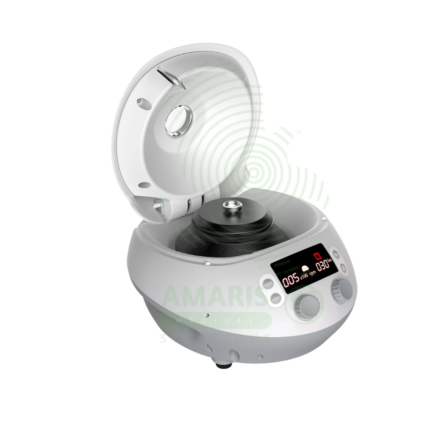
High Speed Micro Centrifuge
A High Speed Micro Centrifuge is a compact benchtop laboratory instrument designed for rapid separation of small-volume samples (0.2-2.0 mL) at speeds up to 30,000 RPM and RCF up to 65,000 x g. Available with fixed-angle or swinging-bucket rotors, digital controls, programmable protocols, imbalance detection, and safety lid lock. Refrigerated models maintain temperatures from -20°C to +40°C for temperature-sensitive applications. Primary clinical applications include DNA, RNA, and nucleic acid extraction for molecular diagnostics, protein precipitation and analysis for biochemistry, cell lysis and fractionation, microorganism and bacterial pelleting for microbiology, virus particle concentration, microvolume sample preparation for clinical chemistry, and rapid phase separation in extraction protocols. Essential equipment in molecular biology, clinical research, diagnostic laboratories, and biotechnology settings requiring rapid, efficient processing of small samples with high centrifugal forces.
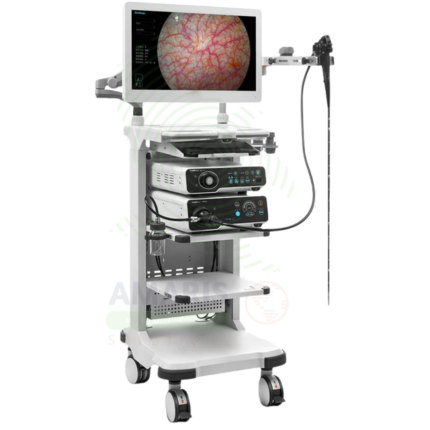
High-Definition Endoscope
A High-Definition Endoscope is an advanced endoscopic system providing superior image resolution, color accuracy, and contrast for diagnostic and therapeutic procedures. Incorporating HD or 4K imaging with advanced visualization technologies such as narrow band imaging, blue light imaging, and autofluorescence, it enables detection of subtle mucosal abnormalities and early neoplasia that may be missed with standard definition systems. Essential for early cancer detection, precise therapeutic intervention, and documentation, it represents the standard of care for advanced endoscopy.
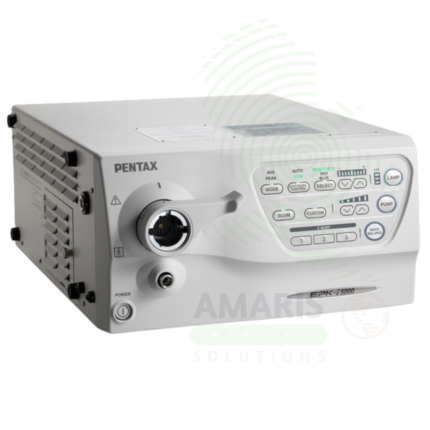
High-Definition Imaging Processor
A High-Definition Imaging Processor is an advanced image processing unit for endoscopic systems, supporting HD and 4K ultra-high-definition visualization. Incorporating technologies such as narrow band imaging, blue light imaging, and digital contrast enhancement, it enables detection of subtle mucosal abnormalities and early neoplasia. With high-resolution image storage and seamless integration with hospital information systems, it provides superior image quality for diagnosis, documentation, and therapeutic precision.
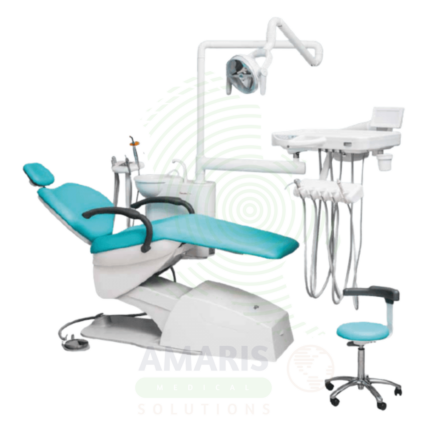
High-End Dental Chair
A High-End Dental Chair is an advanced, ergonomically engineered patient positioning system that forms the core of a modern dental operatory. It combines superior patient comfort features—such as heated surfaces, memory foam, and programmable positions—with critical ergonomic design for the dental team, including narrow backrests and multi-axis articulation. Integrated control systems manage the chair, lighting, and often other operational functions seamlessly. Built for durability and infection control with seamless upholstery, it supports a wide range of procedures while enhancing workflow efficiency, clinical outcomes, and overall patient experience in demanding dental practices.
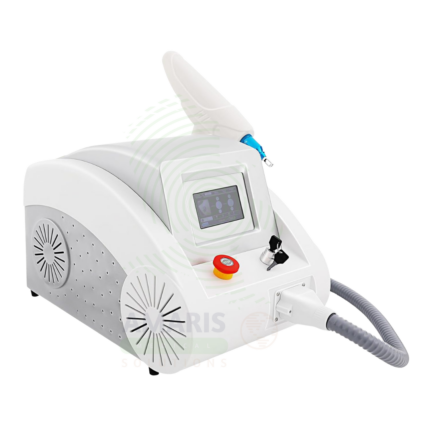
High-Performance Pico-Second Q-Switched Nd:YAG Laser
A High-Performance Pico-Second Q-Switched Nd:YAG Laser is an advanced laser system that delivers ultra-short picosecond pulses to fragment tattoo ink and pigmented lesions with minimal thermal damage. Operating at 1064 nm and 532 nm wavelengths, it effectively treats a wide range of tattoo colors, benign pigmented lesions, and melasma. The optional fractional lens technology enables skin rejuvenation and acne scar treatment. Faster tattoo clearance and reduced risk of pigment changes make it the gold standard for tattoo removal and pigmentation treatment.
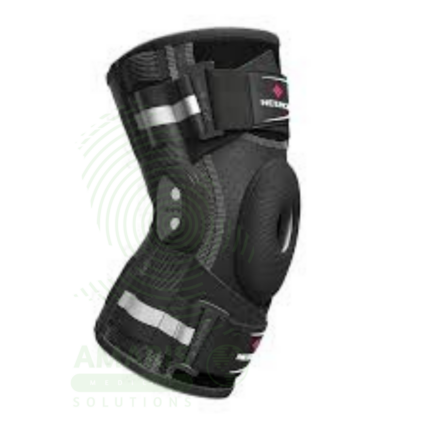
Hinged & Stabilizer Knee Braces
Hinged & Stabilizer Knee Braces are rigid or semi-rigid orthotic devices featuring side hinges, designed to provide mechanical stability, control motion, and protect the knee joint. They are essential for post-operative rehabilitation (e.g., after ACL reconstruction), managing chronic ligament instability, treating acute sprains, and, in the form of unloader braces, alleviating pain from osteoarthritis. Their effectiveness relies on a precise fit with proper hinge alignment, an adjustable strapping system, and selection of the correct brace type for the specific clinical indication. They are a cornerstone of non-surgical and post-surgical knee management.
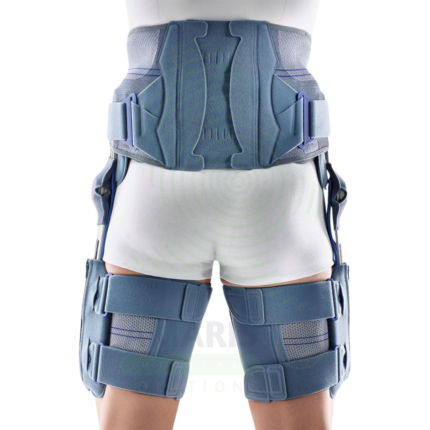
Hip & Joint Support
A Hip & Joint Support is a supportive wrap providing compression, warmth, and proprioceptive feedback for hip osteoarthritis, bursitis, labral tears, instability, and post-operative recovery. Made from breathable, adjustable materials, it reduces pain, improves function, and provides confidence during daily activities and rehabilitation. Used in orthopedics, sports medicine, and physical therapy, it provides symptomatic relief and supports return to function. Proper fit and skin integrity monitoring are essential for safe use.
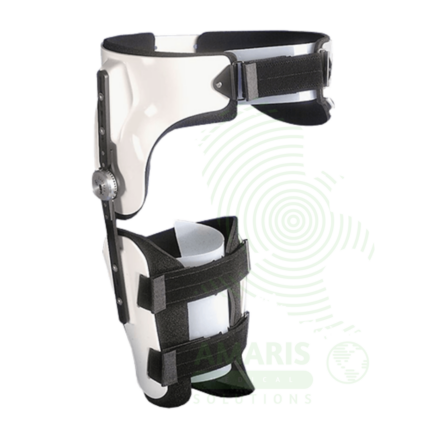
Hip Orthosis & Hip Brace
A Hip Orthosis & Hip Brace is an external support device providing immobilization and stabilization of the hip joint following hip surgery, instability, developmental dysplasia, and neuromuscular conditions. Used for total hip arthroplasty, hip fracture fixation, hip arthroscopy, and conservative management of hip instability, it restricts specified movements to protect surgical repairs and promote healing. Featuring adjustable joints and a customizable range of motion settings, it supports controlled rehabilitation while protecting the hip. Proper fit, skin integrity monitoring, and adherence to prescribed range of motion settings are essential for safe and effective use.
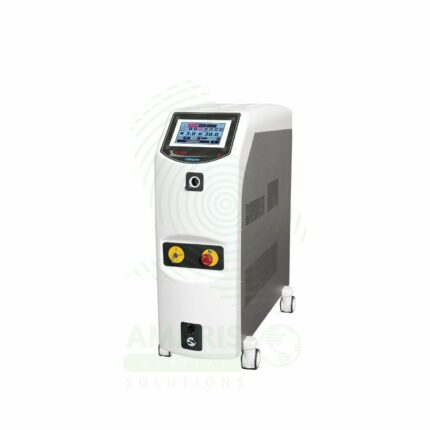
Holmium Laser System
A Holmium Laser System is a versatile, high-power Class IV surgical laser that emits at a 2120 nm wavelength, which is highly absorbed by water and biological tissue. It is the gold-standard tool in urology for laser lithotripsy (stone dusting/fragmentation) and advanced soft tissue procedures like prostate enucleation (HoLEP) and tumor ablation. Its energy is delivered via flexible silica fibers through endoscopes, enabling precise cutting, ablation, and coagulation with excellent hemostasis in a fluid environment. Strict laser safety protocols—including mandatory 2120 nm eyewear, fiber inspection, and controlled activation—are non-negotiable for its safe operation in the OR.
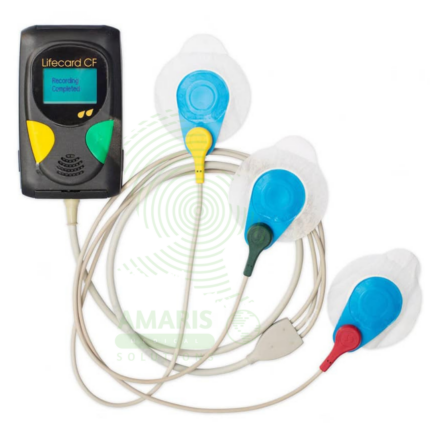
Holter ECG Monitor
A Holter ECG Monitor is a portable, wearable medical device used for continuous, long-term recording of a patient's heart's electrical activity over 24 to 48 hours or more. It is the cornerstone diagnostic tool for detecting intermittent cardiac arrhythmias, evaluating unexplained symptoms like syncope or palpitations, and monitoring the efficacy of antiarrhythmic treatments or implanted cardiac device function. Consisting of a small digital recorder connected to chest electrodes (or an all-in-one adhesive patch), it allows patients to maintain their normal daily routine while capturing a comprehensive electrocardiographic record.
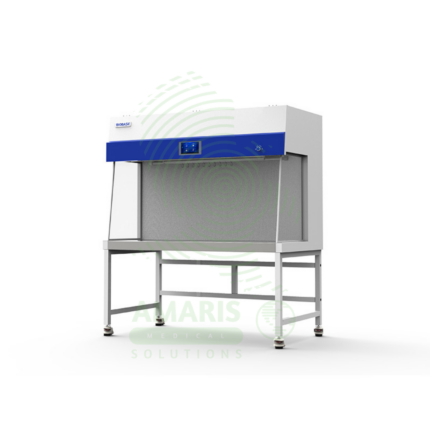
Horizontal Laminar Flow Cabinet
A Horizontal Laminar Flow Cabinet is a clean air workstation providing ISO Class 5 (Class 100) particle-free environment for sterile product preparation, with HEPA-filtered air flowing horizontally across the work surface toward the user. Features include HEPA filters (99.99% efficient at 0.3 microns), stainless steel work surface, transparent side panels, and quiet blower system. Available in widths from 2-6 feet. CRITICAL: This cabinet provides NO personnel protection and must NEVER be used with infectious materials, toxins, or hazardous chemicals. Primary clinical applications include sterile pharmaceutical compounding (IV admixtures, TPN, ophthalmic preparations), microbiological culture media preparation, cell culture media preparation, sterile reagent aliquoting, and assembly of sterile medical devices. Essential equipment for hospital pharmacies, microbiology laboratories, cell culture facilities, and medical device manufacturing requiring product protection only, with clear understanding that user safety depends entirely on proper PPE and safe work practices.
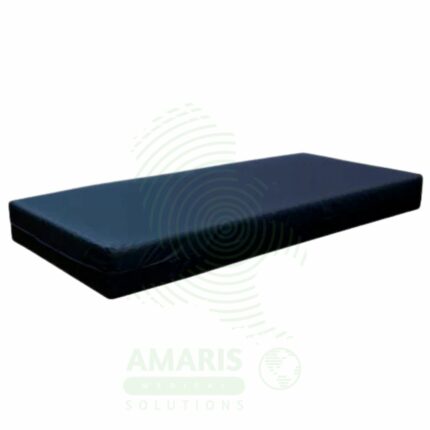
Hospital Mattress with Rexine
A Hospital Mattress with Rexine is a medical-grade mattress designed for use on hospital beds in clinical and home care settings. Featuring a high-density foam core for pressure redistribution and support, and a waterproof, fluid-resistant Rexine cover for infection control, it provides a comfortable, hygienic surface for patients requiring bed rest. The durable construction withstands repeated cleaning and disinfection, making it suitable for high-use environments. Essential for pressure injury prevention and patient comfort during hospitalization or long-term care.
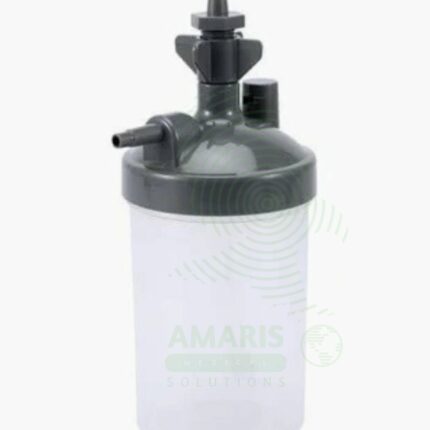
Humidifier Bottle
A Humidifier Bottle is a water reservoir device that adds moisture to dry medical oxygen before delivery to the patient. It attaches between the oxygen flow meter and the patient's oxygen delivery device, bubbling oxygen through sterile water to achieve relative humidity levels of 80-95%. Essential for patients receiving oxygen at flow rates above 4-6 liters per minute, it prevents drying of the nasal mucosa, pharynx, and lower airways, reducing discomfort and maintaining normal mucociliary clearance. Available in disposable sterile and reusable configurations, the bottle requires daily water changes with sterile water and proper positioning below the patient to prevent water carryover. Pressure relief valves protect against over-pressurization.
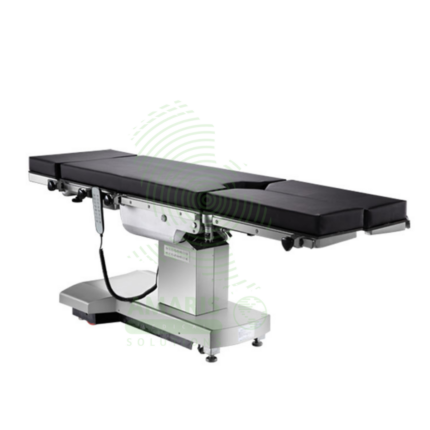
Hydraulic & Electric Operating Table
An Hydraulic & Electric Operating Table is the primary, heavy-duty patient positioning system in an operating room. Hydraulic models offer reliable, power-independent control, while electric models provide precise, programmable articulation. It is engineered for stability, a high weight capacity, and a wide range of motions (height, tilt, flexion) to optimize surgical exposure and ergonomics across all specialties. Safe use requires securing the patient, adhering to weight limits, careful padding to prevent nerve injury, and clear communication before any movement. It is a critical piece of capital equipment that forms the foundation for safe and effective surgical intervention.
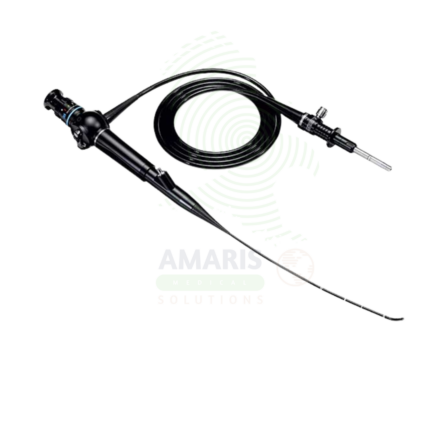
Hysteroscope
A Hysteroscope is a specialized endoscope used for visualization and treatment of the uterine cavity. Diagnostic hysteroscopy provides direct examination of the endometrium for evaluation of abnormal bleeding, infertility, and recurrent pregnancy loss. Operative hysteroscopy enables minimally invasive treatment of polyps, fibroids, adhesions, and uterine septa through the natural orifice of the cervix. Essential for gynecology and reproductive medicine, hysteroscopy offers accurate diagnosis and effective treatment with preservation of fertility and rapid recovery.
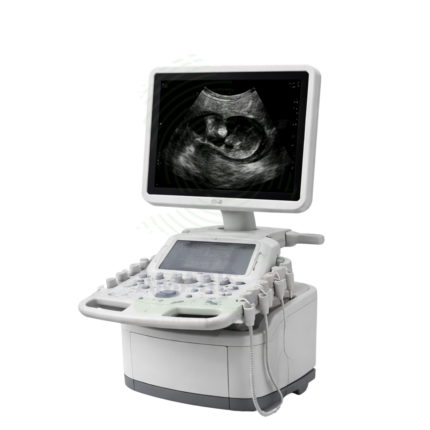
Imaging Processor
An Imaging Processor is the central processing unit for endoscopic systems, receiving video signals from endoscope cameras and outputting high-definition images for real-time visualization. Incorporating advanced image processing algorithms including narrow band imaging, blue light imaging, and digital contrast enhancement, it enables detection of subtle mucosal abnormalities and early neoplasia. Integrated with hospital information systems and PACS, it provides image storage, documentation, and seamless data transfer for patient records.
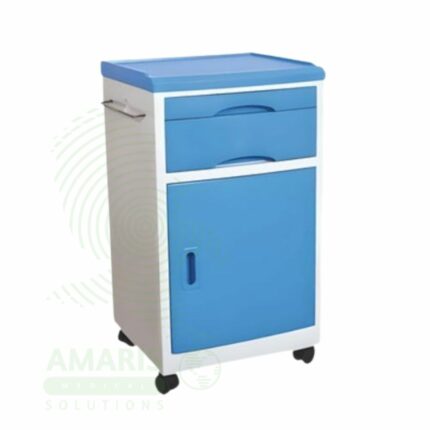
Imported Hospital Bedside Lockers
Imported Hospital Bedside Lockers are secure storage units designed for patient bedside use in hospitals, long-term care facilities, and patient care areas. Featuring lockable drawers for valuables and medications, open shelves for frequently used items, and smooth, non-porous surfaces for easy cleaning, they provide organized, secure storage for patient personal belongings and clinical supplies. The top surface serves as a convenient platform for water, tissues, and call bells, supporting patient independence and comfort. Essential for maintaining an organized, dignified patient environment while supporting infection control protocols.

Infant Hanging Scale
An Infant Hanging Scale is a Class II medical device (mechanical spring/balance or digital load cell) designed for accurate weight measurement of neonates and infants up to 2-3 years (capacity 10-25 kg, accuracy ±5-10 g) using a suspended sling or pan. Features include soft, washable fabric sling with head support and leg openings, tare function to zero out sling weight, mechanical dial or backlit digital display, hold function for active infants, test-weighing mode for breastfeeding assessment (digital models), and portable carrying case. Primary clinical applications include newborn weight monitoring in hospital nurseries (detecting excessive weight loss), NICU daily weights (tracking growth, calculating fluids), breastfeeding adequacy assessment (test-weighing), pediatric outpatient and well-child visits, home healthcare and visiting nurse services, malnutrition screening in developing world, and research studies requiring precise infant weights. Critical safety considerations include secure hanging from sturdy support (never ceiling tiles), thorough sling inspection before each use, proper infant positioning with head support, tare verification with sling attached, never leaving infants unattended, and strict infection control with clean sling per patient. Essential equipment for accurate infant growth monitoring and nutritional assessment in all healthcare settings serving pediatric populations.
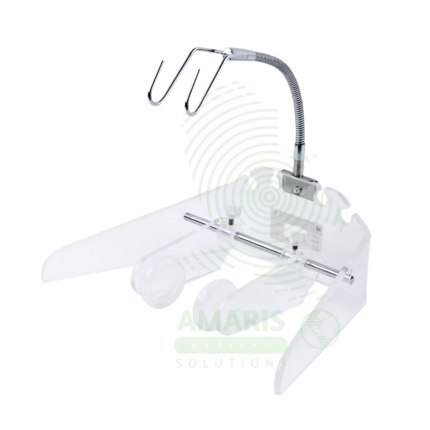
Infant Head Fixing Unit
An Infant Head Fixing Unit is a Class I medical positioning device designed to safely stabilize and maintain proper head and neck alignment in neonates and infants during medical procedures, respiratory support, imaging studies, and ongoing care in NICUs, delivery rooms, and transport settings. Constructed with medical-grade materials (radiolucent plastics, pressure-distributing foam/gel, waterproof covers) and available in preterm, term, infant, and adjustable sizes. Features include contoured head support, adjustable lateral stabilizers, optional securing straps, and compatibility with incubators, radiant warmers, and procedure tables. Primary clinical applications include maintaining airway alignment during non-invasive ventilation (CPAP, high-flow nasal cannula), stabilizing head for procedures (umbilical line placement, lumbar puncture), preventing motion artifact during imaging (cranial ultrasound, CT, MRI), protecting neurosurgical sites post-operatively, and preventing positional plagiocephaly. Critical safety considerations include verifying neutral head position to maintain patent airway, regular skin checks for pressure points, appropriate sizing to prevent movement or pressure injury, and radiolucent/MRI-safe verification for imaging studies. Essential positioning equipment for safe, developmentally supportive care of hospitalized infants.
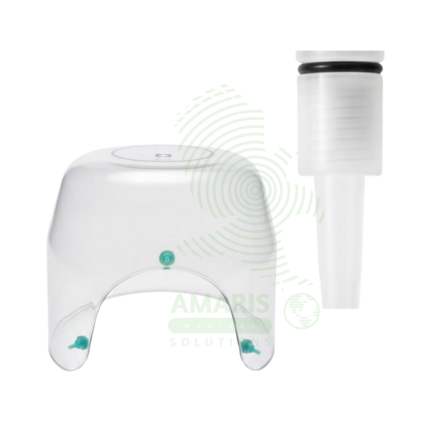
Infant Oxygen Hood
An Infant Oxygen Hood is a Class II medical device used to deliver controlled concentrations of supplemental oxygen to spontaneously breathing newborns and infants. Made of transparent medical-grade acrylic or polycarbonate, the hood fits over the infant's head with a soft foam or rubber neck seal, creating an oxygen-enriched environment while allowing easy access for monitoring and care. Available in premature/neonatal, infant, and older infant sizes with gas inlet ports (22 mm) for connection to air/oxygen blenders (FiO2 21-100%), access ports for monitoring leads and IV lines, and outlet vents to prevent CO2 accumulation. Requires minimum flow rate of 5 L/min to ensure adequate CO2 washout. Used with heated humidifiers for prolonged therapy to prevent airway drying. Primary clinical applications include management of respiratory distress syndrome (RDS) in premature infants, neonatal pneumonia, post-extubation oxygen support, congenital heart disease, and palliative care. Critical safety considerations include maintaining adequate flow rate to prevent rebreathing, monitoring FiO2 at hood level, ensuring proper neck seal without constriction, and preventing hyperoxia to reduce retinopathy of prematurity (ROP) risk. Essential equipment in NICUs and special care nurseries for controlled oxygen delivery to vulnerable infants.
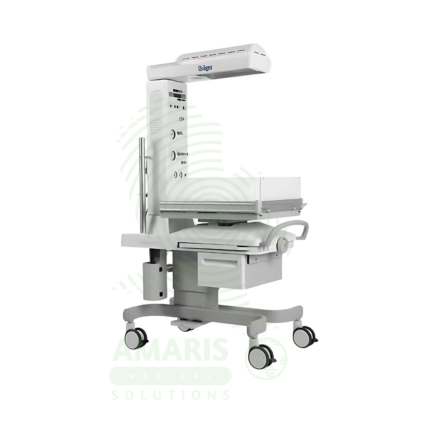
Infant radiant warmer (resuscitaire)
An Infant Radiant Warmer (Resuscitaire) is an open-bassinet, overhead radiant heating system designed for neonatal thermoregulation and resuscitation. It provides servo-controlled infrared warmth to maintain infant body temperature during the critical transition from intrauterine to extrauterine life. The integrated resuscitation platform features built-in oxygen and air sources, suction apparatus, cardiorespiratory monitoring, and storage for resuscitation equipment, ensuring all necessary tools are immediately accessible during newborn stabilization. Essential equipment for every delivery room and neonatal intensive care unit, the radiant warmer supports thermoregulation, resuscitation, and ongoing care while allowing unrestricted access to the infant. Proper temperature probe placement, pre-warming, and alarm response are critical for safe operation.
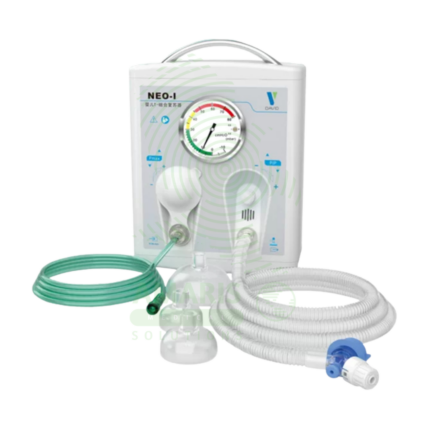
Infant T-Piece Resuscitator
An Infant T-piece Resuscitator is a Class II medical device designed for neonatal resuscitation and controlled positive pressure ventilation, delivering precise, consistent peak inspiratory pressures (PIP) and positive end-expiratory pressure (PEEP) as recommended by Neonatal Resuscitation Program (NRP) guidelines. The T-piece assembly connects to compressed air/oxygen source (5-15 L/min) with adjustable PIP (10-40 cmH₂O) and PEEP (0-10 cmH₂O) controls, built-in pressure manometer, and pressure relief valve (30-40 cmH₂O). Operator occludes port to deliver breaths (typically 40-60/min), with consistent pressures maintained regardless of technique. Essential advantages over bag-valve-mask devices include operator-independent pressure delivery, ability to provide PEEP (critical for preterm lung protection), reduced risk of barotrauma, and hands-free PEEP allowing two-handed mask seal. Primary clinical applications include delivery room resuscitation, stabilization of extremely preterm infants (<1,000 g), CPAP/PEEP delivery, meconium aspiration management, and neonatal transport ventilation. Critical safety considerations include verifying gas supply (5-15 L/min), monitoring manometer pressures, ensuring proper mask seal, observing chest rise, and titrating FiO2 to SpO2 targets. Indispensable resuscitation equipment in every delivery room, NICU, and neonatal transport setting worldwide.
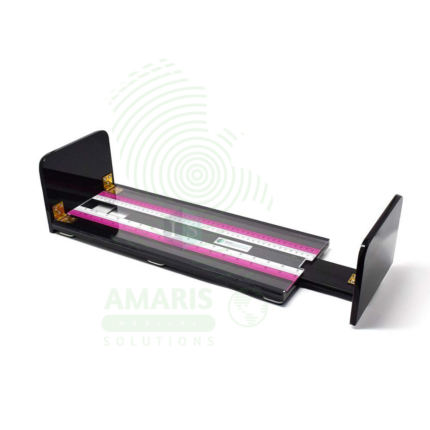
Infantometer
An Infantometer is a medical measuring device (typically 0-100 cm range, 1 mm graduation) designed for accurate recumbent length measurement of neonates, infants, and children up to 2 years of age. Features include rigid base board, fixed headboard, movable perpendicular footboard with smooth-gliding mechanism, and measurement scale (analog engraved or digital display). Constructed from medical-grade materials (wood, acrylic, ABS plastic, aluminum/stainless steel) with non-porous, easy-to-clean surfaces and rounded safety edges. Accuracy ±1-2 mm meets WHO and CDC requirements for growth monitoring. Primary clinical applications include accurate length measurement for growth assessment (WHO/CDC growth charts), early detection of growth abnormalities (failure to thrive, growth retardation), nutritional status monitoring (weight-for-length), premature infant follow-up, endocrine disorder evaluation (growth hormone deficiency), genetic syndrome assessment (syndrome-specific charts), and research studies requiring precise anthropometrics. Class I medical device. Critical safety considerations include two-person measurement technique, proper infant positioning (neutral head, gentle leg extension), infection control (cleaning between infants), stability on level surface, and regular calibration verification. Essential equipment in pediatric clinics, well-child visits, NICU, and child health research.
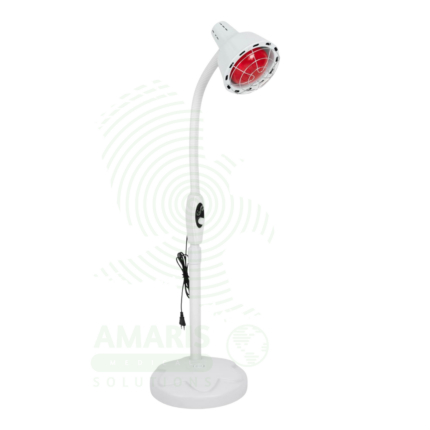
Infrared Therapy Lamp Stand
An Infrared Therapy Lamp Stand is a professional-grade, floor-standing device that emits broad-spectrum infrared radiation to deliver deep-heat therapy to large areas of the body. Designed for clinical use in physical therapy, chiropractic, and pain management clinics, it features adjustable height and tilt panels on a stable, mobile stand for targeted treatment of the back, shoulders, and legs. Its primary uses include pain relief for musculoskeletal conditions, tissue warming for rehabilitation, and promoting muscle relaxation. Safe operation requires strict adherence to contraindications, treatment time/distance guidelines, and continuous patient monitoring to prevent burns or overheating.
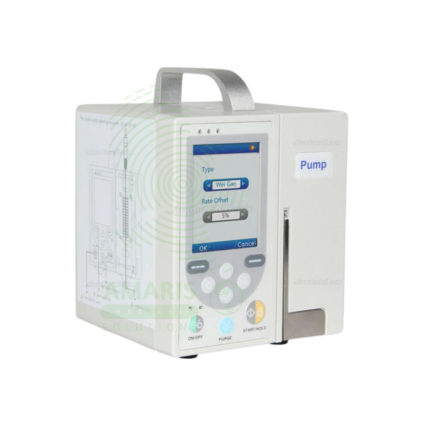
Infusion Pump
An Infusion Pump is a microprocessor-controlled device that delivers fluids, medications, or nutrients into a patient's circulatory system at precisely programmed rates. Replacing error-prone gravity drips, it is indispensable for the safe administration of critical IV therapies, including vasoactive drugs, chemotherapy, analgesics (via PCA), and nutrition. Engineered with multiple safety features—such as anti-free-flow mechanisms, air-in-line detectors, occlusion alarms, and dose error reduction software—it ensures accurate delivery and minimizes the risk of adverse events. Its use spans hospitals, clinics, and home care, making it a cornerstone of modern intravenous therapy.
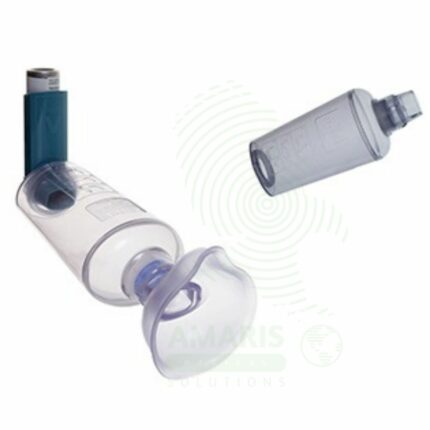
Inhaler Spacer with Child Mask
An Inhaler Spacer with Child Mask is a valved holding chamber designed to optimize aerosol medication delivery from metered-dose inhalers to infants and young children. The spacer captures the medication spray, allowing the child to inhale over multiple breaths, while the soft mask creates a seal over the nose and mouth. This improves pulmonary drug deposition, reduces oropharyngeal side effects, and eliminates the need for complex breath coordination. Essential for pediatric asthma management, the spacer enables effective inhaler use in children as young as infancy, supporting home management of reactive airway disease.
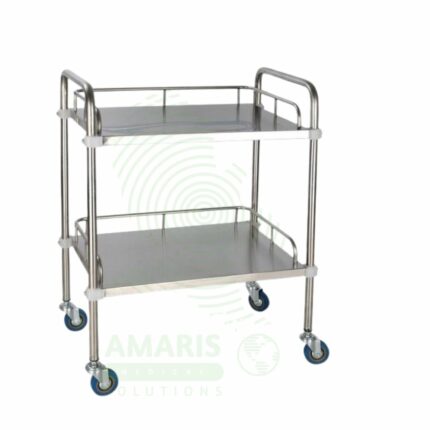
Instrument & Medicine Trolley
An Instrument & Medicine Trolley is a versatile, secure, mobile cart designed to transport, organize, and administer both medical instruments and medications. It functions as a mobile workstation for procedures, medication rounds, or emergency response, depending on its configuration. Key features include lockable, compartmentalized drawers for secure storage, a flat work surface, and smooth-rolling casters for mobility. Its adaptability makes it essential across hospital settings, from wards to treatment rooms, ensuring that organized, secure, and complete sets of tools and drugs are delivered efficiently to the point of patient care.
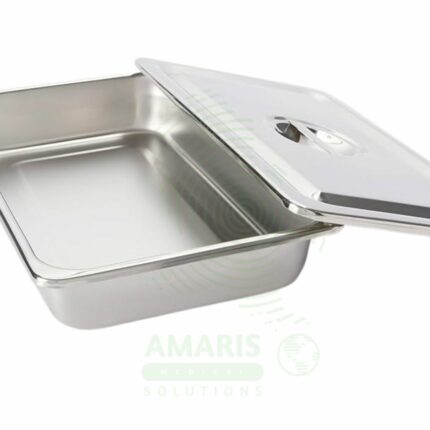
Instrument Trays
Instrument Trays are reusable stainless-steel containers that form the foundational platform for organizing, processing, and presenting surgical instruments. They are used at every stage of the instrument lifecycle: collecting contaminated instruments, holding them during mechanical washing and ultrasonic cleaning, assembling sets for sterilization, and finally organizing them on the sterile field in the OR. Perforated trays are essential for effective cleaning and sterilization, while solid trays are used for containment and transport. Their durability and compatibility with reprocessing chemistries and high temperatures are critical. Proper handling, regular inspection for damage, and ergonomic care when moving heavy loads are essential for safe operation.
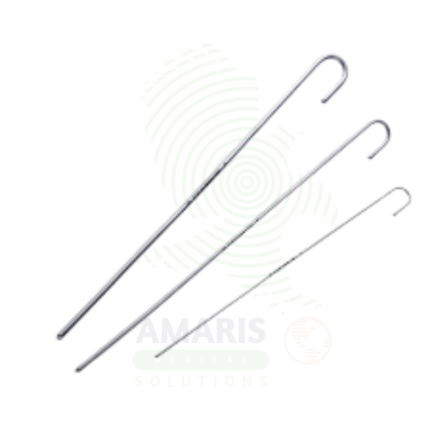
Intubating Stylet
An Intubating Stylet is a malleable or pre-shaped semi-rigid rod inserted into an endotracheal tube to provide shape, rigidity, and directional control for tracheal intubation, particularly in difficult airway management. The malleable metal core allows the clinician to bend the stylet-tube assembly into customized shapes (hockey stick, J-shape, or patient-specific curve) to navigate anatomical variations such as anterior larynx, large tongue, cervical spine immobility, or congenital abnormalities. For the anesthesiologist, intensivist, and emergency physician, the intubating stylet increases first-pass intubation success, reducing the risk of hypoxia, aspiration, and airway-related complications during emergency or surgical airway management. The smooth polymer coating reduces friction, while the atraumatic tip minimizes the risk of airway trauma during insertion. Available in various lengths (adult, pediatric, nasal) and diameters (5Fr to 15Fr) for different endotracheal tube sizes, with both single-use disposable and reusable sterilizable options, the intubating stylet is an essential component of difficult airway carts and standard airway management protocols.
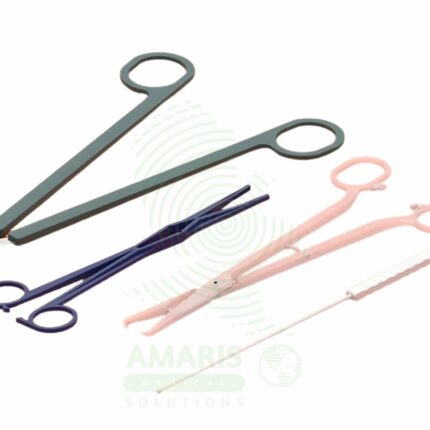
IUD Removal Set
An IUD Removal Set is a sterile instrument tray containing instruments for the safe removal of intrauterine contraceptive devices. The set includes vaginal speculum, ring forceps, tenaculum, uterine sound, IUD retrieval instruments, and cervical dilators for managing routine and complex IUD removals. Used in gynecology clinics, family planning centers, and office-based procedure suites, it supports safe removal of copper and hormonal IUDs, management of non-visible strings, and retrieval of embedded or fragmented devices. Proper technique and careful handling are essential for patient safety and successful IUD removal.
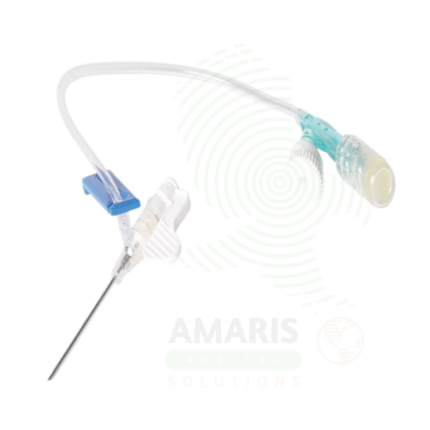
IV Cannulas & Tubing
IV Cannulas & Tubing are sterile, single-use medical devices that together constitute the complete peripheral intravenous access and delivery system. The IV cannula (peripheral intravenous catheter) is a flexible catheter mounted over a hollow introducer needle, inserted into a peripheral vein to establish vascular access for fluid, medication, and blood product administration. Available in gauges 14G-26G, with material options including FEP/Teflon® and polyurethane, and featuring passive or active sharps safety mechanisms. IV tubing (administration sets) is a flexible conduit connecting the fluid container to the cannula, incorporating drip chambers, flow regulators, injection ports, and needleless connectors. Available in macro-drip, micro-drip, filtered, light-protective, and non-PVC variants. Strict aseptic insertion technique, immediate sharps disposal, routine site assessment, and adherence to single-use protocols are essential to prevent phlebitis, bloodstream infection, and needlestick injury.
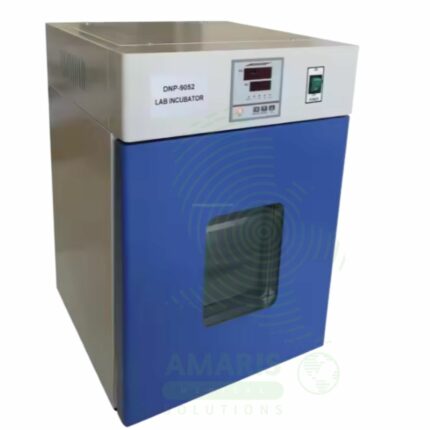
Lab Incubator
A Lab Incubator is a controlled-environment chamber used primarily to grow and maintain microbial or cell cultures by regulating temperature, and often humidity and CO₂ levels. Microbiological incubators provide dry heat for culturing bacteria, while CO₂ incubators create a humidified, gaseous environment essential for mammalian cell culture. Key to their operation is temperature uniformity, stability, and, for cell culture, stringent contamination control through features like HEPA filtration and auto-sterilization cycles. Proper use requires regular cleaning and calibration, adherence to biosafety protocols for handling cultures, and awareness of associated hazards from heat, gas, and electrical components. It is an indispensable workhorse in diagnostic and research laboratories.
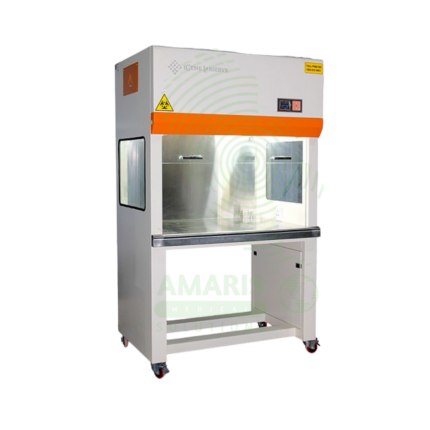
Laminar Flow Cabinet
A Laminar Flow Cabinet is a clean air workstation providing ISO Class 5 (Class 100) particle-free environment for sterile product preparation, with HEPA-filtered air flowing in a unidirectional (laminar) pattern horizontally or vertically across the work surface. Features include HEPA filters (99.99% efficient at 0.3 microns), stainless steel work surface with coved corners, transparent side panels, and quiet blower system. Available in widths from 2-6 feet with horizontal or vertical airflow configurations. CRITICAL SAFETY WARNING: This cabinet provides NO personnel protection and must NEVER be used with infectious materials, toxins, or hazardous chemicals requiring containment. Primary clinical applications include sterile pharmaceutical compounding (IV admixtures, TPN, ophthalmic preparations), microbiological culture media preparation, cell culture media preparation, sterile reagent aliquoting, sterile medical device handling, pharmaceutical quality control testing, and electronics assembly. Essential equipment for hospital pharmacies, microbiology laboratories, cell culture facilities, and cleanrooms requiring ISO Class 5 conditions for product protection, with absolute understanding that user safety depends entirely on proper PPE and safe work practices, not on the cabinet itself.
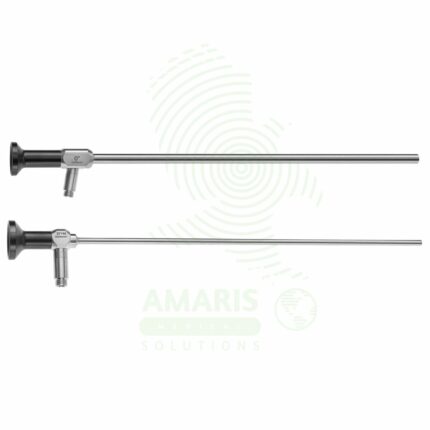
Laparoscope
A Laparoscope is a rigid, sterile optical telescope used in minimally invasive surgery to visualize the abdominal and pelvic cavities. Featuring a Hopkins rod-lens system for brilliant, high-resolution images, it comes in standard diameters (5mm, 10mm) and viewing angles (0° for straight-ahead or 30°/45° to look around structures). It connects to a high-intensity light source and a video camera system. Meticulous handling, mandatory pre-sterilization leak testing, and careful cleaning are required to maintain its integrity and prevent infection. As the primary visual conduit for the surgeon, its clarity and reliability are fundamental to the safety and success of any laparoscopic procedure.
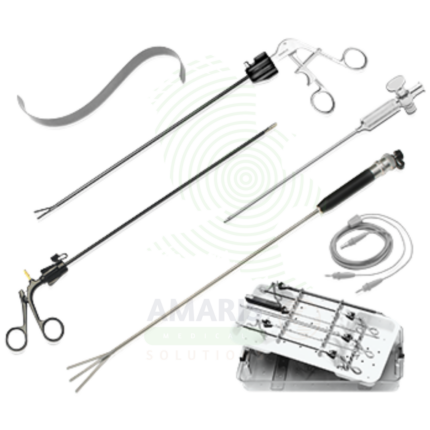
Laparoscopic Accessories
Laparoscopic accessories encompass a range of ancillary equipment and supplies essential for minimally invasive surgery, including cleaning brushes, sterilization containers, insufflation tubing, instrument storage systems, and single-use protective covers. These accessories support instrument care, procedural efficiency, and infection control, ensuring that laparoscopic instruments remain in optimal condition and that procedures run smoothly. Essential for operating rooms, sterile processing departments, and surgical suites.
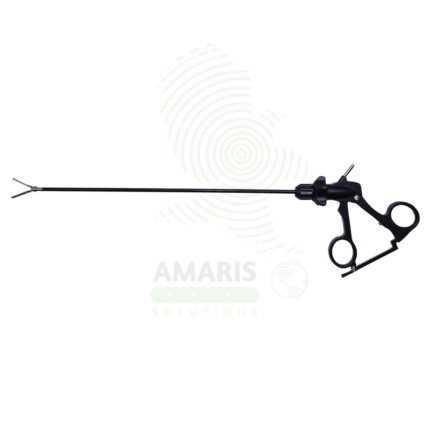
Laparoscopic Instrument
Laparoscopic Instruments are specialized surgical tools designed for use through small incisions during minimally invasive abdominal and pelvic procedures. Available in grasping, cutting, dissecting, hemostatic, and suturing configurations, they enable surgeons to perform complex operations with precision while minimizing patient trauma. With shaft diameters of 3-12 mm and lengths optimized for abdominal access, these instruments allow for the full range of surgical techniques through small incisions, resulting in reduced post-operative pain, shorter hospital stays, and faster recovery.
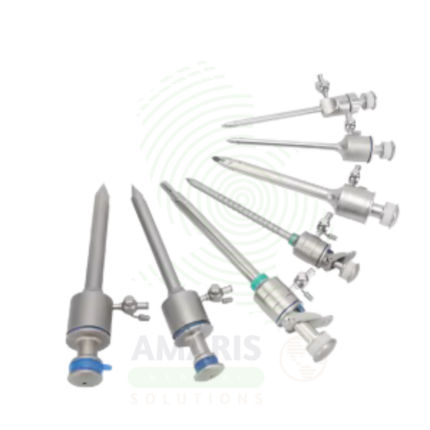
Laparoscopic Metal Instruments
Laparoscopic Metal Instruments are reusable, surgical-grade stainless steel instruments designed for minimally invasive abdominal and pelvic procedures. Available in grasping, cutting, hemostatic, suturing, and retracting configurations, they enable surgeons to perform complex operations with precision through small incisions. Durable and designed for repeated sterilization, these instruments provide the reliability and tactile feedback essential for laparoscopic surgery, resulting in reduced patient trauma, shorter hospital stays, and faster recovery.
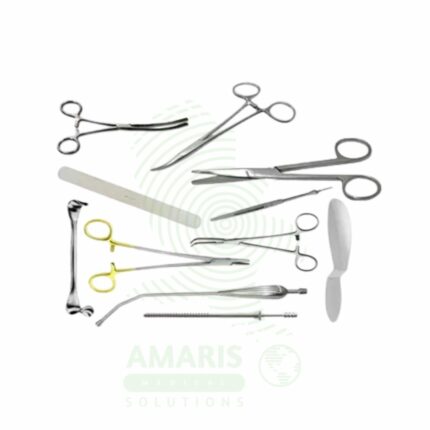
Laparotomy Set
A Laparotomy Set is a sterile instrument tray containing comprehensive instruments for abdominal surgical procedures requiring laparotomy. The set includes instruments for abdominal incision, exposure, dissection, hemostasis, and closure, supporting a wide range of intra-abdominal surgeries including exploration, bowel resection, biliary procedures, and tumor removal. Essential for general surgery, trauma surgery, and oncologic surgery operating rooms, it ensures that all necessary instruments are sterile, organized, and immediately available for safe and effective abdominal surgery.
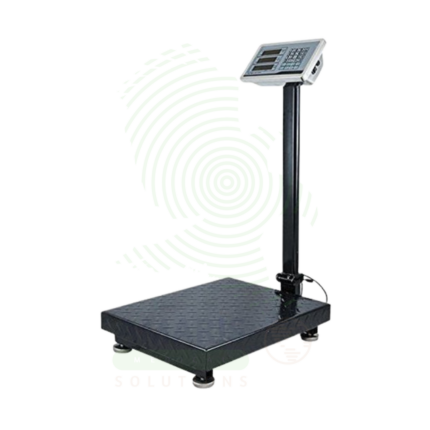
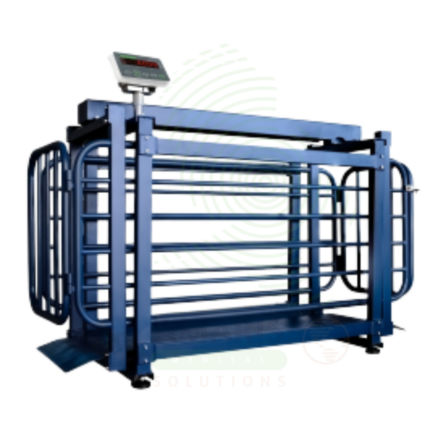
Large Digital Platform Scale
A Large Digital Platform Scale is a heavy-duty weighing device designed for accurate patient weight measurement in clinical settings. Accommodating patients of all sizes, including bariatric patients and those using wheelchairs, it provides safe, comfortable weighing with high weight capacity and large platform size. Essential for medication dosing, fluid management, nutritional assessment, and monitoring disease progression, it supports safe and effective patient care.
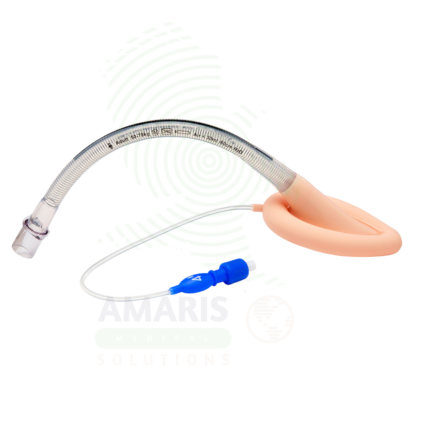
Laryngeal Mask Airway
A Laryngeal Mask Airway is a supraglottic airway device that sits above the laryngeal inlet, providing a patent airway without tracheal intubation. The inflatable cuff seals around the glottis, enabling positive pressure ventilation for short surgical procedures, difficult airway management, and emergency resuscitation. Essential for anesthesia, emergency medicine, and critical care, it offers a rapid, atraumatic airway option with reduced risk of post-operative throat discomfort.
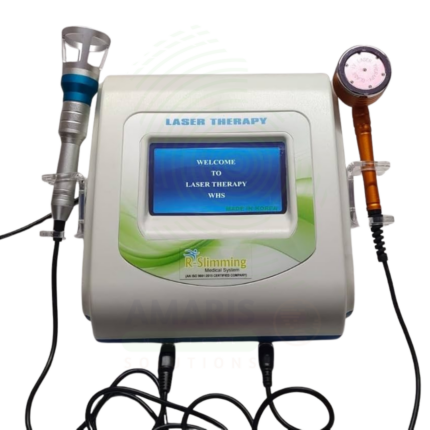
Laser Therapy Systems (Hair Removal, Vascular)
Laser Therapy Systems for Hair Removal and Vascular treatment are high-energy medical devices that use specific wavelengths of light to selectively target melanin in hair follicles or oxyhemoglobin in blood vessels. Through selective photothermolysis, they provide permanent hair reduction and effectively treat vascular lesions like spider veins and port-wine stains. These Class 4 laser systems require rigorous safety protocols, including mandatory wavelength-specific eyewear, operator expertise in parameter selection, and thorough patient screening. Treatment efficacy and safety depend on matching the correct laser type (e.g., Alexandrite, Diode, Pulsed Dye) to the patient's skin type and condition.
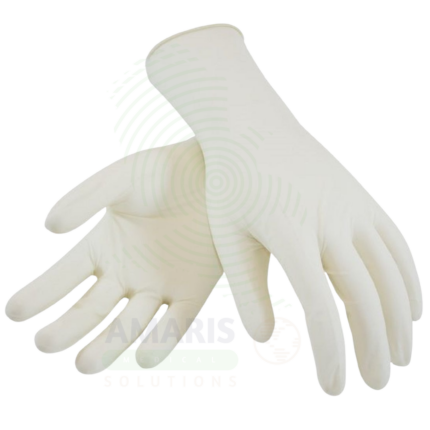
Latex Examination Gloves
Latex Examination Gloves are disposable, single-use gloves made from natural rubber latex, providing barrier protection against bloodborne pathogens and cross-contamination during patient examinations and non-sterile procedures. Offering superior elasticity, tactile sensitivity, and comfort, they are the standard for routine clinical care. Available in powdered and powder-free options, with textured fingertips for enhanced grip. Latex allergy precautions are essential, as natural rubber latex can cause allergic reactions in sensitive individuals. Proper sizing, hand hygiene, and single-use disposal are critical for effective infection control.
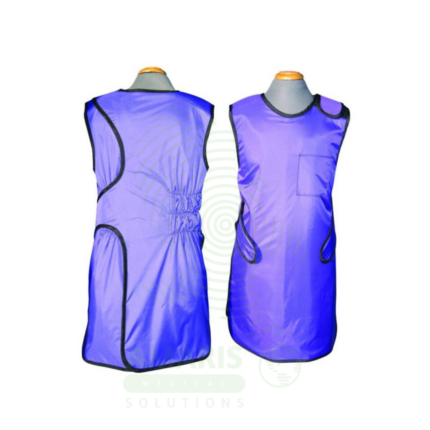
Lead Apron
A Lead Apron is a protective garment worn by healthcare workers to shield against scatter radiation during fluoroscopic procedures, X-ray examinations, and interventional radiology. Made of lead-impregnated material, it attenuates scatter radiation to the thyroid, chest, and reproductive organs, ensuring occupational radiation exposure remains within safe limits. Available in frontal, wrap-around, and two-piece designs with lead equivalence ranging from 0.25 mm to 0.5 mm, proper storage, annual inspection, and use of thyroid shields are essential for effective radiation protection.
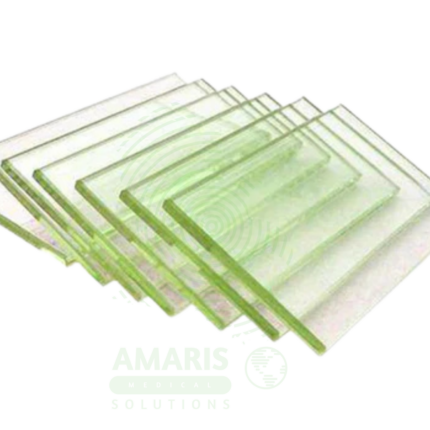
Lead Glass
Lead Glass is a transparent radiation shielding material used in X-ray rooms, CT suites, fluoroscopy suites, and radiation therapy control areas. Impregnated with lead oxide, it provides radiation attenuation equivalent to lead sheet while allowing direct visual observation of patients during procedures. Used for observation windows in control booths and procedure rooms, lead glass maintains the integrity of the radiation shielding envelope while enabling staff to monitor patient positioning, movement, and comfort. Proper installation with lead-lined frames and seals is essential for continuous radiation protection.
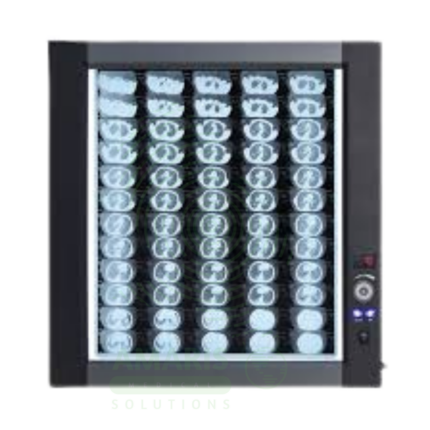
LED Medical Film Viewer
An LED Medical Film Viewer is a light box designed for viewing and interpreting analog X-ray films. Using LED backlight technology, it provides uniform, high-luminance illumination with instant on capability and long life. Available in single, dual, and multi-panel configurations, it supports side-by-side comparison of current and prior studies, pre-operative planning, and group teaching. Essential for radiology departments, orthopedic clinics, emergency departments, and operating rooms where film-based imaging is still used.
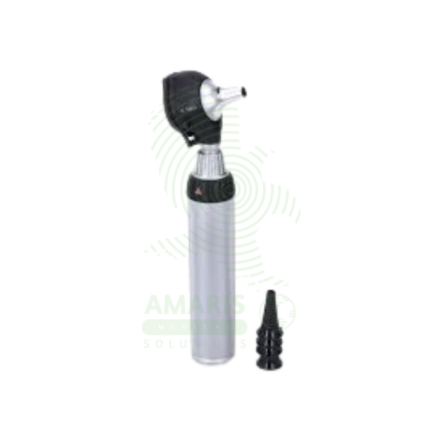
LED Otoscope
An LED Otoscope is a handheld medical device used for illuminating and magnifying the external ear canal and tympanic membrane. Featuring a bright, cool, and long-lasting LED light source, it provides superior visualization for diagnosing common conditions like ear infections, wax impaction, and perforations. Its design, incorporating a reusable handle/head and disposable specula, ensures hygiene and patient safety. As an essential tool in family medicine, pediatrics, and ENT, it enables clinicians to perform accurate otoscopic examinations and, when equipped with an insufflator, crucial pneumatic otoscopy to assess middle ear function.
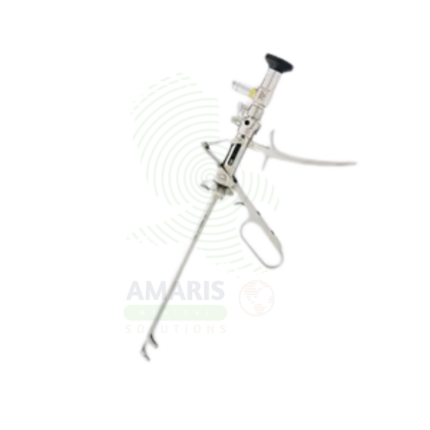
Lithotriptic Scope
A Lithotriptic Scope is a specialized endoscope used for endoscopic fragmentation of urinary tract stones in the kidney, ureter, and bladder. Available as semi-rigid ureteroscopes, flexible ureteroscopes, and nephroscopes, these instruments provide direct visualization for laser, pneumatic, or ultrasonic lithotripsy. Essential in endourology, they enable minimally invasive stone treatment with high stone-free rates, rapid recovery, and preservation of renal function.

Littman Stethoscope (Classic 4 Cardiology)
A Littman Stethoscope (Classic 4 Cardiology) represents the pinnacle of acoustic auscultation technology. Designed for clinicians who require the highest level of diagnostic accuracy, it features dual tunable diaphragms and dual-lumen tubing to provide exceptional acoustic sensitivity and ambient noise reduction. Its innovative design allows the user to hear both high and low-frequency sounds by simply adjusting pressure on either side of the chestpiece, making it the instrument of choice for cardiologists, intensivists, and specialists who cannot afford to miss a subtle murmur, rub, or breath sound. It combines superior performance with the durability and comfort expected from the Littmann brand.
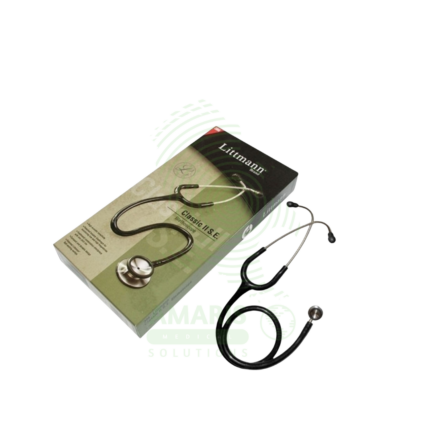
Littmann Stethoscope (Classic II)
A Littmann Stethoscope (Classic II) is a premium, acoustic dual-head stethoscope renowned for its diagnostic clarity, durability, and innovative tunable diaphragm technology. It allows healthcare professionals to hear both high and low-frequency sounds by simply adjusting pressure on the single-sided chestpiece, eliminating the need to rotate it. With its superior acoustics, comfortable fit, and wide range of colors, it is the instrument of choice for medical students, nurses, and physicians across all specialties who require reliable performance for physical assessment, auscultation of heart and lung sounds, and manual blood pressure measurement.