Dermatoscope and Magnifiers
 Diagnostic Kits
 Vital Signs Monitors
 Stethoscopes and Accessories
 Otoscopes, Ophthalmoscopes, and Retinoscopes
 Reflex Hammers and Neurological Tools
 Scales and Measuring Devices
 Spirometers and Pulmonary Function Tests
 Electrosurgical Units and Accessories
 Cutting Instruments
 Grasping and Holding Instruments
 Hemostatic Instruments
 Specialized Surgical Sets
 Single-Use Procedure Trays and Packs
 Surgical Drapes, Gowns, and Covers
 Tissue Unifying Instruments
 Radiation Protection
 X-Ray Machines and Accessories
 Ultrasound Systems and Probes
 MRI and CT Scanners
 Radiology Consumables
 Bone Densitometers
 Fluoroscopy Equipment
 Imaging Tables and Positioning Aids
 Microscopes and Accessories
 Centrifuges and Separators
 Analyzers
 Incubators and Ovens
 Pipettes, Dispensers, and Lab Glassware
 Refrigerators, Freezers, and Storage Units
 Lab Consumables
 Sterilizers and Autoclaves for Lab Use
 Multi-Parameter Monitors
 Ventilators and Respiratory Support Devices
 Defibrillators and AEDs
 Infusion Pumps and IV Systems
 Patient Warmers and Cooling Devices
 Central Monitoring Stations
 Accessories
 Anesthesia Machines and Workstations
 Oxygen Concentrators and Delivery Systems
 Nebulizers and Inhalers
 CPAP/BiPAP Machines
 Airway Management
 Anesthesia Masks, Circuits, and Bags
 Humidifiers and Heaters
 Respiratory Therapy Accessories
 First Aid Kits and Cabinets
 Emergency Resuscitation Equipment
 Trauma Supplies
 Emergency Carts and Crash Carts
 Burn Care Products
 Bleeding Control
 Automated External Defibrillators (AEDs)
 Transport and Evacuation
 Wheelchairs and Accessories
 Walkers, Crutches, and Canes
 Prosthetics and Orthotics
 Physical Therapy Equipment
 Transfer Devices
 Bathroom Safety
 Orthopedic Traction and Tables
 Hot/Cold Therapy Packs and Units
 Beds and Mattresses
 Chairs and Stools
 Tables
 Cabinets and Storage
 Privacy Screens & Curtains
 Stands and Racks
 Linens and Textiles
 Lighting
 Autoclaves and Sterilizers
 Ultrasonic Cleaners
 Disinfectant Solutions and Wipes
 Sterilization Pouches, Wraps, and Indicators
 Instrument Trays and Containers
 UV and Ozone Disinfection Devices
 Washer Disinfectors
 Wound Care
 Gloves
 Masks and Respirators
 Catheters and Tubing
 Swabs, Applicators, and Sponges
 Incontinence Products
 Personal Protective Equipment (PPE)
 Dental Chairs and Units
 Handpieces and Burs
 Instruments
 Consumables
 Sterilization for Dental Use
 Orthodontic Supplies
 Endodontic Tools
 Slit Lamps and Tonometers
 Lensometers and Phoropters
 Ophthalmic Surgical Instruments
 Eyewear Frames and Lenses
 Contact Lens Supplies
 Vision Testing Charts and Devices
 Eye Care Consumables
 Laser Systems for Eye Care
 ENT Exam Chairs and Tables
 Endoscopes
 Audiometers and Hearing Tests
 ENT Instruments
 Nasal and Throat Packs
 Hearing Aids and Accessories
 Otology Supplies
 Fetal Dopplers and Monitors
 Delivery Beds and Tables
 Gynecological Instruments
 Neonatal Incubators and Warmers
 Breast Pumps and Accessories
 Contraceptive Devices
 Maternity Supports and Pads
 Neonatal Consumables
 Cystoscopes and Urethroscopes
 Dialysis Machines and Supplies
 Urological Catheters and Bags
 Lithotripters
 Prostate Treatment Devices
 Urinary Incontinence Products
 Kidney Stone Management Tools
 Consumables & Disposables
 EEG and EMG Machines
 Neurosurgical Instruments
 Nerve Stimulators
 Headrests and Positioning Aids
 Lumbar Puncture Kits
 Seizure Monitoring Devices
 Consumables
 Rehabilitation for Neurological Conditions
 ECG Machines and Accessories
 Holter Monitors
 Stress Test Systems
 Pacemakers and Defibrillator Accessories
 Vascular Access Devices
 Cardiac Catheters and Guidewires
 Blood Flow Meters
 Consumables
 Orthopedic Instruments
 Casts, Splints, and Padding
 Joint Replacement Supplies
 Prosthetic Limbs and Components
 Bone Grafts and Substitutes
 Traction Devices
 Orthopedic Braces and Supports
 Rehabilitation Aids for Orthopedics
 Home Oxygen Therapy
 Hospital Beds for Home Use
 Mobility Aids
 Bathroom and Daily Living Aids
 Wound Care for Home
 Monitoring Devices
 Enteral Feeding Pumps and Tubes
 Hand Sanitizers and Dispensers
 Face Shields and Goggles
 Isolation Gowns and Suits
 Biohazard Waste Containers
 Air Purifiers and HEPA Filters
 Surface Disinfectants
 Sharps Containers
 Protective Barriers
 Cardiovascular & Endurance Training
 Strength Training & Weightlifting
 Functional Training & Core Conditioning
 Physical Therapy & Rehabilitation
 Sports & Outdoor Recreation
 Gym Flooring & Facility Equipment
 Fitness Monitoring & Accessories
 Kids & Novelties










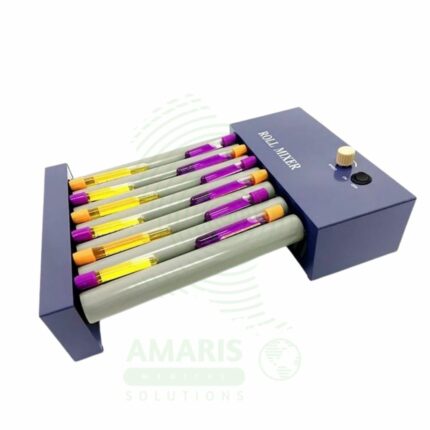
Roller Mixer
A Roller Mixer is a laboratory instrument that provides continuous, gentle, end-over-end agitation of samples in tubes or bottles. Its primary clinical function is to prevent clotting in anticoagulated blood samples and to ensure consistent mixing for coagulation studies and immunoassays. Featuring adjustable speed and timer controls, it is designed for quiet, reliable, and continuous operation. Key to its safe and effective use is ensuring tubes are properly sealed, loading is balanced, and any spills are cleaned promptly to prevent contamination. It is a fundamental tool for maintaining pre-analytical sample integrity in clinical and research laboratories.
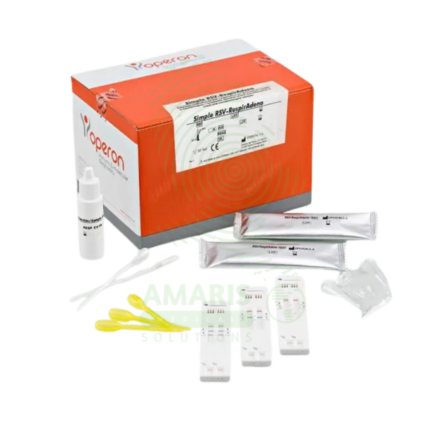
Rota virus
Rota virus rapid tests are immunochromatographic assays (CE-marked, FDA-cleared for some brands) for qualitative detection of rotavirus group A antigens in stool specimens, providing results in 10-20 minutes. The test principle uses monoclonal or polyclonal antibodies against rotavirus antigens (typically VP6 protein) immobilized on membranes, capturing antigens that form a visible line. Sensitivity 90-98%, specificity 95-99% compared to ELISA or PCR. The kit includes individually foil-wrapped test devices, sample diluent, and collection applicators. Primary clinical applications include rapid diagnosis of acute gastroenteritis in children (rotavirus is the leading cause of severe diarrhea in under-5 children), outbreak investigation in daycare centers and schools, hospital infection control and isolation precautions, differential diagnosis of acute diarrhea (viral vs. bacterial vs. parasitic), vaccine effectiveness monitoring and surveillance, assessment of dehydration risk, and evaluation of immunocompromised patients. Critical safety precautions include proper specimen collection (clean container, avoid contamination), biological hazard precautions (all stool potentially infectious), quality control verification, and awareness that a negative test does not rule out other causes of gastroenteritis. Essential tool for pediatric gastroenteritis management, infection control, and public health surveillance.
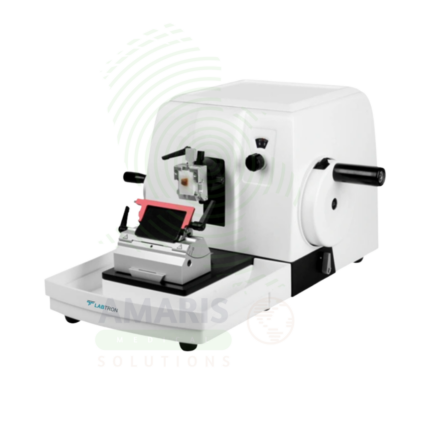
Rotary Microtome
A Rotary Microtome is the standard instrument for cutting thin sections from paraffin-embedded tissue blocks for histopathological examination. Using a handwheel-driven rotary mechanism, it produces consistent, smooth sections essential for accurate microscopic diagnosis. Durable construction supports high-volume use in busy histology laboratories, while adjustable thickness settings accommodate various tissue types and staining requirements.
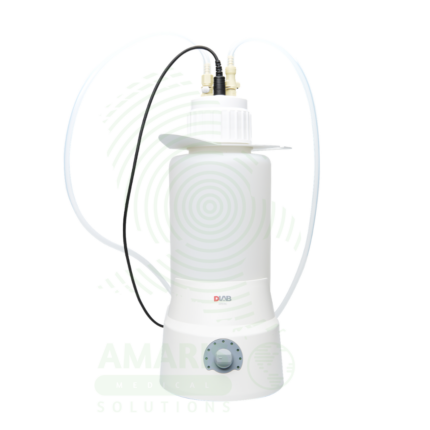
SafeVac Vacuum-Controlled Aspiration System
The SafeVac Vacuum-Controlled Aspiration System is a benchtop vacuum aspirator engineered for gentle, precise, and contamination-free removal of liquids in cell culture, molecular biology, clinical diagnostics, and pharmaceutical quality control. Featuring an adjustable vacuum range from 0 to 600 mmHg, a high-capacity collection bottle (1L to 4L options), and an ergonomic handpiece with thumb-operated vent control, this system provides the versatility required for routine aspiration and waste collection in high-throughput laboratory workflows.
Every SafeVac system includes integrated overflow protection with audible and visual alarms, an in-line hydrophobic filter to prevent aerosol release and pump damage, and chemically resistant wetted materials compatible with alcohols, dilute acids, bases, and tissue culture media. The collection bottle and silicone tubing are fully autoclavable at 121°C for 20 minutes, ensuring sterility for aseptic applications in cell culture and microbiology.
Key user-focused features include a foot switch for hands-free operation (select models), compatibility with standard bottle-top filter units for reagent sterilization, and a low-noise pump operating below 55 dB for a comfortable work environment. The transparent bottle allows easy visual monitoring of fill level, and the quick-release lid simplifies emptying and cleaning.
For the cell culture scientist and clinical laboratory technologist, the SafeVac delivers the controlled flow, contamination prevention, and safety features required for critical applications such as cell therapy production, nucleic acid extraction, and automated analyzer waste management. For the patient, reliable, contamination-free aspiration ensures that diagnostic results are accurate and that cell-based therapies are manufactured to the highest quality standards, directly supporting effective clinical outcomes.
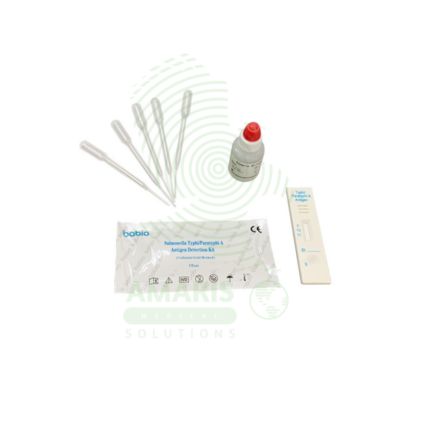
Salmonella Typhi Test Peratop
The Salmonella typhi test peratop is a CE-marked rapid immunochromatographic assay for qualitative detection of IgG and IgM antibodies to Salmonella enterica serotype Typhi in human serum, plasma, or whole blood, providing results in 15-20 minutes. The test uses recombinant S. typhi antigens immobilized on a membrane to capture specific antibodies, with separate lines for IgG and IgM interpretation. The kit includes individually foil-wrapped test cassettes, sample diluent, disposable pipettes, and package insert. Primary clinical applications include rapid diagnosis of typhoid fever in endemic regions (Indian subcontinent, Southeast Asia, Africa, South America), differentiation of acute (IgM positive) from past infection (IgG only), outbreak investigation and control, screening in febrile patients, travel medicine assessment, antibiotic stewardship, and maternal/child health in endemic areas. Critical safety precautions include proper specimen handling (universal precautions), quality control verification, awareness of window period (repeat testing if early infection suspected), and clinical correlation of results. Essential rapid test for typhoid fever diagnosis in resource-limited and endemic settings.
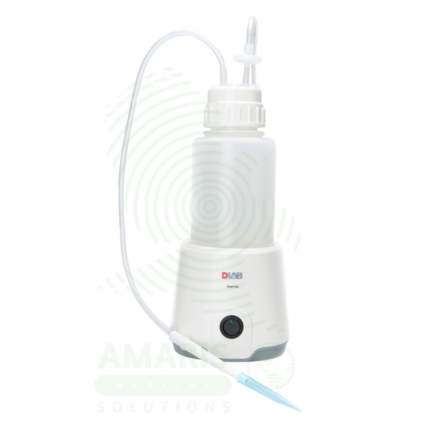
SmartVac Bench top compact vacuum aspirator 1L
The SmartVac Bench top compact vacuum aspirator 1L is an ultra-compact, battery-powered vacuum aspiration system engineered for gentle, precise, and contamination-free removal of liquids in cell culture, molecular biology, clinical diagnostics, and pharmaceutical quality control. Featuring an adjustable vacuum range from 0 to 600 mbar and an aspiration speed up to 1.6 L/min, this system provides the versatility required for routine aspiration and waste collection in confined benchtop spaces, including laminar flow cabinets.
Every SmartVac system includes a built-in rechargeable lithium battery providing up to 5 hours of cordless continuous operation after a full charge, eliminating the need for external power cords that clutter sterile workspaces. The hydrophobic filter prevents aerosol and liquid contamination, protecting both the pump and the sample. The 1L collection bottle is independent of the vacuum source and power supply and can be placed anywhere on the benchtop for flexible workspace arrangement.
Key user-focused features include one-key start for simple operation, a lightweight handpiece with 1mL tip adapter included, an optional 8-channel tip adapter for high-throughput 96-well plate processing, and dual functionality for both aspiration and vacuum filtration. All liquid-contact components are autoclavable at 121°C for 20 minutes, ensuring sterility for aseptic applications. The ultra-compact size (127x144x244mm, 0.5kg) and low noise operation (53 dB) make it ideal for biosafety cabinets and any confined workspace.
For the cell culture scientist, clinical laboratory technologist, and biosafety cabinet user, the SmartVac delivers the cordless freedom, controlled flow, contamination prevention, and compact footprint required for critical applications such as cell culture maintenance, nucleic acid extraction, ELISA processing, and benchtop analyzer waste management. For the patient, reliable, contamination-free aspiration ensures that diagnostic results are accurate and that cell-based therapies are manufactured to the highest quality standards, directly supporting effective clinical outcomes.
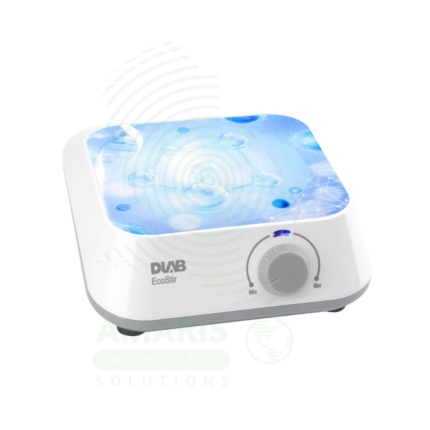
Square Plate Magnetic Stirrer (DLAB EcoStir)
The Square Plate Magnetic Stirrer (DLAB EcoStir) is an economical, reliable, and durable magnetic stirrer engineered for efficient mixing in clinical diagnostic labs, pharmaceutical quality control, food and drug analysis, and water quality monitoring. Designed for a wide range of general laboratory applications, this stirrer features a compact footprint and offers maximum stirring capacity of up to 1.5 liters, making it ideal for routine solution preparation.
Every Square Plate Magnetic Stirrer (DLAB EcoStir) features a maintenance-free brushless DC motor and powerful rare earth magnets, delivering consistent stirring performance from 300 to 2000 rpm. The stepless speed regulation allows for precise adjustment across a wide range of liquid viscosities. The default PET top provides excellent chemical resistance for long-lasting durability against aggressive reagents. The ultra-silent and vibration-free design ensures comfortable, quiet operation.
Key user-focused features include an integrated holder with a clamp for a pH electrode or other sensor, providing a tidy and organized workspace for measurements. The compact design with a small footprint is perfect for crowded benchtops, and the availability of 12V voltage makes it suitable for mobile labs or fieldwork.. Extra colorful stickers are also provided, allowing for homemade DIY design to help teams identify their equipment.
For the clinical laboratory scientist, the Square Plate Magnetic Stirrer (DLAB EcoStir) delivers the simple, reliable, and chemical-resistant stirring required for preparing chemical solutions and samples. For the patient, the consistent and accurate mixing of reagents and samples directly supports reliable diagnostic test results, timely clinical decisions, and the safety of pharmaceutical and food products.
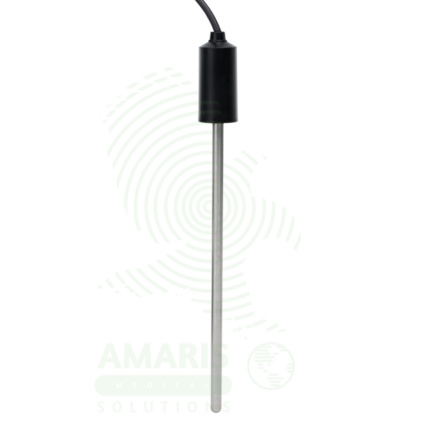
Stainless Steel Temperature Electrode (DTEMP-02H)
The Stainless Steel Temperature Electrode (DTEMP-02H) is a dedicated ATC (Automatic Temperature Compensation) probe designed for use with DLAB portable pH, ORP, and multi-parameter meters such as the DORP10 and DPO10 series . Featuring a rugged stainless steel housing (Φ5 × 120mm), a built-in 10KΩ thermistor, and a 1-meter cable, it is engineered to provide highly accurate (ΔT = ±0.2°C) and fast temperature readings across a range of 0 to 110°C .
For the clinical laboratory scientist, the Stainless Steel Temperature Electrode (DTEMP-02H) is crucial for performing Automatic Temperature Compensation (ATC) during pH or ORP measurement. Fluctuations in sample temperature directly affect electrode slope and liquid junction potential; this probe supplies live temperature data to the meter, allowing it to mathematically correct the raw millivolt signal to a standardized temperature value.
For the patient, the use of ATC technology ensures that diagnostic results (such as the accuracy of buffer solutions or the stability of biological fluids) are reliable and reproducible, eliminating errors caused by ambient temperature changes. The durable stainless-steel construction ensures longevity in busy clinical and industrial environments.
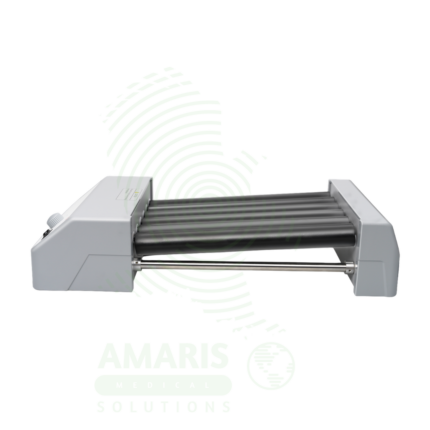
Standard tube roller (MX-T6-S)
The Standard tube roller (MX-T6-S) is a 6-roller standard tube roller featuring adjustable speed control (0-70 rpm), analog scale speed display, and continuous operation mode, designed for gentle, efficient mixing of blood samples, viscous substances, and liquid-solid suspensions in clinical diagnostic and research laboratories .
Key features include a six-roller design (each 280mm length, 30mm diameter) with 24mm amplitude rocking/rolling motion for thorough yet gentle mixing, analog scale speed display for quick visual confirmation of operating speed, and continuous operation mode for extended use. The 4kg load capacity accommodates multiple tubes including blood collection tubes, 15mL and 50mL centrifuge tubes, and culture tubes .
The Standard tube roller (MX-T6-S) accommodates standard tube sizes, with rollers compatible with tubes 6-30mm in diameter and up to 280mm in length. The cold room and incubator compatibility (5-40°C operating temperature, 80% RH) allows sample mixing under controlled temperature conditions. The IP21 protection rating provides durability against dust and moisture in typical laboratory environments .
For the clinical laboratory scientist and phlebotomist, the Standard tube roller (MX-T6-S) ensures gentle, thorough mixing of blood samples after collection—preventing clot formation, platelet activation, and hemolysis that could compromise complete blood count (CBC) and coagulation study (PT/PTT) results . For the immunology researcher, it supports immunoprecipitation protocols and latex agglutination tests. For the pharmaceutical scientist, it provides effective mixing of viscous solutions and liquid-solid suspensions.
Universal voltage (100-240V, 50/60Hz) enables use in laboratories worldwide without voltage conversion, while the compact footprint (approximately 450-485 × 250-260 × 100-120 mm) and moderate weight (4.5 kg) allow easy benchtop placement. The easy-to-clean roller design simplifies maintenance and decontamination between sample batches .
For the patient undergoing coagulation monitoring (warfarin, heparin), complete blood count (CBC), or routine hematology testing, the MX-T6-S's gentle rolling motion, analog speed control, and continuous operation ensure accurate test results that guide appropriate treatment decisions—preventing false-negative or false-positive results due to improper sample mixing, clot formation, or platelet activation .
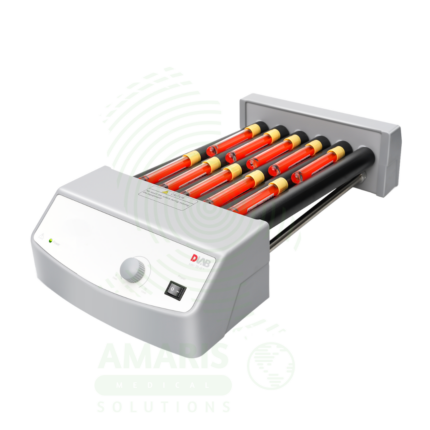
Standard tube roller (MX-T6-S+)
The Standard tube roller (MX-T6-S+) is a 6-roller laboratory tube roller featuring adjustable speed control (0-70 rpm), analog scale speed display, and continuous operation mode, designed for gentle, efficient mixing of blood samples, viscous substances, and liquid-solid suspensions in clinical diagnostic and research laboratories .
Key features include a six-roller design (each 280mm length, 30mm diameter) with 24mm amplitude rocking/rolling motion for thorough yet gentle mixing , analog scale speed display for quick visual confirmation of operating speed, continuous operation mode for extended use, and a maintenance-free DC brushless motor for quiet, reliable operation . The 4kg load capacity accommodates up to 15 x 50mL centrifuge tubes or 10 x 15mL centrifuge tubes per run .
The Standard tube roller (MX-T6-S+) accommodates standard tube sizes, with rollers compatible with tubes 6-30mm in diameter and up to 280mm in length . The cold room and incubator compatibility (5-40°C operating temperature, 80% RH) allows sample mixing under controlled temperature conditions . The IP21 protection rating provides durability against dust and moisture in typical laboratory environments .
For the clinical laboratory scientist and phlebotomist, the Standard tube roller (MX-T6-S+) ensures gentle, thorough mixing of blood samples after collection—preventing clot formation, platelet activation, and hemolysis that could compromise complete blood count (CBC) and coagulation study (PT/PTT) results . For the immunology researcher, it supports immunoprecipitation protocols and latex agglutination tests. For the pharmaceutical scientist, it provides effective mixing of viscous solutions and liquid-solid suspensions .
Universal voltage (100-240V, 50/60Hz) enables use in laboratories worldwide without voltage conversion, while the compact footprint (485 × 250 × 100 mm) and moderate weight (4.5 kg) allow easy benchtop placement . The easy-to-clean roller design simplifies maintenance and decontamination between sample batches .
For the patient undergoing coagulation monitoring (warfarin, heparin), complete blood count (CBC), or routine hematology testing, the Standard tube roller (MX-T6-S+) gentle rolling motion, analog speed control, and continuous operation ensure accurate test results that guide appropriate treatment decisions—preventing false-negative or false-positive results due to improper sample mixing, clot formation, or platelet activation.
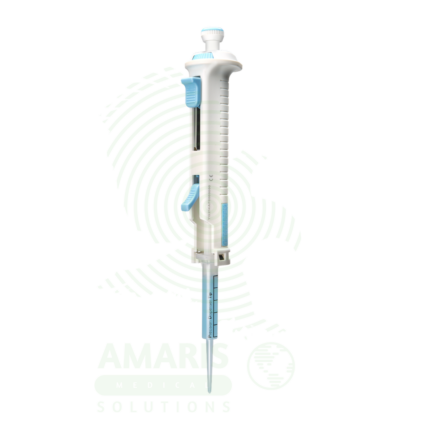
StepMate Stepper
The StepMate Stepper is a slim, lightweight manual repeating pipette that transforms tedious multi-dispensing tasks into fast, accurate, single-handed operations. Engineered on the positive displacement principle, this instrument excels where air-displacement pipettes fail — handling high viscosity fluids such as glycerol and Tween, high density solutions, and volatile solvents with exceptional precision and accuracy. Available in a single-channel configuration covering a volume range from 10 μL to 5 mL, this pipette provides the versatility required for high-throughput and routine laboratory workflows across clinical diagnostics, molecular biology, and pharmaceutical quality control.
Every StepMate Stepper is factory calibrated according to ISO 8655 standards, delivering outstanding systematic error as low as ±0.2% and random error (CV) as low as ≤0.2% at higher volumes. The instrument accepts seven sizes of disposable polypropylene dispenser syringes from 0.5 mL to 50 mL, offering up to 48 dispensing steps from a single fill. The entire unit is fully autoclavable at 121°C for 20 minutes without disassembly, ensuring sterility for aseptic applications in cell culture and microbiology.
Key ergonomic features include a lightweight body weighing only 0.5 kg, a smooth filling slide bar, an ambidextrous grip for right-handed or left-handed use, and a volume locking system to prevent accidental setting changes. A durable tip stop lever secures syringes firmly in place, and the five-position dial allows quick selection of step volumes without calculation.
For the clinical laboratory scientist and molecular biologist, the StepMate Stepper delivers the accuracy, reproducibility, and ergonomic comfort required for high-throughput ELISA, PCR master mix distribution, and clinical chemistry reagent preparation. For the patient, consistent, error-free repeat dispensing ensures that diagnostic results are reproducible and reliable, directly supporting timely and effective clinical decision making.
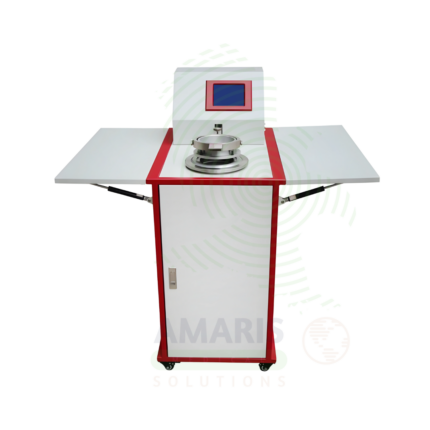
Tissue Flowstation Workstation
A Tissue Flowstation Workstation is an automated tissue processor that performs fixation, dehydration, clearing, and paraffin infiltration of tissue specimens for histopathological examination. Designed for high-volume histology laboratories, it ensures consistent processing quality, reduces manual handling, and minimizes turnaround time. Programmable protocols accommodate diverse tissue types, while integrated ventilation and safety features protect laboratory personnel from chemical exposure.
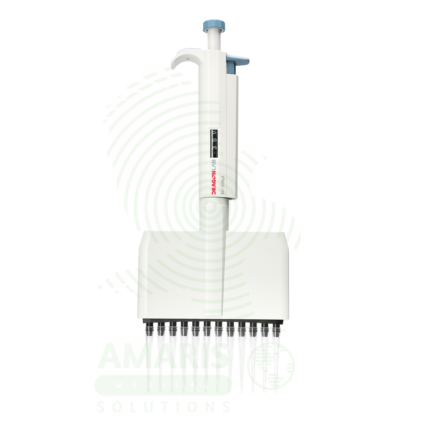
TopPette 12-Channel Adjustable Manual Pipette
The TopPette 12-Channel Adjustable Manual Pipette is a high-performance multichannel pipette engineered for accuracy, reproducibility, and operator comfort in ultra-high-throughput clinical diagnostics, molecular biology, and pharmaceutical research. Available in four volume ranges from 0.5 µL to 300 µL, this 12-channel pipette allows simultaneous transfer of liquids across an entire column of a 96-well plate (8 dispenses per plate) or across an entire row of a 384-well plate (16 dispenses per plate), reducing pipetting steps by over 90% compared to single-channel pipettes.
Every TopPette 12-channel pipette is calibrated according to ISO 8655 and supplied with an individual calibration certificate, delivering exceptional accuracy (e.g., systematic error as low as ±2.4% at 10 µL) and precision (CV as low as ±1.6% at the same volume). The 9 mm channel spacing is perfectly compatible with standard 96-well plates, 384-well plates, deep-well blocks, and tube strips. The lower housing on select models is autoclavable at 121°C for 20 minutes, allowing routine decontamination for aseptic applications in cell culture and microbiology.
Key ergonomic features include a lightweight body optimized for 12-channel balance, a low-force plunger, a relaxed finger hook, and a staggered tip ejector that reduces ejection force by up to 50% compared to traditional designs — especially critical for ejecting 12 tips simultaneously. A large digital display provides unambiguous volume confirmation, and the volume locking mechanism prevents accidental setting changes during operation.
For the clinical laboratory scientist and molecular biologist working with high-density plates, the TopPette 12-channel pipette delivers the throughput, accuracy, and ergonomic comfort required for ultra-high-volume ELISA, qPCR master mix distribution for 384-well plates, clinical chemistry sample transfer, and drug discovery high-throughput screening. For the patient, consistent, error-free 12-channel processing ensures that diagnostic results are reproducible and reliable, with dramatically faster turnaround times that directly support timely clinical decision making in high-volume testing environments.
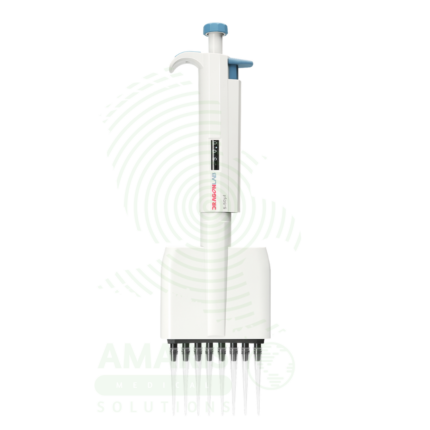
TopPette 8-Channel Adjustable Manual Pipette
The TopPette 8‑Channel Adjustable Manual Pipette is a high‑performance multichannel pipette engineered for accuracy, reproducibility, and operator comfort in high‑throughput clinical diagnostics, molecular biology, and pharmaceutical research. Available in four volume ranges from 0.5 µL to 300 µL, this 8‑channel pipette allows simultaneous transfer of liquids across an entire row of a 96‑well microplate, reducing pipetting steps by up to 88% compared to single‑channel pipettes.
Every TopPette multichannel pipette is calibrated according to ISO 8655 and supplied with an individual calibration certificate, delivering exceptional accuracy (e.g., systematic error as low as ±2.4% at 10 µL) and precision (CV as low as ±1.6% at the same volume). The 9 mm channel spacing is perfectly compatible with standard 96‑well plates, deep‑well blocks, and tube strips. The lower housing on select models is autoclavable at 121 °C for 20 minutes, allowing routine decontamination for aseptic applications in cell culture and microbiology.
Key ergonomic features include a lightweight body, a low‑force plunger, a relaxed finger hook, and a staggered tip ejector that reduces ejection force by up to 50% compared to traditional designs, all designed to reduce user fatigue and the risk of repetitive strain injury (RSI). A large digital display provides unambiguous volume confirmation, and the volume locking mechanism prevents accidental setting changes during operation.
For the clinical laboratory scientist and molecular biologist, the TopPette 8‑channel pipette delivers the throughput, accuracy, and ergonomic comfort required for high‑volume ELISA, qPCR master mix distribution, clinical chemistry sample transfer, and drug discovery screening. For the patient, consistent, error‑free multichannel processing ensures that diagnostic results are reproducible and reliable, with faster turnaround times that directly support timely clinical decision making.
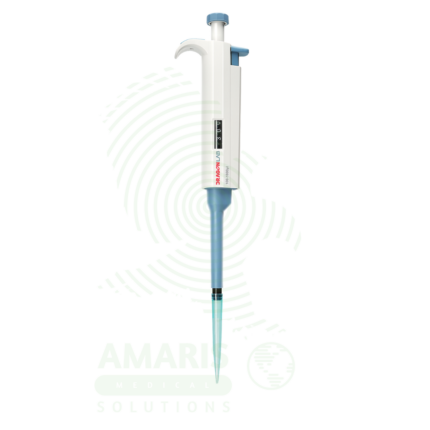
TopPette Single-Channel Adjustable Volume Pipette
The TopPette Single-Channel Adjustable Volume Pipette is a high-performance manual mechanical pipette engineered for accuracy, reproducibility, and operator comfort in clinical diagnostics, molecular biology, and pharmaceutical research. Available in nine volume ranges from 0.1 µL to 10 mL, this pipette provides the versatility required for micro-volume PCR setup, routine clinical chemistry, and large-volume reagent preparation.
Every TopPette is calibrated according to ISO 8655 and supplied with an individual calibration certificate, delivering exceptional accuracy (e.g., systematic error as low as ±2.5% at 2.5 µL) and precision (CV as low as ±1.5% at the same volume). The lower assembly on select models is fully autoclavable at 121°C for 20 minutes, ensuring sterility for aseptic applications in cell culture and microbiology.
Key ergonomic features include a lightweight body, a low-force plunger, a relaxed finger hook, and a smooth volume adjustment knob with a locking mechanism. A large digital display provides unambiguous volume confirmation, and the universal tip cone works with most standard pipette tips.
For the clinical laboratory scientist and medical technologist, the TopPette delivers the accuracy, reproducibility, and ergonomic comfort required for routine ELISA, PCR, clinical chemistry, and blood bank testing. For the patient, consistent, error-free sample processing ensures that diagnostic results are reproducible, reliable, and delivered with faster turnaround times, directly supporting timely and effective clinical decision making.
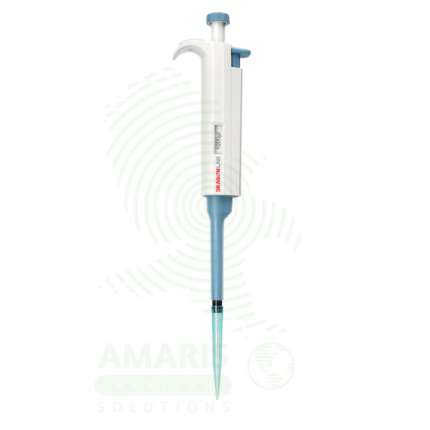
TopPette Single-Channel Fixed Volume Pipette
The TopPette Single‑Channel Fixed Volume Pipette is a high‑performance manual mechanical pipette engineered for accuracy, reproducibility, and operator comfort in clinical diagnostics, molecular biology, and pharmaceutical research where the same volume is repeatedly transferred. Available in a wide range of fixed volumes from 1 µL to 10 mL, this pipette eliminates the risk of accidental volume adjustment, making it ideal for high‑throughput repetitive tasks, blood bank procedures, and quality control workflows.
Every TopPette fixed volume pipette is calibrated according to ISO 8655 and supplied with an individual calibration certificate, delivering exceptional accuracy (e.g., systematic error as low as ±0.5% at mid‑range volumes) and precision (CV as low as ±0.2% at higher volumes). The fixed volume design has fewer moving parts than adjustable pipettes, resulting in greater long‑term reliability and calibration stability. The lower assembly on select models is fully autoclavable at 121 °C for 20 minutes, ensuring sterility for aseptic applications in cell culture and microbiology.
Key ergonomic features include a lightweight body, a low‑force plunger, a relaxed finger hook, and a permanently visible volume marking for immediate identification. The universal tip cone works with most standard pipette tips, and the smooth plunger action allows fast, fatigue‑free operation.
For the clinical laboratory scientist and medical technologist performing repetitive pipetting tasks such as adding the same reagent to hundreds of samples, preparing standard curves, or aliquoting patient specimens, the TopPette fixed volume pipette delivers the accuracy, consistency, and simplicity required for reliable diagnostic results. For the patient, the elimination of volume adjustment errors ensures that every sample receives the exact same treatment, supporting reproducible, reliable diagnostics with fewer repeat tests and faster turnaround times.
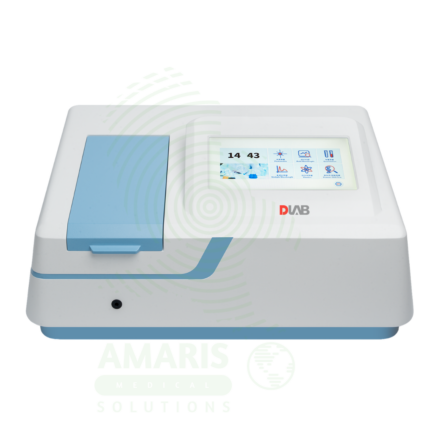
Touch Screen UV-Vis Spectrophotometer
The Touch Screen UV-Vis Spectrophotometer is a high performance single beam benchtop instrument engineered for accurate, reproducible analysis of nucleic acids, proteins, clinical chemistry analytes, enzymes, and pharmaceutical compounds in clinical diagnostics, molecular biology, pharmaceutical quality control, and research laboratories. Covering a wavelength range of 190–1100 nm with a holographic grating monochromator and digital photodiode detector, this spectrophotometer provides the analytical versatility required for routine and specialized laboratory workflows, including nucleic acid purity assessment, enzyme kinetics, clinical chemistry, and ELISA detection.
Every Touch Screen UV-Vis Spectrophotometer is factory calibrated and supplied with a calibration certificate, delivering exceptional transmittance accuracy of ±0.3% T and low stray light of ≤0.03% T at 220 nm and 360 nm. The instrument's noise level of ±0.0002 A at 500 nm ensures reliable, low drift measurements for endpoint and kinetic assays. A 10.1 inch high resolution color capacitive touch screen with 1024×600 resolution provides an intuitive graphical user interface for easy operation without requiring a computer.
Key user-focused features include standalone operation with all measurement modes accessible directly from the touch screen, including photometric measurement, quantitative analysis with standard curves, wavelength scanning, multi-wavelength measurement, kinetics analysis, and DNA/protein absorbance ratio measurement. Large capacity data storage saves various data types and spectra, and the instrument maintains data after power failure with automatic hold function. The included computer control software package enables advanced data analysis and instrument control. A wide range of optional accessories expands the instrument's capabilities for specialized applications.
For the clinical laboratory scientist, molecular biologist, and pharmaceutical quality control analyst, the Touch Screen UV-Vis Spectrophotometer delivers the accuracy, stability, and versatility required for DNA/RNA purity assessment with 260/280 and 260/230 ratios, protein quantification, enzyme kinetic assays, routine clinical chemistry testing, and ELISA endpoint detection. For the patient, reliable, traceable spectrophotometric analysis ensures that diagnostic results are accurate and reproducible, directly supporting effective clinical decision making, appropriate treatment selection, and confident disease monitoring.
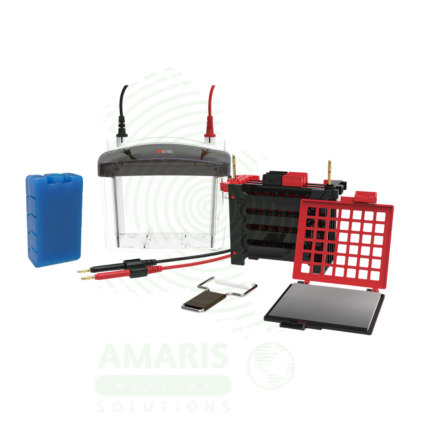
Transfer electrophoresis tank (DL-ZY04)
The Transfer electrophoresis tank (DL-ZY04) is a large-format, high-capacity electroblotting (wet transfer) system designed for high-throughput Western, Southern, and Northern blotting in advanced clinical research and high-volume reference laboratory settings . Capable of transferring up to six mini-gels or multiple large preparative gels simultaneously, this system dramatically scales up the throughput of confirmatory diagnostic testing and proteomics research .
Manufactured from highly transparent polycarbonate and featuring an expanded array of 99.99% pure platinum electrodes, the Transfer electrophoresis tank (DL-ZY04) generates a powerful, uniform electric field across a large transfer area for efficient, consistent transfer of proteins and nucleic acids of all sizes . A multi-chamber cooling system (built-in ice box + multiple blue units) provides superior thermal management for high-intensity, high-resolution transfer runs .
Featuring a versatile, modular core design, large-format user-friendly cassettes, and a specialized bubble roller, the Transfer electrophoresis tank (DL-ZY04) simplifies the assembly of large gel-membrane sandwiches while ensuring artifact-free, reproducible results . Its robust construction, advanced safety features, and high capacity make it an essential tool for complex immunoblotting, proteomics research, and high-volume clinical validation in large hospital central labs, reference labs, and biopharmaceutical R&D .
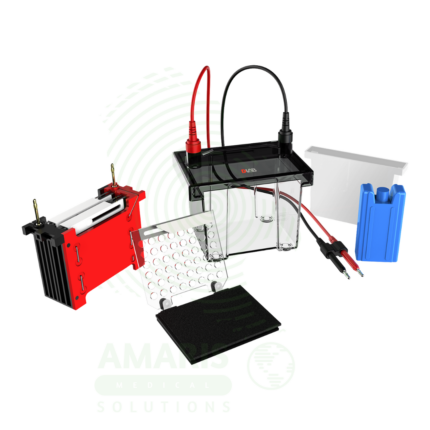
Transfer electrophoresis tank (DL-ZY02)
The DL-ZY02 Transfer Electrophoresis Tank is a compact, high-performance electroblotting (wet transfer) system designed for the rapid and reliable transfer of proteins and nucleic acids from polyacrylamide or agarose gels onto membranes for Western, Southern, and Northern blotting . Manufactured from highly transparent, impact-resistant polycarbonate with a 99.99% pure platinum electrode system spaced 4 cm apart, it generates a powerful field to ensure efficient transfer while integrated cooling prevents protein denaturation .
For the clinical immunologist and molecular biologist, this system is essential for confirmatory diagnostic testing (e.g., HIV Western Blot), transferring disease-specific proteins or nucleic acids to membranes for subsequent antibody or probe detection . Its dual-gel capacity (transferring two 83 × 73 mm gels simultaneously) and user-friendly open cassette design with a bubble roller increase throughput and ensure high-quality, artifact-free results .
Featuring robust polycarbonate construction, a leak-proof design, and safety features to prevent incorrect polarity connection, the DL-ZY02 is a durable and safe instrument for clinical and research laboratories . Compatible with DL-MINI01 and DL-MINI04 vertical electrophoresis systems, it serves as the critical second step in the Western blot workflow, supporting the characterization and diagnosis of proteins in applications ranging from infectious disease confirmation to biomarker discovery and pharmaceutical quality control .
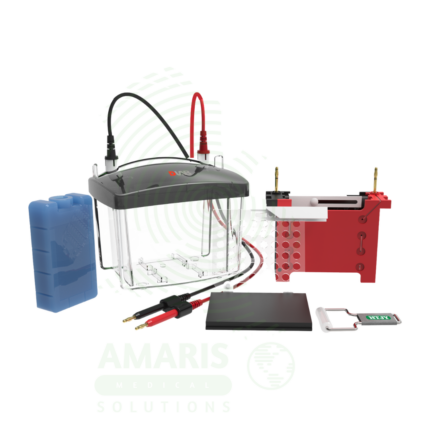
Transfer electrophoresis tank (DL-ZY03)
The Transfer electrophoresis tank (DL-ZY03) is a large-format, high-capacity electroblotting (wet transfer) system designed for high-throughput Western, Southern, and Northern blotting in clinical diagnostic and research laboratories . Capable of transferring up to four mini-gels (or two large gels) simultaneously, this system dramatically increases the throughput of confirmatory diagnostic testing for infectious diseases (HIV, Hepatitis, Lyme) and autoimmune disorders .
Manufactured from highly transparent, impact-resistant polycarbonate and featuring 99.99% pure platinum electrodes, the Transfer electrophoresis tank (DL-ZY03) generates a powerful, uniform electric field for efficient, consistent transfer of proteins and nucleic acids of all sizes . A large built-in ice box and two blue cooling units provide superior thermal management, preventing protein denaturation and ensuring sharp, well-resolved bands critical for diagnostic interpretation .
The dual independent transfer cassettes, user-friendly open-ended gel trays, and included bubble roller streamline the assembly process and reduce technical variability . The system's robust construction, safety features to prevent incorrect polarity connection, and compatibility with standard mini and large-format gels make it an essential tool for reference laboratories, hospital central labs, and biopharmaceutical QC facilities performing high-volume protein characterization and confirmatory diagnostics .
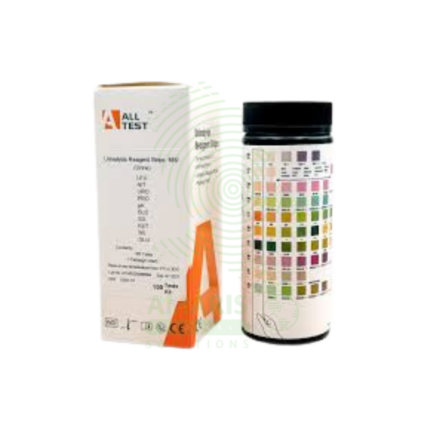
Urinalysis strips
Urinalysis Strips are Class II medical devices (FDA-cleared) consisting of plastic strips with multiple reagent-impregnated pads for simultaneous semi-quantitative detection of urine analytes including leukocytes, nitrites, urobilinogen, protein, pH, blood, specific gravity, ketones, bilirubin, and glucose. Results read by visual comparison to color chart at specified times (30-120 seconds). Primary clinical applications include routine health screening, urinary tract infection diagnosis, diabetes screening and monitoring, kidney disease assessment (proteinuria), hematuria detection, liver function evaluation, and pregnancy monitoring (preeclampsia screening). Critical safety precautions include proper specimen collection (fresh urine), storage at 15-30°C in original container with desiccant, protection from humidity, reading at exact specified times, awareness of interfering substances (ascorbic acid), and confirmation of abnormal results with quantitative tests. Essential screening tool in primary care, emergency medicine, nephrology, urology, and obstetrics.
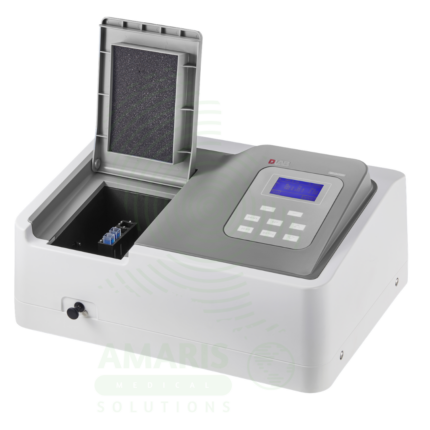
UV-Vis Spectrophotometer (SP-UV1000)
The UV-Vis Spectrophotometer (SP-UV1000) is a high-performance single-beam instrument engineered for accurate, reproducible analysis of nucleic acids, proteins, clinical chemistry analytes, and pharmaceutical compounds in clinical diagnostics, molecular biology, and pharmaceutical quality control. Covering a wavelength range of 190–1100 nm with automatic switching between tungsten and deuterium lamps, this spectrophotometer provides the analytical versatility required for routine and specialized laboratory workflows.
Every UV-Vis Spectrophotometer (SP-UV1000) is factory calibrated and supplied with a certificate of calibration, delivering exceptional photometric accuracy of ±0.003 A at 0.5 A and precision with photometric repeatability of ≤0.0015 A at the same absorbance. The instrument's stability of ≤0.002 A/h at 500 nm after a 2-hour warm-up ensures reliable, drift-free measurements for endpoint and kinetic assays. A large 128 × 64 dot backlit LCD display provides clear data visualization, and the 4-position sample compartment accommodates standard 10 mm path length cuvettes, with optional holders available for path lengths from 5 to 100 mm.
Key user-focused features include automatic wavelength calibration via arrow keys to reduce user errors, data storage for up to 200 test data groups and 200 standard curves with automatic backup to prevent data loss during power interruption, and multi-function measurement modes including photometric, quantitative analysis, and multi-wavelength scanning. The optional Wave Professional software enables computer control, kinetics analysis, and nucleic acid/protein measurement functions.
The UV-Vis Spectrophotometer (SP-UV1000) is supplied with four glass and two quartz square cuvettes (3.5 mL) and includes USB and parallel ports for printer connection. The instrument is manufactured under ISO quality systems, and the manufacturer's CNAS-certified calibration laboratory ensures measurement traceability and confidence in results.
For the clinical laboratory scientist, molecular biologist, and pharmaceutical quality control analyst, the UV-Vis Spectrophotometer (SP-UV1000) delivers the accuracy, stability, and versatility required for DNA/RNA purity assessment, protein quantification, enzyme kinetic assays, and routine clinical chemistry testing. For the patient, reliable spectrophotometric analysis ensures that diagnostic results are accurate and reproducible, directly supporting effective clinical decision-making, appropriate treatment selection, and confident disease monitoring.
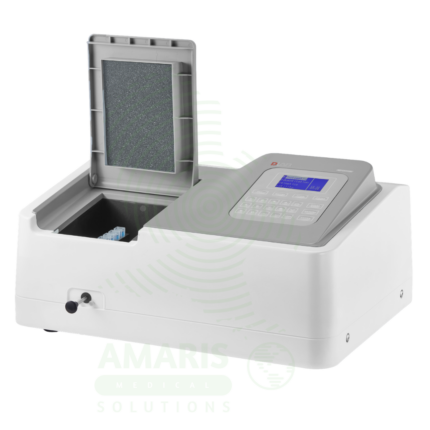
UV-Vis Spectrophotometer (SP-UV1100)
The UV-Vis Spectrophotometer (SP-UV1100) is a high-performance, single-beam benchtop instrument engineered for accurate, reproducible analysis of nucleic acids, proteins, clinical chemistry analytes, and pharmaceutical compounds in clinical diagnostics, molecular biology, pharmaceutical quality control, and research laboratories. Covering a wavelength range of 200–1000 nm with automatic switching between tungsten and deuterium lamps, this spectrophotometer provides the analytical versatility required for routine and specialized laboratory workflows, including nucleic acid purity assessment, enzyme kinetics, and quantitative clinical chemistry.
Every UV-Vis Spectrophotometer (SP-UV1100) is individually factory calibrated and supplied with a calibration certificate traceable to national standards, delivering exceptional photometric accuracy of ±0.003 A at 0.5 A and photometric repeatability of ≤0.0015 A at 0.5 A. The instrument's baseline stability of ≤0.002 A/h at 500 nm after a 2-hour warm-up ensures reliable, drift-free measurements for endpoint and kinetic assays. A large 128 × 64 dot backlit LCD display with adjustable brightness provides clear data visualization, and the 4-position sample compartment accommodates standard 10 mm path length cuvettes, with optional holders available for path lengths from 5 to 100 mm.
Key user-focused features include automatic wavelength calibration via arrow keys to minimize user errors, large-capacity data storage for up to 200 test data groups and 200 standard curves with automatic backup to prevent data loss during power interruption, and multi-function measurement modes including photometric (fixed wavelength), quantitative analysis (standard curve), and multi-wavelength scanning (up to 10 wavelengths). The optional Wave Professional PC software enables advanced functions including spectrum scanning, time-scan kinetics (up to 12 hours), and specialized nucleic acid/protein measurement functions for molecular biology applications.
The UV-Vis Spectrophotometer (SP-UV1100) is supplied with four glass and two quartz square cuvettes (3.5 mL, 10 mm path length) and includes USB and parallel ports for printer connection and data export. The instrument is manufactured under ISO 9001:2015 and ISO 13485:2016 quality management systems, and the manufacturer's CNAS-certified calibration laboratory ensures measurement traceability and confidence in results.
For the clinical laboratory scientist, molecular biologist, and pharmaceutical quality control analyst, the UV-Vis Spectrophotometer (SP-UV1100) delivers the accuracy, stability, and versatility required for DNA/RNA purity assessment (260/280 and 260/230 ratios), protein quantification (A280, Bradford, BCA, Lowry), enzyme kinetic assays (ALT, AST, ALP, GGT, LDH, CK), and routine clinical chemistry testing (glucose, cholesterol, triglycerides, bilirubin, creatinine, uric acid). For the patient, reliable, traceable spectrophotometric analysis ensures that diagnostic results are accurate and reproducible, directly supporting effective clinical decision-making, appropriate treatment selection, and confident disease monitoring.
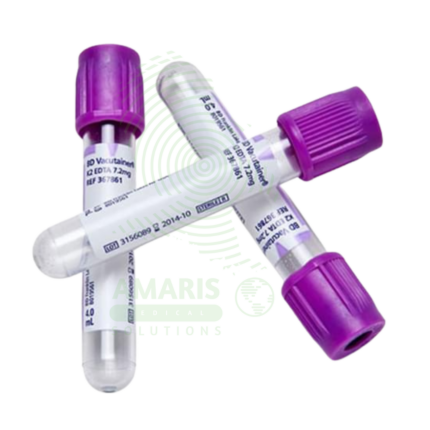
Vacutainer (EDTA/PLAIN)
Vacutainer (EDTA/PLAIN) is a sterile, evacuated blood collection tube (lavender/purple top) containing EDTA anticoagulant (K2EDTA or K3EDTA, 1.5-2.0 mg/mL blood) for hematology, blood banking, flow cytometry, and molecular diagnostics. Available in draw volumes 2-10 mL, glass or PET plastic, with color-coded stopper and sterile interior. EDTA chelates calcium, preventing coagulation while preserving cellular morphology. Primary clinical applications include complete blood count (CBC) and differential, blood typing and antibody screening (ABO/Rh, Coombs), hemoglobin A1c (HbA1c) testing, flow cytometry and immunophenotyping (CD4 counts), molecular diagnostics and PCR testing, sickle cell screening and hemoglobin electrophoresis, and parasitology (malaria smears). Critical safety precautions include filling to completion (correct blood-to-additive ratio), gentle inversion 8-10 times immediately after collection, never using for chemistry or coagulation testing, and proper disposal as biohazardous waste. Essential collection tube for hematology and immunohematology.
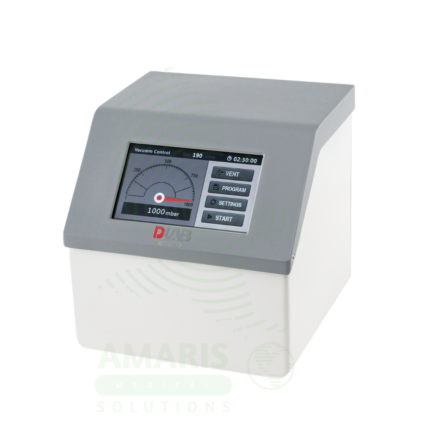
Vacuum Controller (VC100)
The Vacuum Controller is a programmable digital unit designed to precisely measure and regulate vacuum pressure from 1 to 1000 mbar within laboratory vacuum systems . Featuring a 5-inch TFT touch screen for intuitive control, it allows researchers to switch between single-point mode for constant pressure or a multi-step program mode—storing up to 5 programs with 5 steps each—to automate complex distillation and solvent recovery processes .
Engineered for durability, all vapor-contact parts are constructed from chemically resistant PTFE, ceramic, and PP, making the Vacuum Controller suitable for harsh organic solvent applications in pharmaceutical R&D and analytical labs . The unit supports energy-saving operation by temporarily shutting off the connected vacuum pump once the set pressure is reached and features a built-in vent valve for safe system release .
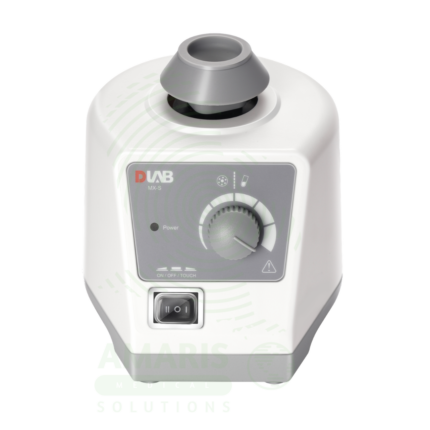
Variable speed Vortex Mixer (MX-S)
The Variable speed Vortex Mixer (MX-S) is a versatile benchtop vortex mixer with adjustable speed control (0-3000 rpm), analog scale speed display, and touch/continuous operation modes, designed for optimal mixing of blood collection tubes, reagents, and biological samples in clinical diagnostic and research laboratories . With variable speed control, operators can select the appropriate mixing intensity for different sample types—gentle speeds (0-500 rpm) for resuspension of cell pellets and coagulation tubes to prevent platelet activation, moderate speeds (500-1500 rpm) for routine reagent mixing, and high speeds (1500-3000 rpm) for rapid mixing of buffers and viscous solutions .
Key features include dual operating modes—touch activation for quick mixing of individual tubes and continuous operation for extended mixing of bulk reagents or multiple samples, variable speed control knob for precise adjustment of mixing intensity (0-3000 rpm) with analog scale display for visual confirmation, and optional accessories including multi-tube head for 0.2 mL PCR strips and flat rubber pad for larger vessels (up to 50 mL conical tubes, small flasks) .
For the clinical laboratory scientist and phlebotomist, the Variable speed Vortex Mixer (MX-S) ensures optimal mixing of blood collection tubes after venipuncture with speed selection appropriate for different tube types—gentle speeds for light blue top coagulation tubes (PT/PTT) to prevent platelet activation, and higher speeds for lavender top EDTA tubes (CBC) and serum separator tubes to ensure thorough mixing of anticoagulants and clot activators . For the molecular biologist, the MX-S facilitates resuspension of nucleic acid pellets, mixing of PCR reaction components, and homogenization of buffers for diagnostic assays .
Universal voltage (100-240V, 50/60Hz) enables use in laboratories worldwide without voltage conversion, while the compact footprint (127 × 130 × 160 mm) and lightweight design (2.0 kg) allow easy benchtop placement . Rubber suction feet prevent "walking" during high-speed operation, and low-noise operation ensures a comfortable working environment .
For the patient undergoing coagulation monitoring (warfarin, heparin), complete blood count (CBC), molecular diagnostic testing (COVID-19, influenza, hepatitis), or routine chemistry panels, the Variable speed Vortex Mixer (MX-S) variable-speed, optimized mixing ensures accurate test results that guide appropriate treatment decisions—preventing false-negative or false-positive results due to improper sample mixing .
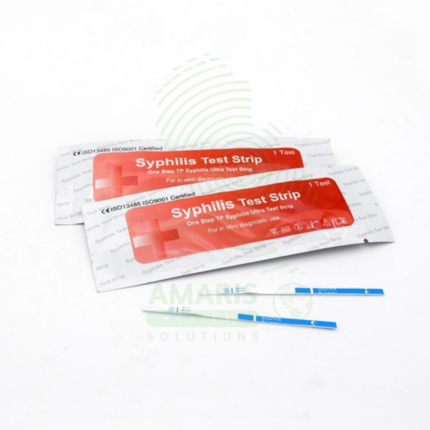
VDRL Test For Syphilis
The VDRL Test For Syphilis (Venereal Disease Research Laboratory) is a Class II medical device (FDA-cleared) non-treponemal flocculation test for qualitative and quantitative detection of reaginic antibodies in serum or cerebrospinal fluid, used for syphilis screening, diagnosis, and treatment monitoring. The test uses an antigen mixture (cardiolipin, cholesterol, lecithin) that reacts with antibodies, forming visible clumping (flocculation) in positive samples. Results are reported as reactive/non-reactive with quantitative titers (e.g., 1:2 to 1:256). Primary clinical applications include initial screening for syphilis infection, confirmation of active syphilis (with treponemal tests), monitoring treatment response (fourfold titer decrease indicates cure), diagnosis of neurosyphilis (CSF testing), prenatal screening for congenital syphilis prevention, screening in high-risk populations (MSM, HIV-positive, multiple partners), and blood donor screening. Critical safety precautions include confirmation of all reactive results with treponemal tests (TPPA, FTA-ABS), awareness of false positives (pregnancy, autoimmune disease, viral infections), proper specimen handling (universal precautions), refrigerated storage of reagents (2-8°C), and mandatory reporting of reactive results to public health authorities. Essential test for syphilis control and congenital syphilis prevention worldwide.
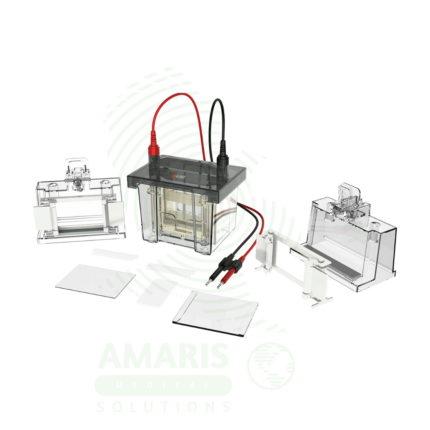
Vertical electrophoresis tank double plate (DL-Mini01)
The Vertical electrophoresis tank double plate (DL-Mini01) is a compact, precision-engineered vertical electrophoresis system designed for small-scale separation of nucleic acids and proteins in clinical diagnostic and research laboratories . Featuring a leak-proof integrated glass plate and gasket design that prevents gel leakage, this system supports simultaneous electrophoresis of two gels (8.3 × 7.3 cm each) with gel thickness options of 0.75 mm, 1.0 mm, and 1.5 mm, and 10-well or 15-well sample combs .
For the clinical laboratory scientist and molecular biologist, the DL-Mini01 supports SDS-PAGE and Native-PAGE for protein analysis, DNA and RNA vertical electrophoresis for genetic testing, PCR product confirmation, restriction fragment analysis, serum protein electrophoresis (SPE) for multiple myeloma diagnosis, hemoglobin electrophoresis for sickle cell disease testing, immunofixation electrophoresis (IFE), urine protein electrophoresis, isoenzyme analysis for cardiac and hepatic panels, and lipoprotein electrophoresis for cardiovascular risk assessment .
The system incorporates critical safety features including automatic power-off when the upper cover is opened and an upper cover limit function that prevents incorrect installation of positive and negative electrodes, protecting operators during electrophoresis setup and gel retrieval . The high-purity (99.99%) platinum electrodes provide optimal conductivity, corrosion resistance, and anti-aging properties for reliable, long-lasting performance .
Constructed from high-strength, high-transparency plastic with anti-aging silicone sealing pads, the DL-Mini01 includes a dedicated gel casting system (gel maker base and gel frame clamps) that simplifies gel preparation and ensures reliable, leak-free operation . Compatible with the DL-ZY02 blotting system, this electrophoresis tank supports seamless workflow integration from gel separation to membrane transfer for Western blotting applications .
For the patient undergoing diagnostic testing for plasma cell disorders, hemoglobinopathies, infectious diseases, or inherited genetic conditions, the DL-Mini01's reliable protein and nucleic acid separation supports accurate diagnostic results that guide appropriate treatment decisions across clinical pathology, molecular diagnostics, and protein chemistry applications.
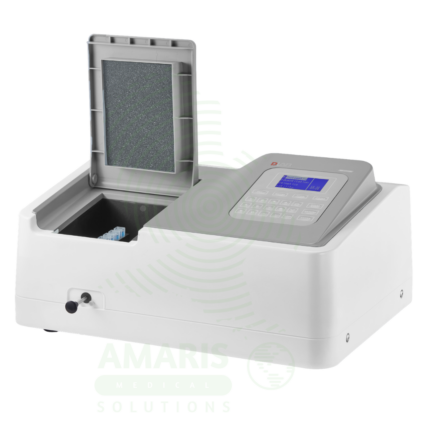
Visible Spectrophotometer (SP-V1100)
The Visible Spectrophotometer (SP-V1100) is a high-performance, single-beam benchtop instrument engineered for accurate, reproducible analysis of clinical chemistry analytes, proteins, and pharmaceutical compounds in clinical diagnostics, pharmaceutical quality control, and research laboratories. Covering a wavelength range of 320–1100 nm with a tungsten lamp light source, this spectrophotometer provides the analytical versatility required for routine and specialized laboratory workflows, including routine clinical chemistry analysis and quantitative protein determination.
Every Visible Spectrophotometer (SP-V1100) is individually factory calibrated and supplied with a calibration certificate traceable to national standards, delivering exceptional photometric accuracy of ±0.002 A at 0.5 A and photometric repeatability of ≤0.001 A at 0.5 A. The instrument's baseline stability of ≤0.002 A/h at 500 nm after a 2-hour warm-up ensures reliable, drift-free measurements for endpoint and kinetic assays. A large 128 × 64 dot backlit LCD display with adjustable brightness provides clear data visualization, and the 4-position sample compartment accommodates standard 10 mm path length cuvettes, with optional holders available for path lengths from 5 to 100 mm.
Key user-focused features include automatic wavelength calibration via arrow keys to minimize user errors, large-capacity data storage for up to 200 test data groups and 200 standard curves with automatic backup to prevent data loss during power interruption, and quantitative analysis mode using standard curves for concentration determination. The optional Wave Professional PC software enables advanced functions including spectrum scanning, time-scan kinetics, and specialized nucleic acid/protein measurement functions.
The Visible Spectrophotometer (SP-V1100) is supplied with four glass square cuvettes (3.5 mL, 10 mm path length) and includes USB and parallel ports for printer connection and data export. The instrument is manufactured under ISO 9001:2015 and ISO 13485:2016 quality management systems, ensuring measurement traceability and confidence in results.
For the clinical laboratory scientist, clinical chemistry technologist, and pharmaceutical quality control analyst, the Visible Spectrophotometer (SP-V1100) delivers the accuracy, stability, and versatility required for blood glucose measurement, lipid panels (cholesterol, triglycerides), kidney function markers (creatinine, uric acid), liver function tests (bilirubin, total protein, albumin), and enzyme activity determination (ALT, AST, ALP, GGT, LDH). For the patient, reliable, traceable visible spectrophotometric analysis ensures that diagnostic results are accurate and reproducible, directly supporting effective clinical decision-making, appropriate treatment selection for diabetes, hyperlipidemia, liver disease, and kidney disease, and confident disease monitoring.
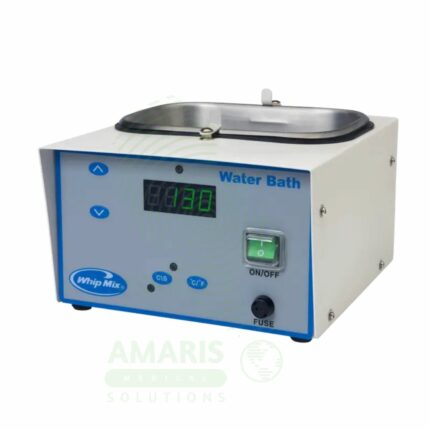
Water Bath
A Water Bath is a laboratory instrument that uses a heated water tank to provide precise, uniform temperature control for immersed samples. It is essential for incubating cultures, inactivating serum, warming reagents, and performing temperature-sensitive serological assays. Circulating models ensure exceptional temperature uniformity for critical work. Safe operation requires using distilled water to prevent scaling, vigilant monitoring of water level to prevent heater damage, and strict precautions against electrical shock and thermal burns. Regular cleaning and decontamination are necessary when used with biological materials. It is a versatile and fundamental tool in clinical and research laboratories.