Dermatoscope and Magnifiers
 Diagnostic Kits
 Vital Signs Monitors
 Stethoscopes and Accessories
 Otoscopes, Ophthalmoscopes, and Retinoscopes
 Reflex Hammers and Neurological Tools
 Scales and Measuring Devices
 Spirometers and Pulmonary Function Tests
 Electrosurgical Units and Accessories
 Cutting Instruments
 Grasping and Holding Instruments
 Hemostatic Instruments
 Specialized Surgical Sets
 Single-Use Procedure Trays and Packs
 Surgical Drapes, Gowns, and Covers
 Tissue Unifying Instruments
 Radiation Protection
 X-Ray Machines and Accessories
 Ultrasound Systems and Probes
 MRI and CT Scanners
 Radiology Consumables
 Bone Densitometers
 Fluoroscopy Equipment
 Imaging Tables and Positioning Aids
 Microscopes and Accessories
 Centrifuges and Separators
 Analyzers
 Incubators and Ovens
 Pipettes, Dispensers, and Lab Glassware
 Refrigerators, Freezers, and Storage Units
 Lab Consumables
 Sterilizers and Autoclaves for Lab Use
 Multi-Parameter Monitors
 Ventilators and Respiratory Support Devices
 Defibrillators and AEDs
 Infusion Pumps and IV Systems
 Patient Warmers and Cooling Devices
 Central Monitoring Stations
 Accessories
 Anesthesia Machines and Workstations
 Oxygen Concentrators and Delivery Systems
 Nebulizers and Inhalers
 CPAP/BiPAP Machines
 Airway Management
 Anesthesia Masks, Circuits, and Bags
 Humidifiers and Heaters
 Respiratory Therapy Accessories
 First Aid Kits and Cabinets
 Emergency Resuscitation Equipment
 Trauma Supplies
 Emergency Carts and Crash Carts
 Burn Care Products
 Bleeding Control
 Automated External Defibrillators (AEDs)
 Transport and Evacuation
 Wheelchairs and Accessories
 Walkers, Crutches, and Canes
 Prosthetics and Orthotics
 Physical Therapy Equipment
 Transfer Devices
 Bathroom Safety
 Orthopedic Traction and Tables
 Hot/Cold Therapy Packs and Units
 Beds and Mattresses
 Chairs and Stools
 Tables
 Cabinets and Storage
 Privacy Screens & Curtains
 Stands and Racks
 Linens and Textiles
 Lighting
 Autoclaves and Sterilizers
 Ultrasonic Cleaners
 Disinfectant Solutions and Wipes
 Sterilization Pouches, Wraps, and Indicators
 Instrument Trays and Containers
 UV and Ozone Disinfection Devices
 Washer Disinfectors
 Wound Care
 Gloves
 Masks and Respirators
 Catheters and Tubing
 Swabs, Applicators, and Sponges
 Incontinence Products
 Personal Protective Equipment (PPE)
 Dental Chairs and Units
 Handpieces and Burs
 Instruments
 Consumables
 Sterilization for Dental Use
 Orthodontic Supplies
 Endodontic Tools
 Slit Lamps and Tonometers
 Lensometers and Phoropters
 Ophthalmic Surgical Instruments
 Eyewear Frames and Lenses
 Contact Lens Supplies
 Vision Testing Charts and Devices
 Eye Care Consumables
 Laser Systems for Eye Care
 ENT Exam Chairs and Tables
 Endoscopes
 Audiometers and Hearing Tests
 ENT Instruments
 Nasal and Throat Packs
 Hearing Aids and Accessories
 Otology Supplies
 Fetal Dopplers and Monitors
 Delivery Beds and Tables
 Gynecological Instruments
 Neonatal Incubators and Warmers
 Breast Pumps and Accessories
 Contraceptive Devices
 Maternity Supports and Pads
 Neonatal Consumables
 Cystoscopes and Urethroscopes
 Dialysis Machines and Supplies
 Urological Catheters and Bags
 Lithotripters
 Prostate Treatment Devices
 Urinary Incontinence Products
 Kidney Stone Management Tools
 Consumables & Disposables
 EEG and EMG Machines
 Neurosurgical Instruments
 Nerve Stimulators
 Headrests and Positioning Aids
 Lumbar Puncture Kits
 Seizure Monitoring Devices
 Consumables
 Rehabilitation for Neurological Conditions
 ECG Machines and Accessories
 Holter Monitors
 Stress Test Systems
 Pacemakers and Defibrillator Accessories
 Vascular Access Devices
 Cardiac Catheters and Guidewires
 Blood Flow Meters
 Consumables
 Orthopedic Instruments
 Casts, Splints, and Padding
 Joint Replacement Supplies
 Prosthetic Limbs and Components
 Bone Grafts and Substitutes
 Traction Devices
 Orthopedic Braces and Supports
 Rehabilitation Aids for Orthopedics
 Home Oxygen Therapy
 Hospital Beds for Home Use
 Mobility Aids
 Bathroom and Daily Living Aids
 Wound Care for Home
 Monitoring Devices
 Enteral Feeding Pumps and Tubes
 Hand Sanitizers and Dispensers
 Face Shields and Goggles
 Isolation Gowns and Suits
 Biohazard Waste Containers
 Air Purifiers and HEPA Filters
 Surface Disinfectants
 Sharps Containers
 Protective Barriers
 Cardiovascular & Endurance Training
 Strength Training & Weightlifting
 Functional Training & Core Conditioning
 Physical Therapy & Rehabilitation
 Sports & Outdoor Recreation
 Gym Flooring & Facility Equipment
 Fitness Monitoring & Accessories
 Kids & Novelties









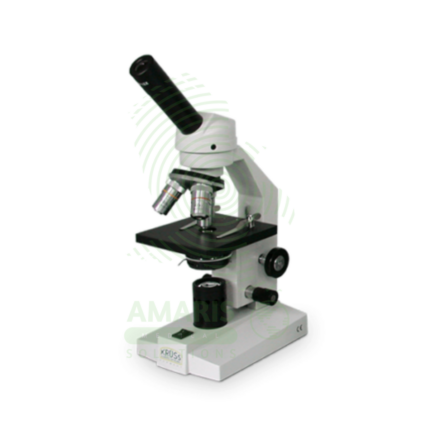
Microscope
A microscope is a Class I medical device (optical instrument) essential for visualizing microorganisms, cells, and tissues in clinical diagnostics, featuring magnifications from 40× to 1000× (oil immersion) with brightfield, phase contrast, fluorescence, darkfield, or polarized light capabilities. Standard clinical microscopes are binocular or trinocular with 4×, 10×, 40×, and 100× (oil) plan objectives, 10× widefield eyepieces, Abbe condenser, mechanical stage, and halogen or LED illumination. Fluorescence microscopes add specific filter cubes (FITC, TRITC, DAPI) and high-intensity light sources (mercury/xenon) for FISH, immunofluorescence, and AFB detection. Primary clinical applications include microbiological examination (Gram stains, AFB, wet mounts), hematology (differential counts, RBC morphology), histopathology (tissue sections, H&E, special stains), cytology (Pap smears, FNAs), urinalysis (sediment examination), parasitology (malaria, ova, parasites), and fertility (semen analysis). Essential equipment in every clinical laboratory for infectious disease diagnosis, cancer detection, hematological disorder evaluation, and countless other diagnostic applications requiring direct visualization of specimens.
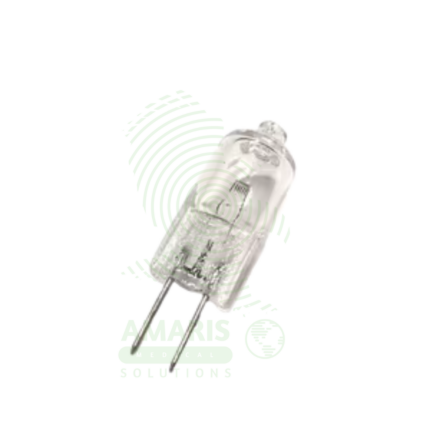
Microscope Bulb
A Microscope Bulb is a specialized halogen or LED lamp that serves as the essential illumination source for clinical and laboratory microscopes. Providing the bright, stable, and color-corrected light required for diagnostic visualization of specimens, it is a critical consumable component. Its technical specifications—voltage, wattage, base type, and filament alignment—must precisely match the microscope model. Proper handling (using gloves to avoid oil contamination) and adherence to safety protocols (allowing cooling, disconnecting power) are crucial for safe replacement and optimal bulb lifespan. Maintaining spares is vital to prevent operational downtime in diagnostic laboratories.
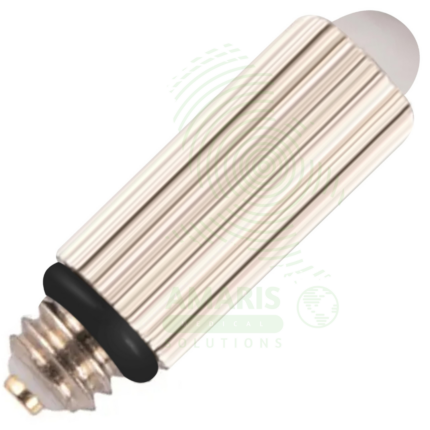
Miller Bulb Laryngoscope
A Miller Bulb Laryngoscope is a rigid laryngoscope with straight Miller blade (sizes 0-4, 70-160 mm) featuring a distal incandescent (xenon, krypton, halogen) or LED bulb at the blade tip for direct illumination during tracheal intubation. The straight blade design allows direct elevation of the epiglottis rather than the indirect vallecula technique, making it the preferred choice for pediatric and neonatal intubation, patients with floppy or prominent epiglottis, and anterior airways requiring direct epiglottic control. Features stainless steel reusable blades (or disposable plastic), ergonomic handles with knurled grip, ISO standard hook-on fittings, and autoclavable options. Light output 500-3,000 Lux depending on bulb type and battery condition. Primary clinical applications include direct epiglottis elevation for tracheal intubation (especially pediatric and neonatal), patients with prominent or floppy epiglottis, anterior airway management, teaching and training (straight blade technique), neonatal resuscitation, and use in resource-limited settings. Class II medical device requiring FDA clearance. Critical safety considerations include pre-use light check (brightness, bulb security), appropriate blade size selection (especially critical in pediatrics), proper lifting technique (direct epiglottic lift, not levering on teeth), pediatric fragility awareness, bulb obstruction risk from secretions, battery verification, and backup device availability.
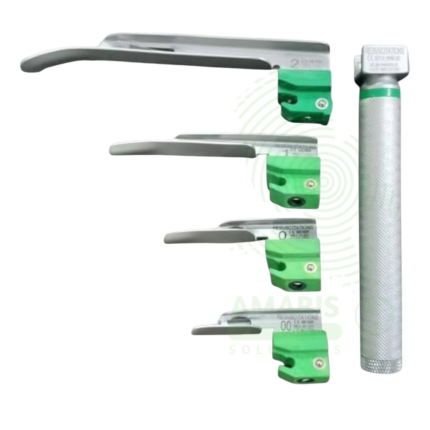
Miller Fiber Optic Laryngoscope
A Miller Fiber Optic Laryngoscope is a rigid laryngoscope with straight Miller blade (sizes 0-4, 70-160 mm) incorporating an integrated fiber optic light bundle that transmits bright, focused illumination (2,000-10,000+ Lux) from a handle-mounted LED or xenon bulb to the blade tip for enhanced visualization during tracheal intubation. The straight blade design allows direct elevation of the epiglottis rather than the indirect vallecula technique, making it particularly useful for pediatric/neonatal intubation, patients with floppy or prominent epiglottis, anterior airways, and difficult airways requiring direct epiglottic control. Features stainless steel reusable blades, ergonomic handles with knurled grip, ISO standard hook-on fittings, and steam autoclave compatibility. Primary clinical applications include direct epiglottis elevation for tracheal intubation (especially pediatric and neonatal), difficult airway management with fiber optic illumination, patients with prominent or floppy epiglottis, cervical spine precautions, anterior airway management, teaching and training (straight blade technique), and neonatal resuscitation. Class II medical device requiring FDA clearance. Critical safety considerations include pre-use light check (dark spots indicate broken fibers), appropriate blade size selection (especially critical in pediatrics), proper lifting technique (direct epiglottic lift, not levering on teeth), pediatric fragility awareness, battery verification, fiber optic care (avoid sharp bending), and backup device availability.
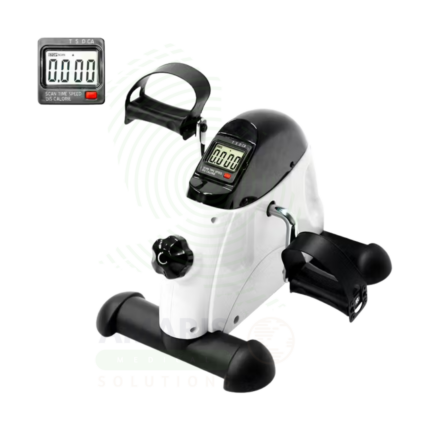
Mini Bike
A Mini Bike is a compact, portable pedal exerciser designed for seated lower extremity cycling and tabletop upper extremity cycling for passive, active-assisted, or active exercise in rehabilitation and home settings. Unlike traditional stationary bikes that require standing or transferring to a specialized seat, the mini bike places the pedal unit on the floor in front of the user for leg exercise, or on a tabletop for arm exercise, allowing patients with severe deconditioning, lower extremity weakness, neurological impairment, or upper limb pathology to initiate therapeutic movement safely from their own chair or bed. Adjustable magnetic or friction resistance allows for progressive strengthening, while forward and backward pedaling engages different muscle groups. For the physical therapist and occupational therapist, the mini bike provides an accessible entry point to rehabilitation for patients who cannot yet tolerate upright exercise—including those recovering from stroke, spinal cord injury, joint replacement, cardiac surgery, or critical illness. For the patient with limited mobility, regular mini bike use maintains joint range of motion, activates the calf muscle pump to reduce edema, prevents deconditioning, restores upper extremity function, and supports functional recovery—all while remaining safely seated.
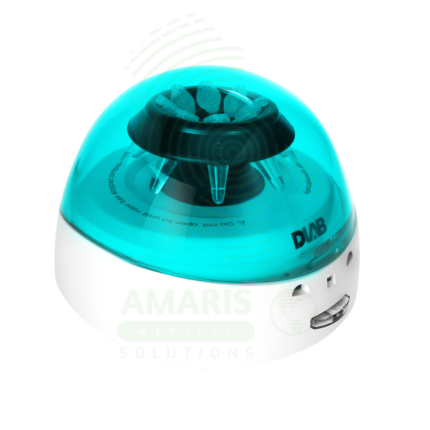
Mini Centrifuge (D1008E)
The D1008E Mini Centrifuge (also known as the EZee Mini-Centrifuge) is a compact benchtop centrifuge designed for rapid sample processing in clinical diagnostic, molecular biology, and research laboratories . Operating at a fixed speed of up to 5,000 rpm (1,360–2,000 × g) with a quiet DC motor, this mini centrifuge supports dual rotor capacity: a 8-position rotor for 0.2/0.5/1.5/2.0 mL microcentrifuge tubes and a PCR rotor for 0.2mL PCR tubes and 8-strip tubes, both with tool-free exchange and adapter compatibility .
For the clinical laboratory scientist and medical technologist, the D1008E facilitates rapid sample preparation for urinalysis, serological testing, and basic chemistry assays . It supports DNA/RNA extraction and purification for molecular diagnostics, PCR sample preparation (including 0.2 mL PCR tubes and 8-strip tubes), protein precipitation for biochemical assays, and microfiltration for sample cleanup workflows .
The centrifuge features an intuitive "close-to-start" operation—simply close the lid to begin spinning and open it to stop, eliminating the need for any buttons . The unit provides continuous run operation, accelerates and brakes in seconds, and operates at low noise levels (≤45 dB) for a quiet laboratory environment . The double door lock mechanism and automatic stop upon lid opening ensure user safety during operation .
Safety features include double door lock design, over-speed protection, and advanced wide voltage technology that maintains stable speed regardless of voltage fluctuations . The D1008E has passed rigorous EN61010-2-20 explosion-proof safety testing and holds CE, cTUVus, and FCC safety certifications .
With an ultra-compact footprint (150 × 150 × 117 mm) and lightweight (0.5 kg) design available in multiple colors (blue, green, pink, yellow), the D1008E provides versatile, consistent performance for routine laboratory workflows supporting patient diagnosis and research applications
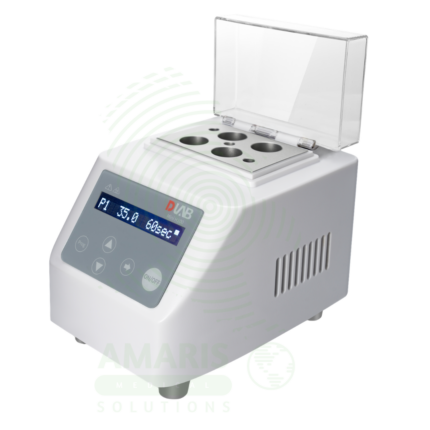
Mini Dry Bath (MiniH 100)
The Mini Dry Bath (MiniH 100) is a compact, lightweight, and portable digital dry bath (mini incubator) designed for precise temperature-controlled heating of clinical and molecular biology samples in diagnostic laboratories, point-of-care settings, and field research applications . With a temperature range from room temperature +5°C to 100°C, temperature control accuracy of ±0.5°C, and rapid heating rate of 6.5°C/min (reaching 100°C in ≤20 minutes from 25°C), this benchtop device provides reliable, uniform thermal performance for a wide range of diagnostic and research workflows .
The MiniH 100 features a microprocessor-controlled system with LCD display for real-time monitoring of temperature and time settings, programmable memory supporting up to 9 programs (2 steps each for sequential temperature protocols), built-in user recalibration function for long-term temperature accuracy, and USB interface for data export and traceability . Overheating protection ensures safe and stable operation, while error code display facilitates troubleshooting .
The device accepts interchangeable aluminum heating blocks compatible with various tube formats including 0.2mL, 0.5mL, 1.5mL, 2mL, 15mL, and 50mL tubes, allowing flexibility for different sample types and volumes . The compact, lightweight design (110 × 162 × 140 mm, ≤1 kg) and dual power options (100-240V AC or DC12V) support use in space-constrained laboratories, point-of-care testing sites, mobile laboratories, and field research stations .
For the clinical laboratory scientist and molecular biologist, the MiniH 100 supports nucleic acid extraction and purification (DNA/RNA) for molecular diagnostics, enzymatic reaction incubation for clinical chemistry (ALT, AST, cardiac biomarkers), PCR sample preparation for infectious disease testing, sample warming for coagulation studies, and reagent thawing for diagnostic workflows .
For the patient undergoing diagnostic testing for infectious diseases, genetic conditions, or metabolic disorders, the MiniH 100's precise temperature control (±0.5°C accuracy), rapid heating rate, and user calibration support ensure consistent sample preparation, reliable enzymatic assay results, and accurate nucleic acid extraction—supporting reliable test results that guide appropriate treatment decisions across clinical chemistry, molecular diagnostics, and point-of-care testing applications.
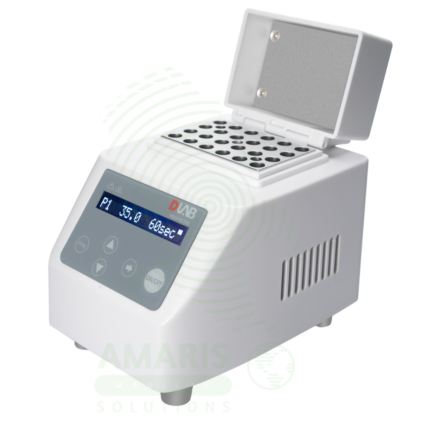
Mini Dry Bath (MiniHC 100)
The Mini Dry Bath (MiniHC 100) is a compact, lightweight (≤1 kg), and portable digital dry bath (mini incubator) with both heating and cooling capabilities (0°C to 100°C), designed for precise temperature-controlled sample preparation in clinical diagnostics, molecular biology, and point-of-care applications . With a temperature control accuracy of ±0.5°C, maximum heating rate of 8°C/min, and maximum cooling rate of 3°C/min, this palm-sized instrument provides reliable thermal performance for a wide range of diagnostic and research workflows .
The MiniHC 100 features a microprocessor-controlled system with LCD display for real-time monitoring, programmable memory supporting up to 9 programs (2 steps each for sequential temperature protocols), built-in user recalibration function for long-term accuracy, USB interface for data export and traceability, and error code display for troubleshooting . Overheating protection ensures safe and stable operation .
The device accepts interchangeable aluminum heating blocks compatible with various tube formats including 0.2mL (40 wells), 0.5mL (24 wells), 1.5mL/2mL (15 wells), 5mL, 15mL, and 50mL tubes, allowing flexibility for different sample types and volumes . The dual power options (100-240V AC for laboratory use; DC12V for field or vehicle use) support use in space-constrained laboratories, point-of-care testing sites, mobile laboratories, and field research stations .
For the clinical laboratory scientist and molecular biologist, the MiniHC 100 supports DNA denaturation for PCR preparation, nucleic acid amplification, enzyme-substrate reactions for clinical chemistry, enzyme preservation (cooling function), serum coagulation studies, electrophoresis gel degeneration, and sample warming for coagulation testing .
For the patient undergoing diagnostic testing for infectious diseases, genetic conditions, or metabolic disorders, the MiniHC 100's precise temperature control (±0.5°C accuracy), rapid heating and cooling rates, and user calibration support ensure consistent sample preparation, reliable enzymatic assay results, and accurate nucleic acid extraction—supporting reliable test results that guide appropriate treatment decisions across clinical chemistry, molecular diagnostics, and point-of-care testing applications .
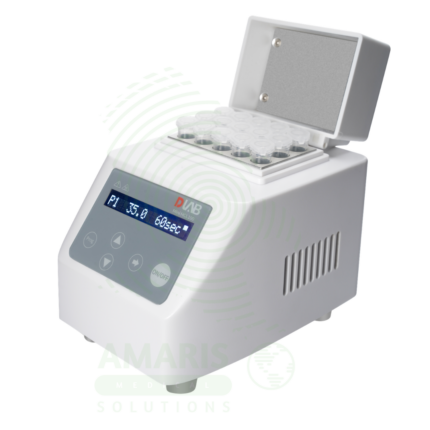
Mini Dry Bath (MiniHCL100)
The Mini Dry Bath (MiniHCL100) is a compact, lightweight (≤1 kg), and portable digital dry bath (mini incubator) with integrated heating (0-100°C), cooling (down to 0°C), and hot lid functions, designed for precise temperature-controlled sample preparation in clinical diagnostics, molecular biology, and point-of-care applications . With a temperature control accuracy of ±0.5°C, maximum heating rate of 8°C/min, and maximum cooling rate of 3°C/min, this palm-sized instrument provides reliable thermal performance for a wide range of diagnostic and research workflows . The hot lid prevents water condensation on tube caps during incubation, ensuring sample integrity and preventing volume changes—a critical feature for sensitive molecular biology applications .
The MiniHCL100 features a microprocessor-controlled system with LCD display for real-time monitoring, programmable memory supporting up to 9 programs (2 steps each for sequential temperature protocols), built-in user recalibration function for long-term accuracy, USB interface for data export and traceability, and error code display for troubleshooting . Overheating protection ensures safe and stable operation .
The device accepts interchangeable aluminum heating blocks compatible with various tube formats including 0.2mL (40 wells), 0.5mL (24 wells), 1.5mL/2mL (15 wells), 5mL, 15mL, and 50mL tubes, allowing flexibility for different sample types and volumes . A free heating block is provided with the unit . The dual power options (100-240V AC for laboratory use; DC12V for field, vehicle, or point-of-care use) support use in space-constrained laboratories, point-of-care testing sites, mobile laboratories, and field research stations .
For the clinical laboratory scientist and molecular biologist, the MiniHCL100 supports DNA amplification and electrophoresis gel degeneration for PCR preparation, enzyme-substrate reactions for clinical chemistry, serum coagulation studies, enzyme preservation (cooling function), and sample warming for coagulation testing . The hot lid condensation prevention ensures sample integrity during extended incubation periods.
For the patient undergoing diagnostic testing for infectious diseases, genetic conditions, or metabolic disorders, the MiniHCL100's precise temperature control (±0.5°C accuracy), rapid heating and cooling rates, integrated hot lid, and user calibration support ensure consistent sample preparation, reliable enzymatic assay results, and accurate nucleic acid extraction—supporting reliable test results that guide appropriate treatment decisions across clinical chemistry, molecular diagnostics, and point-of-care testing applications.
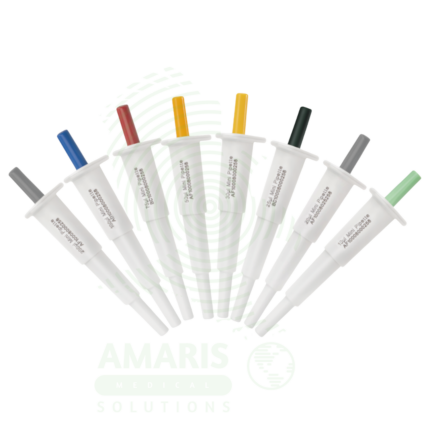
Mini Pipette Fixed Volume Pipette
The Mini Pipette Fixed Volume Pipette from DLAB is a compact, single-channel mechanical pipette pre-set to a specific, non-adjustable volume for rapid, high-precision repetitive liquid handling. Featuring an ultra-light, one-piece molded body (~130 mm in length), it reduces user fatigue during high-throughput workflows. Integrated color-coding allows for immediate visual identification of the fixed volume (e.g., blue for 100 µL, orange for 50 µL), dramatically reducing selection errors in busy laboratories.
The pipette is fully autoclavable, ensuring sterility for aseptic cell culture and microbiology applications. Its universal tip cone is compatible with standard 200 μL and 300 μL tips. Each Mini Pipette is individually tested and supplied with an ISO 8655 calibration certificate, guaranteeing high precision and accuracy for standardized protocols.
For the medical laboratory technician, the fixed-volume design eliminates operator error and delivers fast, reproducible results for high-volume tasks like ELISA plate coating, PCR master mix preparation, and standardized sample inoculation for AST. For the patient, this reproducible sample handling ensures that diagnostic results for infectious diseases, antimicrobial susceptibility, and clinical chemistry are consistent, accurate, and reported with minimal turnaround time, directly supporting timely and effective therapeutic decisions.
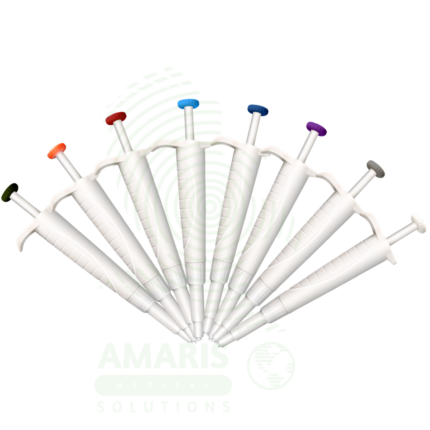
MiniPette Fixed Volume Pipette
The MiniPette Fixed Volume Pipette is a single‑channel mechanical pipette specifically designed for error‑free, repeatable liquid handling in high‑throughput diagnostic and research laboratories. It is available in a wide range of fixed volumes from 5 µL to 1000 µL, allowing you to select the perfect pipette for a specific task. Each volume range is color‑coded for rapid visual identification, dramatically reducing the risk of selecting the wrong pipette in a busy lab. Its compact, one‑piece molded body measures only ~130mm, making it lightweight and easy to store. The entire unit is fully autoclavable, ensuring sterility for cell culture, microbiology, and handling bio‑hazardous samples.
For the clinical laboratory scientist, the fixed‑volume design eliminates a common source of operator error, ensuring that every well receives exactly the same reagent volume for critical assays like PCR setup or ELISA plate coating. The pipette is compatible with standard 200 μL/300 μL universal tips and is simple to use, with a smooth plunger action featuring a definitive first and second stop. It is an ideal, budget‑friendly choice for reducing pre‑analytical variability, training new staff, or running high‑volume QC samples. Each pipette is individually tested and supplied with an ISO 8655 calibration certificate, guaranteeing high precision and accuracy for standardized protocols.
For the patient, the use of this pipette helps ensure that their diagnostic tests are consistent, accurate, and reported with minimal turnaround time by reducing the chance of volume‑related errors that could lead to run failures, false results, or repeat testing.
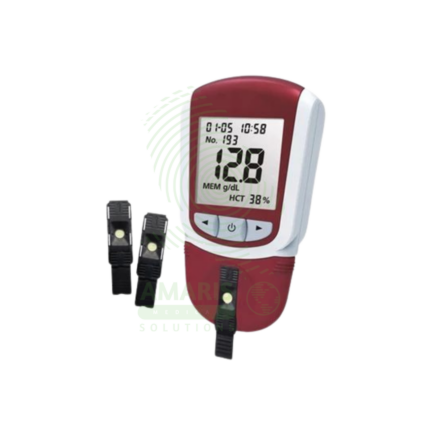
Mission Plus HB Machine
The Mission Plus HB Machine is a portable, battery-operated hemoglobin meter (Class II medical device, FDA-cleared/CE-marked) using photometric technology to measure hemoglobin concentration in capillary or venous blood within 5-15 seconds. Features include backlit LCD display, memory storage for 100-500 results, simple one-button operation, and disposable single-use cuvettes (5-20 µL sample volume). Accuracy ±0.3 g/dL compared to reference methods, measurement range 4-24 g/dL. Primary clinical applications include rapid anemia screening in outpatient clinics, preoperative assessment, antenatal care and maternal health monitoring, malaria-endemic region screening, chronic disease management (CKD, IBD, cancer), nutritional assessment and intervention programs, and blood donor screening. Critical safety precautions include single-use lancets, proper hand hygiene, correct sample application, quality control with control solutions, proper cuvette storage (protect from heat, light, humidity), and never using expired cuvettes. Essential point-of-care device for hemoglobin testing in diverse healthcare settings.
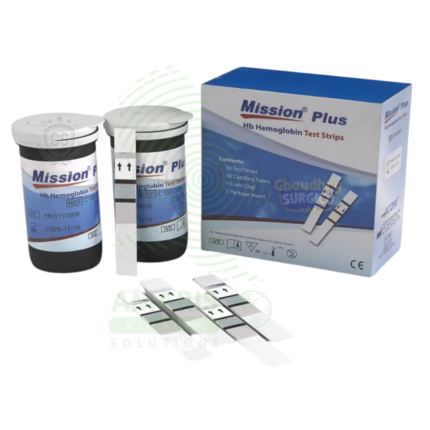
Mission plus strips
Mission Plus Strips are single-use, disposable electrochemical test strips (ISO 15197:2013 compliant) designed exclusively for use with Mission Plus glucose meters to measure capillary blood glucose from 0.5-1.0 µL samples in 5-7 seconds. Each strip contains glucose oxidase or glucose dehydrogenase reagents that generate electrical current proportional to glucose concentration (20-600 mg/dL range). Packaging options include multi-strip vials (25-100 strips) with desiccant for daily use or individually foil-wrapped strips for travel. Strips feature no-coding automatic calibration, hematocrit compensation (20-60%), and interference resistance. Primary clinical applications include daily blood glucose testing for Type 1, Type 2, and gestational diabetes management, hypoglycemia and hyperglycemia detection, pre- and post-meal glucose assessment, and hospital point-of-care testing. Critical safety precautions include single-use only, immediate vial closure after strip removal to prevent humidity damage, storage at 2-30°C away from bathrooms and temperature extremes, never using expired strips, proper hand hygiene before testing, and disposal in sharps containers. Essential consumable for diabetes self-management when used with Mission Plus meters.
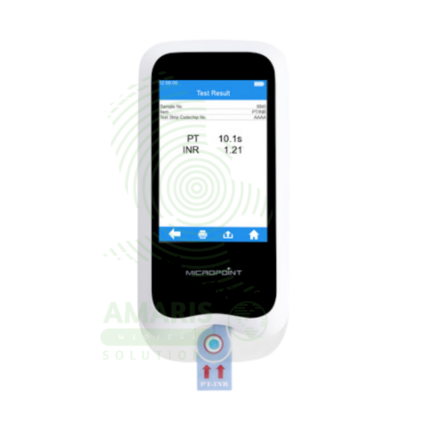
mLabs and qLabs Platforms
The mLabs and qLabs Platforms are integrated point-of-care testing systems manufactured by Micropoint Bioscience for rapid quantitative measurement of coagulation parameters (PT/INR, ACT), cardiac markers (troponin I, CK-MB, NT-proBNP), hemoglobin/hematocrit, electrolytes (Na+, K+, iCa), blood gases (pH, pCO2, pO2), glucose, ketones, and infectious disease markers. The qLabs platform specializes in coagulation and electrolyte testing using electrochemical technology, while the mLabs platform focuses on immunoassay and photometric testing for cardiac, hematology, and infectious disease applications. Features include portable design, touchscreen interface, rechargeable battery, USB/Bluetooth connectivity, and compatibility with single-use disposable test cards. Test times range from 1-15 minutes with sample volumes of 2-100 µL. Primary clinical applications include anticoagulation management (warfarin monitoring), cardiac surgery and intervention support (ACT monitoring), emergency cardiac diagnosis (troponin), anemia screening, diabetes management, critical care electrolyte and blood gas analysis, and infectious disease testing in endemic regions. Critical safety precautions include proper test card storage (temperature-sensitive), regular quality control, operator training, single-use lancets, and infection control protocols. Essential point-of-care testing solution for hospitals, clinics, emergency departments, surgical suites, and anticoagulation clinics.
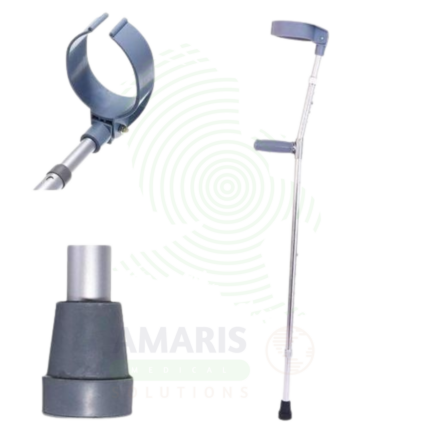
Mobi-Aid Ergonomic Crutch
A Mobi-Aid Ergonomic Crutch is a forearm support crutch designed for long-term mobility needs, featuring an ergonomic design that distributes weight through the forearm rather than the wrist or axillae. This reduces pressure on sensitive areas, minimizing the risk of nerve compression and repetitive strain injuries associated with traditional crutches. Suitable for individuals with permanent disabilities, post-stroke hemiparesis, arthritis, and conditions requiring extended crutch use, it promotes comfort, efficiency, and independence.
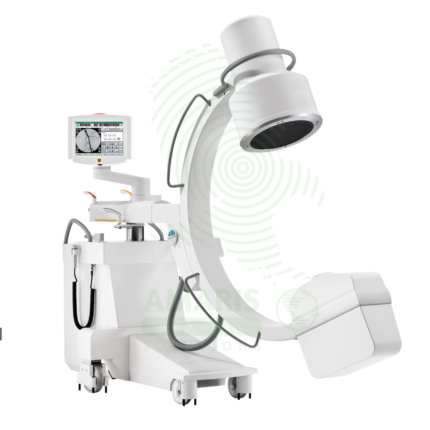
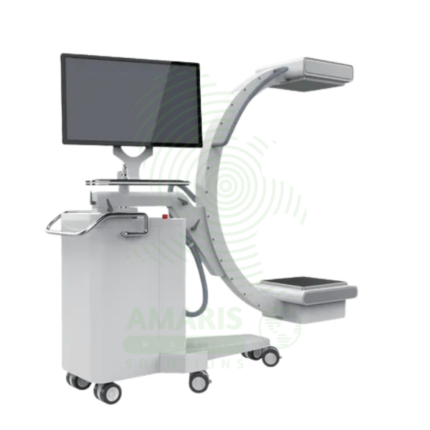
Mobile C-arm Surgical System
A Mobile C-arm Surgical System is a portable fluoroscopic imaging device used for real-time intraoperative guidance during orthopedic, spinal, vascular, and pain management procedures. The C-shaped arm allows flexible positioning around the patient, providing AP, lateral, and oblique views to verify instrument placement, fracture reduction, and device deployment. Essential for minimally invasive surgery, it enables surgeons to achieve precision and accuracy while reducing operative time and improving patient outcomes.
Mobile Film
Mobile Film is a battery-powered, portable X-ray system using traditional film cassettes for bedside imaging in intensive care units, neonatal intensive care units, emergency departments, and operating rooms. The mobile unit enables chest, abdominal, and extremity imaging at the patient's bedside, eliminating the risks associated with transporting critically ill patients. Film cassettes are processed in darkroom or daylight processors for image development. Used in hospitals without digital radiography capabilities or as backup for digital systems.
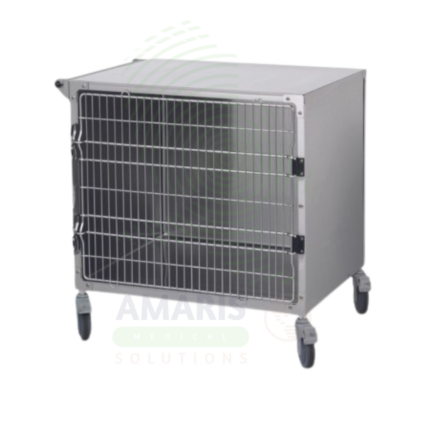
Mobile Transport Unit
A Mobile Transport Unit is a ventilated, temperature-controlled cart designed for safe, humane transport of laboratory animals between animal housing facilities, research laboratories, and procedure rooms. Featuring HEPA-filtered ventilation, temperature control, and secure containment, it maintains animal welfare and biosecurity during transit. Essential for research facilities, it supports colony management, inter-institutional transfers, and emergency evacuation.
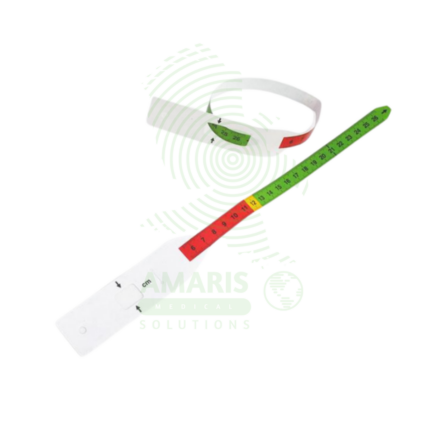
MUAC Tape
A MUAC Tape (Mid-Upper Arm Circumference) is a specialized, color-coded measuring tape used globally as the primary field tool for screening children aged 6-59 months for acute malnutrition. Its simple design—featuring red, yellow, and green zones corresponding to Severe Acute Malnutrition, Moderate Acute Malnutrition, and normal nutritional status—allows for instant, non-invasive assessment without the need for scales, calculation, or literacy. Durable, portable, and inexpensive, it is the cornerstone of community-based nutrition programs, emergency relief efforts, and public health surveillance, enabling early detection and life-saving intervention for malnourished children in even the most resource-constrained settings.
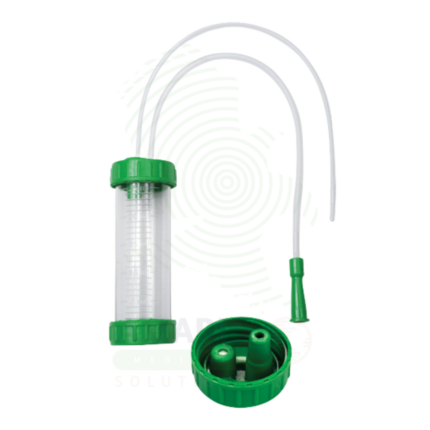
Mucus Extractor
Mucus Extractors are sterile, single-use handheld suction devices designed for the rapid clearance of secretions from the oral cavity, pharynx, and trachea, with distinct configurations for neonatal and adult populations. Neonatal/infant extractors feature soft, flexible, small-diameter tips with low suction capacity (30-60 mL) to minimize trauma to delicate airways. Adult/universal extractors (Yank Auer) are rigid, large-bore, angled devices with multiple suction eyes and high-flow capacity (150-300 mL) for rapid clearance of blood, vomitus, and thick secretions. Select models incorporate sterile specimen traps for collection of respiratory secretions for microbiological analysis. Critical safety requirements include strict limitation of suction duration (≤10 seconds; ≤5 seconds in neonates), avoidance of excessive suction pressure (neonates ≤80 mmHg), use of non-traumatic multiple-eye tips for vulnerable patients, and absolute single-use protocol. An indispensable airway device in neonatal resuscitation, pediatric care, emergency medicine, and perioperative settings.
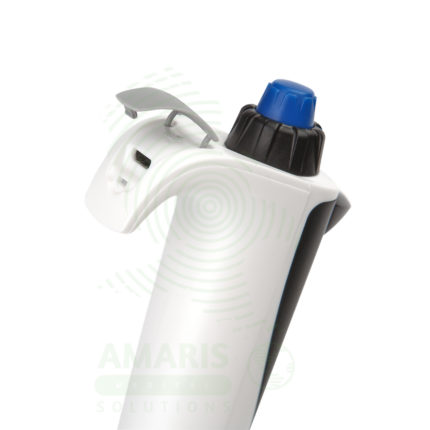
Multi-functional 8-channel Electronic Pipette (dPette+)
The Multi-functional 8-channel Electronic Pipette (dPette+) from DLAB is a precision motor-driven instrument designed to replace manual multichannel pipettes. It synchronizes liquid aspiration and dispensing across all eight channels, making it an essential tool for high-throughput laboratories handling 96-well plates. The device combines manual pipetting's ergonomic feel with the precision of an electronic stepper motor, offering four programmable functional modes: Pipetting, Mixing, Continuous Distribution (Stepper), and Dilution.
For the clinical laboratory scientist and molecular biologist, the dPette+ dramatically increases workflow efficiency. A single unit can fill a 96-well PCR plate in less than 3 minutes, a 60% time savings over manual methods. The high-precision, electronically synchronized channels reduce well-to-well variability, ensuring highly reproducible data for critical assays like qPCR and ELISA. Autoclavable components provide sterile processing, and the self-calibration feature via USB allows for easy in-house maintenance, making it an economical choice for any lab.
For the healthcare professional and patient, this efficiency is critical. The reduction in manual errors and increased throughput ensures that diagnostic results (e.g., for infectious diseases, genetic markers, or cancer) are reported faster and with greater accuracy. The lightweight, ergonomic design and reduced operation force also protect users from the risk of repetitive strain injuries (RSI), promoting a safer and more sustainable laboratory environment.
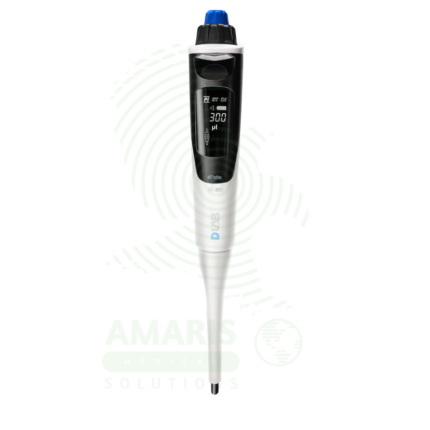
Multi-functional Electronic Pipette (dPette+)
The Multi-functional Electronic Pipette (dPette+) is a motor-driven, digitally controlled liquid handling instrument designed to combine the ergonomic feel of a manual pipette with the precision and efficiency of electronic operation. Powered by a high-performance stepper motor, it delivers exceptional accuracy (systematic error ≤ ±1.0%) and repeatability (random error ≤ 0.8%), eliminating common manual pipetting errors.
Key features include four programmable operating modes – Pipetting, Mixing, Continuous Distribution (Stepper), and Dilution – allowing users to perform complex protocols such as serial dilutions and multi-well plate filling with a single instrument. The large LCD screen and dual rotary knobs provide an intuitive user interface that mimics manual pipette logic, reducing the learning curve and minimizing operational errors. Adjustable aspiration and dispensing speeds accommodate a wide range of liquid viscosities, from low-viscosity buffers to high-viscosity solutions like serum and glycerol.
For the clinical laboratory scientist and molecular biologist, the dPette+ significantly improves workflow efficiency. Filling a 96-well plate for PCR or ELISA can be completed in under 3 minutes – a 60% time savings compared to manual pipetting. The lightweight (approx. 110 g), ergonomic design and reduced operation force protect users from Repetitive Strain Injury (RSI) during prolonged use. Dual charging options (USB-C and desktop stand) and user self-calibration via USB ensure continuous operation and low maintenance costs.
For the patient, the dPette+ translates directly to more reliable diagnostic test results. The precision and reproducibility of electronic pipetting reduce well-to-well variability in PCR, qPCR, and ELISA assays, leading to accurate detection of infectious diseases, genetic markers, and cancer biomarkers. Faster sample processing reduces turnaround times for critical test results, enabling earlier clinical intervention and improved patient outcomes.
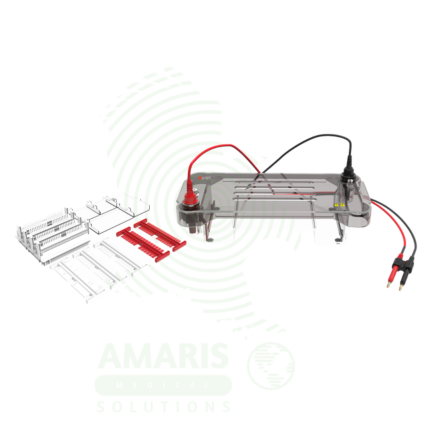
Multi-functional Horizontal Electrophoresis Tank (DL-SUB02)
The Multi-functional Horizontal Electrophoresis Tank (DL-SUB02) is a versatile, high-throughput horizontal gel box designed for DNA and RNA fragment separation, PCR product confirmation, restriction fragment analysis, and nucleic acid quality assessment in clinical diagnostic and research laboratories . Featuring interchangeable gel trays (120 × 120 mm, 120 × 60 mm, 60 × 120 mm, 60 × 60 mm) and multiple comb configurations (0.75 mm, 1.0 mm, 1.5 mm thicknesses with 8-well, 11-well, and 2-well options), this system provides resolution of nucleic acid fragments from 5 to 2500 base pairs with a maximum sample load of up to 83 samples per run (using 3 rows of 8-well combs + 2 rows of 11-well combs) .
For the molecular biologist and clinical laboratory scientist, the DL-SUB02 supports high-throughput PCR product confirmation for infectious disease testing (COVID-19, influenza, hepatitis, HIV, respiratory virus panels, gastrointestinal pathogen panels), restriction fragment analysis for genetic screening (sickle cell disease, cystic fibrosis, BRCA mutations), nucleic acid quality assessment for molecular diagnostics, multiplex pathogen detection, gel extraction for downstream applications, and DNA fragment size determination .
Constructed from high-strength, high-transparency plastic with UV protection, the DL-SUB02 provides a clear view of the electrophoresis process while protecting operators during UV visualization. The interchangeable tray and comb system allows rapid adaptation to varying sample volumes and throughput demands, while the 1.0 mm comb thickness is specifically suited for restriction fragment analysis. The system can also be configured as a sequencing tank for specialized applications .
For the patient undergoing molecular diagnostic testing for infectious diseases, inherited genetic conditions, or oncology biomarkers, the DL-SUB02's high-throughput capacity and reliable DNA fragment separation ensure accurate PCR product confirmation, restriction fragment analysis, and nucleic acid quality assessment—supporting reliable diagnostic results that guide appropriate treatment decisions across molecular diagnostics, genetic screening, and clinical pathology applications.
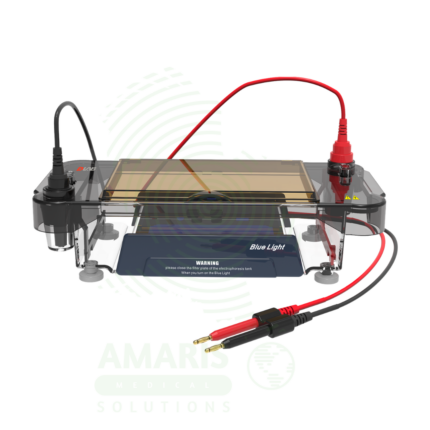
Multi-functional Horizontal Electrophoresis Tank (DL-SUB03)
The Multi-functional Horizontal Electrophoresis Tank (DL-SUB03) is a large-format, high-throughput horizontal gel box designed for DNA and RNA fragment separation, PCR product confirmation, restriction fragment analysis, and nucleic acid quality assessment in high-volume clinical diagnostic and research laboratories . Featuring five interchangeable gel trays (200 × 200 mm, 200 × 130 mm, 130 × 200 mm, 130 × 130 mm, 130 × 65 mm) and multiple comb configurations (0.75 mm, 1.0 mm, 1.5 mm thicknesses with 8-well, 11-well, and 2-well options), this system provides resolution of nucleic acid fragments from 5 to 2500 base pairs with 10 base pair resolution and a maximum sample load of up to 200 samples per run .
For the molecular biologist and clinical laboratory scientist, the DL-SUB03 supports high-volume PCR product confirmation for infectious disease testing (COVID-19, influenza, hepatitis, HIV, respiratory virus panels, gastrointestinal pathogen panels), DNA fragment analysis and size determination with 10 bp resolution, restriction fragment length polymorphism (RFLP) analysis for genetic screening (sickle cell disease, cystic fibrosis, BRCA mutations), multiplex pathogen detection, nucleic acid quality assessment for molecular diagnostics, gel extraction for downstream applications, and sequencing sample preparation .
Constructed from high-strength, high-transparency plastic with UV protection, the DL-SUB03 provides a clear view of the electrophoresis process while protecting operators during UV visualization. The interchangeable tray and comb system allows rapid adaptation to varying sample volumes and throughput demands, with gel inspection window for monitoring progress without opening the cover . A free gel tray is included with the system .
For the patient undergoing molecular diagnostic testing for infectious diseases, inherited genetic conditions, or oncology biomarkers, the DL-SUB03's high-volume capacity (up to 200 samples per run), high-resolution fragment separation (10 bp resolution), and reliable DNA fragment analysis ensure accurate PCR product confirmation, restriction fragment analysis, and nucleic acid quality assessment—supporting reliable diagnostic results that guide appropriate treatment decisions across molecular diagnostics, genetic screening, and clinical pathology applications.
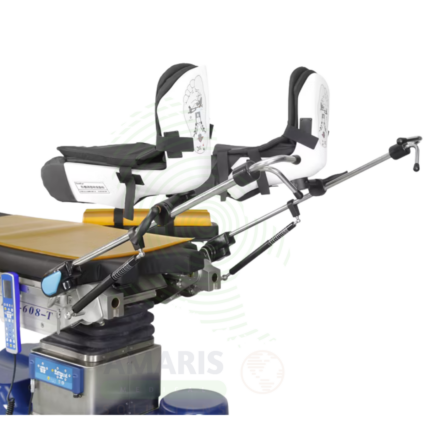
Multi-functional Stirrups
Multi-functional Stirrups are adjustable leg supports used for positioning patients in lithotomy position for gynecologic, urologic, obstetric, and colorectal procedures. Featuring adjustable height, abduction, and rotation, they provide customized positioning for patient comfort and optimal clinician access. Secure locking mechanisms, pressure-reducing padding, and compatibility with standard examination and operating tables make them essential accessories for women's health, urology, and colorectal surgery.
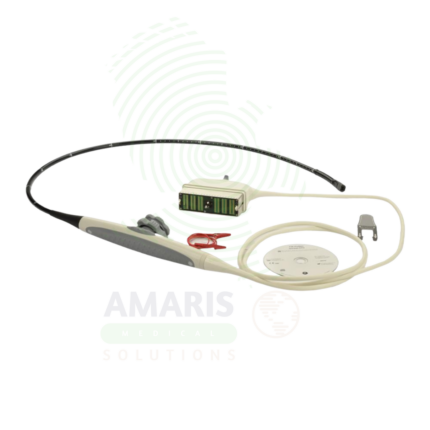
Multi-Plane Transesophageal Echocardiography (MPTEE Mini)
The Multi-Plane Transesophageal Echocardiography (MPTEE Mini) is a miniaturized, multiplane transesophageal echocardiography probe designed for advanced cardiac imaging in patients where standard TEE probes may be contraindicated or difficult to place. With a smaller diameter insertion tube, it enables transesophageal assessment in smaller patients, those with esophageal strictures, and critically ill patients requiring prolonged monitoring for up to 72 hours. It provides high-quality imaging for assessment of ventricular function, valvular disease, congenital heart defects, and surgical repair adequacy. Essential for cardiac intensive care units, operating rooms, and pediatric cardiology, it delivers critical diagnostic information while improving patient tolerability.
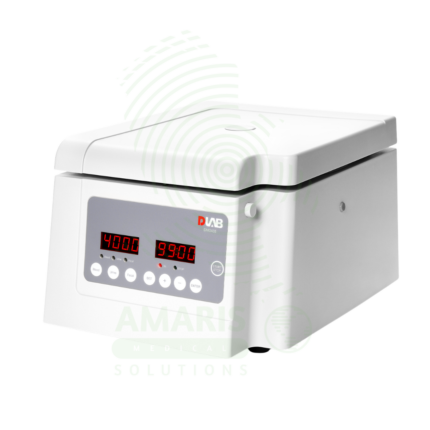
Multi-Purpose Low Speed Centrifuge (DM0408)
The Multi-Purpose Low Speed Centrifuge (DM0408) is a versatile benchtop centrifuge designed for a wide range of clinical diagnostic applications including blood chemistry, urinalysis, coagulation testing, and blood bank workflows. With multiple rotor options accommodating blood collection tubes, urine tubes, conical tubes, and microcentrifuge tubes, this single instrument handles diverse sample processing needs across the clinical laboratory.
For the medical technologist and clinical laboratory scientist, the DM0408 facilitates serum and plasma separation for blood chemistry testing, coagulation studies, and lipid panels. It supports urinalysis sediment preparation for microscopic examination, cerebrospinal fluid cell concentration for neurological diagnostic testing, and blood bank compatibility testing for transfusion medicine. The centrifuge also handles routine clinical chemistry sample preparation for liver function tests, renal function tests, electrolytes, glucose, and lipid profiles.
The DM0408 features reliable motor operation, user-friendly controls for speed and time adjustment, and essential safety features including automatic lid lock and imbalance detection. With interchangeable rotors for different tube types, a compact benchtop footprint suitable for standard laboratory benchtops, and consistent, reliable performance, the DM0408 provides versatile sample processing for routine laboratory workflows supporting patient diagnosis and treatment monitoring.
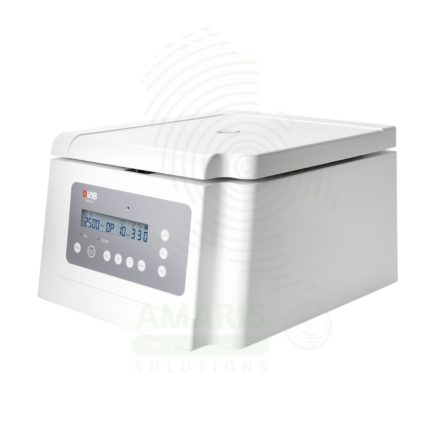
Multi-Purpose Low Speed Centrifuge (DM0424)
The Multi-Purpose Low Speed Centrifuge (DM0424) is a high-capacity benchtop centrifuge designed for clinical diagnostic sample processing, blood component separation, urinalysis, and general laboratory applications. With a standard rotor capacity of 24 × 5/7/10 mL vacutainer tubes, this centrifuge provides the throughput needed for moderate to high-volume clinical laboratories while maintaining low-speed operation optimal for serum and plasma preparation.
For the medical technologist and clinical laboratory scientist, the DM0424 facilitates serum and plasma separation for blood chemistry testing (liver function tests, renal function tests, electrolytes, glucose, lipid profiles), coagulation studies (PT, PTT), and routine hematology workflows. It supports urinalysis sediment preparation for microscopic examination, cerebrospinal fluid cell concentration for neurological diagnostic testing, blood bank compatibility testing for transfusion medicine, and nucleic acid extraction for molecular diagnostics.
The centrifuge features a maintenance-free brushless DC motor, LCD display with speed/RCF switchover, quick spin (PULSE) function for instantaneous centrifugation, and tool-free rotor exchange for versatile application switching. The standard rotor accommodates 24 × 5/7/10 mL vacutainer tubes, with optional rotors available for 50 mL conical tubes, 15 mL tubes, and 100 mL tubes, as well as tube adapters for smaller blood collection tubes.
Safety features include door interlock, over-speed detection, imbalance detection alarm, and over-temperature protection, with CE safety certification. The DM0424 provides reliable, high-throughput performance for routine laboratory workflows supporting patient diagnosis and treatment monitoring.
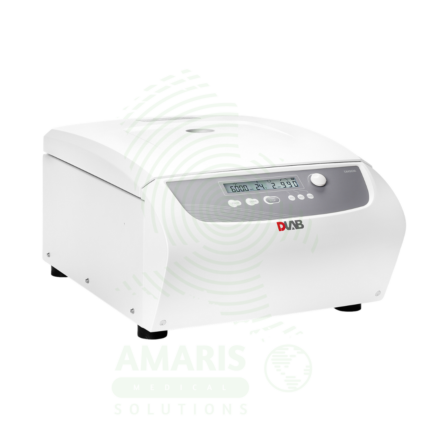
Multi-Purpose Low Speed Centrifuge (DM0636)
The Multi-Purpose Low Speed Centrifuge (DM0636) is a high-capacity benchtop centrifuge designed for large-volume clinical diagnostic sample processing, blood component separation, urinalysis, molecular biology applications, and industrial laboratory use . Operating at speeds from 300 to 6,000 rpm (up to 4,100 × g) with a maintenance-free brushless DC motor, this centrifuge provides the throughput and versatility needed for high-volume clinical laboratories while maintaining low-speed operation optimal for serum and plasma preparation .
The centrifuge accommodates a wide range of rotors, including swing-out rotors for 4 × 100 mL tubes, fixed-angle rotors for 6 × 50 mL or 30–60 × 2.0 mL tubes, and specialized rotors for microplates and PCR strips . The LCD display allows precise monitoring and adjustment of speed (300-6,000 rpm, increment: 10 rpm) and run time (30 seconds to 99 minutes), with speed/RCF switchover for user convenience . The Pulse key enables instantaneous centrifugation for quick spin-down needs .
For the medical technologist and clinical laboratory scientist, the DM0636 facilitates serum and plasma separation for blood chemistry testing (liver function tests, renal function tests, electrolytes, glucose, lipid profiles), coagulation studies, and routine hematology workflows. It supports urinalysis sediment preparation for microscopic examination, cerebrospinal fluid cell concentration for neurological diagnostic testing, blood bank compatibility testing for transfusion medicine, nucleic acid extraction for molecular diagnostics, and microplate processing for high-throughput screening.
The centrifuge features comprehensive safety protections including door interlock, imbalance protection alarm, over-speed detection, over-temperature detection, and automatic internal diagnosis system . With 9 programmable acceleration and 10 deceleration levels, 9 program memory storage, dynamic balancing for stable operation, and compliance with IEC/EN61010 safety standards, the DM0636 provides reliable, high-throughput performance for routine laboratory workflows supporting patient diagnosis and treatment monitoring .
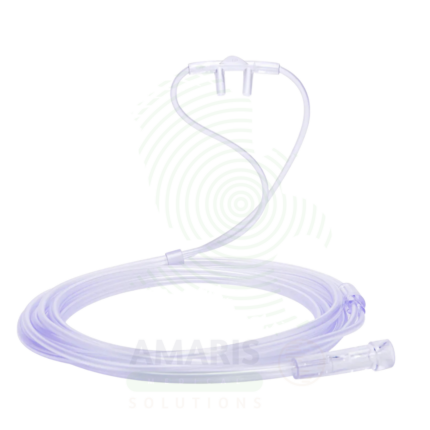
Nasal Oxygen Cannula – Double Eye
A Nasal Oxygen Cannula - Double Eye is a disposable, low-flow oxygen delivery device with two soft nasal prongs for delivering supplemental oxygen to patients requiring mild to moderate oxygen supplementation. Comfortable, lightweight, and non-invasive, it allows patients to eat, speak, and move freely during oxygen therapy. Adjustable tubing ensures a secure fit, while the open design permits simultaneous pulse oximetry monitoring.
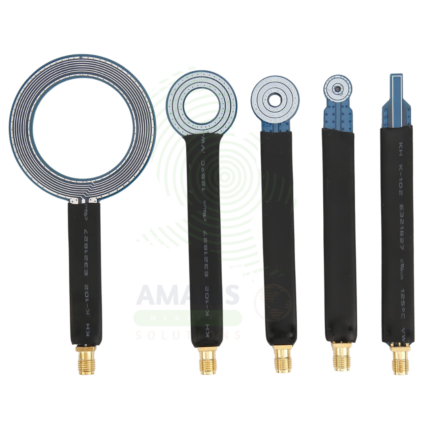
Near Probes
Near Probes are high-frequency linear array ultrasound transducers designed for imaging superficial structures including the thyroid, breast, testicles, muscles, tendons, ligaments, and superficial vessels. Operating at frequencies up to 18 MHz, they provide exceptional resolution for visualizing fine detail, enabling accurate characterization of small lesions, assessment of tendon integrity, and guidance for interventional procedures. Essential for radiology, breast imaging, musculoskeletal imaging, and vascular access, they deliver the image quality needed for precise diagnosis and treatment.
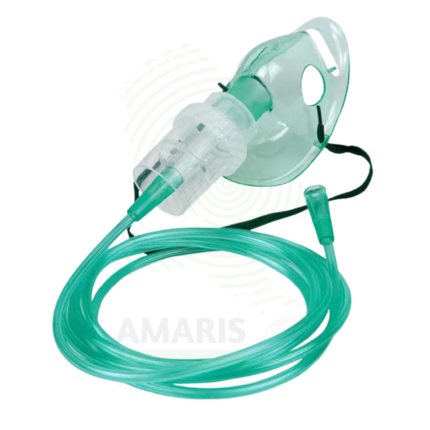
Nebulizer Mask
A Nebulizer Mask is a disposable interface for delivering aerosolized medications to patients with respiratory conditions. Designed for use with nebulizer systems, it allows passive inhalation of bronchodilators, corticosteroids, and other medications during normal breathing—making it ideal for children, elderly patients, and those unable to use inhalers. Essential for acute and chronic respiratory care.
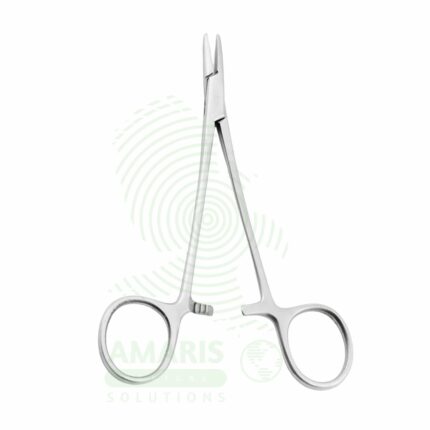
Needle Holders
Needle Holders are surgical instruments used to grasp, hold, and guide suture needles during wound closure and tissue approximation. Featuring serrated jaws with a locking ratchet mechanism, they provide secure needle control while allowing the surgeon to focus on precise suture placement. Available in various sizes and configurations including Mayo-Hegar for general surgery, Castroviejo for microsurgery, and Olsen-Hegar with integrated scissors. Made from surgical-grade stainless steel, often with tungsten carbide inserts for enhanced durability, they are essential instruments in all surgical specialties. Proper selection, handling, and regular inspection are critical for safe and effective use.
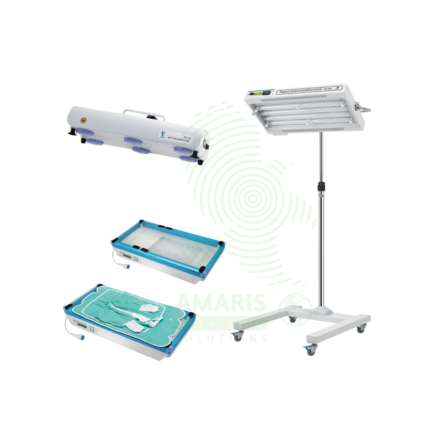
Neonatal Jaundice Treatment Device
A Neonatal Jaundice Treatment Device (phototherapy unit) is a Class II medical device that delivers therapeutic blue light (450-470 nm) to treat hyperbilirubinemia in newborns, preventing bilirubin-induced neurological damage (kernicterus). Available as overhead units (mobile stands with LED or fluorescent lamps), fiberoptic systems (Biliblanket) with illuminated pads placed against the infant's skin, and combination systems for intensive therapy. Irradiance ranges from 10-50+ µW/cm²/nm at treatment distance. LED units offer specific wavelength output, minimal heat, long life (10,000-50,000 hours), and energy efficiency. Treatment indications follow AAP hour-specific nomograms based on gestational age, birth weight, postnatal age, and risk factors. Essential safety requirements include opaque eye shields to protect neonatal retinas, temperature monitoring to prevent hyperthermia, hydration maintenance, and regular irradiance verification. Used in hospital NICUs, newborn nurseries, and (select devices) home care settings for mild jaundice. Critical for preventing permanent neurological sequelae of untreated severe neonatal jaundice.
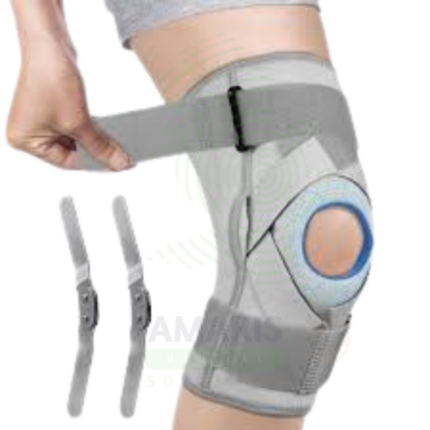
Neoprene Knee Support With Hinge
A Neoprene Knee Support With Hinge is a hinged knee orthosis providing controlled support and stabilization for ligament sprains, meniscal injuries, patellofemoral instability, knee osteoarthritis, and post-operative recovery. The integrated hinges provide medial-lateral stability while the neoprene material offers compression, warmth, and proprioceptive feedback. Used in orthopedic surgery, sports medicine, and physical therapy, it provides essential support that protects injured structures while allowing controlled motion for optimal healing and return to function.
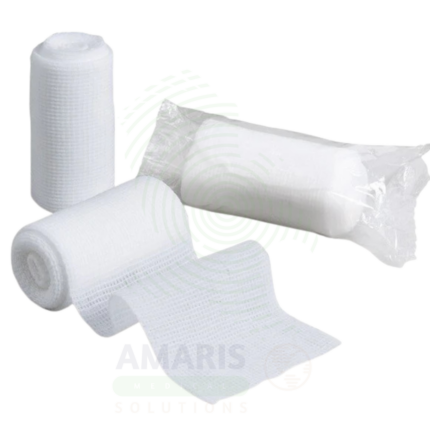
Non Sterile Gauze Roll
Non Sterile Gauze Roll is a continuous length of absorbent woven cotton gauze supplied in roll form for wrapping, securing dressings, providing compression, and protecting skin in clinical and home healthcare settings. Available in widths from 1 inch to 6 inches and lengths up to 10 yards, these rolls provide versatile application for limbs, digits, and body surfaces. Non-stretch versions offer secure dressing retention, while stretch (conforming) versions conform to irregular body contours for comfortable fit. For the clinician, gauze rolls enable quick, customizable application for wound care, compression therapy, and skin protection. For the patient, they provide secure dressing retention without adhesive-related skin irritation, effective fluid absorption, and comfortable compression for conditions such as venous insufficiency and edema.
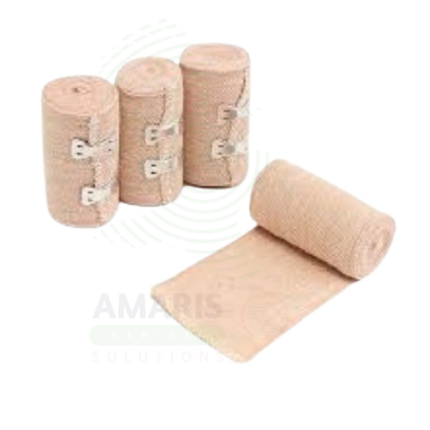
Non woven medical crepe
Non Woven Medical Crepe is a lightweight, conformable bandage made from bonded synthetic fibers, designed for securing wound dressings, providing light compression, and supporting injured joints and limbs. Unlike traditional woven crepe bandages, non-woven construction offers enhanced softness, reduced lint, and hypoallergenic properties—making it particularly suitable for patients with sensitive skin or textile allergies. Featuring limited stretch for conformability, this breathable bandage molds to body contours without restricting circulation. Available in widths from 5cm to 20cm and standard 4.5-meter lengths, non woven medical crepe is a versatile, non-sterile bandage used across clinical settings. For the clinician, it provides reliable dressing retention and gentle support for sprains, strains, and soft tissue swelling. For the patient, non woven medical crepes offer comfortable, non-irritating bandaging with minimal risk of allergic reaction, allowing natural movement while protecting healing tissues.
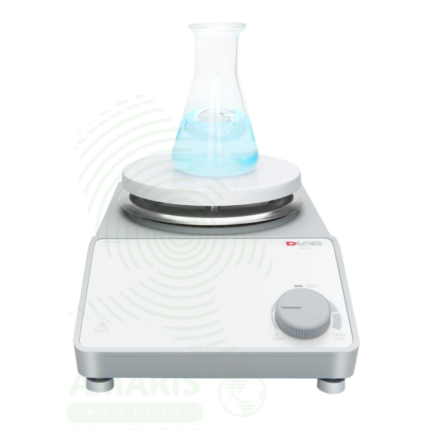
Non-Heating Magnetic Stirrer (DLAB MS-S)
The Non-Heating Magnetic Stirrer (DLAB MS-S) is a digital, economical, and reliable magnetic stirrer engineered for efficient, reproducible mixing in clinical diagnostic laboratories, pharmaceutical quality control, food and drug analysis, water quality monitoring, and general research. Designed for a wide range of general laboratory mixing applications without the need for heating, this stirrer offers a maximum stirring capacity of up to 20 liters, making it ideal for routine solution preparation and sample mixing.
Every Non-Heating Magnetic Stirrer (DLAB MS-S) features a maintenance-free, spark-free brushless DC motor and a powerful magnetic drive, delivering consistent stirring performance from 100 to 1500 rpm. The digital LCD display with 1 rpm resolution allows for precise speed setting and monitoring, ensuring repeatable stirring conditions across experiments. The ceramic-coated or stainless steel work plate provides excellent chemical resistance for long-lasting durability against aggressive reagents. The ultra-silent and vibration-free design ensures comfortable, quiet operation.
Key user-focused features include digital speed control for precise, reproducible agitation; an optional timer (1–120 minutes) for unattended operation on select models; a compact footprint ideal for crowded benchtops; and robust construction with IP21 protection against spills and particles. The chemical-resistant top plate and spark-free motor make it safe for use in environments where flammable solvents may be present.
For the clinical laboratory scientist, water quality analyst, and pharmaceutical quality control technician, the Non-Heating Magnetic Stirrer (DLAB MS-S) delivers the simple, reliable, and chemical-resistant stirring required for preparing chemical solutions, mixing reagents, and homogenizing samples. For the patient and the public, the consistent and accurate mixing of reagents and samples directly supports reliable diagnostic test results, safe drinking water monitoring, and the quality and safety of pharmaceutical and food products.
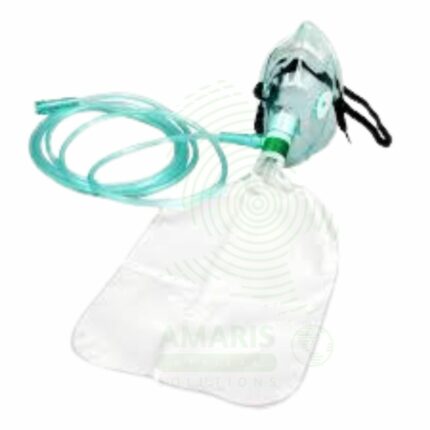
Non-Rebreathing Oxygen Mask
An Non-Rebreathing Oxygen Mask is a high-concentration oxygen delivery device designed for emergency use in critically hypoxic patients. It features a face mask with an attached reservoir bag and a system of one-way valves to prevent the rebreathing of exhaled carbon dioxide, allowing for the delivery of up to 95% FiO2. Its safe operation depends on a minimum oxygen flow of 10-15 L/min to keep the reservoir bag inflated. It is contraindicated where uncontrolled high-flow oxygen may be harmful (e.g., in some COPD patients) and carries a severe fire risk. It is a vital, immediate-intervention tool found in all emergency response settings.
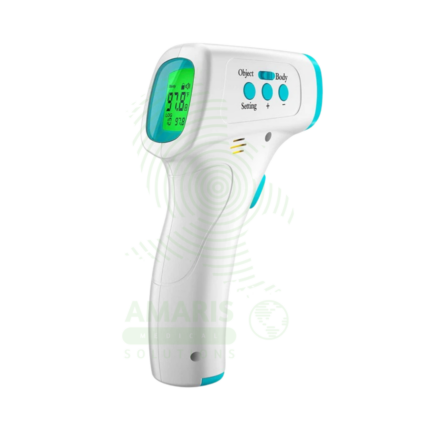
Non-Touch Digital Thermometer
A Non-Touch Digital Thermometer is a Class II medical device using infrared thermopile sensor technology (8-14 µm spectral response) to measure body temperature from the forehead or temporal artery without skin contact in 1-3 seconds with accuracy ±0.2-0.3°C. Features include backlit LCD display, fever alert (audible and color-coded), memory storage (10-50 readings), auto-shutoff, and selectable modes (body/surface/ambient). Measurement distance 3-15 cm; requires clean, dry forehead free of hair, sweat, or cosmetics. Primary clinical applications include pediatric fever screening in infants and children (non-distressing), infection control and isolation precautions (reduces healthcare worker exposure), mass screening at airports, schools, and workplaces, neonatal and NICU temperature monitoring (minimal handling), burn unit and wound care patients (non-contact over damaged skin), intraoperative and post-anesthesia care, and geriatric/dementia care (non-stressful for agitated patients). Critical safety considerations include environmental acclimation (10-15 minutes at room temperature), clean sensor lens, correct measurement distance, avoidance of laser in eyes (if equipped), and confirmation of suspected fever with contact thermometer. Essential screening tool for infection control, pediatrics, and high-volume settings.
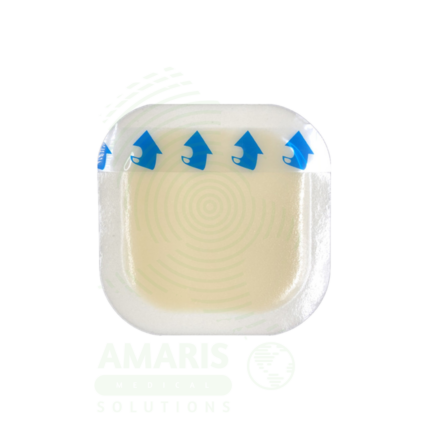
Normal Hydrocolloid Dressing (With Border)
A Normal Hydrocolloid Dressing (With Border) is a sterile, self-adhesive wound dressing consisting of a hydrocolloid matrix (containing gel-forming agents such as sodium carboxymethylcellulose, pectin, and gelatin) applied to a waterproof yet breathable polyurethane backing, with an extended hypoallergenic adhesive border for secure fixation . Specifically indicated for light to moderately exuding wounds, this dressing is used for the management of pressure ulcers (Stage II-IV), venous leg ulcers, diabetic foot ulcers, superficial burns (first and second degree), donor sites, post-operative surgical wounds, abrasions, and traumatic wounds .
Upon contact with wound exudate, the hydrocolloid particles absorb fluid and swell, forming a cohesive, opaque gel that maintains a moist microenvironment over the wound bed. This moist environment prevents desiccation of epidermal cells, facilitates autolytic debridement, supports granulation tissue formation, and prevents the dressing from adhering to the wound, significantly reducing pain during dressing changes and minimizing trauma to newly formed tissue . The bordered, self-adhesive design eliminates the need for secondary taping, and special shapes (square, rectangular, concave for heels/elbows, and sacral for the coccyx) are available for secure fixation on challenging anatomical locations .
The dressing remains in place for up to 7 days depending on exudate levels, reducing the frequency of dressing changes, lowering material costs, and minimising disturbance to the healing wound . The waterproof outer layer allows patients to shower and bathe without removing the dressing, and the dressing can be cut to size for irregular wounds . For the clinician, this dressing offers a proven, cost-effective, and versatile solution for managing a wide range of chronic and acute wounds through established moist wound healing principles. For the patient, it provides secure, comfortable, waterproof protection, reduced pain during dressing changes, and the convenience of extended wear, supporting uninterrupted daily activities and promoting faster, cosmetically favourable healing.
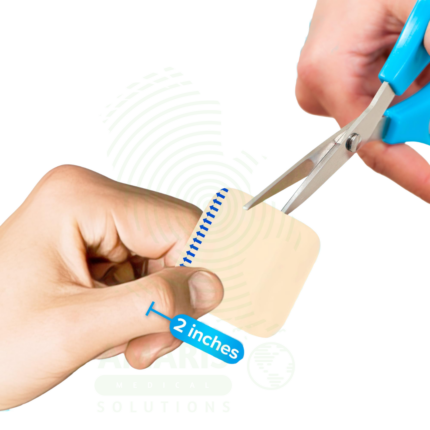
Normal Hydrocolloid Dressing (Without Border)
A Normal Hydrocolloid Dressing (Without Border) is a sterile, adhesive, wafer-type wound dressing composed of a hydrocolloid matrix (containing gel-forming agents such as carboxymethylcellulose, gelatin, and pectin) applied to a breathable polyurethane carrier film . Specifically indicated for low to moderately exuding partial to full-thickness wounds—including pressure ulcers (Stage 1-4), venous leg ulcers, diabetic foot ulcers, donor sites, superficial burns (1st and 2nd degree), postoperative wounds, and skin abrasions—this dressing promotes healing through moist wound therapy principles .
Upon contact with wound exudate, the hydrocolloid particles absorb fluid and swell, forming a cohesive, opaque gel (visible as a "healing capsule") that maintains a moist microenvironment, prevents desiccation of epidermal cells, and facilitates autolytic debridement . The waterproof polyurethane backing provides a protective barrier against external contaminants, including bacteria and water, while remaining breathable to allow moisture vapor transmission. The borderless design allows the dressing to be cut to size for irregular wound shapes .
The dressing is designed for extended wear, remaining in place for 3 to 7 days depending on wound type and exudate level, which reduces the frequency of dressing changes, minimizes trauma to the wound bed, and lowers healthcare costs . The beveled edges minimize rolling and edge lift, extending wear time even in high-friction areas .
For the wound care nurse and clinician, the Normal Hydrocolloid Dressing (Without Border) provides a versatile, cost-effective, and evidence-based solution for managing a wide range of acute and chronic wounds through the established benefits of moist wound healing. For the patient, this dressing offers effective exudate management, pain reduction during dressing changes, waterproof protection during bathing, and improved cosmetic outcomes due to reduced scabbing and scarring .
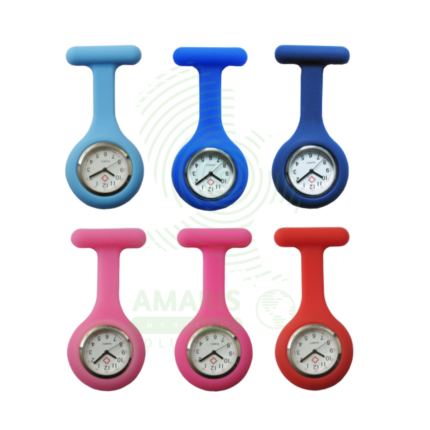
Nurse Watch
A Nurse Watch is a professional-grade analog wristwatch specifically designed for clinical use. Its hallmark is a built-in "pulsometer" scale that allows for rapid, on-the-spot calculation of a patient's heart rate by timing pulses over a short interval. Featuring a high-contrast dial with a clear sweep second hand, durable water-resistant construction, and a cleanable band, it is engineered for accuracy, legibility, and infection control in healthcare settings. It is an indispensable personal tool for nurses, enabling precise measurement of vital signs, timing of medications and procedures, and accurate clinical documentation throughout the shift.
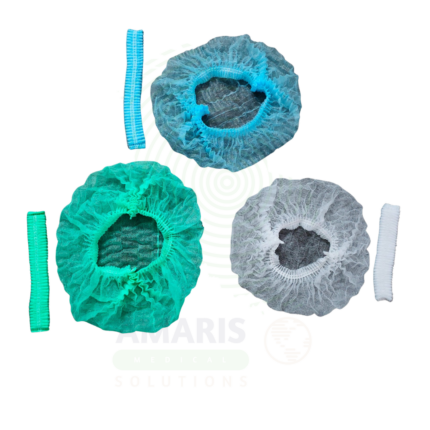
Nurses Caps Or Non-woven Mob Cap
Nurses Caps or Non-woven Mob Caps are disposable hair covers designed for infection control in healthcare and food service settings. Made from lightweight, breathable non-woven material with elastic edges, they contain hair and scalp particles to prevent contamination of sterile fields, patient environments, and food preparation areas. Essential PPE for operating rooms, procedure areas, and facilities requiring hair containment.
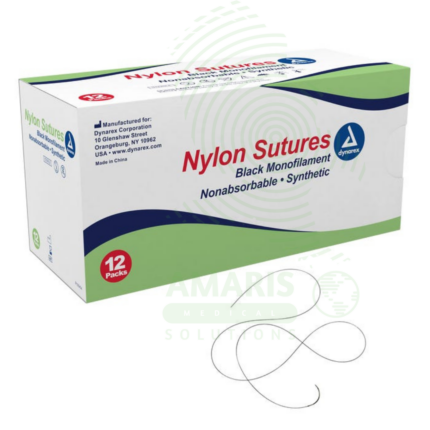
Nylon Sutures
Nylon Sutures are non-absorbable, monofilament synthetic sutures used primarily for skin closure, ophthalmic surgery, plastic surgery, and cardiovascular procedures. The monofilament structure provides low tissue reactivity and smooth passage through tissue, while high tensile strength ensures reliable wound support throughout healing. Available in sizes ranging from fine microsutures to larger gauges, nylon sutures are typically removed after healing is complete. Proper knot technique with multiple throws is essential for knot security. Essential for procedures where cosmetic outcome and minimal tissue reaction are critical.
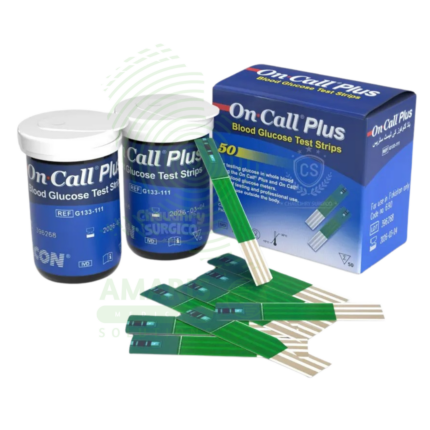
On Call Blood Sugar Strips
On Call Blood Sugar Strips are single-use, disposable electrochemical test strips (ISO 15197:2013 compliant) designed exclusively for use with On Call glucose meters to measure capillary blood glucose from 0.5-1.0 µL samples in 5-7 seconds. Each strip contains glucose oxidase or glucose dehydrogenase reagents that generate electrical current proportional to glucose concentration (20-600 mg/dL range). Packaging options include multi-strip vials (25-100 strips) with desiccant for daily use or individually foil-wrapped strips for travel. Strips feature no-coding automatic calibration, hematocrit compensation (20-60%), and interference resistance. Primary clinical applications include daily blood glucose testing for Type 1, Type 2, and gestational diabetes management, hypoglycemia and hyperglycemia detection, pre- and post-meal glucose assessment, and hospital point-of-care testing. Critical safety precautions include single-use only, immediate vial closure after strip removal to prevent humidity damage, storage at 2-30°C away from bathrooms and temperature extremes, never using expired strips, proper hand hygiene before testing, and disposal in sharps containers. Essential consumable for diabetes self-management when used with On Call meters.
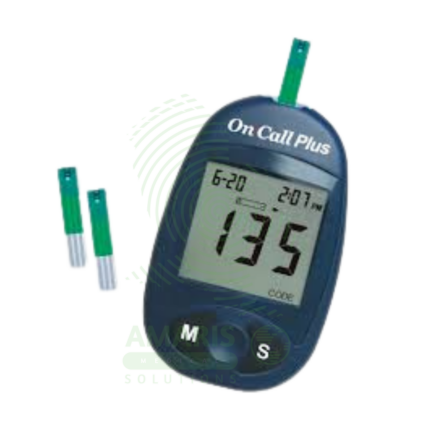
Oncall Blood Sugar Machine
The Oncall Blood Sugar Machine is a Class II medical device (FDA-cleared, ISO 15197:2013 compliant) using electrochemical biosensor technology to measure capillary blood glucose from a 0.5-1.0 µL sample in 5-7 seconds. Features include no-coding system eliminating user error, 300-500 result memory, 7/14/30-day averaging, pre-/post-meal event tagging, push-button strip ejection, and backlit LCD display. Primary clinical applications include self-monitoring for Type 1, Type 2, and gestational diabetes, insulin dose adjustment, acute glycemic event detection, hospital point-of-care testing, and long-term glycemic control assessment. Critical safety considerations include single-use lancets, proper hand hygiene, correct test strip storage (sealed vial, temperature control), never using expired strips, and immediate action for hypoglycemia per 15-15 rule. Essential tool for daily diabetes self-management.
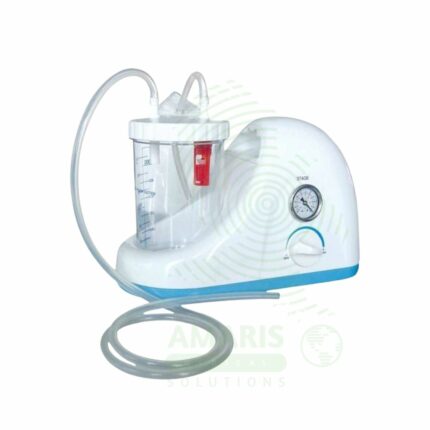
One Bottle Suction Machine
A One Bottle Suction Machine is a portable or mobile suction unit used for clearing airway secretions in patients who cannot clear their own airway. It consists of a vacuum pump, collection bottle with overflow protection, and suction tubing with catheters or Yankauer tips. Used in hospitals, ICUs, post-anesthesia care units, and home healthcare settings, it provides controlled negative pressure for oral, pharyngeal, endotracheal, and tracheostomy suctioning. Proper pressure settings, patient monitoring, and bottle management are essential for safe and effective use.
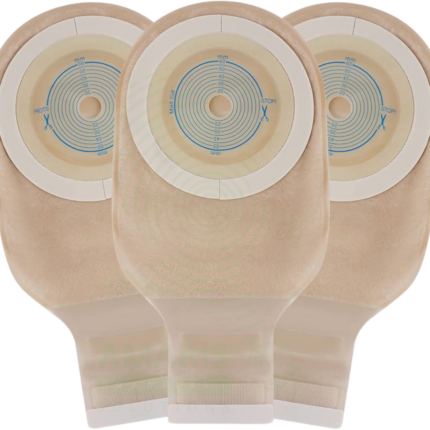
One Piece Ostomy bag (Adult) – Clamp type (Drainable)
The One Piece Ostomy bag (Adult) - Clamp type (Drainable) is a disposable, single-unit medical appliance used to collect liquid to semi-formed fecal waste following ileostomy or colostomy surgery . This integrated system combines a skin-friendly hydrocolloid adhesive barrier and a collection pouch into a seamless design, featuring a durable curved plastic clamp closure at the drainage end for a secure, leak-proof seal .
Constructed with multi-layer, 100% odor-proof film and covered with soft, breathable non-woven fabric, the pouch includes an integrated activated charcoal filter for discreet gas release and a viewing window for monitoring stoma health . The clamp-type drainable design allows the user to empty the pouch multiple times before changing the entire appliance—typically every 1-4 days—making it the preferred system for ileostomy patients with high-output, liquid stool .
For clinicians, the clamp-type one-piece drainable system provides a highly secure closure mechanism that many patients find more reliable than other methods. For the patient, this appliance offers enhanced security and confidence, particularly during physical activities, swimming, and travel , while protecting peristomal skin integrity and facilitating an active, unrestricted lifestyle.