Dermatoscope and Magnifiers
 Diagnostic Kits
 Vital Signs Monitors
 Stethoscopes and Accessories
 Otoscopes, Ophthalmoscopes, and Retinoscopes
 Reflex Hammers and Neurological Tools
 Scales and Measuring Devices
 Spirometers and Pulmonary Function Tests
 Electrosurgical Units and Accessories
 Cutting Instruments
 Grasping and Holding Instruments
 Hemostatic Instruments
 Specialized Surgical Sets
 Single-Use Procedure Trays and Packs
 Surgical Drapes, Gowns, and Covers
 Tissue Unifying Instruments
 Radiation Protection
 X-Ray Machines and Accessories
 Ultrasound Systems and Probes
 MRI and CT Scanners
 Radiology Consumables
 Bone Densitometers
 Fluoroscopy Equipment
 Imaging Tables and Positioning Aids
 Microscopes and Accessories
 Centrifuges and Separators
 Analyzers
 Incubators and Ovens
 Pipettes, Dispensers, and Lab Glassware
 Refrigerators, Freezers, and Storage Units
 Lab Consumables
 Sterilizers and Autoclaves for Lab Use
 Multi-Parameter Monitors
 Ventilators and Respiratory Support Devices
 Defibrillators and AEDs
 Infusion Pumps and IV Systems
 Patient Warmers and Cooling Devices
 Central Monitoring Stations
 Accessories
 Anesthesia Machines and Workstations
 Oxygen Concentrators and Delivery Systems
 Nebulizers and Inhalers
 CPAP/BiPAP Machines
 Airway Management
 Anesthesia Masks, Circuits, and Bags
 Humidifiers and Heaters
 Respiratory Therapy Accessories
 First Aid Kits and Cabinets
 Emergency Resuscitation Equipment
 Trauma Supplies
 Emergency Carts and Crash Carts
 Burn Care Products
 Bleeding Control
 Automated External Defibrillators (AEDs)
 Transport and Evacuation
 Wheelchairs and Accessories
 Walkers, Crutches, and Canes
 Prosthetics and Orthotics
 Physical Therapy Equipment
 Transfer Devices
 Bathroom Safety
 Orthopedic Traction and Tables
 Hot/Cold Therapy Packs and Units
 Beds and Mattresses
 Chairs and Stools
 Tables
 Cabinets and Storage
 Privacy Screens & Curtains
 Stands and Racks
 Linens and Textiles
 Lighting
 Autoclaves and Sterilizers
 Ultrasonic Cleaners
 Disinfectant Solutions and Wipes
 Sterilization Pouches, Wraps, and Indicators
 Instrument Trays and Containers
 UV and Ozone Disinfection Devices
 Washer Disinfectors
 Wound Care
 Gloves
 Masks and Respirators
 Catheters and Tubing
 Swabs, Applicators, and Sponges
 Incontinence Products
 Personal Protective Equipment (PPE)
 Dental Chairs and Units
 Handpieces and Burs
 Instruments
 Consumables
 Sterilization for Dental Use
 Orthodontic Supplies
 Endodontic Tools
 Slit Lamps and Tonometers
 Lensometers and Phoropters
 Ophthalmic Surgical Instruments
 Eyewear Frames and Lenses
 Contact Lens Supplies
 Vision Testing Charts and Devices
 Eye Care Consumables
 Laser Systems for Eye Care
 ENT Exam Chairs and Tables
 Endoscopes
 Audiometers and Hearing Tests
 ENT Instruments
 Nasal and Throat Packs
 Hearing Aids and Accessories
 Otology Supplies
 Fetal Dopplers and Monitors
 Delivery Beds and Tables
 Gynecological Instruments
 Neonatal Incubators and Warmers
 Breast Pumps and Accessories
 Contraceptive Devices
 Maternity Supports and Pads
 Neonatal Consumables
 Cystoscopes and Urethroscopes
 Dialysis Machines and Supplies
 Urological Catheters and Bags
 Lithotripters
 Prostate Treatment Devices
 Urinary Incontinence Products
 Kidney Stone Management Tools
 Consumables & Disposables
 EEG and EMG Machines
 Neurosurgical Instruments
 Nerve Stimulators
 Headrests and Positioning Aids
 Lumbar Puncture Kits
 Seizure Monitoring Devices
 Consumables
 Rehabilitation for Neurological Conditions
 ECG Machines and Accessories
 Holter Monitors
 Stress Test Systems
 Pacemakers and Defibrillator Accessories
 Vascular Access Devices
 Cardiac Catheters and Guidewires
 Blood Flow Meters
 Consumables
 Orthopedic Instruments
 Casts, Splints, and Padding
 Joint Replacement Supplies
 Prosthetic Limbs and Components
 Bone Grafts and Substitutes
 Traction Devices
 Orthopedic Braces and Supports
 Rehabilitation Aids for Orthopedics
 Home Oxygen Therapy
 Hospital Beds for Home Use
 Mobility Aids
 Bathroom and Daily Living Aids
 Wound Care for Home
 Monitoring Devices
 Enteral Feeding Pumps and Tubes
 Hand Sanitizers and Dispensers
 Face Shields and Goggles
 Isolation Gowns and Suits
 Biohazard Waste Containers
 Air Purifiers and HEPA Filters
 Surface Disinfectants
 Sharps Containers
 Protective Barriers
 Cardiovascular & Endurance Training
 Strength Training & Weightlifting
 Functional Training & Core Conditioning
 Physical Therapy & Rehabilitation
 Sports & Outdoor Recreation
 Gym Flooring & Facility Equipment
 Fitness Monitoring & Accessories
 Kids & Novelties














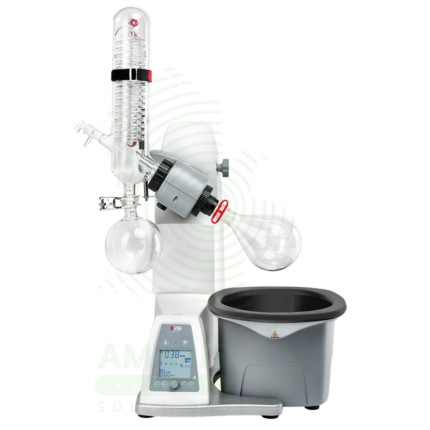
Digital Rotary Evaporator (RE100-Pro)
The Digital Rotary Evaporator (RE100-Pro) is a high-performance benchtop distillation system designed for efficient and gentle removal of solvents from samples by evaporation under reduced pressure . Featuring an LCD digital display for real-time monitoring of rotation speed (20-280 rpm), heating temperature (room temperature to 180°C), and timer (1-999 minutes), this unit provides precise control over all distillation processes .
Key features include a brushless DC motor for quiet, maintenance-free operation, a patented condenser with 1700cm² cooling surface for excellent condensation efficiency, and a 5L heating bath capable of water or oil heating with switchable modes . The motorized automatic lift with 150mm stroke raises the evaporating flask to a safe position in case of power failure, while the patented PTFE double spring sealing ring provides superior chemical resistance and vacuum integrity .
For the pharmaceutical researcher and analytical chemist, the Digital Rotary Evaporator (RE100-Pro) supports solvent removal for drug discovery and quality control, concentration of pharmaceutical compounds, natural product extraction, environmental sample preparation, and solvent recovery for laboratory waste reduction . Safety features include overheating protection (220°C cutoff), boil-dry protection (auto power-off if bath empty), motor over-current protection, earth-leakage protection, and lifting overload protection .
The Digital Rotary Evaporator (RE100-Pro) includes a detachable LCD control panel for remote operation, USB interface for PC control and data transmission, and an ejection mechanism for easy flask removal . Standard glassware includes 1000mL evaporating and receiving flasks, with optional glassware compatible for various application needs . With a compact footprint (465 × 457 × 583 mm) and 15kg weight, the Digital Rotary Evaporator (RE100-Pro) is an essential instrument for pharmaceutical research, chemical synthesis, quality control, and clinical research laboratories .
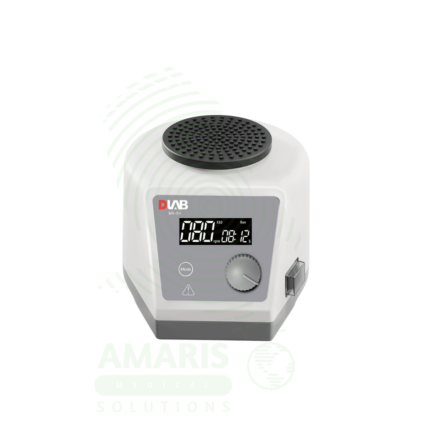
Digital Vortex Mixer (MX-S+)
The Digital Vortex Mixer (MX-S+) is a precision benchtop vortex mixer featuring an LCD display, variable speed control (100-3000 rpm), programmable timer (1 second to 99 minutes 59 seconds), and a maintenance-free DC brushless motor. This digital mixer provides optimal, reproducible mixing for blood collection tubes, reagents, and biological samples in clinical diagnostic and research laboratories.
Key features include a large LCD digital display for real-time monitoring of speed and time, dual operating modes (touch activation for quick mixing of individual tubes, continuous mode for extended operation), variable speed control for precise adjustment of mixing intensity from gentle to vigorous, and a programmable timer for automated, reproducible mixing protocols. The DC brushless motor provides high stability, smooth operation, low noise, and maintenance-free performance.
The pressure-mounted accessory system accommodates a wide range of sample containers—including 0.2 mL PCR tubes, 1.5-2.0 mL microcentrifuge tubes, 5-50 mL conical tubes, blood collection tubes (various sizes), PCR strip tubes, and (using optional adapters) 96-well microplates. The low-profile rubber suction feet ensure stable benchtop placement, preventing "walking" during high-speed operation.
For the clinical laboratory scientist and phlebotomist, the Digital Vortex Mixer (MX-S+) ensures optimal mixing of blood collection tubes after venipuncture with digital precision—gentle speeds for light blue top coagulation tubes (PT/PTT) to prevent platelet activation, and higher speeds for lavender top EDTA tubes (CBC) and serum separator tubes to ensure thorough mixing of anticoagulants and clot activators. For the molecular biologist, it facilitates resuspension of nucleic acid pellets, mixing of PCR reaction components, and homogenization of buffers for diagnostic assays.
Universal voltage (100-240V, 50/60Hz) enables use in laboratories worldwide without voltage conversion, while the compact footprint (160 × 146 × 115 mm) and moderate weight (3.4 kg) allow easy benchtop placement. The IP21 protection class provides durability against dust and moisture in typical laboratory environments.
For the patient undergoing coagulation monitoring (warfarin, heparin), complete blood count (CBC), molecular diagnostic testing (COVID-19, influenza, hepatitis), or routine chemistry panels, the MX-S+'s digital precision, programmable timer, and versatile sample format compatibility ensure accurate test results that guide appropriate treatment decisions—preventing false-negative or false-positive results due to improper sample mixing.
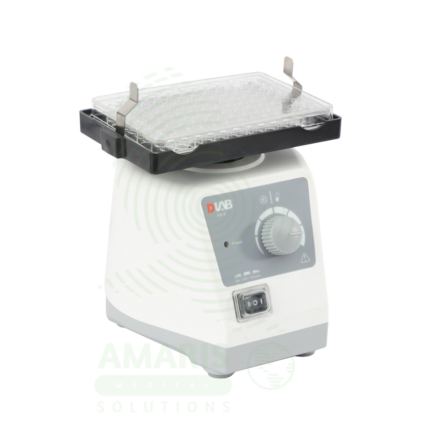
Digital Vortex Mixer + 96-well microplate (MX-S+)
The MX-S+ Digital Vortex Mixer is a precision benchtop mixer equipped with a 96-well microplate adapter. It features an LCD display, variable speed control (100-3000 rpm), a programmable timer (1 second to 99 minutes 59 seconds), and a maintenance-free DC brushless motor. This versatile system is designed for high-throughput mixing of 96-well microplates for ELISA and immunoassays, as well as individual blood collection tubes, PCR tubes, and centrifuge tubes.
For the clinical laboratory scientist, the MX-S+ with its microplate capability ensures uniform mixing across all 96 wells, reducing well-to-well variability and improving the sensitivity of diagnostic assays for autoimmune and infectious diseases. For the patient, this technology ensures accurate antibody detection and reliable test results that guide treatment decisions.
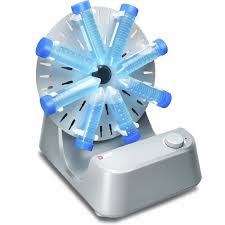
Disk Rotator (MX-RD-E)
The Disk Rotator (MX-RD-E) is a variable-speed disk rotator (0-80 rpm) designed for gentle, uniform end-over-end mixing of blood tubes, serology specimens, and molecular biology samples in clinical diagnostic and research laboratories . The 360-degree disk rotation motion provides thorough mixing without foaming, hemolysis, or activation of sensitive blood components—critical for coagulation testing, serology, and molecular diagnostics .
For the clinical laboratory scientist and coagulation technologist, the Disk Rotator (MX-RD-E) supports gentle mixing of blood coagulation samples (PT, PTT, fibrinogen, D-dimer)—preventing clot activation while ensuring proper distribution of anticoagulants for accurate test results . For the serology technologist, the disk rotator provides gentle mixing of serum and plasma specimens for infectious disease testing (HIV, syphilis, hepatitis), antibody screening, and blood bank compatibility testing .
The Disk Rotator (MX-RD-E) features variable speed control (0-80 rpm) allowing precise adjustment of mixing intensity for different sample types, tube holders that accommodate blood collection tubes (1-10 mL) and microcentrifuge tubes (0.5-2.0 mL), and low-noise operation suitable for clinical laboratory environments . Digital models include programmable timer (0-99h59min) for automated workflows .
For the patient undergoing coagulation monitoring for anticoagulant therapy (warfarin, heparin), serological testing for infectious diseases, or molecular diagnostic testing for genetic disorders, the Disk Rotator (MX-RD-E) gentle, uniform mixing ensures accurate test results that guide appropriate treatment decisions—preventing false-negative or false-positive results due to improper sample mixing .
DispensMate Bottle-Top Dispenser
The DispensMate Bottle-Top Dispenser is a manual, variable-volume liquid handling instrument engineered for accuracy, chemical resistance, and ergonomic ease of use. It mounts directly onto standard laboratory reagent bottles (with adapters for S40, GL25, GL28, GL32, GL38) to eliminate transfer steps and reduce contamination risk . Its positive displacement mechanism delivers consistent volumes, with an accuracy of ±0.5% and precision of ≤0.1% across four volume ranges covering 0.5 to 50 mL .
For the clinical laboratory scientist, this dispenser ensures the precise addition of reagents for diagnostic assays, while its ergonomic design reduces the repetitive strain of manual pipetting. The instrument is constructed with PTFE, FEP, borosilicate glass (BSG), and PP, providing excellent resistance to a broad range of aggressive solvents and acids . All liquid-contact parts are also fully autoclavable at 121°C, ensuring sterility for sensitive applications . For the patient, the DispensMate's accuracy, chemical inertness, and ability to be sterilized translate directly to more reliable, consistent, and safer diagnostic test results.
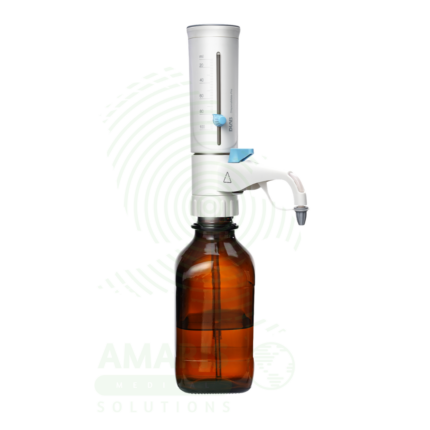
DispensMate-Pro Premium Bottle-Top Dispenser
The DispensMate-Pro Premium Bottle-Top Dispenser is a versatile, manual liquid handling instrument designed for high-precision, safe, and efficient dispensing directly from standard laboratory reagent bottles. Constructed with high-strength, chemically inert materials, this premium dispenser offers excellent chemical resistance and is fully autoclavable at 121°C, ensuring sterility for sensitive applications like cell culture and molecular biology.
For the clinical laboratory scientist, the DispensMate-Pro's precision piston mechanism ensures consistent reagent delivery for diagnostic assays, with an accuracy (systematic error) of ≤ ±0.5% and precision (random error) of ≤ ±0.2% across all volume ranges from 0.5 mL to 100 mL. Its ergonomic design, including a smooth piston action and easy-to-grip handle, reduces operator fatigue during high-volume, repetitive tasks, minimizing the risk of repetitive strain injuries (RSI).
For the laboratory manager and patient, the advanced safety and efficiency features are paramount. The integrated recirculation valve minimizes costly reagent waste during priming and prevents dripping when not in use, while the direct bottle mounting and included adapters reduce the risk of hazardous chemical spills and cross-contamination. The DispensMate-Pro is an essential tool for ensuring the accuracy, safety, and economy of liquid handling workflows in clinical chemistry, pharmaceutical QC, and molecular diagnostics.
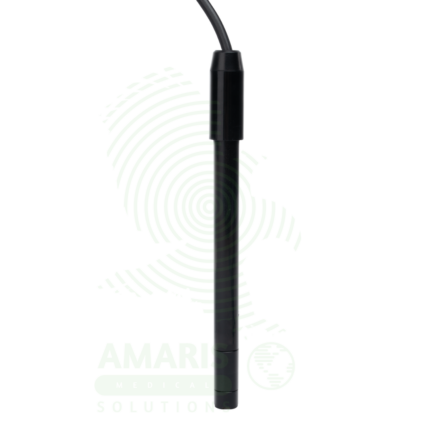
Dissolved Oxygen Probe (DO Probe)
A DO Probe (Dissolved Oxygen Probe) is an analytical sensor used to measure the concentration of oxygen dissolved in a liquid sample, designed for clinical diagnostic, bioprocessing, and water quality applications . Dissolved Oxygen levels serve as a significative indicator to evaluate pathological conditions such as tissue hypoxia or hyperoxia, and are used to monitor the effects of therapeutic treatments in critical care settings . The probe outputs a signal (millivolt or digital) corresponding to the oxygen partial pressure (pO₂) after compensating for temperature and salinity .
Dissolved Oxygen probes are available in polarographic (electrochemical) or optical (RDO - Rugged Dissolved Oxygen) technologies. Polarographic probes (requiring a 30-60 minute warm-up, electrolyte solution, and periodic maintenance) are suitable for sensitive laboratory measurements, while optical probes (no warm-up, no electrolyte, low maintenance) are preferred for field-ready and point-of-care use . Polarographic probes consume oxygen during measurement and therefore require sample stirring, whereas optical probes do not consume oxygen and require no stirring.
For the clinical researcher and critical care physician, dissolved oxygen probes used in conjunction with tissue monitors enable the long-term measurement of tissue oxygenation and perfusion in organs such as the kidneys and brain, providing valuable insights into the causes of acute kidney injury and cognitive impairment following sepsis or cardiopulmonary bypass. For the bioprocessing engineer, autoclavable dissolved oxygen sensors are essential for monitoring and controlling oxygen levels in sterile bioreactors, ensuring optimal conditions for cell culture and recombinant protein production. For the laboratory quality manager, a dissolved oxygen probe is a fundamental tool for Biological Oxygen Demand (BOD) testing, measuring the oxygen consumed by microorganisms to assess water quality and validate the efficacy of hospital water treatment systems.
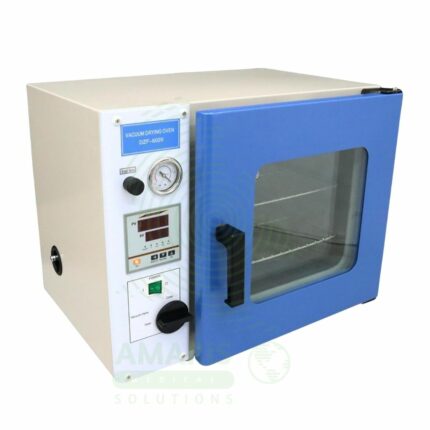
Drying Oven
A Drying Oven is a forced-air heated cabinet used for dry heat sterilization of moisture-sensitive items and for thoroughly drying laboratory glassware and samples. Operating at high temperatures (up to 250°C), it is the method of choice for sterilizing powders, oils, and glass. Its key feature is uniform temperature distribution via a mechanical fan, which is essential for effective sterilization. Critical safety protocols include using extreme caution for thermal burns, never loading flammable materials, and allowing proper cooling. It is a vital piece of equipment in sterile processing and analytical laboratories where the complete absence of moisture is required.
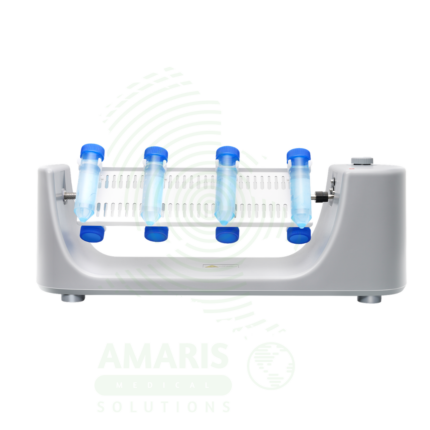
Economical Rotator (MX-RL-E)
The Economical Rotator (MX-RL-E) is a cost-effective, fixed-speed rotator with analog speed control (0-80 rpm), designed for gentle, uniform mixing of blood tubes, serology specimens, and coagulation samples in clinical diagnostic and research laboratories . The 360-degree end-over-end rotation provides thorough mixing without foaming, hemolysis, or activation of sensitive blood components—critical for coagulation testing, serology, and blood bank applications .
For the clinical laboratory scientist and coagulation technologist, the Economical Rotator (MX-RL-E) supports gentle mixing of blood coagulation samples (PT, PTT, fibrinogen, D-dimer)—preventing clot activation while ensuring thorough distribution of anticoagulants for accurate test results . The analog speed control (rotary knob) allows quick, intuitive adjustment of mixing intensity (0-80 rpm) without complex programming, making it ideal for routine laboratory use where simplicity and reliability are priorities .
Key features include multi-tube capacity accommodating up to 12 blood collection tubes or 20 microcentrifuge tubes for batch processing, end-over-end rotation for gentle, thorough mixing, low-noise operation suitable for clinical laboratory environments, and universal voltage (100-240V, 50/60Hz) for international use . The economical design provides a cost-effective solution for routine mixing applications without compromising sample quality .
For the patient undergoing coagulation monitoring for anticoagulant therapy (warfarin, heparin), serological testing for infectious diseases, blood bank compatibility testing, or routine hematology testing, the Economical Rotator (MX-RL-E) gentle, uniform mixing ensures accurate test results that guide appropriate treatment decisions—preventing false-negative or false-positive results due to improper sample mixing, all at an economical price point .
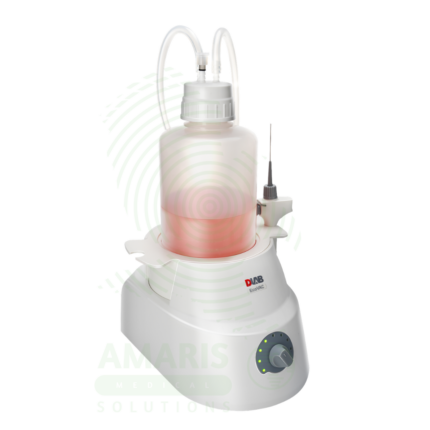
Economical Vacuum Aspirator (EcoVac)
The Economical Vacuum Aspirator (EcoVac) is a compact, user-friendly benchtop vacuum system designed for the safe and efficient disposal of liquid waste in modern biological, clinical, and research laboratories. An ideal alternative to connecting to noisy central vacuum lines or using cumbersome water aspirators, this dedicated system provides a reliable and versatile solution for aspirating supernatants, culture media, and wash buffers.
For the laboratory technician and biosafety officer, the EcoVac offers a critical safety feature: a hydrophobic filter in the collection bottle cap prevents the release of hazardous bioaerosols, protecting both personnel and sensitive experiments from cross-contamination. The system is engineered for ergonomic efficiency, featuring a lightweight handset that allows users to switch easily between "manual" and "continuous" aspiration modes. This dual-mode capability is essential for reducing hand fatigue during high-throughput tasks like clearing 96-well ELISA plates.
The unit's compact design (180×240×340 mm) allows it to fit comfortably on a benchtop, inside a biosafety cabinet, or even beneath the bench itself. Its powerful yet quiet brushless motor generates up to 500 mbar of vacuum and a liquid flow rate of 17 mL/s for fast waste removal. The system comes complete with a 2L autoclavable collection bottle and a versatile accessory kit including single and 8-channel needle probes and tip ejectors, providing compatibility with virtually any common lab consumable. For the patient, the EcoVac's robust safety features and efficient design ensure that diagnostic samples are processed in a consistent, sterile, and controlled manner, directly contributing to the accuracy and reliability of their test results.
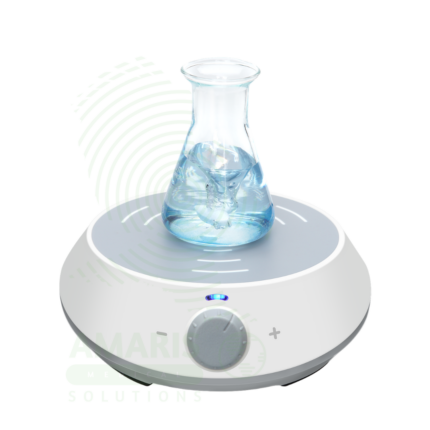
EcoStir Magnetic Stirrer (Round)
The EcoStir Magnetic Stirrer (Round) is an economical, reliable, and durable magnetic stirrer engineered for efficient mixing in clinical diagnostic labs, pharmaceutical quality control, food and drug analysis, water quality monitoring, and educational chemistry lessons. Designed for a wide range of general laboratory mixing applications without heating, this stirrer offers a max stirring capacity of 1.5 liters, making it ideal for routine solution preparation, pH adjustment, and sample mixing.
Every EcoStir features a maintenance-free, spark-free brushless DC motor and powerful rare earth magnets, delivering consistent stirring performance from 300 to 2000 rpm. The PET top provides excellent chemical resistance for long-lasting durability against aggressive reagents.
Key user features include an integrated holder with a flexible clamp for a pH electrode or other sensor, providing a tidy and organized workspace for making measurements. The compact design with a small footprint (150x144x54 mm) and ultralight weight (0.3 kg) is perfect for crowded benchtops. The availability of a 12V DC power option makes it suitable for mobile labs or fieldwork. The universal 100-240V power supply allows for use in any country without a separate voltage converter. Extra colorful stickers are provided, which also allow for homemade "DIY" designs to help teams identify their equipment.
For the clinical laboratory scientist, the DLAB EcoStir delivers the simple, reliable, and chemical-resistant stirring required for preparing chemical solutions and samples. For the patient, the consistent and accurate mixing of reagents and samples directly supports reliable diagnostic test results, timely clinical decisions, and the safety of pharmaceutical and food products.
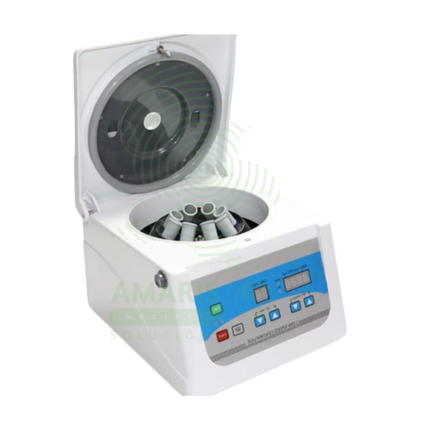
Electric Centrifuge
An Electric Centrifuge is a Class I medical device that uses rapid rotation to separate fluids of different densities, essential in clinical laboratories for processing blood, urine, and other biological specimens. Available in benchtop, refrigerated, microcentrifuge, hematocrit, and high-speed models with fixed-angle, swinging-bucket, or vertical rotors. Speed range 1,000-30,000+ RPM with RCF up to 65,000+ x g. Features include brushless induction motor, digital controls, imbalance detection, lid lock safety, and programmable protocols. Primary clinical applications include separation of serum/plasma for chemistry and hematology testing, urine sediment analysis for microscopy, platelet-rich plasma (PRP) preparation for regenerative medicine, concentration of bacteria for microbiology, cytology fluid analysis, blood banking, and molecular biology sample processing. Critical safety precautions include proper balancing of loads (weight matching), use of sealed rotors for biohazardous samples, regular rotor inspection for corrosion or cracks, never exceeding maximum rated speed, and never opening lid during operation. Essential equipment in clinical, research, and teaching laboratories.
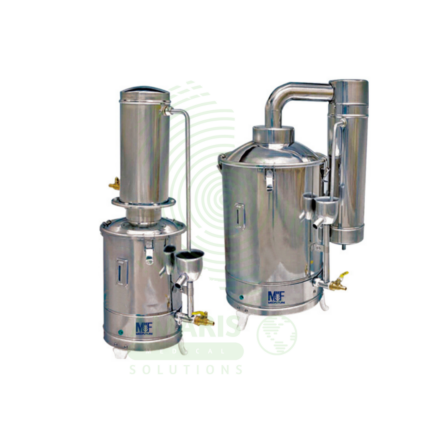
Electric Heating Water Distiller
An Electric Heating Water Distiller is a laboratory device that produces high-purity distilled water by boiling water and condensing the steam, removing >99% of dissolved minerals, heavy metals, and organic contaminants. Available in countertop (4-20 L/day) and floor-standing (20-100+ L/day) models with borosilicate glass or stainless steel boiling chambers and condensers. Features include electric immersion heating (1,000-3,000 watts), automatic shut-off, low-water protection, and removable collection vessels. Produces ASTM Type III or Type IV water with <5 ppm TDS and conductivity <5 µS/cm. Primary clinical applications include laboratory reagent preparation, glassware rinsing, autoclave feed water, pharmacy compounding (USP <795>), hematology/chemistry analyzer maintenance, and battery maintenance for medical equipment. Critical safety precautions include burn/scald hazards from hot surfaces and steam, regular descaling to prevent mineral buildup, careful handling of glass components, and understanding that distilled water is not sterile and cannot be used for irrigation, injection, or open wounds without additional sterilization. Essential equipment for clinical laboratories, hospital pharmacies, and healthcare facilities requiring on-site production of purified water.
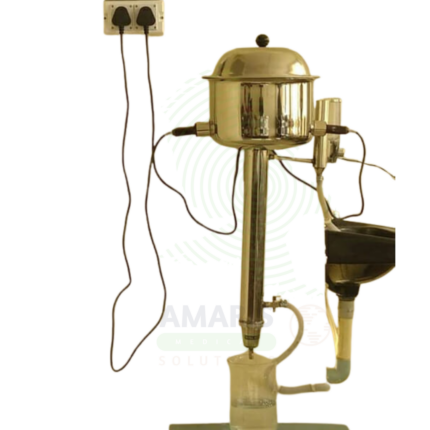
Electric Wall Mounted Water Distillation
An Electric Wall Mounted Water Distillation unit produces high-purity distilled water by boiling water and condensing the steam, leaving behind dissolved minerals and contaminants. Used in clinical laboratories, sterile processing departments, and pharmacies, it provides a continuous supply of purified water for reagent preparation, glassware rinsing, instrument sterilization, and diagnostic testing. The wall-mounted design conserves counter space while ensuring a reliable source of water critical for accurate laboratory results and equipment maintenance.
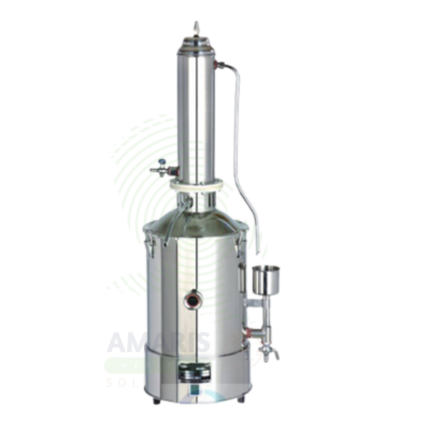
Electrically Heated Tower-Type Water Distillation Apparatus
An Electrically Heated Tower-Type Water Distillation Apparatus produces high-purity distilled water by boiling water and condensing the steam, leaving behind dissolved minerals and contaminants. The tower-type design allows for continuous, high-volume output suitable for busy clinical and research laboratories. Used for reagent preparation, glassware rinsing, instrument sterilization, and diagnostic testing, it provides the purified water essential for accurate laboratory results and reliable equipment performance.
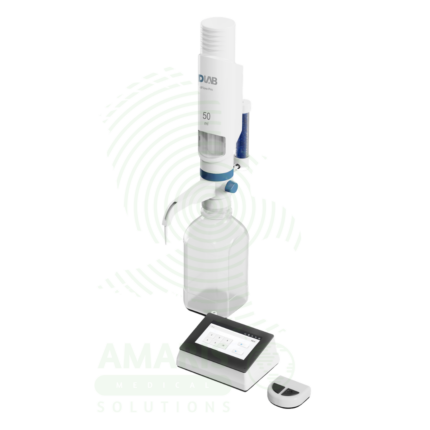
Electronic Bottle-Top Dispenser (dFlow-Pro)
The Electronic Bottle-Top Dispenser (dFlow-Pro) is a fully digital, motor-controlled liquid handling system engineered for superior precision, efficiency, and user safety. It features a high-quality stepper motor that delivers highly accurate dispensing (R=0.2%, CV=0.07%) with a wide volume range of 0.01 to 99.99 mL , making it suitable for demanding clinical chemistry and pharmaceutical QC workflows.
For the clinical laboratory scientist, the "Pro" series offers enhanced accuracy and "Dispenser" and "Stepper" operating modes to streamline high-throughput tasks, from QC sample preparation to plate-filling for ELISA assays. The remote control panel operates without manual disturbance , while the large LCD screen ensures easy setup. For the laboratory manager, the "Pro" model's superior precision reduces costly reagent waste and re-runs, and its motorized drive significantly mitigates the risk of repetitive strain injuries among staff, promoting a safer workplace. For the patient, the use of this dispenser in diagnostic labs translates directly to faster turnaround times and more reliable results, as the accuracy and reproducibility of the analytical process are enhanced.
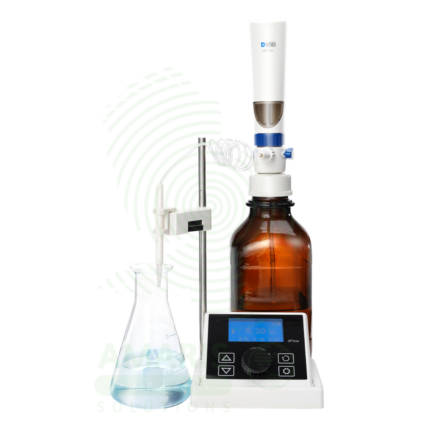
Electronic Bottle-Top Dispenser (dFlow)
The dFlow Electronic Bottle-Top Dispenser is a motor-controlled digital dispensing system designed for precise, fatigue-free delivery of laboratory reagents directly from reagent bottles . Featuring a volume range of 0.1-99.9mL with 100μL resolution, 16 adjustable speed levels, and a TFT display module, this dispenser provides accurate volume delivery (10mL: R=0.5%, CV=0.3%) compliant with DIN EN ISO 8655 standards .
The external remote control panel allows operation without manual disturbance, significantly reducing the risk of repetitive strain injury while keeping operators away from hazardous chemical contact . Two operation modes—dispenser mode for single aliquots and stepper mode for continuous multi-volume dispensing—provide versatility for diverse laboratory workflows . A recirculation feature minimizes costly reagent waste by allowing priming without discarding expensive solutions .
For the clinical laboratory scientist and medical technologist, the dFlow electronic dispenser supports accurate dispensing of clinical chemistry reagents, immunoassay buffers, molecular biology reagents, and pharmaceutical quality control samples. The stepper motor drive ensures smooth, consistent operation across 16 adjustable speed levels, accommodating liquids of varying viscosities . The fluid path features chemically resistant materials (borosilicate glass cylinder, FEP tubing, PTFE components) compatible with a wide range of laboratory reagents . Included bottle adapters (S40, GL25, GL28, GL32, GL38) allow attachment to various reagent bottle thread sizes via the standard GL45 base .
For the patient undergoing diagnostic testing, precise and consistent reagent dispensing using the dFlow electronic bottle-top dispenser ensures that clinical chemistry, immunoassay, and molecular diagnostic test results are accurate, reliable, and reproducible—supporting appropriate clinical decision-making across laboratory medicine and pharmaceutical quality control applications.
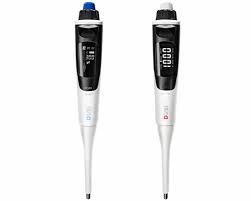
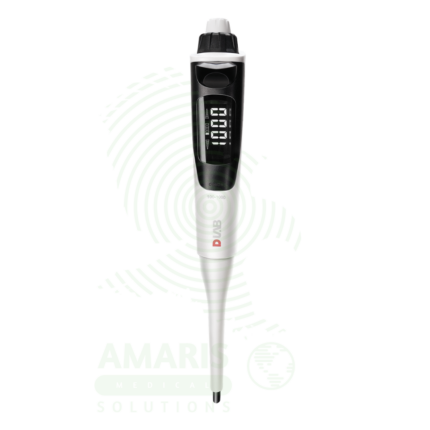
Electronic Pipette (dPette)
The Electronic Pipette (dPette) by DLAB is a motor-driven, digitally controlled single-channel electronic pipette designed to combine the lightweight, ergonomic feel of a manual pipette with the precision and effortlessness of an electronic system. Powered by a high-precision stepper motor, it delivers exceptional accuracy (with a systematic error of ≤ ±1.0% and precision (CV) of ≤ 0.8%, as validated in performance tests) and repeatability, eliminating common manual errors.
For the clinical laboratory scientist and molecular biologist, the dPette is an essential tool for high-throughput workflows, from PCR and qPCR setup to ELISA sample addition and serial dilutions. Its intuitive interface, with a large LCD screen and dual rotary knobs, makes setting parameters and switching between modes (pipetting, mixing, stepper, and dilution on the dPette+ model) exceptionally easy. The lightweight construction (approx. 110 g) and ergonomic design significantly reduce hand fatigue, helping to mitigate the risk of Repetitive Strain Injury (RSI) during extended use.
For the laboratory manager and patient, the dPette's advanced features ensure efficiency and reliability. The rechargeable Li-ion battery and user calibration via a USB-enabled computer dramatically reduce equipment downtime and maintenance costs. The ability to autoclave the lower head components ensures a sterile working environment, and the device's precision, with a documented relative standard deviation (RSD) of ≤ 0.5% for parallel sample pipetting, directly translates into more reproducible and trustworthy test results, accelerating clinical decision-making and improving patient outcomes.
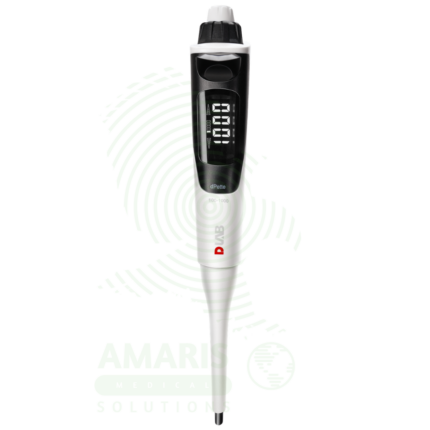
Electronic Single-Channel Pipettor (dPette-S)
The Electronic Single-Channel Pipettor (dPette-S) is a motor-driven, digitally controlled single-channel pipettor designed to combine the ergonomic feel of a manual pipette with the precision and efficiency of electronic operation . Weighing approximately 110 grams, it features a lightweight, streamlined body, powered by a high-precision stepper motor (with built-in error control), ensuring accuracy and reproducibility (pipetting and mixing functions) while eliminating common manual pipetting errors .
For the clinical laboratory scientist and molecular biologist, the Electronic Single-Channel Pipettor (dPette-S) significantly improves workflow efficiency for PCR, ELISA, and clinical chemistry applications. Key features include a large LCD screen and dual rotary knobs that provide an intuitive user interface, adjustable aspiration and dispensing speeds (which accommodate various liquid viscosities) , and a built-in rechargeable Li-ion battery with dual charging (USB and stand) to ensure continuous operation . For the patient, this technology ensures that diagnostic assays are performed with high precision, reducing the risk of pre-analytical errors, and supporting faster, more reliable clinical decision-making.
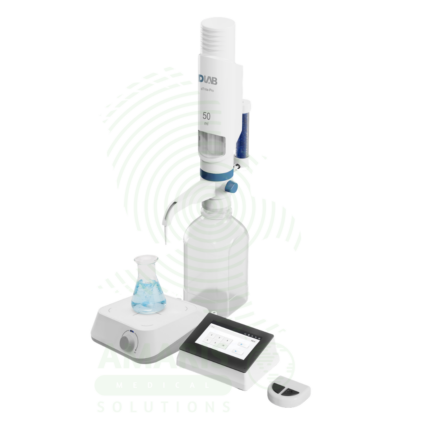
Electronic Titrator (dTrite-Pro)
The Electronic Titrator (dTrite-Pro) is a fully electronic, digitally controlled bottle-top titration system engineered to completely replace traditional manual glass burettes. Leveraging a precision electronic drive system and a high-accuracy metering pump, it automates the titration workflow, eliminating the inherent subjectivity and variability of manual methods related to drop control, color perception, and human error. The instrument achieves exceptional volumetric precision, with a minimum single-drop volume of 10 μL (10mL model) or 20 μL (25mL and 50mL models), and is fully compliant with ISO 8655 standards. It supports all major titration types: acid-base, redox, precipitation, and complexometric.
For the pharmaceutical QC, environmental, and food safety analyst, the dTrite-Pro provides a significant leap in accuracy, efficiency, and data integrity. Available in three cylinder sizes (10mL, 25mL, 50mL), it features a 4.3-inch TFT color touchscreen for intuitive method control, a detachable remote panel for safe distance operation, and a built-in 3500mAh rechargeable battery for hours of cord-free use. It also features Bluetooth and WiFi connectivity for seamless integration with PCs and LIMS, enabling paperless data management and GLP/GMP compliance.
For the patient and the public, the use of the dTrite-Pro in QC and testing laboratories directly translates to safer, higher-quality pharmaceuticals, a more rigorously monitored and protected public water supply, and safer food products. By providing accurate, traceable data, it helps ensure that the products that reach consumers are safe, effective, and of consistent, high quality.
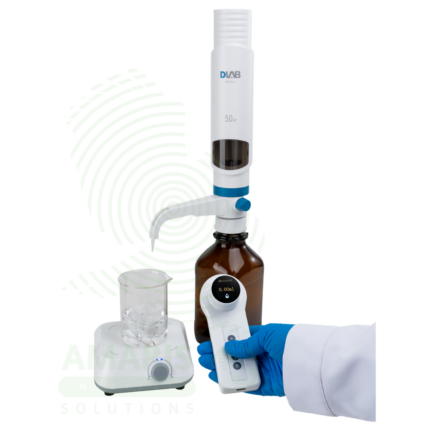
Electronic Titrator (dTrite-S)
The Electronic Titrator (dTrite-S) is a high-precision, digitally controlled bottle-top titration system designed to replace traditional manual glass burettes for accurate quantitative analysis in pharmaceutical QC, environmental monitoring, food safety, and clinical research laboratories. Leveraging a precision electronic drive (R=0.2%, CV=0.07%) and 16 adjustable speed levels, it automates the titration workflow, eliminating manual errors related to drop control and subjective endpoint detection. The system features a large LCD display, a remote control panel for safe distance operation, and USB connectivity for data storage and computer control. Its wide working range (0.010-99.999mL) and minimum dispensing volume of 10 μL make it versatile for various analytical applications.
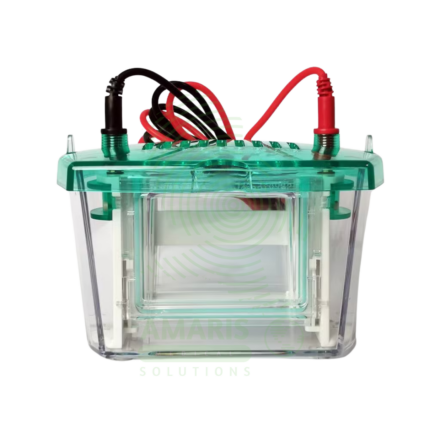
Electrophoresis Bath
An Electrophoresis Bath is a laboratory instrument used to separate charged molecules (proteins, nucleic acids) through a gel medium using an electric current, based on size and charge differences. Available in horizontal (submarine) formats for agarose gel electrophoresis of DNA/RNA and some proteins, and vertical formats for polyacrylamide gel electrophoresis (PAGE) of proteins. Constructed of polycarbonate or acrylic tanks with platinum or carbon electrodes, safety-interlocked lids, and buffer reservoirs (200-2,000 mL). Designed for use with external power supplies (100-500 V). Primary clinical applications include serum protein electrophoresis (SPEP) for diagnosis of multiple myeloma and monoclonal gammopathies, hemoglobin electrophoresis for sickle cell disease and thalassemias, urine protein electrophoresis for Bence Jones proteins, immunofixation electrophoresis (IFE) for monoclonal protein characterization, isoenzyme analysis (CK-MB, LDH) for myocardial infarction and liver disease, and DNA/RNA electrophoresis for molecular diagnostics. Essential equipment in clinical pathology, hematology, molecular diagnostics, and research laboratories requiring separation and analysis of proteins and nucleic acids for diagnostic and research purposes.
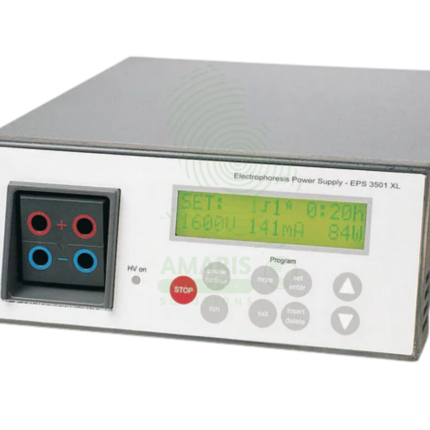
Electrophoresis Power Supply
An Electrophoresis Power Supply is a regulated DC power source specifically designed for electrophoresis and blotting applications in clinical and research laboratories, providing constant voltage, constant current, or constant power output with high stability (±0.1-1%) and precision. Available in voltage ranges from 0-300 V (low voltage) for routine agarose and protein gels, 0-600 V (medium voltage) for higher resolution separations, and 0-3,000 V (high voltage) for isoelectric focusing and capillary electrophoresis. Features include digital displays, programmable timers, multiple output channels, automatic crossover, overload/short circuit protection, and safety interlocks. Primary clinical applications include serum protein electrophoresis (SPEP), hemoglobin electrophoresis, immunofixation electrophoresis (IFE), SDS-PAGE, Western blotting, isoelectric focusing, and nucleic acid electrophoresis for molecular diagnostics. Essential equipment in clinical pathology, hematology, molecular diagnostics, and research laboratories requiring precise, regulated power for reproducible electrophoretic separations. Critical safety precautions include never touching output terminals or buffers during operation, using only safety-interlocked electrophoresis cells, inspecting cables before use, and ensuring proper grounding.
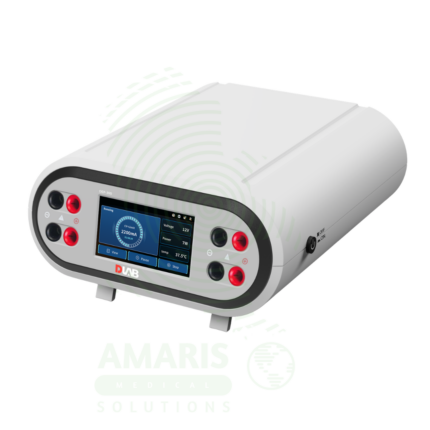
Electrophoresis power supply (DEP-300)
The Electrophoresis power supply (DEP-300) is a programmable, high-precision power supply designed for nucleic acid and protein electrophoresis in clinical diagnostic and research laboratories . Featuring constant voltage, constant current, and constant power output modes (0-300V, 0-600mA, 0-150W) with automatic mode switching and 1V/1mA resolution , this unit provides stable, reliable power for DNA/RNA gel electrophoresis, SDS-PAGE, and Western blotting applications .
Key features include a 4.3-inch LCD touchscreen for intuitive programming , four output jacks enabling simultaneous connection of up to four electrophoresis units for high-throughput processing , USB port for real-time data recording , and programmable memory for storing validated multi-step electrophoresis methods . Safety features include short-circuit protection, no-load protection, configurable buzzer alarm, and power failure recovery .
For the molecular biologist and clinical laboratory scientist, the DEP-300 supports PCR product confirmation for infectious disease testing , restriction fragment analysis for genetic screening , protein separation for autoimmune disease diagnosis , and transfer procedures for Northern and Southern blotting . The unit's anti-slip groove design allows stacking of multiple power supplies, saving valuable benchtop space .
For the patient undergoing genetic testing for hereditary disorders, infectious diseases (e.g., COVID-19, hepatitis, influenza), or oncology biomarkers, the DEP-300's precise and stable power delivery ensures accurate electrophoretic separation—supporting reliable diagnostic results that guide appropriate treatment decisions across molecular diagnostics, clinical pathology, and research applications .
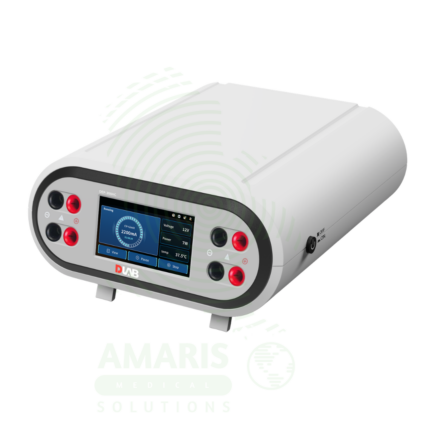
Electrophoresis power supply (DEP-300HC)
The Electrophoresis power supply (DEP-300HC) is a programmable, high-current power supply designed for nucleic acid and protein electrophoresis, Western blotting, and high-throughput diagnostic applications in clinical and research laboratories . Featuring constant voltage (0-300V), constant current (0-3000mA), and constant power (0-400W) output modes with automatic mode switching and 1V/1mA resolution , this unit provides extended current capacity more than double that of standard electrophoresis power supplies—enabling rapid, high-volume separation of DNA, RNA, and protein samples.
Key features include a 4.3-inch LCD touchscreen for intuitive programming , four output jacks enabling simultaneous connection of up to four electrophoresis units for high-throughput processing , USB port for real-time data recording and traceability , and programmable memory for storing validated multi-step electrophoresis methods . Safety features include short-circuit protection, no-load protection, configurable buzzer alarm, power failure recovery, and low current maintenance (up to 30mA) .
For the molecular biologist and clinical laboratory scientist, the DEP-300HC supports PCR product confirmation for infectious disease testing (COVID-19, influenza, hepatitis), restriction fragment analysis for genetic screening, SDS-PAGE for protein purity assessment, Western blotting for confirmatory diagnostic testing, and high-throughput DNA/RNA electrophoresis . The unit's anti-slip groove design allows stacking of multiple power supplies, saving valuable benchtop space .
For the patient undergoing genetic testing for hereditary disorders, infectious diseases, or oncology biomarkers, the DEP-300HC's extended current capacity (3000mA) and precise power delivery ensure rapid, accurate electrophoretic separation—supporting reliable diagnostic results that guide appropriate treatment decisions across molecular diagnostics, clinical immunology, and pathology applications.
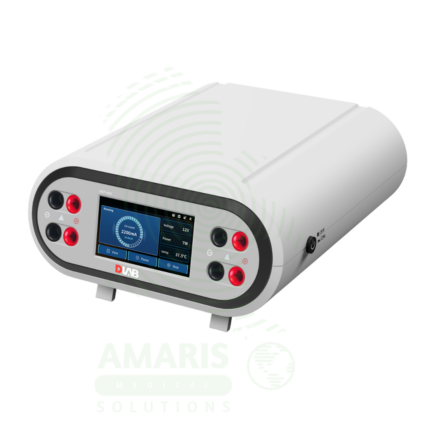
Electrophoresis power supply (DEP-600)
The Electrophoresis power supply (DEP-600) is a programmable, high-power, high-voltage power supply designed for nucleic acid and protein electrophoresis, DNA sequencing, isoelectric focusing, and advanced clinical diagnostic applications in clinical and research laboratories . Featuring constant voltage (0-600V), constant current (0-1200mA), and constant power (0-500W) output modes with automatic mode switching and 1V/1mA resolution, this unit provides extended voltage capacity up to 600V for high-resolution electrophoresis applications .
Key features include a 4.3-inch LCD touchscreen for intuitive programming , four sets of output jacks (parallel output) enabling simultaneous connection of up to four electrophoresis units for high-throughput processing , USB port for real-time data recording and traceability , and programmable memory for storing validated multi-step electrophoresis methods . Safety features include short-circuit protection, no-load protection, overload protection, configurable buzzer alarm, and power failure recovery .
For the molecular biologist and clinical laboratory scientist, the DEP-600 supports PCR product confirmation for infectious disease testing, high-resolution DNA sequencing gels for genetic analysis, SSCP for mutation detection, SDS-PAGE and native-PAGE for protein characterization, isoelectric focusing for protein isoform analysis, 2D gel electrophoresis, Western blotting for confirmatory diagnostic testing, and serum protein electrophoresis for multiple myeloma diagnosis .
For the patient undergoing genetic testing for hereditary disorders, infectious diseases, or oncology biomarkers, the DEP-600's extended voltage range (600V) and precise power delivery ensure rapid, accurate electrophoretic separation—supporting reliable diagnostic results that guide appropriate treatment decisions across molecular diagnostics, clinical immunology, and pathology applications .
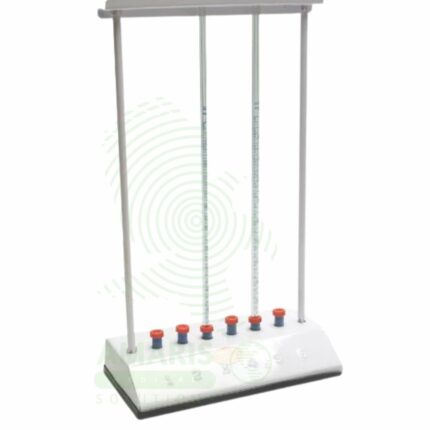
ESR Stand
An ESR Stand is a simple but critical laboratory accessory designed to hold Westergren pipettes perfectly vertical and vibration-free for the manual measurement of the Erythrocyte Sedimentation Rate (ESR). Its sole function is to ensure standardized conditions for this one-hour test, where even minor tilting can cause significant result errors. Key to its correct use is meticulous leveling on a stable surface and placement away from vibrations. While automated analyzers have largely replaced manual ESR, the stand remains essential for reference methods, backup testing, and in low-resource laboratory settings.
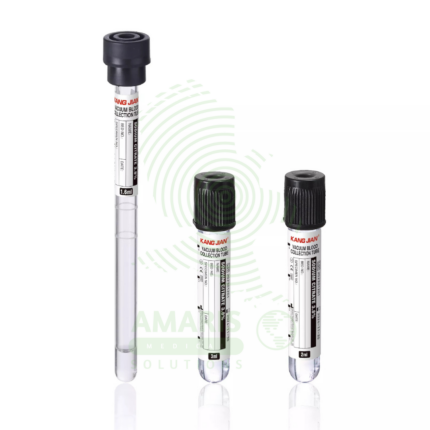
ESR Tubes Glass
ESR Tubes Glass are specialized glass tubes (300 mm length, 2.55 mm bore diameter, graduated 0-200 mm in 1 mm intervals) meeting ICSH and CLSI Westergren specifications for measuring erythrocyte sedimentation rate, a non-specific marker of inflammation. Used with citrated or diluted EDTA blood, filled to exactly 200 mm, placed vertically in Westergren stand, and read at 60 minutes. Primary clinical applications include determination of ESR for diagnosing and monitoring inflammatory conditions (infections, autoimmune disorders, malignancies), monitoring disease activity in rheumatoid arthritis, assessment of temporal arteritis and polymyalgia rheumatica, evaluation of infection and inflammatory response, screening for occult inflammatory conditions, and monitoring chronic inflammatory diseases (SLE, IBD, vasculitis). Critical safety precautions include handling glass tubes carefully to avoid breakage (sharps hazard), proper disposal in sharps containers as biohazardous waste, ensuring vertical alignment and constant temperature (18-25°C), reading at exactly 60 minutes, and avoiding air bubbles and vibration. Essential consumable for reference Westergren ESR testing in clinical laboratories.
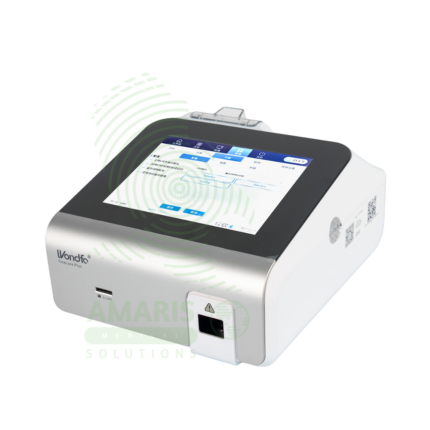
Finecare Analyzer
The Finecare Analyzer is a Class II medical device (FDA-cleared, CE-marked) fluorescence immunoassay system manufactured by Wondfo Biotech for quantitative detection of cardiac markers (troponin I, CK-MB, myoglobin), inflammatory markers (CRP, procalcitonin), thyroid hormones (TSH, FT3, FT4), diabetes markers (HbA1c), reproductive hormones (LH, FSH, prolactin), tumor markers (AFP, CEA, PSA), and infectious disease markers. Features include time-resolved fluorescence technology, color touchscreen interface, built-in printer (select models), USB/Ethernet connectivity, and internal rechargeable battery for portable use. Test time 3-15 minutes, sample volume 50-100 µL (whole blood, serum, plasma). Primary clinical applications include rapid diagnosis of acute myocardial infarction in chest pain patients, early detection of sepsis and bacterial infections, thyroid disorder diagnosis and monitoring, long-term glycemic control assessment in diabetes, fertility and reproductive health evaluation, cancer screening and surveillance, and infectious disease testing in endemic and clinical settings. Critical safety precautions include proper test cartridge storage (2-8°C), regular quality control, biohazard safety protocols, and operator training. Essential point-of-care testing system for hospitals, clinics, and remote healthcare facilities requiring rapid, quantitative results.
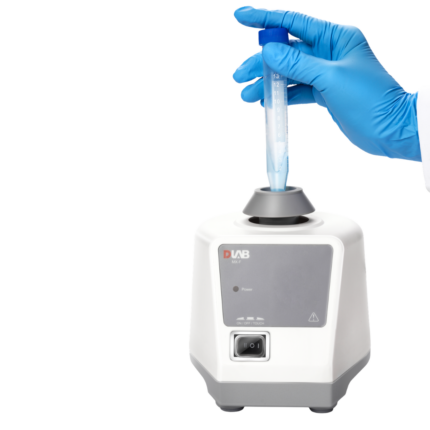
Fixed Speed Vortex Mixer (MX-F)
The Fixed Speed Vortex Mixer (MX-F) is a compact, reliable benchtop vortex mixer designed for general laboratory mixing applications in clinical diagnostic, molecular biology, and research laboratories . Operating at a fixed speed of 3000 rpm with a 4 mm orbit diameter, this vortex mixer provides consistent, reproducible mixing of blood collection tubes, reagents, buffers, and biological samples .
Key features include two operating modes—touch activation (press tube into cup head for immediate mixing) for quick, on-demand mixing of individual tubes, and continuous operation mode (switch-activated) for extended mixing of larger volumes or multiple samples . The universal voltage (100-240V, 50/60Hz) and low power consumption (60W) enable use in laboratories worldwide without voltage conversion . The impact-resistant plastic housing with rubber suction feet provides stability and prevents "walking" during operation .
For the clinical laboratory scientist and phlebotomist, the Fixed Speed Vortex Mixer (MX-F) ensures immediate mixing of blood collection tubes after venipuncture—preventing clot formation and ensuring accurate hematology, coagulation, and chemistry results . For the molecular biologist, the MX-F facilitates resuspension of nucleic acid pellets, mixing of PCR reaction components, and homogenization of buffers for diagnostic assays . The optional multi-tube head for 0.2 mL PCR strips and flat rubber pad for larger vessels extend the versatility of this fixed-speed mixer .
With its compact footprint (127 × 130 × 160 mm), lightweight design (2.0 kg), and simple operation, theFixed Speed Vortex Mixer (MX-F) is an essential tool for clinical diagnostic laboratories, molecular diagnostics labs, blood banks, physician office laboratories, and research facilities requiring reliable, consistent vortex mixing for patient sample preparation and diagnostic testing .
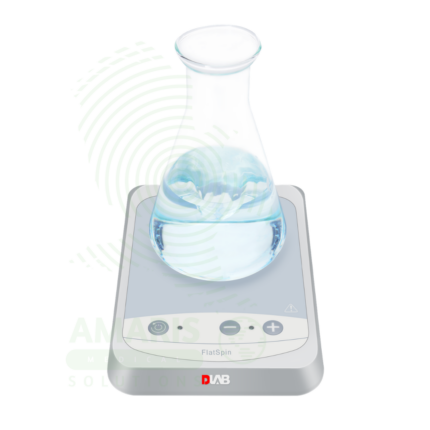
FlatSpin Ultra-flat Compact Magnetic Stirrer
The FlatSpin Ultra-flat Compact Magnetic Stirrer is a revolutionary, non-heating magnetic stirrer designed for high-performance, space-saving mixing in clinical, analytical, and quality control laboratories. Its innovative motorless technology provides silent, vibration-free operation, making it ideal for sensitive titration procedures and use on crowded, space-constrained benchtops. With a maximum stirring capacity of 0.8 liters and an adjustable speed range of 15–1500 rpm, the FlatSpin is engineered for efficient and precise liquid mixing.
Every FlatSpin is built around a unique motorless design, eliminating source of mechanical noise and vibration while reducing maintenance needs. Featuring a chemical-resistant PET work plate with a Ø90 mm radius, it ensures long-lasting durability for daily lab work. The stirrer has a wide speed range from 15 to 1500 rpm controllable in 10 rpm increments with the push of a button, and a bright digital display indicates power and speed for precise monitoring.
Key user-focused features include its ultra-flat profile of only 15 mm, which allows it to fit almost anywhere, including under bottle-top burettes for seamless titrations. The built-in auto-reverse mode changes direction every 15 seconds to eliminate dead zones and improve mixing efficiency, especially for complex or viscous solutions. With an IP65 protection rating (on select models), the stirrer is safeguarded against splashes, making it suitable for use in demanding environments.
-
Cat. No.: 8030184000
-
Speed Range and Display: 15-1500 rpm, button control, bright indicator light
-
Stirring Capacity: 0.8L at H₂O
-
Magnetic Bar: Suitable for stir bars up to 40 mm in length
-
Protection Grade: IP21 or IP65 depending on model
-
Work Surface: PET top work plate with excellent chemical resistance
-
Weight and Dimensions: 0.3 kg, dimensions: 175 × 120 × 15 mm
-
Power and Standard: 5W, 100-120V / 200-240V AC, 50/60Hz, CE, etc.
For the analytical chemist performing precise titrations, the quality control technician preparing standards, or the educator teaching basic chemistry principles, the FlatSpin provides a unique combination of a powerful yet silent operation, an ultra-flat build, and wide speed range. For the patient, this instrument ensures that reagents, QC samples, and analytical standards are prepared accurately and reliably, which forms the bedrock of effective diagnostics, pharmaceutical safety, and regulatory compliance.
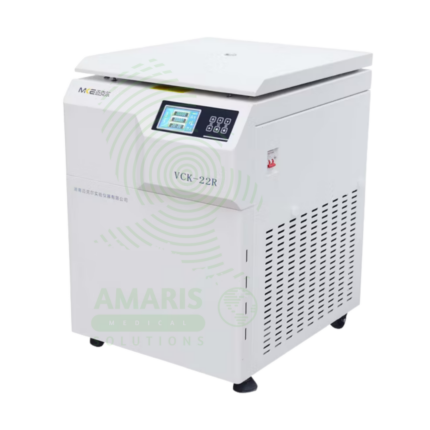
Floor Type High Speed Cooling Centrifuge
A Floor Type High Speed Cooling Centrifuge is a heavy-duty, floor-standing refrigerated centrifuge designed for large-scale, high-speed processing of temperature-sensitive biological samples at forces up to 120,000 x g (standard high-speed) or 800,000 x g (ultracentrifuge) with precise temperature control from -20°C to +40°C. Capable of processing multiple liters per run using fixed-angle, swinging-bucket, continuous flow, zonal, and vertical rotors with capacities from 4-8 × 500 mL bottles to continuous flow rates of 2-20 L/hour. Features include high-torque brushless motors, advanced refrigeration systems, high vacuum systems (ultracentrifuges), large color touchscreen interfaces with 21 CFR Part 11 compliant data logging, 100-1,000 programmable protocols, multi-sensor imbalance detection, aerosol-tight rotors for BSL-3/4 applications, and comprehensive safety interlock systems. Primary clinical and research applications include virus particle concentration and purification for virology and vaccine development, DNA/RNA extraction from large sample volumes, subcellular fractionation and organelle isolation, lipoprotein separation for cardiovascular risk assessment, protein purification for structural biology, exosome isolation for biomarker research, and large-scale vaccine and biopharmaceutical production under GMP conditions. Essential equipment for advanced diagnostic laboratories, research institutions, biopharmaceutical manufacturing facilities, and vaccine production centers requiring high centrifugal forces, precise temperature control, and validated, reproducible performance.
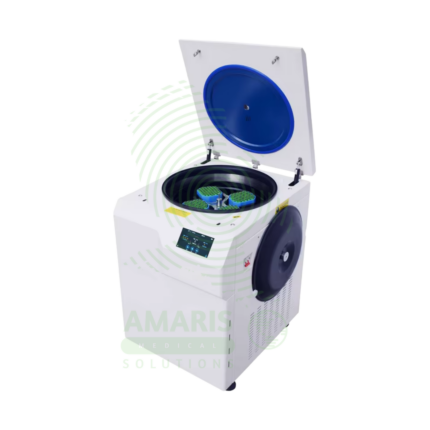
Floor Type Low Speed Cooling Centrifuge
A Floor Type Low Speed Cooling Centrifuge is a heavy-duty, floor-standing refrigerated centrifuge designed for large-scale, temperature-controlled processing of biological samples in clinical laboratories, blood banks, biopharmaceutical manufacturing, and research facilities. With capacities up to 12 blood bags, 6 × 1 L bottles, 192 blood collection tubes, or 20 microplates per run, these units operate at 4,000-8,000 RPM generating RCF up to 12,000 x g with precise temperature control from -10°C to +40°C (±1°C). Features include high-torque brushless motors, advanced refrigeration systems, color touchscreen interfaces, programmable protocols (50-100 programs), multiple acceleration/deceleration profiles, comprehensive imbalance detection, aerosol-tight rotors, and GMP-compliant data logging options. Primary clinical applications include blood bank processing (packed cells, plasma, cryoprecipitate), coagulation studies requiring cold centrifugation, temperature-sensitive molecular biology preparations, vaccine and biopharmaceutical production, cold precipitation studies, and long-duration centrifugation protocols. Essential equipment for high-volume clinical laboratories, blood donor centers, and GMP manufacturing facilities requiring precise temperature control and large sample capacity with reproducible, validated results.
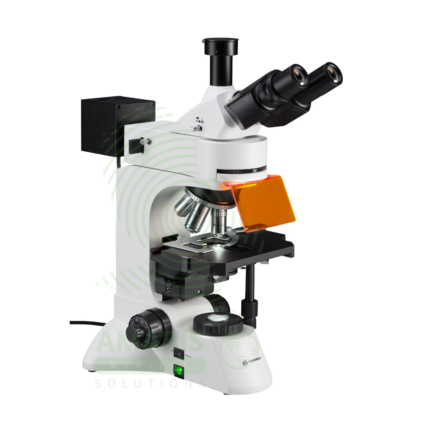
Fluorescent Microscope
A Fluorescent Microscope is a specialized Class I medical device designed for visualizing specimens labeled with fluorescent dyes (fluorochromes) that emit light at specific wavelengths when excited by high-intensity illumination. Equipped with high-pressure mercury (HBO), xenon (XBO), metal halide, or LED light sources, interchangeable filter cubes for specific fluorochromes (DAPI, FITC, TRITC, Cy3, Cy5), and high numerical aperture objectives for maximum light collection. Features include epifluorescence design, precision filter turret (4-6 positions), UV-blocking safety shields, and trinocular head for digital imaging. Primary clinical applications include immunofluorescence for autoimmune disease diagnosis (ANA, ANCA, anti-dsDNA, skin/kidney biopsies), fluorescence in situ hybridization (FISH) for genetic abnormalities (aneuploidy, deletions, translocations, HER2 amplification), auramine-rhodamine staining for tuberculosis screening, direct fluorescent antibody (DFA) testing for Legionella, Pneumocystis, Cryptosporidium, Giardia, and respiratory viruses, and FTA-ABS confirmatory testing for syphilis. Essential equipment in immunology, microbiology, pathology, cytogenetics, and molecular diagnostics laboratories requiring sensitive and specific detection of fluorescent signals for diagnosis of infectious, autoimmune, genetic, and neoplastic diseases.
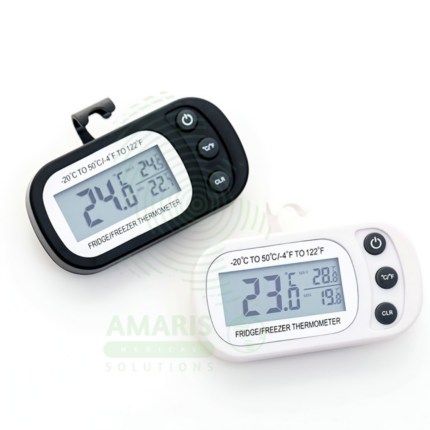
Fridge Thermometer
A Fridge Thermometer is a precision temperature monitoring device designed for continuous use inside medical and laboratory refrigerators and freezers. Its primary role is to safeguard the potency of vaccines, medications, and biological samples by ensuring storage temperatures remain within a critical specified range (e.g., +2°C to +8°C). Available in analog or digital formats, accurate models with memory functions are essential for compliance with cold chain protocols, requiring daily monitoring, logging, and regular calibration. It is a fundamental quality control tool in pharmacies, clinics, immunization centers, and laboratories.
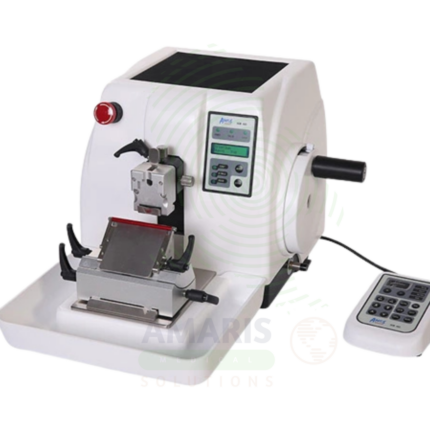
Fully Automated Microtome
A Fully Automated Microtome is a precision instrument for sectioning paraffin-embedded tissue blocks for histopathological examination. Motorized specimen advance and programmable settings ensure consistent section thickness, reduce operator fatigue, and improve throughput in high-volume histology laboratories. Integrated safety features and ergonomic design protect operators from injury while producing high-quality sections essential for accurate pathological diagnosis.
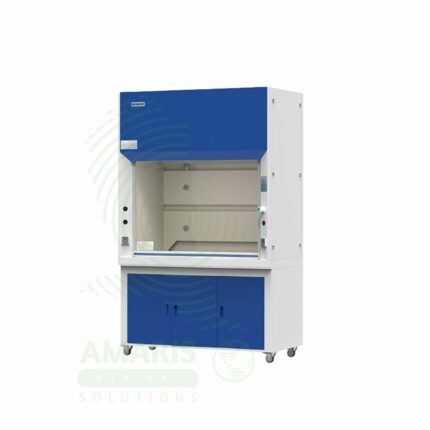
Fume Hood
A Fume Hood is a ventilated enclosure designed to capture and exhaust hazardous chemical vapors, gases, and particulates to protect laboratory personnel. It operates by maintaining a consistent inward face velocity (80-120 fpm) to contain contaminants. Critical safety practices include working at the proper sash height, keeping equipment well inside the hood, and ensuring annual performance certification. It is distinct from biological safety cabinets and laminar flow hoods and must never be used for biological hazards unless specifically designed as a ducted enclosure for such use. It is an essential safety device in any laboratory handling chemicals.
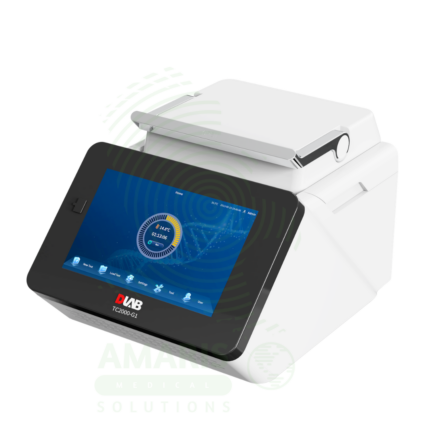
Gene Amplification Instrument (TC2000-G1)
The Gene Amplification Instrument (TC2000-G1) is a 96-well gradient thermal cycler featuring advanced Peltier heating/cooling technology (5°C/sec ramp rate), precise temperature control (±0.1°C accuracy), excellent temperature uniformity (±0.2°C at 55°C), edge temperature compensation, 10.1-inch LCD color touchscreen (1280×800), gradient capability (1-42°C span), Touchdown PCR support (-10°C to +10°C), Long PCR support (-600 sec to +600 sec), power failure protection, Wi-Fi connectivity, email notification, and three-level user permission management with password protection, designed for DNA amplification in clinical diagnostic, molecular biology, and research laboratories .
Key features include a 96-well aluminum block compatible with PCR tubes, 8-strips, and 96-well PCR plates (no skirt, half-skirt, full-skirt), self-adaptive pressure lever hot cap with one-step lid closure (30-115°C), 10.1-inch touchscreen with visual countdown circle display for real-time run progress, automatic self-test at power-up, standard and fast temperature control modes, program suspension and skip-to-next-step functions, USB 2.0 and built-in Wi-Fi interfaces, email notification upon run completion, run record and abnormal event logging, and USB-based software updates .
The Gene Amplification Instrument(TC2000-G1) supports standard PCR, Touchdown PCR (-10°C to +10°C) for enhanced specificity, and Long PCR (-600 sec to +600 sec) for large fragment amplification . Edge temperature compensation technology minimizes "edge effect" and ensures consistent amplification across all 96 wells . The self-adaptive pressure lever hot cap adapts to different PCR tube heights with one-step closure . Power failure protection automatically resumes unfinished cycles upon power restoration, ensuring sample safety during extended runs .
Three-level user permission management (guest, account authentication, administrator) with password protection ensures data security and regulatory compliance . The built-in Wi-Fi module allows simultaneous control of multiple PCR instruments from one computer via LAN, with email notifications sent upon run completion . The 10.1-inch touchscreen provides intuitive program editing with up to 199 cycles and 30 steps per program, and storage for over 20,000 programs via USB flash drive .
For the clinical laboratory scientist and molecular biologist, the Gene Amplification Instrument supports infectious disease detection (COVID-19, HIV, hepatitis B/C, tuberculosis, HPV, influenza), genetic mutation screening (β-thalassemia, BRCA, CFTR), viral load monitoring, gene cloning, DNA sequencing preparation, forensic DNA analysis (STR amplification), food safety pathogen detection and GMO screening, and Touchdown/Long PCR applications .
Universal voltage (100-240V, 50/60Hz) enables use in laboratories worldwide without voltage conversion, while the compact footprint (422 × 310 × 264 mm) and moderate weight (11 kg) allow easy benchtop placement . The 0-105°C temperature range, 5°C/sec ramp rate, and Peltier lifespan of up to 200,000 cycles provide rapid, reliable thermal cycling for routine and advanced diagnostic applications .
For the patient undergoing infectious disease testing, genetic screening for hereditary disorders, or viral load monitoring for chronic infections, the Gene Amplification Instrument precise temperature control, gradient optimization capability, rapid ramp rate, and data security features ensure accurate, reproducible PCR results that guide appropriate treatment decisions across clinical infectious disease, oncology, genetics, and molecular diagnostics applications .
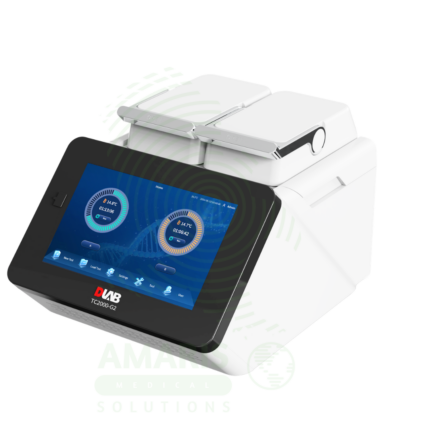
Gene Amplification Instrument (TC2000-G2)
The Gene Amplification Instrument is a dual-block independent gradient thermal cycler featuring two separate 48-well aluminum blocks (96 total wells), each with independent temperature control, advanced Peltier heating/cooling technology (5°C/sec ramp rate), precise temperature control (±0.1°C accuracy), excellent temperature uniformity (±0.2°C at 55°C), edge temperature compensation, 10.1-inch LCD color touchscreen (1280×800), independent gradient capability (1-25°C span per block), Touchdown PCR support (-10°C to +10°C), Long PCR support (-600 sec to +600 sec), power failure protection, Wi-Fi connectivity, email notification, three-level user permission management with password protection, and independent operation logs, designed for high-throughput DNA amplification in clinical diagnostic, molecular biology, and research laboratories .
Key features include two independent 48-well aluminum blocks that can run different PCR programs simultaneously—enabling concurrent processing of different patient panels, doubling throughput while maintaining independent temperature control and gradient settings per block. The self-adaptive pressure lever hot cap for each block provides one-step lid closure (30-115°C), adaptable to different PCR tube heights. The 10.1-inch touchscreen displays real-time progress for both blocks simultaneously via independent countdown circles .
The Gene Amplification Instrument supports standard PCR, Touchdown PCR (-10°C to +10°C) for enhanced specificity, and Long PCR (-600 sec to +600 sec) for large fragment amplification . Independent dual-block gradient functionality allows simultaneous optimization of annealing temperatures for two different primer sets in a single run. Edge temperature compensation technology minimizes "edge effect" and ensures consistent amplification across all wells . Independent cavity design prevents cross-contamination between different sample types .
Three-level user permission management (guest, account authentication, administrator) with password protection ensures data security and regulatory compliance for high-throughput diagnostic laboratories . The built-in Wi-Fi module allows simultaneous control of multiple PCR instruments from one computer via LAN, with email notifications sent upon run completion . Automatic self-test at power-up detects all working modules .
For the clinical laboratory scientist and molecular biologist, the TC2000-G2 supports high-throughput infectious disease detection (concurrent COVID-19 and HIV testing, respiratory and bloodborne pathogen panels), independent genetic mutation screening, viral load monitoring, gene cloning, DNA sequencing preparation, forensic DNA analysis (STR amplification), food safety pathogen detection and GMO screening, and Touchdown/Long PCR applications .
Universal voltage (100-240V, 50/60Hz) enables use in laboratories worldwide without voltage conversion, while the moderate footprint (422 × 310 × 261 mm) and weight (11 kg) allow easy benchtop placement . The 0-105°C temperature range, 5°C/sec ramp rate, and Peltier lifespan of up to 200,000 cycles provide rapid, reliable thermal cycling for high-throughput routine and advanced diagnostic applications .
For the patient undergoing infectious disease testing, genetic screening for hereditary disorders, or viral load monitoring for chronic infections, the Gene Amplification Instrument is an independent dual-block design, precise temperature control, gradient optimization capability, and rapid ramp rate ensure accurate, reproducible PCR results with faster turnaround times—guiding appropriate treatment decisions across clinical infectious disease, oncology, genetics, and molecular diagnostics applications.
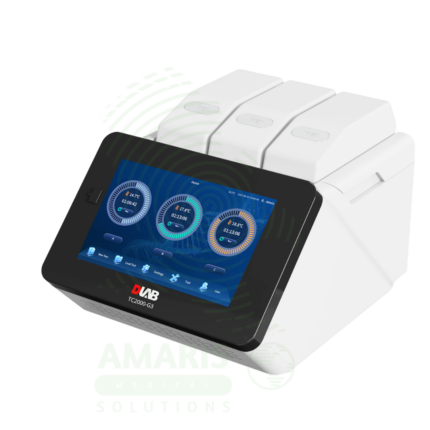
Gene Amplification Instrument (TC2000-G3)
The Gene Amplification Instrument is a triple-block independent gradient thermal cycler featuring three separate 32-well aluminum blocks (96 total wells), each with independent temperature control, advanced Peltier heating/cooling technology (5°C/sec ramp rate), precise temperature control (±0.1°C accuracy), excellent temperature uniformity (±0.2°C at 55°C), edge temperature compensation, 10.1-inch LCD color touchscreen (1280×800), independent gradient capability (1-25°C span per block), Touchdown PCR support (-10°C to +10°C), Long PCR support (-600 sec to +600 sec), power failure protection, Wi-Fi connectivity, email notification, three-level user permission management with password protection, and independent operation logs, designed for ultra-high-throughput DNA amplification in clinical diagnostic, molecular biology, and research laboratories .
Key features include three independent 32-well aluminum blocks that can run different PCR programs simultaneously—enabling concurrent processing of up to three different patient panels (e.g., respiratory panel, bloodborne panel, gastrointestinal panel), tripling throughput while maintaining independent temperature control and gradient settings per block . The self-adaptive pressure lever hot cap for each block provides one-step lid closure (30-115°C), adaptable to different PCR tube heights . The 10.1-inch touchscreen displays real-time progress for all three blocks simultaneously via independent countdown circles .
The Gene Amplification Instrument supports standard PCR, Touchdown PCR (-10°C to +10°C) for enhanced specificity, and Long PCR (-600 sec to +600 sec) for large fragment amplification . Triple independent block gradient functionality allows simultaneous optimization of annealing temperatures for three different primer sets in a single run. Edge temperature compensation technology minimizes "edge effect" and ensures consistent amplification across all wells . Independent cavity design prevents cross-contamination between different sample types .
Three-level user permission management (guest, account authentication, administrator) with password protection ensures data security and regulatory compliance for ultra-high-throughput diagnostic laboratories . The built-in Wi-Fi module allows simultaneous control of multiple PCR instruments from one computer via LAN, with email notifications sent upon run completion . Automatic self-test at power-up detects all working modules .
For the clinical laboratory scientist and molecular biologist, the Gene Amplification Instrument supports ultra-high-throughput infectious disease detection (concurrent COVID-19, HIV, and hepatitis testing; respiratory, bloodborne, and gastrointestinal pathogen panels), triple independent genetic mutation screening, viral load monitoring, gene cloning, DNA sequencing preparation, forensic DNA analysis (STR amplification), food safety pathogen detection and GMO screening, and Touchdown/Long PCR applications .
Universal voltage (100-240V, 50/60Hz) enables use in laboratories worldwide without voltage conversion, while the moderate footprint (422 × 310 × 252 mm) and weight (11 kg) allow easy benchtop placement . The 0-105°C temperature range, 5°C/sec ramp rate, and Peltier lifespan of up to 200,000 cycles (supporting 20,000 cycles) provide rapid, reliable thermal cycling for ultra-high-throughput routine and advanced diagnostic applications . At 1500W power consumption, the G3 model provides the highest throughput capacity in the TC2000 series for maximum laboratory productivity .
For the patient undergoing infectious disease testing, genetic screening for hereditary disorders, or viral load monitoring for chronic infections, the Gene Amplification Instrument is a triple independent block design, precise temperature control, gradient optimization capability, and rapid ramp rate ensure accurate, reproducible PCR results with the fastest possible turnaround times—guiding appropriate treatment decisions across clinical infectious disease, oncology, genetics, and molecular diagnostics applications.
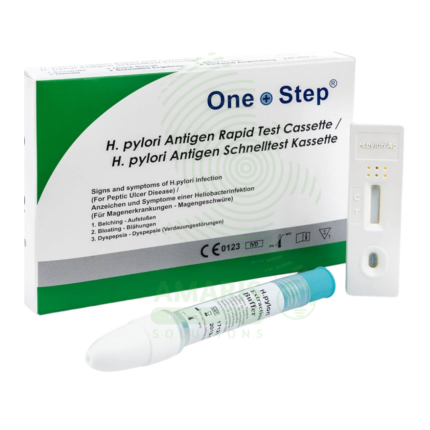
H.pylori test kits (Antigen)
H.pylori test kits (Antigen) are Class II medical devices (FDA-cleared/CE-marked) for rapid immunochromatographic or enzyme immunoassay detection of Helicobacter pylori antigens in stool specimens, enabling non-invasive diagnosis of active infection and post-treatment eradication confirmation. Test principles use monoclonal or polyclonal antibodies specific to H. pylori antigens, producing visible results in 10-20 minutes (rapid tests) or 1-2 hours (EIA). Sensitivity 90-98%, specificity 92-99% compared to gold standard methods. Primary clinical applications include rapid diagnosis of H. pylori infection in patients with dyspepsia, initial screening in uncomplicated dyspepsia (test-and-treat strategy), confirmation of active infection before therapy, post-treatment eradication confirmation (4-6 weeks after therapy), pediatric testing (preferred non-invasive method), screening in high-risk populations (family history of gastric cancer), and monitoring in patients with peptic ulcer disease or MALT lymphoma. Critical safety precautions include mandatory washout period (4 weeks off antibiotics, 2 weeks off PPIs) to avoid false negatives, proper specimen handling (universal precautions), refrigerated storage of kits (2-30°C), quality control verification, and disposal as biohazardous waste. Essential non-invasive tool for H. pylori management in gastroenterology and primary care.
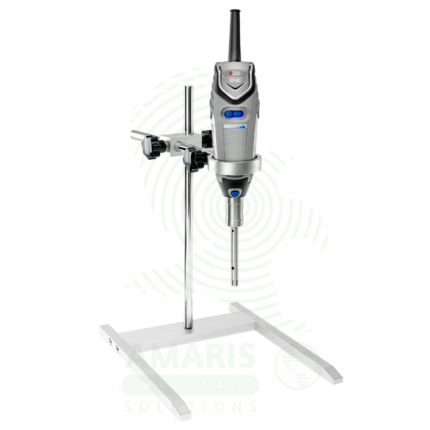
Handheld Homogenizer (D-160)
The Handheld Homogenizer is a portable, lightweight rotor-stator homogenizer featuring variable speed control (8,000-32,000 rpm with 10 speed settings), interchangeable autoclavable 316L stainless steel dispersing shafts, and an ergonomic handheld design, engineered for rapid homogenization, dispersion, and emulsification of biological tissues, cells, and clinical specimens in diagnostic and research laboratories .
Key features include a 160W AC carbon brush motor, 10-stage adjustable speed dial for precise control of homogenization intensity , interchangeable dispersing shafts (DS-160/5: 5mm diameter, 0.1-50 mL working volume; DS-160/10: 10mm diameter, 1-250 mL working volume) , and fully autoclavable 316L stainless steel construction with PTFE seals for chemical resistance and contamination prevention . The compact (45 × 55 × 190 mm) and lightweight (0.54 kg) design allows single-handed operation and easy transport between workstations . An optional H370 stand enables hands-free, stationary operation .
For the histotechnologist and pathologist, the D-160 processes tissue samples such as muscle, liver, breast, and other organs in 10-30 seconds —enabling rapid preparation of homogenized specimens for histological examination, immunohistochemistry, and diagnostic pathology . For the molecular biologist, it supports cell disruption and nucleic acid extraction for PCR-based infectious disease testing, genetic screening, and oncology biomarker detection . For the clinical microbiologist, it processes bacterial and fungal specimens for pathogen identification and antimicrobial susceptibility testing .
For the patient undergoing biopsy for suspected cancer, inflammatory disease, or infectious condition, the Handheld Homogenizer rapid tissue homogenization reduces turnaround time for diagnostic results, enabling earlier diagnosis and treatment initiation . For patients requiring molecular diagnostic testing, efficient cell lysis and nucleic acid extraction ensure accurate PCR and sequencing results that guide appropriate treatment decisions across clinical pathology, molecular diagnostics, and infectious disease testing applications .
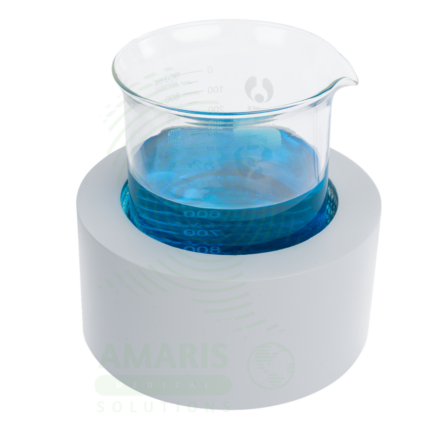
Heating Mantle for 1000mL Beaker (HB1000)
The Heating Mantle for 1000mL Beaker (HB1000) is a dedicated, form‑fitting electric heating mantle engineered for safe, uniform, and efficient heating of 1000 mL beakers in clinical chemistry, pharmaceutical quality control, analytical chemistry, and medical laboratory science education. With a precisely machined inner diameter (118.75 mm) for optimal thermal contact, this heating mantle provides a maximum temperature of 450 °C and a power consumption appropriately scaled for 1000mL capacity, making it ideal for larger‑scale sample digestion, bulk reagent preparation, high‑throughput buffer heating, and educational large‑volume teaching demonstrations.
Every Heating Mantle for 1000mL Beaker (HB1000) features an enclosed heating element embedded within a chemically resistant fiberglass chamber, which provides excellent thermal insulation while protecting the user from burns and the element from chemical spills. The rigid outer metal housing ensures durability for heavy clinical diagnostic laboratory demands, and the bottom‑entry port allows connection of an optional temperature probe for precise temperature monitoring. The unit is typically sold with an external analog or digital controller for adjustable heating intensity.
Key user‑focused features include uniform heat distribution across the beaker wall, which prevents localized overheating and ensures reproducible results; fiberglass insulation that keeps the external housing at a safe temperature; chemical spill resistance that absorbs small spills without short‑circuiting; and a form‑fitting design that securely holds the beaker in place. The larger 1000 mL beaker format allows for unobstructed observation of boiling, dissolution, and crystallization phenomena directly through the glassware while supporting higher throughput or larger batch sizes.
For the clinical chemistry technologist, toxicology analyst, pharmaceutical quality control scientist, and teaching laboratory instructor, the Heating Mantle for 1000mL Beaker (HB1000) delivers the safe, uniform, and efficient heating required for larger‑volume sample digestion for trace element analysis (blood lead, urine cadmium), bulk buffer and reagent preparation, large‑scale dissolution testing simulation, and teaching fundamental heating techniques at a teaching laboratory scale. For the patient, reliable and reproducible heating ensures that diagnostic test results for heavy metal poisoning, metabolic disorders, and pharmaceutical products are accurate and consistent, directly supporting effective clinical decision‑making and patient safety.
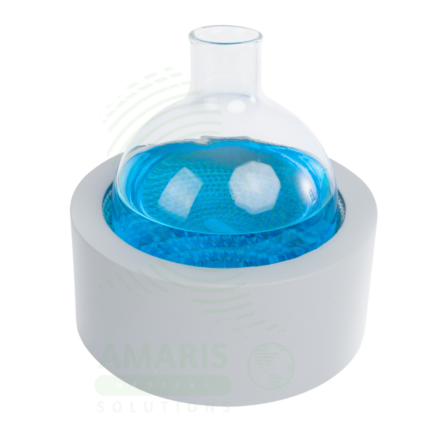
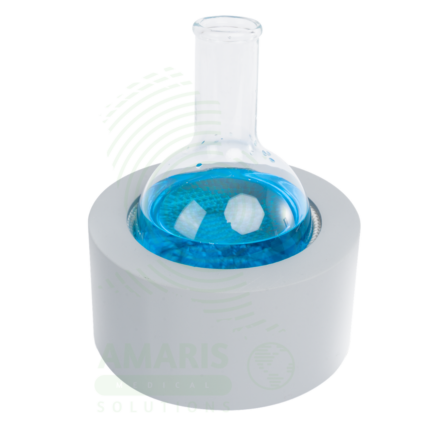
Heating Mantle for 1000mL Round-bottom Flask (HF1000)
The Heating Mantle for 1000mL Round-bottom Flask (HF1000) is a dedicated, form-fitting electric heating mantle engineered for safe, uniform, and efficient heating of 1000 mL round-bottom flasks in pharmaceutical research, industrial chemical synthesis, analytical chemistry, and advanced educational laboratories. With a precision-machined inner diameter of 144.75 mm for optimal thermal contact and uniform heat distribution, this heating mantle provides a maximum temperature of 450 °C and a typical power consumption of 300–350 W, making it ideal for large-scale distillation, bulk solvent recovery, high-volume chemical synthesis, and general industrial laboratory heating applications.
Every Heating Mantle for 1000mL Round-bottom Flask (HF1000) features a robust fiberglass heating chamber embedded with nichrome heating wire, providing excellent heat exchange and uniform temperature distribution across the flask surface. The ceramic wool insulation minimises heat build-up on the outside surface, keeping the external housing at a safe temperature and protecting the user from burns while also enhancing thermal efficiency for energy conservation. The precisely contoured 144.75 mm inner diameter perfectly matches 1000 mL flask dimensions, delivering optimal thermal contact and reliable performance for various large-scale laboratory heating applications requiring flask-based setups. The industrial-grade construction is built for demanding laboratory applications, while the powder-coated steel housing with acid-resistant epoxy coating ensures reliable performance in demanding chemical environments.
Key user-focused features include uniform heat distribution across the flask wall which prevents localized overheating and ensures reproducible results; ceramic wool insulation that keeps the external housing at a safe temperature; chemical and thermal resistant powder-coated housing that withstands industrial laboratory spills; and a precisely contoured design that securely holds the flask in place while providing clear visibility of the top half of the flask during operation. The semi-rigid design conforms to the flask's shape, reducing stress and enhancing heat transfer efficiency while reducing breakage risk.
For the research scientist, pharmaceutical chemist, industrial laboratory technician, and quality control analyst, the Heating Mantle for 1000mL Round-bottom Flask (HF1000) delivers the safe, uniform, and efficient heating required for large-scale chemical synthesis, distillation, reflux, extraction, sample digestion, and quality control testing. For the patient, reliable and reproducible heating ensures that pharmaceutical research, industrial chemical production, clinical testing, and educational training are conducted with consistent and accurate thermal conditions, directly supporting effective drug development, reliable diagnostic protocols, industrial safety standards, and the training of future laboratory professionals.
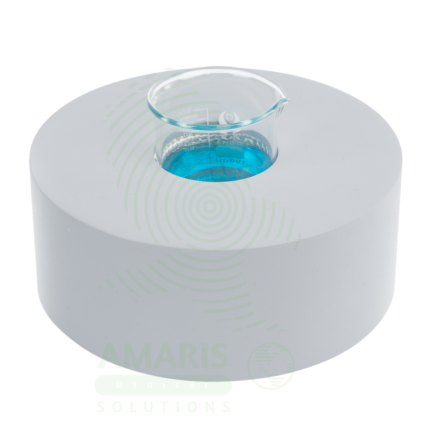
Heating Mantle for 100mL Beaker (HB100)
The Heating Mantle for 100mL Beaker (HB100) is a dedicated, form‑fitting electric heating mantle engineered for safe, uniform, and efficient heating of 100mL beakers in clinical chemistry, pharmaceutical quality control, analytical chemistry, and medical laboratory science education. With a precisely machined inner diameter of 54.75mm for optimal thermal contact, this heating mantle provides a maximum temperature of 450°C and power consumption appropriately scaled for 100mL capacity, making it ideal for small‑volume sample digestion, small‑batch reagent preparation, limited‑volume solvent heating, and compact benchtop‑sized teaching demonstrations.
Every Heating Mantle for 100mL Beaker (HB100) features an enclosed heating element embedded within a chemically resistant fiberglass chamber, which provides excellent thermal insulation while protecting the user from burns and the element from chemical spills. The rigid outer metal housing ensures durability for clinical diagnostic laboratory demands, and the bottom‑entry port allows connection of an optional temperature probe for precise temperature monitoring. The unit is typically sold with an external analog or digital controller for adjustable heating intensity.
Key user‑focused features include uniform heat distribution across the beaker wall, which prevents localized overheating and ensures reproducible results; fiberglass insulation that keeps the external housing at a safe temperature; chemical spill resistance that absorbs small spills without short‑circuiting; and a form‑fitting design that securely holds the beaker in place. The smaller 100mL beaker format allows for unobstructed observation of boiling, dissolution, and crystallization phenomena directly through the glassware while supporting precious or limited‑volume specimens.
For the clinical chemistry technologist, toxicology analyst, pharmaceutical quality control scientist, and teaching laboratory instructor, the Heating Mantle for 100mL Beaker (HB100) delivers the safe, uniform, and efficient heating required for small‑volume sample digestion for trace element analysis (pediatric blood lead, cerebrospinal fluid metals), small‑batch reagent preparation, small‑scale dissolution testing simulation, and teaching fundamental heating techniques at the individual student workstation level. For the patient, reliable and reproducible heating ensures that diagnostic test results for heavy metal poisoning in pediatric populations, metabolic disorders in limited specimen volumes, and pharmaceutical product quality during early validation are accurate and consistent, directly supporting effective clinical decision‑making and patient safety.
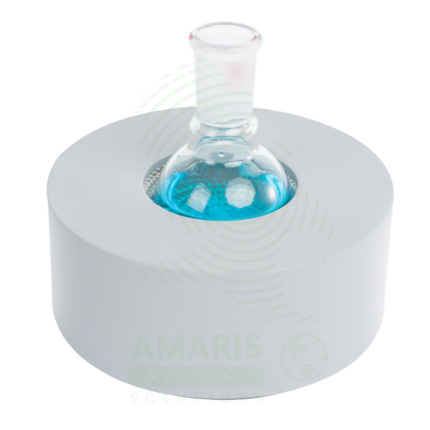
Heating Mantle for 100mL Round‑bottom Flask (HF100)
The Heating Mantle for 100mL Round‑bottom Flask (HF100) is a dedicated, form‑fitting electric heating mantle engineered for safe, uniform, and efficient heating of 100 mL round‑bottom flasks in pharmaceutical research, chemical synthesis, analytical chemistry, and educational laboratories. With a precision‑machined inner diameter of 72.75 mm for optimal thermal contact, this heating mantle provides a maximum temperature of 450 °C and power consumption of 80–100 W, making it ideal for distillation, reflux, solvent evaporation, and general laboratory heating applications.
Heating Mantle for 100mL Round‑bottom Flask (HF100) features a hand‑knitted, non‑asbestos fiberglass heating chamber embedded with nichrome wire, providing excellent heat exchange and uniform temperature distribution across the flask surface. The ceramic wool insulation ensures superior thermal efficiency, minimizing heat loss and keeping the external housing cool to the touch. The special powder‑coated metal housing offers excellent heat and chemical resistance for long‑term durability.
Key user‑focused features include uniform heat distribution across the flask wall, which prevents localized overheating and ensures reproducible results; fiberglass and ceramic wool insulation that keeps the external housing at a safe temperature; chemical and thermal resistant housing that withstands laboratory spills; and a precisely contoured design that securely holds the flask in place while providing up to 300°C of vertical clearance for observers to easily view the top half of the flask. The hemispherical heating chamber maintains direct contact with the glassware for efficient heat transfer.
For the research scientist, pharmaceutical chemist, and laboratory technician, the Heating Mantle for 100mL Round‑bottom Flask (HF100) delivers the safe, uniform, and efficient heating required for chemical synthesis, distillation, reflux, extraction, and sample digestion. For the patient, reliable and reproducible heating ensures that pharmaceutical research, clinical testing, and educational training are conducted with consistent and accurate thermal conditions, directly supporting effective drug development, reliable diagnostic protocols, and the training of future medical laboratory professionals.
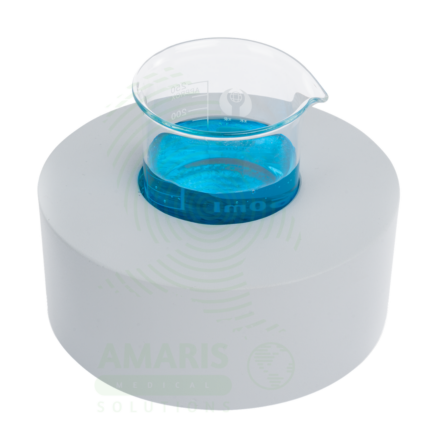
Heating Mantle for 250mL Beaker (HB250)
The Heating Mantle for 250mL Beaker (HB250) is a dedicated, form-fitting electric heating mantle engineered for safe, uniform, and efficient heating of 250 mL beakers in clinical chemistry, pharmaceutical quality control, analytical chemistry, and educational laboratories. With a precisely machined inner diameter of 72.75 mm to ensure optimal thermal contact, this heating mantle provides a maximum temperature of 450°C and a maximum power consumption of 150W, making it ideal for sample digestion, reagent preparation, dissolution testing, and general laboratory heating applications.
Every Heating Mantle for 250mL Beaker (HB250) features an enclosed heating element embedded within a chemically resistant fiberglass chamber, which provides excellent thermal insulation while protecting the user from burns and the element from chemical spills. The rigid outer metal housing ensures durability, and the bottom-entry port allows connection of an optional temperature probe for precise temperature monitoring. The unit is typically sold with an external analog or digital controller for adjustable heating intensity.
Key user-focused features include uniform heat distribution across the beaker wall, which prevents localized overheating and ensures reproducible results; fiberglass insulation that keeps the external housing at a safe temperature; chemical spill resistance that absorbs small spills without short-circuiting; and a form-fitting design that securely holds the beaker in place. The beaker format allows for unobstructed observation of boiling, dissolution, and crystallization phenomena directly through the glassware.
For the clinical chemistry technologist, toxicology analyst, and pharmaceutical quality control scientist, the Heating Mantle for 250mL Beaker (HB250) delivers the safe, uniform, and efficient heating required for sample digestion for trace element analysis, buffer and reagent preparation, dissolution testing simulation, and teaching fundamental heating techniques. For the patient, reliable and reproducible heating ensures that diagnostic test results for heavy metal poisoning, metabolic disorders, and pharmaceutical products are accurate and consistent, directly supporting effective clinical decision-making and patient safety.
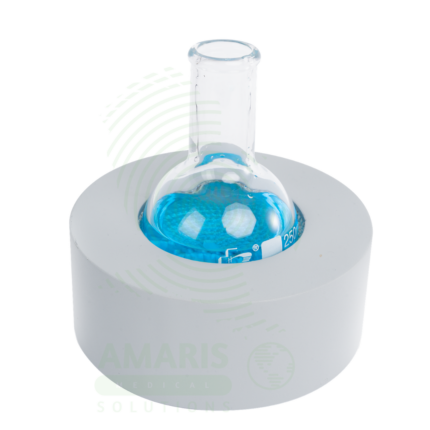
Heating Mantle for 250mL Round‑bottom Flask (HF250)
The Heating Mantle for 250mL Round‑bottom Flask (HF250) is a dedicated, form‑fitting electric heating mantle engineered for safe, uniform, and efficient heating of 250 mL round‑bottom flasks in pharmaceutical research, chemical synthesis, analytical chemistry, and educational laboratories. With a precision‑machined inner diameter of 89.75 mm for optimal thermal contact, this heating mantle provides a maximum temperature of 450 °C and a typical power consumption of 150 W, making it ideal for distillation, reflux, solvent evaporation, and general laboratory heating applications.
Heating Mantle for 250mL Round‑bottom Flask (HF250) features a robust fiberglass heating chamber embedded with nichrome heating wire, providing excellent heat exchange and uniform temperature distribution across the flask surface. The fiberglass mesh insulation minimises heat build‑up on the outside surface, keeping the external housing at a safe temperature and protecting the user from burns while also enhancing thermal efficiency for energy conservation. The precisely contoured 89.75 mm inner diameter perfectly matches 250 mL flask dimensions, delivering optimal thermal contact and reliable performance for various laboratory heating applications requiring flask‑based setups.
Key user‑focused features include uniform heat distribution across the flask wall which prevents localized overheating and ensures reproducible results; fiberglass insulation that keeps the external housing at a safe temperature; chemical and thermal resistant housing that withstands laboratory spills; and a precisely contoured design that securely holds the flask in place while providing clear visibility of the top half of the flask during operation. The hemispherical heating chamber maintains direct contact with the glassware for efficient heat transfer.
For the research scientist, pharmaceutical chemist, and laboratory technician, the Heating Mantle for 250mL Round‑bottom Flask (HF250) delivers the safe, uniform, and efficient heating required for chemical synthesis, distillation, reflux, extraction, and sample digestion. For the patient, reliable and reproducible heating ensures that pharmaceutical research, clinical testing, and educational training are conducted with consistent and accurate thermal conditions, directly supporting effective drug development, reliable diagnostic protocols, and the training of future medical laboratory professionals.
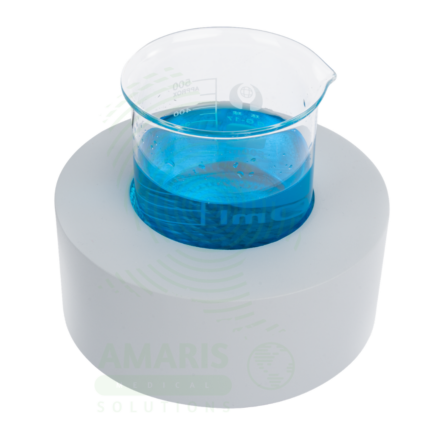
Heating Mantle for 500mL Beaker (HB500)
The Heating Mantle for 500mL Beaker (HB500) is a dedicated, form‑fitting electric heating mantle engineered for safe, uniform, and efficient heating of 500 mL beakers in clinical chemistry, pharmaceutical quality control, analytical chemistry, and educational laboratories. With a precisely machined inner diameter for optimal thermal contact, this heating mantle provides a maximum temperature of 450 °C and a power consumption of approximately 200–250 W, making it ideal for larger‑scale sample digestion, reagent preparation, dissolution testing, and general laboratory heating applications.
Every Heating Mantle for 500mL Beaker (HB500) features an enclosed heating element embedded within a chemically resistant fiberglass chamber, which provides excellent thermal insulation while protecting the user from burns and the element from chemical spills. The rigid outer metal housing ensures durability, and the bottom‑entry port allows connection of an optional temperature probe for precise temperature monitoring. The unit is typically sold with an external analog or digital controller for adjustable heating intensity.
Key user‑focused features include uniform heat distribution across the beaker wall, which prevents localized overheating and ensures reproducible results; fiberglass insulation that keeps the external housing at a safe temperature; chemical spill resistance that absorbs small spills without short‑circuiting; and a form‑fitting design that securely holds the beaker in place. The larger 500 mL beaker format allows for unobstructed observation of boiling, dissolution, and crystallization phenomena directly through the glassware while supporting higher throughput or larger batch sizes.
For the clinical chemistry technologist, toxicology analyst, and pharmaceutical quality control scientist, the Heating Mantle for 500mL Beaker (HB500) delivers the safe, uniform, and efficient heating required for larger‑volume sample digestion for trace element analysis, buffer and reagent preparation, dissolution testing simulation, and teaching fundamental heating techniques at a larger scale. For the patient, reliable and reproducible heating ensures that diagnostic test results for heavy metal poisoning, metabolic disorders, and pharmaceutical products are accurate and consistent, directly supporting effective clinical decision‑making and patient safety.